 English
 Español
 عربى
عربى


Intelligent Pipe Tightening Machine
1. Intelligent adjustment, electric screwing 2. Save labor and improve efficiency 3. The layout is reasonable, safe and reliable 4. Torque adjustable,...
See Details
Content
An Intelligent Pipe Twisting Machine is an advanced industrial tool that automates the twisting and forming of pipes in metal fabrication environments. Unlike manual or semi‑automatic pipe twisting setups, intelligent systems integrate sensors, programmable logic controllers (PLC), and CNC (Computer Numerical Control) to execute precise, repeatable twists and shapes. These machines are essential in industries such as automotive exhaust fabrication, aerospace tubing, structural construction, and pressure vessel manufacturing where accuracy and repeatability directly impact product quality and safety.
Key high‑search keywords related to this topic include automated pipe twisting, pipe bending equipment, and CNC pipe twisting. This section provides foundational knowledge, ensuring readers grasp how intelligent systems improve throughput, reduce human error, and support complex geometries that would be difficult to achieve manually.
To understand practical operation and troubleshoot issues, you must know the machine’s core components. These sub‑systems work together to assure high accuracy and repeatability.
The mechanical frame of an Intelligent Pipe Twisting Machine must resist torsional forces during twisting. Heavy‑duty welded frames made from cast steel or reinforced aluminum minimize deflection. Key parts include:
Mechanical rigidity ensures that the specified twist angles and lengths are consistently achieved without part deformation.
The control system of a modern machine integrates a PLC with an intuitive HMI (Human‑Machine Interface). The PLC executes the twisting program, while the HMI allows operators to:
The use of real‑time feedback from sensors enables automatic compensation for material spring‑back and dimensional deviations.
Most intelligent machines use either servo electric drives or hydraulic systems:
Selecting the correct drive system depends on production speed, torque requirements, and integration preferences with existing equipment.
Choosing the correct Intelligent Pipe Twisting Machine begins with evaluating your project requirements. Factors like pipe diameter range, wall thickness, material type, and production volume directly influence machine selection. Below is a comparison of typical machine classes to help you decide.
| Machine Class | Diameter Range | Wall Thickness | Best Use Case |
| Light Duty Servo | 10–50 mm | ≤ 3 mm | Precision tubing, small parts. |
| Medium Duty Hybrid | 50–150 mm | 3–10 mm | Automotive and industrial tubing. |
| Heavy Duty Hydraulic | 150–300 mm | ≥ 10 mm | Structural sections, construction. |
This table helps buyers map machine capabilities to production needs. Prioritize machines that provide future flexibility if your product mix may change. Also consider modular options that allow upgrades like automatic feeder tables or integrated laser measurement systems.
Correct setup and calibration significantly impact part quality and reduce scrap. A structured setup process ensures alignment, safety, and accuracy:
Before running a job, clear debris and ensure the foundation is level. Intelligent machines often include leveling feet and vibration isolation pads:
Proper site preparation reduces setup variability and extends component life.
Accurate alignment prevents twisting errors and surface defects:
This ensures your first production piece meets dimensional specifications.
Routine maintenance prevents unplanned downtime and preserves machine accuracy. Follow the manufacturer’s maintenance schedule, and implement these best practices:
Common troubleshooting scenarios include unexpected alarms, inconsistent twist angles, or motor overloads. For example, if torque spikes suddenly, inspect the tooling for wear or misalignment. If the HMI freezes, check communication cables and PLC status codes. Maintaining a log of issues and resolutions helps technicians diagnose future problems faster.
An Intelligent Pipe Twisting Machine is an investment in precision, productivity, and quality. By understanding mechanical structures, control systems, selection criteria, setup procedures, and maintenance practices, you empower your team to extract maximum value from this technology. Integrating the right machine into your workflow reduces cycle time, increases repeatability, and supports complex fabrication requirements that manual systems cannot match. Applying the practical insights in this guide will help you achieve reliable, high‑quality output and a competitive advantage in modern manufacturing environments.
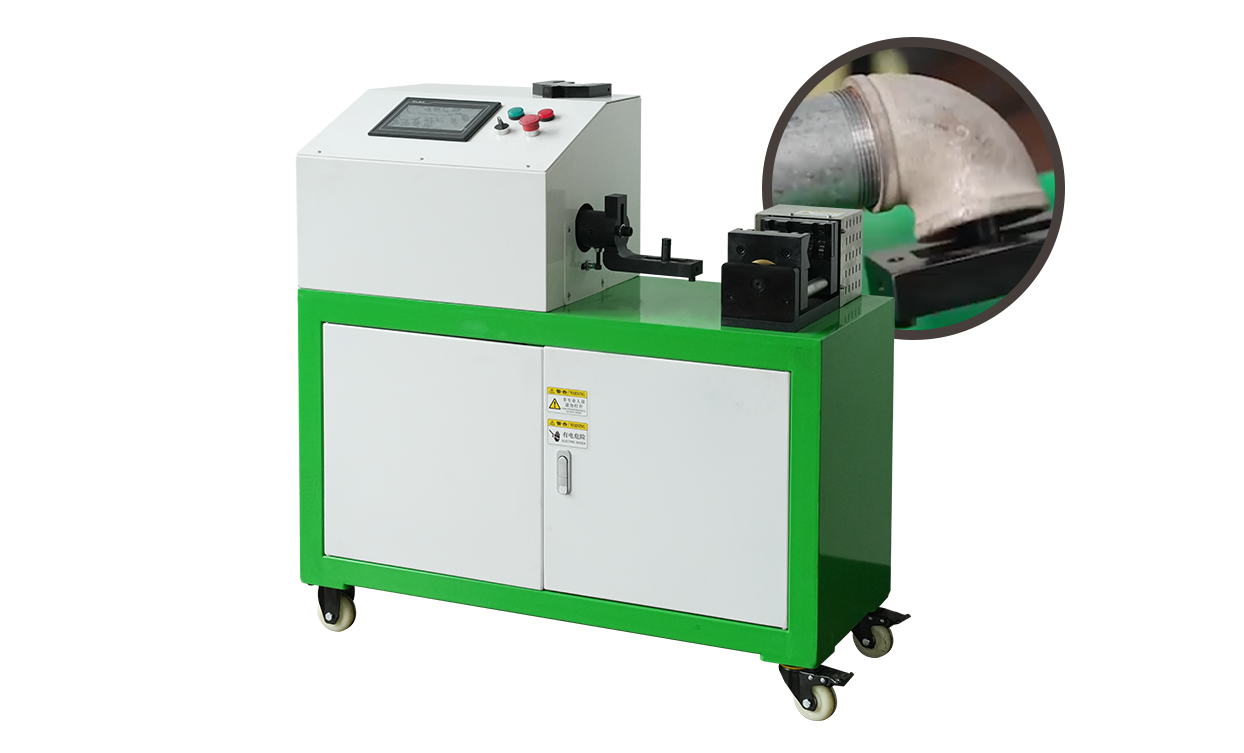
1. Intelligent adjustment, electric screwing 2. Save labor and improve efficiency 3. The layout is reasonable, safe and reliable 4. Torque adjustable,...
See Details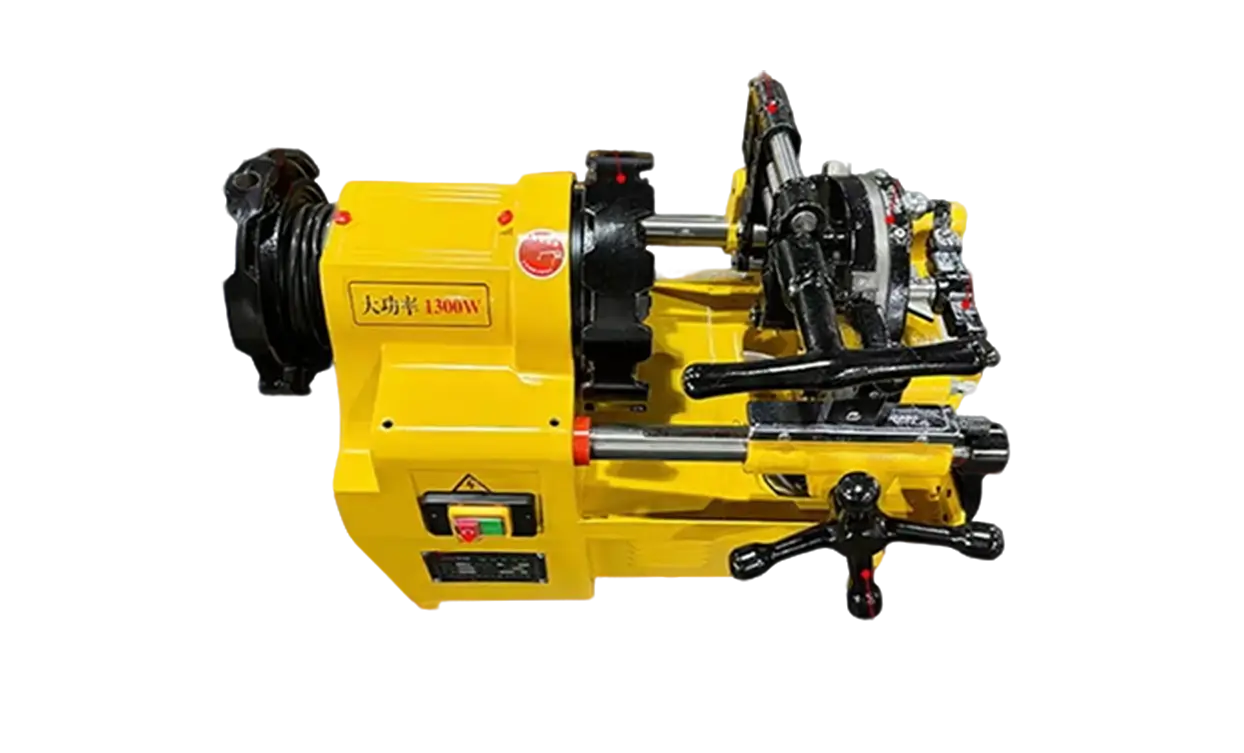
This SQ65 2.5-inch 15-65mm dual-speed electric pipe threading machine is a professional industrial tool engineered for precise pipe threading operatio...
See Details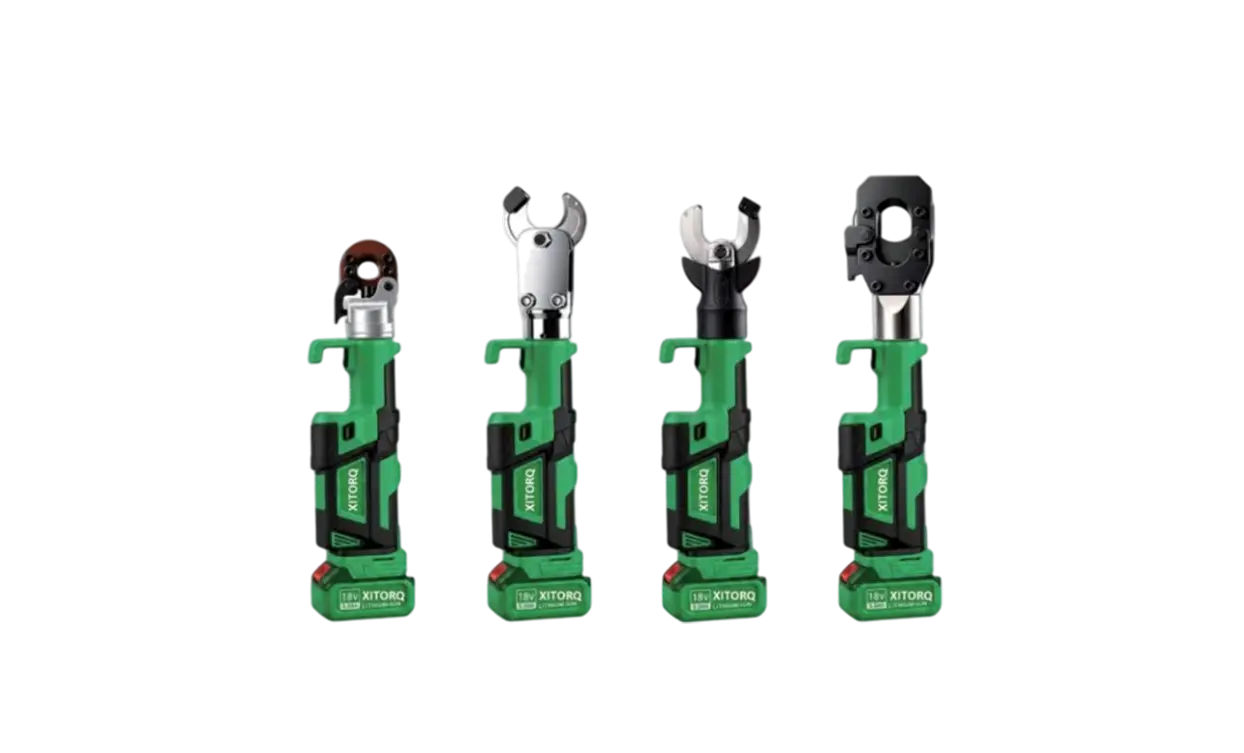
This 18V lithium-ion industrial cable cutter is a professional tool designed for large-diameter cable cutting. It features a brushless lithium-ion pow...
See Details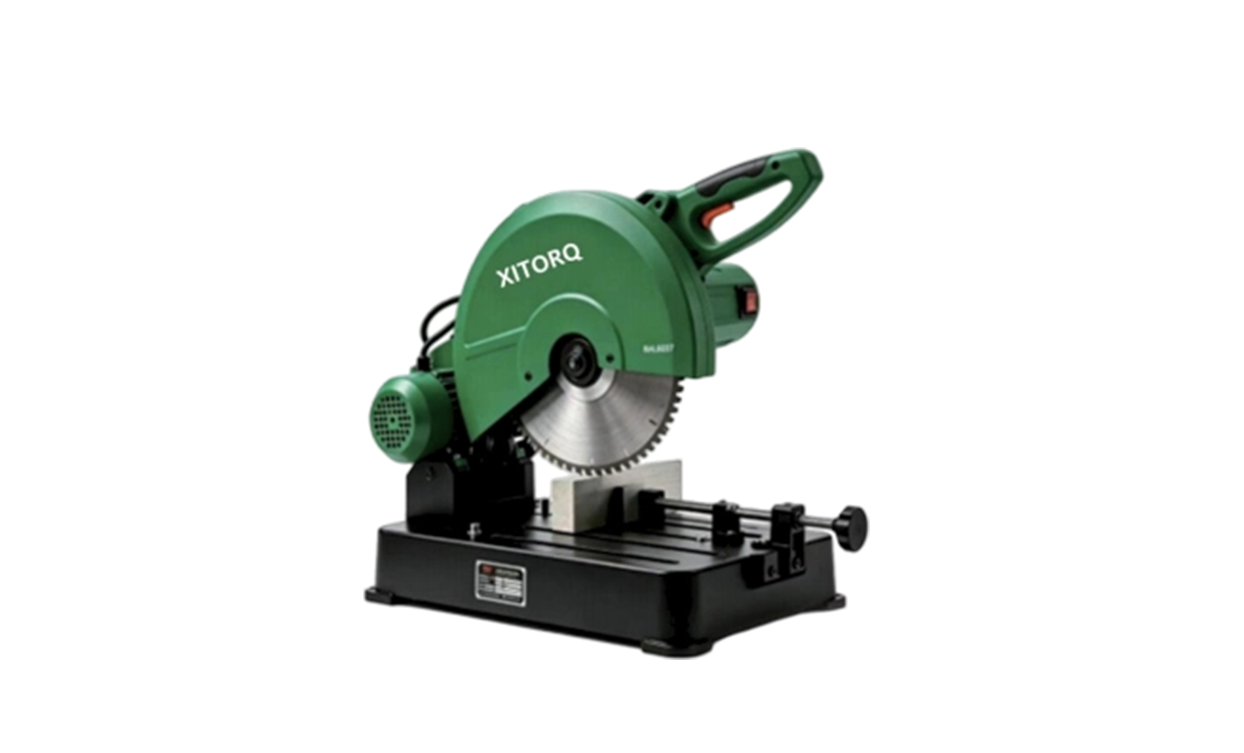
This 220V 14" permanent magnet variable frequency cold saw is an industrial-grade cutting tool designed for metal profile cutting. Featuring a permane...
See Details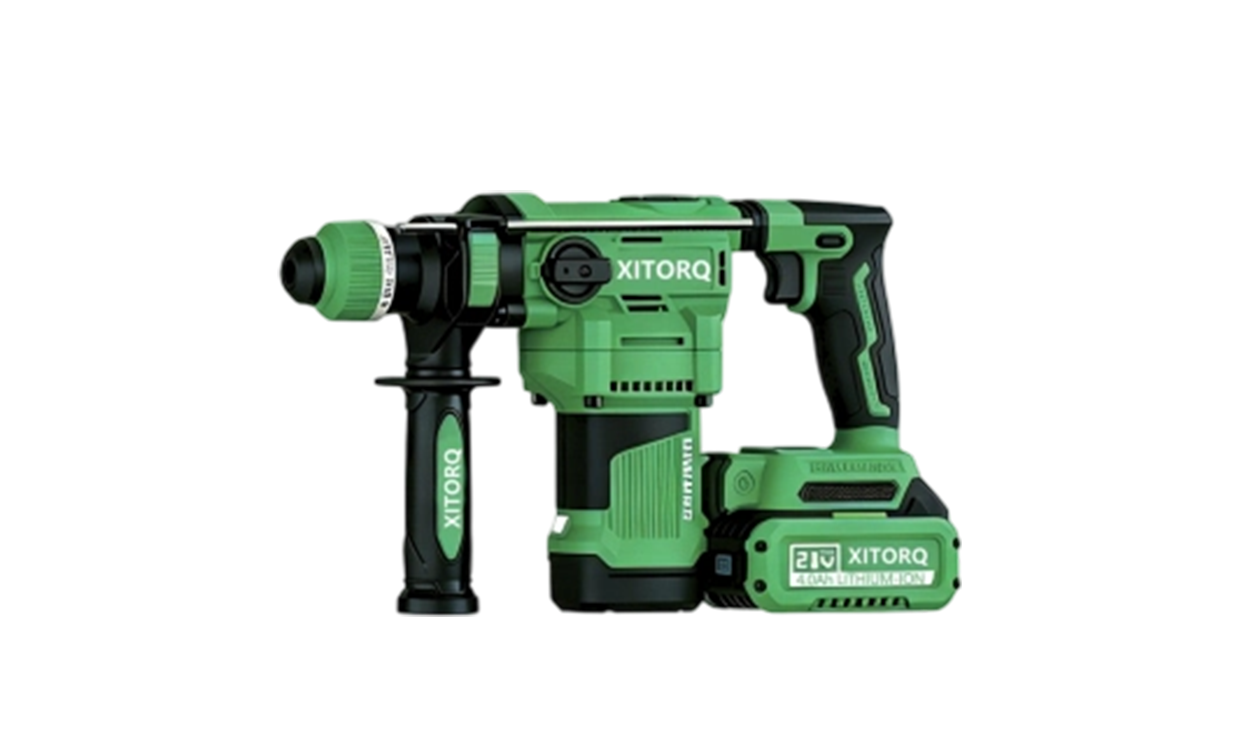
The XJ.728 21V lithium-ion high-magnetic brushless rotary hammer is a heavy-duty industrial-grade hammer from the Xiaojia brand. Featuring an upgraded...
See Details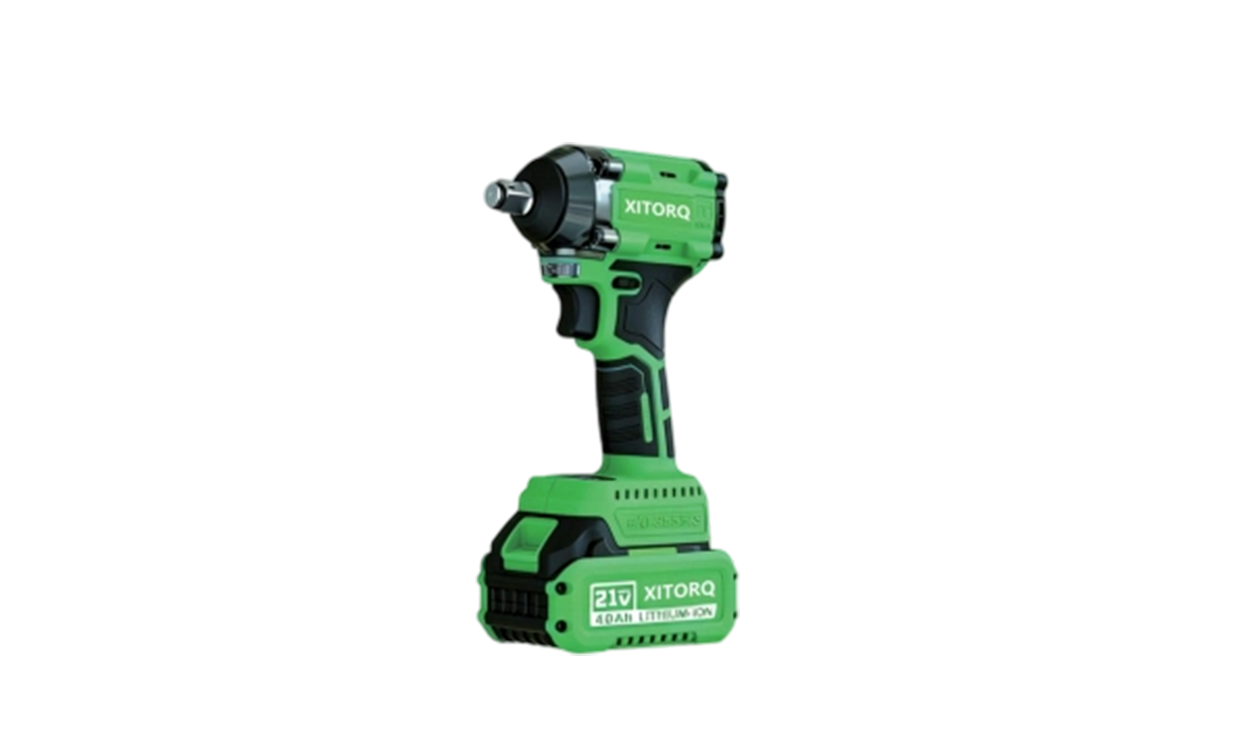
The XJ.523 21V lithium-ion brushless impact wrench is a heavy-duty industrial-grade tool from the Xiaojia brand. Powered by a high-power brushless mot...
See Details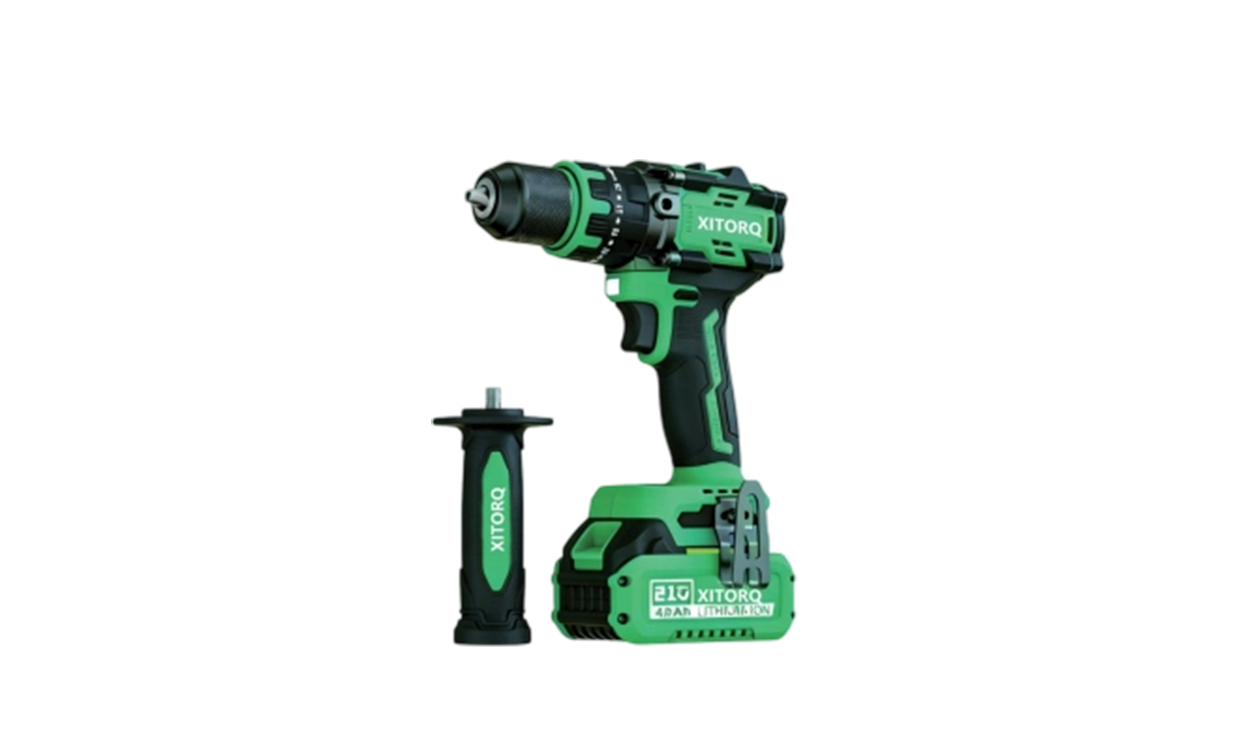
The XJ.608 21V lithium-ion brushless hammer drill/driver is a versatile industrial-grade cordless drill from the Xiaojia brand. Featuring a brushless ...
See Details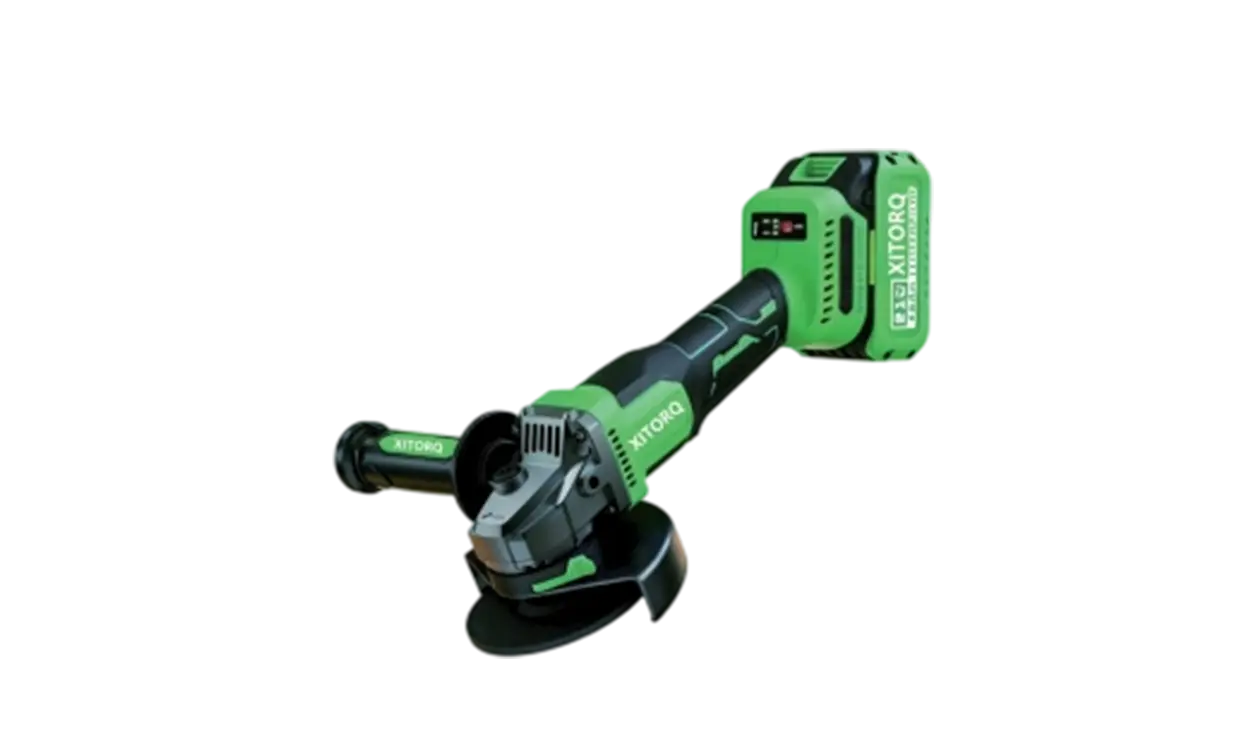
The XJ.918 21V lithium-ion high-magnetic brushless angle grinder is a heavy-duty industrial-grade grinder from the Xiaojia brand. Featuring an upgrade...
See Details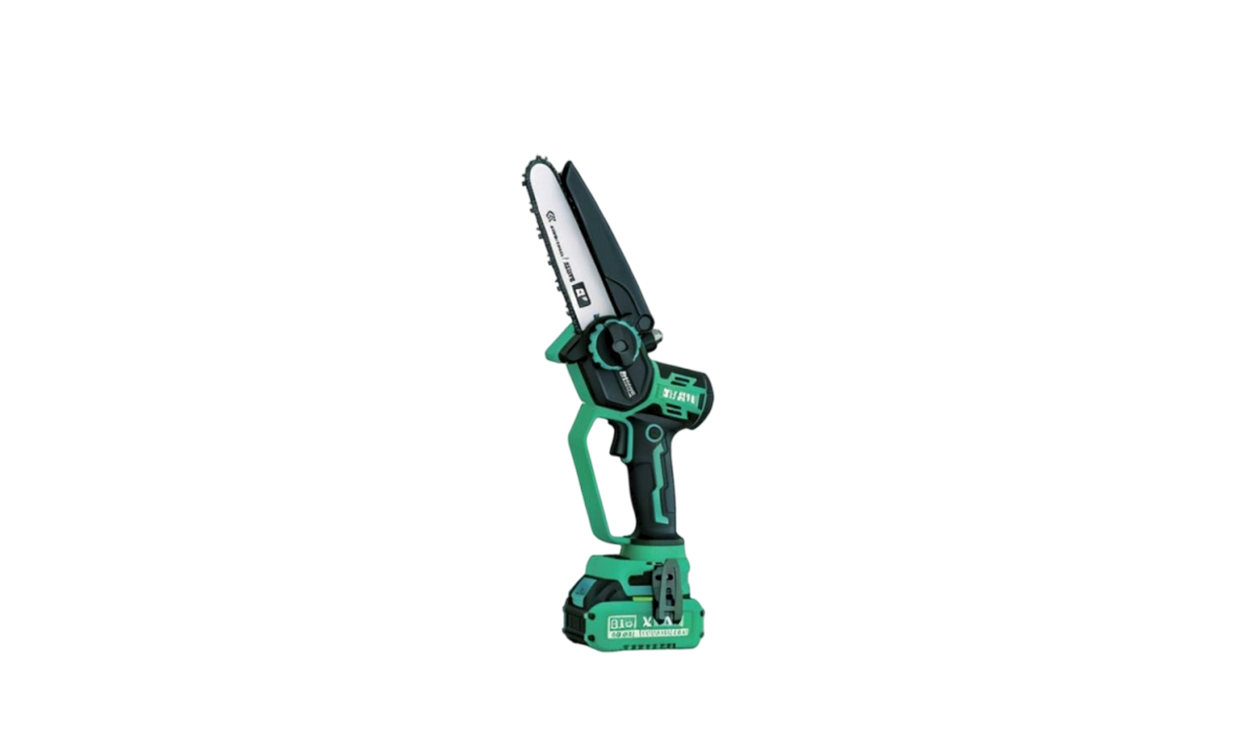
The XJ.204 16V 4" brushless electric chainsaw is a compact lithium-ion chainsaw from the Xiaojia brand. Powered by a 16V brushless motor with a 4" gui...
See Details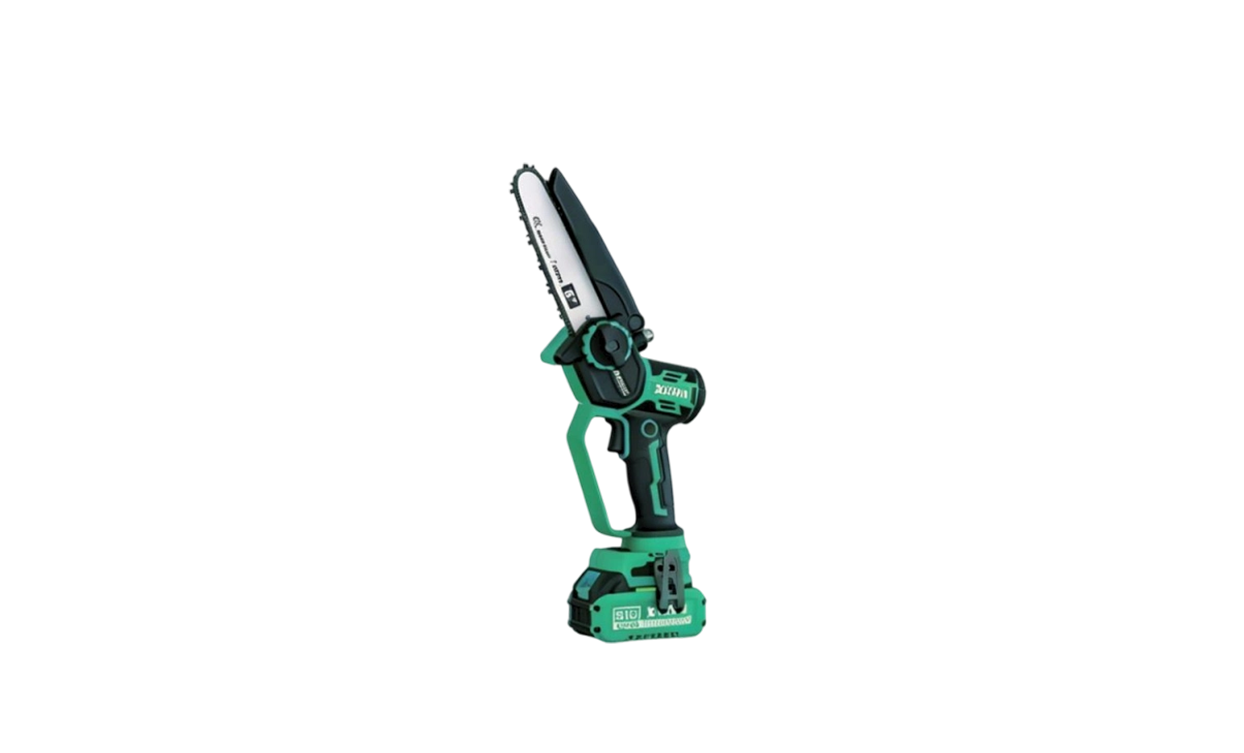
The XJ.206 16V 6" brushless electric chainsaw is a mid-sized lithium-ion chainsaw from the Xiaojia brand. Powered by a 16V brushless motor with a 6" g...
See Details
Copyright © by Hangzhou Xinabo Intelligent Electromechanical Technology Co., Ltd Rights Reserved. Pipe Threaders Manufacturers