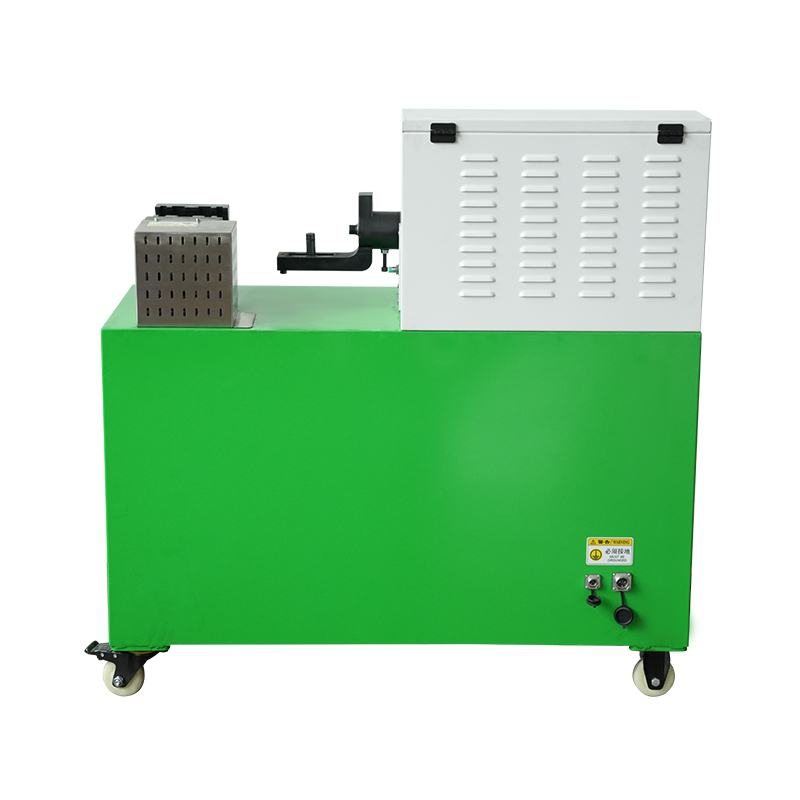
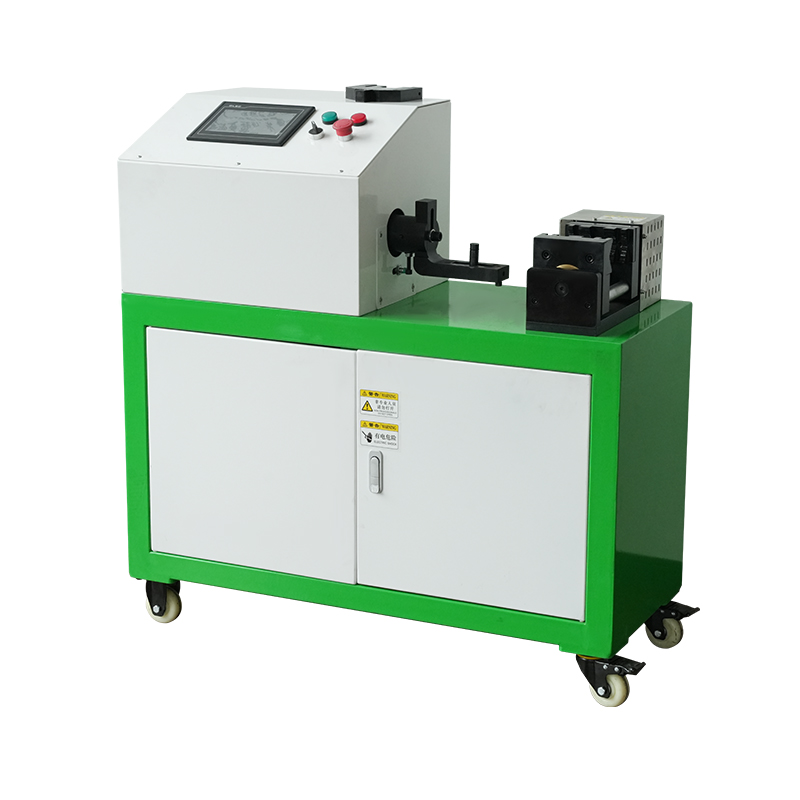
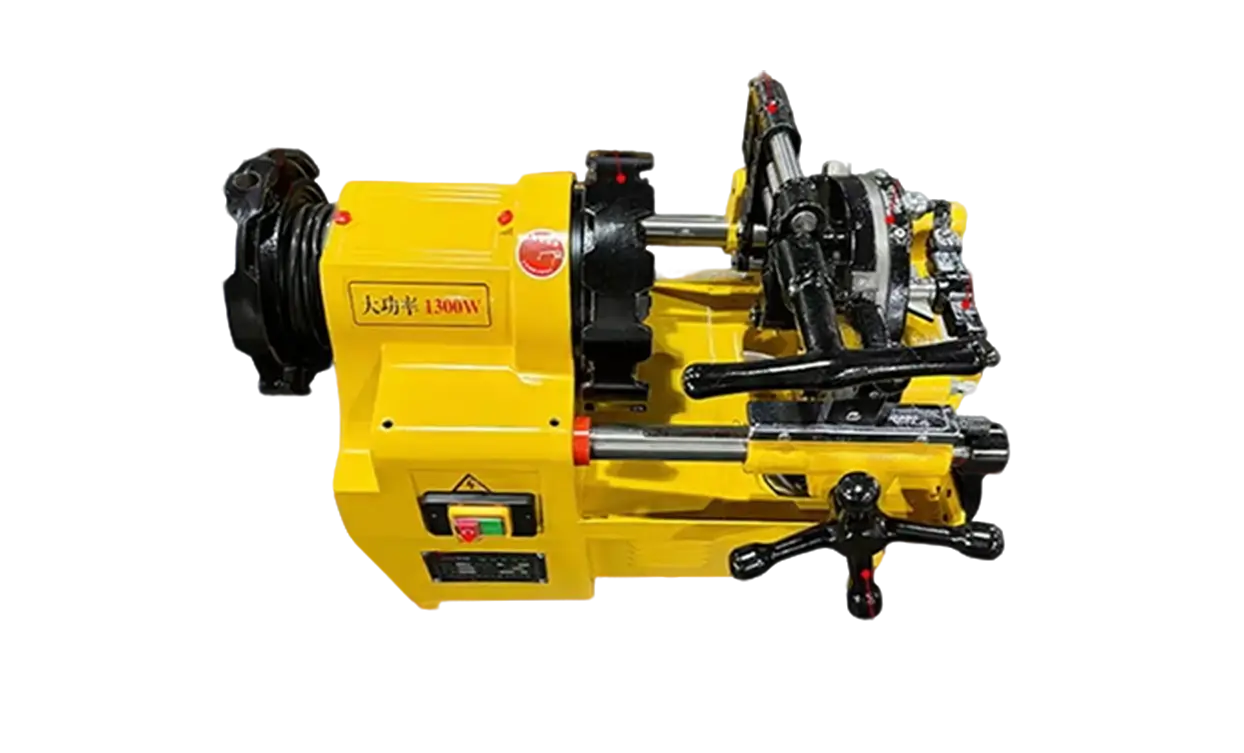
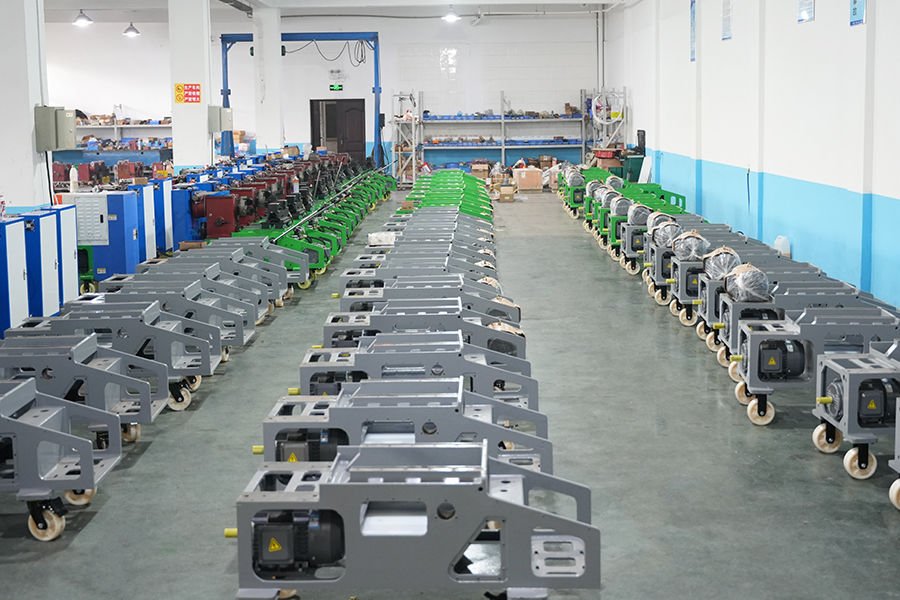
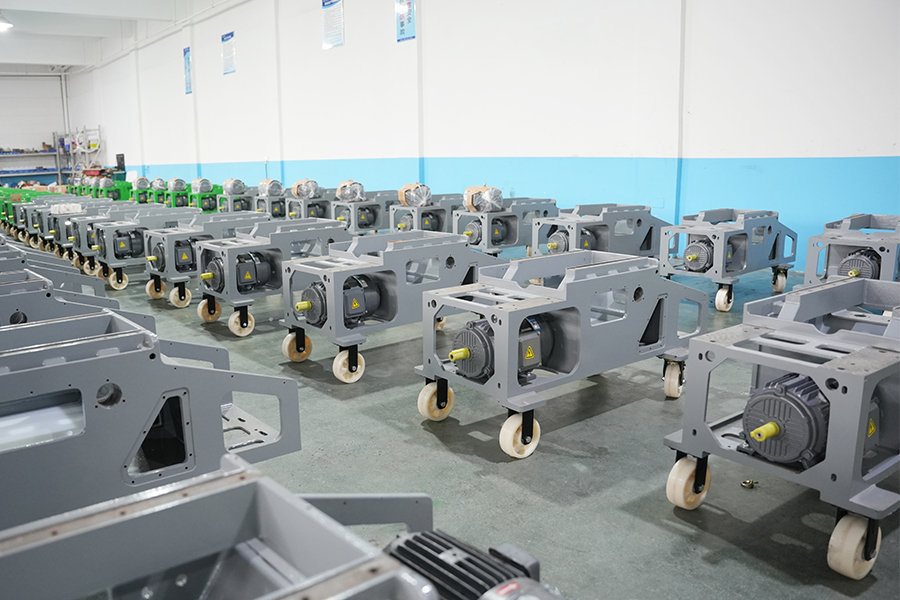
As an Intelligent Pipe Tightening Machine manufacturer, Hangzhou Xinabo Intelligent Electromechanical Technology Co., Ltd builds electric screwing equipment that makes up threaded pipe joints under controlled, repeatable torque. The machine is the make-up stage of our pipe fabrication workflow: threads are cut on the Intelligent Threading Machine, then the joint is pulled up electrically instead of by chain tongs or a pneumatic wrench. Fire protection engineering, construction engineering and industrial pipework crews use it where joint quality, cycle time and operator fatigue all matter at once.
We have worked on thread processing since 2010, released nine generations of intelligent threading machines and hold 30 patents, together with the National High-tech Enterprise title. The current Intelligent Pipe Tightening Machine is the ninth-generation platform: 1.5 kW at 220 V, working range Φ15–Φ65, adjustable torque and automatic return.
Electric Screwing for Threaded Pipe Joints
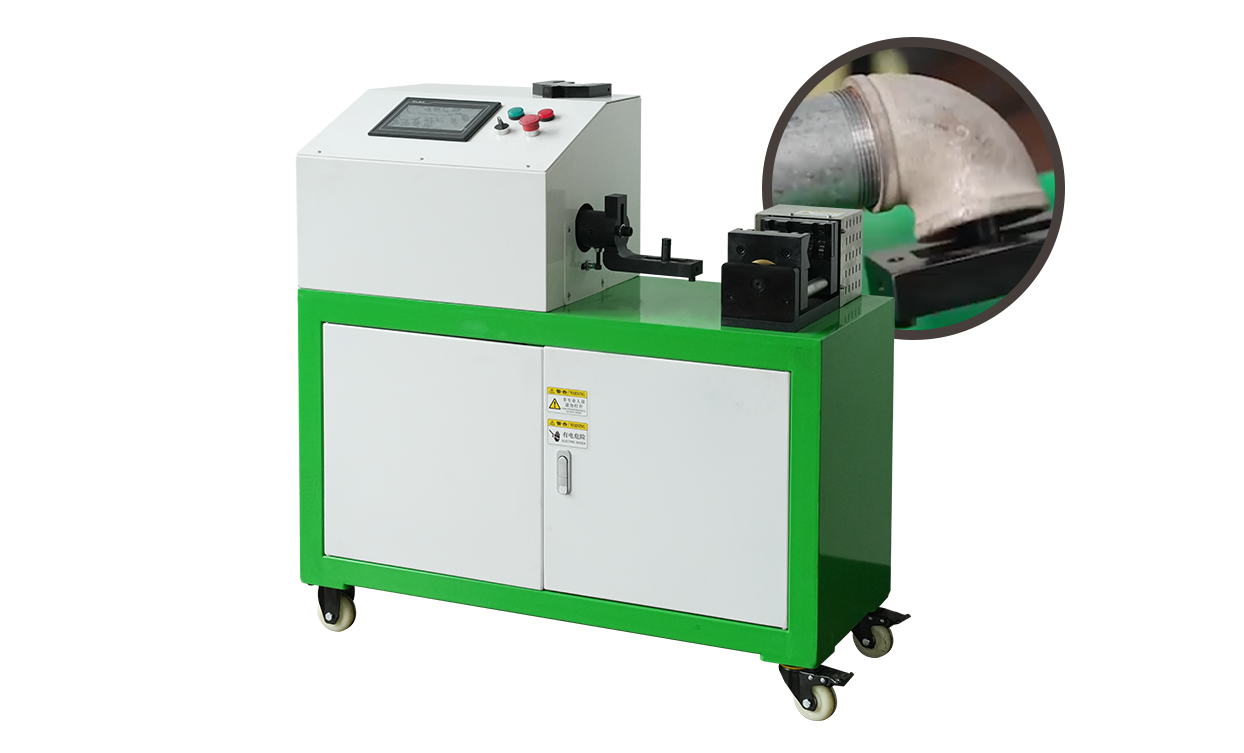
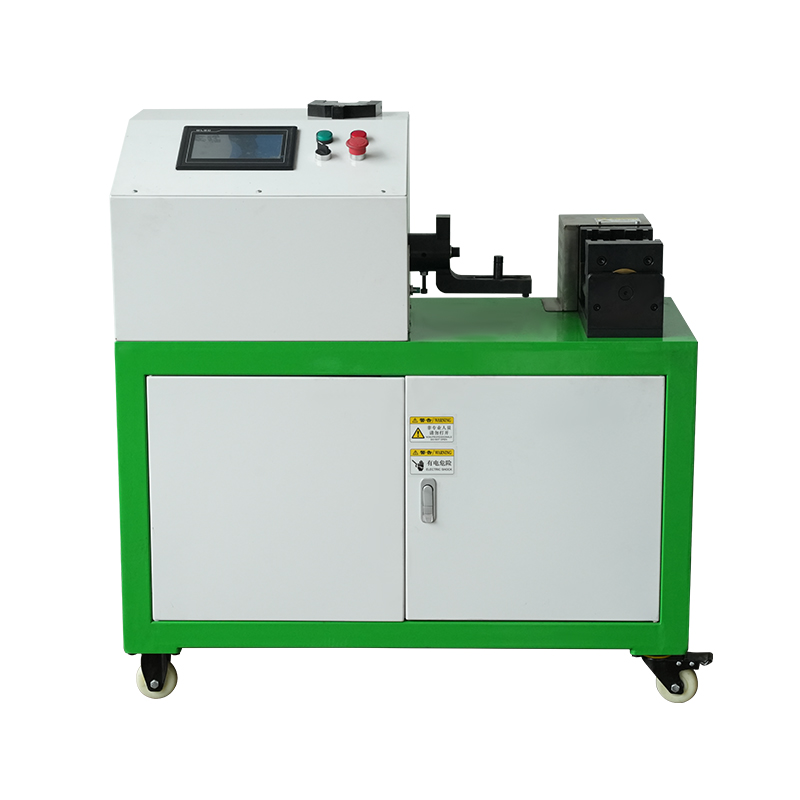
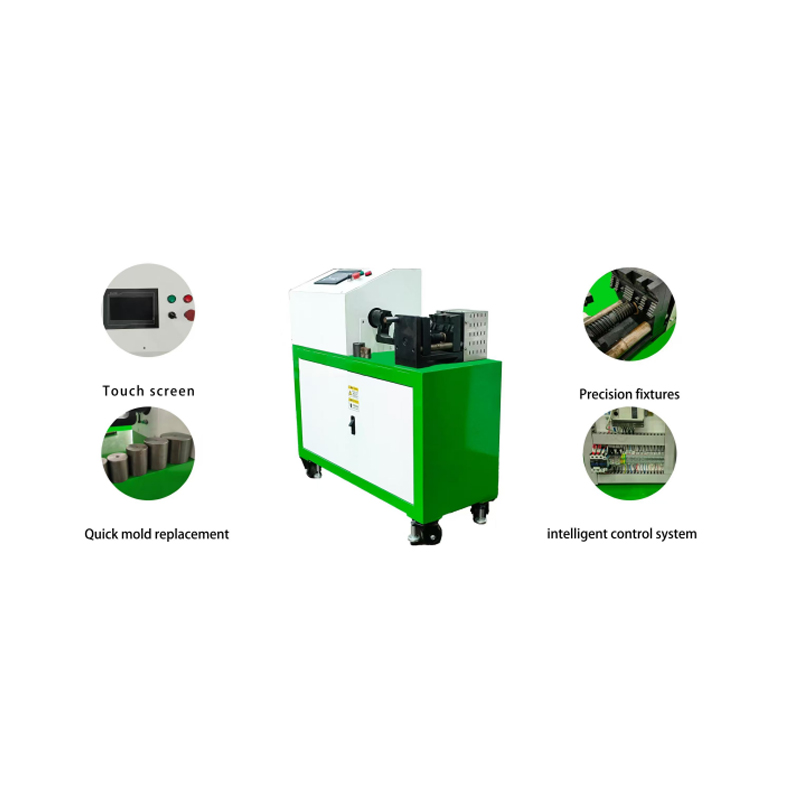
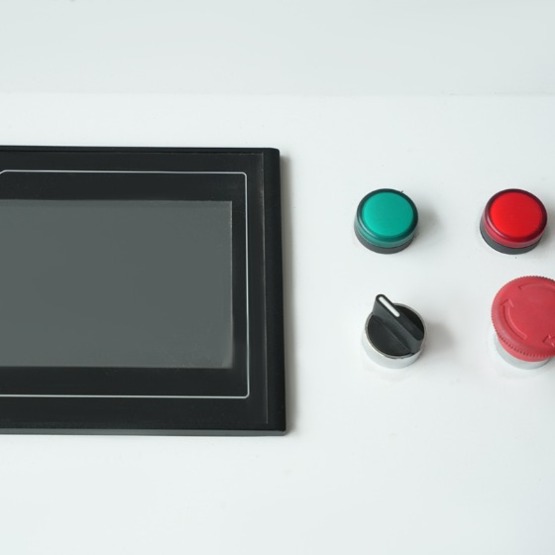
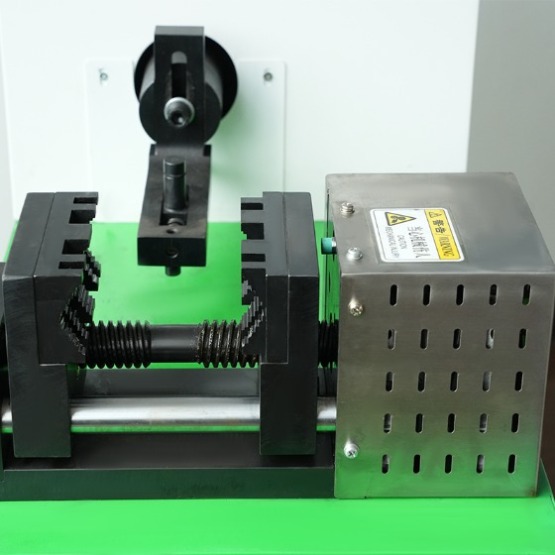
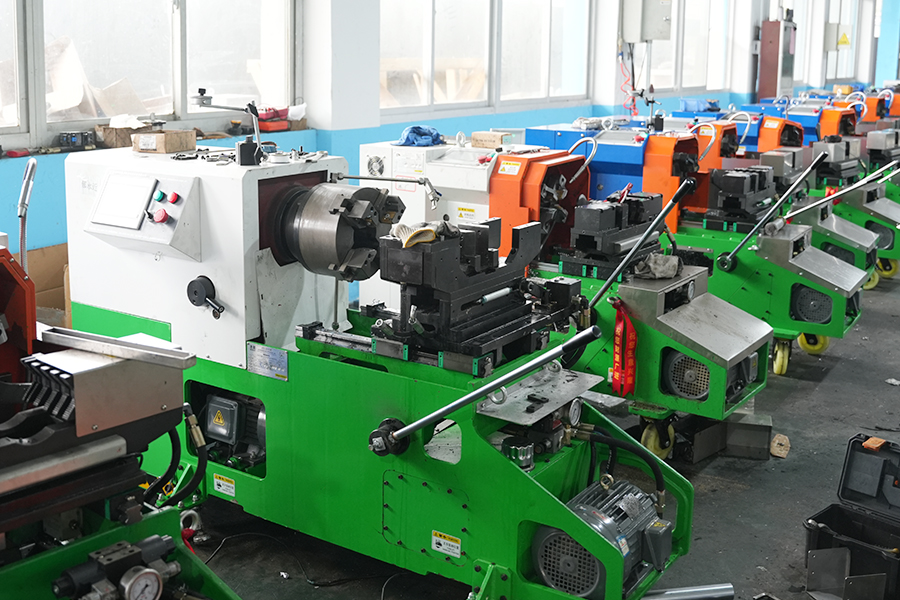
The machine replaces manual make-up on threaded lines. Parameters are entered on the control screen, the toothed clamping fixture holds the pipe without slipping during rotation, and the spindle screws the joint to the set torque before returning automatically. Because the drive is electric, joint quality does not drift with air pressure, hose length or compressor condition, and the compressor cart leaves the work area.
- Intelligent adjustment — working parameters set from the system screen rather than by mechanical trial.
- Electric screwing — constant torque regardless of supply fluctuation within the rated window.
- Automatic return — the spindle resets after the target torque is reached, so the operator can reposition without waiting.
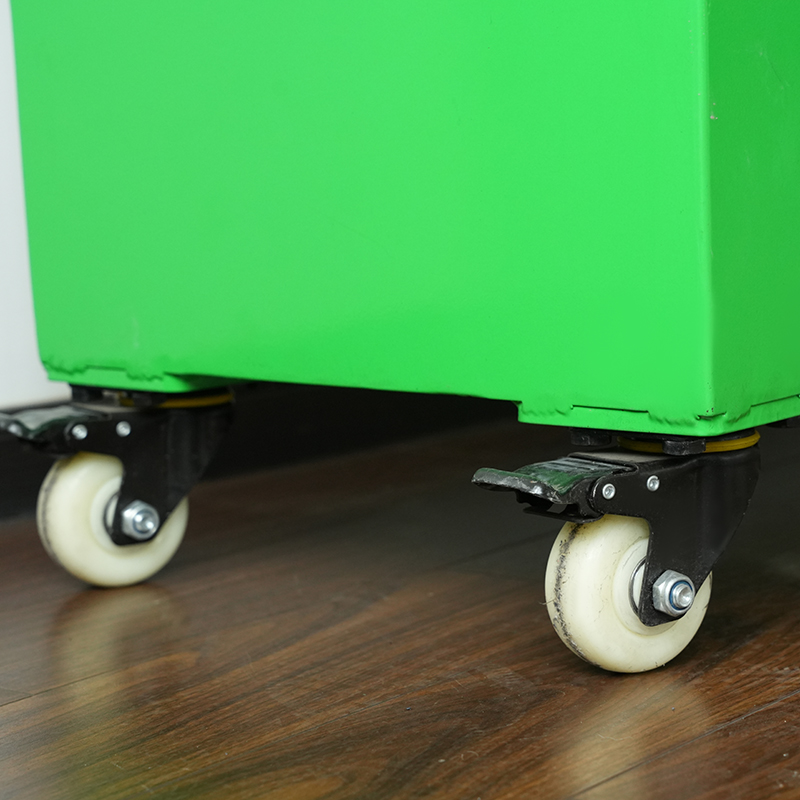
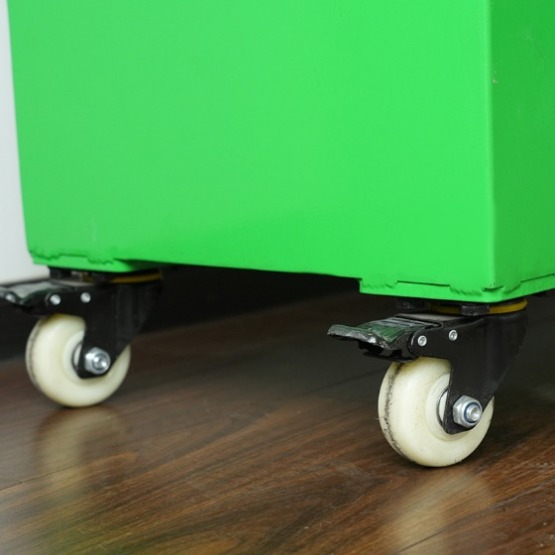
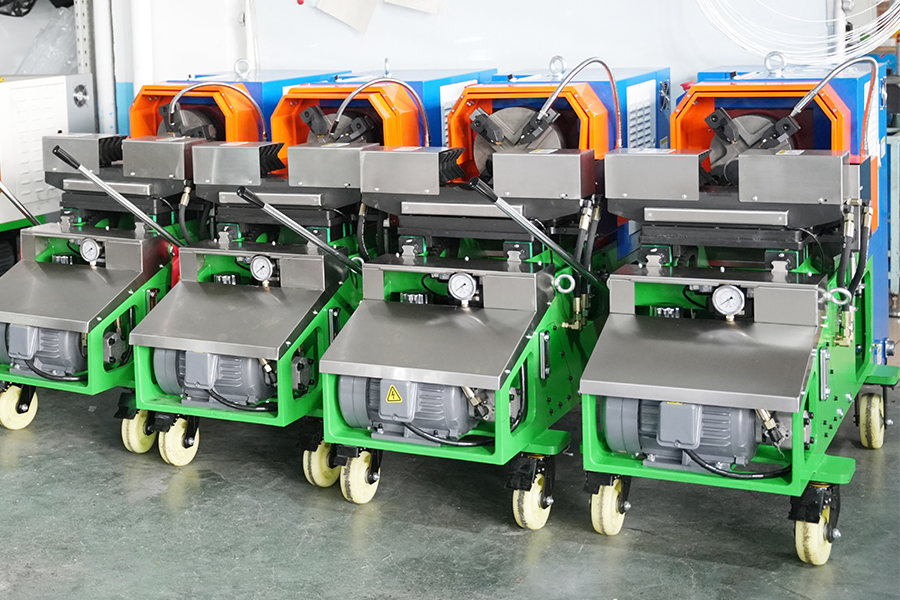
- Stable base — universal wheels with lifting and adjustable legs give mobility on site and a firm stance during make-up.
Technical Specifications
| Parameter |
Value |
| Rated power |
1.5 kW |
| Voltage |
220 V |
| Working range |
Φ15–Φ65 |
| Spindle speed |
23 r/min |
| Maximum clamping force |
200 kg |
| Machine dimensions |
1 m × 0.4 m × 0.98 m |
| Weight |
165 kg |
| Torque |
Adjustable, with automatic return |
| Control |
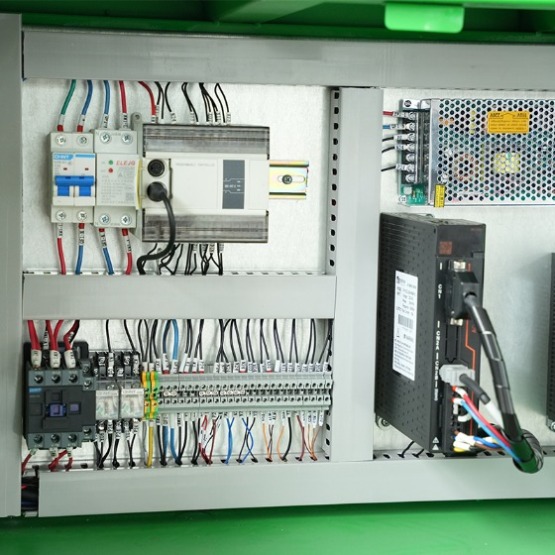
Electronic control centre with parameter screen |
| Mobility |
Universal wheels with lifting levelling legs |
Pipe Materials, Thread Forms and Application Fit
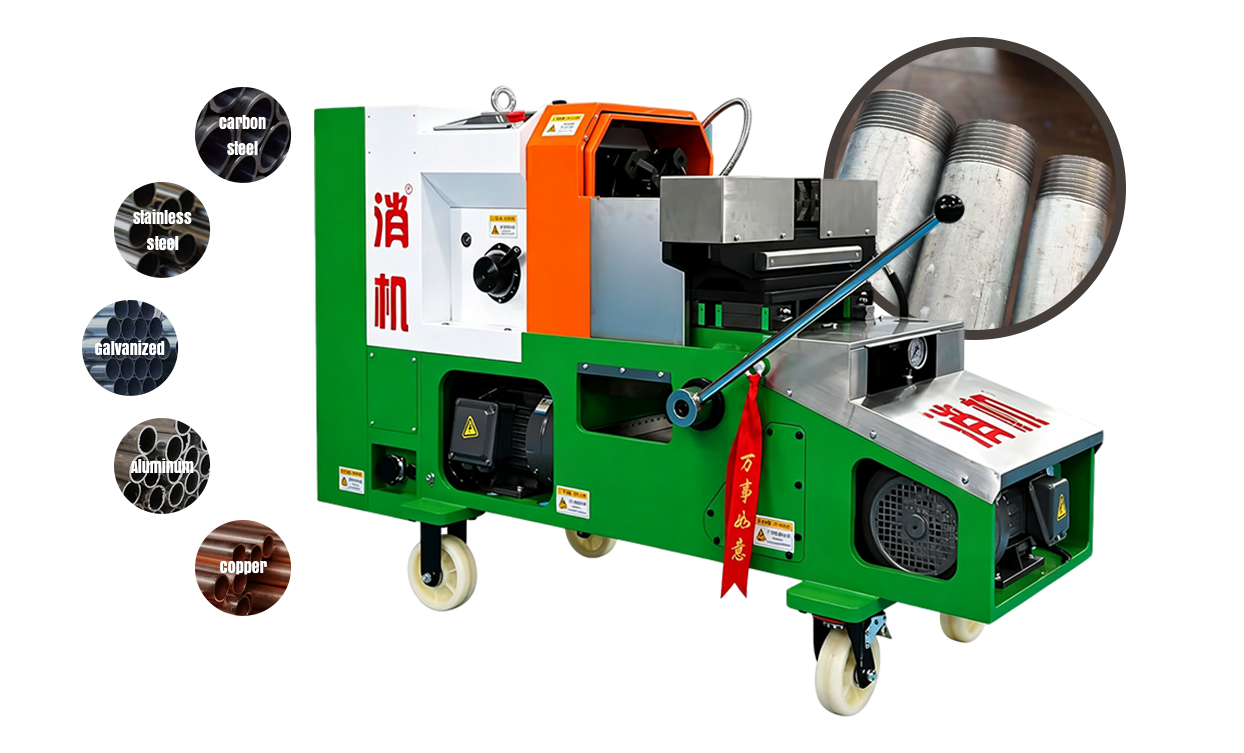
The tightening machine is specified around the pipe that has already been threaded, so material and wall thickness drive the torque setpoint rather than the machine frame. Carbon steel and galvanized pipe in fire protection mains and sprinkler risers take the higher breakaway torque needed for code-compliant joints. Thin-wall stainless steel, aluminium and copper need lower limits to avoid thread galling and ovality at the clamp.
Thread forms follow the project specification: NPT, BSPT, BSPP, metric and custom non-standard profiles are all produced on our threading platform, and the tightening stage is set to match the same form and size. Typical installations are fire protection risers and branch lines, construction engineering pipework, plant utilities, prefabricated spools and maintenance shutdowns where joints are made up in position.
Torque Control, Repeatability and Joint Documentation
A leak-proof joint is not achieved by tightening until resistance is felt. Our control platform monitors motor load through closed-loop current sensing; when the target torque is reached the drive cuts out and triggers the automatic return stroke, which prevents over-torque and thread galling. Field data from our own installations shows an adjustable range covering 80 N·m to 600 N·m handles the large majority of on-site construction scenarios, and the return cycle completes in under 1.2 seconds.
- Repeatability — torque is set by parameter, not by operator feel, so joints made by different crew members stay consistent.
- Overload protection — power is cut when motor current exceeds 150% of rated value, protecting the drive.
- Thermal and noise behaviour — cooling channel design keeps the external surface below 45 °C during extended runs, and the brushless drive runs at approximately 68 dB(A).
- Traceability — connected units record peak torque with time stamp, angle-turns for threads engaged and operator identification, with USB and Bluetooth export for merging into project quality records.
Configuration Options and Site Integration
We configure each unit around the pipe schedule, the thread standard and the way the crew works. The electronic control centre carries the parameter set; the toothed fixing fixture is matched to the pipe outside diameter so the workpiece does not loosen in rotation; the chassis is fitted with universal wheels and lifting legs for transport between floors and stable make-up on uneven decks.
Options we confirm at order stage include torque setpoint tables for each pipe size and material, data logging with USB or Bluetooth export, spare clamping jaws and wear parts, and the tooling package for the thread forms in use. The machine runs on a single-phase 220 V supply, so no compressor, dryer or three-phase connection is required at the workface.
Our Pipe Fabrication & Installation Equipment Range
The tightening machine sits inside a wider Pipe Fabrication & Installation Equipment programme, so a project can be equipped from cutting through to pressure testing with matched tooling and consumables.
| Product family |
Where it fits in the pipe workflow |
Scope |
| Intelligent Threading Machine |
Thread cutting before make-up |
DN15–DN100, automatic pipe diameter recognition, automatic tool adjustment, threading time as fast as 4 seconds for 15–25 mm pipe |
| Intelligent Pipe Tightening Machine |
Final electric make-up of threaded joints |
Φ15–Φ65, 1.5 kW, adjustable torque with automatic return |
| Threading Dies |
Thread form and size tooling |
Dies and accessories matched to machine and thread standard |
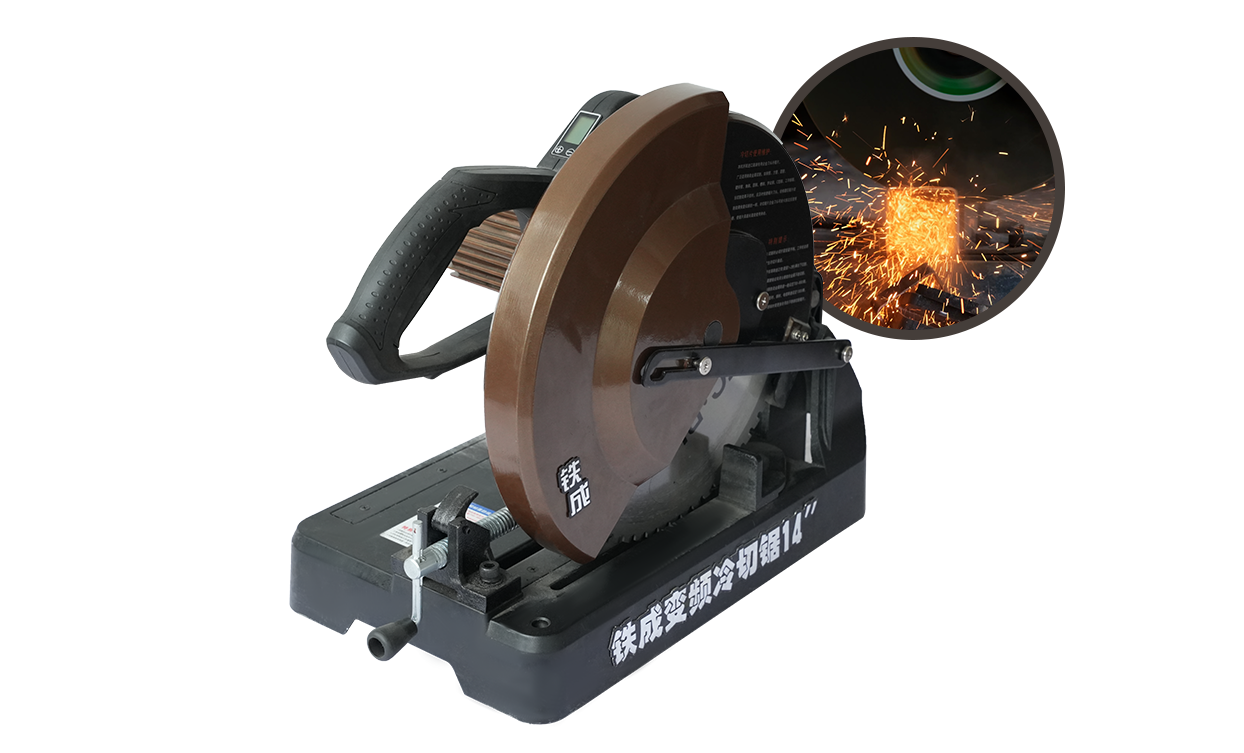
| Variable Frequency Cold Saw |
Square, burr-free cutting ahead of threading |
220 V 14 inch permanent magnet variable frequency cold cutting saw |
| Fire Pipe Drilling Machine |
Branch outlets on fire mains |
Fire protection engineering |
| Electric Pressure Test Pump |
Hydrostatic testing after assembly |
Pipeline acceptance and leak checks |
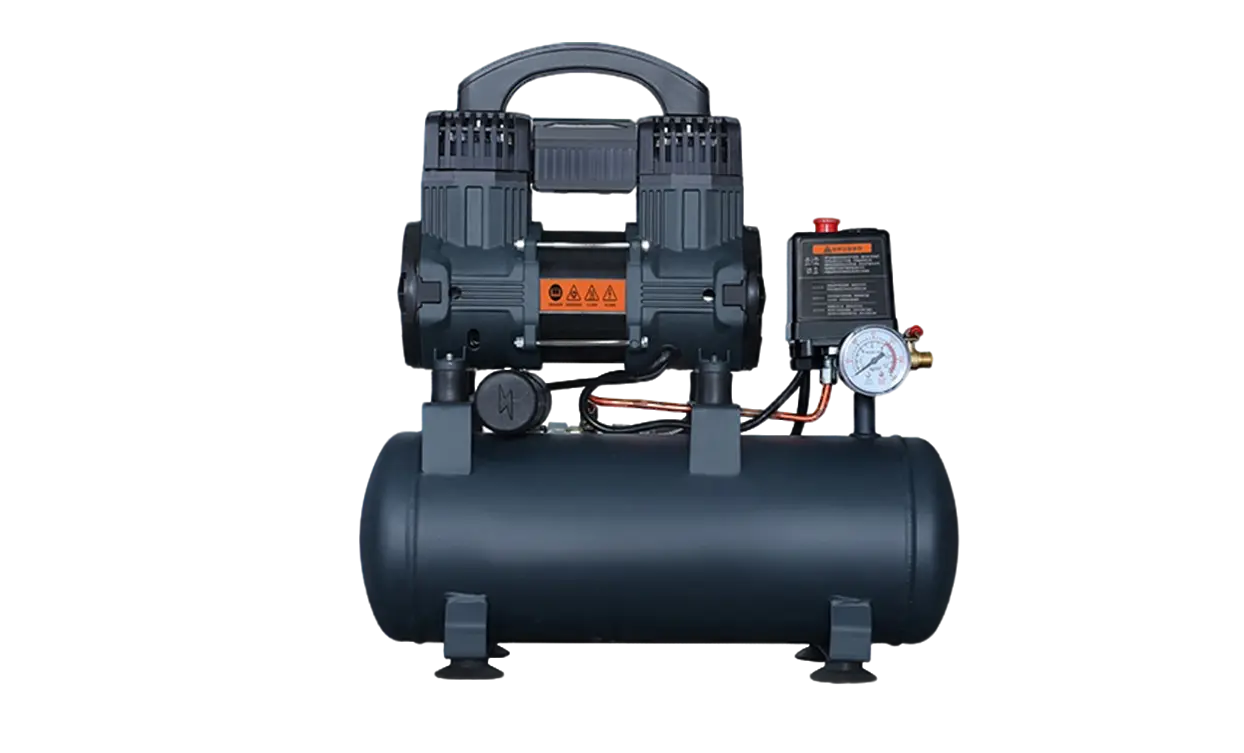
| Oil-Free Piston Air Compressor |
Oil-free air for testing and actuation |
F1680 series, multi-cylinder compression |
| Electric Pipe Threading Machine |
Conventional threading for general pipework |
Standard pipe threading duties |
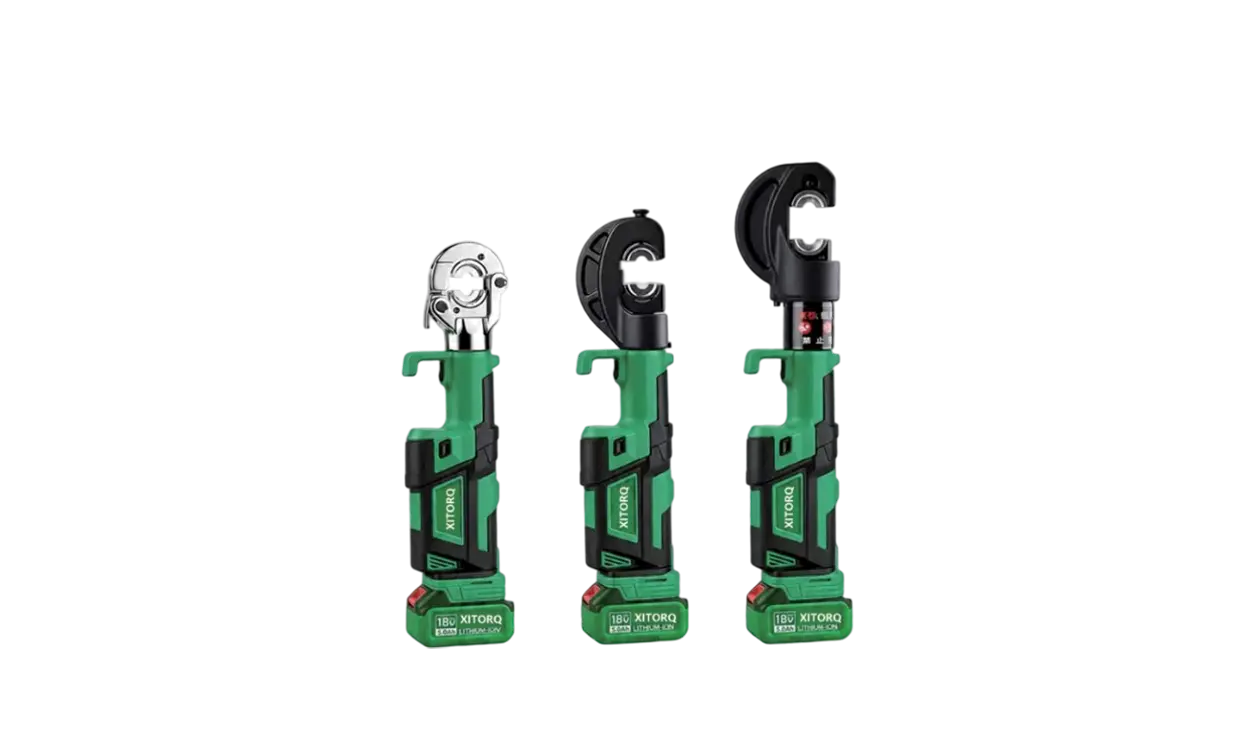
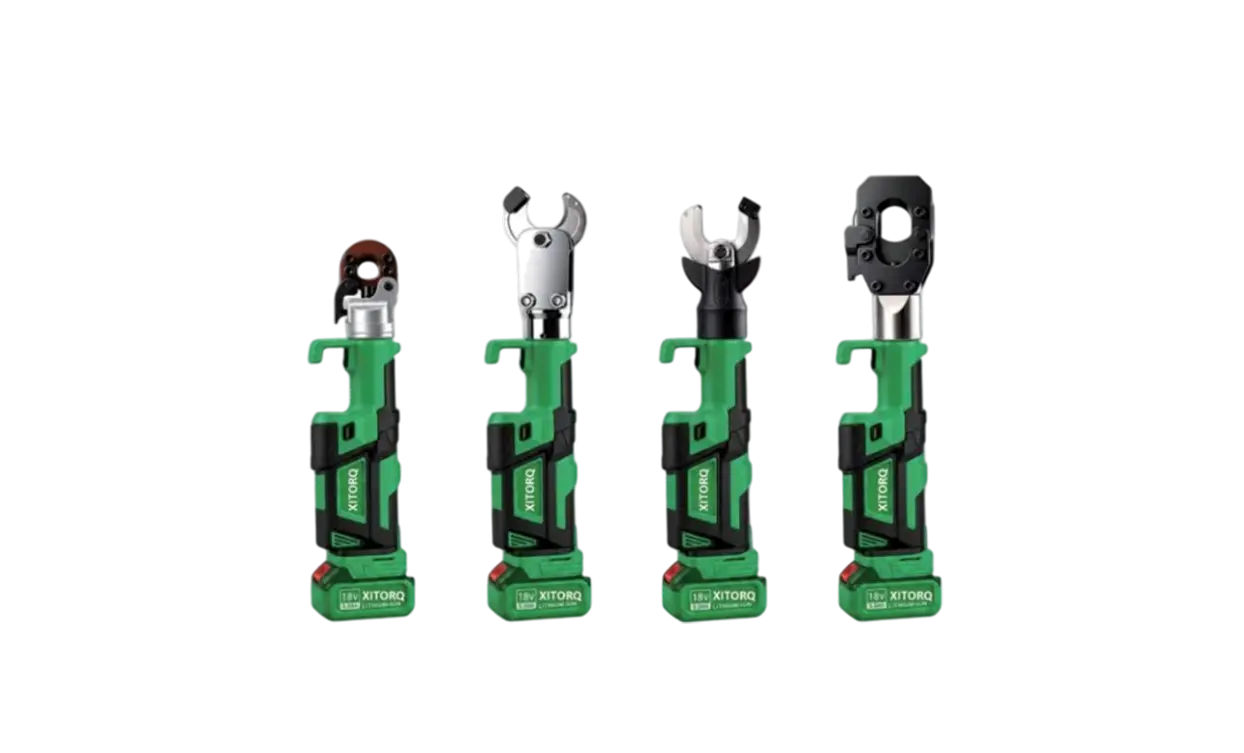
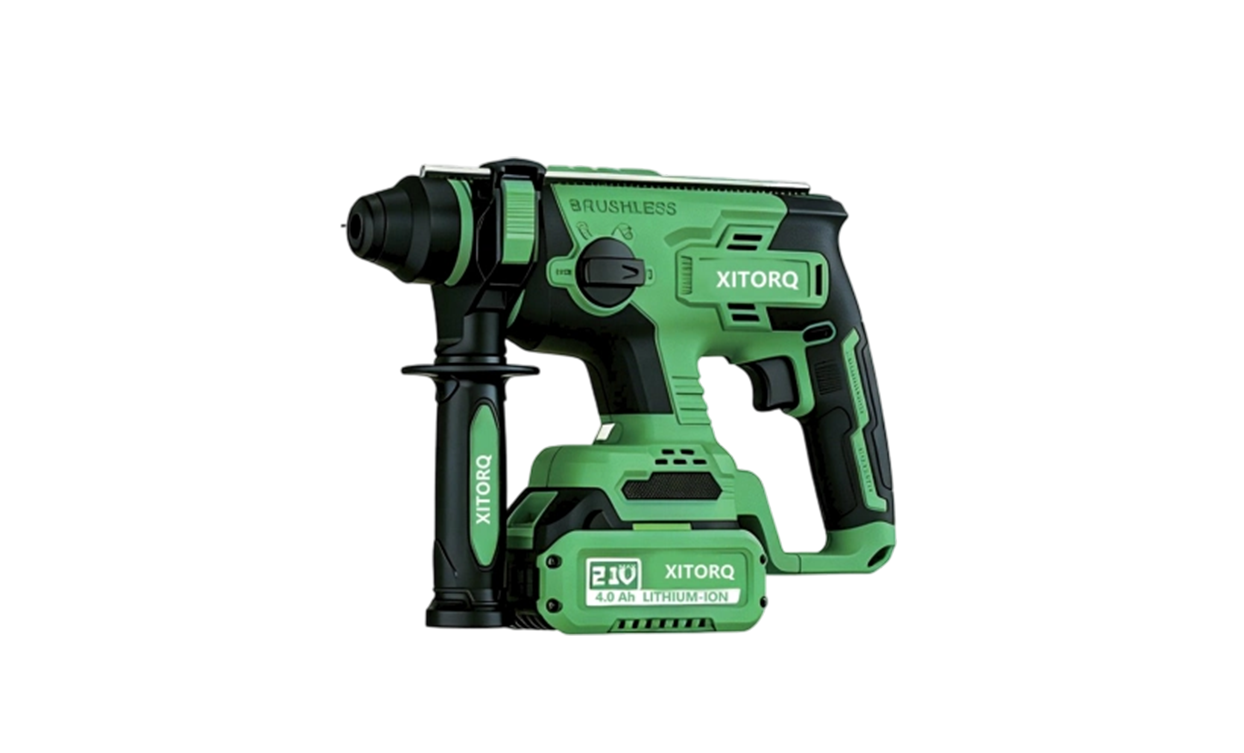
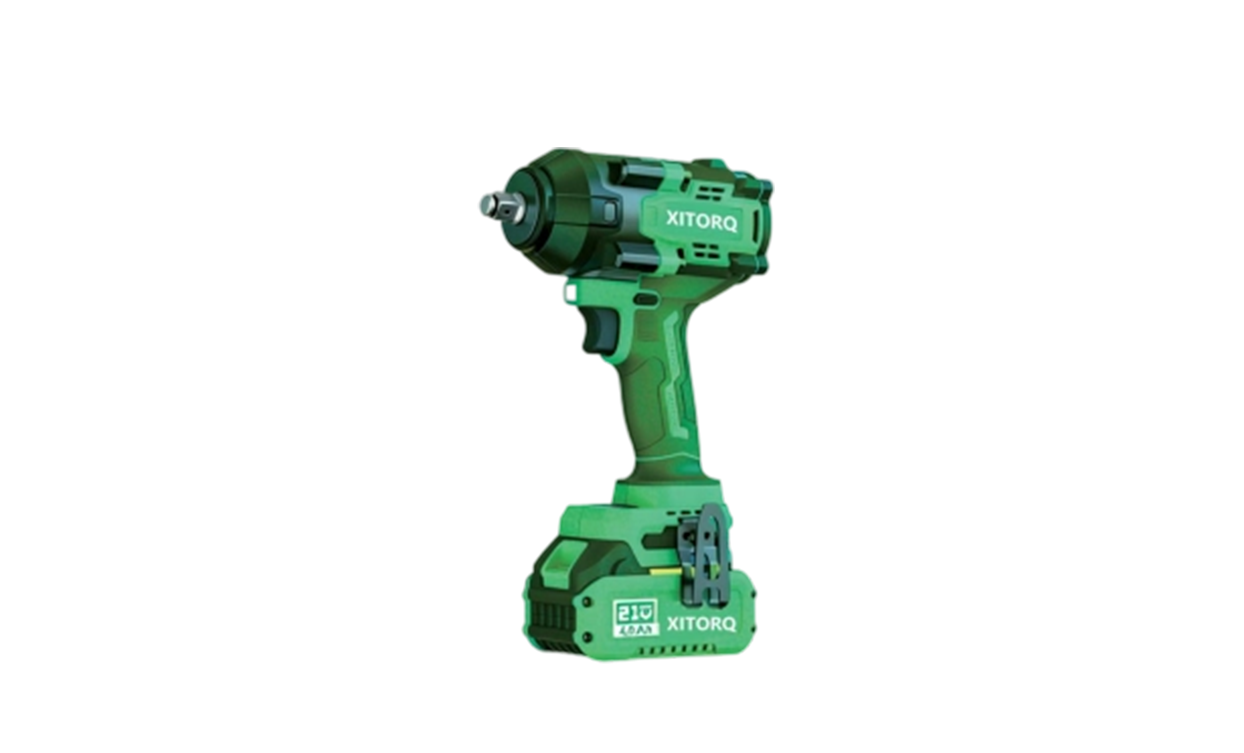
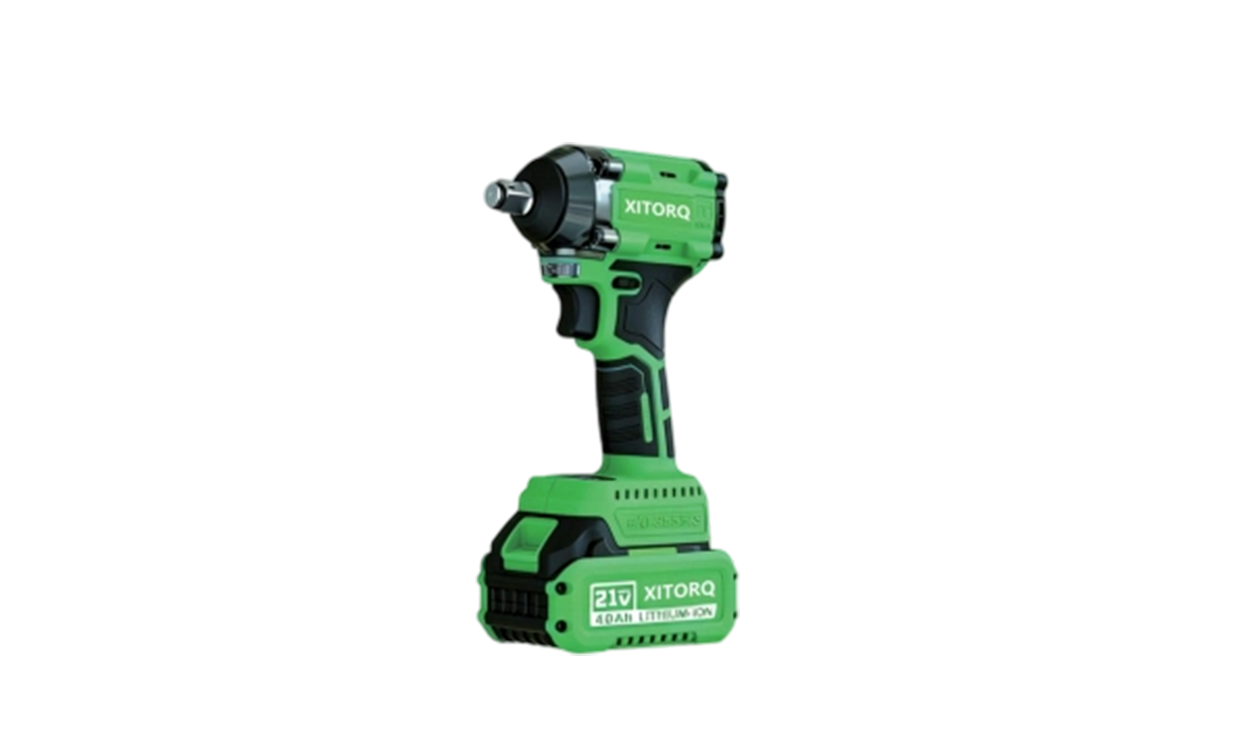
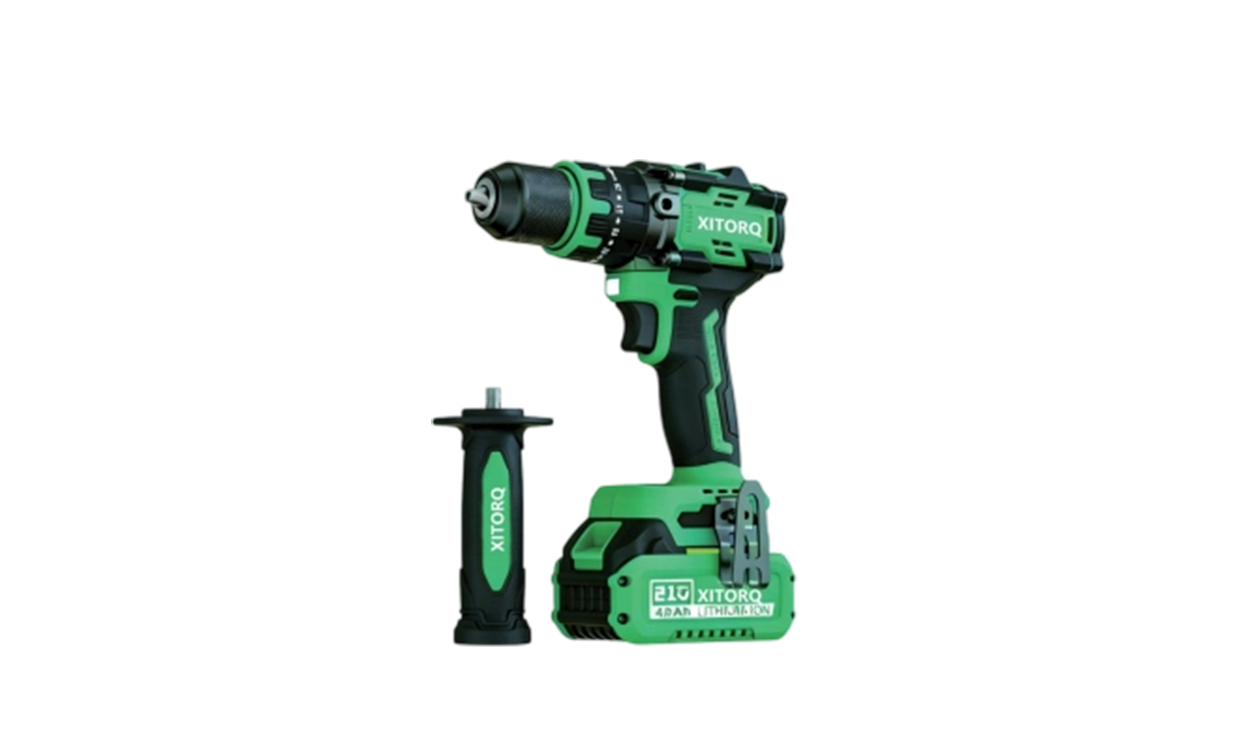
| Cordless Power Tools |
Site drilling, cutting, grinding and fastening |
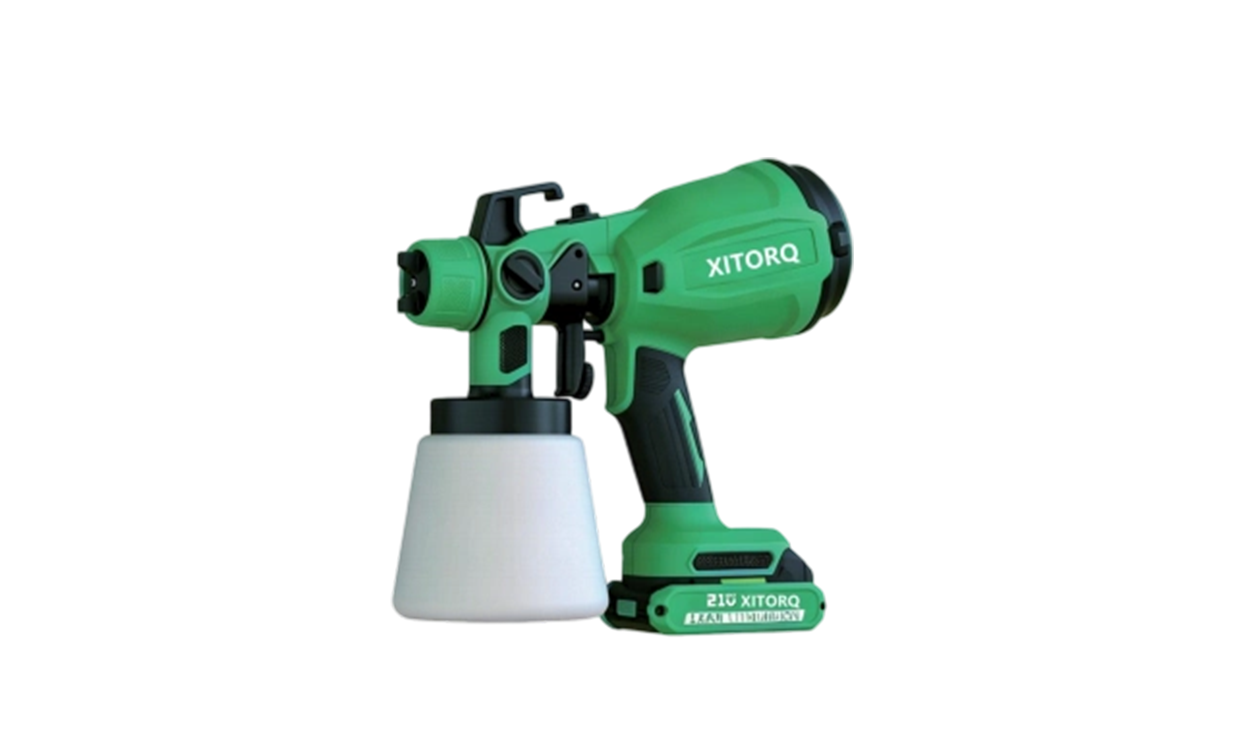
21 V lithium-ion platform with backpack battery pack |
Quality Control, Acceptance and Documentation
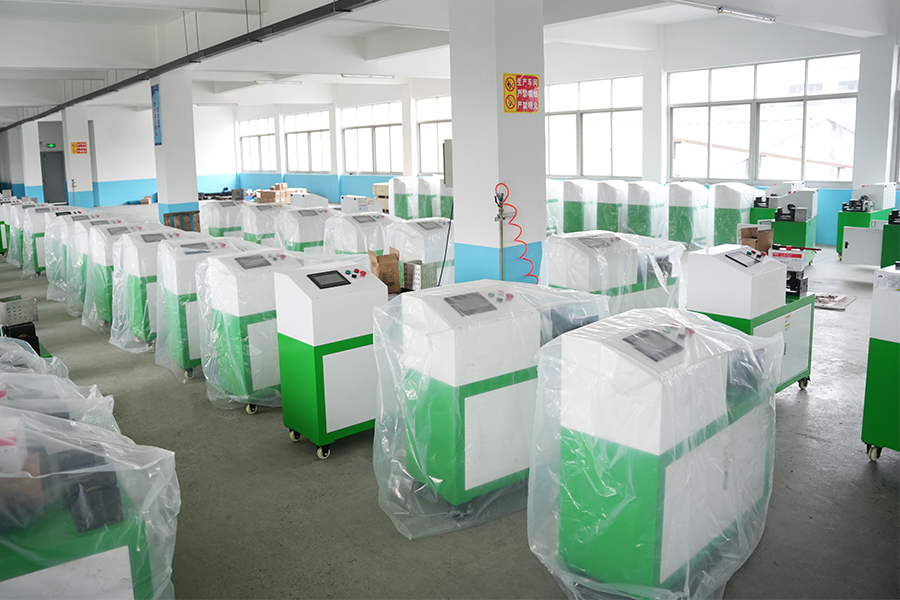
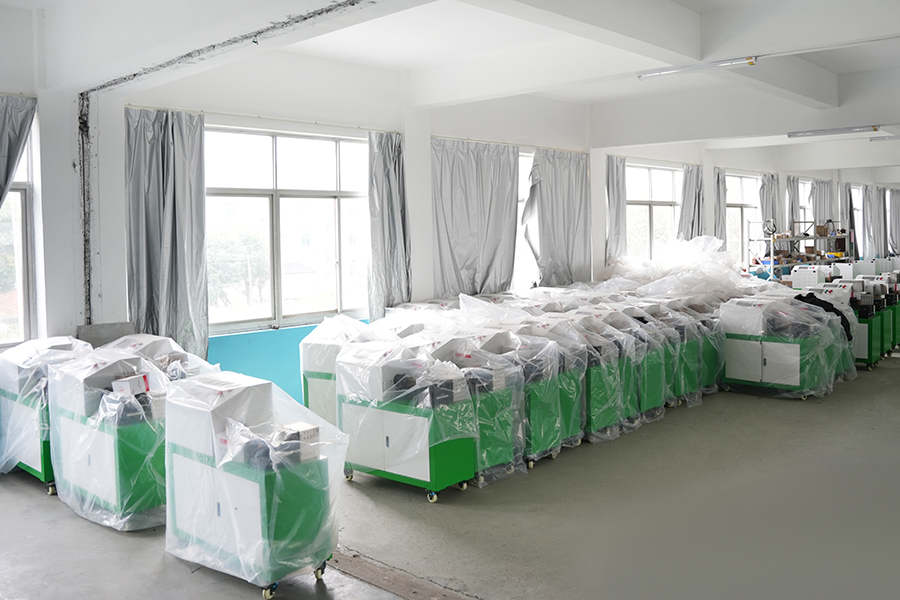
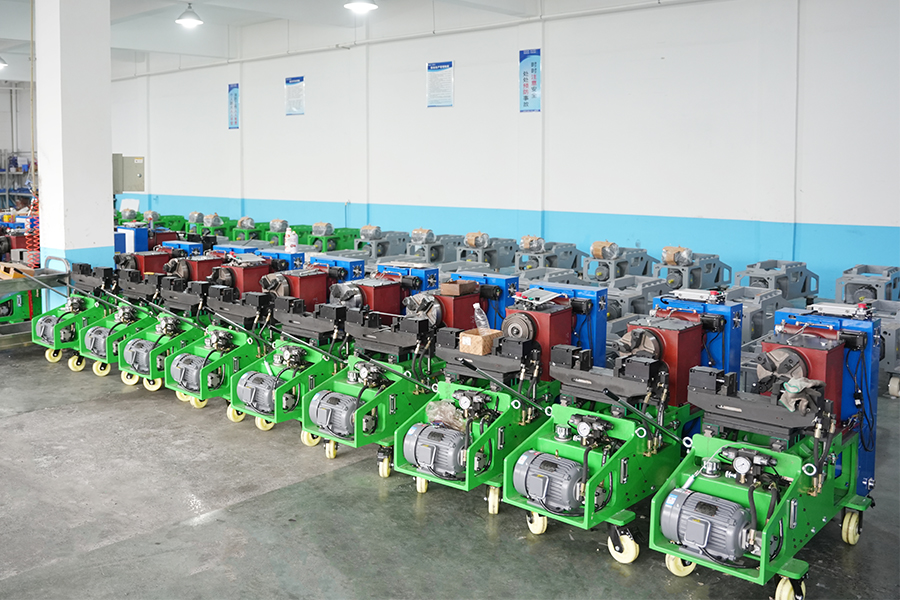
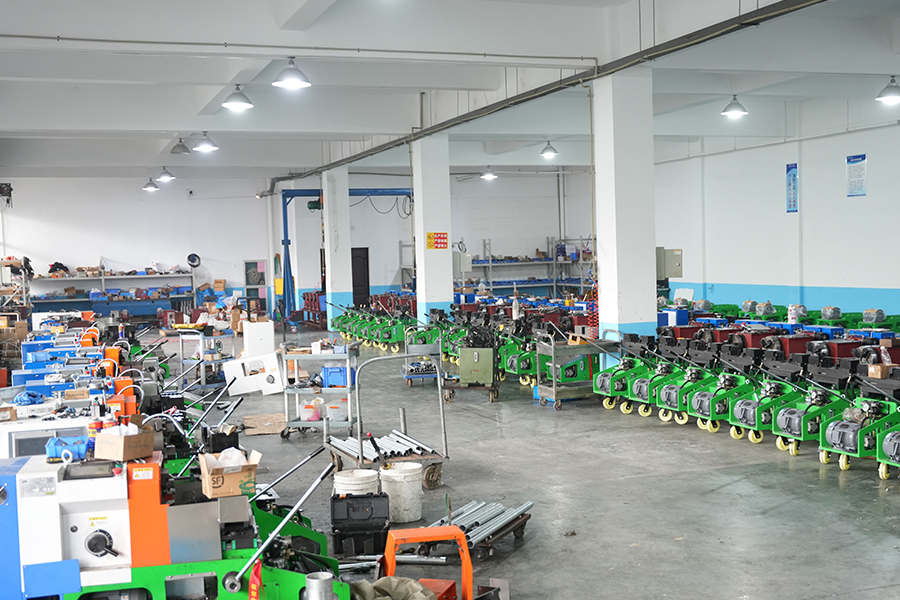
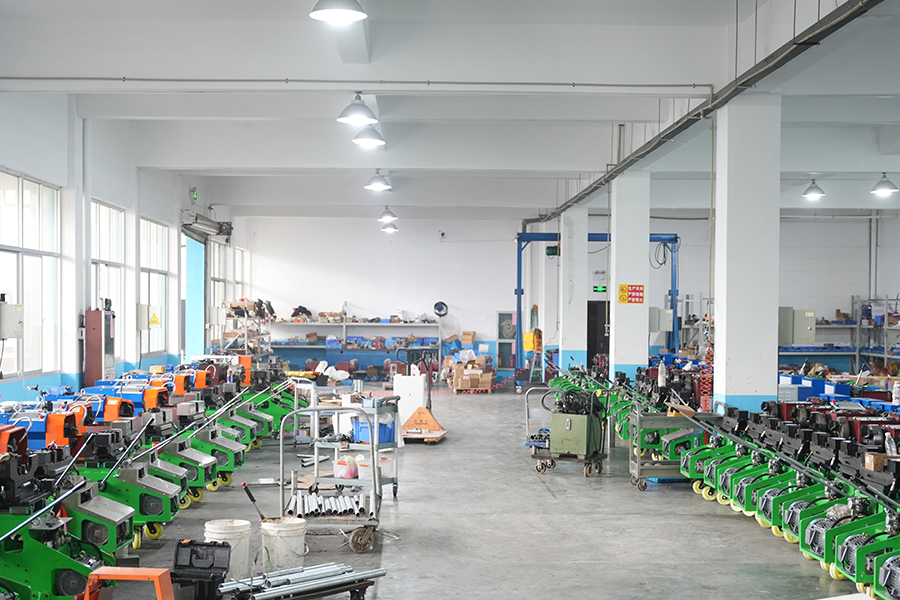
Machines are assembled in our 10,000 m² production base and released against a functional check before packing. Each unit is run without load, the parameter set is verified against the ordered pipe range, clamping force is confirmed on a sample workpiece, and torque behaviour is checked on test joints. Our product certificates include Machinery Directive and Electromagnetic Compatibility Directive attestation of conformity, and the design record is covered by our patent portfolio.
Delivery scope covers the machine, the matched clamping fixture, the control parameter table, operation and maintenance documentation, and the tooling agreed for the order. Our technical team provides buyer partner training, live demonstrations and follow-up support on parameter setting, and we supply spare parts and wear components for the clamping and drive assemblies.
Information We Use to Configure Your Solution
Our proposal is built from the working point, the material and the production target, not from a catalogue default. The following inputs let us fix the torque table, the clamping fixture and the tooling package in one pass.
- Pipe outside diameter range and wall thickness, including the smallest and largest joint in the schedule.
- Pipe material and surface condition — carbon steel, galvanized, stainless steel, aluminium or copper.
- Thread standard and size: NPT, BSPT, BSPP, metric or a custom non-standard profile.
- Joints to be made up per shift, and whether threading and tightening run as one station or two.
- Site power available at the workface, and whether the unit must move between floors or buildings.
- Torque limits required by the project specification, and any joint record or traceability requirement.
- Operator experience, ambient conditions, and the spare parts or consumables to be held on site.
Frequently Asked Questions
What pipe sizes does the Intelligent Pipe Tightening Machine handle?
The standard working range is Φ15–Φ65 with a maximum clamping force of 200 kg. Within that range we set the torque table per pipe size and material, so small-bore and larger joints are made up to their own limits rather than one shared setting.
Does the machine need an air compressor?
No. Make-up is electric, powered by a single-phase 220 V supply at 1.5 kW. Removing the compressor cart frees staging space, eliminates hose trip hazards and keeps torque constant regardless of air pressure fluctuation.
How is torque set and controlled?
Torque is entered as a parameter on the control screen. Closed-loop current sensing monitors motor load during make-up; when the target is reached the drive cuts out and the automatic return stroke resets the spindle, which prevents over-torque and thread galling.
Can the machine record joint data for project quality files?
Connected units log peak torque with time stamp, angle-turns for threads engaged and operator identification, and export through USB or Bluetooth so the records can be merged with project quality documentation.
Which materials and thread forms are supported?
Carbon steel, galvanized, stainless steel, aluminium and copper pipe are all handled, with lower torque limits recommended for thin-wall stainless and aluminium. Thread forms include NPT, BSPT, BSPP, metric and custom non-standard profiles produced on our threading platform.
What support comes with the machine?
We supply the machine with its matched clamping fixture, parameter table, operation and maintenance documentation, and the tooling agreed for the order. Our technical team provides buyer partner training, live demonstrations and spare parts support for the clamping and drive assemblies.

 English
 Español
 عربى
عربى