
 English
 Español
 عربى
عربى


Double-Edged Threading Dies
Specialized Compatibility: Exclusively designed for intelligent threading machines, the dies feature a high precision-machined structure that perfectl...
See Details
Content
A pipe threader tool is designed to cut precise threads onto the end of metal pipes, allowing them to connect securely with fittings, valves, and couplings. These threads form airtight and watertight seals commonly used in plumbing, gas lines, fire protection systems, and industrial piping installations.
Unlike simple cutting tools, a pipe threading machine or manual threader shapes metal by gradually removing material through hardened steel dies. The result is a tapered thread that tightens as the pipe is screwed into a fitting, creating a strong mechanical seal.
Pipe threader tools come in handheld ratcheting models for smaller jobs and powered machines for large-scale work. Both rely on the same fundamental principles of alignment, lubrication, and steady cutting pressure.
Choosing the correct pipe threading tool depends on pipe size, job frequency, and material type. Understanding the strengths of each type prevents poor thread quality and tool damage.
Manual tools are cost-effective and reliable for residential plumbing work, while powered machines are standard in commercial installations where precision and speed matter most.
Every pipe threading setup consists of several key parts working together to produce clean threads. Knowing how each component functions improves accuracy and tool lifespan.
| Component | Function |
| Die Head | Holds cutting dies and guides threading depth |
| Threading Dies | Cut threads into pipe surface |
| Pipe Clamp or Vise | Secures pipe to prevent rotation |
| Cutting Oil | Reduces heat and friction |
High-quality dies made from hardened alloy steel last longer and produce smoother threads. Cheap dies often dull quickly, causing jagged or incomplete threading.
Cut the pipe square using a pipe cutter or saw. Deburr the inner edge to remove metal fragments that could interfere with threading alignment.
Generously coat both the pipe end and dies with cutting oil. This prevents overheating, improves thread finish, and extends tool life.
Place the die head squarely on the pipe. Start threading slowly to ensure the dies bite evenly before applying steady pressure.
Every few turns, reverse the tool slightly to break metal chips. This keeps threads clean and reduces binding.
Once the proper thread length is reached, remove the tool and wipe off excess oil. Test-fit with a fitting to confirm smooth engagement.
Even experienced tradespeople can damage threads by skipping essential steps. Avoid these frequent errors:
Clean, properly tapered threads should engage smoothly without wobble or excessive resistance.
Different pipe materials require specific die designs to prevent cracking or rough edges. Using incorrect dies can weaken threaded joints.
Always match die size exactly to pipe diameter. Even slight mismatches can cause leaking connections.
Proper care keeps your threading tool accurate for years and prevents costly replacements.
Sharpen or replace dies when threads begin looking rough. Dull dies strain both the tool and user.
Threading metal pipes involves torque, sharp edges, and rotating equipment. Basic precautions prevent injury.
Respecting tool limits and maintaining clean workspaces dramatically reduces accidents.
High-quality pipe threading tools produce consistent thread depth, smoother finishes, and stronger connections. Cheap alternatives often slip, chatter, or cut unevenly, leading to leaks and rework.
Investing in durable dies, proper lubrication, and accurate alignment results in faster installations and longer-lasting piping systems—saving time, materials, and labor costs.
Whether you are a professional plumber or DIY enthusiast, mastering your pipe threader tool ensures every joint fits securely and performs reliably under pressure.
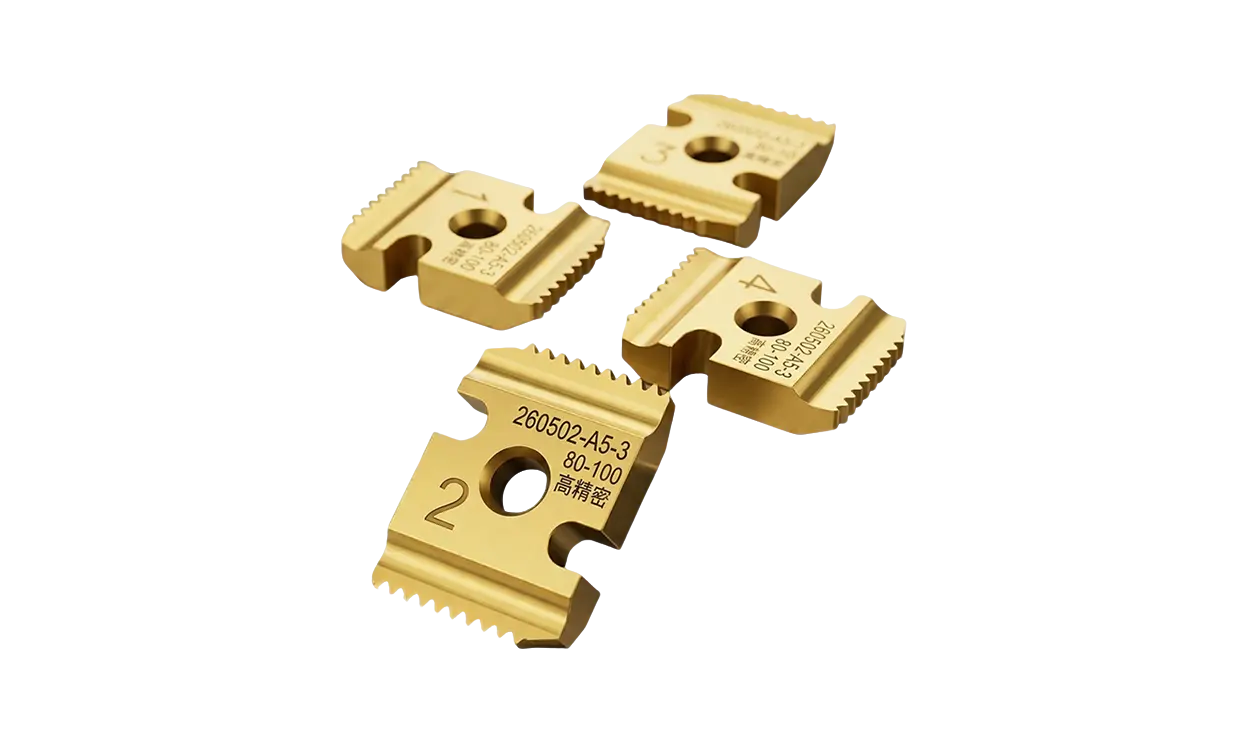
Specialized Compatibility: Exclusively designed for intelligent threading machines, the dies feature a high precision-machined structure that perfectl...
See Details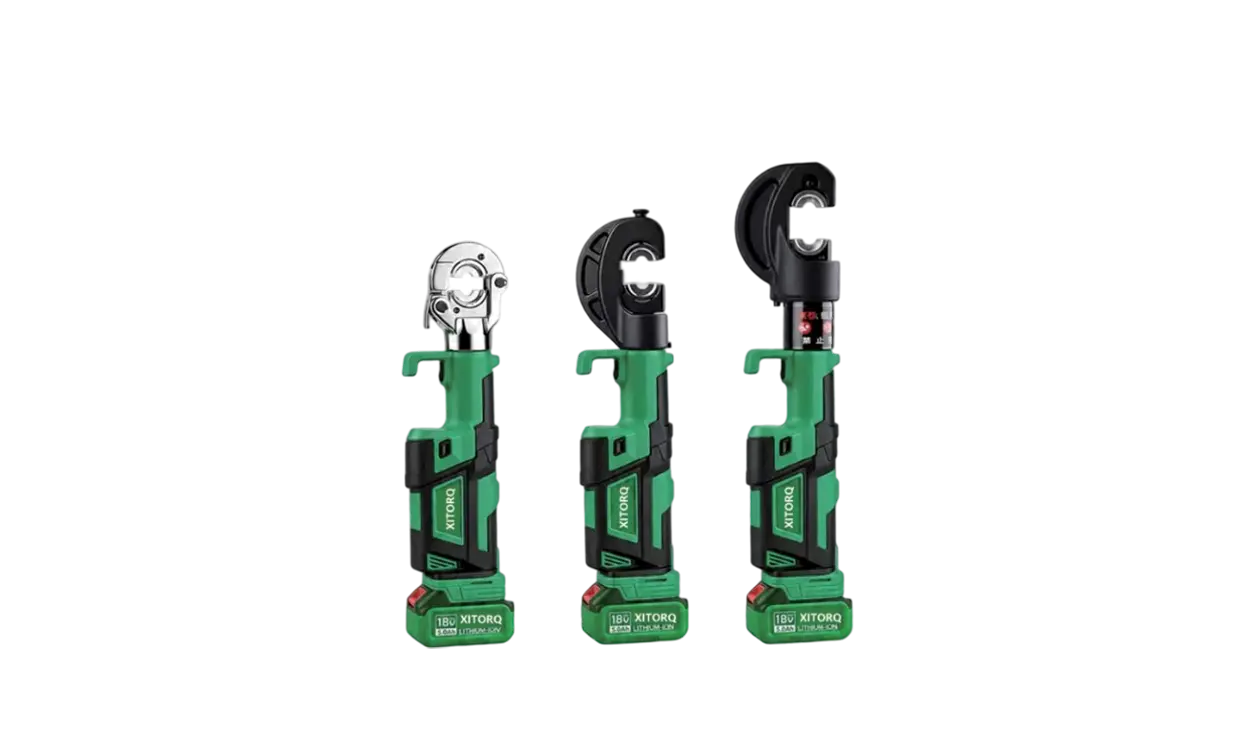
This 18V lithium-ion hydraulic crimping tool is a portable hydraulic tool designed for cable terminal crimping. It features a brushless lithium-ion po...
See Details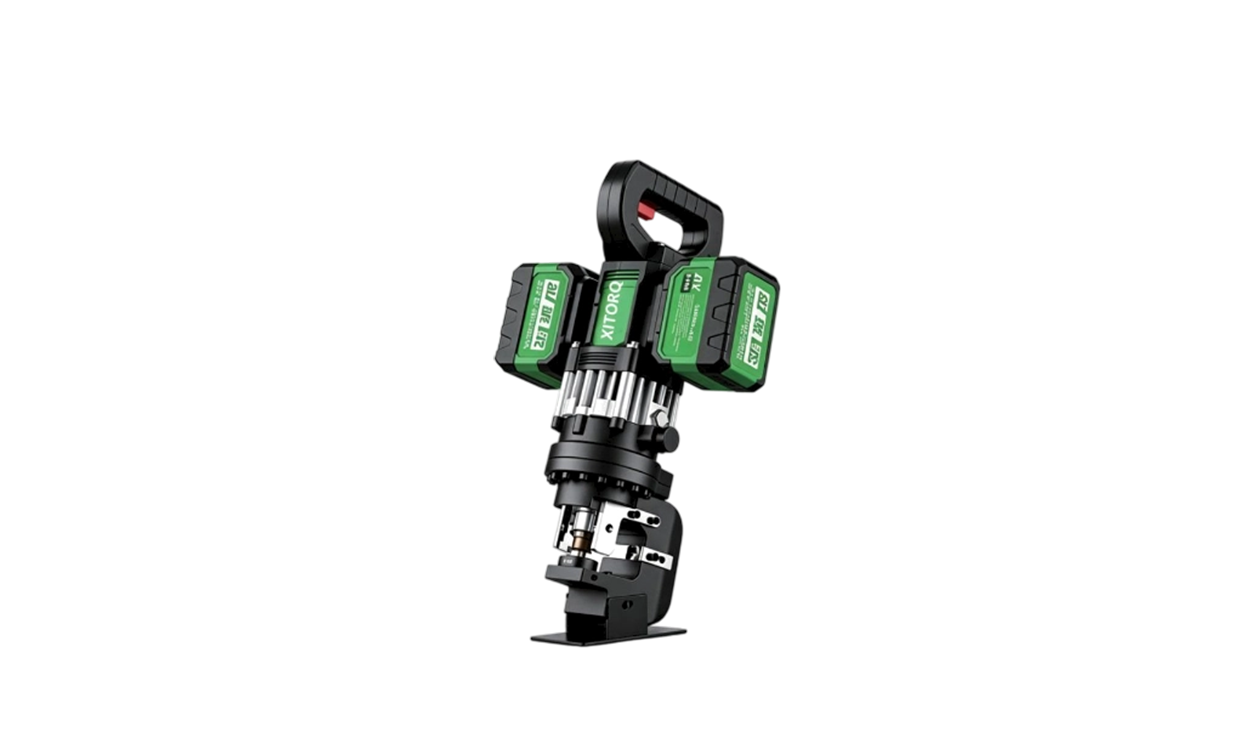
This 21V lithium-ion channel steel hole puncher is a portable hydraulic punching tool designed for punching holes in channel steel, angle steel, steel...
See Details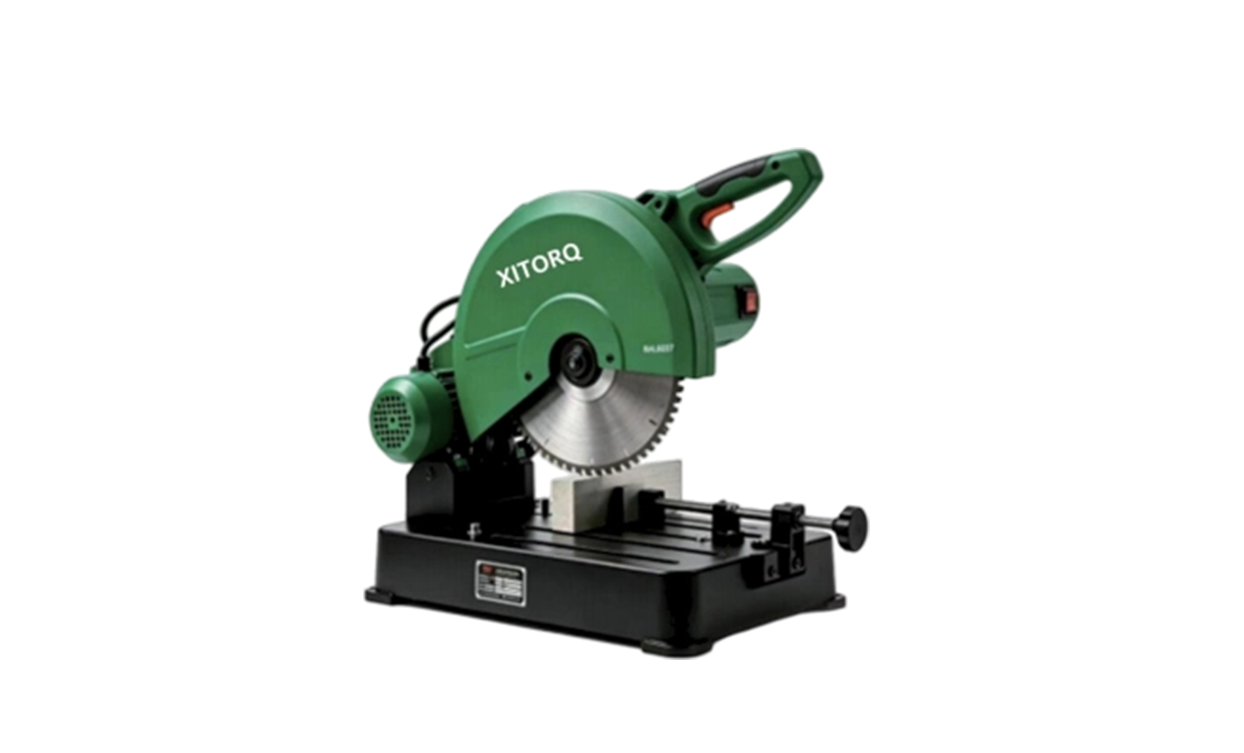
This 220V 14" permanent magnet variable frequency cold saw is an industrial-grade cutting tool designed for metal profile cutting. Featuring a permane...
See Details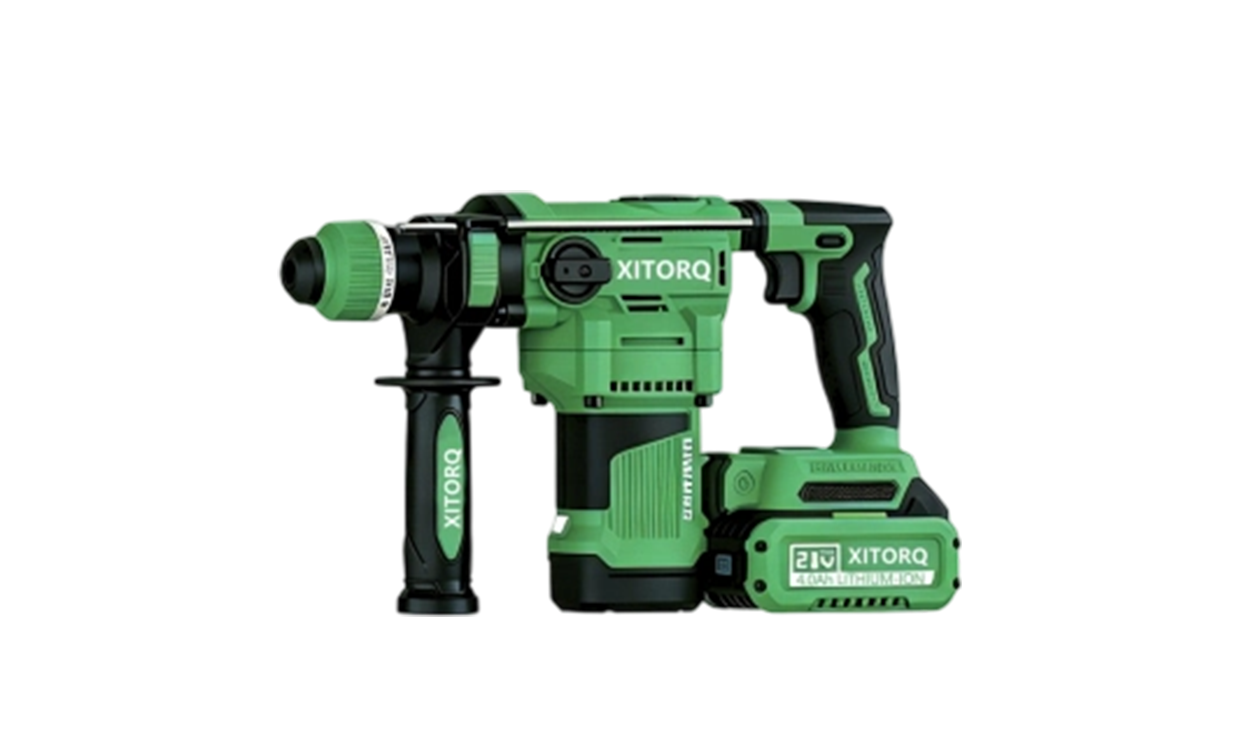
The XJ.728 21V lithium-ion high-magnetic brushless rotary hammer is a heavy-duty industrial-grade hammer from the Xiaojia brand. Featuring an upgraded...
See Details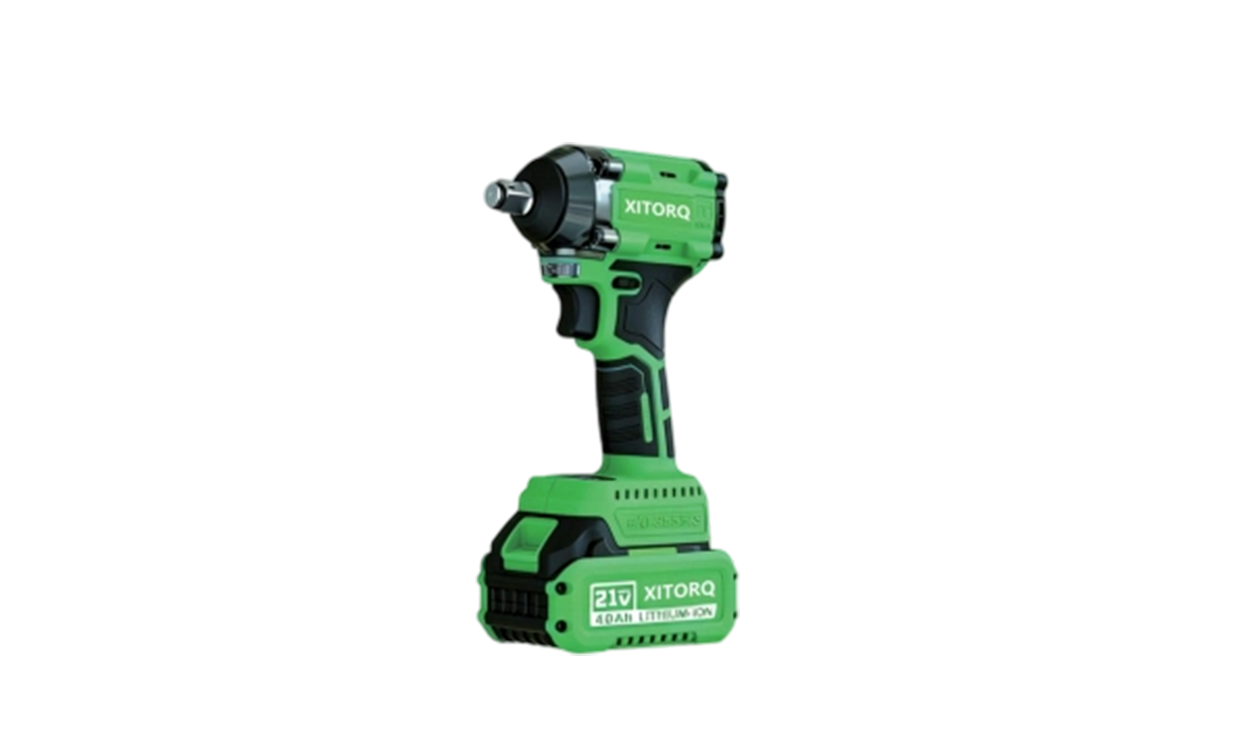
The XJ.523 21V lithium-ion brushless impact wrench is a heavy-duty industrial-grade tool from the Xiaojia brand. Powered by a high-power brushless mot...
See Details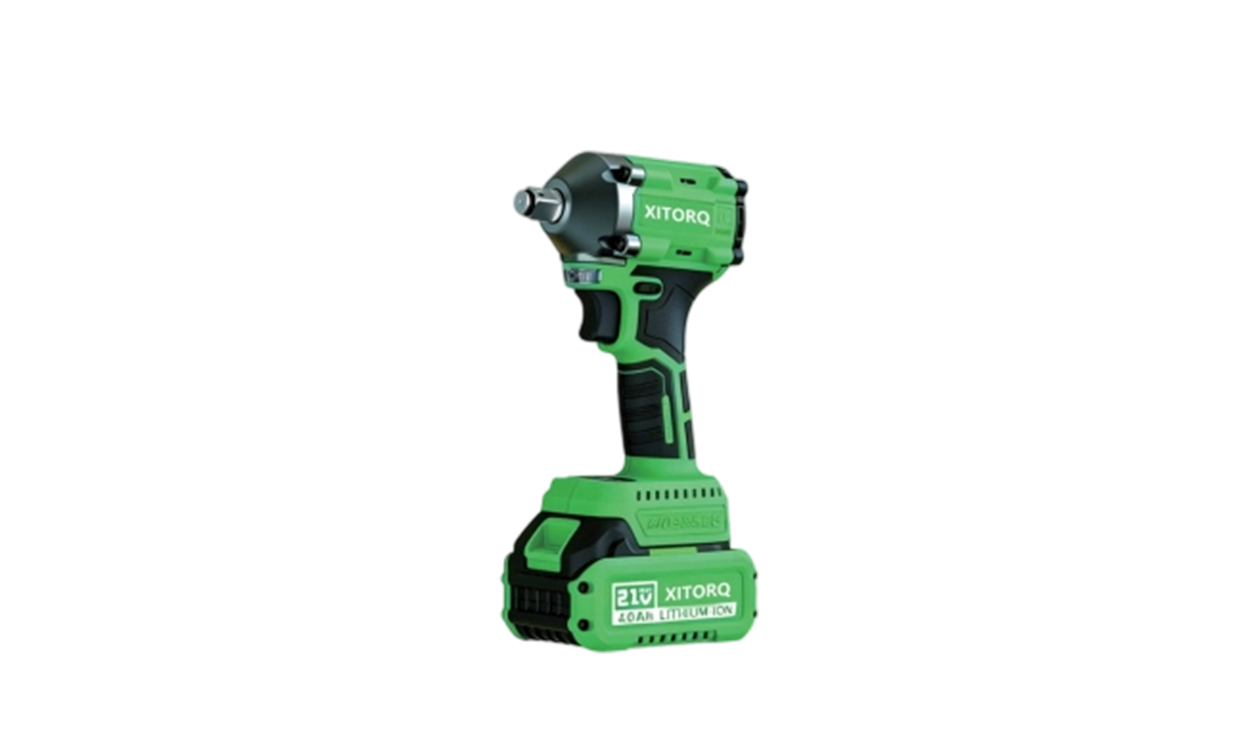
The XJ.533 21V lithium-ion brushless impact wrench is a 21V battery-powered cordless tool from the Xiaojia brand, combining the extended runtime of co...
See Details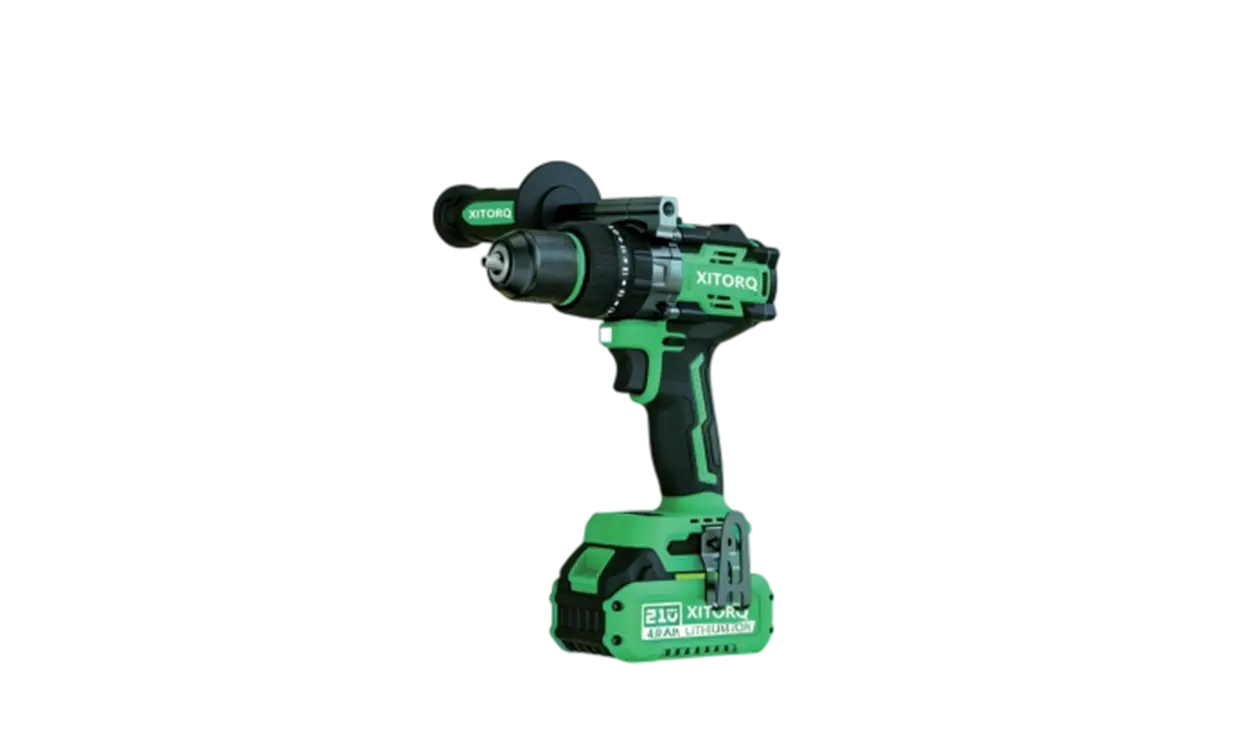
The XJ.615 21V lithium-ion brushless hammer drill/driver is a dual-purpose cordless drill from the Xiaojia brand. Powered by a 21V battery pack for co...
See Details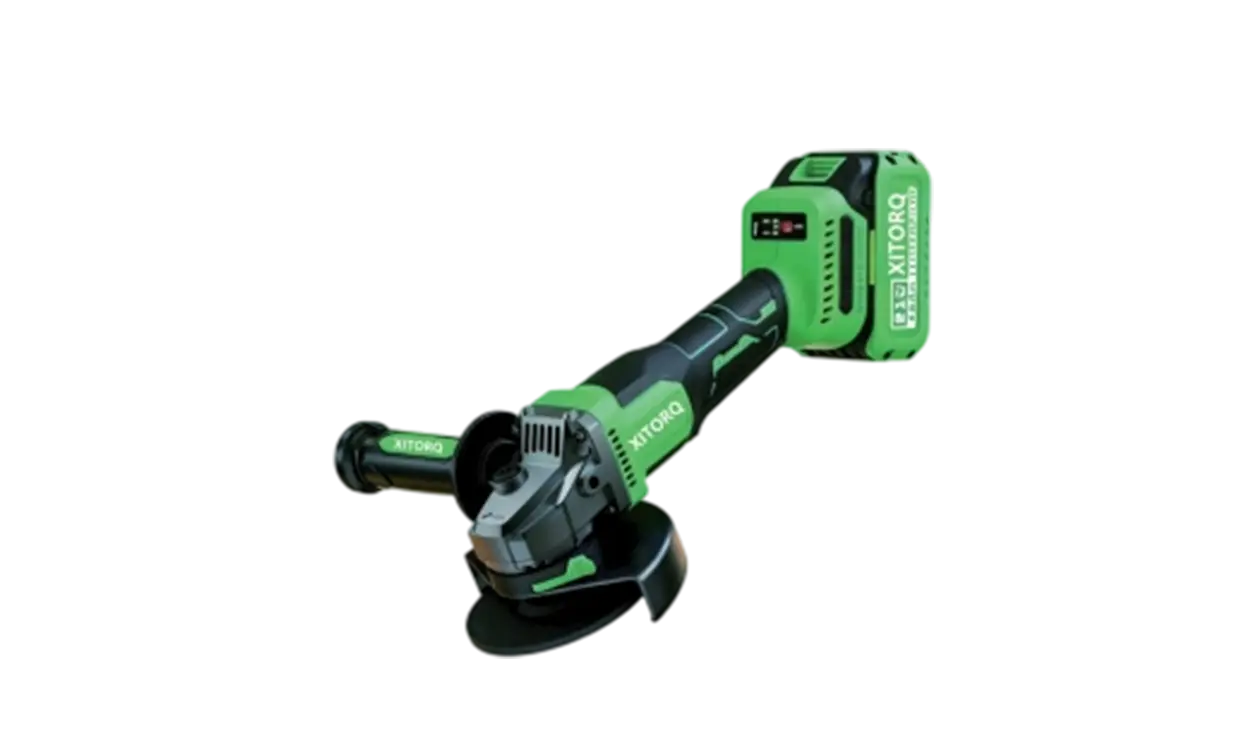
The XJ.918 21V lithium-ion high-magnetic brushless angle grinder is a heavy-duty industrial-grade grinder from the Xiaojia brand. Featuring an upgrade...
See Details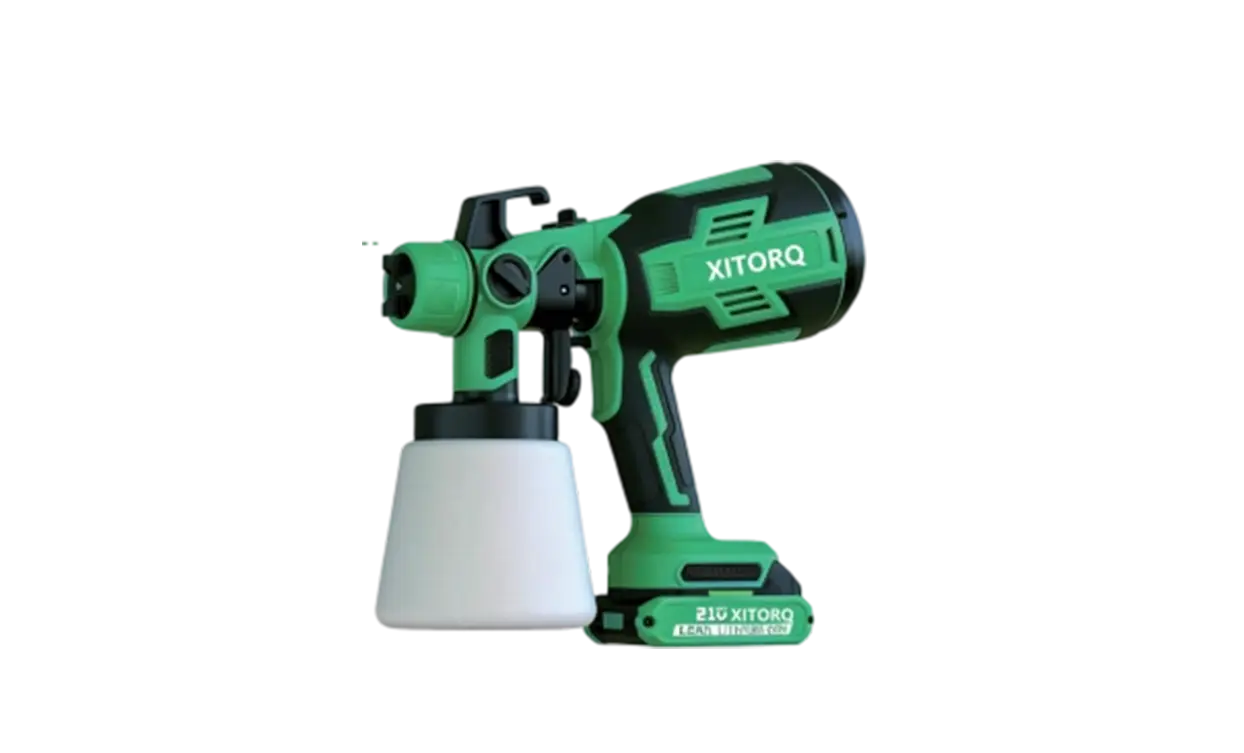
This 21V lithium-ion spray gun (Small Airplane model) is a portable cordless painting tool designed for paint spraying. Powered by a 21V brushless lit...
See Details
Copyright © by Hangzhou Xinabo Intelligent Electromechanical Technology Co., Ltd Rights Reserved. Pipe Threaders Manufacturers