 English
 Español
 عربى
عربى


Intelligent Threading Machine
1. Automatically identify the pipe diameter 2. Automatic tool adjustment and setting 3. Pipe Processing Range: DN15–DN100 4. Threading time as fast ...
See Details
Content
An oil-free piston air compressor operates by compressing air through the linear motion of a piston inside a cylinder without using lubricating oil in the compression chamber. Instead of oil lubrication, components such as the piston ring and cylinder wall are made from self-lubricating materials like PTFE or advanced composites. This design eliminates oil contamination in the compressed air and reduces downstream filtration requirements.
The motor drives the crankshaft, converting rotational motion into reciprocating motion. As the piston moves downward, air is drawn into the cylinder through an intake valve. When the piston moves upward, the air is compressed and discharged through an outlet valve into a storage tank or directly into the air system. This simple yet efficient mechanism makes oil-free piston air compressors suitable for applications that demand clean and dry air.
Oil-free piston air compressors are widely chosen for environments where air purity is critical. By removing oil from the compression process, these machines reduce the risk of contamination and simplify maintenance routines.
Oil-free piston air compressors are commonly used in industries where air quality directly affects product safety, equipment reliability, or human health. Their stable output and clean air delivery make them suitable for both continuous and intermittent use.
In hospitals and dental clinics, oil-free air compressors supply breathing air, drive dental tools, and support sterilization equipment. Any oil residue could compromise hygiene standards, making oil-free technology essential.
During packaging, conveying, and sealing processes, compressed air may come into direct or indirect contact with food products. Oil-free piston air compressors help meet food safety regulations and reduce the need for complex filtration systems.
Clean air is required for analytical instruments, cleanrooms, and sensitive electronic components. Oil-free air compressors minimize particulate and hydrocarbon contamination, improving process stability.
Choosing the right oil-free piston air compressor requires evaluating technical specifications based on actual usage conditions rather than nominal ratings alone.
| Specification | Practical Meaning |
| Air Flow (CFM / L/min) | Determines whether the compressor can meet tool or system demand |
| Working Pressure (PSI / Bar) | Defines compatibility with pneumatic equipment |
| Tank Capacity | Affects pressure stability and motor cycling frequency |
| Noise Level (dB) | Critical for clinics, offices, and indoor installations |
Many oil-free piston air compressors are designed as silent air compressors, incorporating soundproof housings, vibration dampers, and low-speed motors. These features significantly reduce operating noise, often keeping sound levels below 60 dB, which is comparable to normal conversation.
Low noise performance is especially valuable in dental clinics, laboratories, and mobile service vehicles where operators work close to the equipment for extended periods.
Although oil-free piston air compressors require less maintenance than oil-lubricated models, routine care is still essential to ensure consistent performance and service life.
Modern oil-free piston air compressors are increasingly optimized for energy efficiency. High-efficiency motors and improved piston materials reduce friction losses, lowering electricity consumption over time. While initial purchase prices may be slightly higher than conventional models, reduced maintenance and filtration costs often result in a lower total cost of ownership.
For users with intermittent air demand, a properly sized oil-free piston air compressor can deliver reliable performance without the energy waste associated with oversized systems.
One frequent mistake is selecting a compressor based solely on maximum pressure rather than actual air consumption. Another issue is ignoring duty cycle limitations, which can lead to premature wear if the compressor runs continuously beyond its design capacity.
To avoid these problems, users should calculate real air demand, consider future expansion, and consult detailed performance curves rather than relying on headline specifications.
For portable or mobile applications, compact oil-free piston air compressors with integrated tanks offer flexibility and ease of transport. Fixed installations benefit from larger tanks and lower motor speeds for improved durability. In medical or laboratory environments, priority should be given to certified clean air compressors with documented noise and air quality performance.
Evaluating supplier support, spare parts availability, and warranty terms is equally important to ensure long-term operational stability.
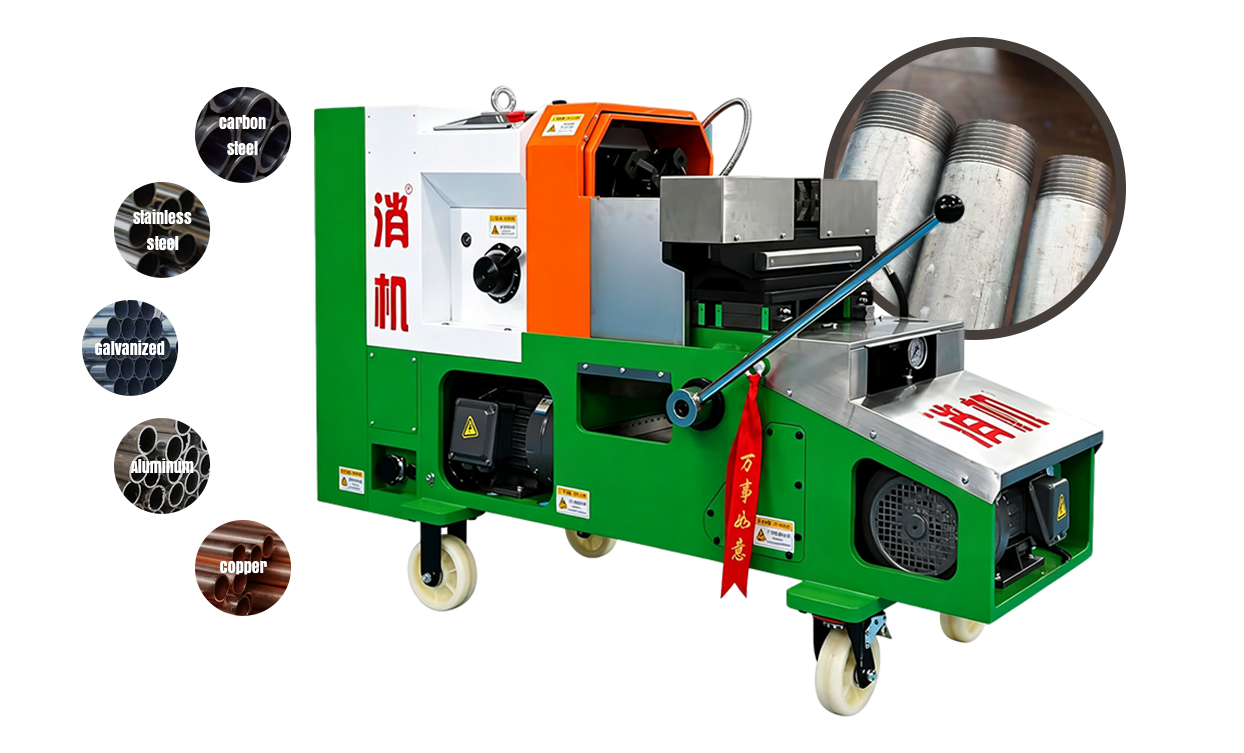
1. Automatically identify the pipe diameter 2. Automatic tool adjustment and setting 3. Pipe Processing Range: DN15–DN100 4. Threading time as fast ...
See Details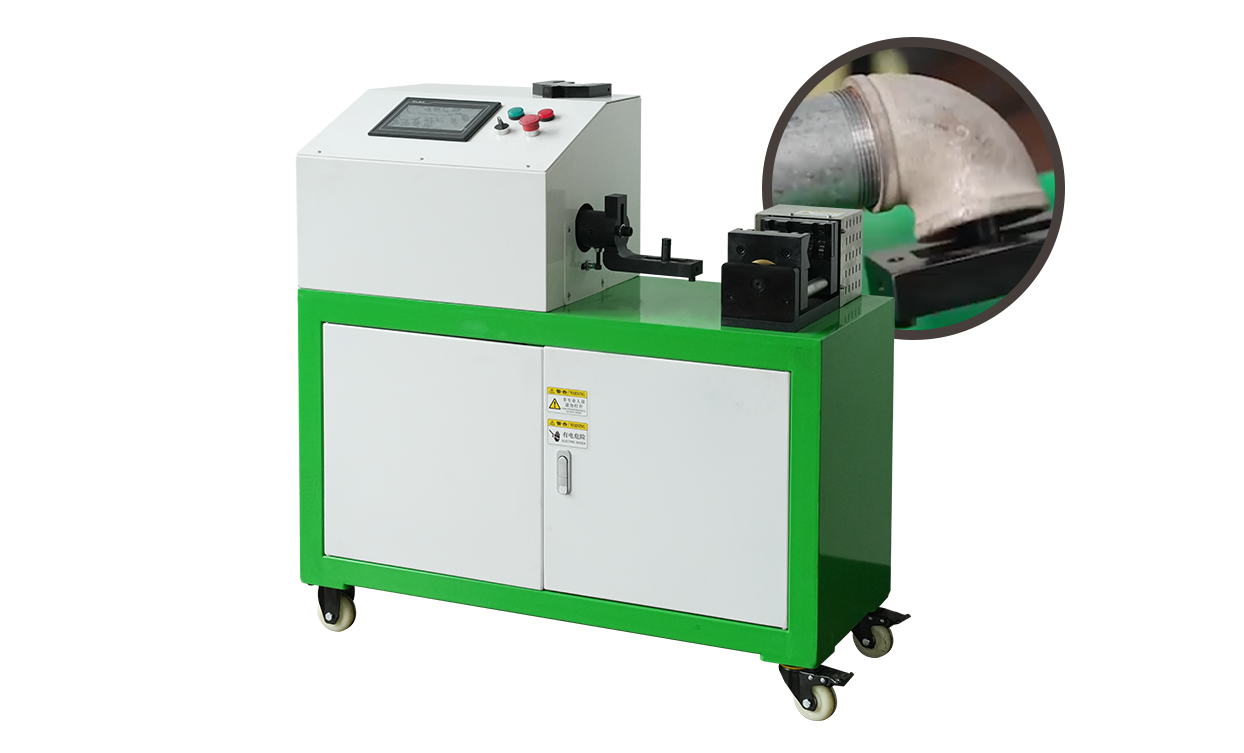
1. Intelligent adjustment, electric screwing 2. Save labor and improve efficiency 3. The layout is reasonable, safe and reliable 4. Torque adjustable,...
See Details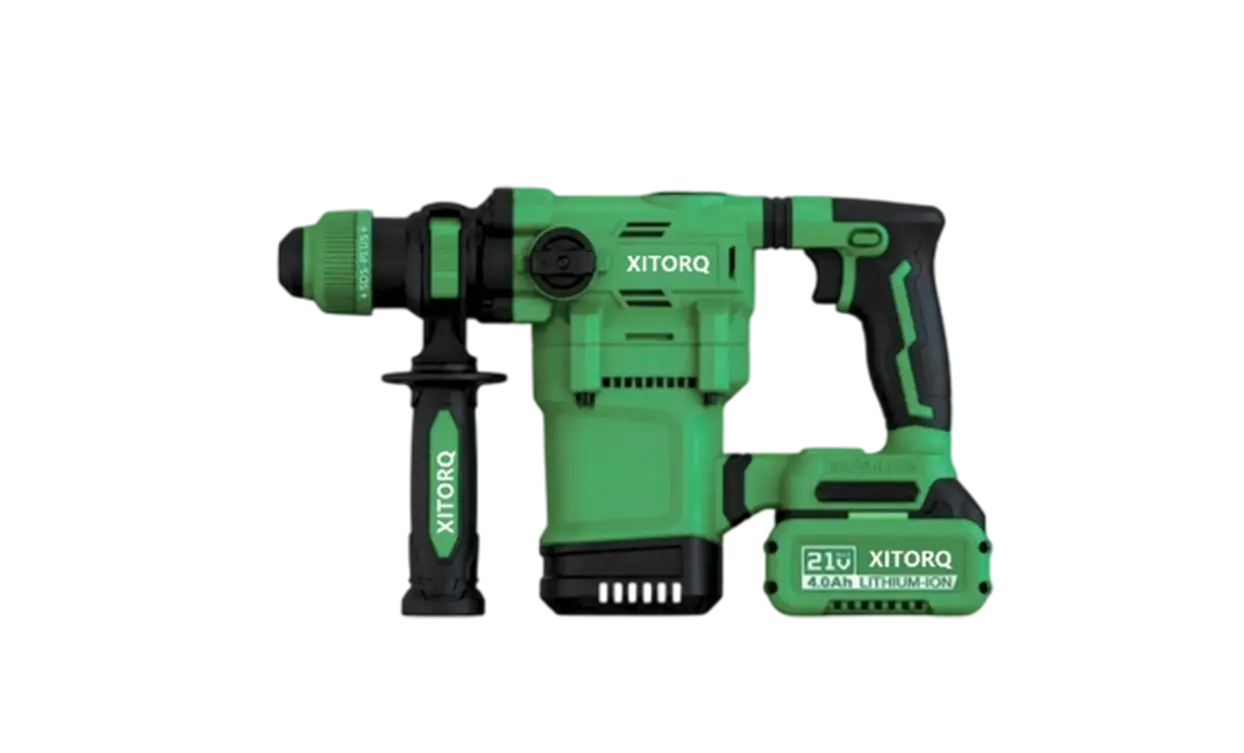
This 21V lithium-ion brushless rotary hammer is an industrial-grade tool designed for drilling and chiseling in concrete, stone, and other hard materi...
See Details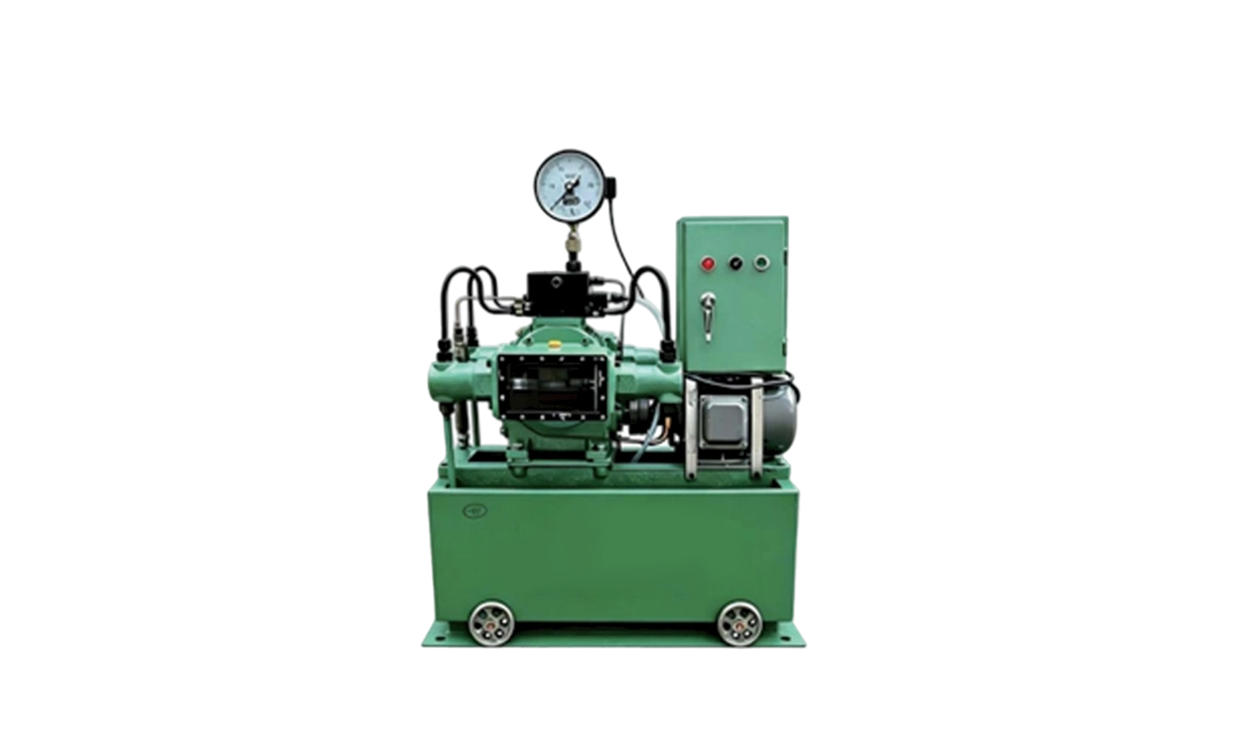
This 380V electric pressure test pump is a professional device designed for hydrostatic pressure testing and leak detection of pipes, valves, pressure...
See Details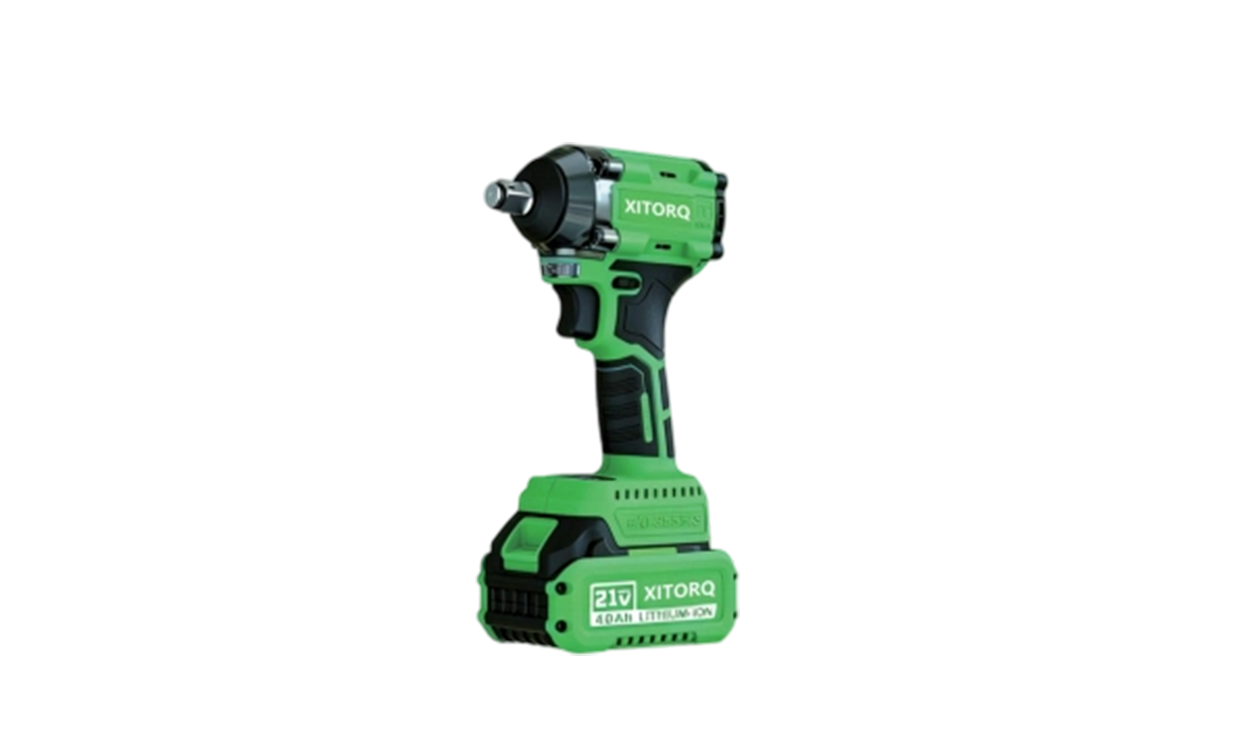
The XJ.523 21V lithium-ion brushless impact wrench is a heavy-duty industrial-grade tool from the Xiaojia brand. Powered by a high-power brushless mot...
See Details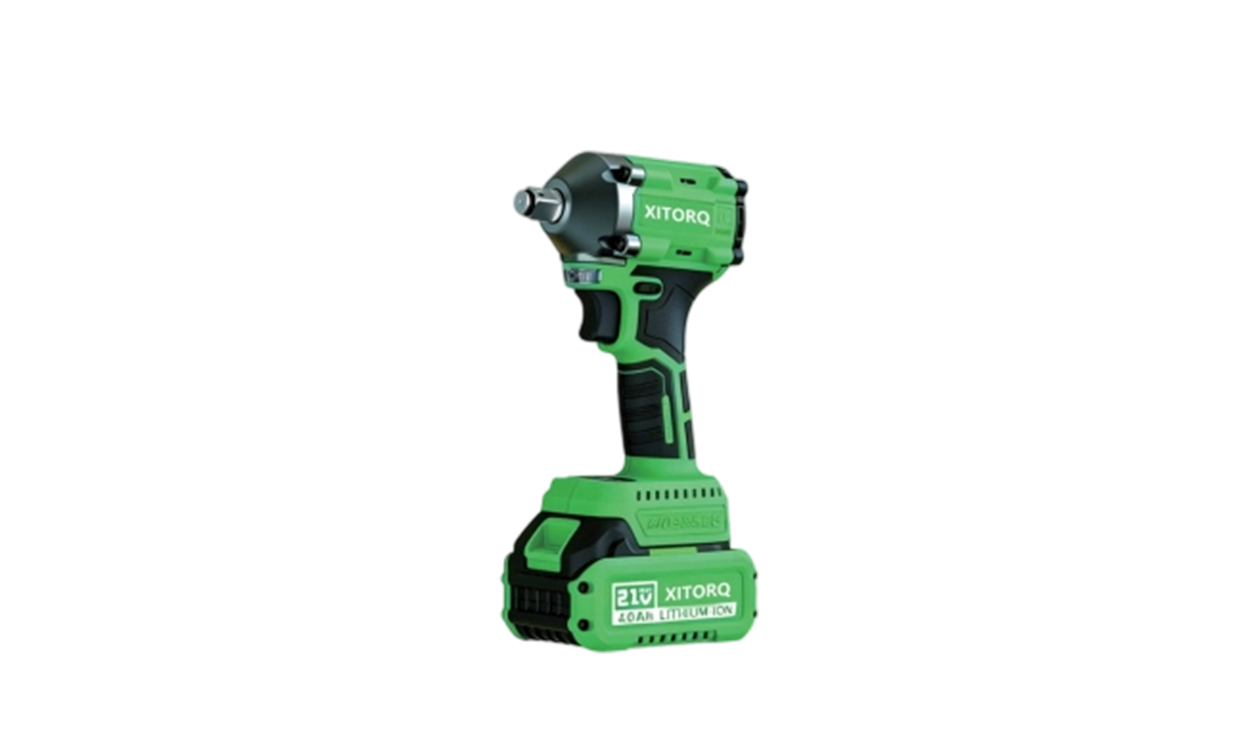
The XJ.533 21V lithium-ion brushless impact wrench is a 21V battery-powered cordless tool from the Xiaojia brand, combining the extended runtime of co...
See Details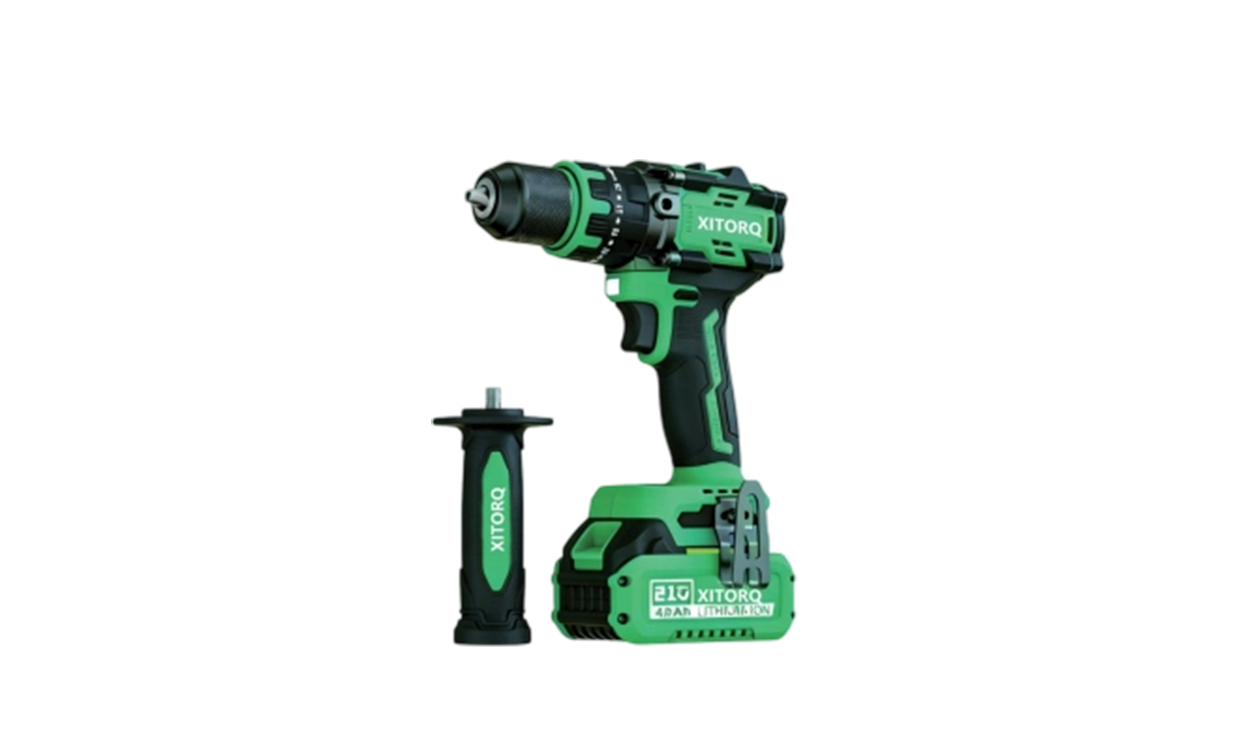
The XJ.608 21V lithium-ion brushless hammer drill/driver is a versatile industrial-grade cordless drill from the Xiaojia brand. Featuring a brushless ...
See Details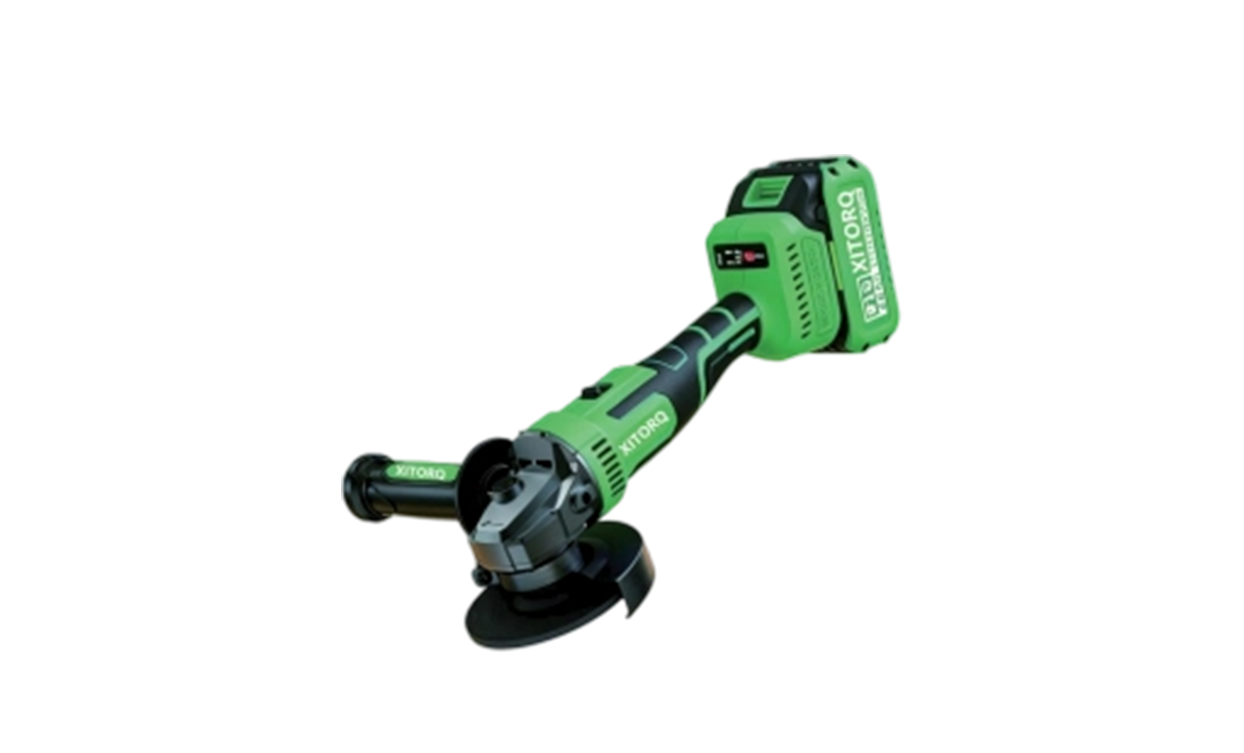
The XJ.908 21V lithium-ion high-magnetic brushless angle grinder is an industrial-grade grinder from the Xiaojia brand. Featuring a high-magnetic brus...
See Details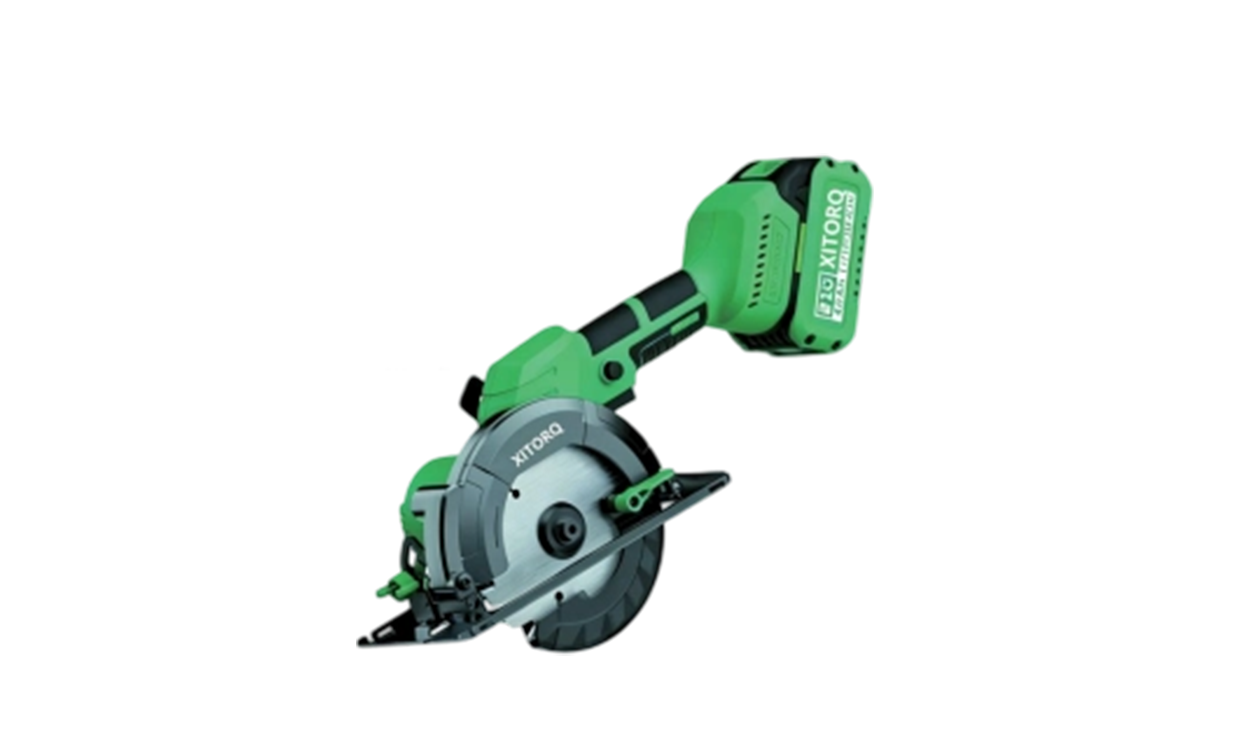
The XJ.853 21V lithium-ion high-magnetic brushless circular saw is an industrial-grade handheld circular saw from the Xiaojia brand. Featuring a high-...
See Details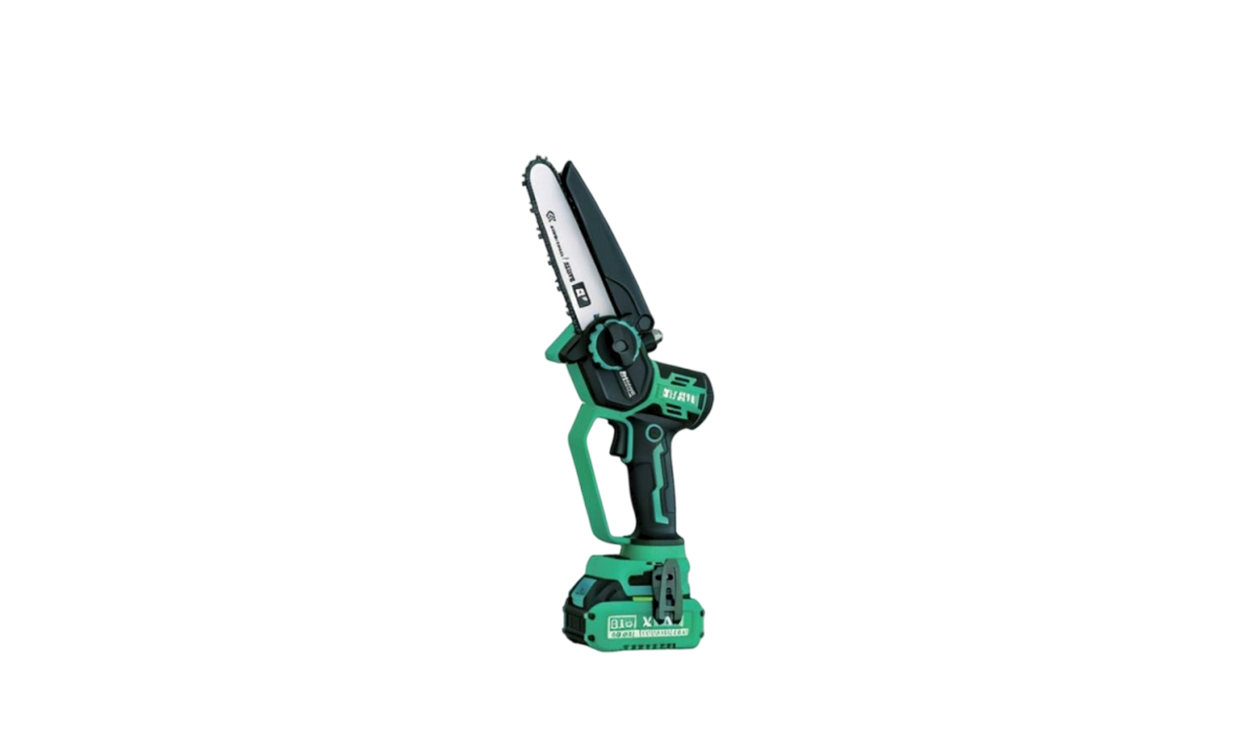
The XJ.204 16V 4" brushless electric chainsaw is a compact lithium-ion chainsaw from the Xiaojia brand. Powered by a 16V brushless motor with a 4" gui...
See Details
Copyright © by Hangzhou Xinabo Intelligent Electromechanical Technology Co., Ltd Rights Reserved. Pipe Threaders Manufacturers