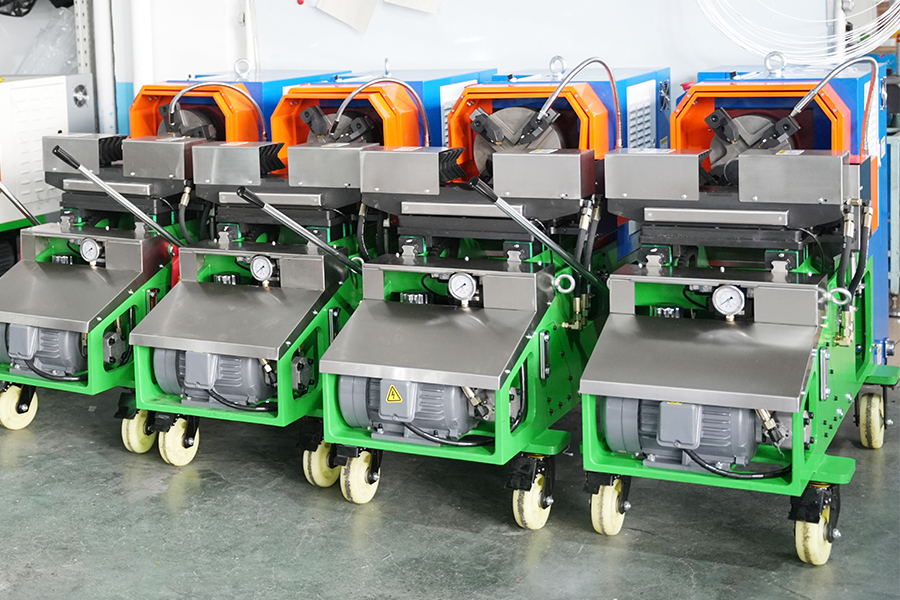
Electric Pipe Threading Machines for Pipeline Connection Work
As a Engineering Construction Pipeline Connection Solutions manufacturer, we match product configuration to the application, operating limits, interfaces and acceptance criteria defined for each project.
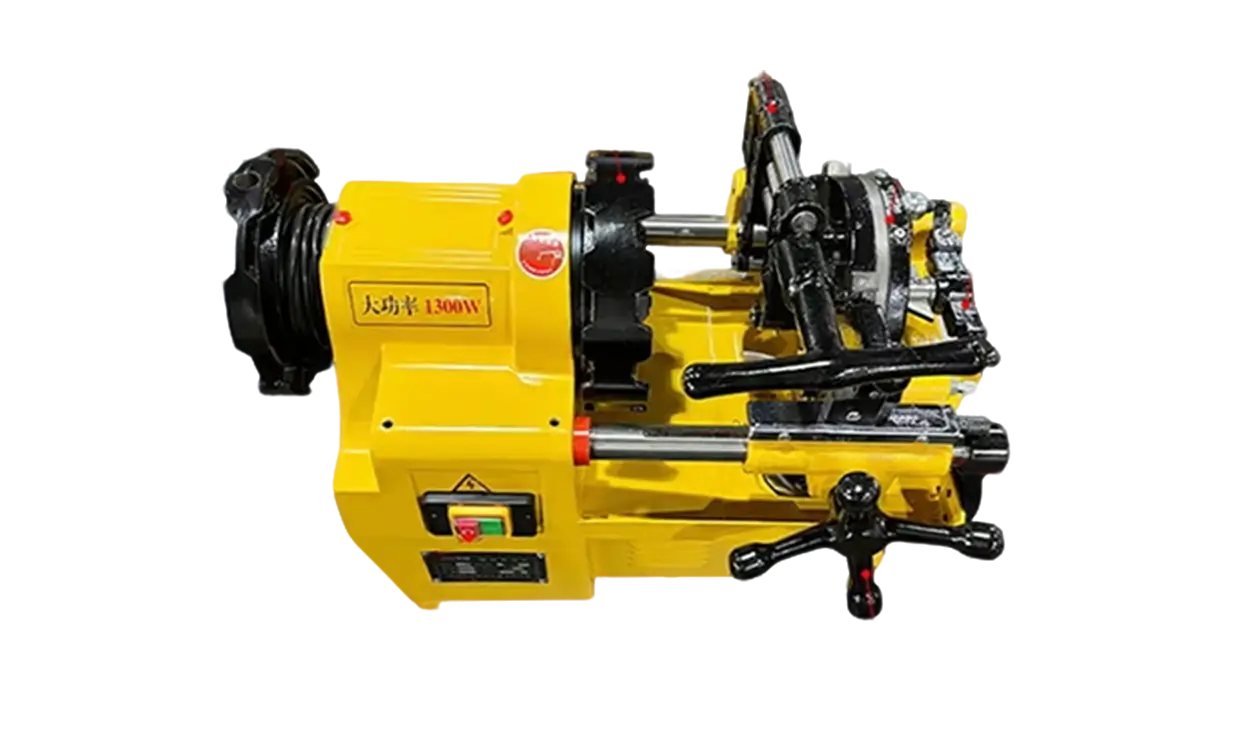
Hangzhou Xinabo Intelligent Electromechanical Technology Co., Ltd manufactures electric pipe threading machines and the supporting equipment used to complete threaded pipeline connections. Our dual-speed machines cut BSPT and NPT threads on 15–100 mm pipe, and every unit ships with matched die sets so a crew can move from 1/2" to 4" work without sourcing extra tooling.
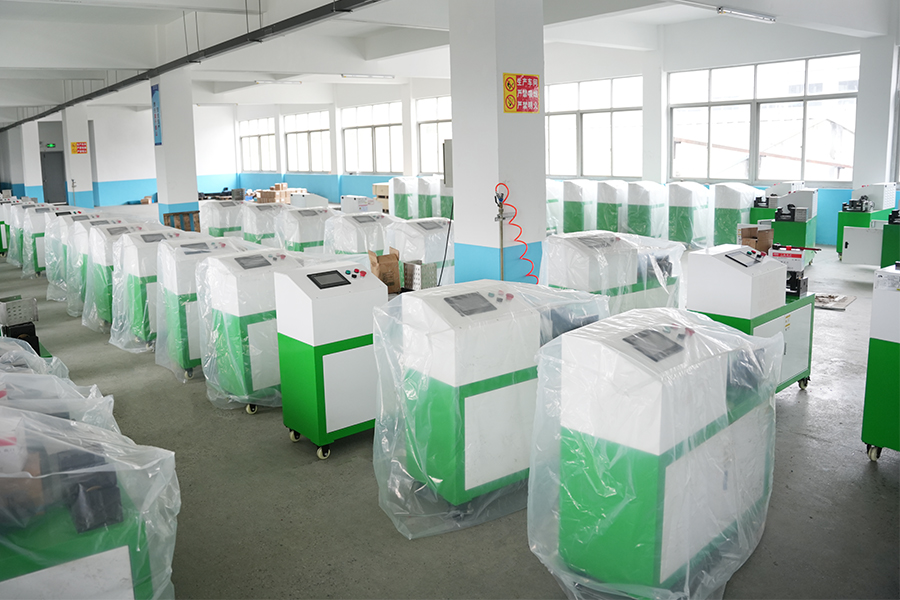
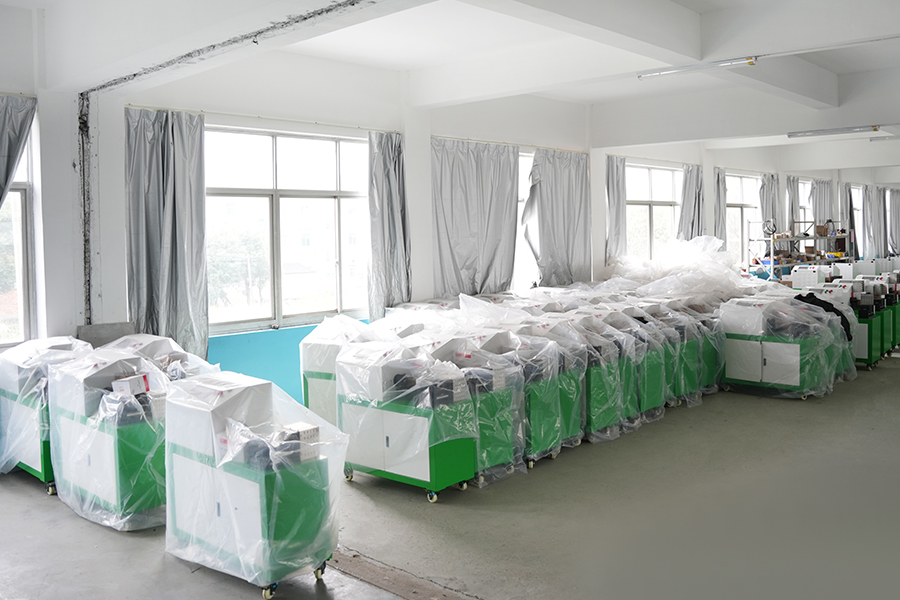
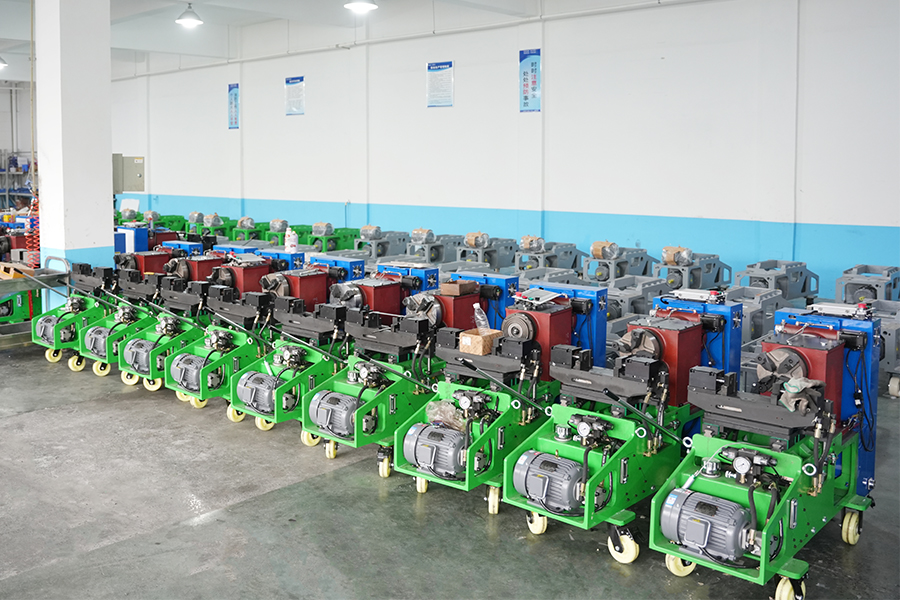
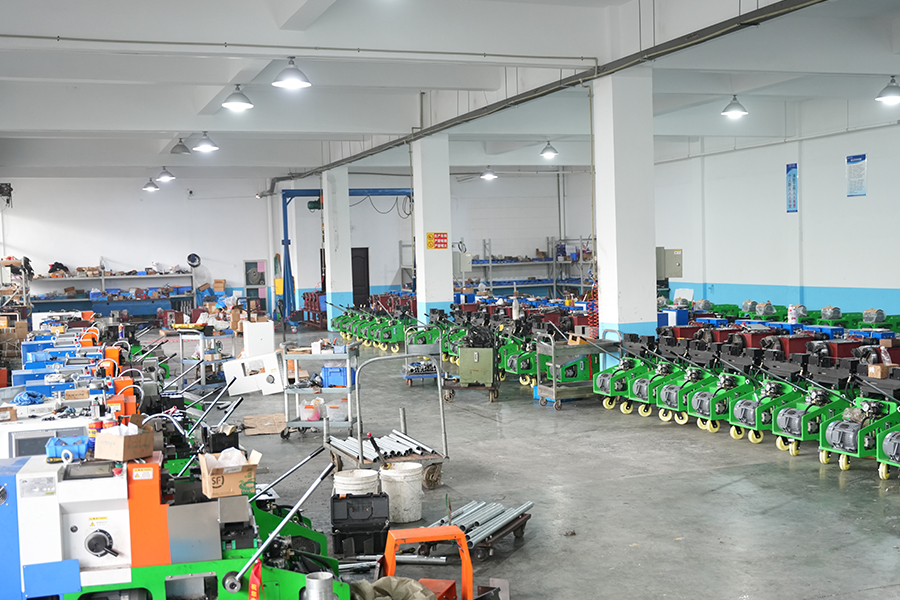
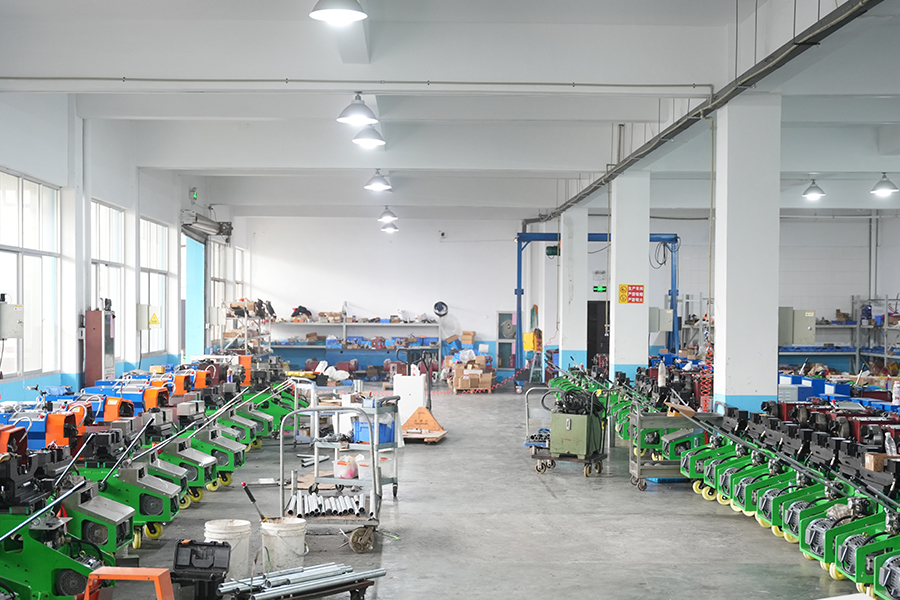
We established the company in Xiaoshan, Hangzhou in 2010 and have since developed nine generations of threading equipment. As an Electric Pipe Threading Machine manufacturer, we build this range alongside intelligent threading machines, cold saws, pressure test pumps and cordless installation tools at our 10,000 m² factory in Hangzhou.
Our Dual-Speed Electric Pipe Threading Machine Range
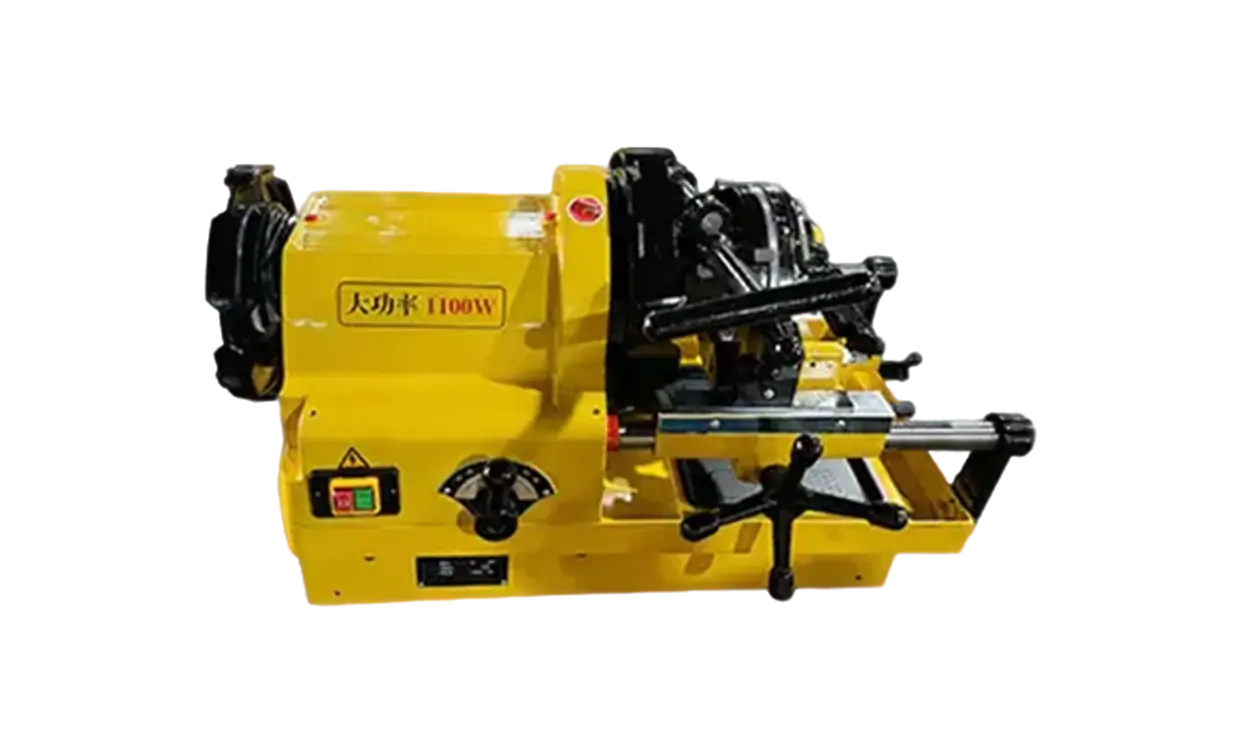
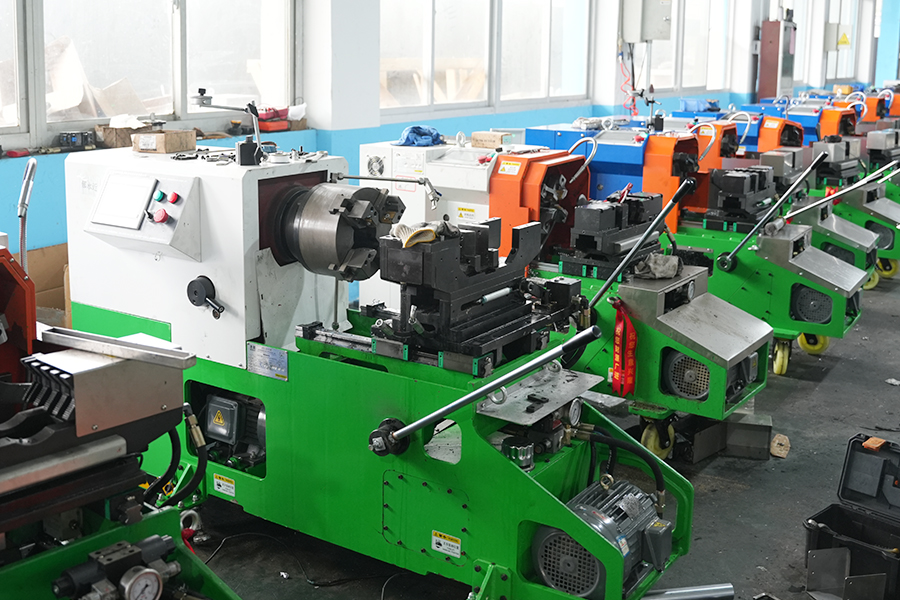
Two models carry the range. Both use a heavy cast body to hold the pipe steady under threading load, and both include three die sets that cover the full working range, so the standard pipe sizes on a project are threaded without additional die matching.
| Model |
Working range |
Speed |
Rated input power |
Supply |
Thread forms |
Die sets included |
Net weight |
| SQ65 2.5-inch dual-speed |
15–65 mm (1/2"–2.5") |
25 / 40 RPM |
1300 W |
220 V, 50/60 Hz |
BSPT, NPT |
1/2"–3/4", 1"–2", 2.5" |
75 kg |
| SQ100 4-inch dual-speed |
15–100 mm (1/2"–4") |
15 / 33 RPM |
1100 W |
220/380 V, 50/60 Hz |
BSPT, NPT |
1/2"–3/4", 1"–2", 2.5"–4" |
145 kg |
The dual-speed drive is the practical difference on site: the lower speed suits large diameters and harder materials, while the higher speed shortens cycle time on small-bore risers and branch lines.
Application Fit Across Fire Protection, Plumbing and Industrial Piping
Threaded joints remain the standard connection for fire protection mains, domestic water risers and light industrial process lines. The machine has to match the pipe schedule actually specified on the drawing rather than a single nominal size.
| Application |
Typical pipe |
Thread standard |
Model fit |
| Fire protection risers and sprinkler mains |
Galvanized steel, 1"–4" |
NPT or BSPT |
SQ100 for 4" mains, SQ65 for branch lines |
| Plumbing and MEP installation |
Carbon steel, 1/2"–2" |
BSPT or NPT |
SQ65 |
| HVAC and chilled water pipework |
Carbon steel, 1/2"–3" |
BSPT or NPT |
SQ65 or SQ100 |
| Industrial process and utility piping |
Carbon steel, stainless steel, 1"–4" |
NPT, BSPT, metric on request |
SQ100 |
| Prefabrication shop and spool assembly |
Mixed sizes, 1/2"–4" |
Project standard |
SQ65 plus SQ100, or Intelligent Threading Machine for higher volume |
Pipe Material and Thread Form Selection
Carbon steel and galvanized pipe account for most threading work, and both cut cleanly at the standard speeds. Stainless steel and aluminium need the lower speed setting and a suitable cutting fluid to control work hardening and surface tearing, while copper requires light feed pressure and sharp dies.
- BSPT — tapered British standard thread, common on exported fire protection and water systems.
- NPT — tapered American standard thread for North American project specifications.
- Metric and custom profiles — available through our intelligent threading platform for non-standard connection designs.
- Die condition — worn or chipped dies are the main cause of leaking joints, so we supply replacement Threading Dies matched to each machine.
Thread Quality, Accuracy and Repeatability
Thread quality is set by taper angle, thread depth, crest form and surface finish. Our die heads and clamping arrangement hold the pipe concentrically so the thread runs true along the axis, which is what allows a fitting to pull up tight and seal without excessive sealant.
For higher production targets, our intelligent threading machine identifies pipe diameter automatically, adjusts the tool setting and processes DN15–DN100, with threading times as short as 4 seconds on 15–25 mm pipe and 1,500–2,000 threads achievable in an 8-hour shift.
Configuration Options and Line Integration
We treat the threading machine as one station in a pipeline connection sequence, and we supply the surrounding equipment from the same factory so the interfaces are consistent.
Pipe preparation: Variable Frequency Cold Saw for square, burr-free cuts that let the die start cleanly.
Threading: SQ65 and SQ100 dual-speed electric pipe threading machines, or the intelligent threading machine for automated volume work.
Assembly: Intelligent Pipe Tightening Machine with adjustable torque and automatic return for controlled joint make-up.
Verification and site support: Electric Pressure Test Pump for hydrostatic checks, plus cordless tools and backpack lithium battery packs for bracket and support work.
Installation, Power Supply and Operator Safety
Both models run on single or three-phase site power depending on configuration, so the supply available at the workface is confirmed before the machine is specified. The SQ65 at 75 kg suits bench or trolley mounting; the SQ100 at 145 kg is normally set on a level floor with clearance for pipe entry and exit.
- Pipe is clamped before the die head engages, and the machine is never started with the carriage unsecured.
- Cutting fluid flow is checked at the die head before the first thread of each shift.
- Chip trays and swarf are cleared to keep the clamping surfaces clean and the thread free of debris.
- Operators work with the machine guards in place and the emergency stop within reach.
Quality Control, Compliance and Acceptance
Our threading equipment is covered by an Attestation of Conformity referencing the Machinery Directive and the Electromagnetic Compatibility Directive. The company holds the National High-tech Enterprise title and a patent portfolio covering threading machines, die heads, clamping devices and pipe twisting equipment.
Before dispatch, machines are assembled, run under load and checked for thread form on sample pipe. Acceptance on site normally covers a gauge check against the project thread standard, a trial thread on the actual pipe material, verification of the die set range against the pipe schedule, and confirmation of the packing list against the delivered scope.
Information We Use to Configure Your Solution
Our proposal is based on the working point, material and production target rather than a catalogue number alone. The following inputs let us confirm the model, die sets and accessories in one pass.
- Pipe outside diameter range and wall thickness, including the largest and smallest size on the project.
- Pipe material and surface condition — bare carbon steel, galvanized, stainless, aluminium or copper.
- Required thread standard and any project-specific gauge requirement.
- Joint count per shift or per day, and whether work is prefabricated or cut on site.
- Available power supply, voltage and frequency at the workface.
- Mobility requirement, transport constraints and whether the machine stays in one bay.
- Scope of supply — machine only, machine with die sets, or a full station including cold saw, tightening machine and pressure test pump.
- Documentation, labelling and language requirements for the destination market.
Maintenance, Spare Parts and Documentation
Consumables are the die sets, cutter heads and clamping components, and we hold a spare parts range for the machines we supply. Routine maintenance is limited to die inspection, cutting fluid level and cleanliness, clamp jaw condition and drive checks, all of which can be handled by the site maintenance team.
Our technical team provides training and demonstrations for buyer partners on request, and machines are delivered with operating documentation covering installation, threading procedure, die changing and maintenance intervals.
Frequently Asked Questions
Which pipe sizes can a Xinabo electric pipe threading machine handle?
The SQ65 covers 15–65 mm, matching 1/2" to 2.5" pipe, and the SQ100 covers 15–100 mm, matching 1/2" to 4" pipe. Both are supplied with three die sets that span the full working range.
Do the machines cut both BSPT and NPT threads?
Yes. Both models support BSPT and NPT thread forms, and the included die sets cover the standard pipe sizes within the machine range. Metric and custom thread profiles are handled by our intelligent threading platform.
What power supply do the machines require?
The SQ65 is rated at 220 V, 50/60 Hz with 1300 W input power. The SQ100 is rated at 220/380 V, 50/60 Hz with 1100 W input power. We confirm the supply at the workface before finalising the configuration.
Can the machines thread stainless steel and aluminium?
Yes. Stainless steel and aluminium are threaded at the lower speed setting with a suitable cutting fluid to control work hardening and surface finish. Carbon steel, galvanized pipe and copper are also within the material scope.
What is the difference between the electric pipe threading machine and the intelligent threading machine?
The dual-speed electric machines are operator-fed units for standard pipe sizes and mixed site work. The intelligent threading machine identifies pipe diameter automatically, adjusts the tool setting, covers DN15–DN100 and reaches threading times as short as 4 seconds on 15–25 mm pipe for high-volume production.
What information do you need to prepare a quotation?
Send the pipe diameter range, wall thickness, material, required thread standard, expected joint count per shift, available power supply and the scope of supply you need. With those inputs we confirm the model, die sets, accessories and documentation package.

 English
 Español
 عربى