
 English
 Español
 عربى


Intelligent Threading Machine
1. Automatically identify the pipe diameter 2. Automatic tool adjustment and setting 3. Pipe Processing Range: DN15–DN100 4. Threading time as fast ...
See Details
Content
Spud tools are sold in far more shapes than most buyers expect, and the differences are not cosmetic. A wrench sized for M16 bolts will not align an M24 flange, a cast spud will not survive a season of structural steel, and a spud bar is not an alignment tool at all. What follows covers what the name actually refers to, how to match a spud to a bolt hole, which steel to insist on, and where the tool fits in a fabrication sequence that already involves cutting and threading equipment.
A spud tool is a hand tool whose working end is a tapered steel spike, driven into a misaligned bolt hole to lever two parts into register and hold them there while a fastener is inserted. The spike is the spud; the taper does the work.
The geometry is simple, and that is the point. A general-purpose spud runs from roughly 6 mm at the tip to 20 or 25 mm at the shoulder, ground on a shallow taper so it can be seated at different depths. Push it in a little and it corrects a small offset. Push it further and the joint moves more. A body length of 250 to 450 mm gives enough leverage to roll a flange without putting a permanent bend in the bolt.
Where a spud tool earns its place on site:
The term spud tool covers at least three different products, and confusing them at the purchasing stage is the most common mistake in this category. The table below separates them by working end, size and failure mode.
| Spud wrench (podger) | Tapered spike plus a fixed hex jaw | 250 to 450 mm long; 12 to 25 mm taper base | Flange and structural alignment, then tightening | Jaw cannot match every nut size |
| Structural spud wrench | Longer taper, heavier body, sometimes a hammer face | 300 to 600 mm; up to 1.4 kg | Steel erection at height and heavy bolted connections | Too heavy and too long for bench or small-bore work |
| Spud bar | Chisel or point on a long solid bar | 1.0 to 1.5 m; 3 to 12 kg | Lifting, prying, moving plate and rail | No wrench end; will not align a bolt hole |
| Spud (pipe stub) | Short weld stub or nipple | Matches the pipe size | Nozzles, test points, drains on vessels | Not a hand tool at all |
Bolt diameter sets the clearance hole, the clearance hole sets the spud base, and the spud base sets how much misalignment you can pull without damage. Work the sequence in that order and the tool will fit the first time.
Using medium clearance holes to ISO 273, a 16 mm bolt passes through a 17.5 mm hole, a 20 mm bolt through 22 mm, and a 24 mm bolt through 26 mm. A spud base at roughly 85 to 90 percent of the hole diameter seats cleanly and still transfers force to the bore wall rather than the bolt face.
Length is a separate decision. A 250 to 300 mm wrench suits bench work and small flanges, while 400 mm and above gives the reach needed on large spools and structural connections. Longer is not automatically better: every extra 100 mm of handle multiplies the force available at the taper, and that force is what deforms hole edges when a joint is badly out of register.
Threaded connections raise a different alignment problem. Where a spool is joined by NPT, BSPT or BSPP threads rather than a flange, the fit-up question becomes thread engagement and sealing rather than hole register, and the relevant dimensions are set out in this guide to pipe thread types and sizes.
A spud wrench earns its money in the first 40 mm of steel, so the alloy and the heat treatment matter more than any other feature on the tool. Drop-forged chrome-moly such as 4140, with the taper hardened to roughly 40 to 45 HRC and the body left softer, is the combination that holds shape without becoming brittle.
Drop-forged chrome-moly
Cast or rolled carbon steel
Tubular steel handles tolerate site abuse; timber handles absorb shock but dry out and shrink; insulated composite handles are the only sensible choice for electrical work, where a 1000 V rating is a requirement rather than a nice-to-have. On the jaw side, fixed sizes grip best, adjustable jaws cover more nut sizes at the cost of slop, and ratcheting versions speed up long bolt runs but add a mechanism that grit will eventually find.
The cutting tools used a few metres away follow the same metallurgy logic. A threading die that has lost its hardness will tear a thread the same way a soft spud will score a hole, which is why tool steel grade and heat treatment belong in the same purchasing conversation.
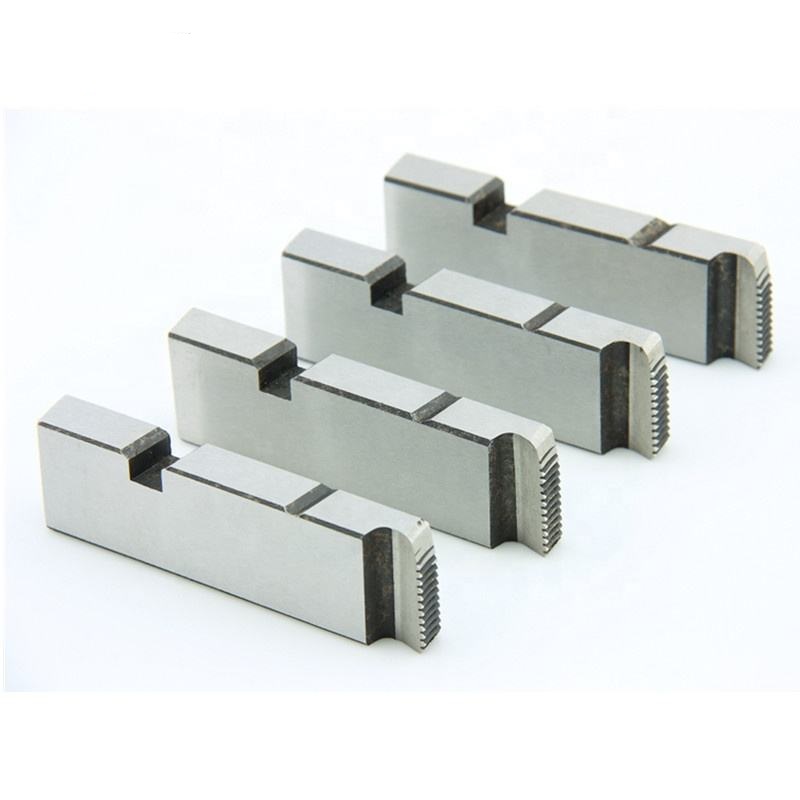 High-Speed Steel Threading Dies for Electric Threading MachinesPrecision HSS threading dies for electric machines, offered in four-piece sets for BSPT and NPT threads with chip-removal grooves and laser-marked standards.View Product →
The spud is a fit-up tool. It enters after the pipe has been cut and threaded or grooved, and it leaves before final torque is applied. Shops that run a fixed sequence around that rule rarely need to ream a hole, and the equipment layout behind such a sequence is set out in these pipe fabrication and installation solutions.
Step one is where most fit-up pain is created. A cut that is out of square by half a degree pushes the flange face out of parallel, and no amount of levering will bring the bolt holes back into a clean line once the faces are fighting each other.
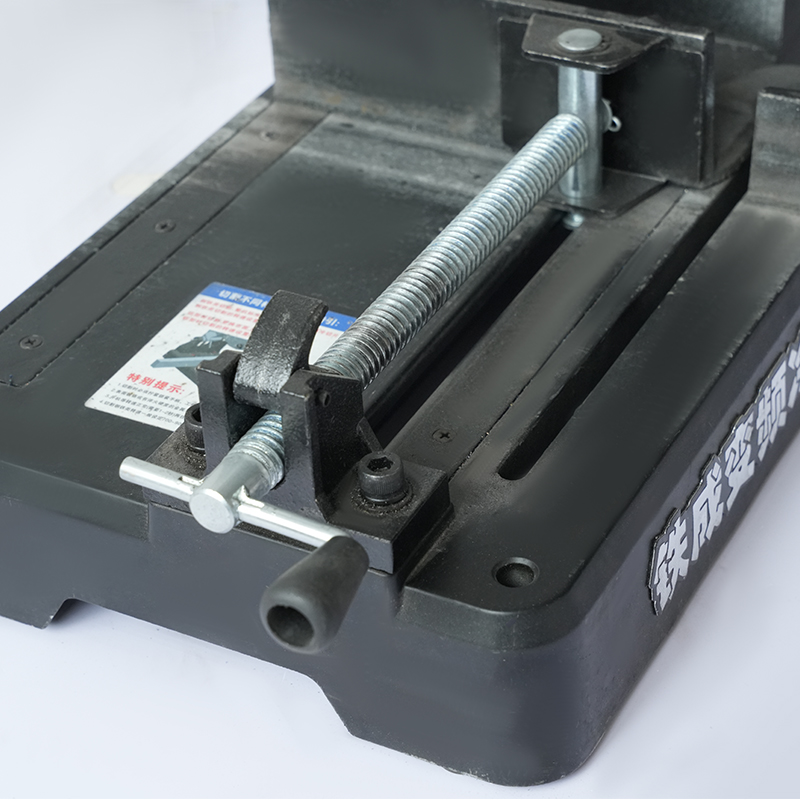 Frequency Conversion Metal Cold Cutting Saw220V 3500W cold saw with a 355 mm blade and 700–1300 rpm variable speed, featuring a shadow line guide for cut alignment in pipe fabrication.View Product →
Step two is where thread quality is decided. A ragged thread on a nipple or a spool end changes the effective length of the assembly by a fraction, and fractions are what turn a two-minute alignment into a twenty-minute argument with a hammer.
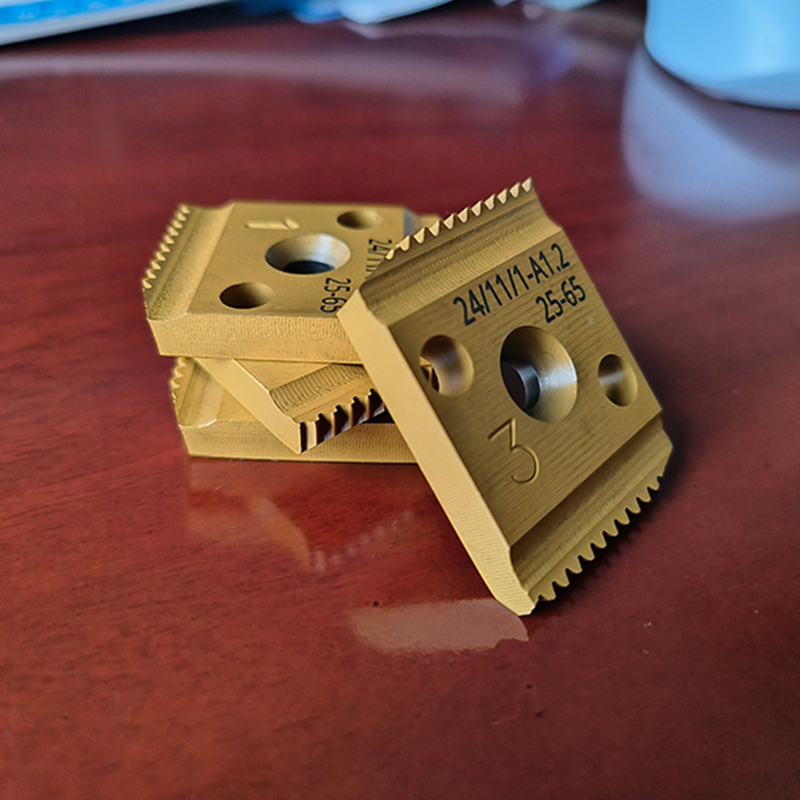 Intelligent Threading Machine for DN15–DN100 PipeAutomatic pipe-diameter setting and 4-second small-pipe threading support British, American, and metric threads on carbon, galvanized, stainless, aluminum, and copper pipe.View Product →
Most spud tool failures are levering failures: the tool is asked to correct more offset than the hole can take. A flange that is 5 mm out of register needs the joint slackened and re-set, not a longer wrench and more body weight.
Stainless flanges need more care than carbon steel. The spud should contact the hole wall and nothing else, because a spike dragged across a flange face will smear the surface and give a leak path a place to start. Hardened washers and high-strength structural assemblies are equally unforgiving: a taper that is too sharp will mark the hole, and a taper that is too blunt will not enter at all. A drop of anti-seize on the spud keeps it free in wet conditions and reduces galling on stainless bores.
Buy by hole size first, steel second and jaw type third; every other feature is preference. A short checklist keeps the decision in the right order.
A spud tool is used to lever misaligned bolt holes into line and hold the joint while a fastener is fitted. The tapered spike enters the hole, the joint rolls into register, and the bolt goes in without force. It is standard equipment for flange make-up, structural steel erection and precast alignment.
A 5/8 inch bolt passes through a clearance hole of about 17.5 mm, so a spud base of 15 to 16 mm fits correctly. A wrench with a 12 mm base will rattle in the hole and a 20 mm base will wedge before it reaches working depth.
Yes, in most English-speaking markets the two names describe the same tool: a tapered spike paired with a hex jaw. Regional usage varies, and in North America the structural version is often just called a spud wrench or a bull pin with a wrench attached.
It can, with care. The taper should touch only the bore wall, never the flange face or the gasket seating area, and the bore should be clean and lightly lubricated. For hygienic or high-purity stainless work, a soft-tipped alignment pin is the safer choice.
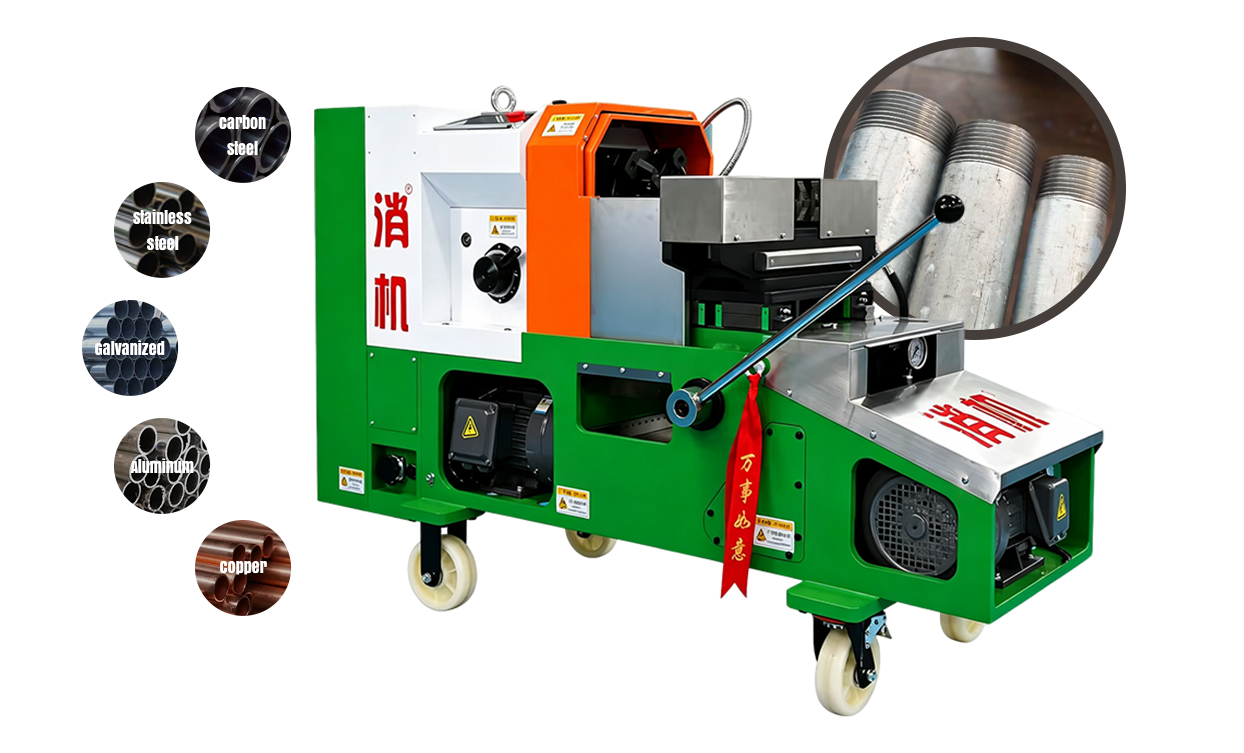
1. Automatically identify the pipe diameter 2. Automatic tool adjustment and setting 3. Pipe Processing Range: DN15–DN100 4. Threading time as fast ...
See Details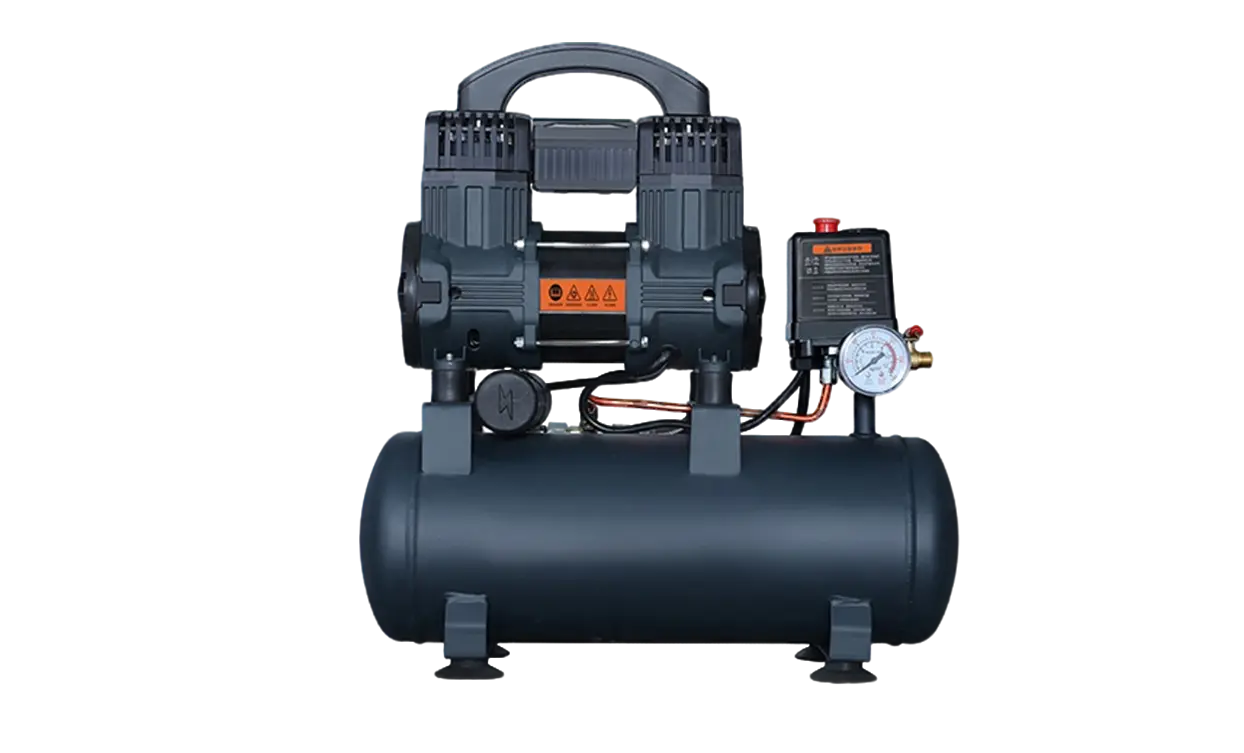
The F1200 Series Air Compressor is engineered for reliable, cost-effective compressed air supply, core to which are its high-efficiency oil-free desig...
See Details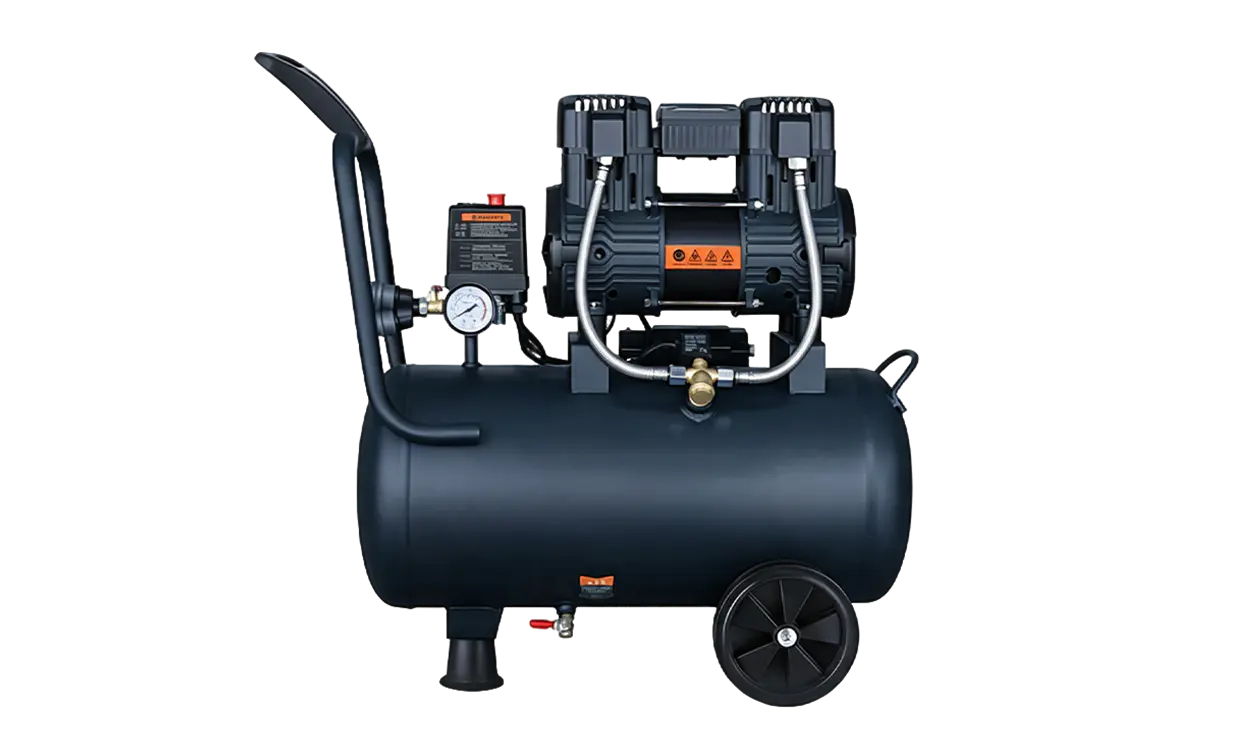
The F1680 Series Air Compressor is engineered for stable and efficient air supply, featuring core technologies of multi-cylinder compression, rapid ai...
See Details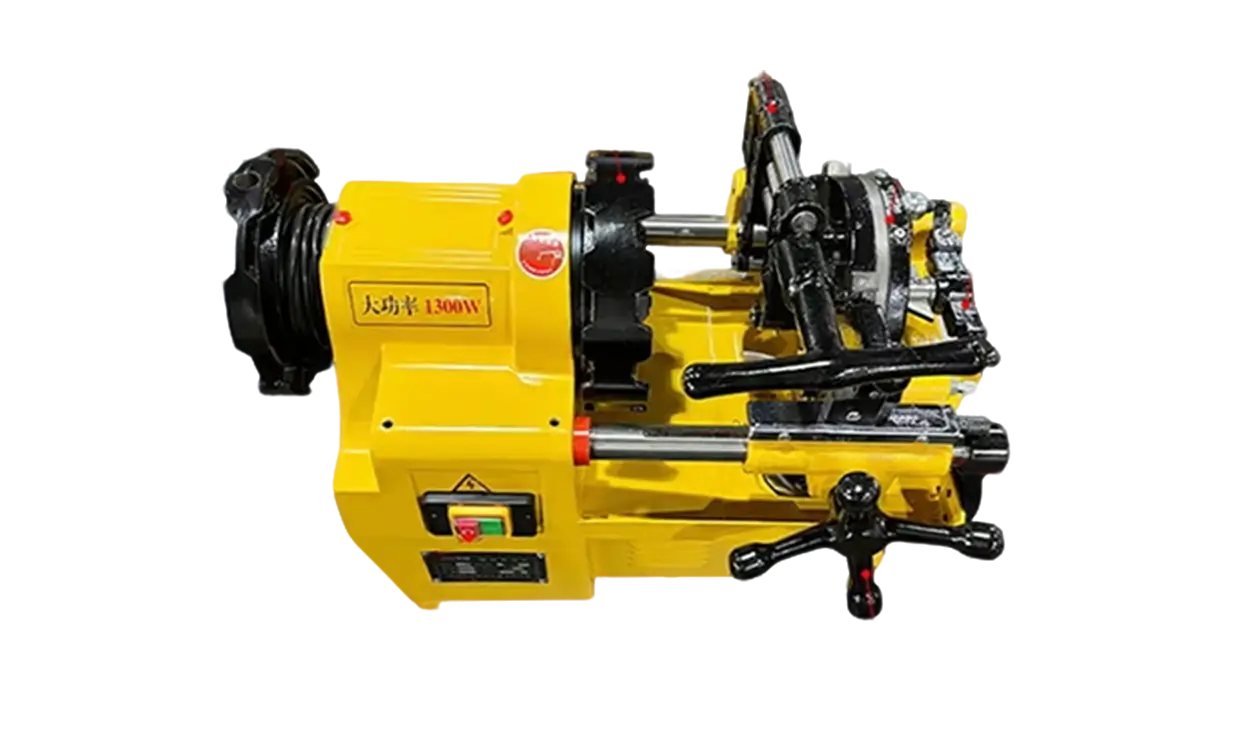
This SQ65 2.5-inch 15-65mm dual-speed electric pipe threading machine is a professional industrial tool engineered for precise pipe threading operatio...
See Details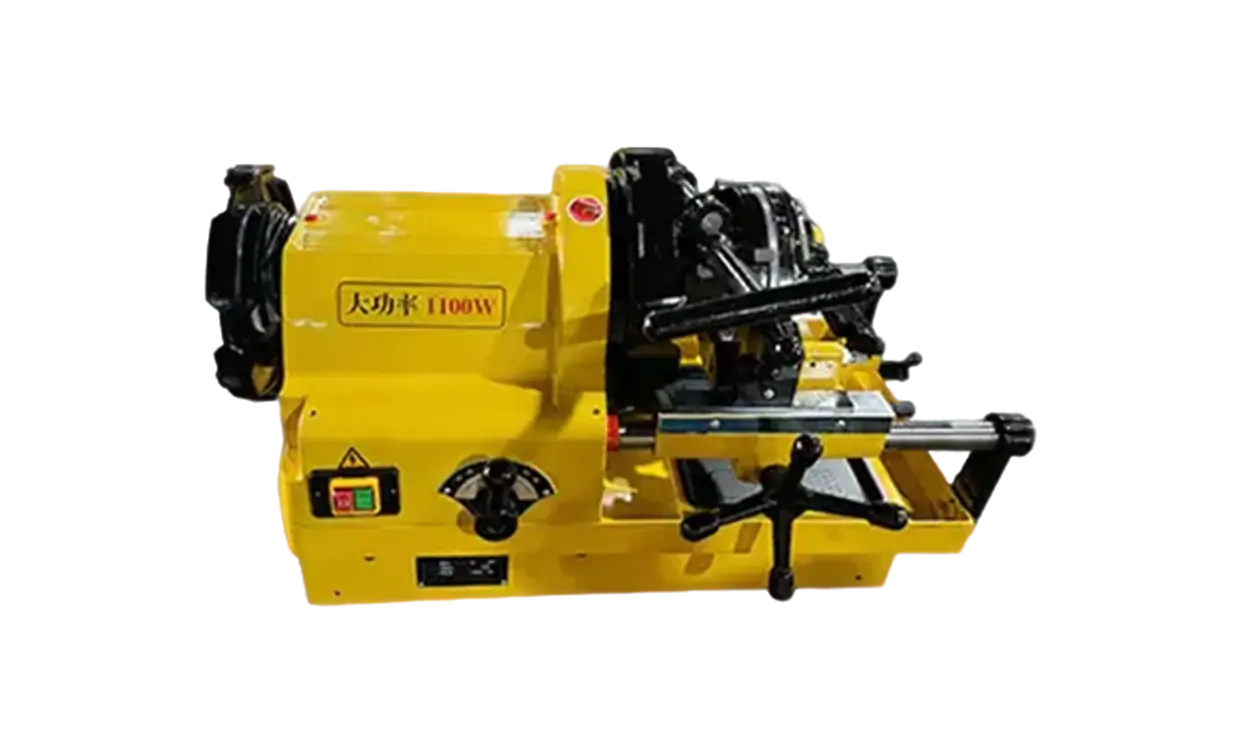
This SQ100 4-inch 15-100mm dual-speed electric pipe threading machine is engineered for precise and efficient pipe threading operations, with a workin...
See Details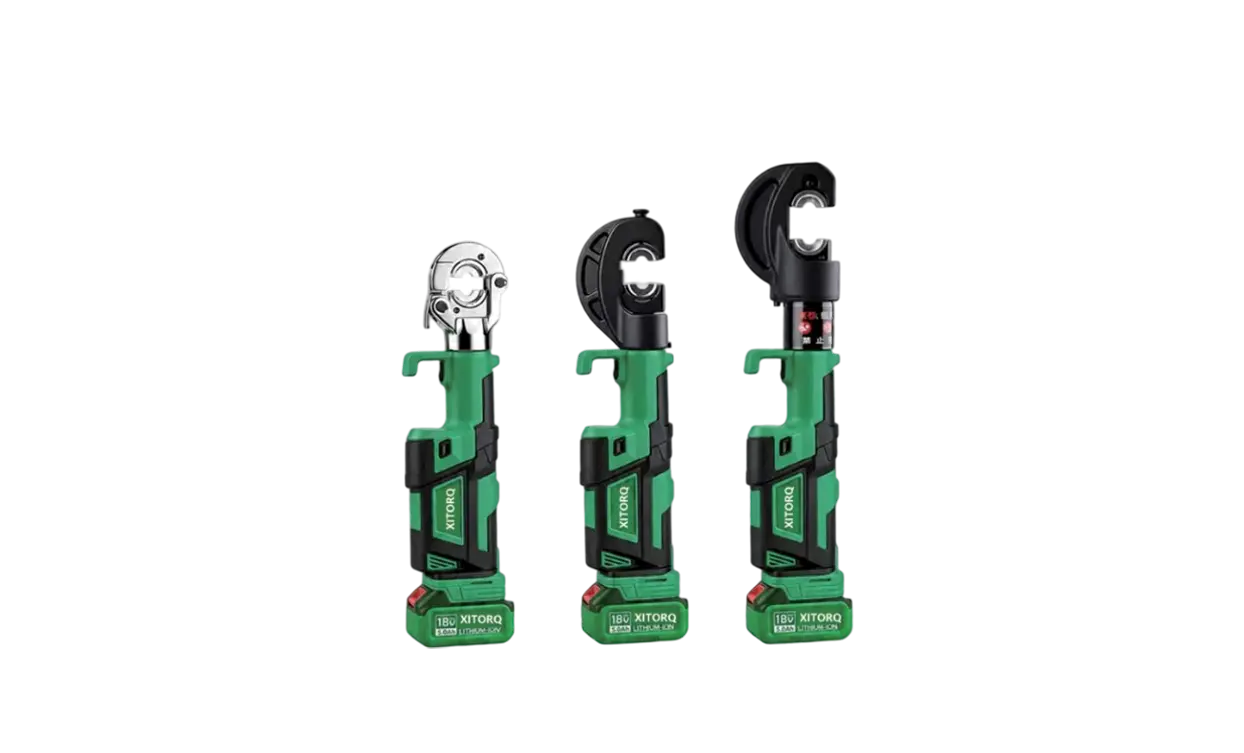
This 18V lithium-ion hydraulic crimping tool is a portable hydraulic tool designed for cable terminal crimping. It features a brushless lithium-ion po...
See Details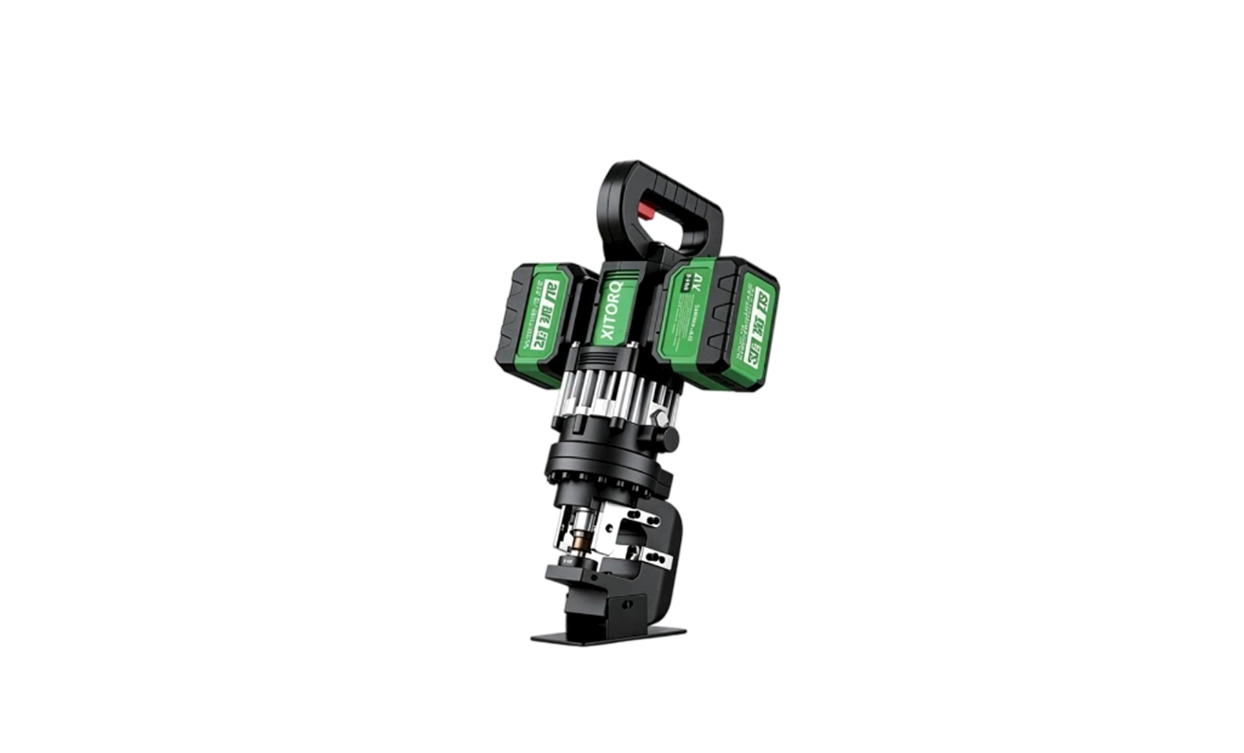
This 21V lithium-ion channel steel hole puncher is a portable hydraulic punching tool designed for punching holes in channel steel, angle steel, steel...
See Details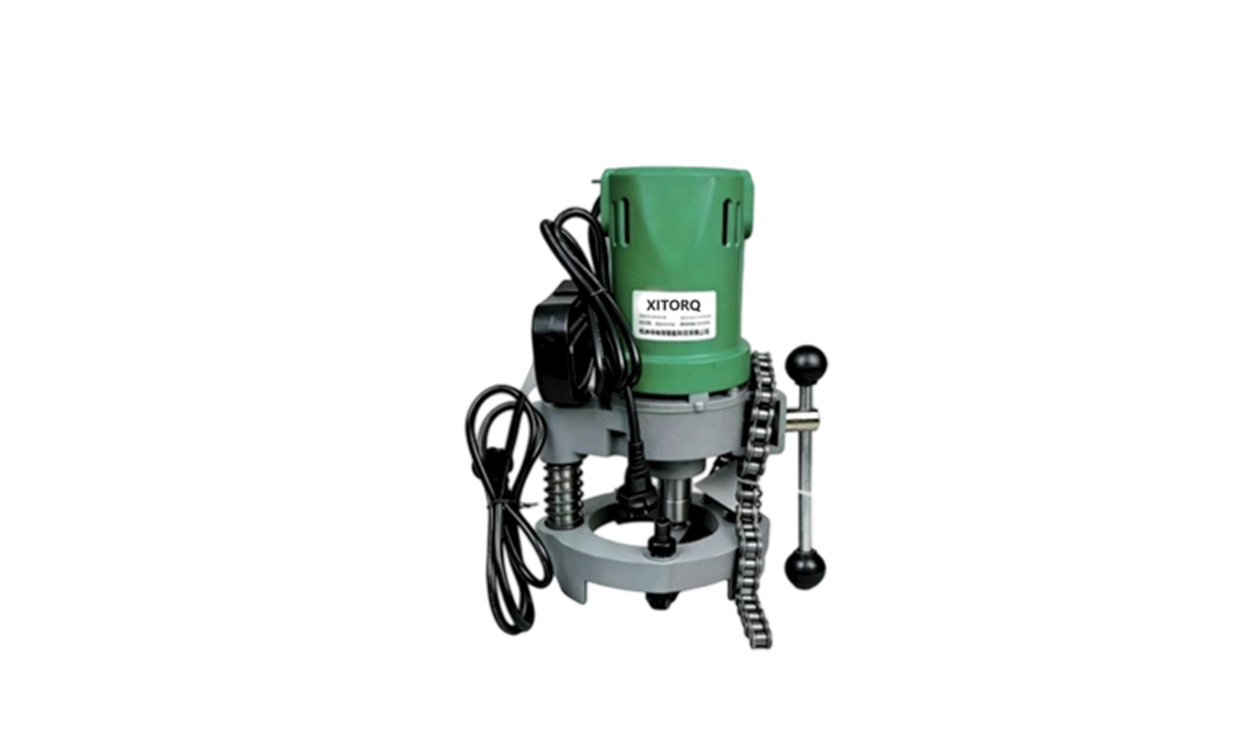
This 220V Fire Pipe Drilling Machine is a professional device designed for hole cutting on fire protection and plumbing pipes. Powered by a 220V indus...
See Details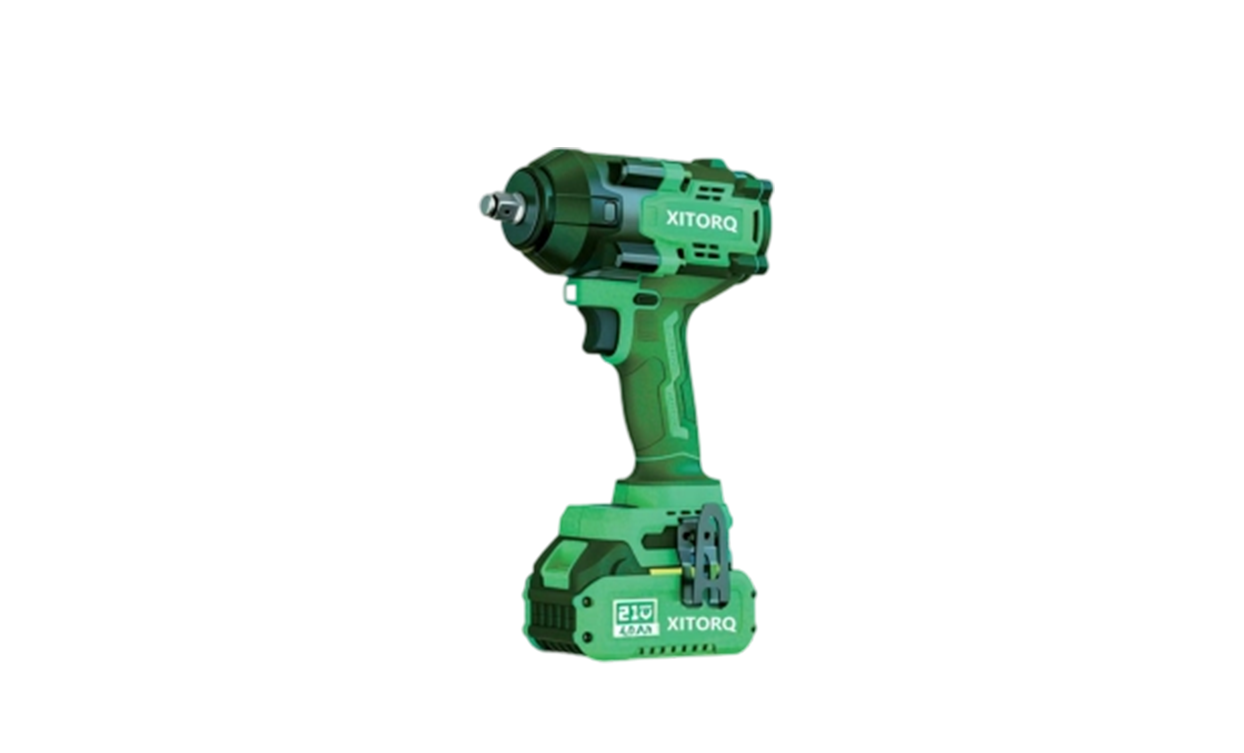
The XJ.570 21V lithium-ion brushless impact wrench is a light industrial-grade tool from the Xiaojia brand. Equipped with a 5220 brushless motor and p...
See Details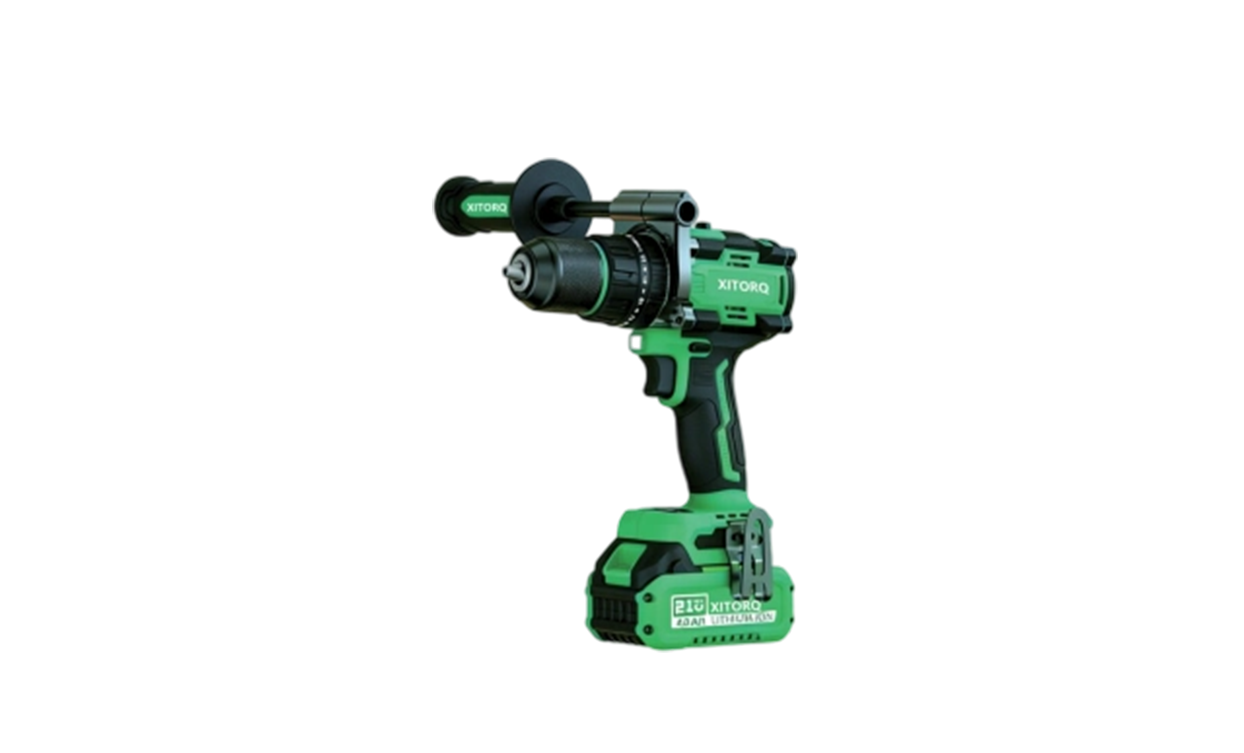
The XJ.617 21V lithium-ion brushless hammer drill/driver is a heavy-duty multi-function drill from the Xiaojia brand. Featuring an upgraded brushless ...
See Details
Copyright © by Hangzhou Xinabo Intelligent Electromechanical Technology Co., Ltd Rights Reserved. Pipe Threaders Manufacturers
