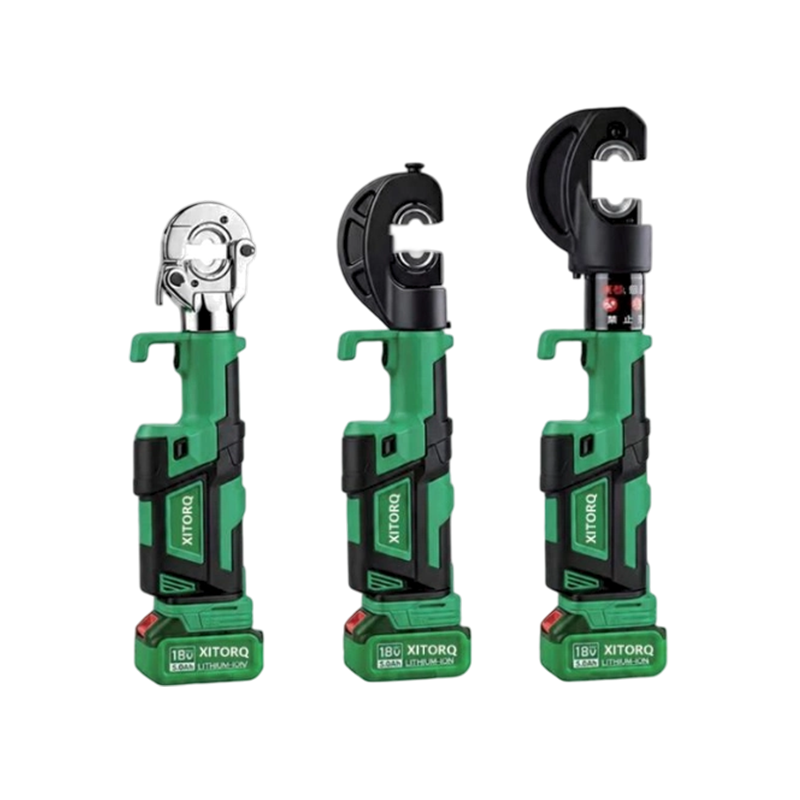
Hangzhou Xinabo Intelligent Electromechanical Technology Co., Ltd manufactures cordless hydraulic crimping tools for cable-termination work in power construction, distribution cabinet wiring and industrial maintenance. Our 18V Lithium-Ion Hydraulic Crimping Tool — 60-120kN Force, for 10-400mm² Cu/Al Cable Terminals manufacturer combines a brushless 18V motor with a hydraulic intensifier, so each crimp is completed by the tool rather than by manual pumping.
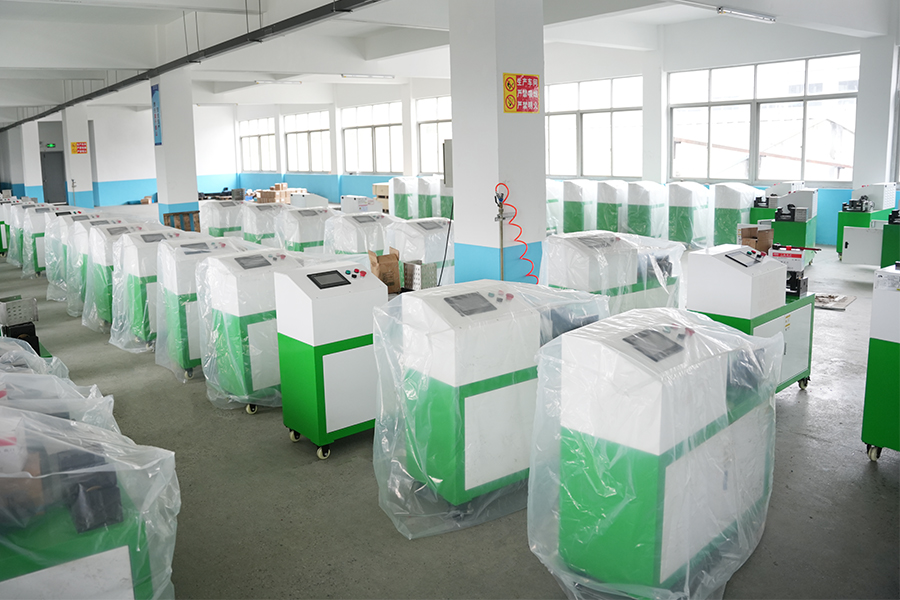
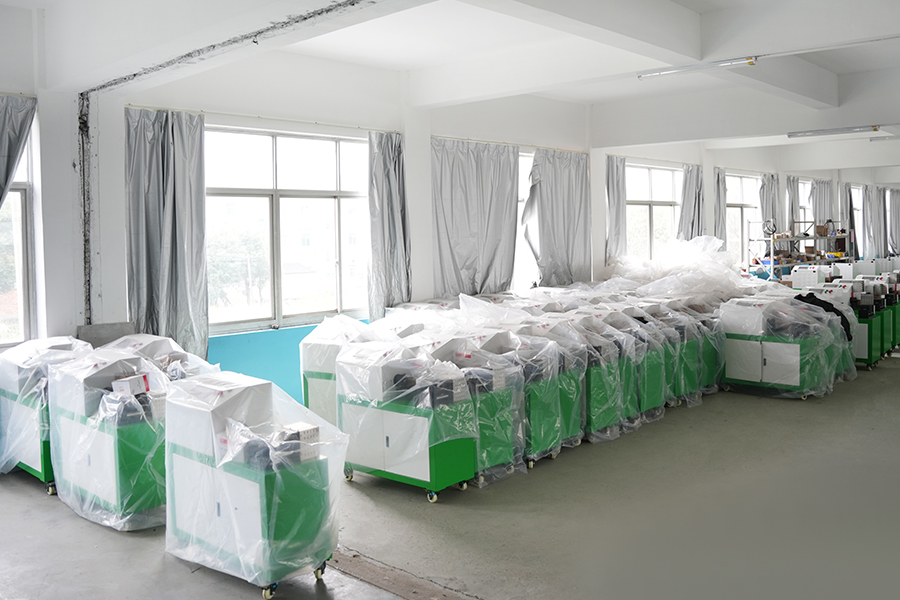
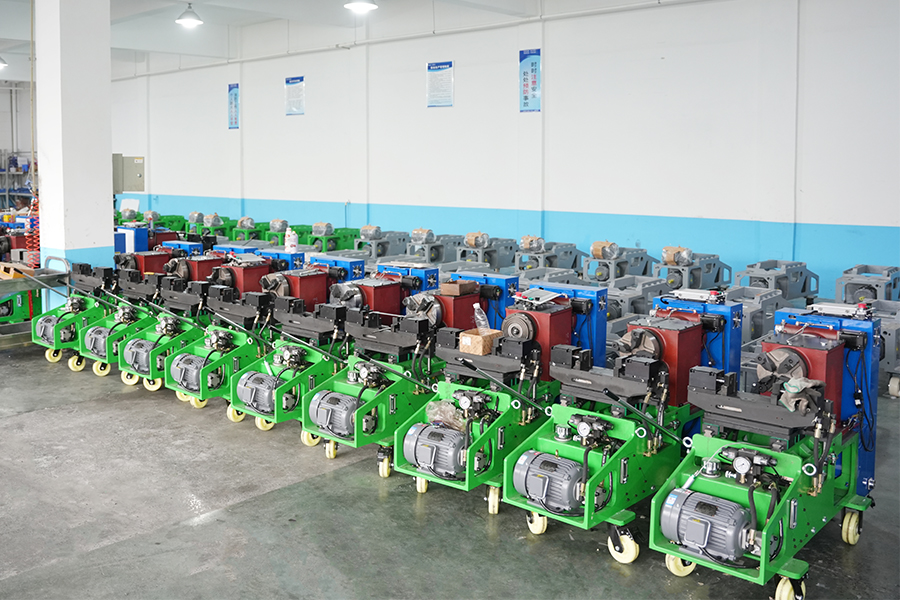
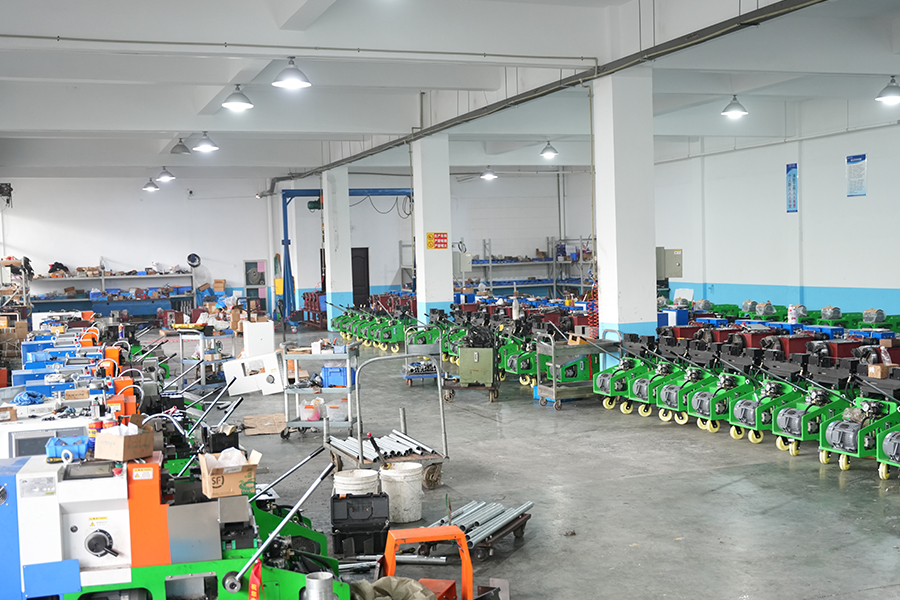
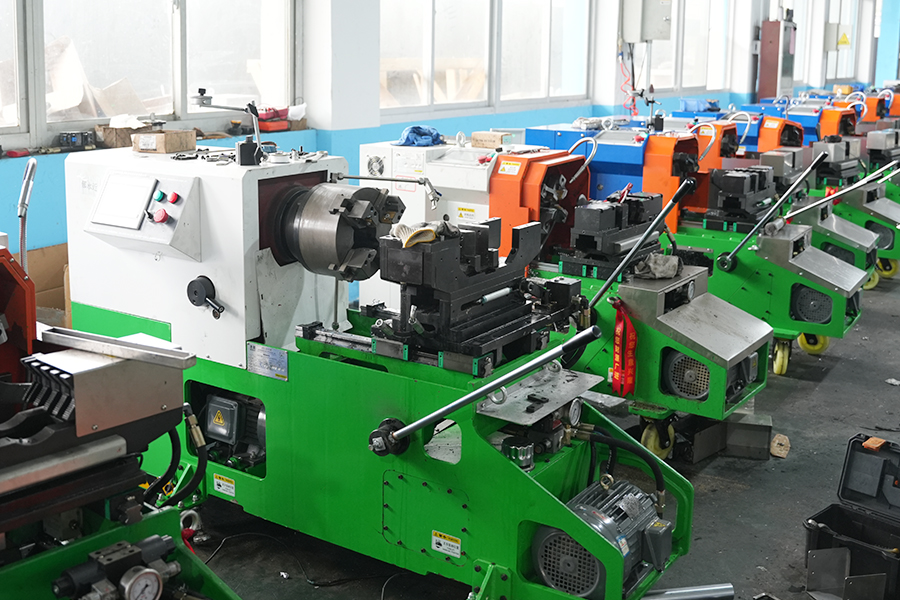
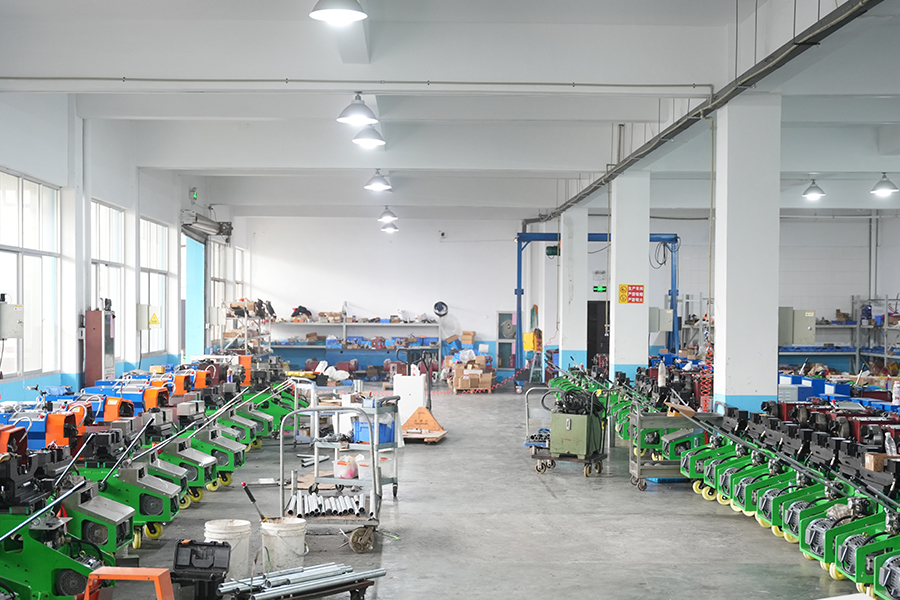
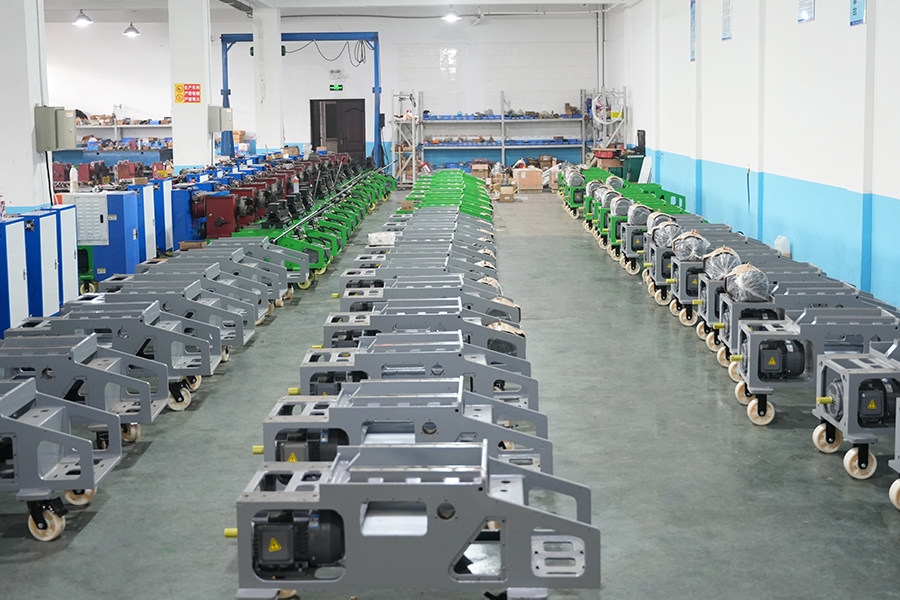
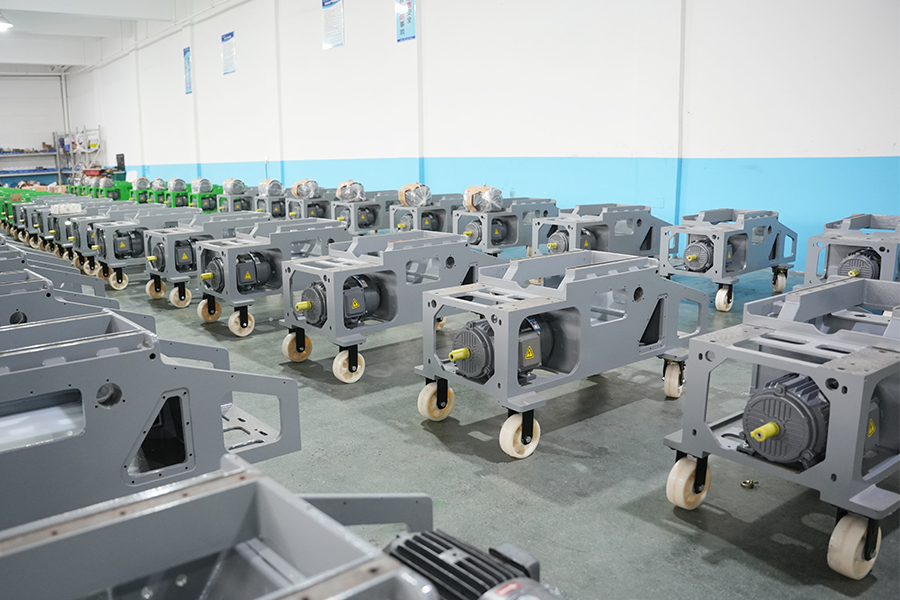
We have built pipeline and electrical installation equipment in Hangzhou since 2010, hold 30 patents and operate a 10,000 m² factory. The crimping tool belongs to our cordless power tool range, which also covers cable cutters, hole punchers and backpack battery packs, so a project can be equipped from a coordinated tool set.
The 18V Hydraulic Crimping Platform at a Glance
Two force classes and two die families cover the full conductor range. The EK-300 configuration terminates up to 300mm²; the EK-400 configuration adds a 400mm² die for heavy feeder and substation lugs. Both share the same body, battery interface and hydraulic circuit.
| Specification |
Value |
What It Means on Site |
| Rated voltage |
18V DC |
Runs on our 18V lithium-ion battery platform |
| Motor type |
Brushless |
No brush replacement; longer runtime per charge |
| Max crimping force |
60kN – 120kN |
Force class selected against the largest lug in the schedule |
| Crimping range |
10–400mm² (Cu/Al terminals) |
Covers control wiring through 400mm² feeder lugs |
| Crimps per charge |
≥150 cycles at 120mm² Cu terminal |
One pack covers a typical cabinet or riser batch |
| Hydraulic oil |
Anti-wear hydraulic oil |
Specified grade for the sealed hydraulic circuit |
| Standard dies, EK-300 |
10/16/25/35/50/70/95/120/150/185/240/300mm² |
Eleven die sizes to 300mm² |
| Standard dies, EK-400 |
10/16/25/35/50/70/95/120/150/185/240/300/400mm² |
Adds the 400mm² die for heavy feeders |
| Crimping head |
Rotatable |
Reaches terminals inside cabinets and cable trays |
| Protection |
Overload protection, automatic pressure relief after crimping |
Guards the terminal barrel and the tool from over-pressurisation |
The body is shaped for one-handed positioning against a lug while the second hand steadies the cable. Because the pump is motor-driven, the operator applies no lever force, which keeps crimp depth consistent across a crew of mixed experience.
Reading the Specification: Force, Range and Cycle Count
Three numbers decide whether a tool suits a termination schedule: the force class, the die range and the number of crimps a pack delivers before a swap.
60kN and 120kN force classes
Force class follows the barrel and conductor, not the cable diameter alone. Light and medium lugs in panel and lighting work sit comfortably in the 60kN class, while 300mm² and 400mm² feeder lugs need the 120kN class and the matching EK-400 die. We size the tool against the largest lug on the project schedule so one model covers the whole bill of materials.
Pressure relief and crimp repeatability
The hydraulic circuit builds to its set pressure, holds through the crimp and then relieves automatically. Built-in overload protection stops the pump before the barrel or the tool is damaged. Crimp depth therefore depends on the die and the relief setting rather than on how long the operator holds the trigger.
Crimps per charge
A charged pack completes at least 150 cycles on a 120mm² copper terminal. Large aluminium lugs draw more energy per cycle, so a 400mm² schedule is planned with a second pack or a mid-shift recharge. Cycle count is quoted at the reference conductor size so the figure can be compared directly across a tool fleet.
Die Sets and Conductor Matching
Dies are marked by conductor cross-section and seat into the rotatable head without tools. The table below shows how the range maps onto typical termination work.
| Conductor Size |
Die Marking |
Terminal Fit |
Typical Work |
| 10–35mm² |
10, 16, 25, 35 |
Control and lighting circuit lugs |
Panel wiring, fixture connections, building modification |
| 50–95mm² |
50, 70, 95 |
Sub-main and busbar tap lugs |
Distribution cabinet incoming, motor terminal crimping |
| 120–185mm² |
120, 150, 185 |
Feeder cable lugs |
Riser and switchgear terminations, LV cable work |
| 240–300mm² |
240, 300 |
Main feeder and transformer lugs |
HV/LV terminal processing, overhead line terminals |
| 400mm² |
400 (EK-400 only) |
Large feeder and substation lugs |
Heavy power construction, high-current harness work |
Aluminium terminals need the correct die profile and clean barrel preparation before crimping; copper lugs use the same die sequence. Where a project mixes both metals, we supply a die set that covers the full cross-section list in one case.
Where the Tool Fits on Site
The crimping tool is specified for terminations that must be made in place, without a bench press or a hydraulic foot pump.
- Power construction: HV and LV cable terminal crimping, distribution cabinet wiring, overhead line terminal processing.
- Building electrical work: wiring modification, cold-pressed wire terminals, lighting fixture installation.
- Industrial maintenance: equipment line repair, motor terminal crimping during rewinds and changeouts.
- Harness and new energy work: battery and charging cable terminations where a bench press cannot reach the assembly.
- Confined positions: the rotatable head is turned to suit cabinet depth, tray height and upward-facing lugs.
Battery Platform, Runtime and Site Logistics
The tool runs on our 18V lithium-ion platform, so packs and chargers are shared with the rest of the cordless range instead of being dedicated to one model. Each order is quoted as a bare tool or as a kit with a defined number of packs and chargers.
- Crimp count per charge is stated at 120mm² copper so crews can plan pack rotation against the day's lug list.
- For sites running several cordless tools, our backpack lithium battery pack in 20Ah and 30Ah extends runtime across high-draw work; the pack and charger set supplied with each crimping tool is confirmed on the order.
- The tool, die case and charger are packed for transport, with die markings visible for site issue and stock control.
Operation, Safety and Crimp Acceptance
Correct crimping depends on die seating and full trigger travel as much as on force. The working sequence we specify is short and repeatable.
- Match the die marking to the conductor size and seat both die halves fully in the head.
- Strip to the terminal insertion depth, clean the barrel and insert the conductor fully before positioning the head.
- Hold the trigger until the circuit reaches pressure and relieves; releasing mid-cycle leaves an incomplete crimp.
- Keep hands and cable clear of the head — the tool develops up to 120kN at the die faces.
- Inspect each crimp for full die closure, correct die marking on the barrel and absence of cracks or flash; pull testing follows the project specification.
- Store the tool with the head closed and the die case latched to protect the seating faces.
Overload protection and automatic pressure relief are built into the hydraulic circuit, so an over-sized lug cannot be forced past the tool's rated force. Operators should be briefed on die identification before the first shift, and we supply that briefing material with the tool.
Quality Control, Conformity and Documentation
Production runs in our 10,000 m² Hangzhou factory with more than 100 employees, and our finished-product rate is stated at 99.9%. The company holds 30 patents and was recognised as a National High-tech Enterprise in 2023. Conformity documentation for our equipment covers the Machinery Directive and the Electromagnetic Compatibility Directive, issued as an attestation of conformity.
- Die sets are checked against the marked cross-section before packing.
- Hydraulic circuits are filled with the specified anti-wear oil and sealed before dispatch.
- Order documentation includes the model and force class, die list, battery and charger scope, and operating instructions in the agreed language.
Maintenance, dies and spare parts
The brushless motor removes brush servicing from the maintenance schedule. Wear items are the die faces, the hydraulic oil and the seals in the intensifier circuit; die sets and replacement dies are supplied as separate line items so a fleet can be kept in service without replacing complete tools.
- Inspect die faces for chipping and replace any die that no longer closes fully on the barrel.
- Top up or refill only with the specified anti-wear hydraulic oil; other grades change the relief behaviour.
- Return units with pressure or seal faults for service rather than opening the hydraulic circuit on site.
Information We Use to Configure Your Solution
A configuration and quotation are prepared from the termination schedule and the site conditions, not from a catalogue number alone. These are the inputs that let us confirm the force class, die set and battery scope in one pass.
- Conductor range: smallest and largest cross-section in mm², and whether copper, aluminium or both are crimped.
- Terminal type: barrel style and standard used on the project, including long-barrel or narrow-palm lugs.
- Force class: the largest lug on the schedule, which decides between the 60kN and 120kN configuration and between EK-300 and EK-400 dies.
- Battery scope: bare tool or kit, number of packs and chargers, and whether packs are shared with other tools on site.
- Working conditions: indoor cabinet work or outdoor overhead line work, ambient temperature and access constraints.
- Order details: quantity, packaging and marking, documentation language and delivery destination.
Related Cordless Equipment from Our Range
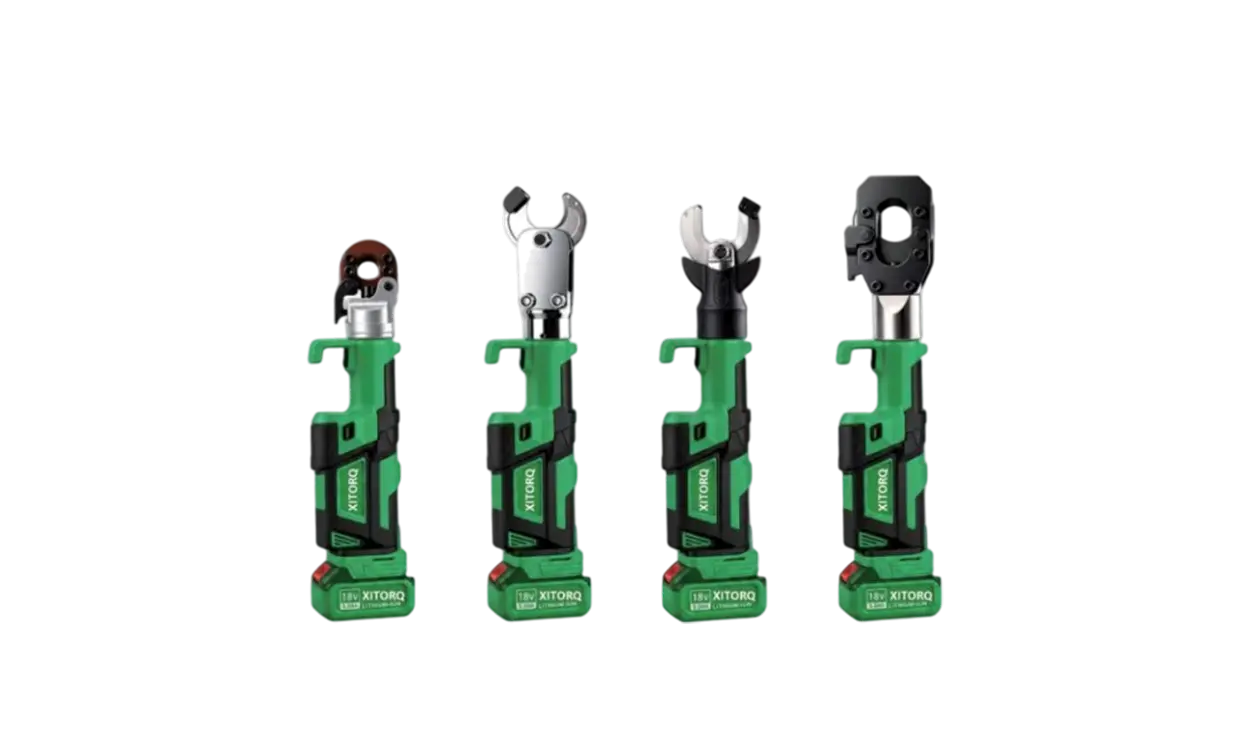
Cable preparation and termination are usually issued together, so the crimping tool is quoted alongside the cutting and punching tools that share the same working method.
Backpack Lithium Battery Pack — 20Ah/30Ah, Powers Multiple 21V-60V Tools Simultaneously
Carried power for crews working away from a supply point during long termination shifts.
Frequently Asked Questions
Do I need the 60kN or the 120kN version?
The choice follows the largest lug on the schedule. The 60kN class handles light and medium terminals in panel, lighting and maintenance work; the 120kN class with EK-400 dies covers 300mm² and 400mm² feeder lugs. We confirm the class from your conductor list before quoting.
Can the same tool crimp both copper and aluminium terminals?
Yes. The 10–400mm² range covers Cu and Al terminals. Aluminium barrels need the correct die profile and clean preparation before crimping, and we supply a die set that spans both metals when a project mixes them.
How many crimps can be completed on one battery charge?
At least 150 cycles on a 120mm² copper terminal. Larger aluminium lugs consume more energy per cycle, so heavy 400mm² schedules are planned with a second pack or a mid-shift recharge.
How does the tool avoid over-pressurising a terminal?
The hydraulic circuit relieves automatically once the crimp is complete, and overload protection stops the pump before the rated force is exceeded. Crimp depth is set by the die and the relief pressure rather than by operator technique.
Does the crimping head rotate for cabinet work?
Yes. The rotatable head is turned to suit cabinet depth, tray height and upward-facing lugs, which is the main reason the tool is used in place of a bench press on distribution cabinet wiring.
What is supplied with each tool?
Scope is confirmed per order: bare tool or kit, the die set matching your conductor range, battery and charger quantity, die case and operating instructions in the agreed language. Die sets and replacement dies are also available as separate line items for fleet maintenance.

 English
 Español
 عربى