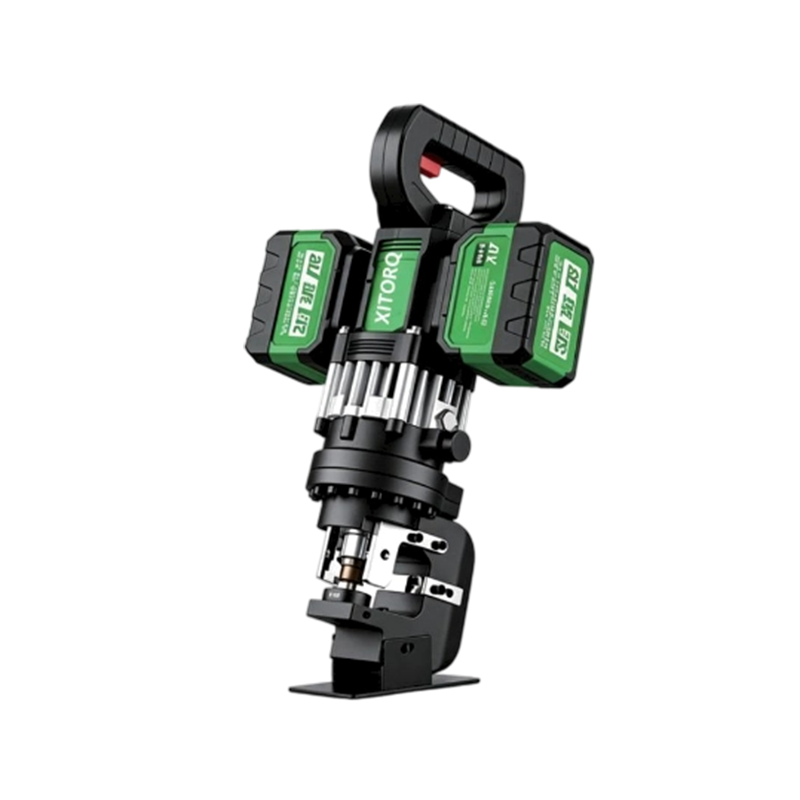
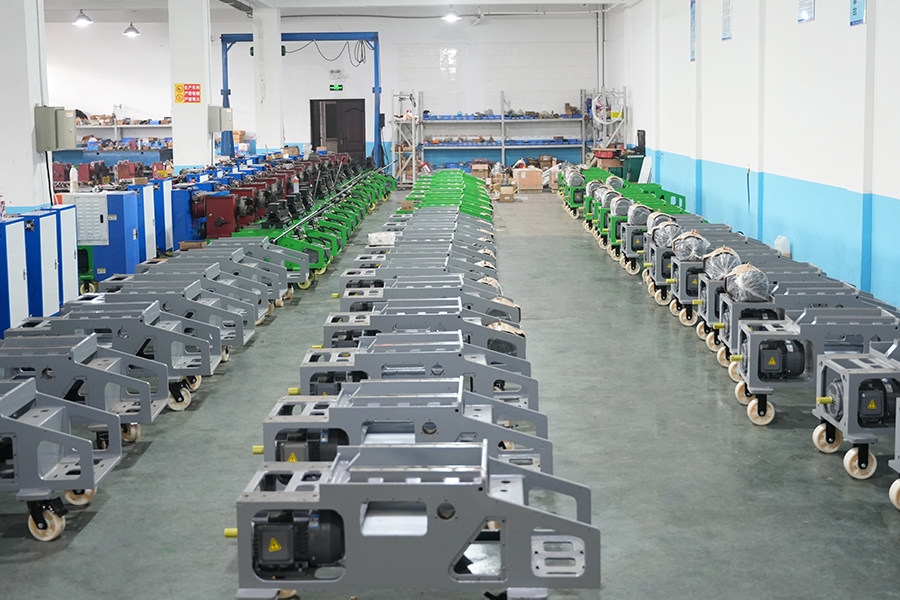
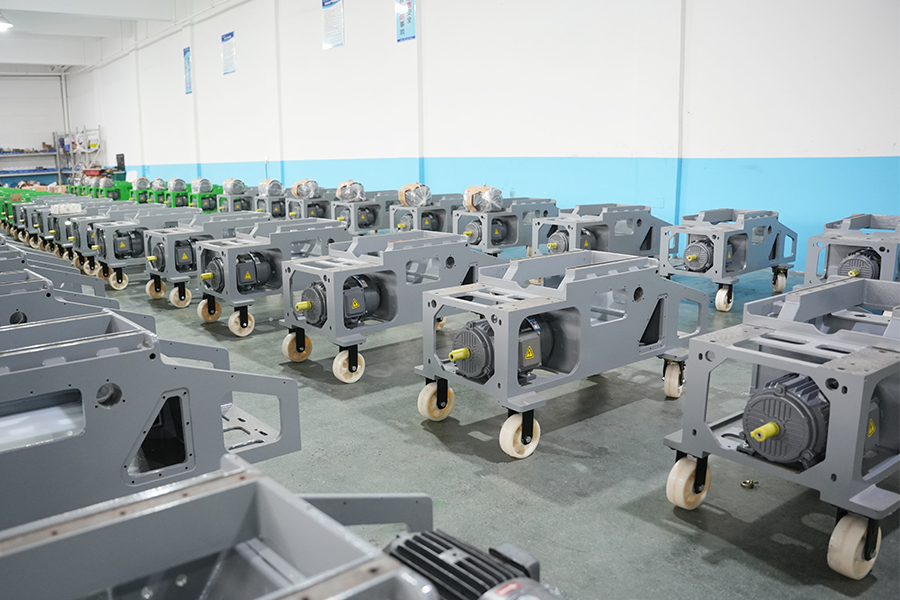
Hangzhou Xinabo Intelligent Electromechanical Technology Co., Ltd is a 21V Lithium-Ion Hole Puncher (Extended Channel Steel) — 80kN Force, φ6-φ20mm Punching Range manufacturer serving steel structure, curtain wall, cable tray and general metal fabrication crews. The tool is a cordless hydraulic puncher with an extended body that reaches across long channel sections without turning the workpiece, and it runs on the same 21V battery platform as the rest of our cordless range. We build it for repetitive site punching where a bench press cannot be brought in and where hole position has to hold within ±0.5 mm.
Working envelope at a glance: 80 kN maximum punching force | φ6–φ20 mm round holes and M6–M12 pilot holes | #5–#14 channel steel, #3–#10 angle steel, plate ≤10 mm | ±0.5 mm punching accuracy | ≥120 punches per charge at φ10 mm
Where the Extended Channel Steel Model Fits
The extended body is the defining feature: the punching throat sits further from the motor and battery, so the head can straddle a channel web or sit over an already-erected keel line. That geometry removes the need to dismantle a frame or drag a profile back to a stationary machine for every hole.
- Steel structure: bolted frame holes, bracing, base plates and site modifications on channel and angle sections.
- Curtain wall: keel and bracket holes where the tool must clear an assembled profile and keep the hole line straight.
- Cable tray and conduit: tray splice holes, conduit fixing holes and distribution cabinet frame fabrication.
- Metal fabrication: railings, shelving, custom frames and on-site rework of galvanized sections.
Specifications and What Each Value Means
| Parameter |
Specification |
What it means on site |
| Rated voltage |
21 V DC |
No mains lead or hydraulic hose at the workface; the tool goes where the profile is. |
| Motor type |
Brushless |
Longer runtime per charge and no brush replacement in the service interval. |
| Max punching force |
80 kN |
Sets the upper bound of hole diameter against material thickness and strength. |
| Punching range |
φ6–φ20 mm round holes; M6–M12 threaded pilot holes |
Covers common M6–M12 bolt clearance holes and tapped-hole pilots in one tool. |
| Compatible profiles |
#5–#14 channel steel, #3–#10 angle steel, ≤10 mm steel plate |
Matches the structural and secondary steel used in tray, keel and frame work. |
| Punching accuracy |
±0.5 mm |
Held with the built-in positioning scale, a seated die and a supported workpiece. |
| Punches per charge |
≥120 cycles (φ10 mm hole) |
Reference figure in rated material; thicker plate or larger dies reduce the count. |
| Standard accessories |
Punching die set, portable storage case |
Tool arrives ready to punch one size; further die sizes are specified on the order. |
Profile, Material and Force Boundaries
80 kN is a ceiling, not a constant. Force demand rises with hole diameter, plate thickness and the shear strength of the material, so the same die that punches freely through 8 mm mild steel channel behaves differently in a work-hardened stainless section. On the rated channel, angle and plate sizes the tool covers the full φ6–φ20 mm range; outside those combinations we check the working point before fixing a die set.
- Carbon and mild steel: the reference material for the published range and cycle count.
- Galvanized sections: punch cleanly, then touch up the sheared coating at the hole edge to protect the cut face.
- Stainless steel: work-hardens under the punch, needs more force and wears die edges faster; grade and thickness are confirmed before a maximum hole size is agreed.
- Aluminium: lower force demand, but thin-wall profiles need support to avoid distorting around the hole.
Not for: hardened or heat-treated steel, weld beads, layered or stacked plate beyond the rated thickness, and any profile outside the listed channel and angle sizes.
Die Sets, Hole Quality and Changeover
The head takes interchangeable dies, so one body covers round holes from φ6 to φ20 mm and M6–M12 pilot sizes. The built-in positioning scale reads the hole position from the profile edge, which keeps a run of holes on a straight line without marking every centre individually.
- Seat the die fully and confirm the punch enters the die bore squarely before the first cycle.
- Run a test punch on offcut from the same material lot; check hole diameter, edge condition and slug shape.
- A burr ring on the exit side is normal in thick plate; deburr where the joint face or cable tray finish requires it.
- Inspect die edges at each shift change — a chipped edge raises punching force and drifts hole size.
Hydraulic Overload Protection and Safe Operation
The hydraulic circuit includes overload protection with automatic pressure relief. When the tool reaches its set force, pressure is released instead of being transferred into the die and body, which protects both if a die is mismatched or a profile turns out harder than expected.
- Keep hands clear of the die throat and the slug exit path throughout the cycle.
- Support long channel sections at both ends so the profile does not swing or pinch the die.
- Wear eye protection; punched slugs leave the die at speed.
- Isolate the battery before changing dies or clearing a jammed slug.
Battery, Runtime and Site Logistics
The puncher runs on our 21V lithium-ion platform, shared with the cordless tools in the same range, so packs and chargers are not tied to a single tool. At the reference figure of ≥120 φ10 mm cycles per charge, a two-pack rotation keeps a punching crew working through a shift without returning to a mains outlet.
For high-volume tray or keel installation, the backpack lithium battery pack carries 20Ah or 30Ah and can power several 21V–60V tools in sequence, which suits crews alternating between punching, cutting and fastening on the same floor.
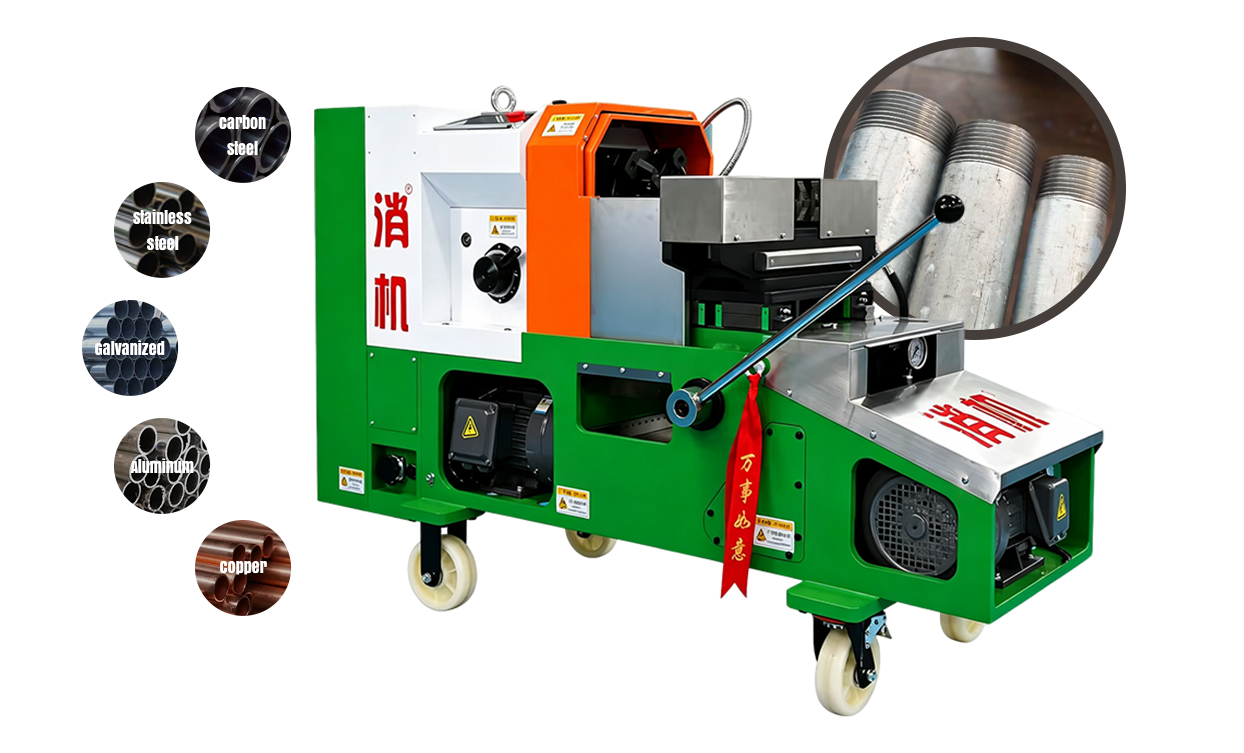
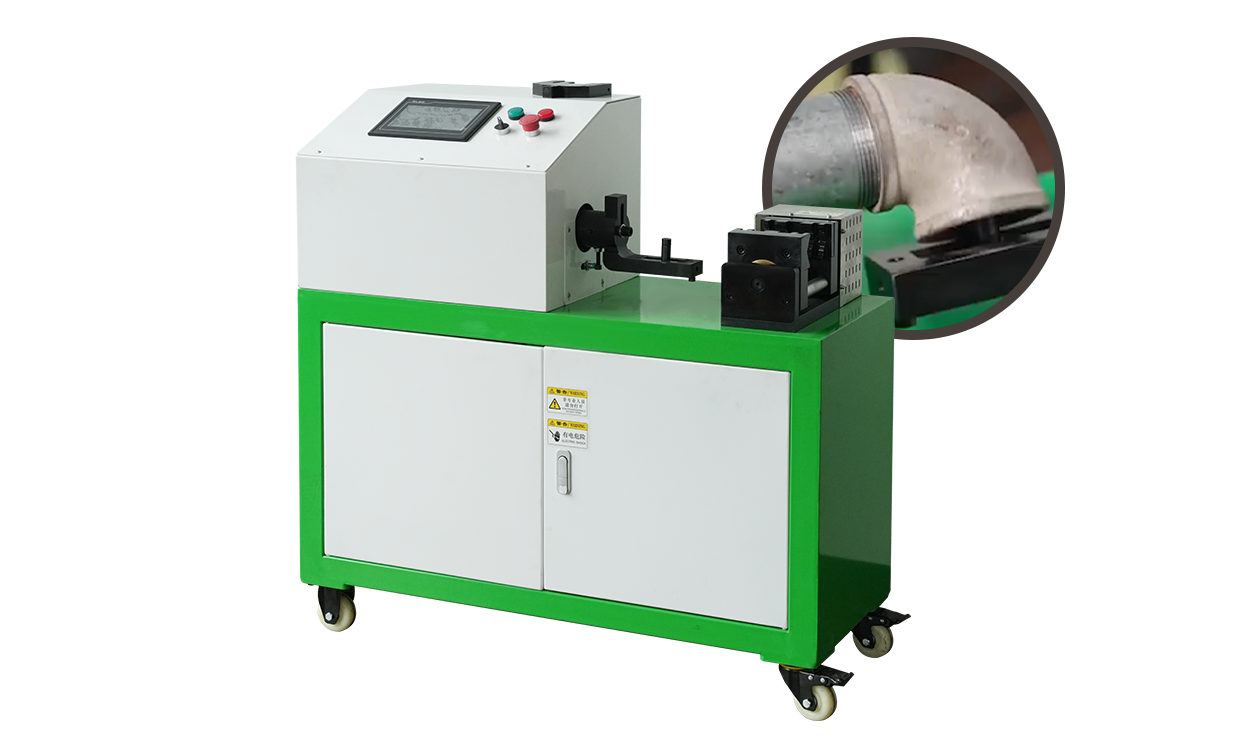
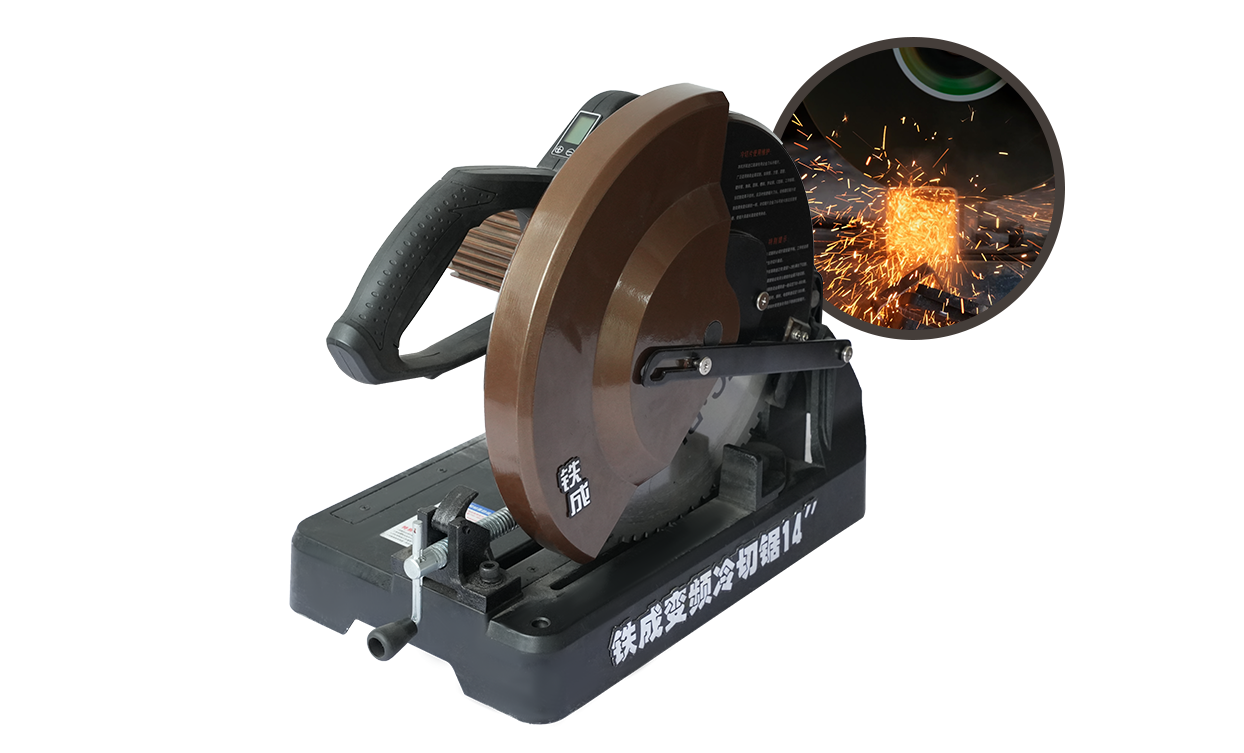
From Cut to Thread: Where the Tool Sits in the Workflow
Punching is one step between cutting and assembly. On a typical pipe and steel fabrication sequence the profile is cut to length, holes are punched for bolted connections or fixings, pipe ends are threaded or grooved, and the assembly is lifted into place. Keeping the punch cordless means the hole operation can follow the profile rather than the profile travelling to the machine.
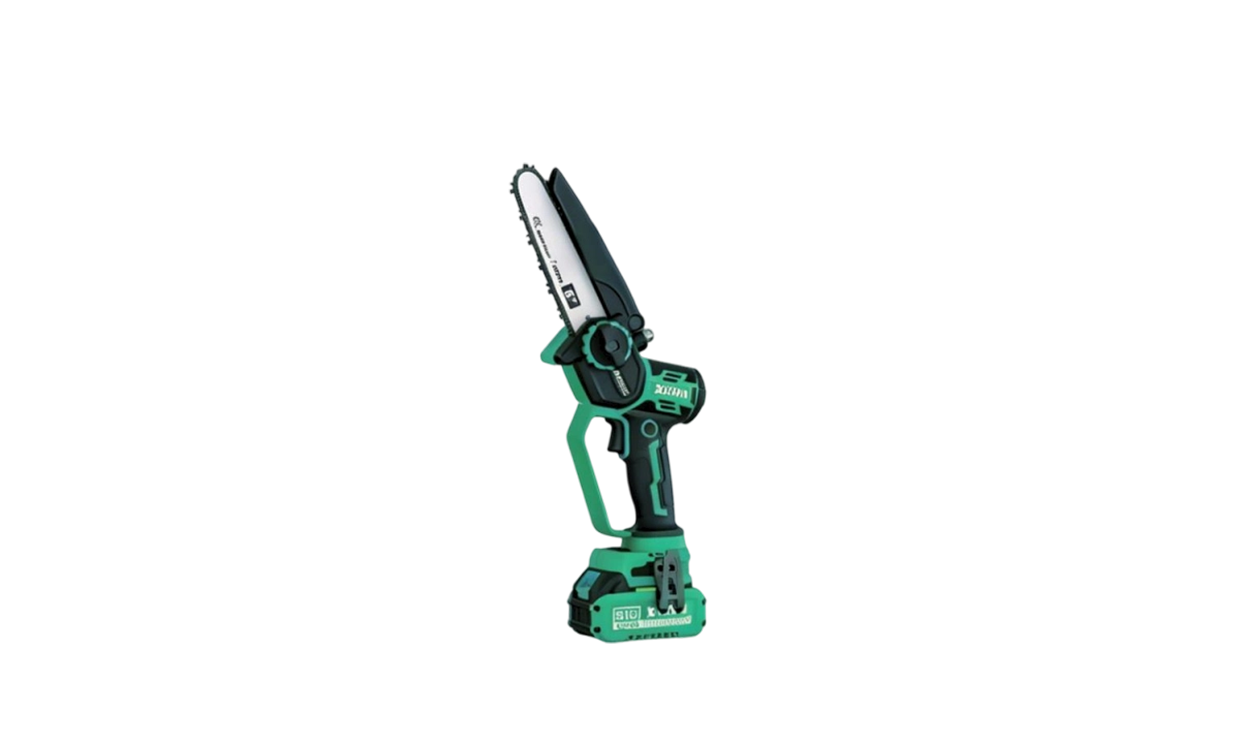
21V Hole Puncher (Extended Channel Steel)
80 kN cordless punching for channel, angle and plate, with extended reach for long sections.
Pipe Wall Drilling
For branch outlets and instrument tappings in pipe walls, the 220V fire pipe drilling machine cuts φ16–φ114 mm holes on DN15–DN200 pipe.
Quality Control and Acceptance Checks
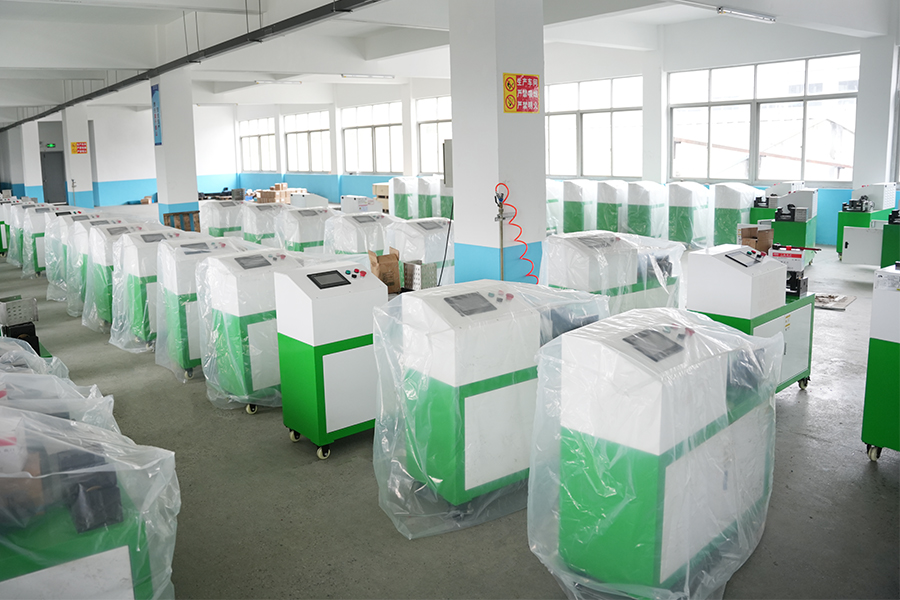
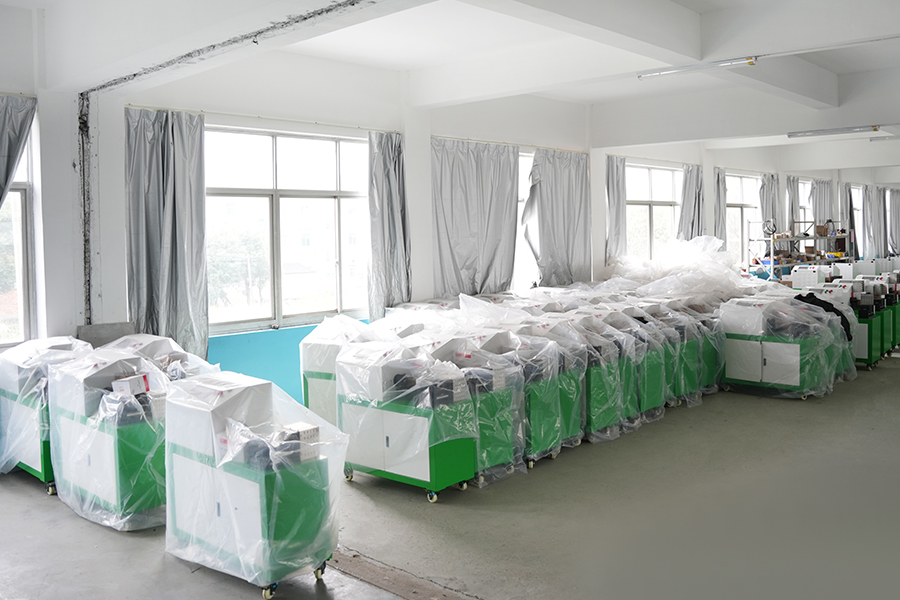
Each puncher is assembled and function-tested before packing, and our finished-product rate is published at 99.9%. Die fit, punch-to-die alignment and the pressure-relief response are checked as part of that flow, and the tool ships in its storage case with the die set fitted to the ordered size.
- Punch a sample in the specified material and measure the hole against the ±0.5 mm figure.
- Confirm the delivered die sizes against the order list and test one changeover.
- Verify the relief cuts in when the tool reaches set force, with no die marking.
- Check battery, charger and case contents against the packing list before signing off.
Information We Use to Configure Your Solution
We prepare a configuration and quotation from the actual working point rather than a catalogue default. The inputs that change the die list, accessory set and delivery scope are:
- Profile and material: channel or angle size, plate thickness, steel grade, coating (plain, galvanized, stainless, aluminium).
- Hole schedule: diameters from φ6 to φ20 mm, pilot sizes, holes per piece and tolerance class.
- Volume: pieces per day and per shift, to size the battery and charger quantity.
- Site conditions: indoor shop or outdoor erection, ambient temperature, access to charging.
- Order scope: die sizes, spare punches, storage case, labelling, documentation language and destination.
Frequently Asked Questions
What can the 80 kN force punch through?
On the rated profiles — #5–#14 channel, #3–#10 angle and plate up to 10 mm — the tool covers φ6–φ20 mm round holes and M6–M12 pilot holes. Force demand rises with hole diameter, thickness and tensile strength, so we confirm the combination before a die set is fixed.
Can it punch stainless steel or galvanized sections?
Galvanized channel and angle punch cleanly, with the sheared coating touched up afterwards. Stainless work-hardens and draws more force with faster die wear, so we check grade and thickness and may set a smaller maximum hole for that material.
How many holes does one battery deliver?
The reference figure is at least 120 cycles per charge at a φ10 mm hole in rated material. Thicker plate, larger dies and cold conditions reduce the count; crews punching all day normally rotate a second pack or run the backpack battery.
Are the dies interchangeable, and can we order other sizes?
The head takes interchangeable dies, and the standard set ships with the punching die set and portable storage case. Additional round dies across φ6–φ20 mm and M6–M12 pilot dies are listed on the order specification.
How is the ±0.5 mm accuracy held?
The built-in positioning scale locates the hole from the profile edge; accuracy then depends on a fully seated die, a square tool position and a supported workpiece. A test punch on offcut from the same lot confirms the setup before a production run.
What do you need from us to quote?
Profile type and size, material grade and thickness, hole diameters and count per piece, daily volume, battery and charger quantities, die sizes, and packing or labelling requirements. We return a configuration with die list, accessory set and delivery scope.

 English
 Español
 عربى