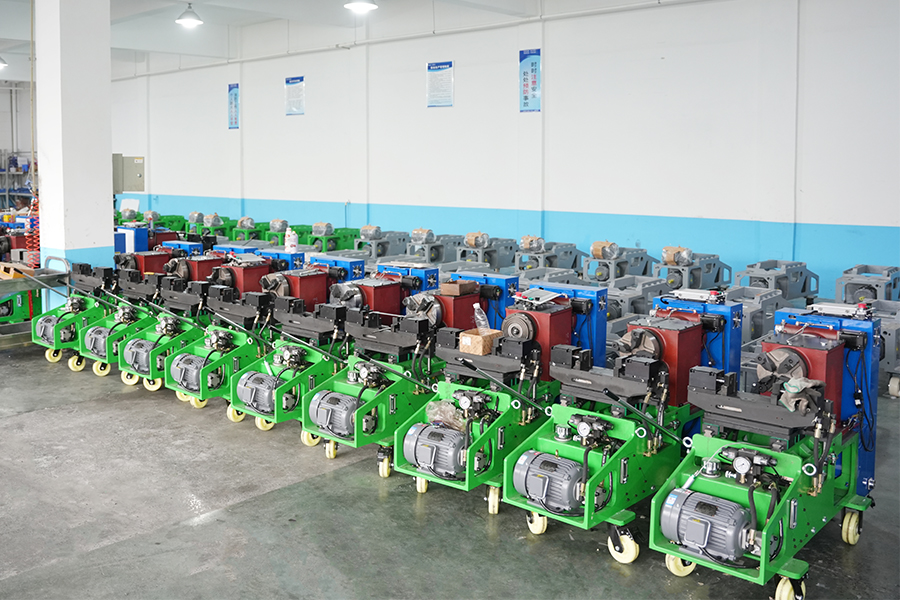
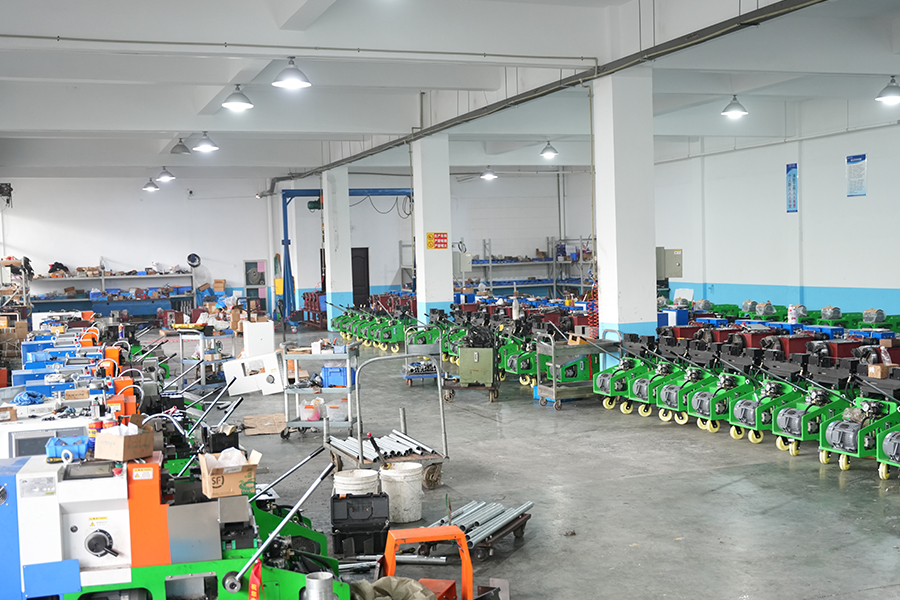
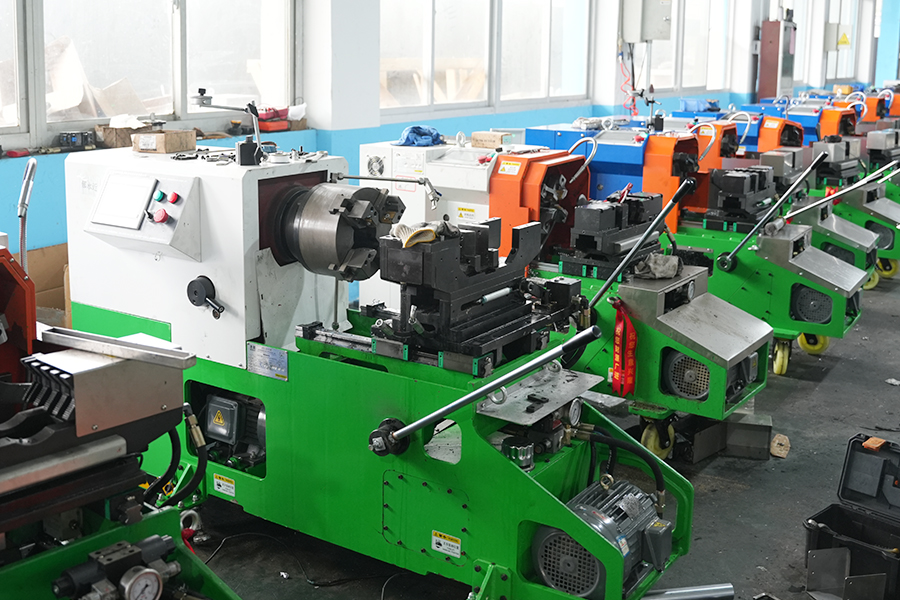
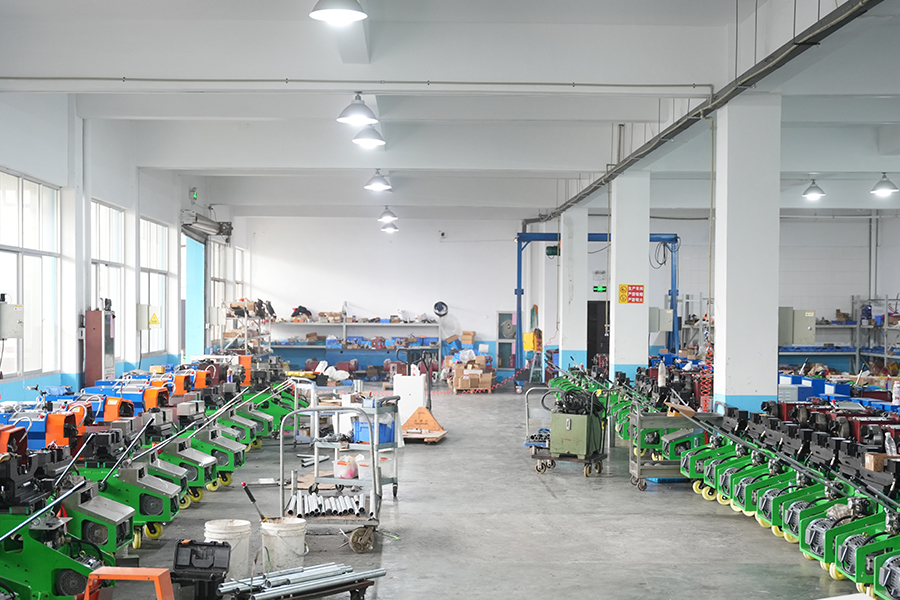
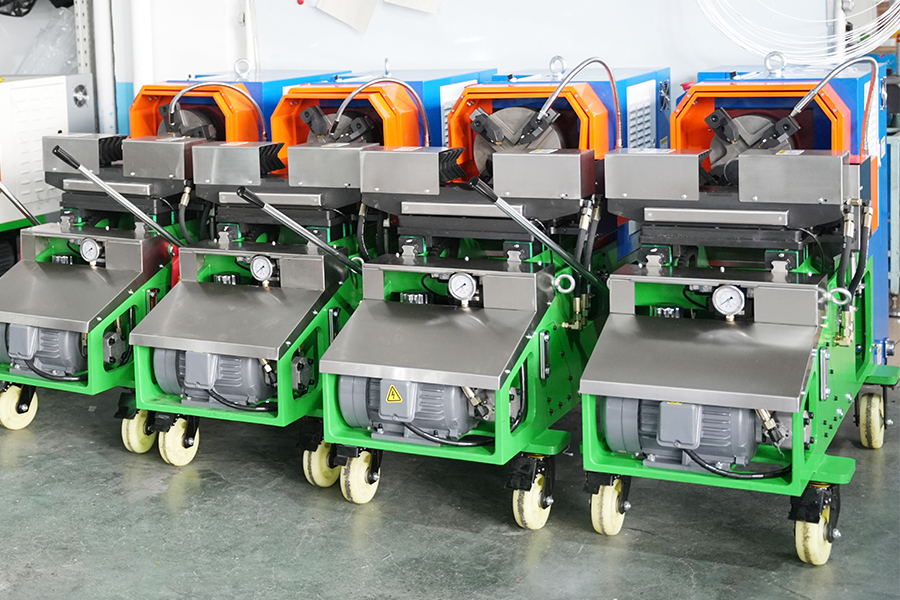
Hangzhou Xinabo Intelligent Electromechanical Technology Co., Ltd manufactures cordless lithium hydraulic cutting and crimping tools for the electrical, municipal and industrial construction work that runs alongside pipeline installation. Our Lithium Hydraulic Cutter manufacturer range covers two working duties on one 18V brushless platform: compression of copper and aluminium cable terminals, and spiral cutting of large-diameter cable.
These tools sit inside our Engineering Construction Pipeline Connection Solutions programme, which spans pipe cutting, thread processing, pipe tightening and the cordless tools a crew carries to the workface. Both hydraulic tools are built for sites where a hand pump, a generator or a trailing power lead slows the job down.
Our Lithium Hydraulic Cutter Range
The range is deliberately narrow and production-focused. Two tools share the same brushless drive architecture, hydraulic head design and battery family, so a contractor can standardise on one charger set, one spare-parts list and one operating routine across a project.
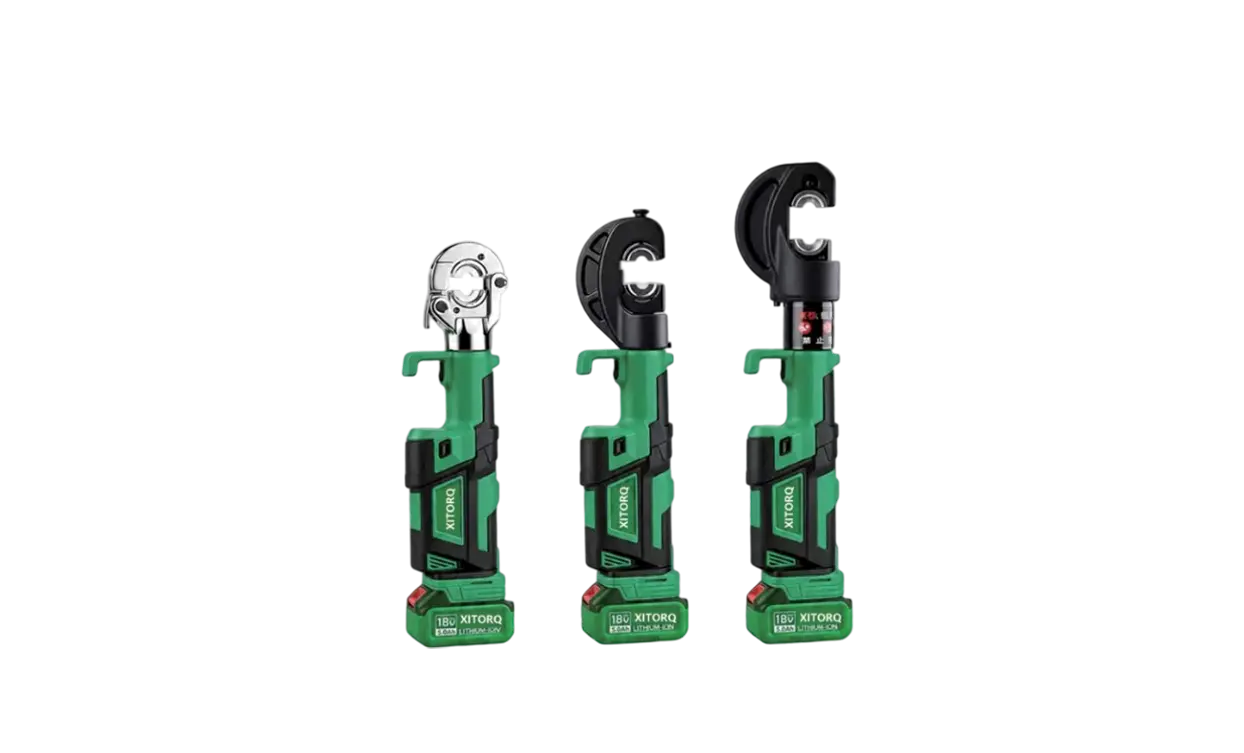
18V Lithium-Ion Hydraulic Crimping Tool — 60–120kN
- Crimps copper and aluminium cable terminals from 10 mm² to 400 mm².
- Brushless lithium-ion power system combined with a high-precision hydraulic transmission structure — no manual pumping.
- Rotatable crimping head for overhead, vertical and confined working angles.
- Built-in overload protection and automatic pressure relief after each crimp, protecting both the terminal and the tool.
- Ergonomic body for repetitive termination work at panels and switchgear.
18V hydraulic crimping tool specifications
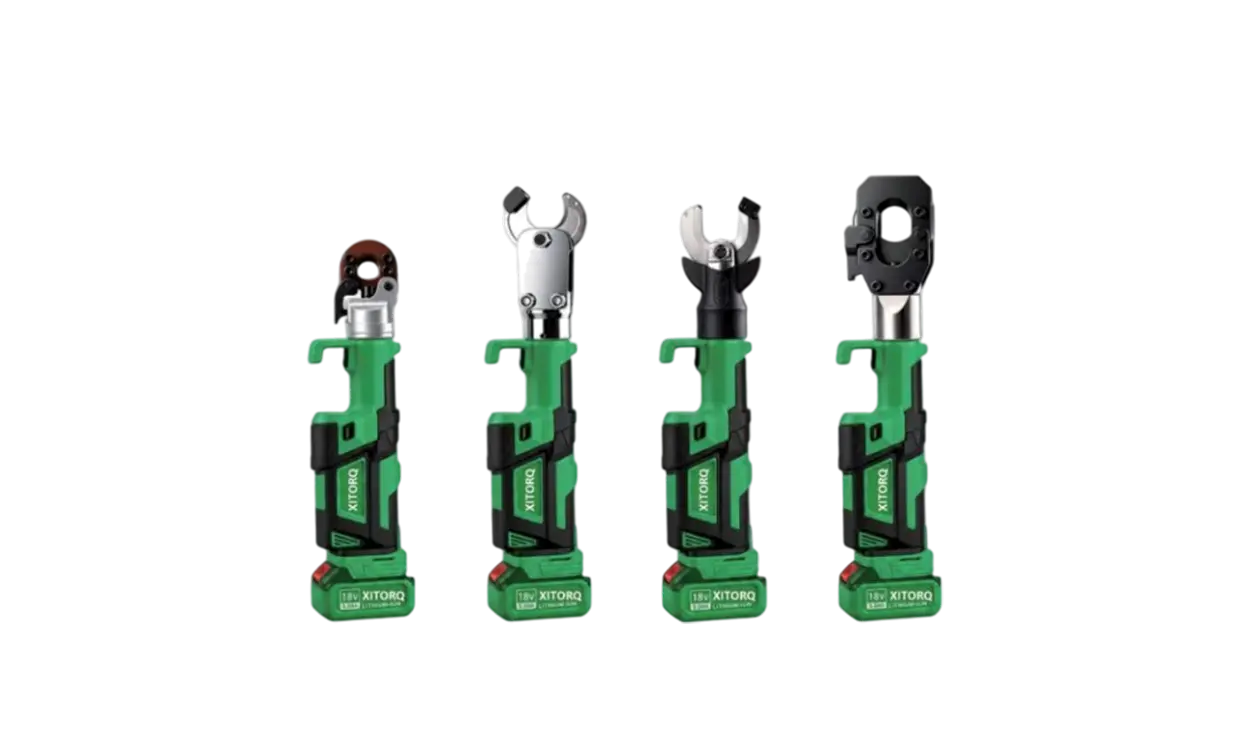
18V Lithium-Ion Industrial Cable Cutter — up to 50 mm
- Spiral cutting mechanism for copper and aluminium cable up to 50 mm diameter.
- Smooth, burr-free cut ends that do not damage the internal conductors.
- Safety lock prevents accidental startup during transport and handling.
- Rotatable cutting head for trench, manhole and cable-tray access.
- Overload protection stops the tool automatically when cutting hard armored cable.
18V industrial cable cutter specifications
Where Cordless Hydraulic Cutting and Crimping Fit
The tools are used wherever cable preparation and termination happen away from a bench. Typical duties include:
- Power construction and electrical installation — terminal crimping at distribution panels, switchgear and busbar connections.
- Communication and municipal construction — cutting large-diameter cable in trenches, ducts and manholes.
- Industrial maintenance — re-termination and cable replacement during shutdowns, without a workshop press.
- Metal processing and general construction — cutting where a corded tool or fixed machine is impractical.
- Fire protection and building services — cable work carried out alongside pipe fabrication and installation crews.
Critical Specifications and Selection Variables
The table below summarises the working envelope of each tool and the duty it is normally specified for. Final configuration is confirmed against the conductor, terminal and daily joint count of the project.
| Tool |
Working range |
Drive and control features |
Typical duty |
| 18V hydraulic crimping tool |
10–400 mm² Cu/Al terminals; 60–120 kN crimping force |
Brushless lithium-ion drive, hydraulic transmission, rotatable head, overload protection, automatic pressure relief |
Panel, switchgear and power construction termination |
| 18V industrial cable cutter |
Cu/Al cable up to 50 mm diameter |
Brushless drive, spiral cutting mechanism, rotatable head, safety lock, overload protection |
Power, communication and municipal cable networks |
| Cordless Power Tools platform |
18V lithium-ion; backpack battery pack available in the range |
Shared battery and charger family across grinders, saws, drills, wrenches and punchers |
Site-wide cordless tool standardisation |
Conductor Materials, Terminal Fit and Cut Quality
Both tools are specified for copper and aluminium conductors, which covers the majority of building services, utility and industrial cable work. On the crimping side, the limiting variable is the terminal barrel rather than the cable: the die set must match the barrel outside diameter and the conductor class, and the 10–400 mm² envelope is wide enough to cover most distribution and feeder terminations with a small number of dies.
On the cutting side, the spiral mechanism is what preserves conductor integrity. A clean, burr-free end reduces strand damage before termination and avoids the rework that follows a crushed or ragged cut. Hard armored cable is the boundary condition — the tool's overload protection stops the cut rather than forcing the head beyond its design load.
Battery Platform and Site Logistics
The 18V lithium-ion platform removes the two constraints that most often interrupt cable work: access to mains power and the physical effort of manual hydraulics. Brushless motors hold efficiency across a working shift, and the wider Cordless Power Tools range includes a backpack lithium battery pack for crews who need extended runtime away from a charging point.
Because the battery and charger family is shared across our cordless grinders, saws, drills, wrenches and punchers, a project can carry one charging station for the whole tool set instead of a separate power arrangement per tool type.
Safety, Controls and Operator Protection
- Safety lock on the cable cutter prevents accidental startup in transit or on the tray.
- Overload protection halts the tool before the head, die or blade is pushed past its design load.
- Automatic pressure relief after crimping prevents over-pressurisation damage to terminals and the tool body.
- Rotatable heads let the operator keep a natural wrist position instead of forcing the tool into the work.
- Ergonomic body layout supports repetitive crimping and cutting without a second operator.
Quality Control, Compliance and Acceptance
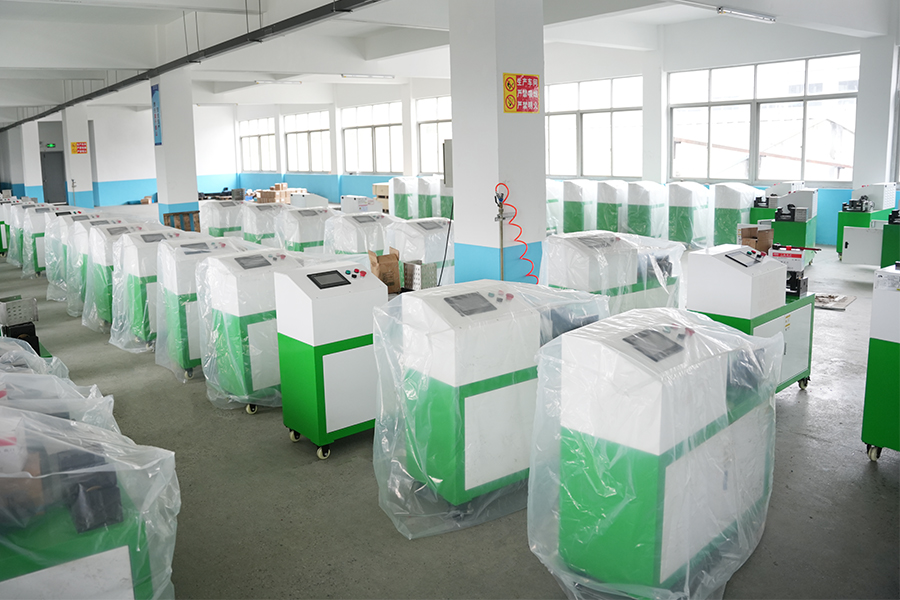
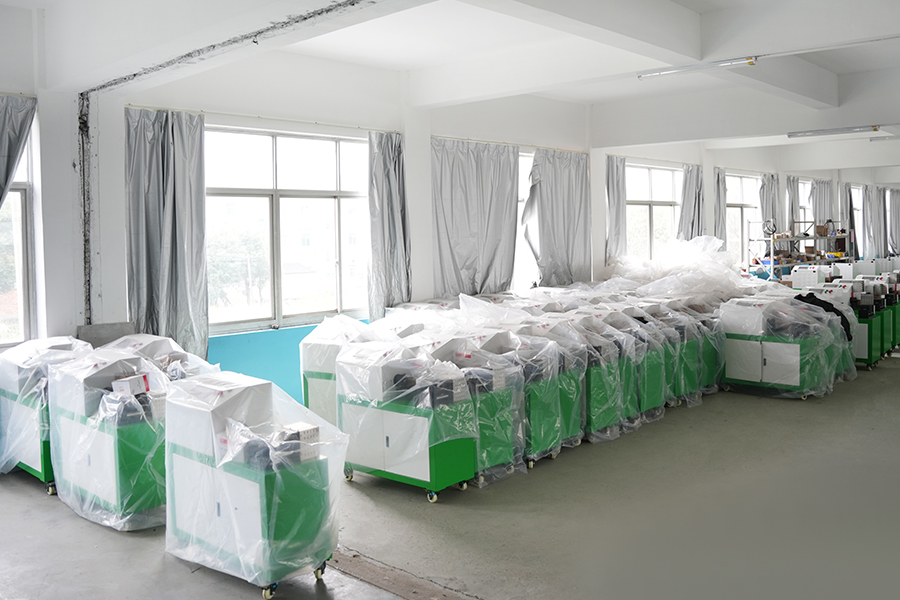
Hangzhou Xinabo was established in 2010 and operates a 10,000 m² factory with more than 100 employees. The company holds 30 patents and National High-tech Enterprise recognition, and attestation of conformity to the Machinery Directive and the Electromagnetic Compatibility Directive is documented for our equipment.
For cordless hydraulic tools, acceptance normally covers:
- Function test of the hydraulic head through a full crimp or cut cycle.
- Verification of automatic pressure relief and overload stop behaviour.
- Sample crimp or cut on the conductor and terminal type specified for the project.
- Visual inspection of dies, blades, head rotation and battery contacts.
- Confirmation of the supplied battery, charger and accessory set against the order.
Information We Use to Configure Your Solution
A workable configuration and quotation is prepared from the working point rather than from a catalogue number. The details that change the specification are:
- Conductor material, cross-section and cable construction, including whether the cable is armored.
- Terminal type, barrel dimensions and conductor class for crimping work.
- Required crimping force and the largest single termination in the scope.
- Daily joint or cut count, shift pattern and number of operators sharing the tool.
- Site power availability and whether a backpack battery pack is needed for runtime.
- Working environment — trench, manhole, overhead tray or panel room.
- Die and blade quantities, plus any spare head or battery requirement.
- Documentation language, packaging and delivery scope for the destination.
Documentation, Spare Parts and Serviceability
Tools are supplied with operating documentation and the battery, charger and accessory set defined in the order. Our technical team provides training and demonstrations on the equipment, and we hold spare parts for our product lines, including consumable dies and cutting blades. Maintenance is straightforward by design: keep the head and die seats clean, inspect blades for edge damage, check battery contacts, and return the tool for hydraulic service if crimp force or cut speed falls away from the original working point.
Frequently Asked Questions
What is the crimping capacity of the 18V hydraulic crimping tool?
It crimps copper and aluminium cable terminals from 10 mm² to 400 mm², with a crimping force range of 60–120 kN. Die selection follows the terminal barrel dimensions and conductor class rather than the cable size alone.
What is the maximum cable diameter the industrial cable cutter handles?
Up to 50 mm diameter copper or aluminium cable. The spiral cutting mechanism produces a smooth, burr-free end without damaging the internal conductors, and the overload protection stops the tool automatically when it meets hard armored cable.
Do both tools use the same battery platform?
Yes. Both run on the 18V lithium-ion brushless platform, which is shared with the rest of our cordless range, including the backpack lithium battery pack for extended runtime on sites without convenient charging access.
Can the tools be used overhead or in confined spaces?
The rotatable crimping and cutting heads are designed for exactly that. They let the operator change the working angle instead of the body position, which matters at overhead cable trays, in manholes and inside panel rooms.
What information do you need to quote a cordless hydraulic tool package?
Send the conductor material and cross-section, terminal type for crimping work, the largest termination or cable in scope, daily joint count, site power conditions and the required documentation language. We confirm the tool, die or blade set, battery and charger configuration, and delivery scope from those inputs.

 English
 Español
 عربى