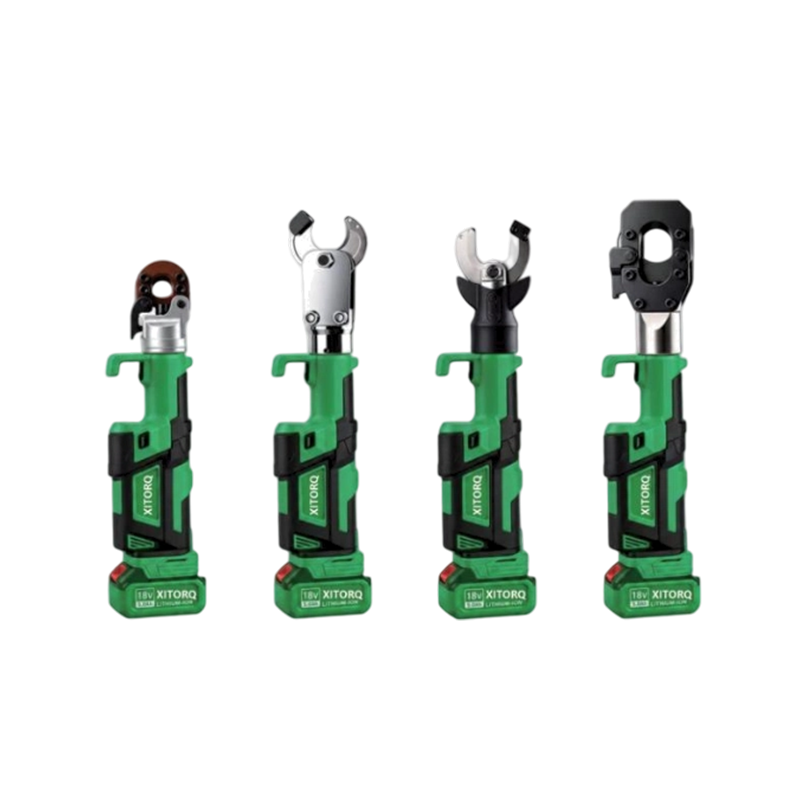
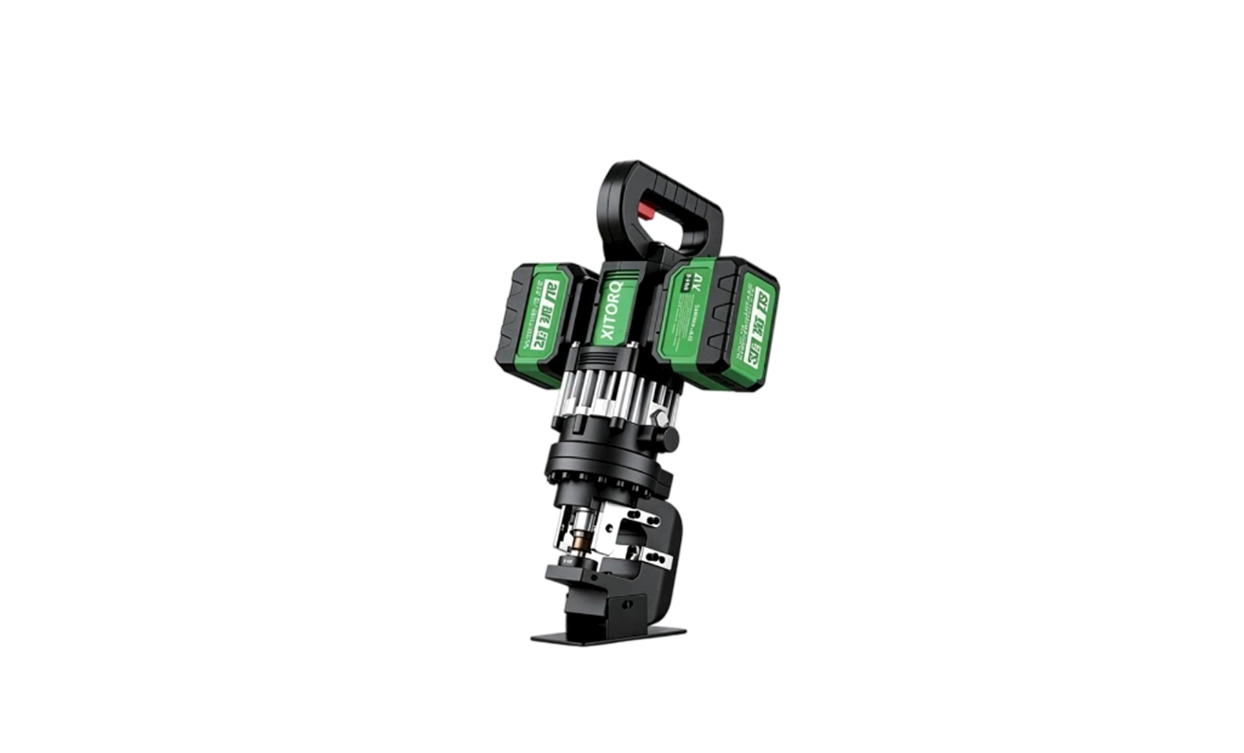
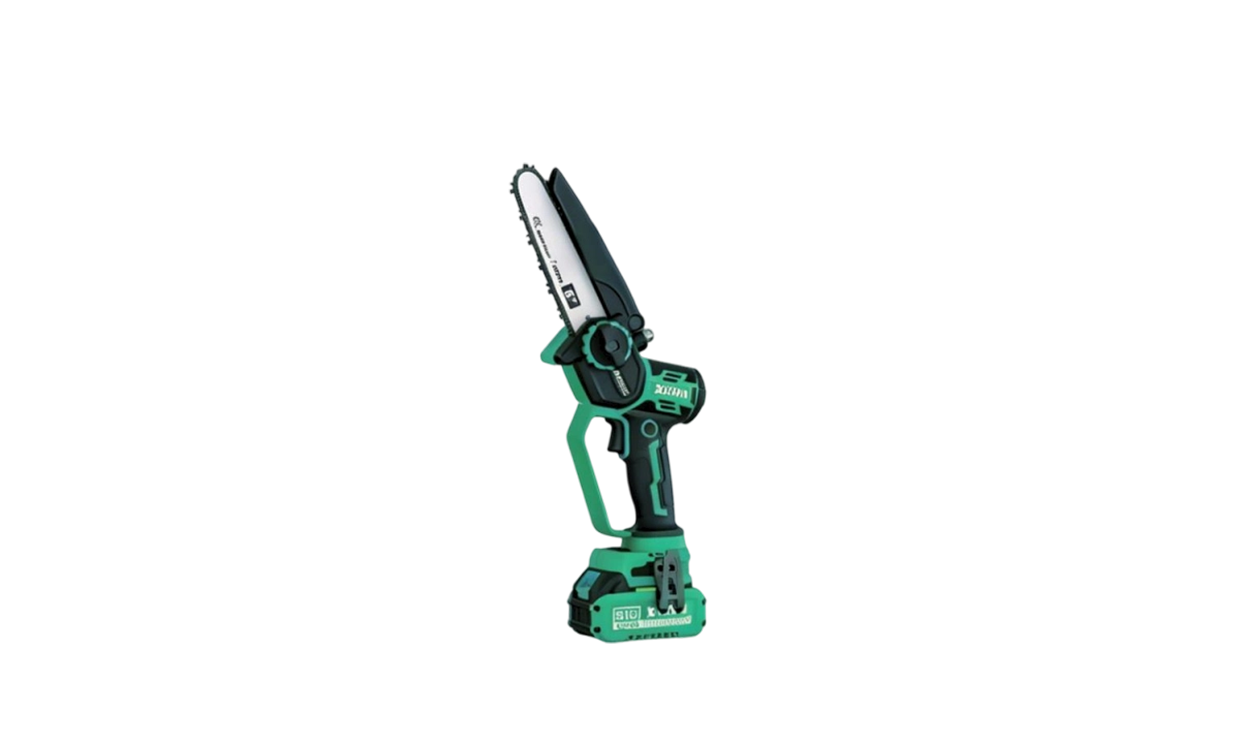
Hangzhou Xinabo Intelligent Electromechanical Technology Co., Ltd is the 18V Lithium-Ion Industrial Cable Cutter — Spiral Cutting, up to 50mm Cu/Al Cable Diameter manufacturer for utility, telecom and municipal cable crews. The tool belongs to our cordless power tool range, built alongside our intelligent threading machines and pipe fabrication equipment at our factory in Hangzhou, Zhejiang, China. It cuts copper and aluminium cable up to 50 mm diameter and armoured cable up to 40 mm, using a spiral electric cutting head driven by an industrial brushless motor.
Cable jointing crews lose time whenever a cut end has to be re-dressed before a lug or splice goes on. The spiral head advances the blade around the circumference instead of guillotining the full section in one stroke, so the cut finishes clean and burr-free and the internal conductors stay undeformed. That is the working reason this cutter sits in termination, modification and emergency repair workflows rather than only in scrap or demolition work.
- 18V DC industrial brushless motor, cordless operation without a mains lead.
- 50 mm maximum on Cu/Al cable; 40 mm on armoured cable.
- ≥80 cutting cycles per charge at 35 mm² Cu cable.
- High-chromium alloy tool steel blade, spare blade and storage case supplied.
How Spiral Cutting Produces a Burr-Free Cable End
A conventional hydraulic cutter drives one blade straight through the full cross-section, and the peak force arrives at the moment the blade meets the widest part of the conductor bundle. The spiral head works differently: the blade tracks around the cable while advancing radially, so each increment removes a short arc of copper or aluminium rather than the whole diameter at once. Cutting effort stays even, the cable stays round, and the finished face needs no file work before a terminal is crimped on.
The cutting head rotates, which lets the operator present the jaw to cable that is already fixed in a tray, clamped inside a cabinet, or lying in a trench where the body of the tool cannot swing freely. Combined with the cordless format, this is what makes the cutter usable on overhead shearing and live-side repair work where trailing leads are a nuisance and a hazard.
Specifications and What Each Rating Means On Site
| Parameter |
Rating |
Practical meaning |
| Rated voltage |
18V DC |
Cordless platform; battery and charger content fixed at quotation |
| Motor type |
Industrial brushless motor |
No carbon brushes to replace; sustained torque through long cut sequences |
| Max cutting diameter |
50 mm Cu/Al cable
40 mm armoured cable |
Two distinct limits; armoured construction is the harder working point |
| Cutting method |
Spiral electric cutting |
Progressive blade travel; clean, burr-free end, conductors not deformed |
| Cuts per charge |
≥80 cycles (35 mm² Cu cable) |
Reference working point; larger sections reduce the count per charge |
| Blade material |
High-chromium alloy tool steel |
Edge retention on copper and aluminium; spare blade supplied |
| Safety features |
Safety lock, rotatable cutting head, overload protection |
Prevents accidental start; allows angled access; stops the tool on hard resistance |
| Standard accessories |
Spare blade, cleaning brush, portable storage case |
First-line wear part and cleaning tool travel with the unit |
Application Fit Across Power, Telecom and Municipal Work
| Sector |
Typical cutting tasks |
Configuration note |
| Power engineering |
HV/LV cable cutting, overhead cable shearing, cable tray wiring |
Rotatable head for tray and cabinet access; pair with a crimping tool for termination |
| Communication construction |
Optical cable cutting, coaxial cable cutting, low-voltage line modification |
Light, cordless body for pole and ladder work; case keeps the spare blade on the van |
| Municipal maintenance |
Street light line repair, traffic facility cable replacement, outdoor emergency repair |
Battery-only operation where no supply is available; overload stop protects the tool on unknown cable |
| Industrial plant and panel building |
Feeder re-routing, panel-to-panel cable shortening, armoured gland preparation |
Armoured cable held to the 40 mm limit; confirm gland sizes before ordering |
Configuration and Supply Scope
The cutter is offered as a tool body with spare blade, cleaning brush and portable storage case. Battery and charger content is agreed at quotation, so a fleet already running 18V packs can take bare tools while a new crew receives a complete working kit. Blade quantity per order is set by how many cuts the crew expects between service intervals.
Safety Systems and Operating Boundaries
- Safety lock blocks the trigger until deliberately released, preventing an accidental start during transport or handling.
- Overload protection cuts the motor when resistance rises beyond the set threshold — the usual case on hard armoured cable — rather than letting the tool stall under load.
- Diameter discipline: 50 mm applies to Cu/Al cable, 40 mm to armoured cable. A 50 mm armoured cable is outside the tool's rating.
- Blade condition governs both cut quality and motor load; a chipped or rounded edge raises cutting force and should be replaced, not re-sharpened on site.
- Work practice: isolate and prove dead before cutting, support the cable on both sides of the jaw, and wear eye protection and insulating gloves appropriate to the network rules in force.
Blade, Wear Parts and Field Maintenance
The high-chromium alloy tool steel blade is the only regular wear item. Copper and aluminium cut cleanly for long runs, but armoured cable and contaminated or grit-filled cable shorten edge life noticeably. The cleaning brush supplied with the tool clears swarf from the head and jaw after each shift, which keeps the spiral travel smooth and stops debris from being pressed into the next cut.
Field maintenance is deliberately short: brush out the head, check the blade edge and jaw travel, confirm the safety lock returns freely, and store the unit in its case. Spare blades are supplied with the tool and can be ordered as a separate line item for stores stock, so a crew is never waiting on a replacement to finish a joint.
Quality Control and Acceptance Documentation
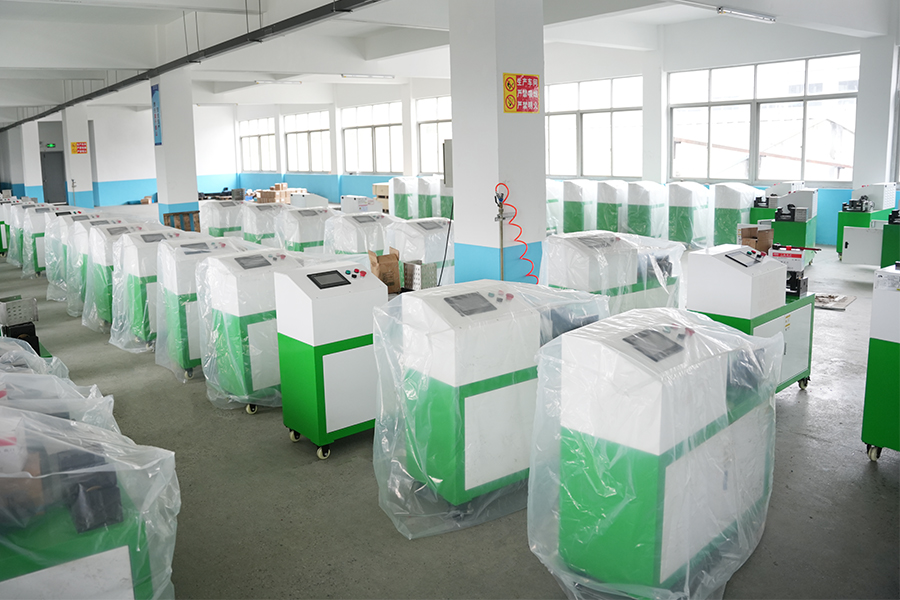
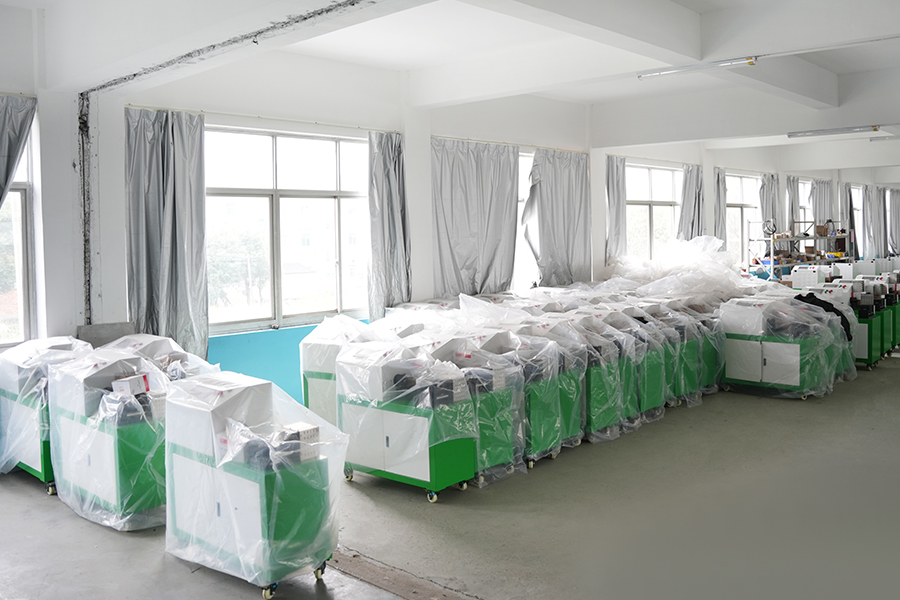
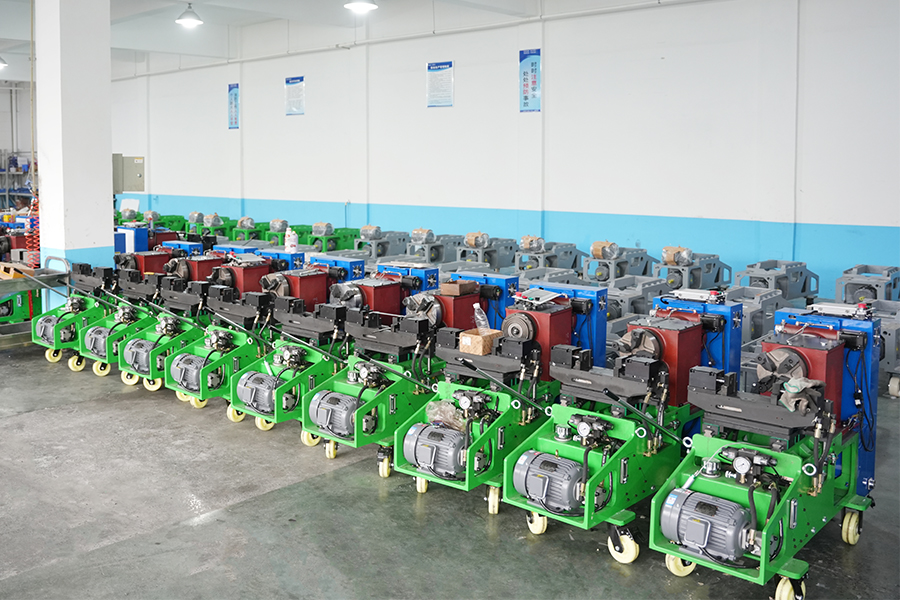
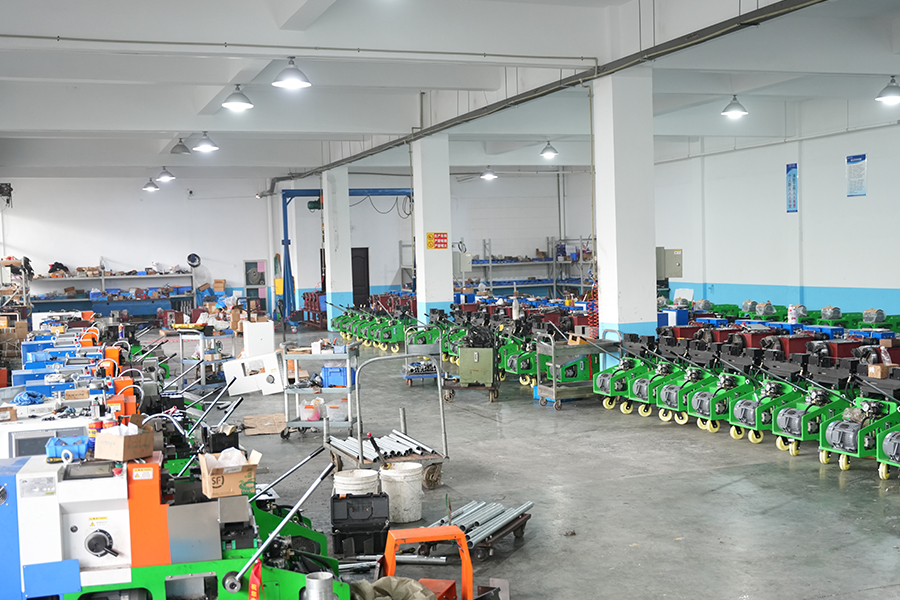
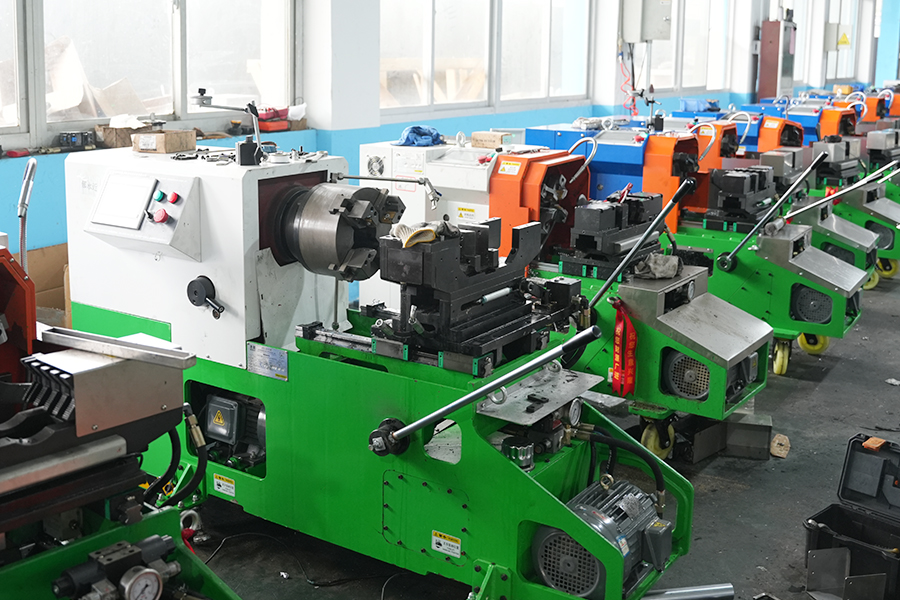
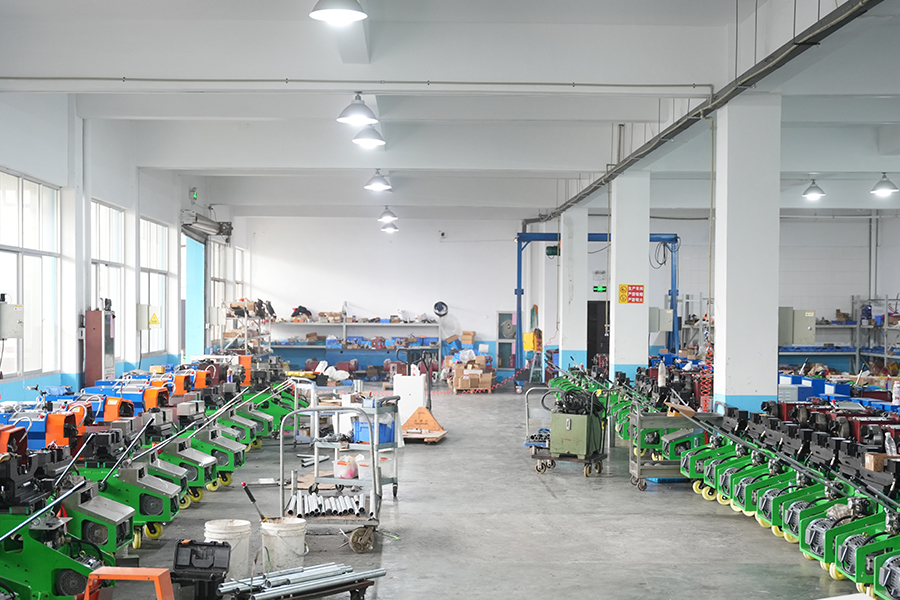
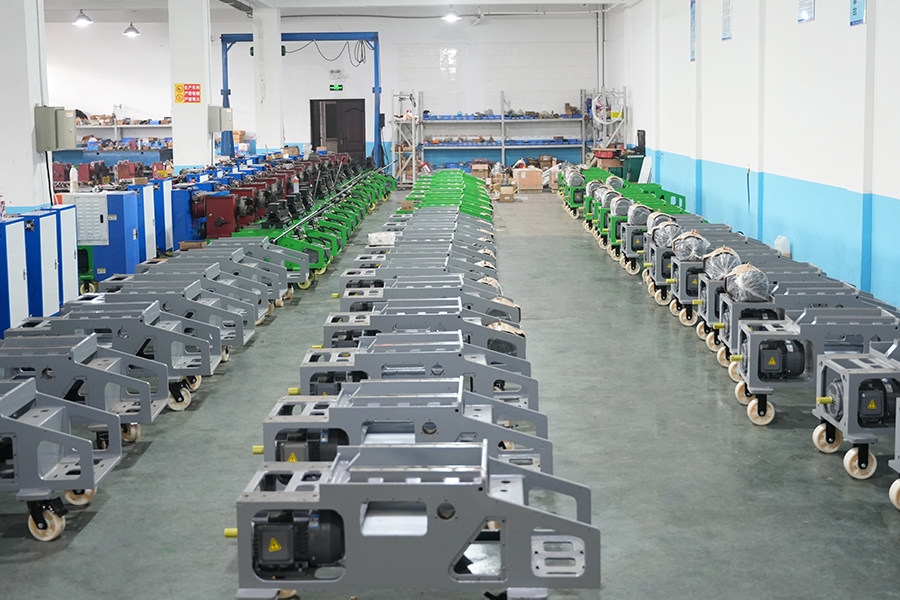
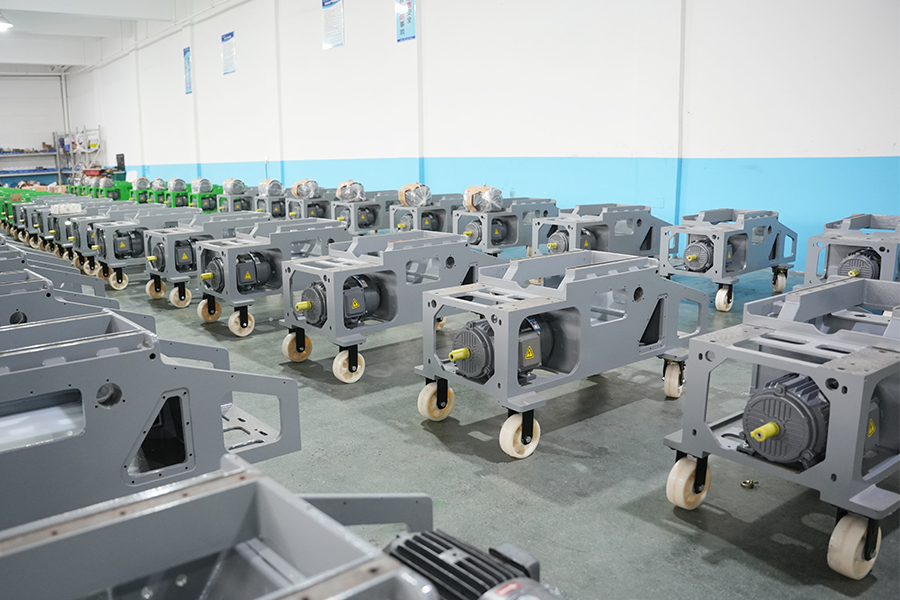
Xinabo has operated from Hangzhou since 2010 and holds National High-Tech Enterprise status, with more than 30 patents across its pipe processing and power tool development work. Production runs in a 10,000 m² factory with a workforce of over 100, and finished goods pass through our product inspection routine before packing. The product certificate file includes an Attestation of Conformity referencing the Machinery Directive and the Electromagnetic Compatibility Directive.
For project handover we agree the documentation set at order stage — conformity attestation, product certificate copies and the operating instructions in the language the site requires — so the file is complete when the tool reaches the commissioning team rather than being chased afterwards.
Information We Use to Configure Your Solution
A cutter specification is only as good as the cable list behind it. These are the inputs our engineering team works from when preparing a configuration and quotation:
- Cable schedule: conductor material, insulation type, armoured or unarmoured construction, and the largest and most common diameters in the run.
- Work volume: cuts per shift and per week, so blade quantity and battery count match real consumption.
- Existing platform: whether the crew already holds 18V packs, which determines bare-tool or kit supply.
- Working environment: tray, cabinet, trench, pole or overhead work, which decides how much the rotatable head matters.
- Accessory plan: spare blade stock, storage and transport requirements, and whether crimping or hole punching tools are ordered in the same batch.
- Delivery and documentation: destination, packaging expectations, and the certificate and instruction languages required for acceptance.
Frequently Asked Questions
Can this cutter handle 50 mm armoured cable?
No. The 50 mm limit applies to copper and aluminium cable. Armoured cable is rated to 40 mm, and the overload protection will stop the tool if resistance climbs beyond the set threshold on harder construction.
How many cuts can I expect from one battery charge?
The rating is at least 80 cutting cycles on 35 mm² copper cable. Larger conductor sections, armoured cable and cold conditions all reduce that figure, so we size battery quantity against your cuts-per-shift figure rather than the reference number alone.
Does the cut end need deburring before crimping?
The spiral cutting action produces a clean, burr-free end and does not deform the internal conductors, which is why the tool is used in termination workflows. A visual check of the face before a lug goes on remains standard practice on any cable cut.
What happens when the tool meets a cable it cannot cut?
Built-in overload protection stops the motor automatically instead of stalling it. Release the trigger, check that the cable is within the Cu/Al or armoured diameter limit and that the blade edge is intact, then restart. Repeated trips point to a blade that needs replacing or a cable outside the tool's rating.
Is a battery and charger included?
Standard supply is the tool body with a spare blade, cleaning brush and portable storage case. Battery and charger content is confirmed in the quotation, so you can order bare tools for an existing 18V fleet or a complete kit for a new crew.
Can the cutting head be angled for tray or cabinet work?
Yes. The cutting head rotates so the jaw can be presented to cable that is already fixed in a tray, clamped inside a cabinet or lying in a trench where the tool body cannot swing through a full arc.

 English
 Español
 عربى