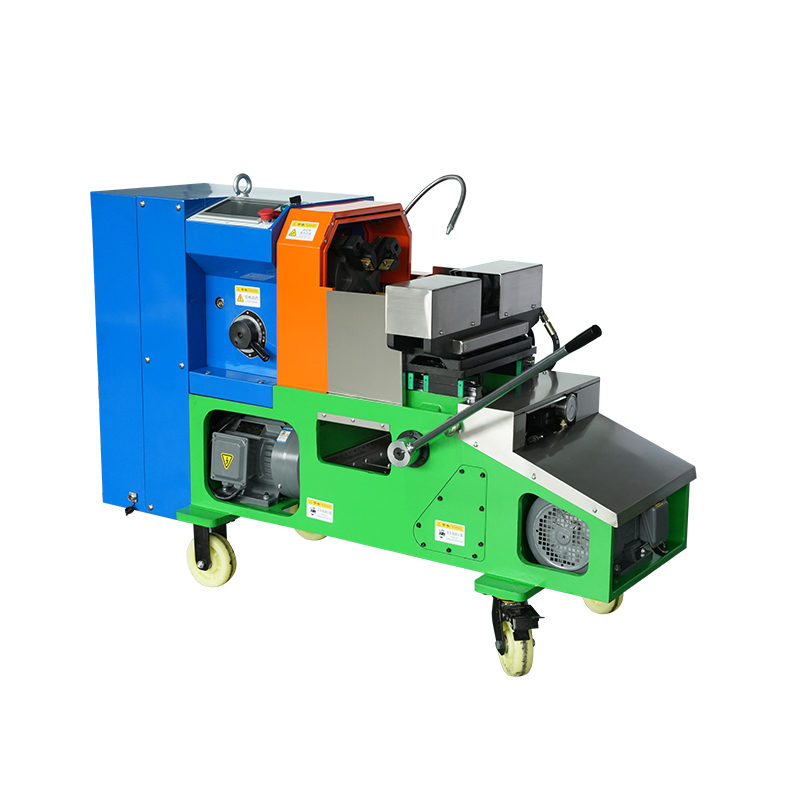
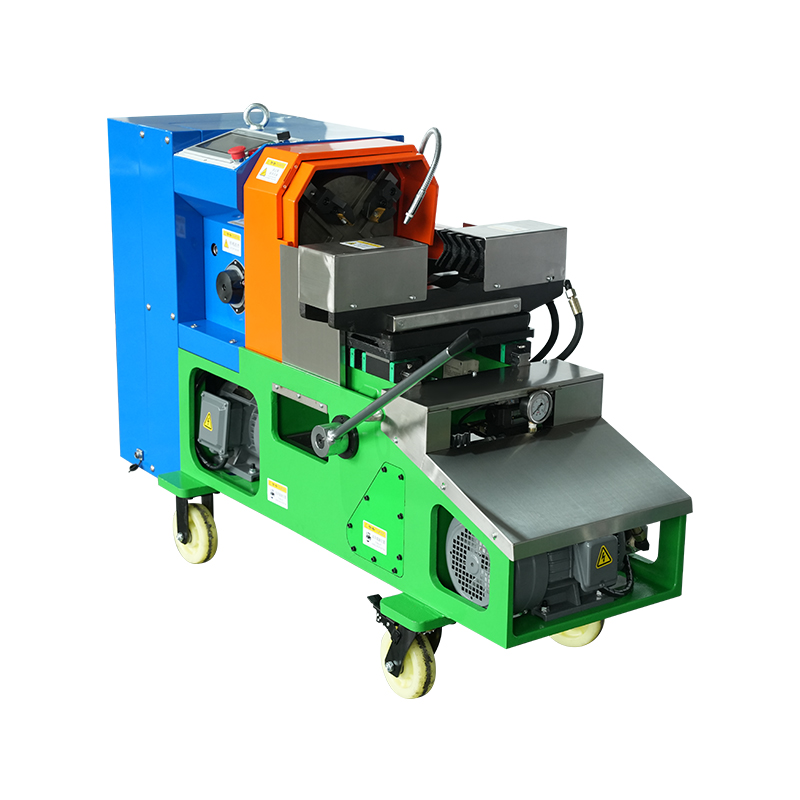
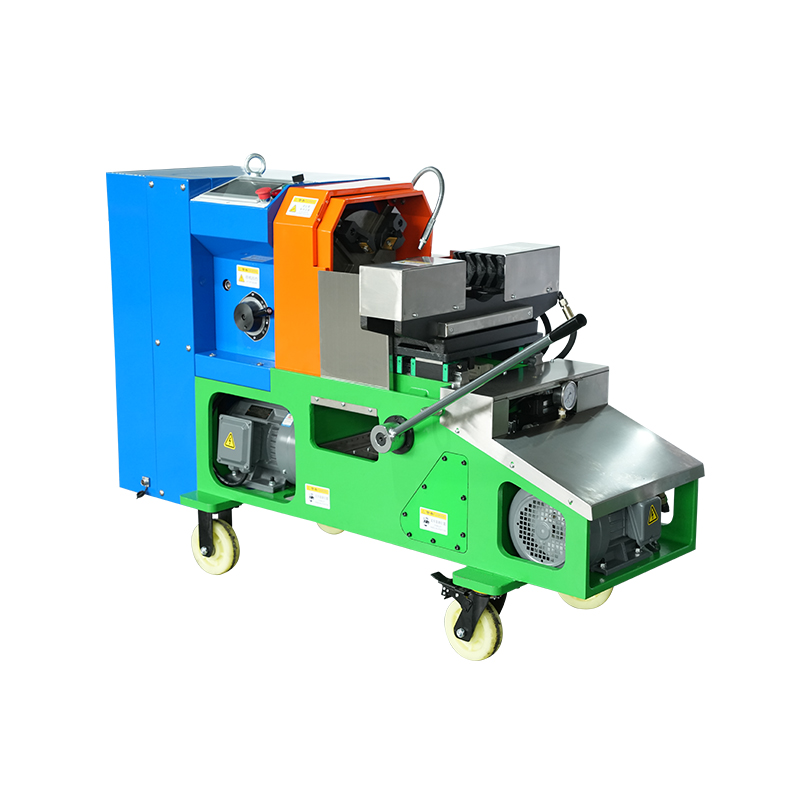
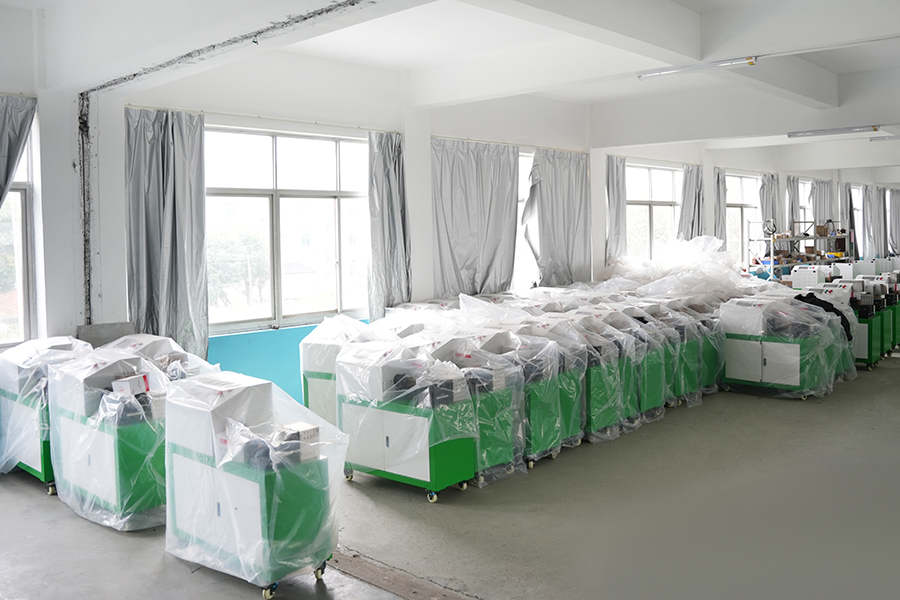
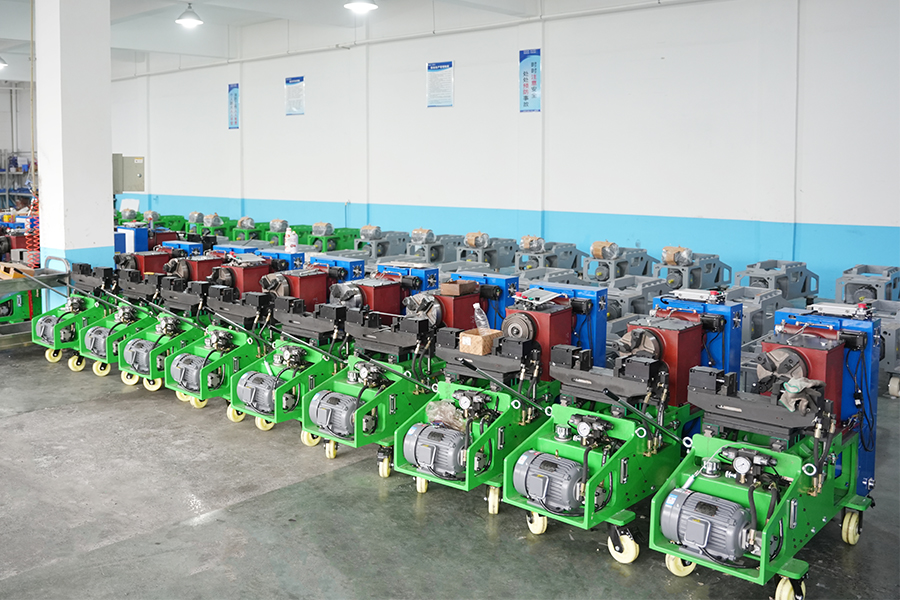
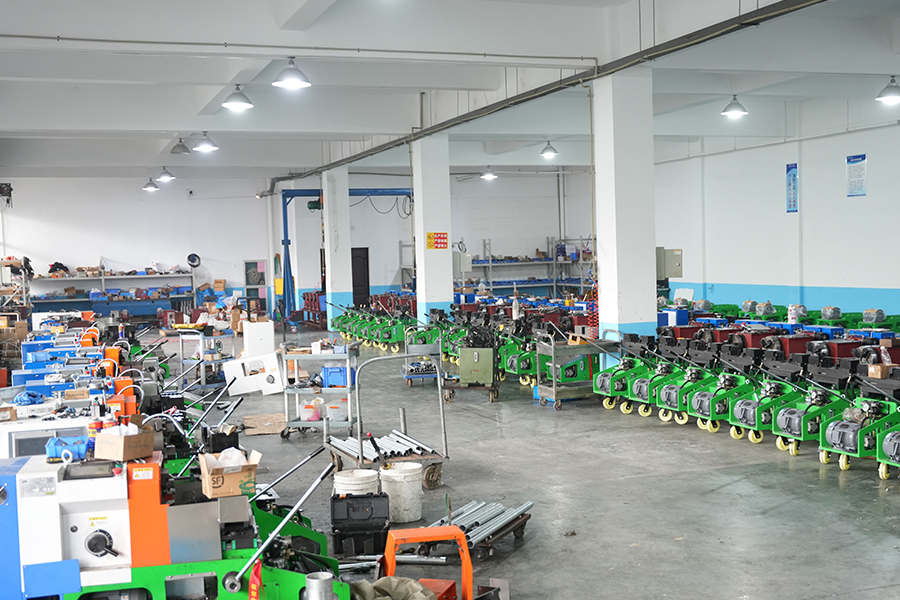
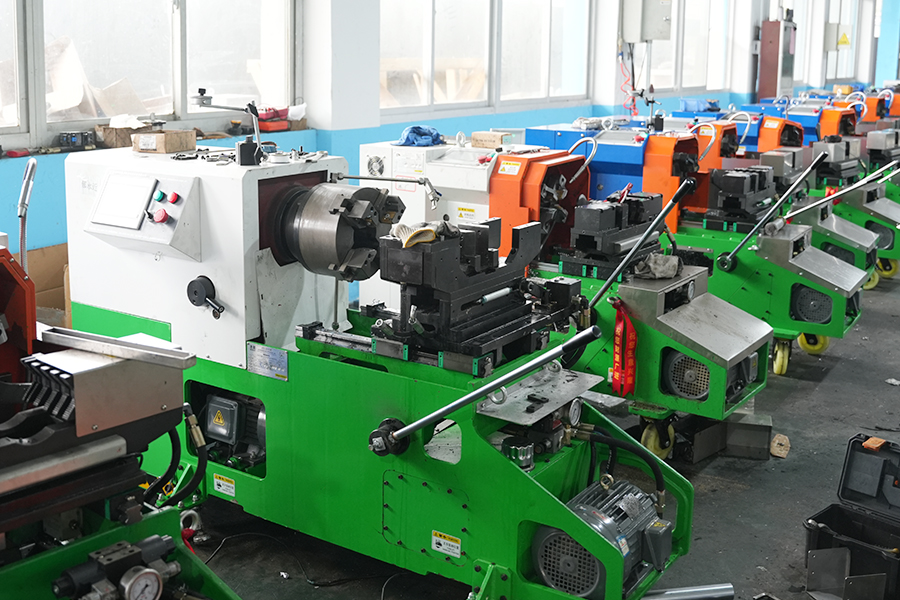
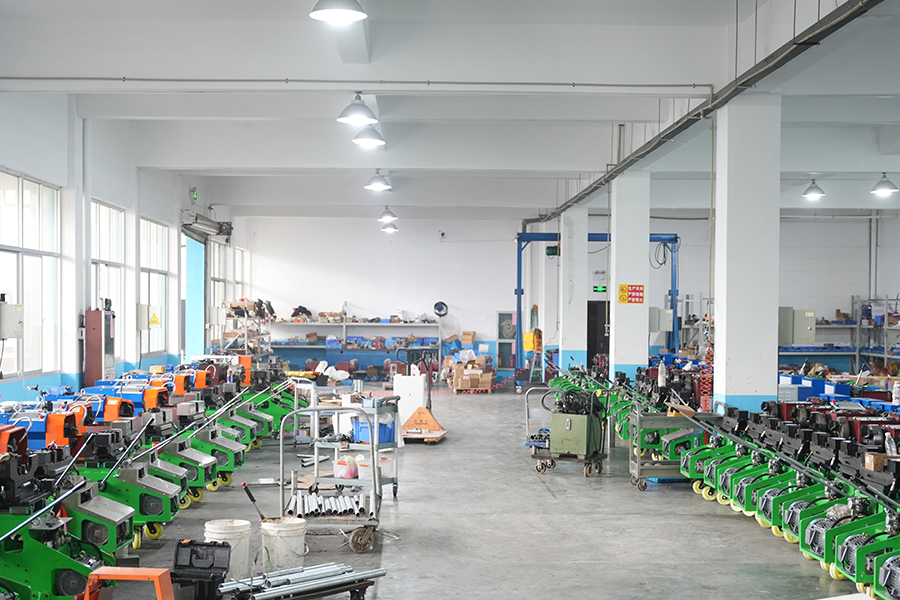
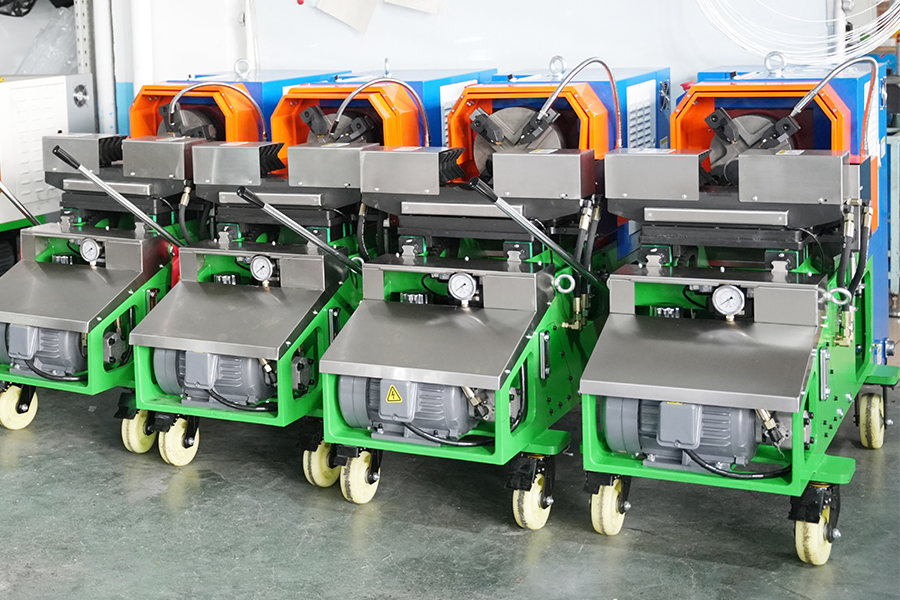
Hangzhou Xinabo Intelligent Electromechanical Technology Co., Ltd is an Intelligent Threading Machine manufacturer based in Xiaoshan, Hangzhou, China. We build the machinery that carries pipework from raw stock to a tested, sealed threaded connection: automatic threading machines, pipe tightening machines, cold saws, drilling machines, pressure test pumps and the dies that keep them cutting accurately. Our equipment serves fire protection engineering, building services installation, municipal and petrochemical piping, where threaded joints must be produced quickly and hold pressure.
Our Range of Pipeline Connection Equipment
As a Engineering Construction Pipeline Connection Solutions manufacturer, we match product configuration to the application, operating limits, interfaces and acceptance criteria defined for each project.
We supply the complete connection sequence rather than a single machine. Pipe is cut square, threaded, made up to controlled torque and pressure tested with equipment from one source, which keeps tooling, interfaces and spare parts consistent across a project.
| Product family |
Function in the pipeline sequence |
Typical application fit |
| Intelligent Threading Machine |
Automatic pipe diameter recognition, automatic tool setting, DN15–DN100 thread production |
High-volume threaded joints on fire mains, risers, sprinkler pipework and building services |
| Intelligent Pipe Tightening Machine |
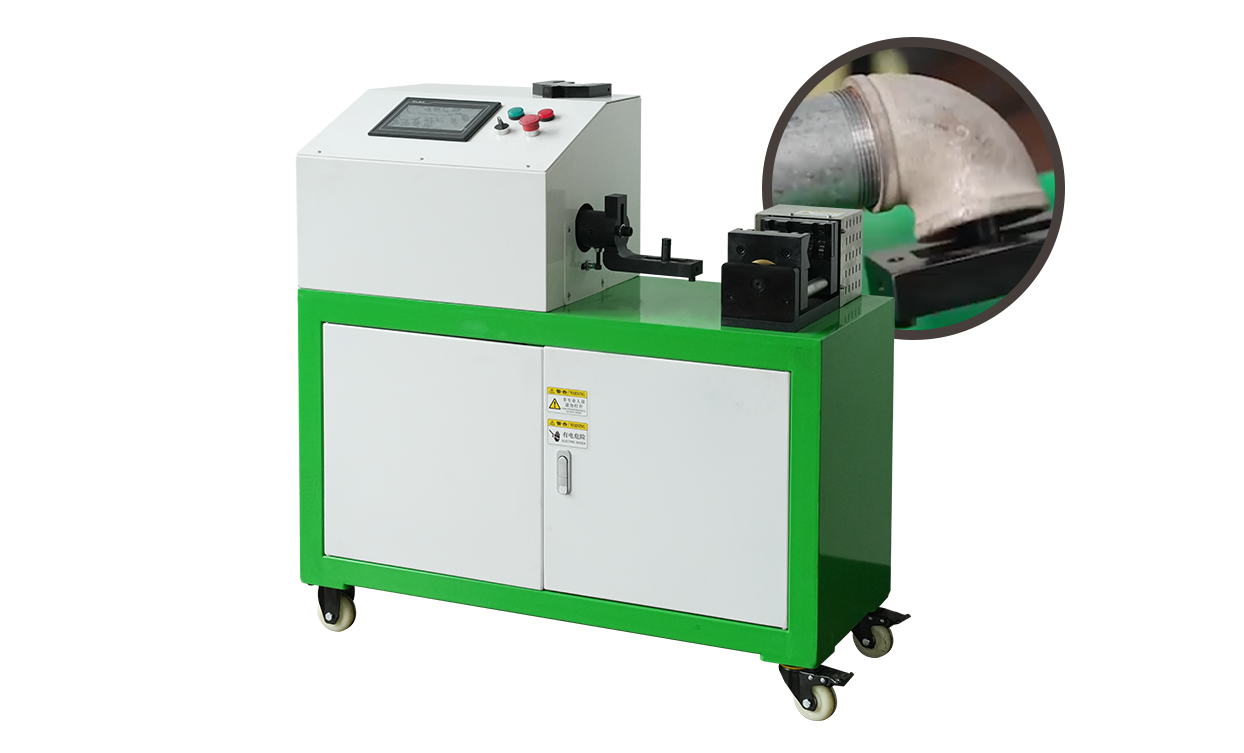
Electric screwing with adjustable torque and automatic return |
Final make-up of threaded joints where consistent torque and reduced manual effort matter |
| Variable Frequency Cold Saw |
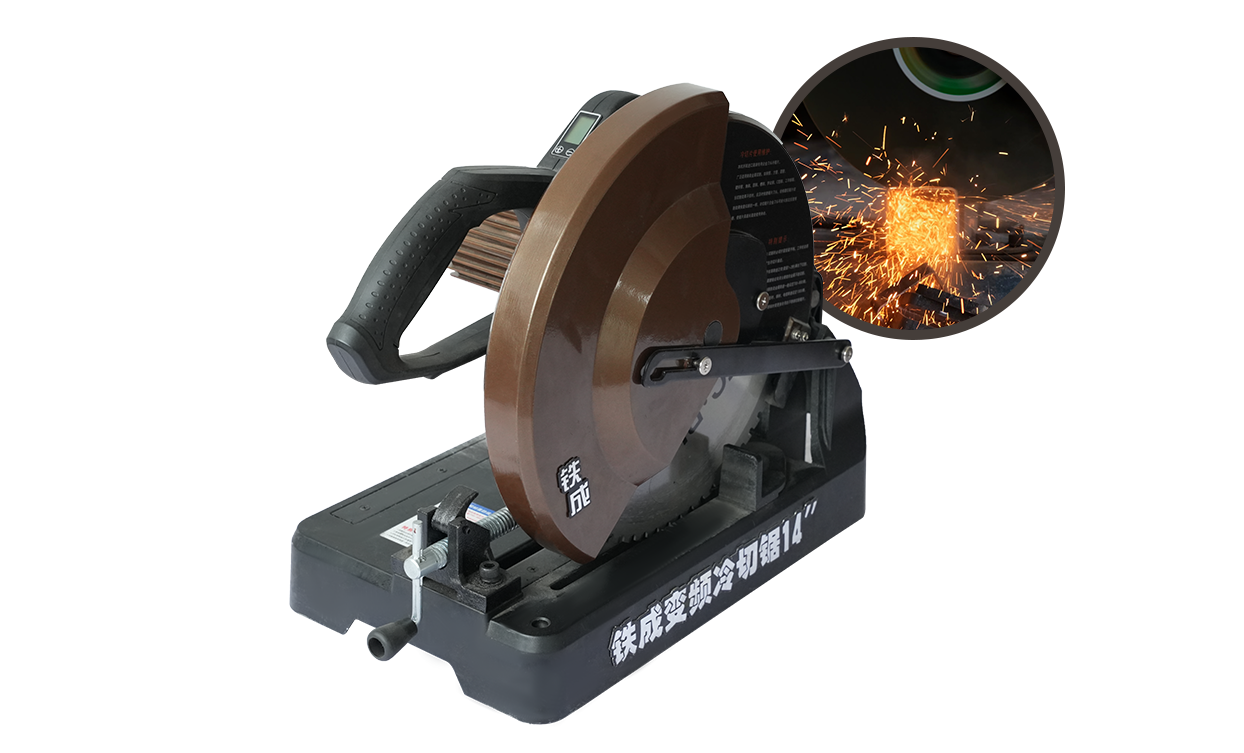
Cold cutting with flat, burr-free faces |
Pipe pre-treatment ahead of threading, where square faces protect thread start quality |
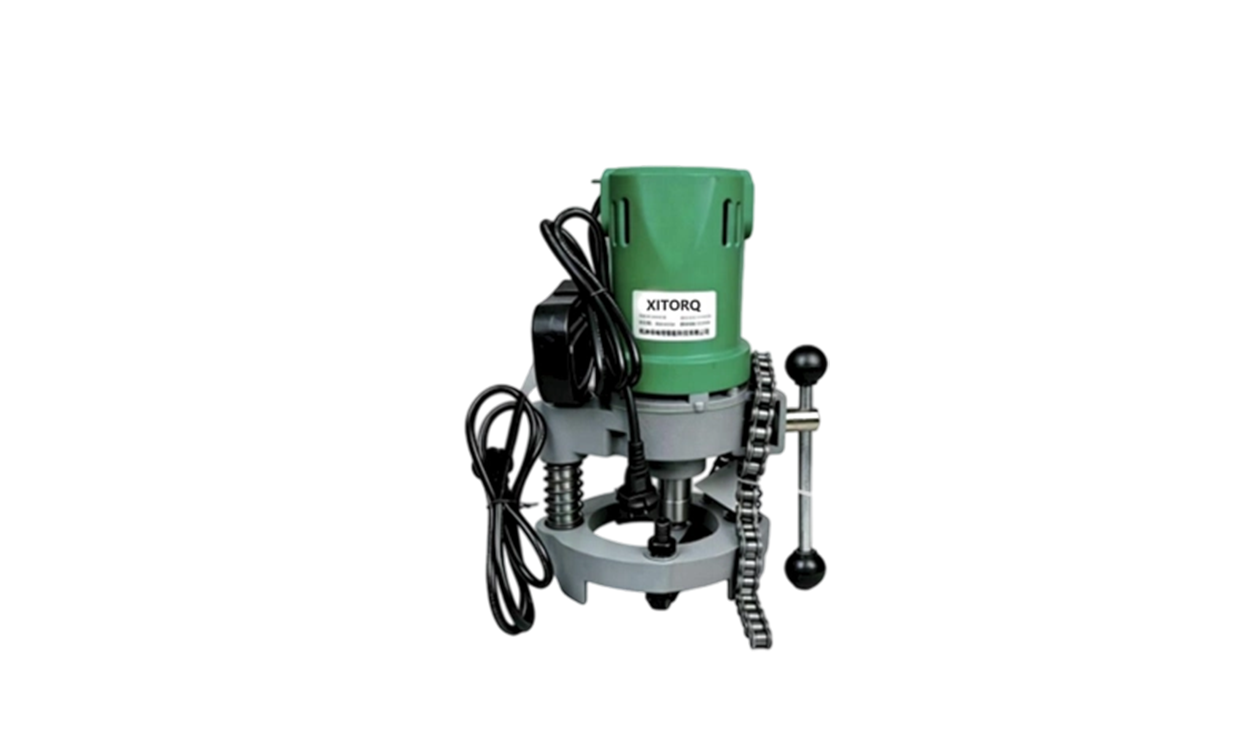
| Fire Pipe Drilling Machine |
Branch and outlet drilling on fire pipe |
Sprinkler branch connections and outlet preparation |
| Electric Pressure Test Pump |
Hydrostatic pressure testing of completed sections |
Handover acceptance of installed pipework |
| Oil-Free Piston Air Compressor |
Oil-free compressed air supply |
Workshop air for tools and test equipment where oil carry-over is not acceptable |
| Electric Pipe Threading Machine |
Conventional electric threading |
Lower-volume or mixed-site threading alongside the intelligent range |
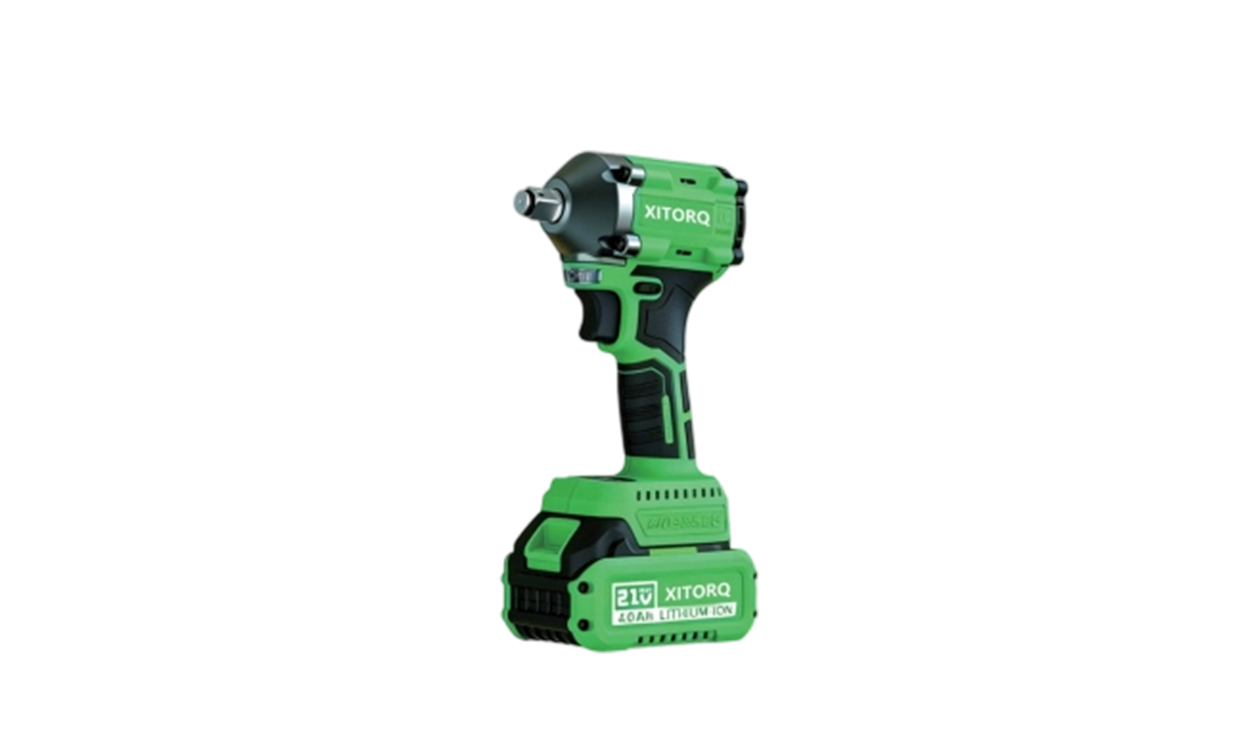
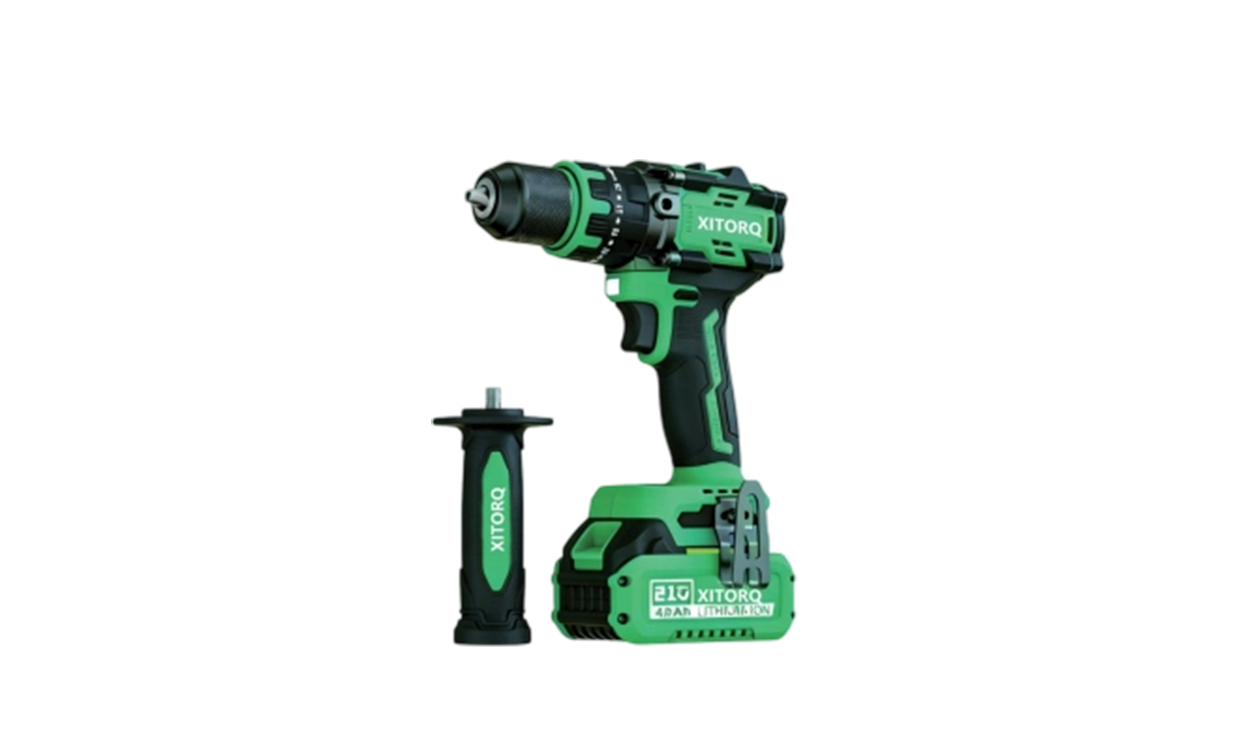
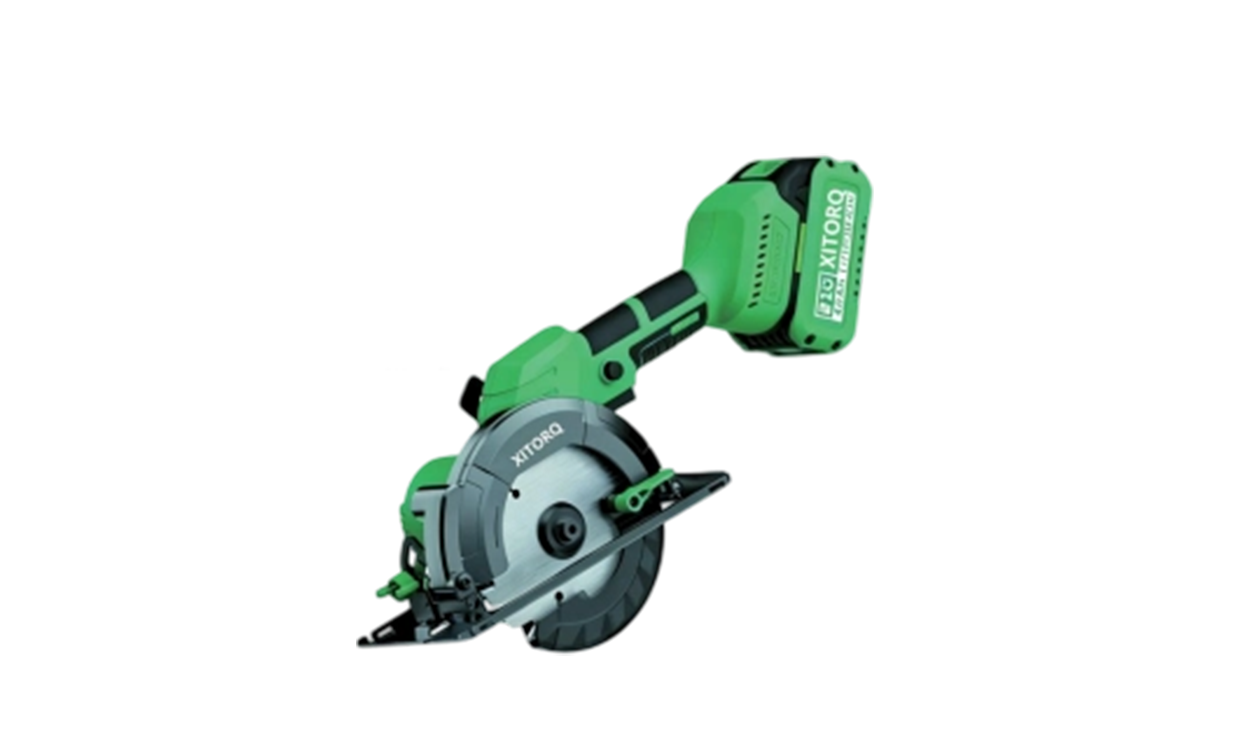
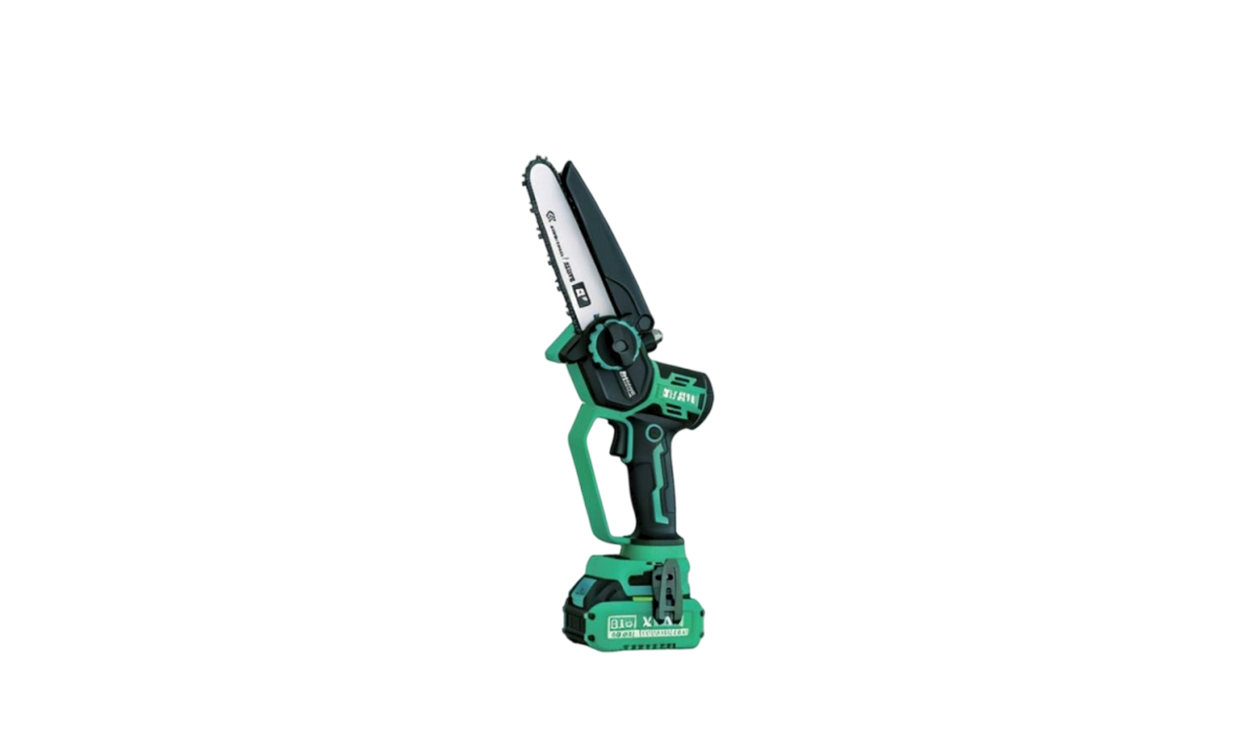
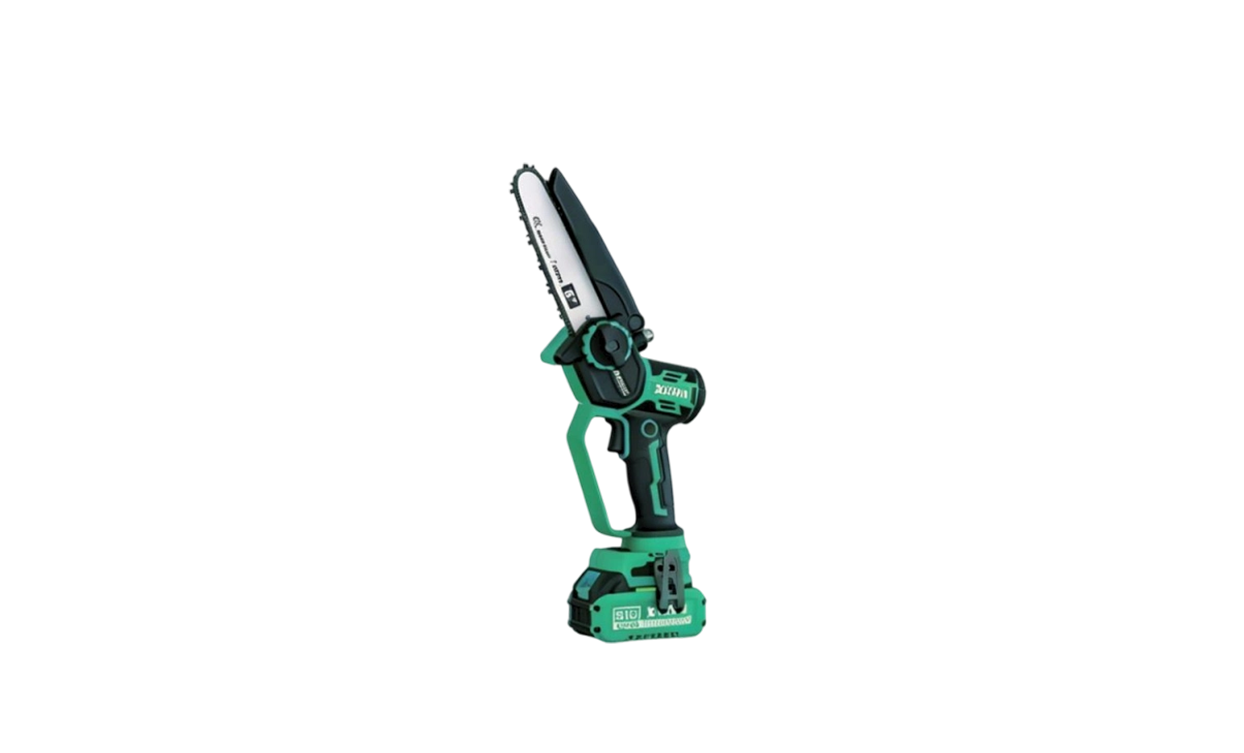
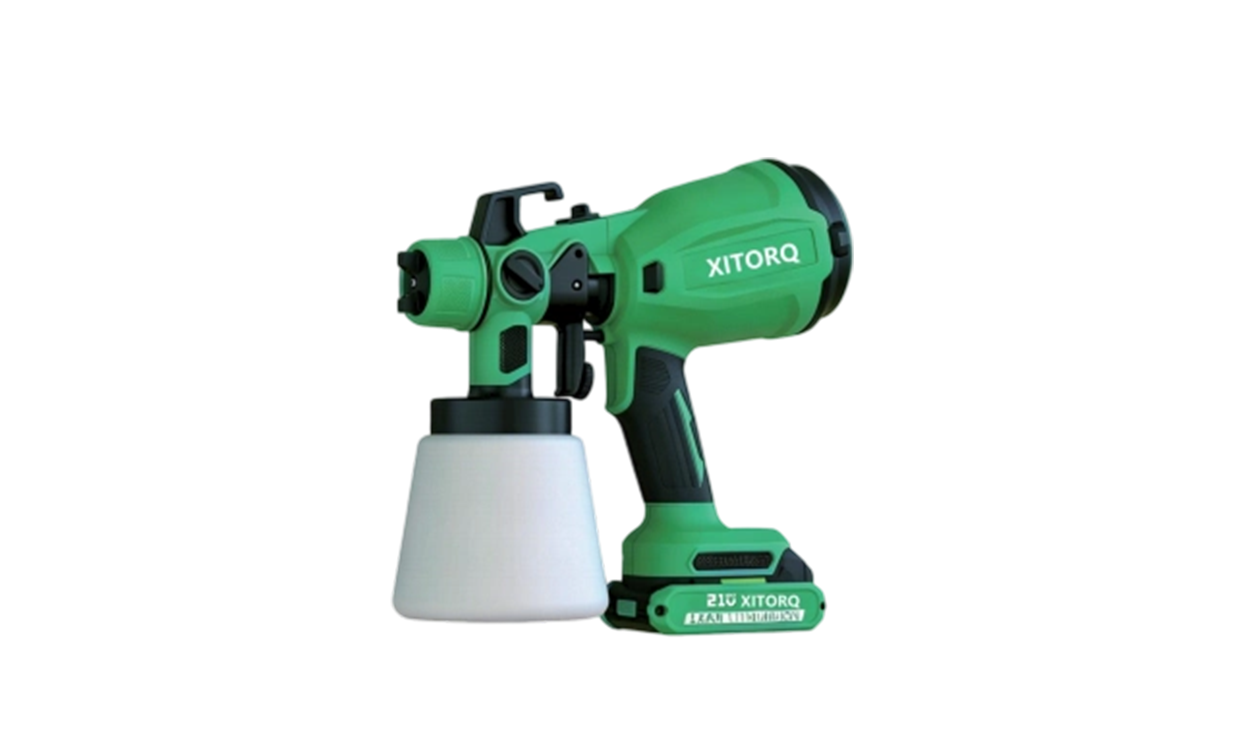
| Cordless Power Tools |
Battery-powered cutting, drilling, punching, wrenching and spraying |
Site work away from mains power, including support and hanger installation |
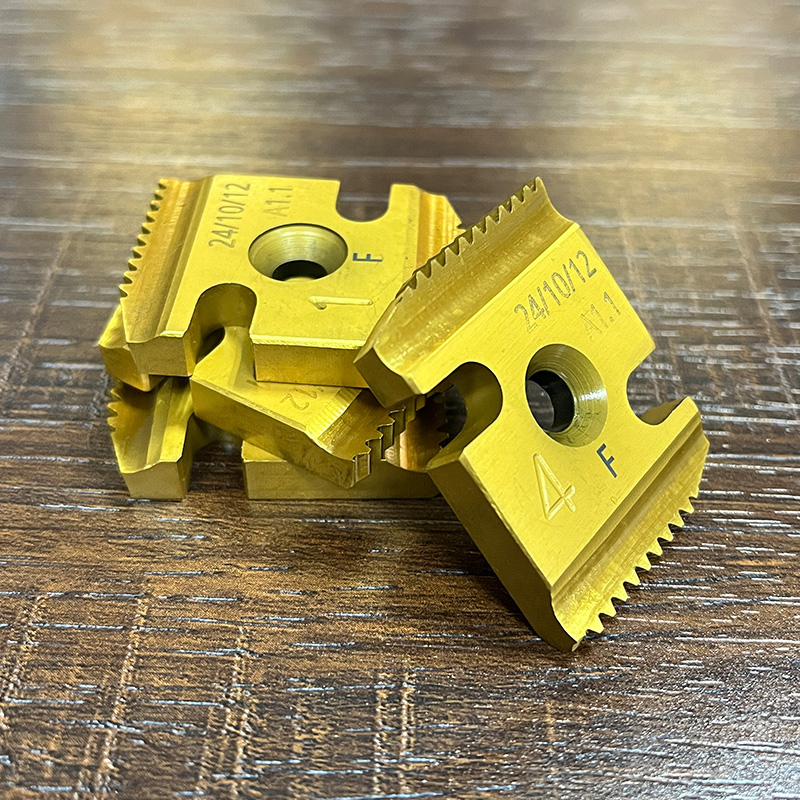
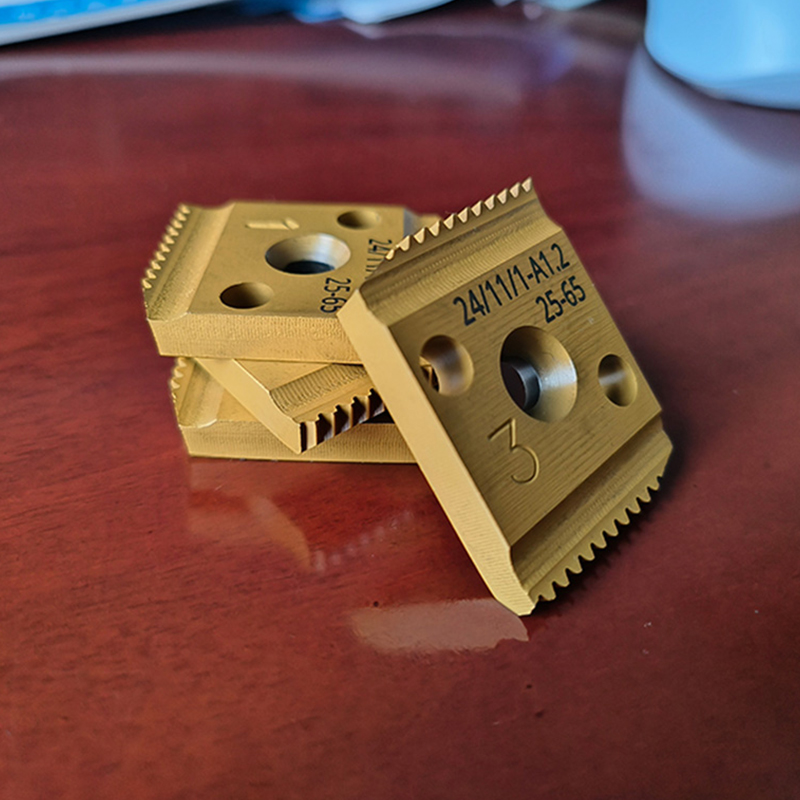
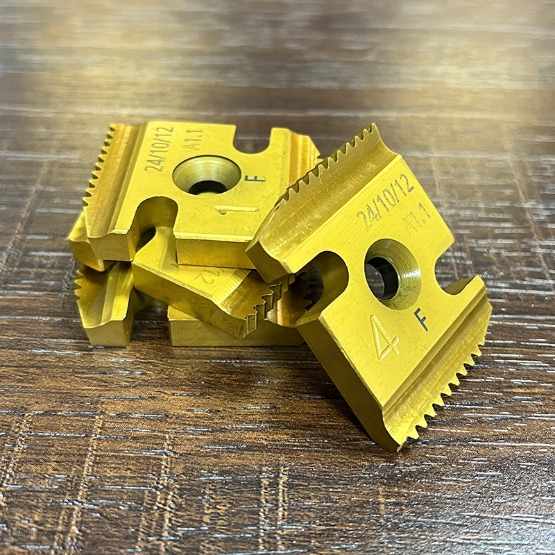
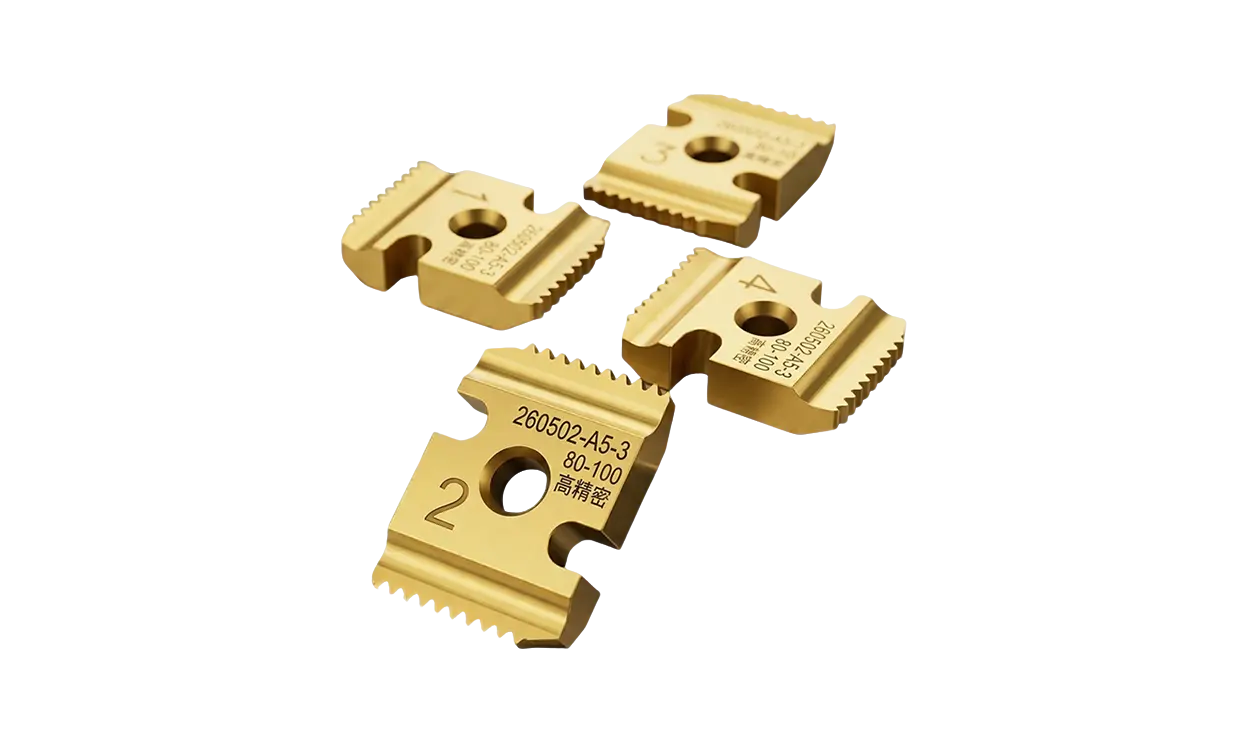
| Threading Dies |
Cutting dies and tooling consumables |
Sustaining thread form accuracy and die life across production shifts |
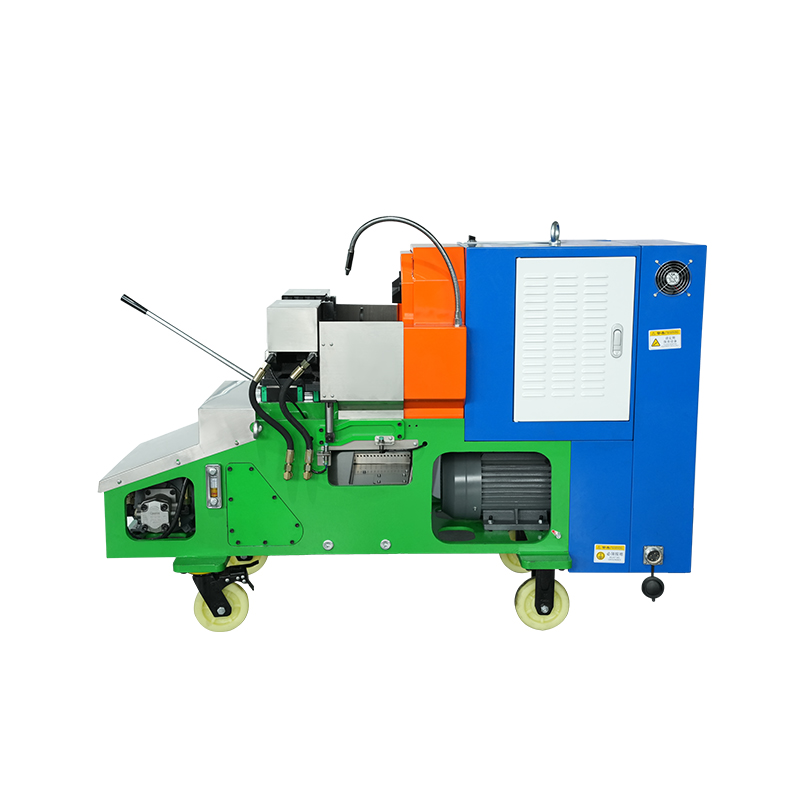
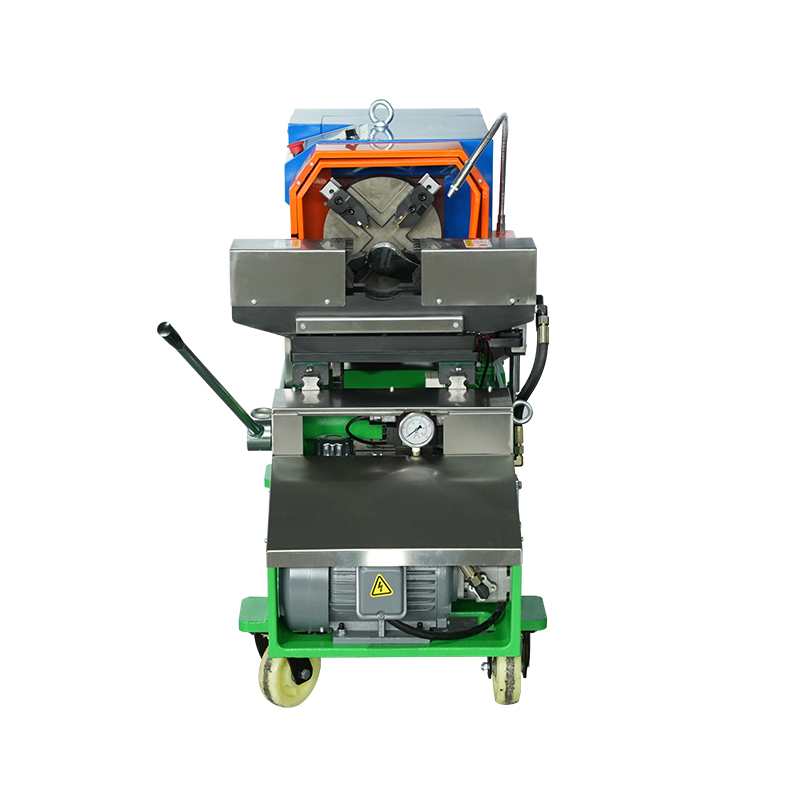
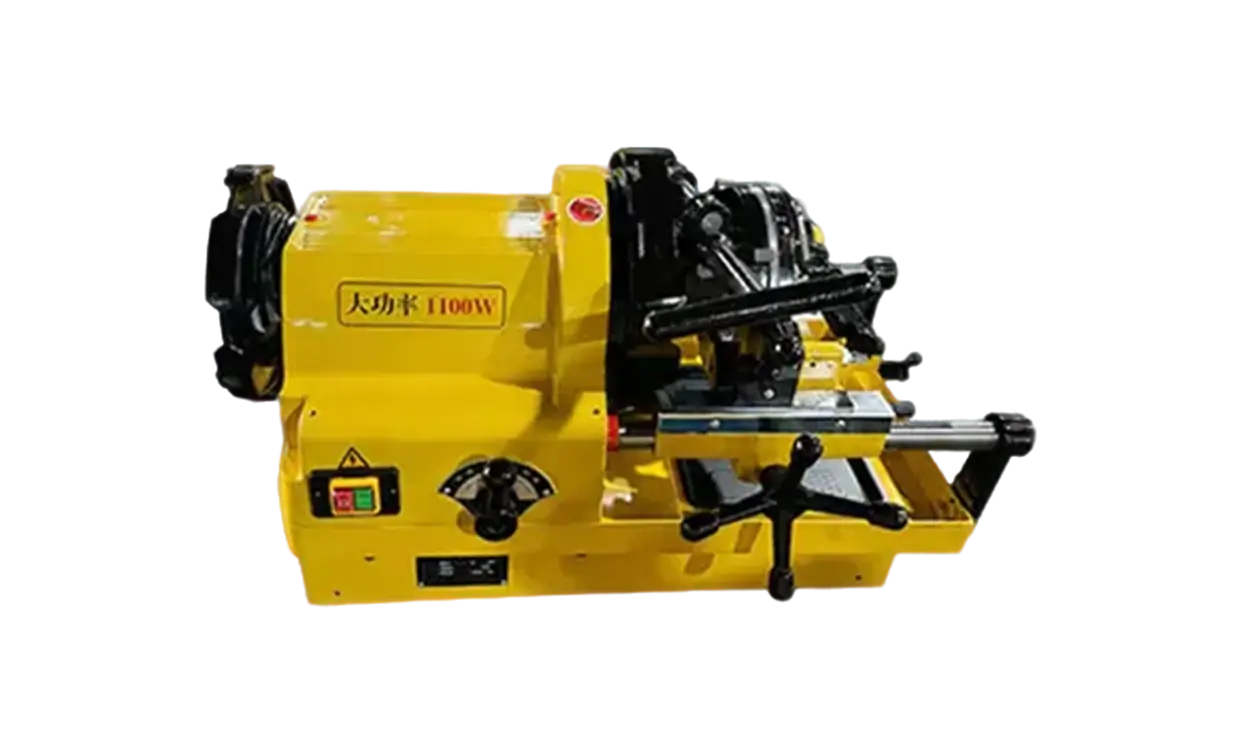
The Intelligent Threading Machine in Production
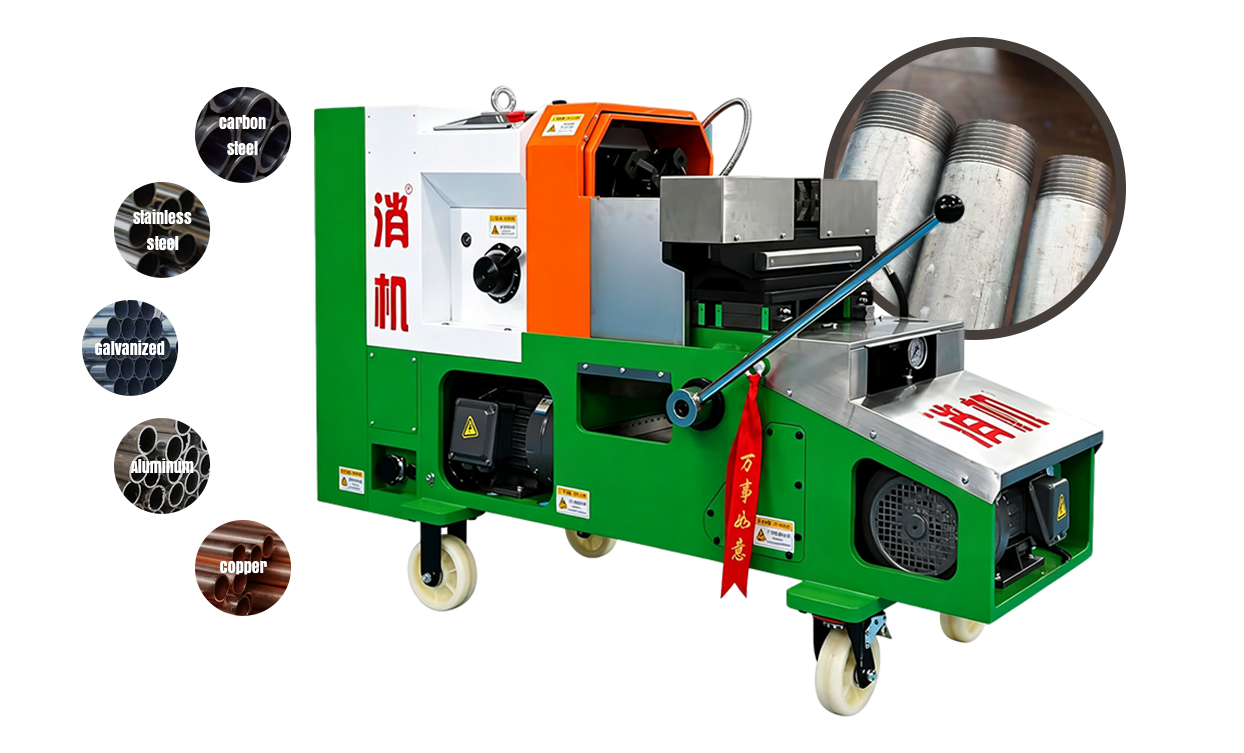
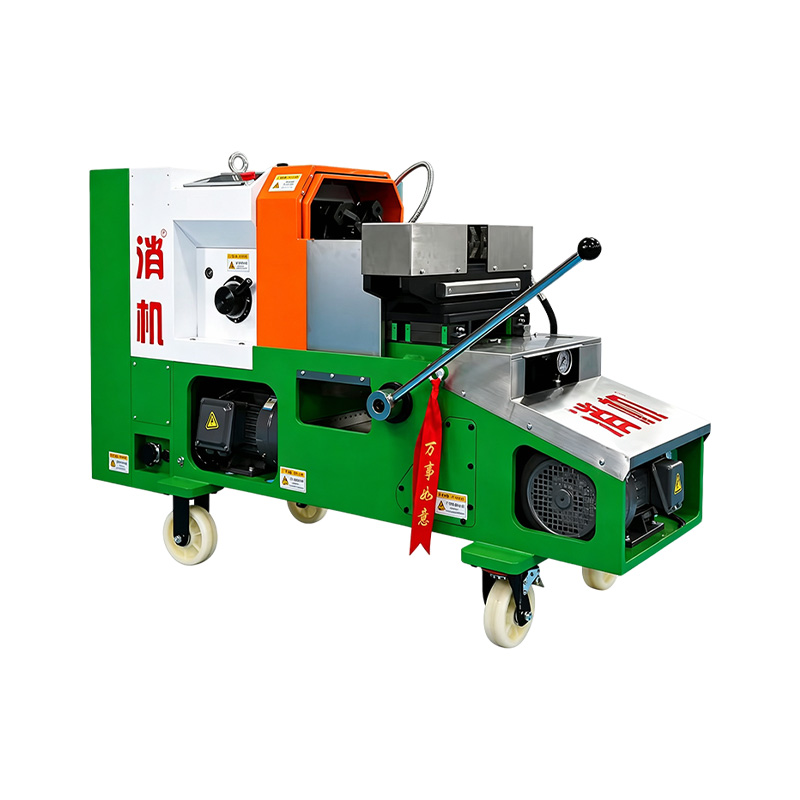
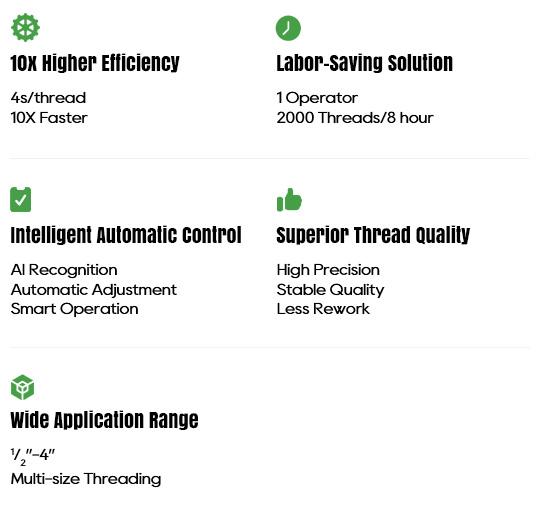
The intelligent machine removes the two slowest manual steps in threaded pipework: measuring the pipe and setting the tool. It identifies the pipe diameter itself, adjusts the tool automatically and then cuts the thread, so an operator loads the pipe and starts the cycle rather than dialling in a setting for every size change.
- Pipe processing range DN15–DN100, covering the common fire protection and building services sizes.
- Threading time as fast as 4 seconds for 15–25 mm pipe.
- British, American and metric thread forms, plus customized non-standard threads.
- 1,500–2,000 pipe threads within an 8-hour shift, with reduced labour demand compared with traditional threading machines.
- Low consumption, higher thread quality and precision, and a portable, easy-to-operate layout.
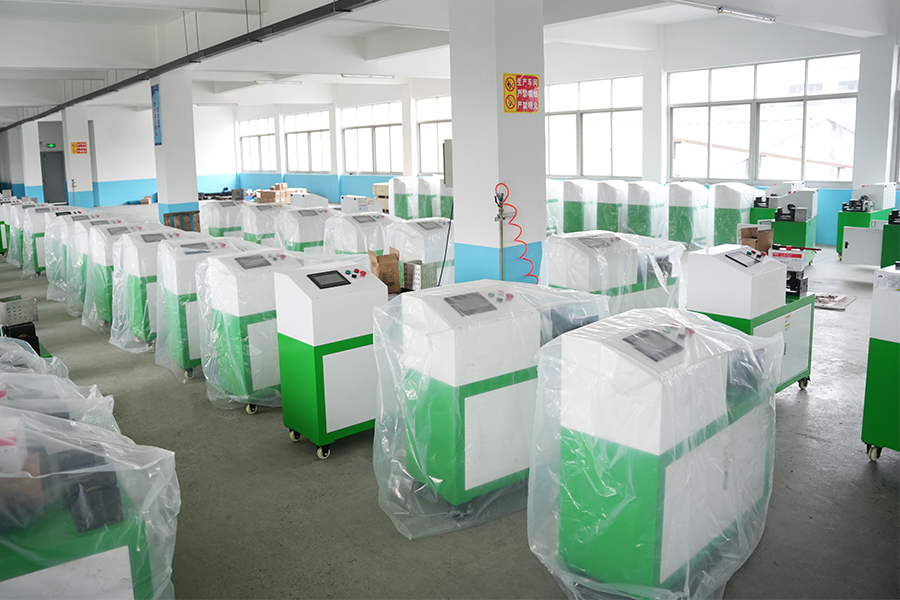
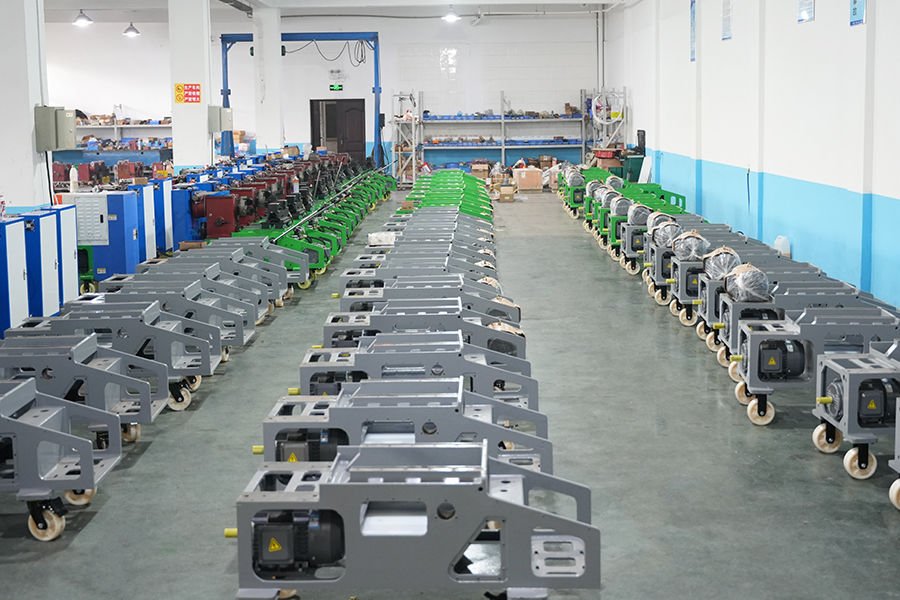
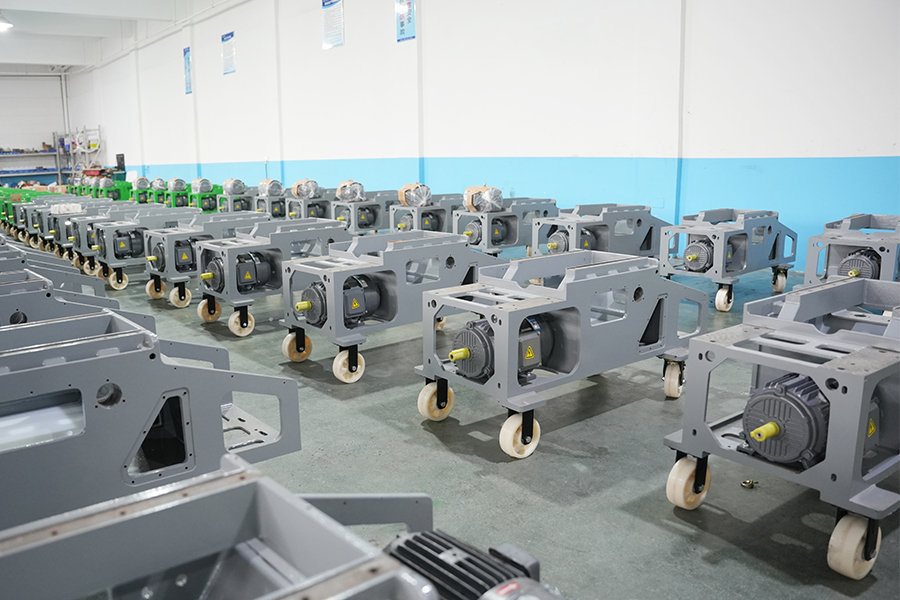
Development of this platform has run through nine generations over twelve years of dedicated research and development, informed by our founder's more than twenty years in pipeline construction. The company holds 30 patents and the National High-tech Enterprise title, and our factory in Xiaoshan, Hangzhou operates a 10,000 m² production area.
Application Fit Across Fire Protection, Building Services and Industrial Piping
Threaded connections remain the practical joining method for a large share of steel pipework, and the equipment is configured around where the work happens.
- Fire protection engineering: risers, mains and sprinkler branch lines in DN15–DN100, where joint count per shift drives the programme.
- Construction and building installation: domestic water, heating and service pipework produced in a workshop or at a site fabrication area.
- Municipal and petrochemical piping: repetitive threaded spool work where thread form consistency supports sealing and durability.
- Retrofit and shutdown work: portable machines that can be moved to the floor or zone where the threads are needed.
Materials, Thread Forms and Diameter Coverage
Material behaviour changes how a threading machine should be set, and we configure the tooling, feed and die selection around the pipe you actually run.
| Pipe material |
Processing consideration |
Configuration focus |
| Carbon steel pipe |
Stable cutting behaviour, the baseline for most fire and service pipework |
Standard die geometry and cycle settings |
| Galvanized pipe |
Zinc layer increases die load and affects thread finish |
Die material and replacement interval planning |
| Stainless steel pipe |
Work hardening and heat build-up at the cutting edge |
Feed and speed settings, dedicated die sets |
| Aluminum pipe |
Soft material, risk of galling and thread tearing |
Clamping pressure and cutting parameters |
| Copper pipe |
Low cutting force, deformation risk under clamp load |
Clamp jaws and support arrangement |
Thread forms available across the range are British thread, American thread, metric thread and customized non-standard profiles. Diameter coverage runs from DN15 to DN100, and we confirm the exact working envelope against your pipe schedule, wall thickness and thread standard before a machine is released.
Capacity, Thread Quality and Repeatability
Throughput on a threaded pipework package is set by cycle time multiplied by the number of size changes, not by peak speed alone. Automatic diameter recognition and automatic tool setting remove the resetting time between sizes, which is where traditional machines lose most of their shift.
- 4-second threading on 15–25 mm pipe for short-cycle, high-count work.
- 1,500–2,000 threads per 8-hour shift, depending on pipe size, material and handling layout.
- Consistent thread form across a batch, which supports sealing performance and reduces rework on made-up joints.
- Low consumption operation suited to continuous shift production.
Controls, Dies and Line Integration
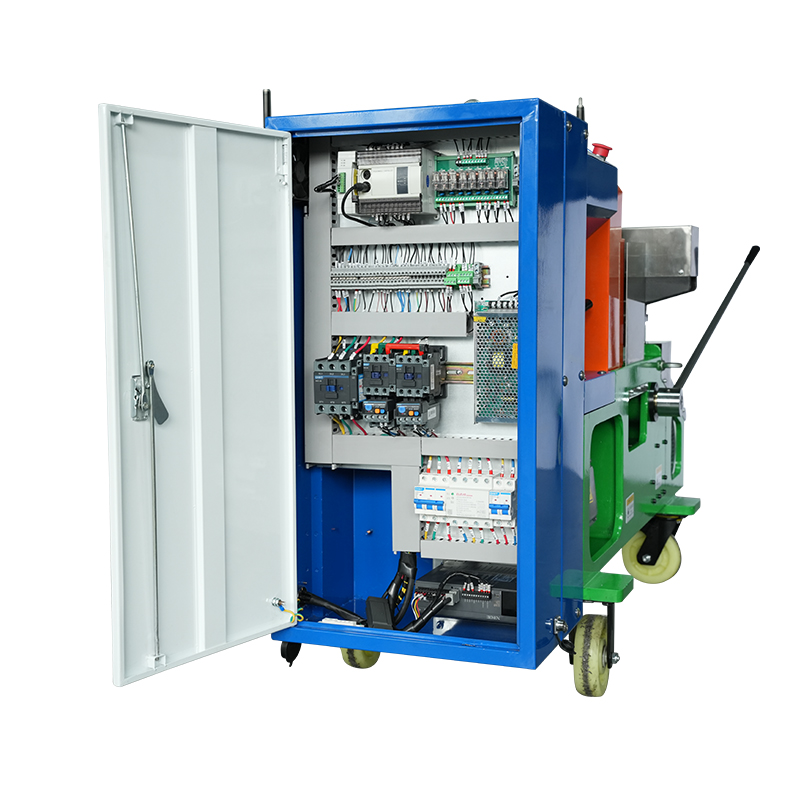
The control system is arranged around the operator's working position: load the pipe, confirm the size, start the cycle. Where the machine sits inside a fabrication line, we agree the interface points with the surrounding equipment before delivery.
- Automatic pipe diameter identification and automatic tool adjustment and setting.
- Die selection matched to material, thread form and required thread length.
- Clamping arrangement matched to pipe diameter and wall thickness to prevent slip or ovality.
- Positioning relative to cold saws, tightening machines and test stations so pipe flows in one direction.
Installation, Utilities and Operator Safety
Machines are supplied for workshop installation or for site fabrication areas, and the electrical supply, floor space and handling arrangement are confirmed during configuration. The layout keeps the cutting zone guarded and the controls within reach of the loading position.
- Supply voltage and frequency confirmed against the destination site before manufacture.
- Floor area, working clearance and pipe support length agreed for each machine size.
- Guarding, emergency stop and safe handling of pipe lengths addressed in the operating documentation.
- Portable configurations for work that moves between floors or zones.
Quality Control, Acceptance and Compliance Evidence
Every machine passes through our own production and inspection process before dispatch, supported by a documented quality system and a finished product rate of 99.9%. Our certification file includes Machinery Directive and Electromagnetic Compatibility Directive attestation of conformity, alongside invention, utility model and design patents covering threading, clamping and pipe connection mechanisms.
- Thread form and diameter checks against the agreed standard before shipment.
- Functional testing of automatic diameter recognition, tool setting and cycle completion.
- Compliance documentation issued with the equipment for project handover files.
- Acceptance criteria agreed in advance so site verification matches the factory result.
Information We Use to Configure Your Solution
A configuration proposal is built from the working point, the material and the production target. The following inputs let us specify the machine, tooling and accessories correctly the first time.
- Pipe diameter range and wall thickness, including the smallest and largest size in the schedule.
- Pipe material or the mix of materials to be threaded.
- Required thread form and standard, including any non-standard profile.
- Target thread count per shift and the number of size changes per batch.
- Workshop or site use, available floor space and pipe handling method.
- Supply voltage, frequency and any local electrical requirements.
- Joint make-up torque range where a tightening machine forms part of the scope.
- Required documentation language, spare parts holding and die replacement plan.
Maintenance, Spare Parts and Documentation
Threading equipment lives on die condition and clamping accuracy. We supply replacement dies, cutter heads, clamps and wear parts for the range, and our technical team provides training and demonstrations on the machines so operators can hold thread quality across shifts.
- Spare parts and maintenance support for the threading and tightening range.
- Operator and maintenance training, available on request and subject to agreed terms.
- Operating and maintenance documentation issued with each machine.
- Die and consumable planning based on material and expected thread volume.
Frequently Asked Questions
What pipe diameters and thread forms can the Intelligent Threading Machine produce?
The machine covers DN15–DN100 and cuts British thread, American thread and metric thread, with customized non-standard thread profiles available. The exact envelope is confirmed against your pipe schedule and wall thickness during configuration.
How many threads can we produce in one shift?
Between 1,500 and 2,000 pipe threads in an 8-hour shift, depending on pipe size, material and how the pipe is handled at the machine. Threading time is as fast as 4 seconds for 15–25 mm pipe.
Which pipe materials are supported?
Carbon steel, galvanized, stainless steel, aluminum and copper pipe. Because each material behaves differently at the cutting edge, we match die selection, feed and clamping to the material mix you run.
Does the machine set itself for each pipe size?
Yes. It automatically identifies the pipe diameter and adjusts and sets the tool, so size changes do not require manual dialling. This is the main reason the intelligent range reaches up to 10× the efficiency of traditional pipe threading machines.
What do you need from us to prepare a configuration and quotation?
Pipe diameter range and wall thickness, material, required thread form and standard, target thread count per shift, workshop or site use, supply voltage and frequency, and any joint make-up torque requirement. With those inputs we specify the machine, dies, clamping and accessories as one scope.
What documentation accompanies the equipment?
Operating and maintenance documentation is issued with each machine, together with our Machinery Directive and Electromagnetic Compatibility Directive attestation of conformity for project handover files. Training and spare parts support are available for the threading and tightening range.

 English
 Español
 عربى
عربى