 English
 Español
 عربى
عربى


Frequency Conversion Metal Cold Cutting Saw
1. Next generation performance, delivering over 3,500 precise cuts with every blade 2. Intelligent Motor Technology 3. Precision Shadow Line Guide 4. ...
See Details
Content
A thread maker is the tool or machine that produces the helical ridge on a fastener, pipe, or fitting so two parts can be joined and then loaded. In metalwork the phrase covers three mechanically different processes: cutting, rolling, and molding.
Cutting removes material with taps, dies, die heads, or single-point tools. Rolling squeezes a blank between hardened dies so the metal flows into a thread form. Molding applies to plastics. For pipe and structural work, cutting dominates, because thin walls and tapered thread forms leave no room for the strict blank-diameter control that rolling demands.
The same phrase appears in textile searches, where a thread maker is a spinning or twisting mill. In pipe, HVAC, and steel fabrication, the term always refers to threading tools and machines.
In pipe and steel work, four classes of thread maker cover almost every job: hand taps and dies, portable powered threaders, stationary die-head threading machines, and CNC single-point lathes.
| Thread maker type | Typical capacity | Thread consistency | Best use |
| Hand tap and die set | 1/8 to 2 in. (6 to 50 mm) | Operator dependent | Repairs and small-bore work |
| Portable powered threader | 1/2 to 2 in., some units to 4 in. | Good when the dies are sharp | Field work and retrofit jobs |
| Stationary die-head machine | 1/8 to 4 in., or 6 in. with large die heads | High and repeatable | Fabrication shops and fire pipe |
| CNC single-point lathe | Limited only by chuck capacity | Highest accuracy, slow per part | Nonstandard and one-off threads |
Stationary machines dominate fire-protection prefabrication because they combine tapered die heads with automatic oiling and dual-speed gearing. The dual-speed detail matters more than it looks at first.
Portable units still earn their place on service calls, where a riser has to be rethreaded in place. The trade-off is thread length control: on a bench machine the die head stops at a set point, while on a hand-held unit the operator judges the stop by feel.
Select the thread maker by diameter, thread standard, and material first; motor power and price come after.
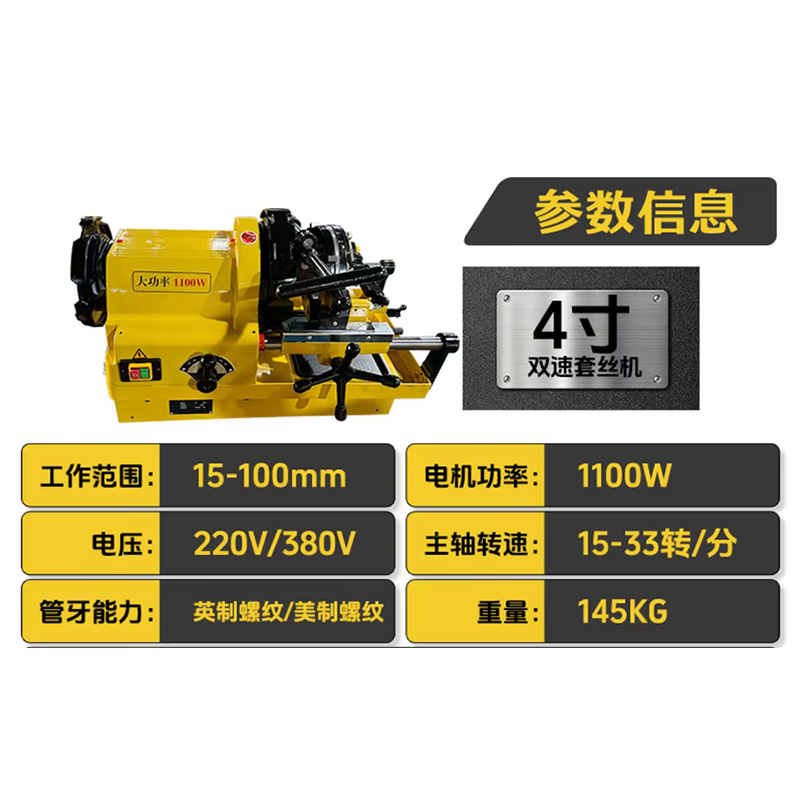 SQ100 1/2 to 4 Inch Dual-Speed Electric Pipe Threading MachineHeavy-duty 15–100 mm pipe threader with dual speed, BSPT/NPT support, and three die sets for 1/2–4 inch work.View Product →
Thread forms and their sizing rules are covered in more detail in this guide to NPT, BSPT and BSPP pipe threads, which is worth reading before you order die heads for a mixed-standard job.
The die set inside the thread maker determines pitch accuracy, surface finish, and how long the machine stays productive.
High speed steel dies hold an edge far longer than carbon steel and are the default for production work. Double-edged dies cut on both flanks at once, which improves chip control and reduces the side load on the die head. A die stamped 1/2 NPT will not produce 1/2 BSPT, and forcing the wrong die is how die heads crack.
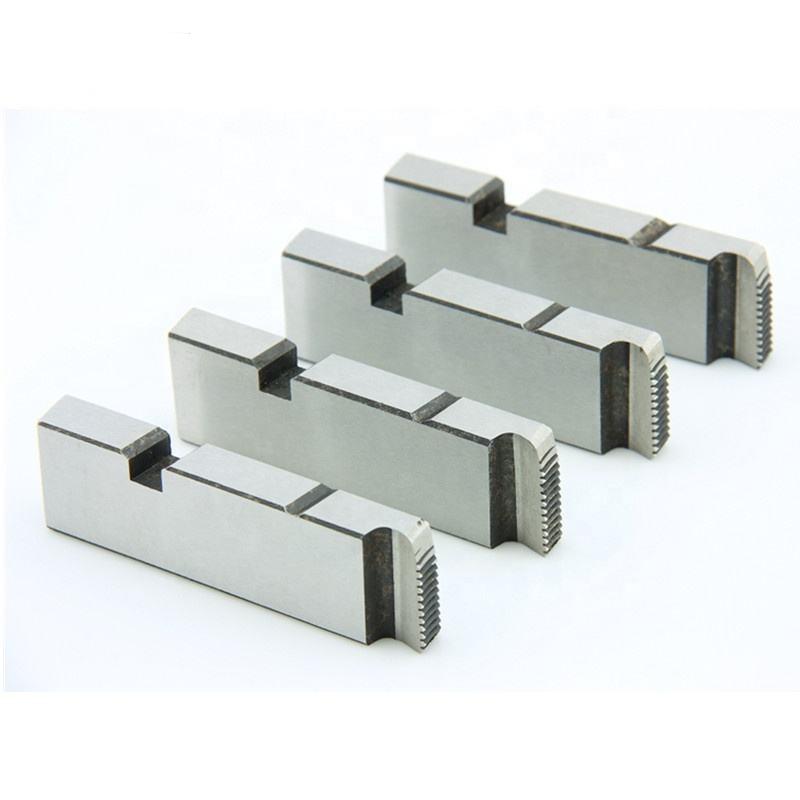 High Speed Steel Threading Dies for BSPT and NPT PipesPrecision HSS dies for electric threading machines, compatible with BSPT and NPT; check wear by gauging for replacement.View Product →
Track cuts per die set. When the finished thread no longer gauges hand-tight, or when the crest looks polished rather than cleanly cut, replace the set. Gauging is the only reliable signal; visual inspection at the machine misses taper wear that shows up under pressure testing.
Most thread defects come from setup and lubrication rather than from a worn machine.
Buy on capacity, repeatability, and consumable supply; every other feature is secondary.
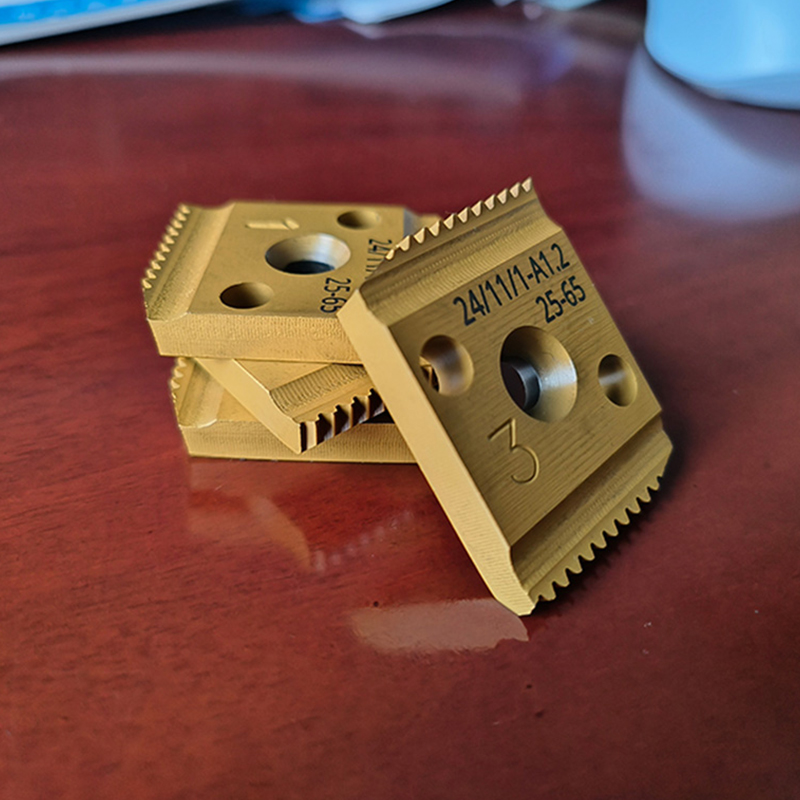 Intelligent Automatic Pipe Threading Machine for DN15–DN100 Pipe ConnectionsAutomatic DN15–DN100 threading machine with multi-standard thread support, fast cycle times, and high-volume capacity for pipe fabrication.View Product →
If you would rather buy the machine, the dies, and the process support under one agreement, review the pipe fabrication and threading solutions offered by the manufacturer before you commit, and compare them against the checklist above.
A pipe threader is a thread maker built specifically for pipe, carrying tapered dies or die heads for NPT and BSPT. The broader term also covers taps, die nuts, and single-point tools used on bolts and machined components.
Yes, but only by changing the die head or the chasers. NPT uses a 60 degree flank angle and BSPT uses 55 degrees, so the cutting geometry and the gauges are different. Never mix the two inside one die head.
Replace them when the thread no longer gauges hand-tight, or roughly every 800 to 1500 cuts in carbon steel, and far sooner in stainless. Counting cuts per die set is the only reliable interval to work from.
Yes, once the work involves more than a few dozen joints a week or any pipe of 2 in. and above. Powered units cut setup time per joint and hold taper far more consistently than hand dies over a long project.
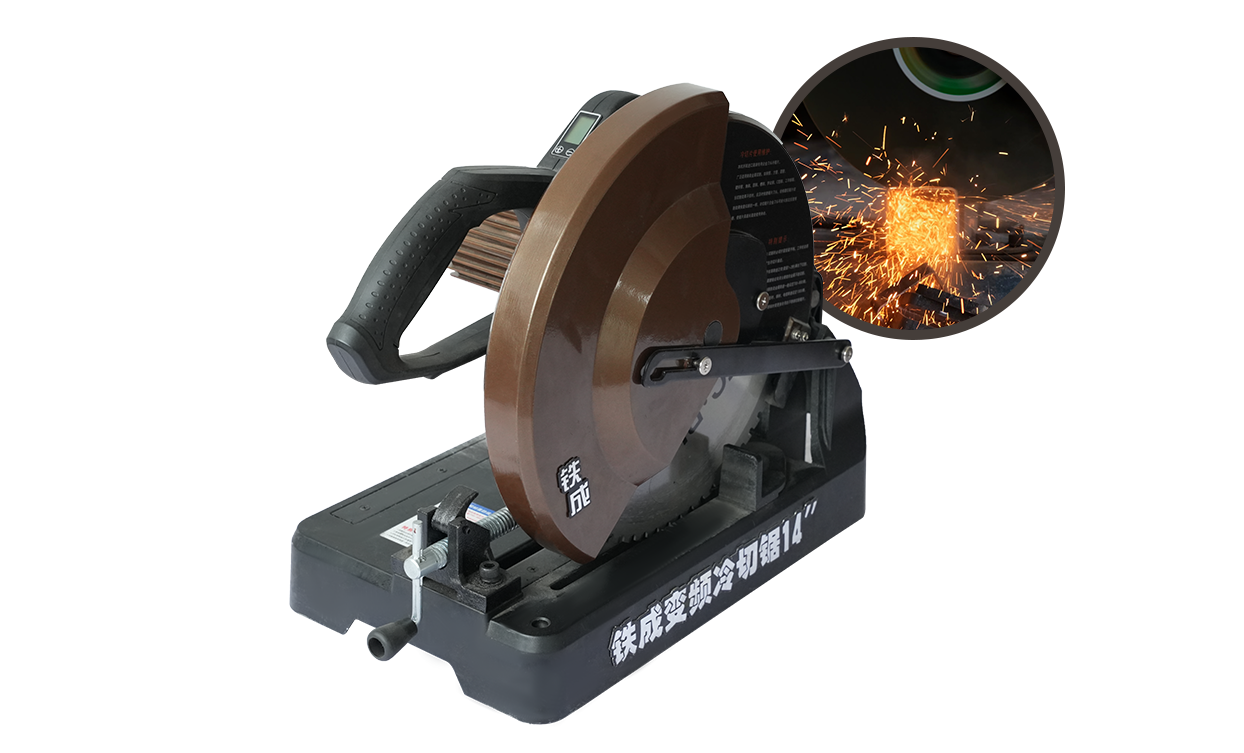
1. Next generation performance, delivering over 3,500 precise cuts with every blade 2. Intelligent Motor Technology 3. Precision Shadow Line Guide 4. ...
See Details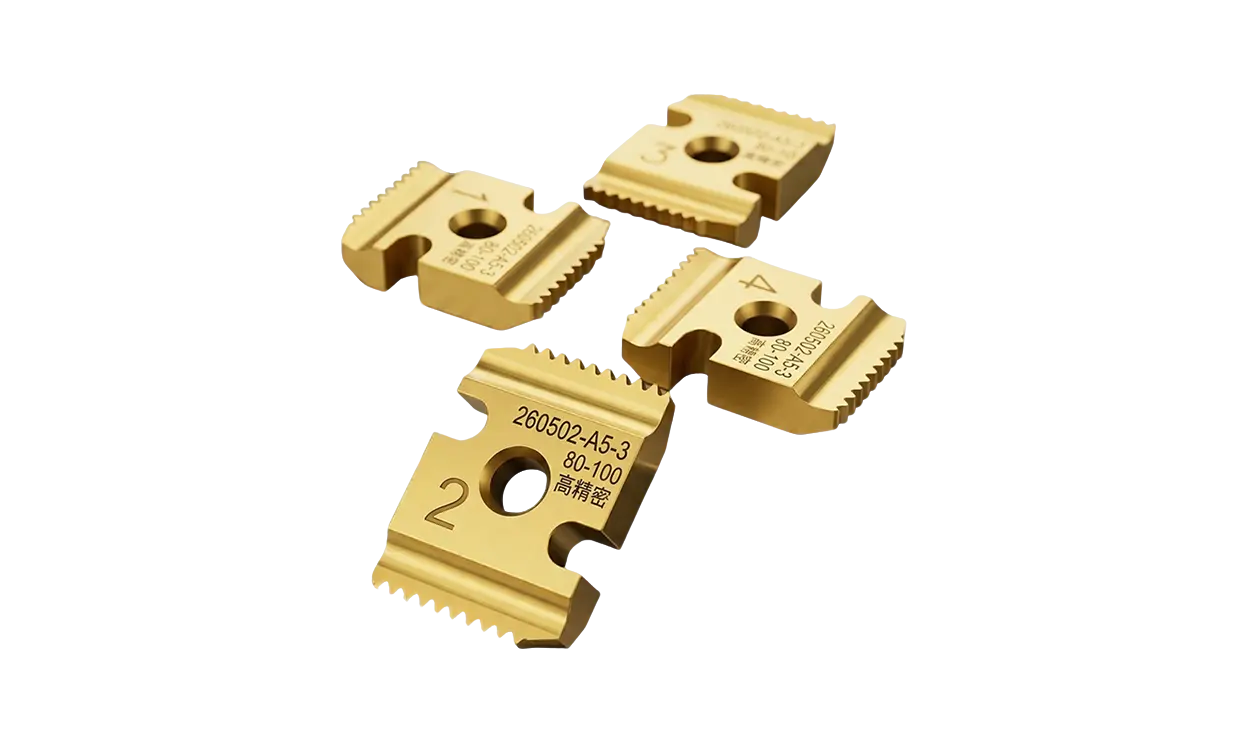
Specialized Compatibility: Exclusively designed for intelligent threading machines, the dies feature a high precision-machined structure that perfectl...
See Details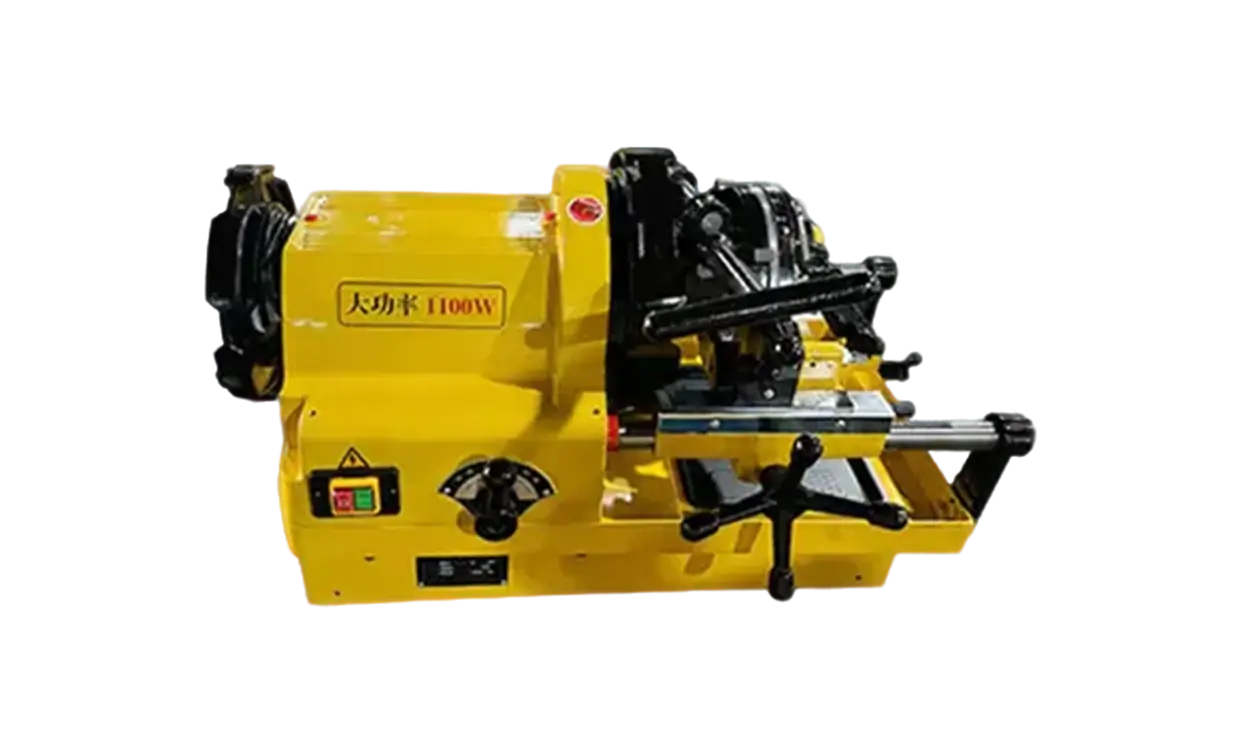
This SQ100 4-inch 15-100mm dual-speed electric pipe threading machine is engineered for precise and efficient pipe threading operations, with a workin...
See Details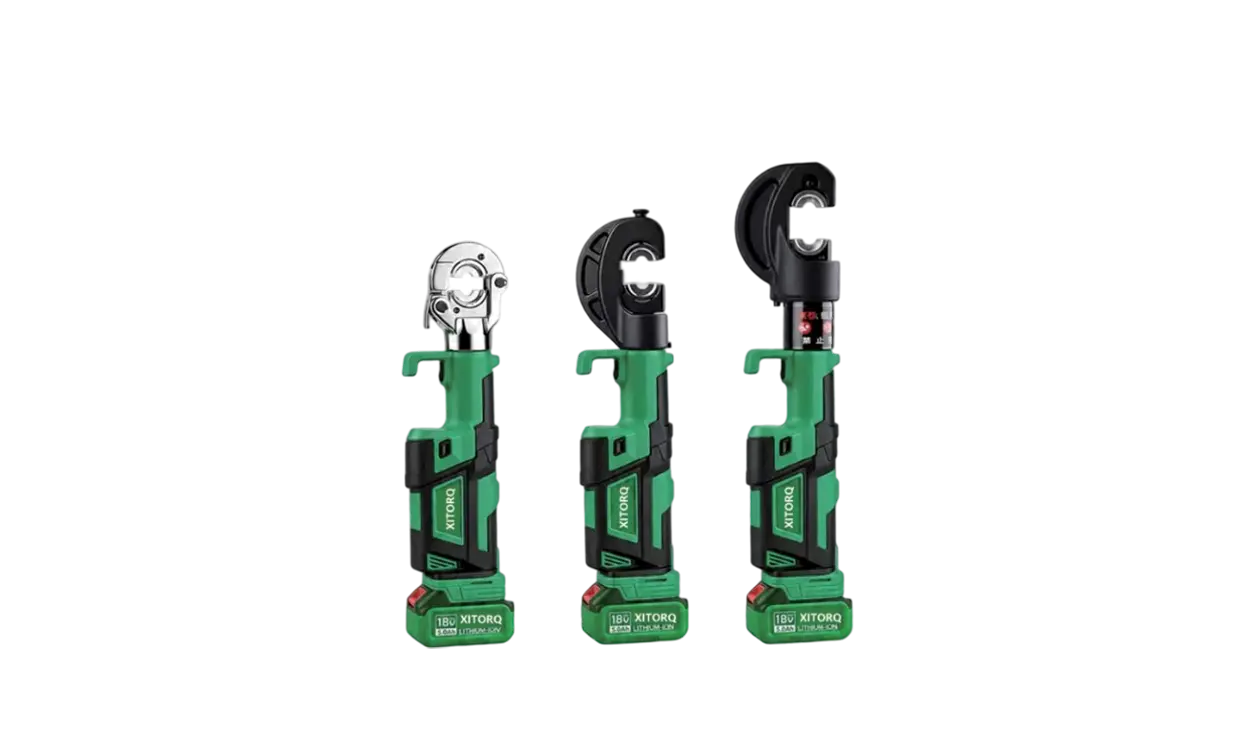
This 18V lithium-ion hydraulic crimping tool is a portable hydraulic tool designed for cable terminal crimping. It features a brushless lithium-ion po...
See Details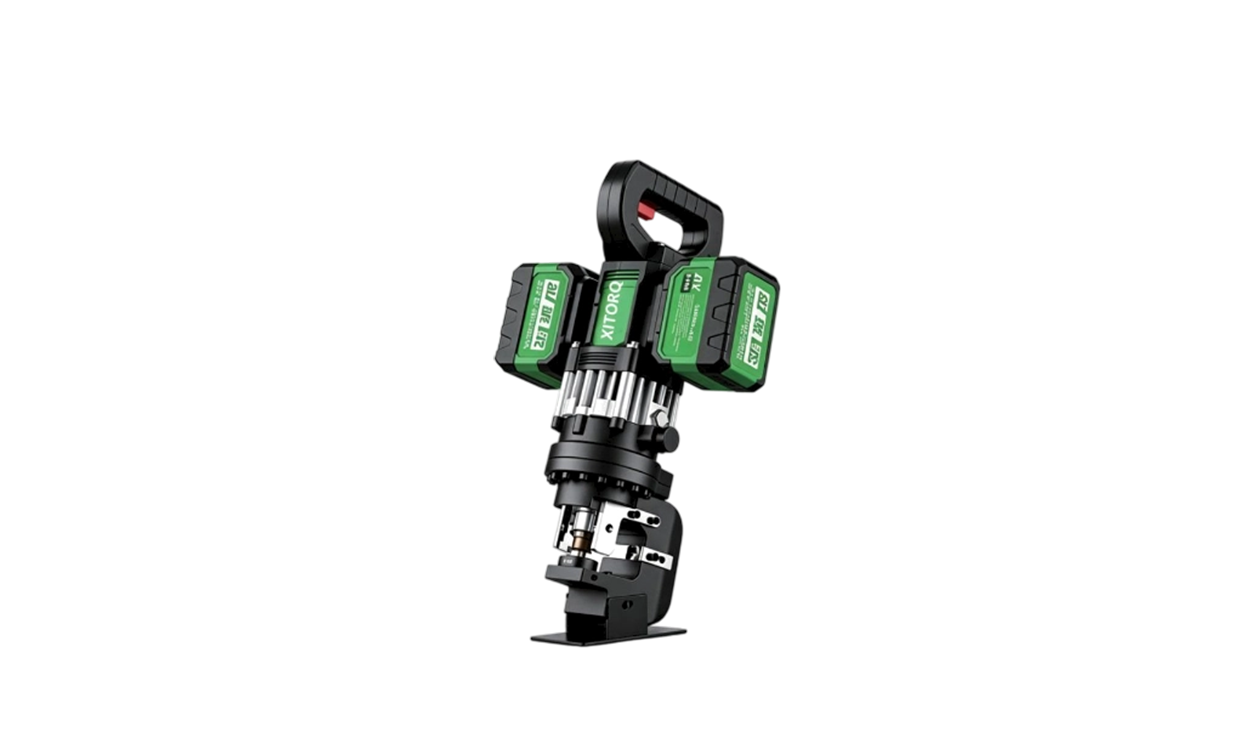
This 21V lithium-ion channel steel hole puncher is a portable hydraulic punching tool designed for punching holes in channel steel, angle steel, steel...
See Details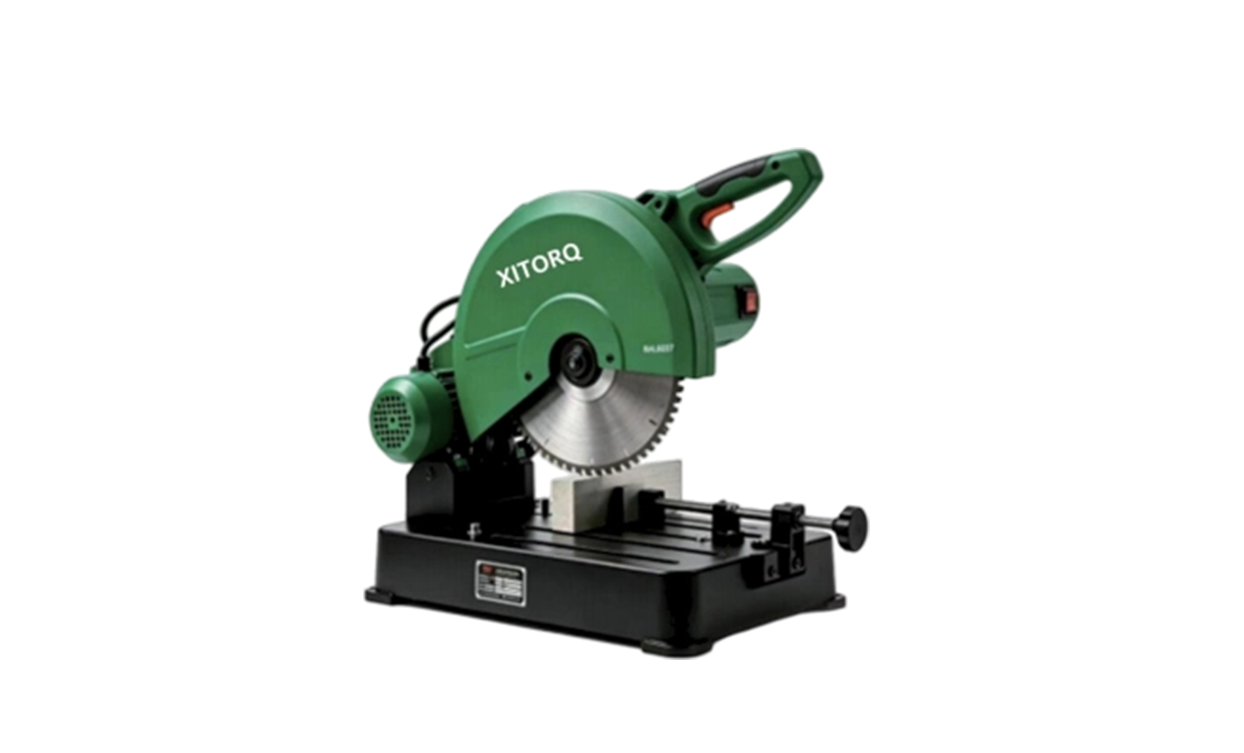
This 220V 14" permanent magnet variable frequency cold saw is an industrial-grade cutting tool designed for metal profile cutting. Featuring a permane...
See Details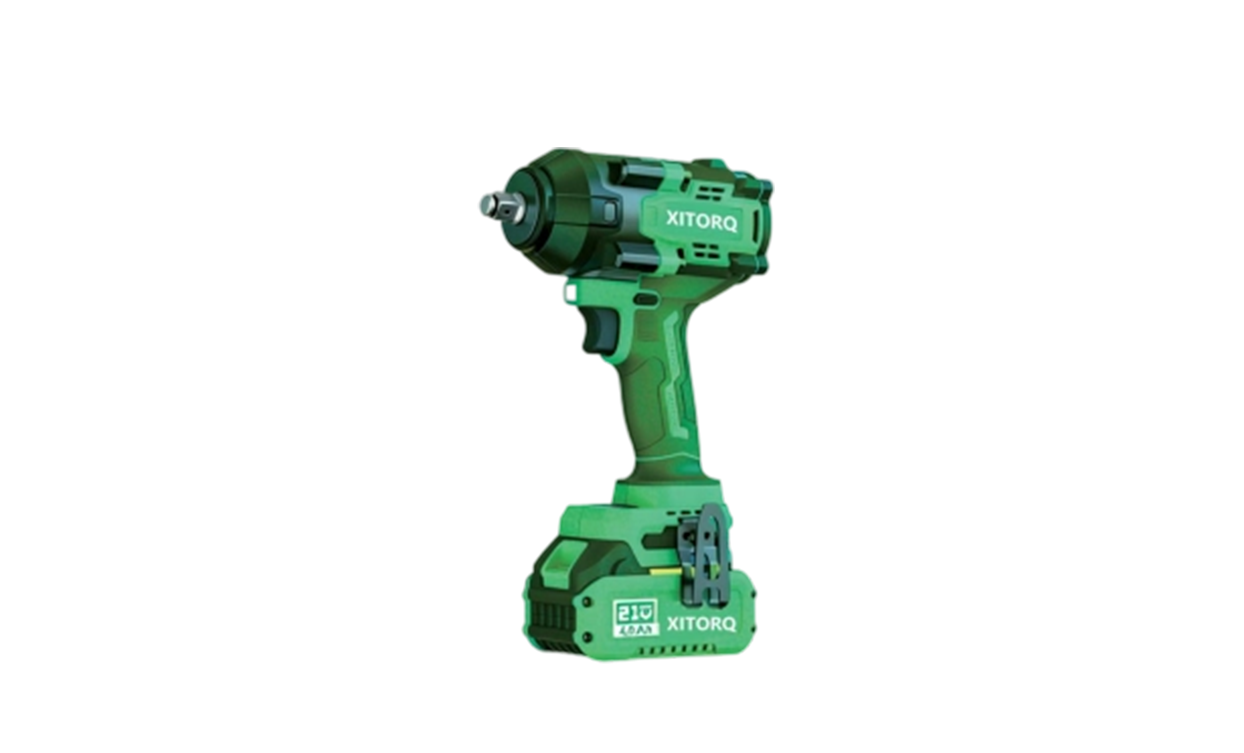
The XJ.570 21V lithium-ion brushless impact wrench is a light industrial-grade tool from the Xiaojia brand. Equipped with a 5220 brushless motor and p...
See Details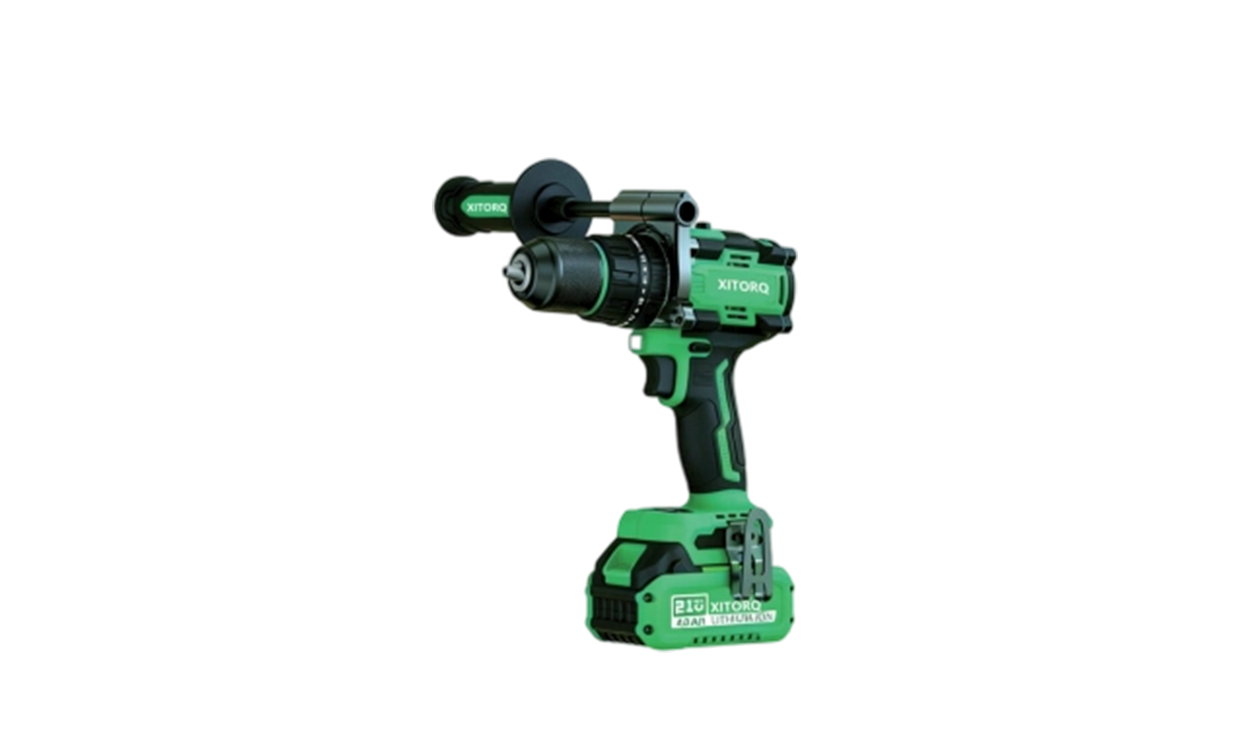
The XJ.617 21V lithium-ion brushless hammer drill/driver is a heavy-duty multi-function drill from the Xiaojia brand. Featuring an upgraded brushless ...
See Details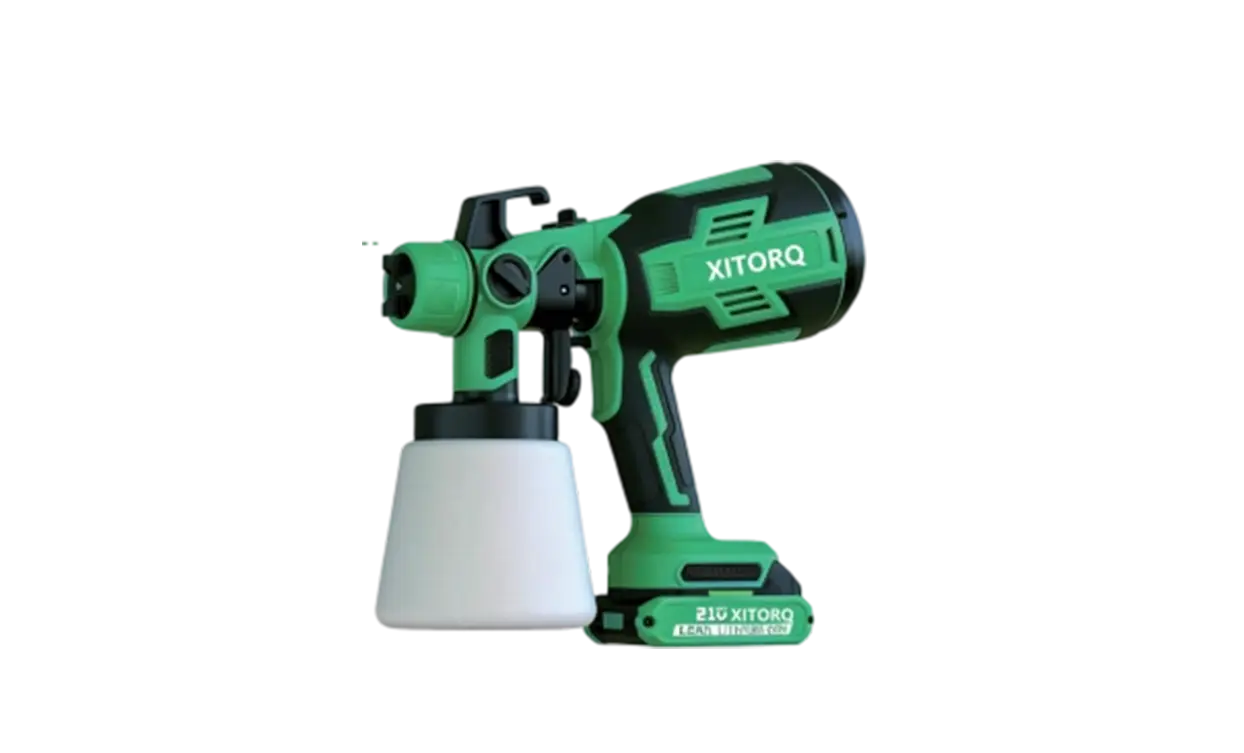
This 21V lithium-ion spray gun (Small Airplane model) is a portable cordless painting tool designed for paint spraying. Powered by a 21V brushless lit...
See Details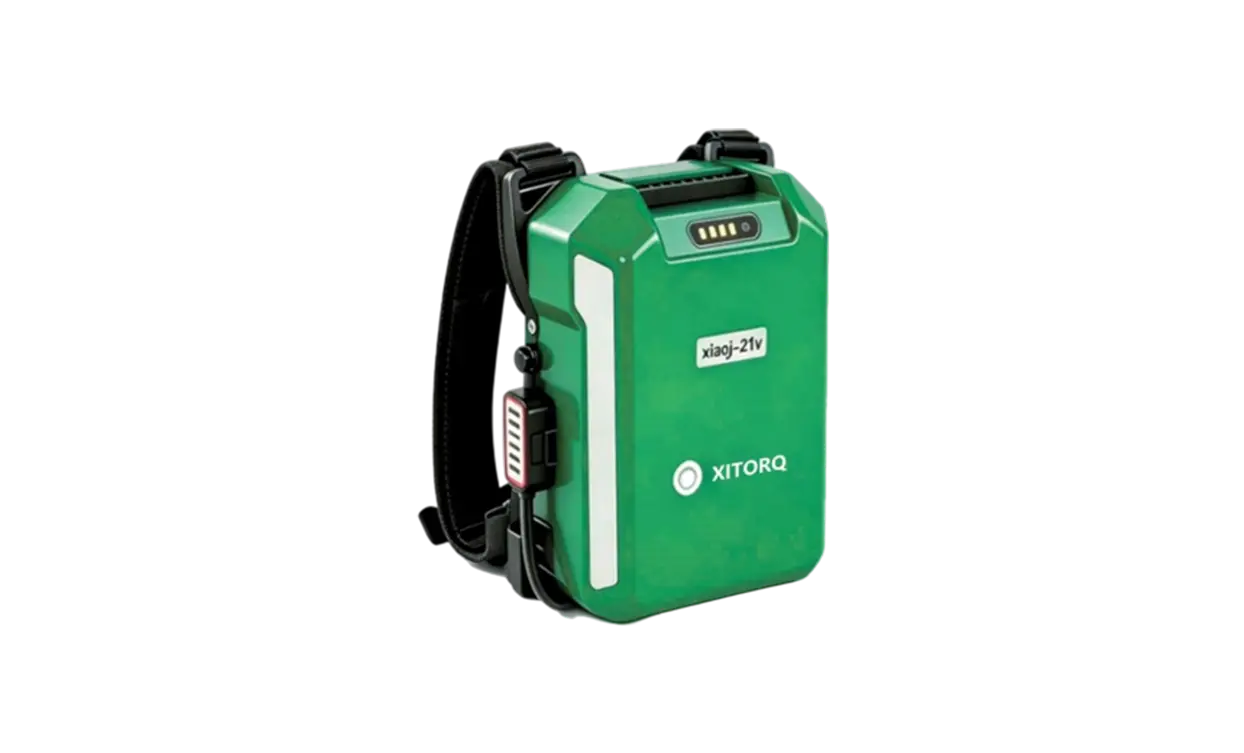
This backpack lithium battery pack is a large-capacity portable power supply designed for extended continuous operation of power tools. Using high-rat...
See Details
Copyright © by Hangzhou Xinabo Intelligent Electromechanical Technology Co., Ltd Rights Reserved. Pipe Threaders Manufacturers