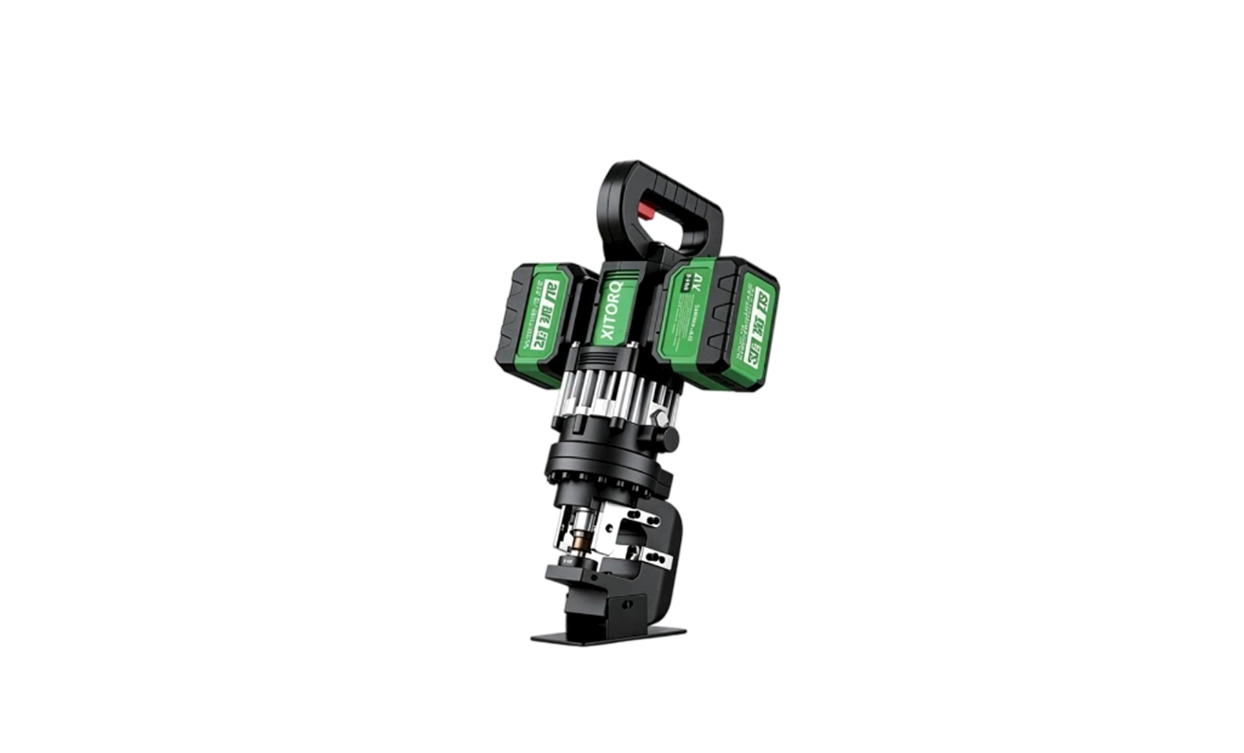
Hangzhou Xinabo Intelligent Electromechanical Technology Co., Ltd manufactures cordless hydraulic punching tools and intelligent pipe processing equipment for engineering construction. Our Lithium-Ion Hole Puncher manufacturer range moves the punching stage of pipeline connection work onto a battery platform, so bracket holes, hanger holes, tray entries and structural connection holes are produced directly on the profile, on site, without a cable run or a bench press.
Where Cordless Punching Sits in a Pipeline Connection Sequence
As a Engineering Construction Pipeline Connection Solutions manufacturer, we match product configuration to the application, operating limits, interfaces and acceptance criteria defined for each project.
A pipeline connection sequence begins before the first thread is cut. Supports, hangers, brackets, cable trays and electrical enclosures all need holes that align with the structure and with each other, and those holes are usually made after the pipe route is set out. Carrying a corded press or a drilling template along a riser stack costs time that the threading and tightening stages cannot recover.
Our cordless punchers are used across fire protection engineering, building services installation, steel structure fabrication, curtain wall framing and cable tray construction. They punch channel steel, angle steel, steel plate, stainless steel sheet and enclosure panels, which keeps support fabrication and panel preparation in the same workflow as pipe cutting, threading and tightening.
Our Lithium-Ion Hole Puncher Range
The range is built on a 21V brushless lithium-ion hydraulic platform. The current extended-body model is specified for continuous punching along long channel steel sections, where a compact head cannot reach successive hole positions comfortably.
- 21V Lithium-Ion Hole Puncher (Extended Channel Steel) — 80 kN hydraulic punching force, φ6–φ20 mm punching range, brushless drive, extended body, high-precision positioning scale and interchangeable dies.
- Cordless Power Tools — the shared battery platform covering cutting, grinding, drilling, wrenching and hydraulic cutting tools used alongside the puncher.
- Backpack Lithium Battery Pack — worn on the body to extend working time on overhead and long-run punching tasks.
- Pipe Fabrication & Installation Equipment — cold saws, threading machines, tightening machines, drilling machines and pressure test pumps that complete the connection scope around the puncher.
Application Fit by Profile and Material
| Application |
Profile / Material |
Punching Task |
Configuration Focus |
| Fire protection pipe supports |
Channel steel, angle steel |
Bracket, hanger and clevis holes |
80 kN force, extended body, die set |
| Cable tray and conduit runs |
Galvanized sheet, steel plate |
Tray entries and fixing holes |
φ6–φ20 mm dies, positioning scale |
| Steel structure fabrication |
Channel, angle, plate |
On-site connection holes |
Interchangeable dies, overload protection |
| Curtain wall and façade framing |
Aluminum and steel profiles |
Anchor and fixing holes |
Die clearance, burr control |
| Electrical panel installation |
Mild steel and stainless enclosures |
Cable entry and gland holes |
Die set, punch alignment, access clearance |
Critical Specifications We Confirm Before Build
Punching force alone does not define a cordless puncher. The working point is set by the profile geometry, the material grade and the hole diameter together, and we confirm each of these before a configuration is fixed.
- Hydraulic punching force and the resulting capacity on the specified material thickness
- Punching range and the die diameters required across the hole schedule
- Profile section — web height, flange width and whether the head must reach past a return
- Hole position tolerance and the reference used for the positioning scale
- Battery voltage, capacity and expected holes per charge at the stated working point
- Tool mass and balance for overhead or single-operator use
Dies, Punch Quality and Hole Accuracy
Interchangeable dies allow a size change without dismantling the head, which matters when one bracket run mixes several bolt diameters. The high-precision positioning scale on the extended-body model gives the operator a repeatable reference along the channel, so successive holes stay on the set-out line rather than drifting with each punch.
Die clearance is matched to the material: stainless sheet and aluminum profiles behave differently from mild steel plate, and a correct clearance keeps the hole round and the cut edge clean. We supply die sets as part of the tool configuration and as separate consumables so that worn dies can be replaced without replacing the punch body.
Battery Platform, Charging and Site Logistics
The 21V lithium-ion platform is shared across our cordless tool family, so crews working a pipeline connection package can carry one battery type for punching, cutting, grinding and wrenching. For long overhead runs or full-shift punching, the backpack battery pack moves the weight off the tool and onto the operator's back.
Charging arrangements, the number of batteries per tool and the spare-parts set are agreed at order stage against the shift pattern and the number of punching positions per day.
Safety and Overload Protection
Hydraulic overload protection with automatic pressure relief is built into the punching circuit. When the tool meets material beyond the set working point, pressure is released instead of being transferred into the die or the body, which protects both the tool and the operator.
- Automatic pressure relief at the hydraulic limit
- Cordless operation that removes trailing leads from wet and congested work areas
- Balanced body and defined grip position for controlled two-hand handling
- Die retention that keeps the punch and die aligned during the stroke
Quality Control, Documentation and Acceptance
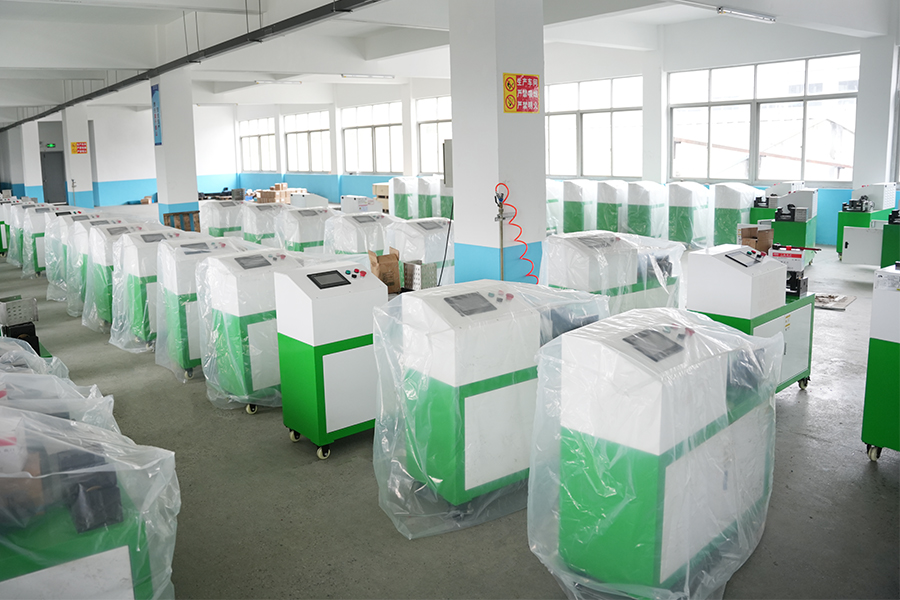
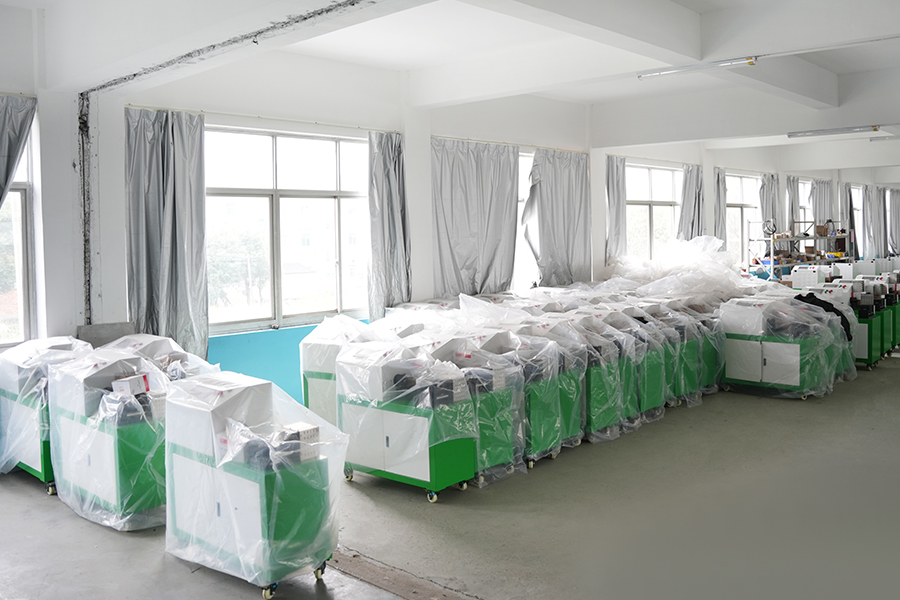
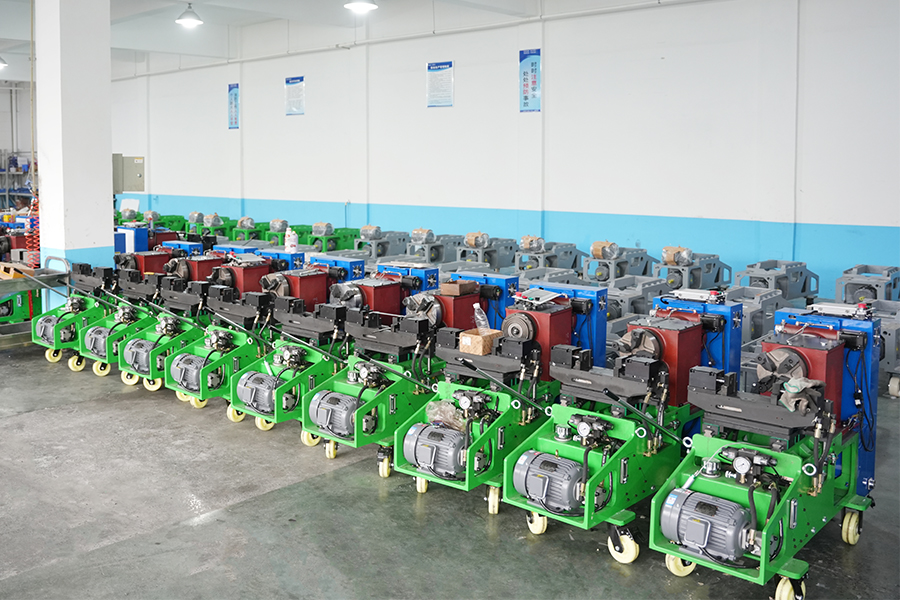
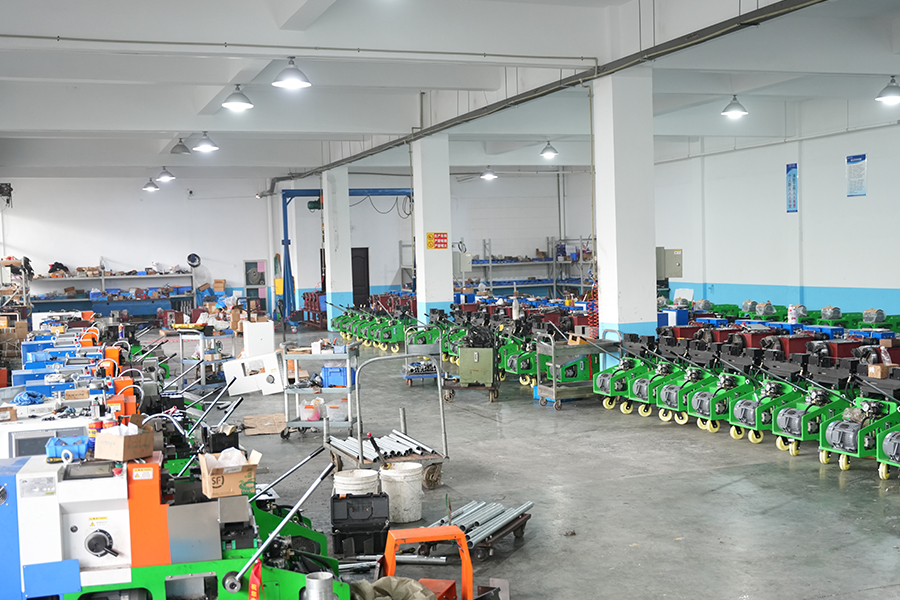
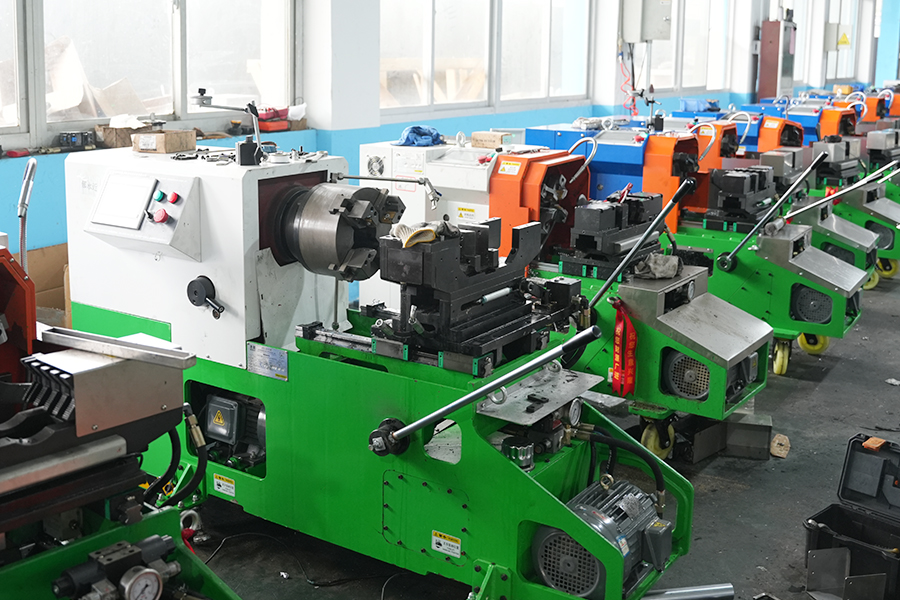
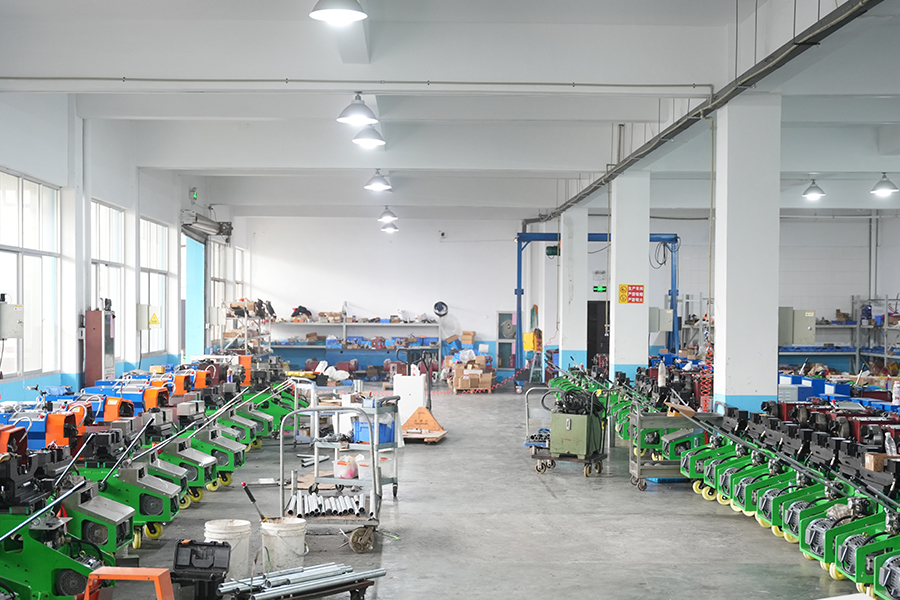
Xinabo operates from a 10,000 m² facility in Xiaoshan, Hangzhou, with in-house assembly and testing of the hydraulic and drive assemblies. Our certification file includes an Attestation of Conformity referencing the Machinery Directive and the Electromagnetic Compatibility Directive, alongside our patent portfolio and National High-Tech Enterprise recognition.
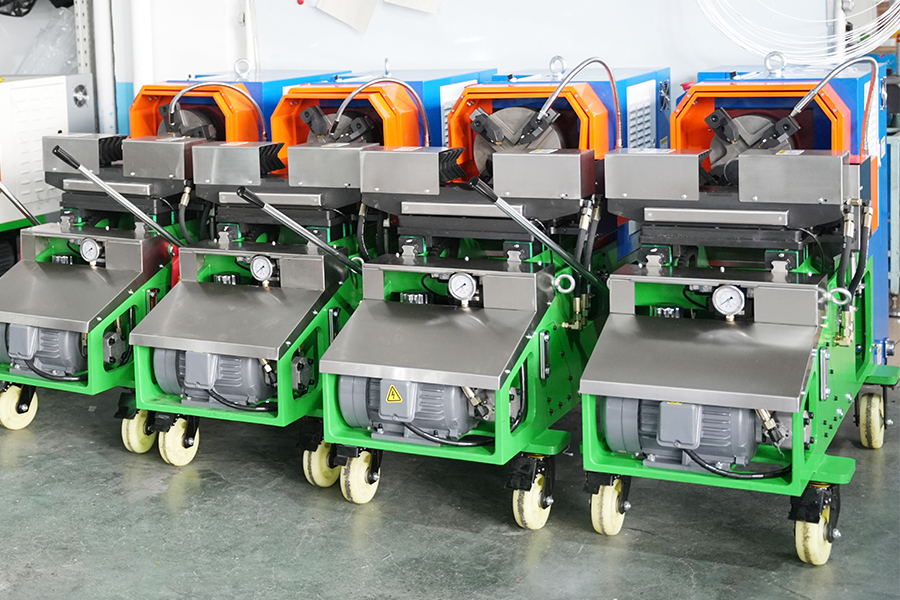
Tools are function-tested before packing, and the delivery scope is confirmed in writing: tool body, die set, battery and charger configuration, tooling case, operating instructions and the spare-parts list. Acceptance criteria for punching force, hole diameter and hole position are agreed against the project specification before shipment.
Information We Use to Configure Your Solution
A quotation is prepared from the working point, not from a catalogue number. The following inputs let us match the tool, the dies and the battery package to the job.
- Profile type and section dimensions — channel, angle, flat plate or enclosure panel
- Material grade and thickness at the punching position
- Hole diameters, tolerances and the full hole schedule
- Holes per shift and whether punching is continuous along a long section
- Access conditions — overhead work, confined plant rooms, outdoor sites
- Battery runtime target and charging facilities available on site
- Documentation, acceptance and delivery-scope requirements
Frequently Asked Questions
What materials and profiles can the 21V lithium-ion hole puncher punch?
The extended channel steel model is designed for channel steel, angle steel, steel plate and other metal profiles, and the wider cordless punching range covers steel sheet, stainless steel sheet and electrical enclosure panels. We confirm capacity against the specific material grade and thickness before the tool is configured.
What force and punching range does the extended channel steel model provide?
It delivers 80 kN of hydraulic punching force with a φ6–φ20 mm punching range on a 21V brushless lithium-ion drive. The extended body is intended for continuous punching along long channel steel sections where a short head cannot reach successive positions.
How are die changes handled on site?
Dies are interchangeable, so a size change is made at the head without dismantling the tool. Die sets are supplied with the tool and as separate consumables, and we match die clearance to the material being punched.
What happens if the tool is pushed beyond its working point?
Hydraulic overload protection releases pressure automatically. This prevents damage to the dies and the tool body when the material is harder or thicker than the set condition, and it keeps the tool available for the rest of the shift.
Can the puncher run from the backpack battery pack?
Yes. The backpack lithium battery pack is part of the same cordless platform and is used where punching continues over a long overhead run or across a full shift. Battery quantity and charging arrangement are agreed at order stage.
What do you need from us to prepare a configuration and quotation?
Send the profile type and section, material grade and thickness, hole diameters and hole schedule, the number of holes per shift, access conditions and any documentation or acceptance requirements. With those inputs we specify the tool, die set, battery package and delivery scope, and confirm the working point in writing.

 English
 Español
 عربى