
 English
 Español
 عربى


Frequency Conversion Metal Cold Cutting Saw
1. Next generation performance, delivering over 3,500 precise cuts with every blade 2. Intelligent Motor Technology 3. Precision Shadow Line Guide 4. ...
See Details
Content
A crew fitting out a cold-storage warehouse has 60 lengths of 1-1/4 in. galvanized rigid conduit to cut, ream and thread before a single hanger goes up. With a ratchet threader on a tripod stand that is roughly two minutes of cranking per end, plus setup and oil. With a machine that chucks the pipe and feeds an oil-flooded die head, the same end takes closer to 15 seconds. The distance between those two numbers is the whole argument for choosing the right conduit threader, and the reason the decision deserves more thought than a glance at a catalogue page.
That definition hides the parts that actually matter on site: which sizes the tool covers, whether the die head holds a true 1:16 taper through the hundredth cut, how the pipe is supported, and where the chips and cutting oil end up. The sections below follow the order a foreman or buyer usually meets those questions.
A conduit threader cuts the same NPT profile used on steel pipe, which is why a rigid coupling spins on by hand and then pulls up tight with one or two wrench turns.
Three details decide whether that happens: the taper, the thread count and the thread length. NPT is a tapered thread at 1:16, about 1.79 degrees per side, so the joint tightens as it engages and the taper itself does most of the sealing. Thread count changes with trade size, which is why one die head covers a range of sizes and a second head covers the rest.
| Conduit trade size | Threads per inch | Typical die head group |
| 1/2 in. | 14 | 1/2 to 1 in. |
| 3/4 in. | 14 | 1/2 to 1 in. |
| 1 in. | 11.5 | 1/2 to 1 in. |
| 1-1/4 in. | 11.5 | 1-1/4 to 2 in. |
| 1-1/2 in. | 11.5 | 1-1/4 to 2 in. |
| 2 in. | 11.5 | 1-1/4 to 2 in. |
| 2-1/2 in. | 8 | 2-1/2 to 4 in. |
| 3 in. | 8 | 2-1/2 to 4 in. |
| 4 in. | 8 | 2-1/2 to 4 in. |
Thread length matters as much as pitch. A coupling should run up by hand for most of its length and finish with a wrench; a thread cut too long bottoms out before the joint is tight, and one cut too short leaves the coupling short of full engagement.
Pick the tool by counting threads per shift rather than by the largest size on the drawings: a hand ratchet threader makes sense up to about 1-1/4 in. and a dozen ends a day, while a machine wins as soon as a job passes 1-1/2 in. or thirty ends a shift.
A power drive sits between the two: it spins a hand-style die head from a drill or dedicated motor, which removes the cranking but leaves clamping, oiling and chip control with the operator. That is a good compromise on service work where the pipe is already fixed in place and cannot come to a machine.
 SQ65 2.5-Inch Dual-Speed Electric Pipe Threading MachineFor service work on fixed pipe, this 15–65 mm dual-speed machine includes three die sets and supports BSPT/NPT threading.View Product →
A thread passes when it is fully formed, tapered at 1:16, free of torn or folded crests, and long enough to let the coupling engage its full designed length.
Three checks cover almost every failure seen in the field, and all three take less than a minute per end.
Code language adds a fourth check: the NEC requires threads on rigid metal conduit to be cut to standard tapered dimensions, so a coupling made to the standard thread form will fit. Mixed jobs that combine imported valves with domestic couplings are where confusion usually starts, and the differences between NPT, BSPT and BSPP are set out in this thread type and size guide that is worth keeping in the truck.
Compare four numbers before you compare price: the size range, the spindle speed, the die head changeover time and the machine weight with a full oil reservoir.
A machine that spans 1/2 to 4 in. handles the overwhelming majority of building work, and a dual-speed gearbox matters more than raw horsepower because large dies want torque, not RPM. Changeover time is the number buyers forget to time: a head that swaps in ten seconds saves more of a shift than a slightly faster spindle.
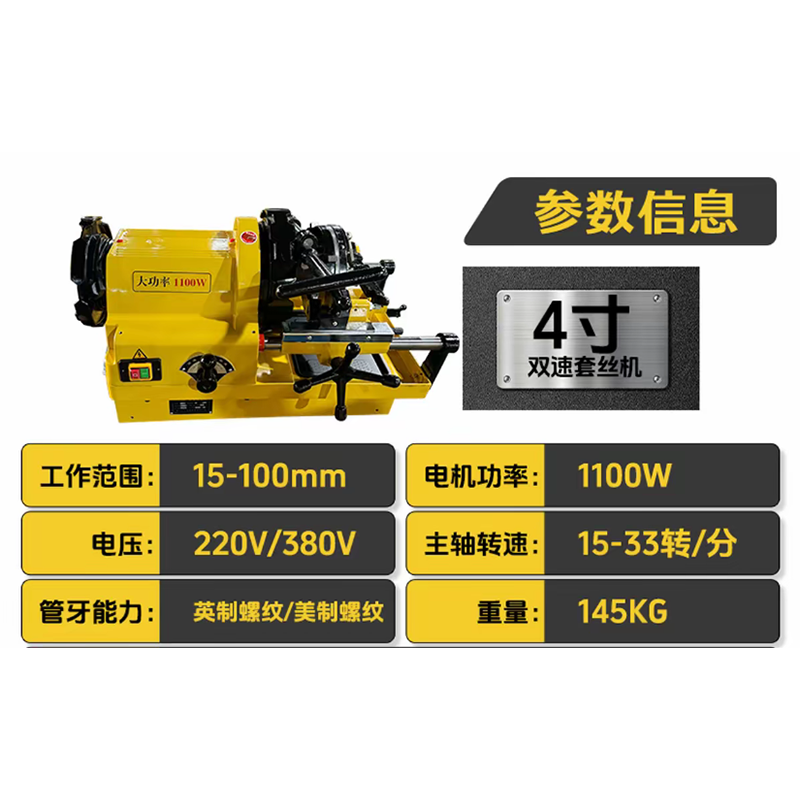 SQ100 4-Inch Dual-Speed Electric Pipe Threading MachineA 1/2–4 in. dual-speed option with three die sets, suited to building and industrial pipe work where range and stable threading matter.View Product →
On high-volume fabrication, the two slowest steps are chucking the pipe and getting oil to the die. An intelligent threading machine with automated clamping and controlled oil delivery attacks both, and the time saved per end is what usually justifies the capital cost on a multi-month project.
Thread finish is decided by the die and the oil far more than by motor power, and both are cheap to control.
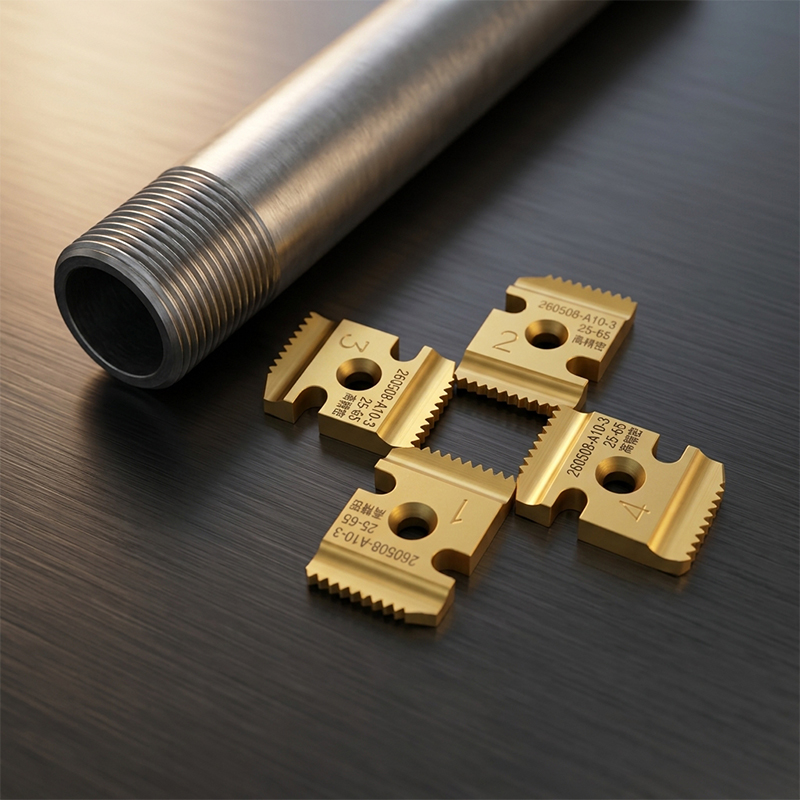 Double-Edged Threading Dies for Intelligent Threading MachinesWhen thread finish depends on the die, this four-piece replacement set offers dual-edge cutting and BSPT, NPT and metric options.View Product →
No. EMT is joined with set-screw or compression fittings because its wall is too thin to hold a tapered thread. Forcing a die onto EMT collapses the end and ruins both the pipe and the fitting seat.
Standard tapered NPT with a 1:16 taper. Couplings, bushings and connectors made to the standard thread form will run onto a correctly cut thread by hand and pull up with one or two wrench turns.
Long enough for the coupling to run up by hand for most of its length and finish with a wrench. Threads cut longer than the coupling can swallow will bottom out and leave the joint loose.
Yes. Oil cools the die, flushes chips and controls the surface finish. Dry cutting shortens die life sharply, produces torn crests and makes thread dimensions drift as the die heats up.
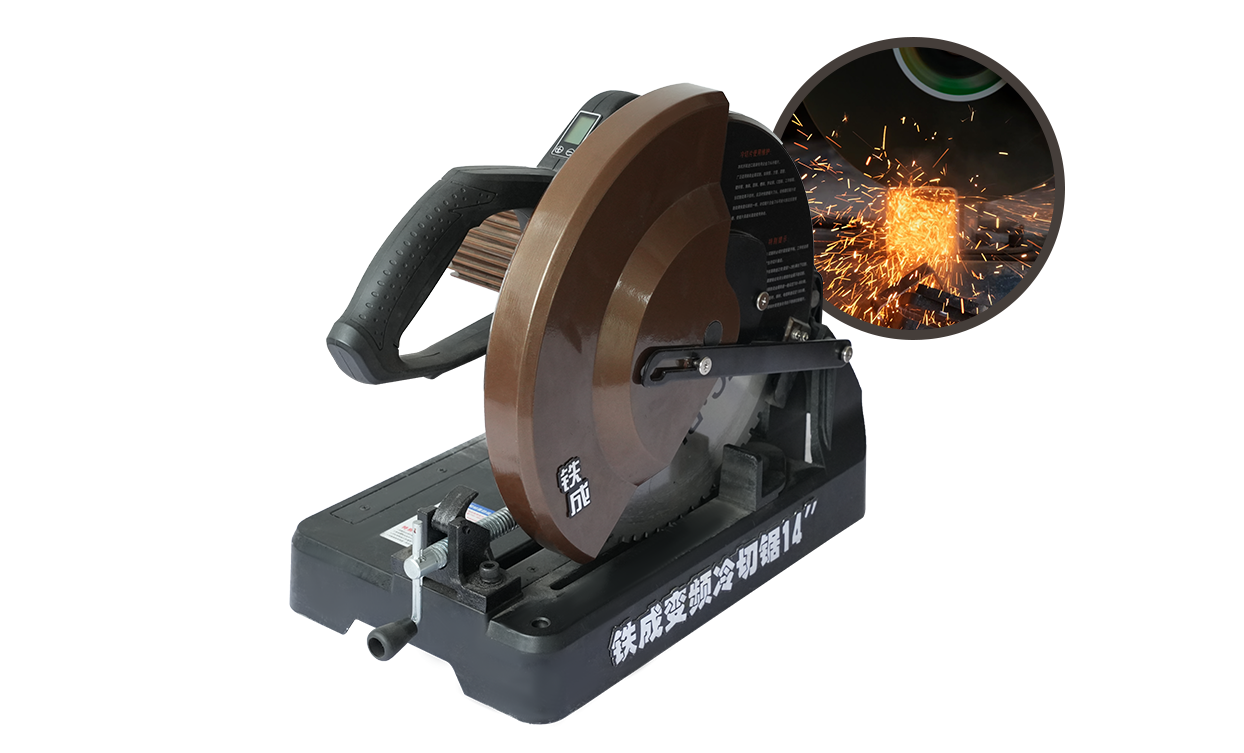
1. Next generation performance, delivering over 3,500 precise cuts with every blade 2. Intelligent Motor Technology 3. Precision Shadow Line Guide 4. ...
See Details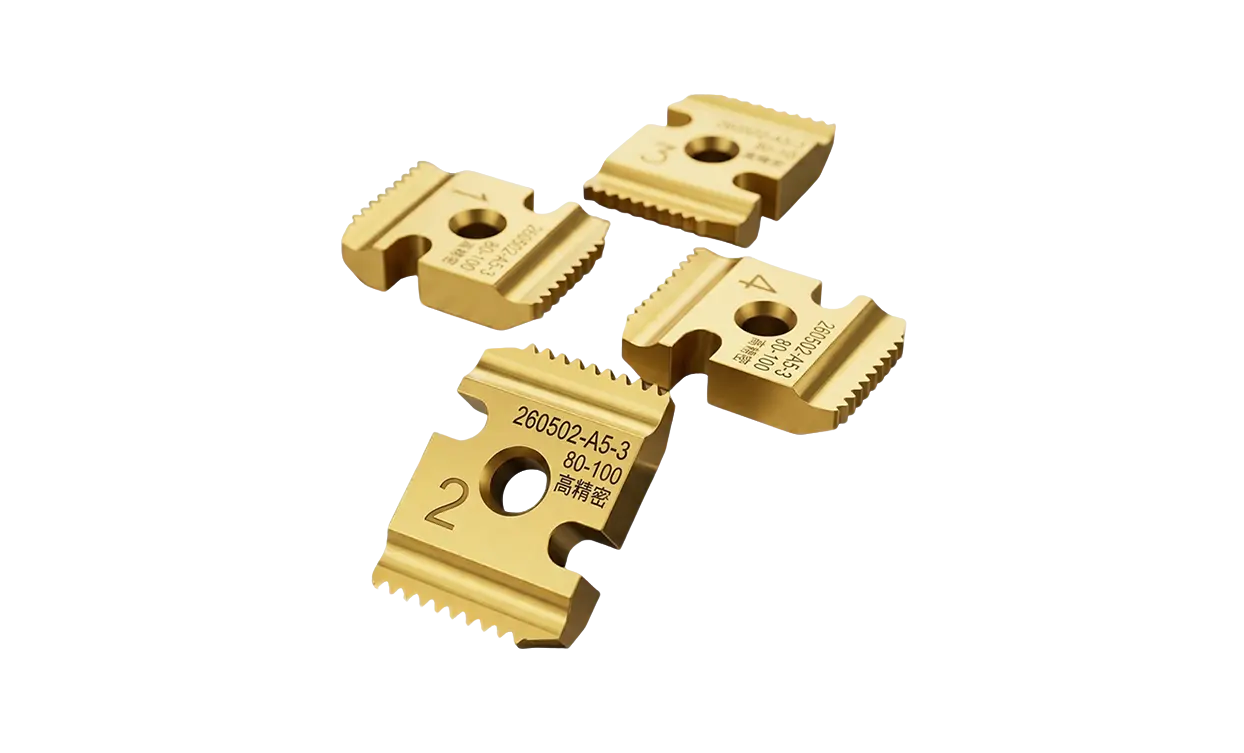
Specialized Compatibility: Exclusively designed for intelligent threading machines, the dies feature a high precision-machined structure that perfectl...
See Details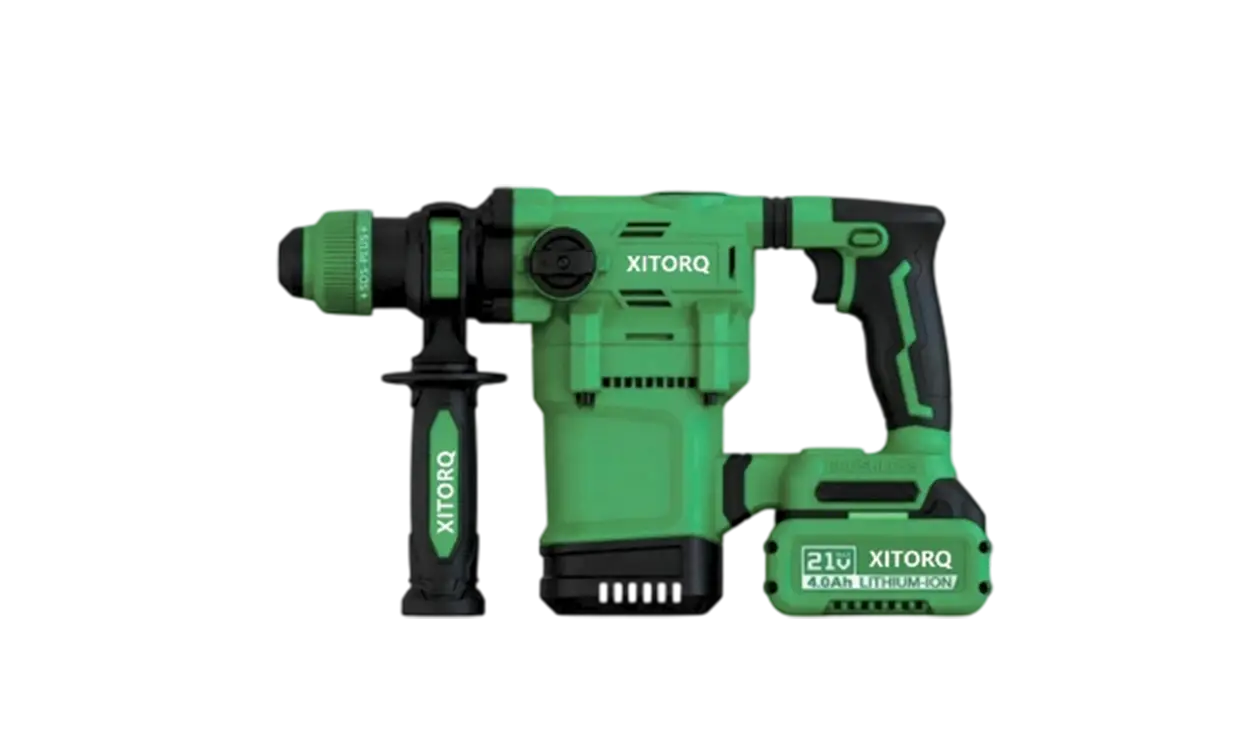
This 21V lithium-ion brushless rotary hammer is an industrial-grade tool designed for drilling and chiseling in concrete, stone, and other hard materi...
See Details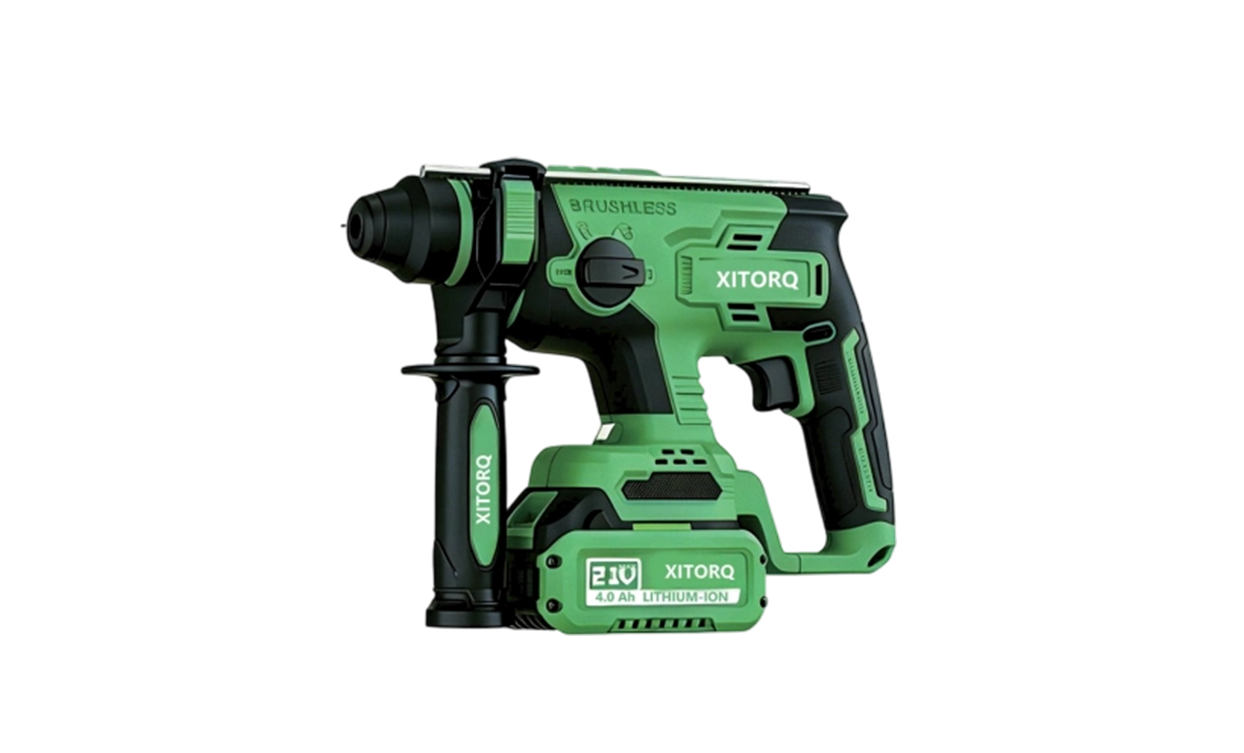
The XJ.709 21V lithium-ion high-magnetic brushless rotary hammer is an industrial-grade hammer from the Xiaojia brand. Equipped with a high-magnetic b...
See Details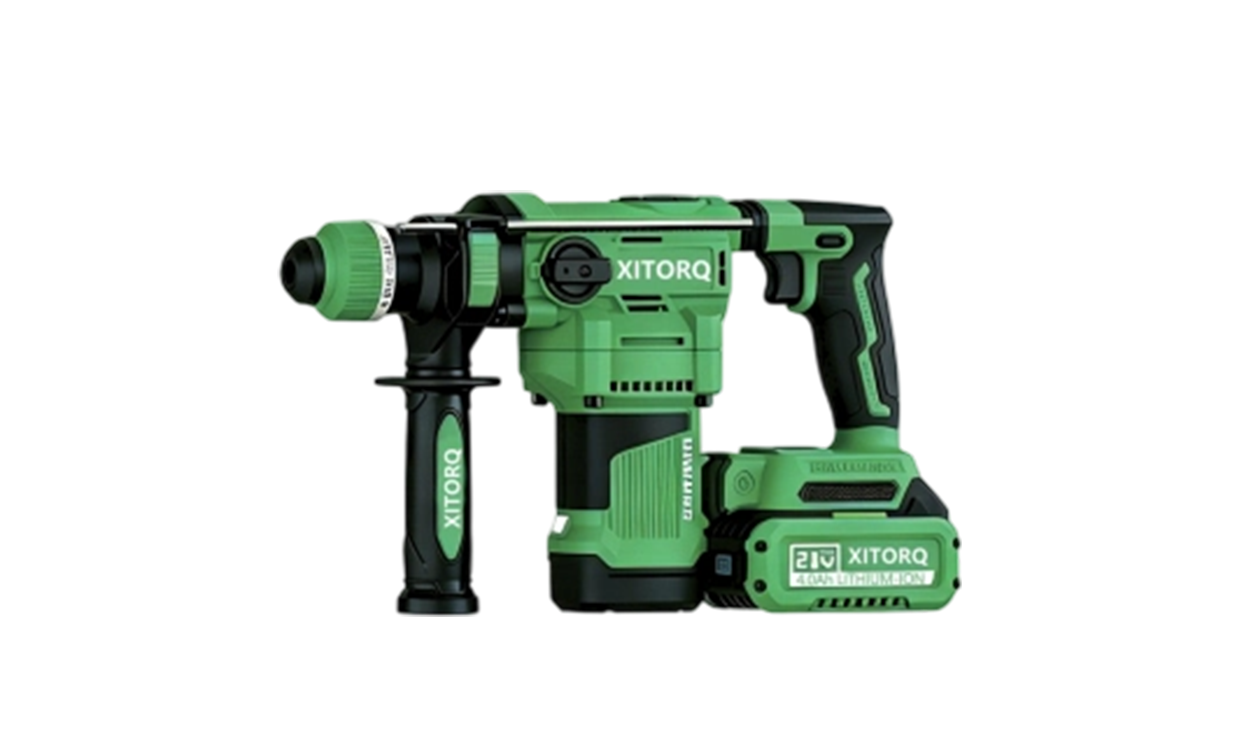
The XJ.728 21V lithium-ion high-magnetic brushless rotary hammer is a heavy-duty industrial-grade hammer from the Xiaojia brand. Featuring an upgraded...
See Details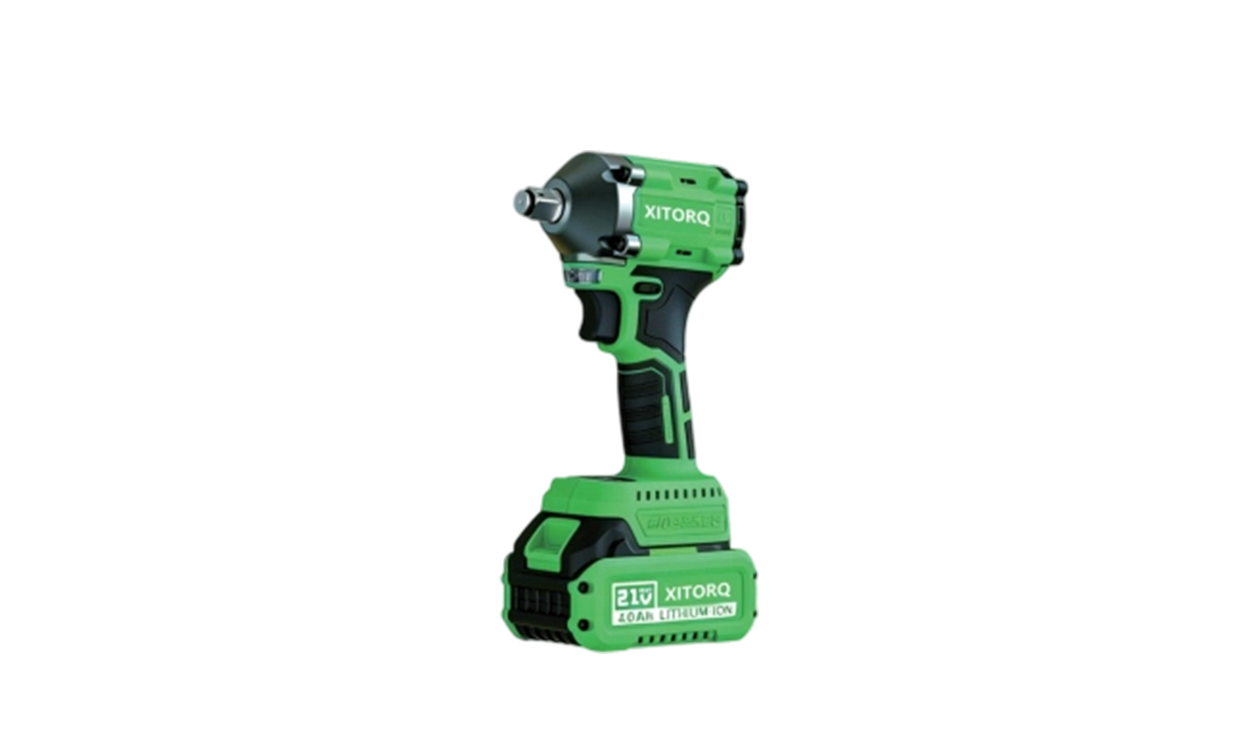
The XJ.533 21V lithium-ion brushless impact wrench is a 21V battery-powered cordless tool from the Xiaojia brand, combining the extended runtime of co...
See Details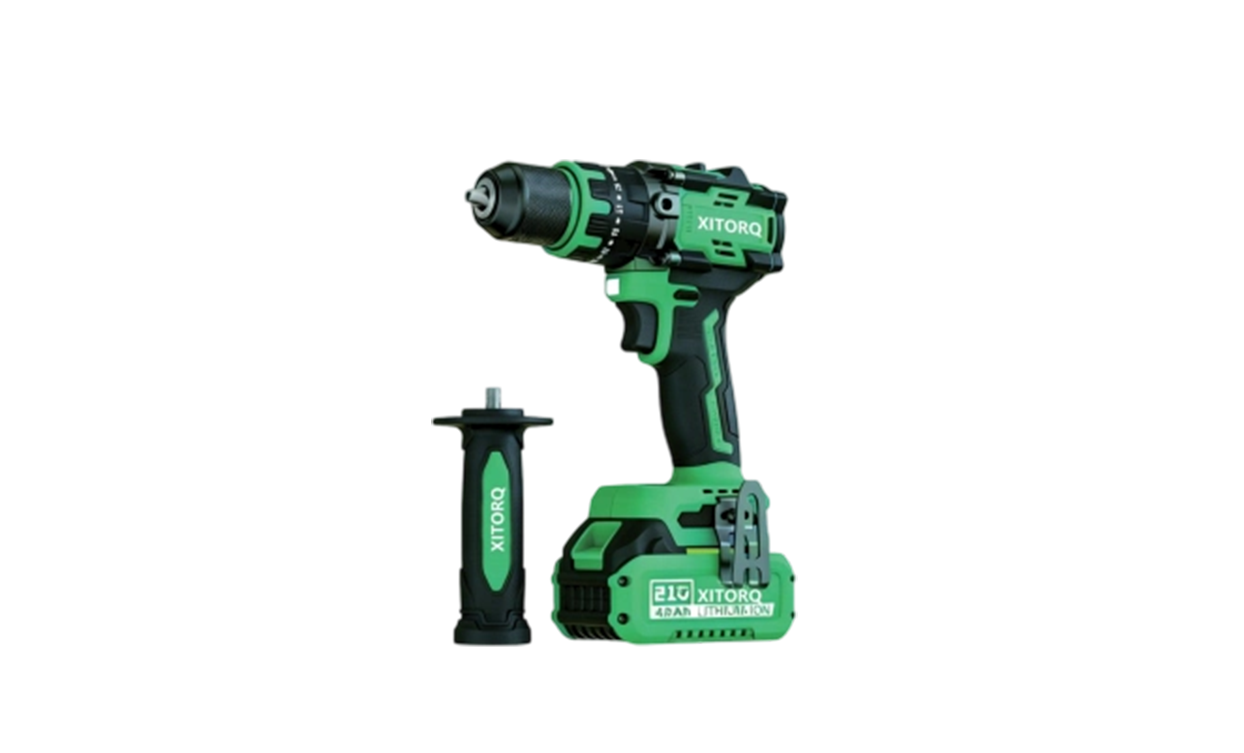
The XJ.608 21V lithium-ion brushless hammer drill/driver is a versatile industrial-grade cordless drill from the Xiaojia brand. Featuring a brushless ...
See Details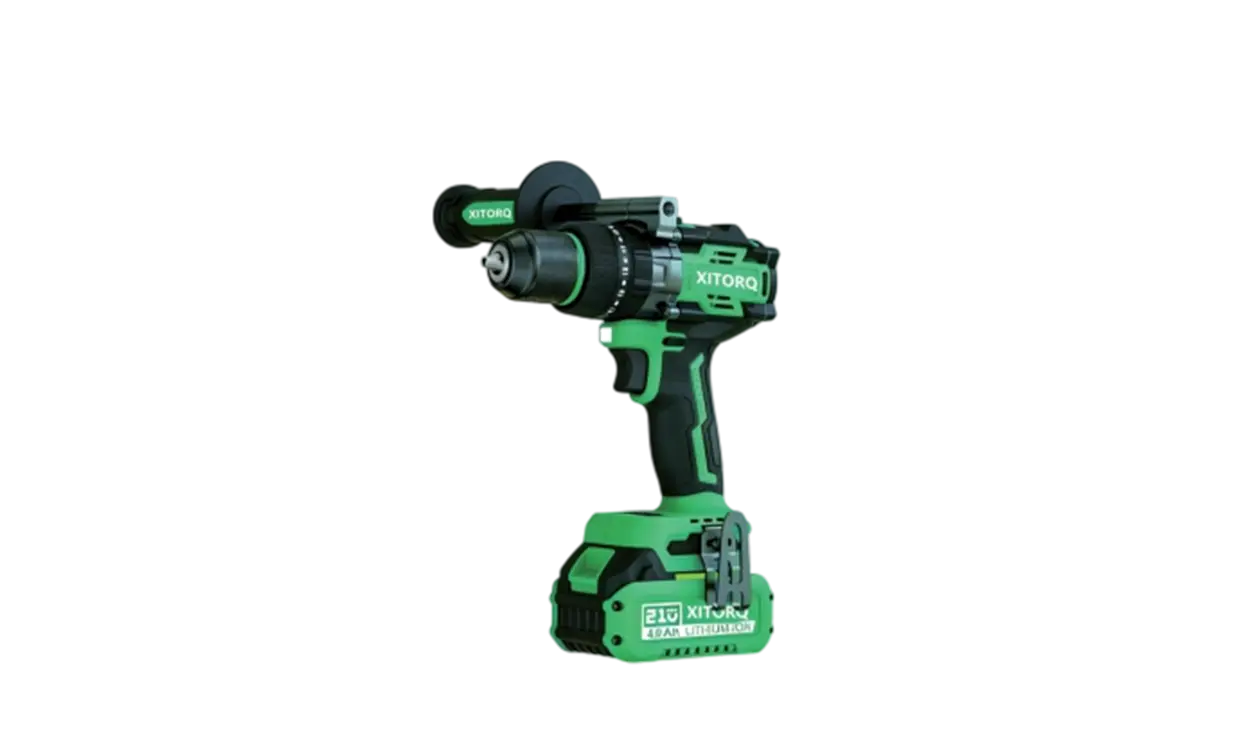
The XJ.615 21V lithium-ion brushless hammer drill/driver is a dual-purpose cordless drill from the Xiaojia brand. Powered by a 21V battery pack for co...
See Details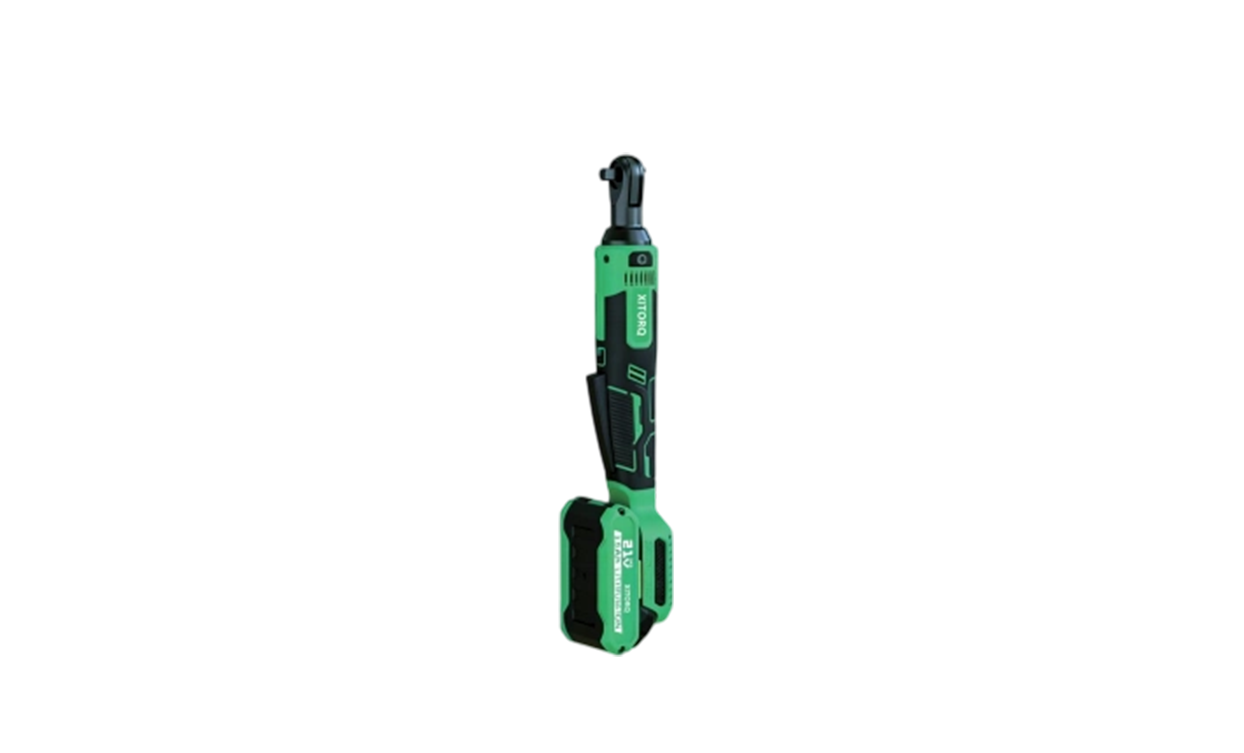
The XJ.592 16V brushless angle ratchet wrench is a compact industrial-grade ratchet from the Xiaojia brand. Equipped with a 16V brushless motor and an...
See Details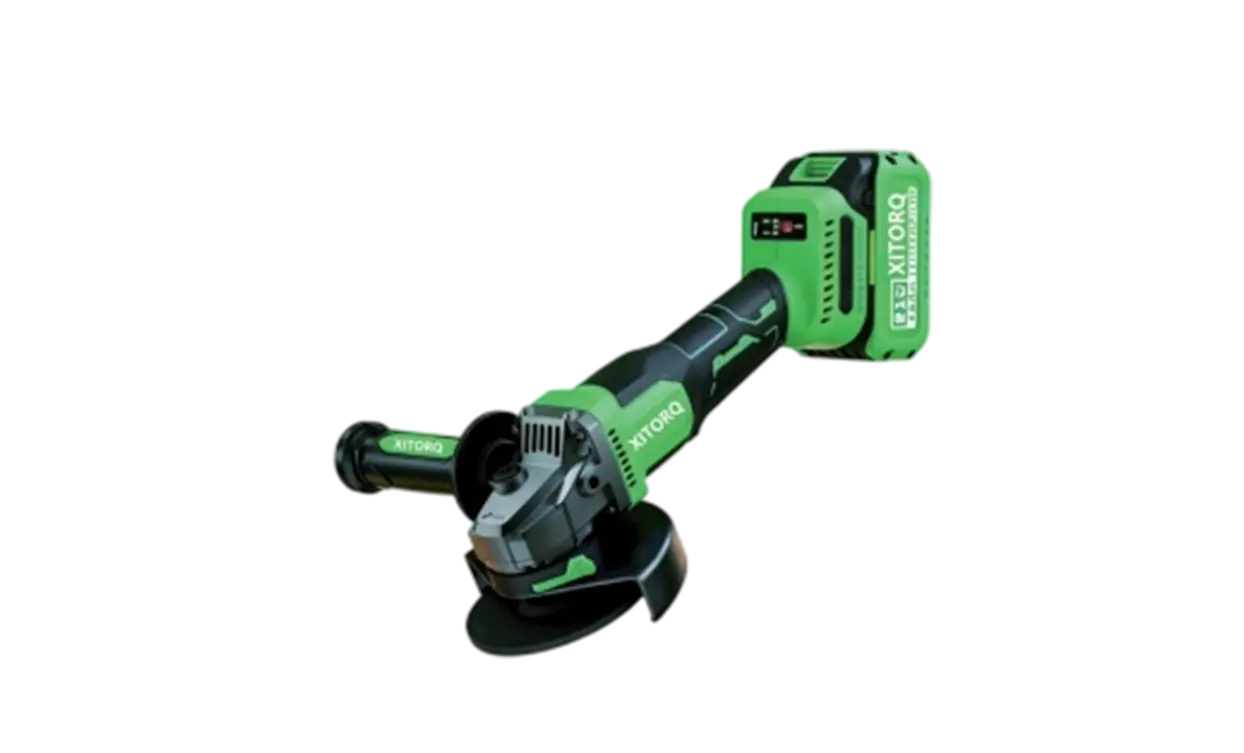
The XJ.918 21V lithium-ion high-magnetic brushless angle grinder is a heavy-duty industrial-grade grinder from the Xiaojia brand. Featuring an upgrade...
See Details
Copyright © by Hangzhou Xinabo Intelligent Electromechanical Technology Co., Ltd Rights Reserved. Pipe Threaders Manufacturers
