 English
 Español
 عربى
عربى


Intelligent Pipe Tightening Machine
1. Intelligent adjustment, electric screwing 2. Save labor and improve efficiency 3. The layout is reasonable, safe and reliable 4. Torque adjustable,...
See Details
Content
A 1/2-inch fitting that spins on smoothly, pulls up tight and still weeps under pressure is one of the most common — and most expensive — problems on a piping job. Usually the wrench is not at fault; the pipeline thread is. It was cut to the wrong standard, cut out of tolerance, or paired with the wrong sealant.
The short version: a pipeline thread is a standardized screw thread cut onto the end of a pipe so the joint carries its own seal. Tapered threads — NPT, NPTF and BSPT — wedge together on their flanks. Parallel threads — BSPP and most metric threads — stay cylindrical and seal against a gasket, O-ring or bonded washer. Match the standard, hold the geometry within tolerance and apply the sealant that standard was designed for, and the joint seals with ordinary wrench effort. Miss any one of the three and no amount of tape will rescue it.
Pipe threads do two jobs at once: they clamp the joint mechanically and they close the leak path. Three characteristics define them:
On a tapered joint the seal forms between the two threads themselves; on a parallel joint it forms at a face. That distinction explains most compatibility trouble below.
Five thread families cover most pipeline work:
The trap is NPT versus BSPT. Both come in a nominal 1/2 inch, both run close to 14 TPI, and a male NPT will start a couple of turns into a BSPT hole — then bind and weep for the life of the joint, because flank angles and pitch diameters never truly match.
| Standard | Marking | Flank angle | Taper | Sealing | Typical use |
|---|---|---|---|---|---|
| NPT | NPT | 60° | 1:16 | Flanks + sealant | N. America fire, HVAC |
| NPTF | Dryseal | 60° | 1:16 | Crest/root interference | Fuel, hydraulics |
| BSPT | R | 55° | 1:16 | Flanks + sealant | Europe/Asia water, gas |
| BSPP | G, Rp | 55° | Parallel | Gasket or O-ring | Equipment ports |
| Metric | M | 60° | Parallel | Compression ring | Instruments |
Nominal size is a label, not a measurement: a 1/2-inch NPT thread measures about 0.840 in (21.3 mm) across the crests, because the designation follows pipe size, not thread size. Three numbers define every size:
Every pipeline thread begins as a die cut, and the workflow barely changes between shop and site: square-cut the pipe (a cold saw leaves the end cool and burr-free), ream the bore, flood the work with cutting oil, run the die head on true, gauge the result. Only the machine changes with volume.
Dual-speed electric threading machines cover the common fire-pipe range on contractor jobs: the SQ65 handles 15-65 mm (1/2-2-1/2 in.) and the SQ100 extends coverage to 100 mm. For repetitive production — a fire-protection shop cutting hundreds of near-identical nipples — intelligent threading machines add automatic clamping, sizing and counting for all-day pitch-diameter consistency. Dies are consumables: as cutting edges wear, the finished pitch diameter grows and joints need extra turns to tighten. Double-edged dies carry two cutting edges per die, about doubling usable life before drift starts.
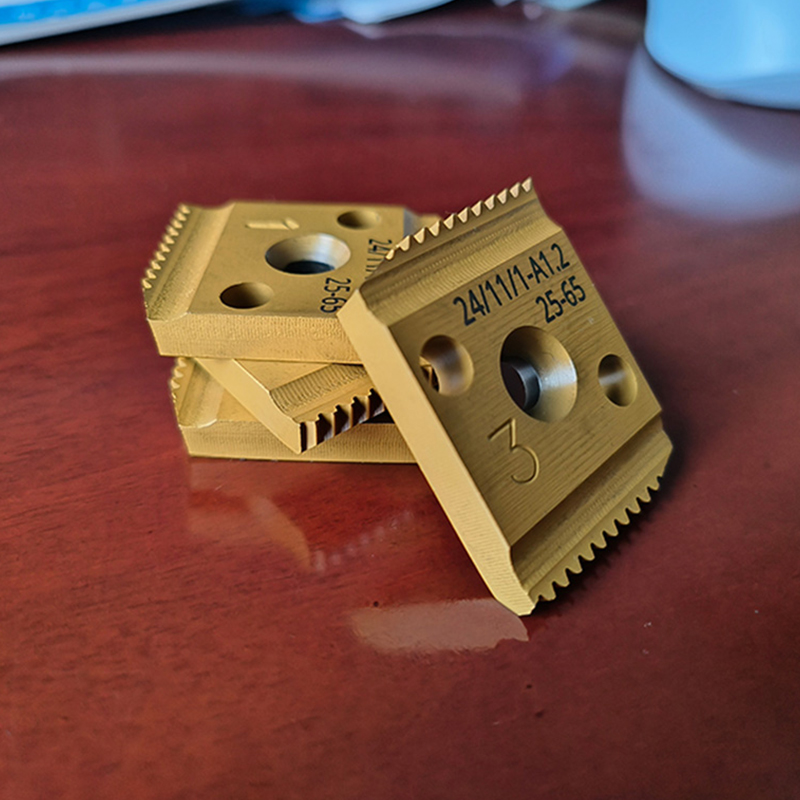 Intelligent Threading Machine for DN15-DN100 PipesThis machine automatically identifies pipe diameter, adjusts tooling, and threads up to 1,500-2,000 pipes per shift across carbon steel, galvanized, stainless, aluminum, and copper pipe. A strong fit for repetitive production where consistent pitch diameter matters all day.View Product →
 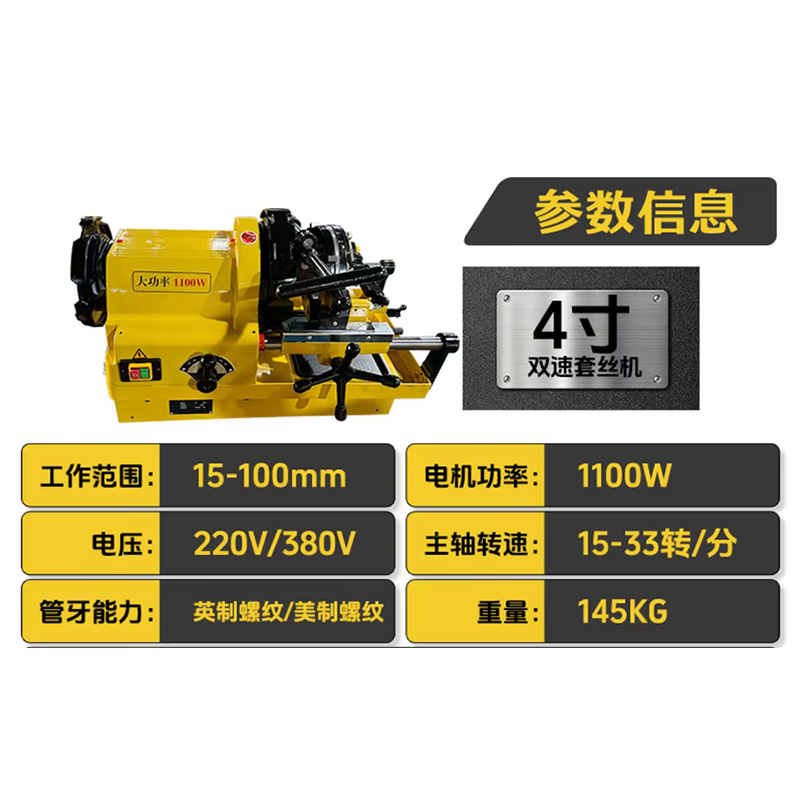 SQ100 Dual-Speed Electric Pipe Threading Machine, 15-100mmCovering 15-100mm (1/2-4 inch) pipe at 15/33 RPM with BSPT and NPT thread support, the SQ100 suits contractor work on larger fire-pipe sizes. It ships with three die sets and a 1100W motor for continuous industrial threading.View Product →
 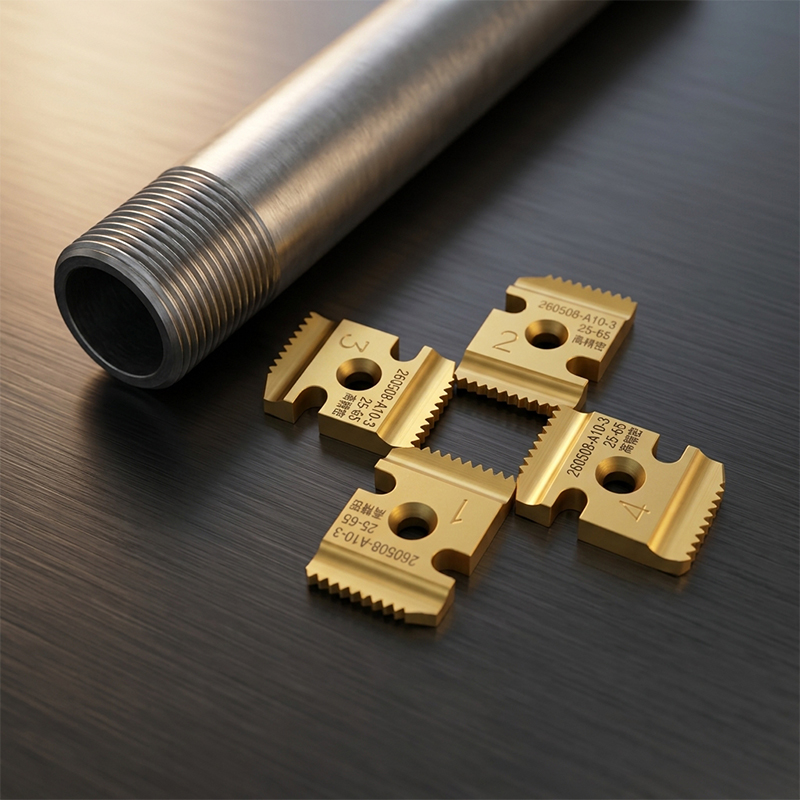 Double-Edged Threading Dies, 4-Piece SetDesigned for intelligent threading machines, these dies carry two cutting edges each to extend usable life before pitch diameter drift begins. The set supports BSPT, NPT, and Metric threads, keeping worn dies from adding extra tightening turns.View Product →
One rule outranks every purchase decision: dies are ground for a specific standard. NPT and BSPT dies share nominal sizes but not flank angles, so a mixed-standard project needs both sets, clearly marked and stored apart. For a first pass through machine options, this guide to pipe threader types, uses and how the machines work is a practical starting point.
Sealing completes the work, and it is standard-specific:
Treat every sealant as a supplement, never a repair. When a joint needs a fist of tape to stop weeping, the geometry is wrong and the pipe should be recut.
Identification takes three measurements and about thirty seconds:
Field shortcut: BSP sizes pair 28/19/14/11 TPI down the range, while NPT pairs 27/18/14/11.5 — a pitch gauge settles the argument in seconds. Then avoid the recurring mistakes:
A pipeline thread succeeds on three checks: the right standard, the right geometry, the right sealant. Before committing to machines or dies, confirm which standards dominate your work — NPT for most North American fire protection, BSPT and BSPP across much of Europe and Asia — match the dies to them, and keep gauges in the shop so quality is measured rather than guessed. To match that to real production volumes, the engineering team at Xinabo, an original pipe-connection solutions maker with nine generations of threading machines, is easy to reach through its contact page.
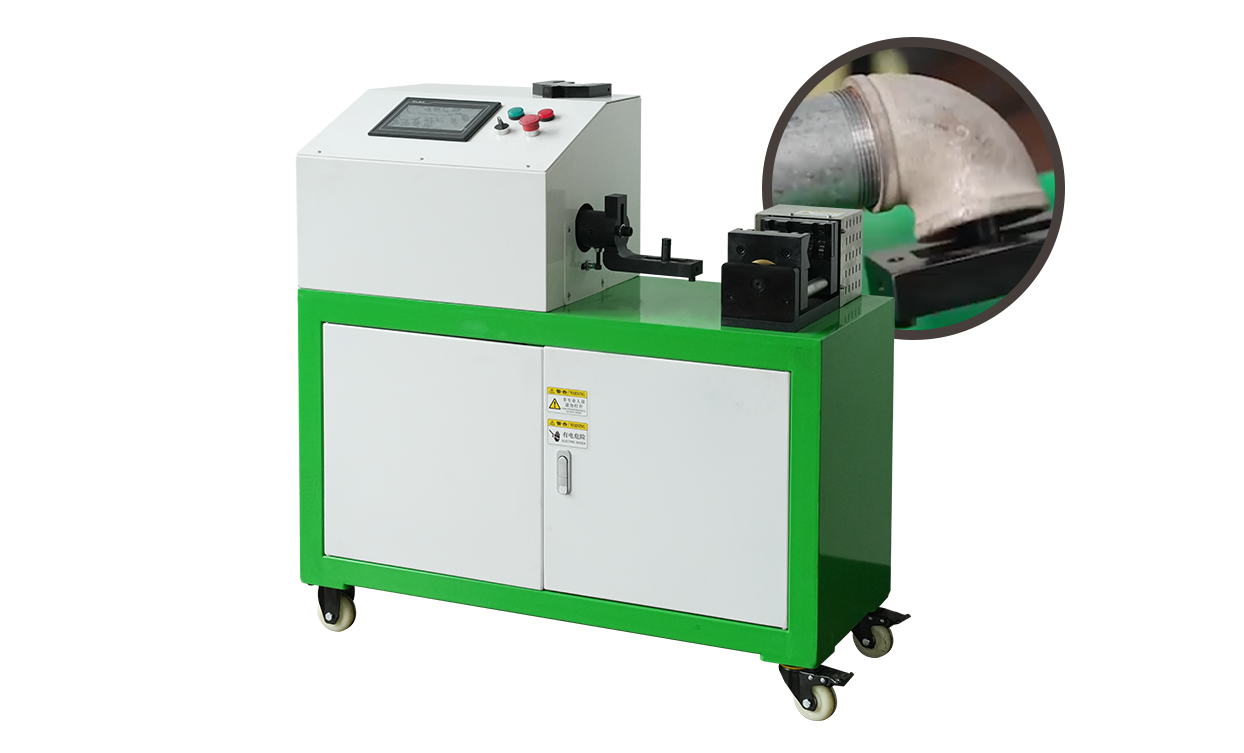
1. Intelligent adjustment, electric screwing 2. Save labor and improve efficiency 3. The layout is reasonable, safe and reliable 4. Torque adjustable,...
See Details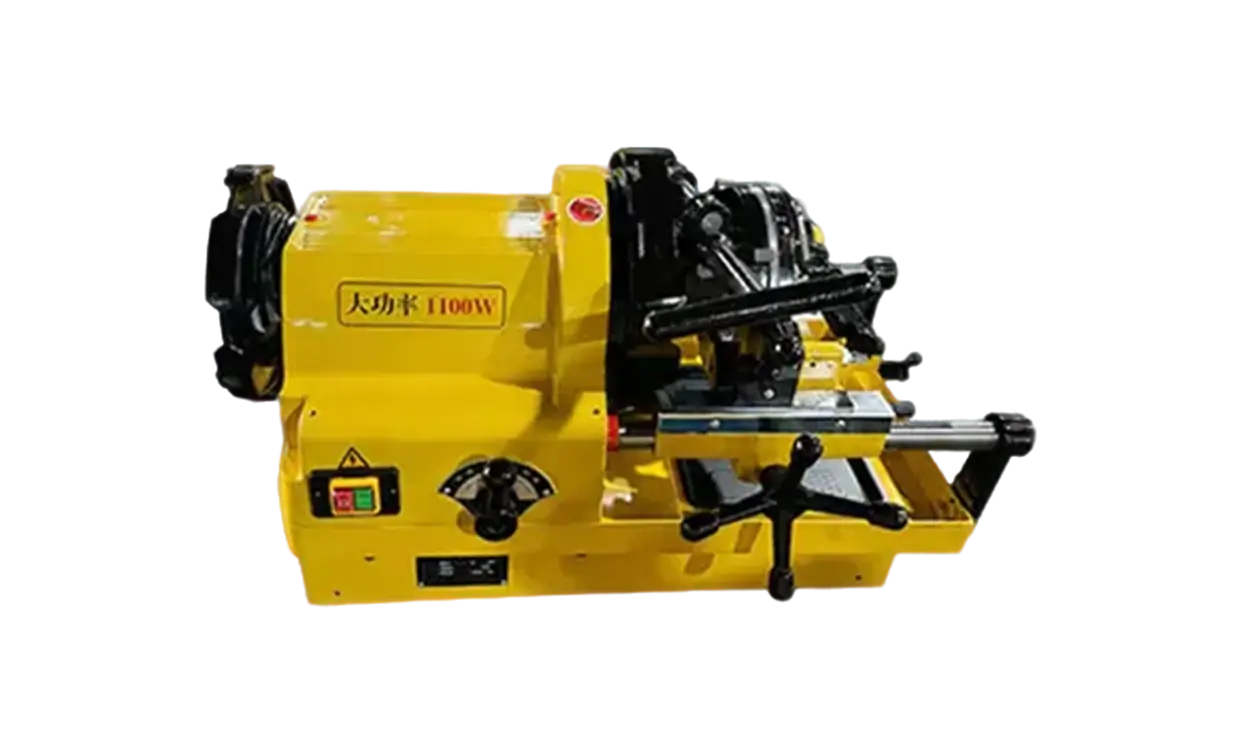
This SQ100 4-inch 15-100mm dual-speed electric pipe threading machine is engineered for precise and efficient pipe threading operations, with a workin...
See Details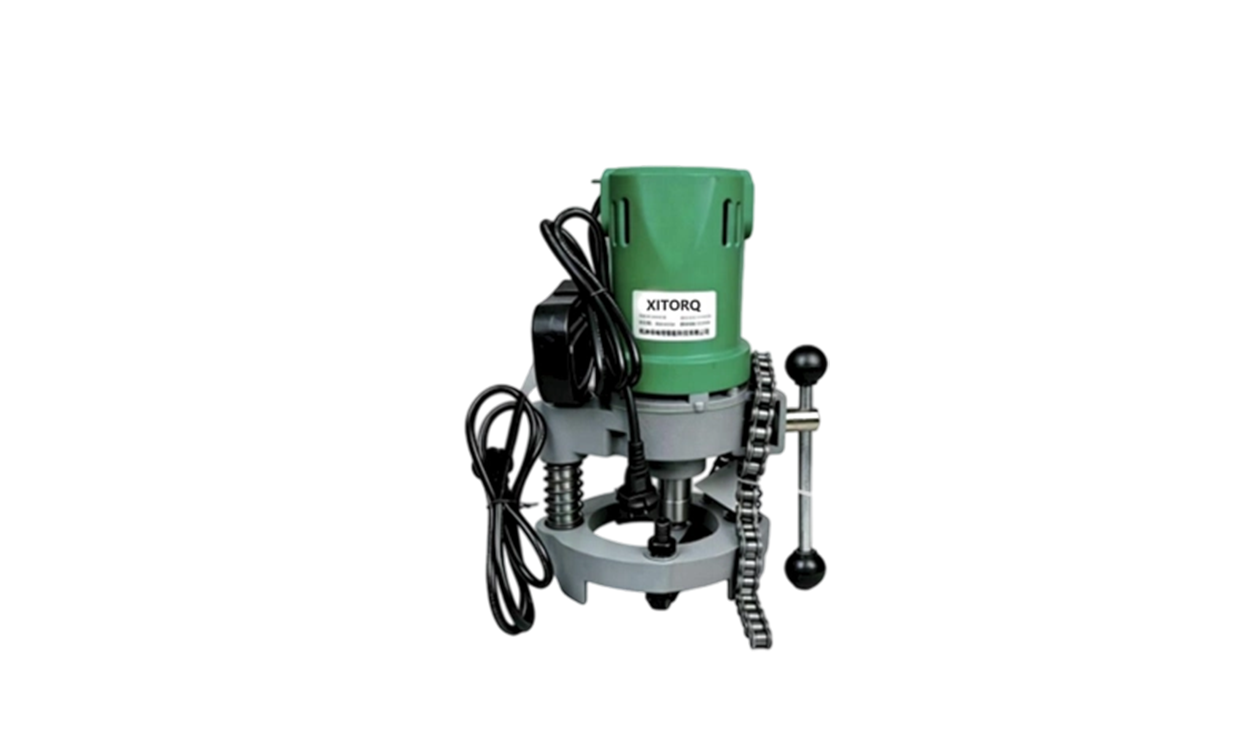
This 220V Fire Pipe Drilling Machine is a professional device designed for hole cutting on fire protection and plumbing pipes. Powered by a 220V indus...
See Details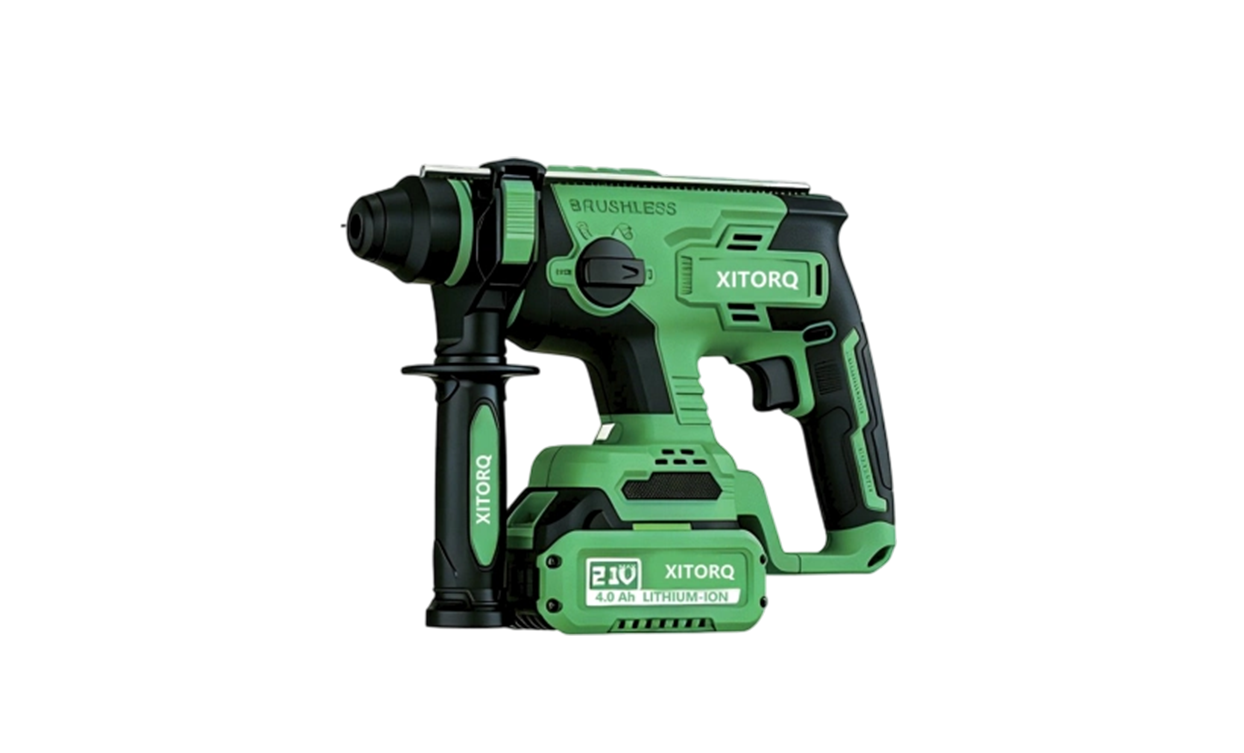
The XJ.709 21V lithium-ion high-magnetic brushless rotary hammer is an industrial-grade hammer from the Xiaojia brand. Equipped with a high-magnetic b...
See Details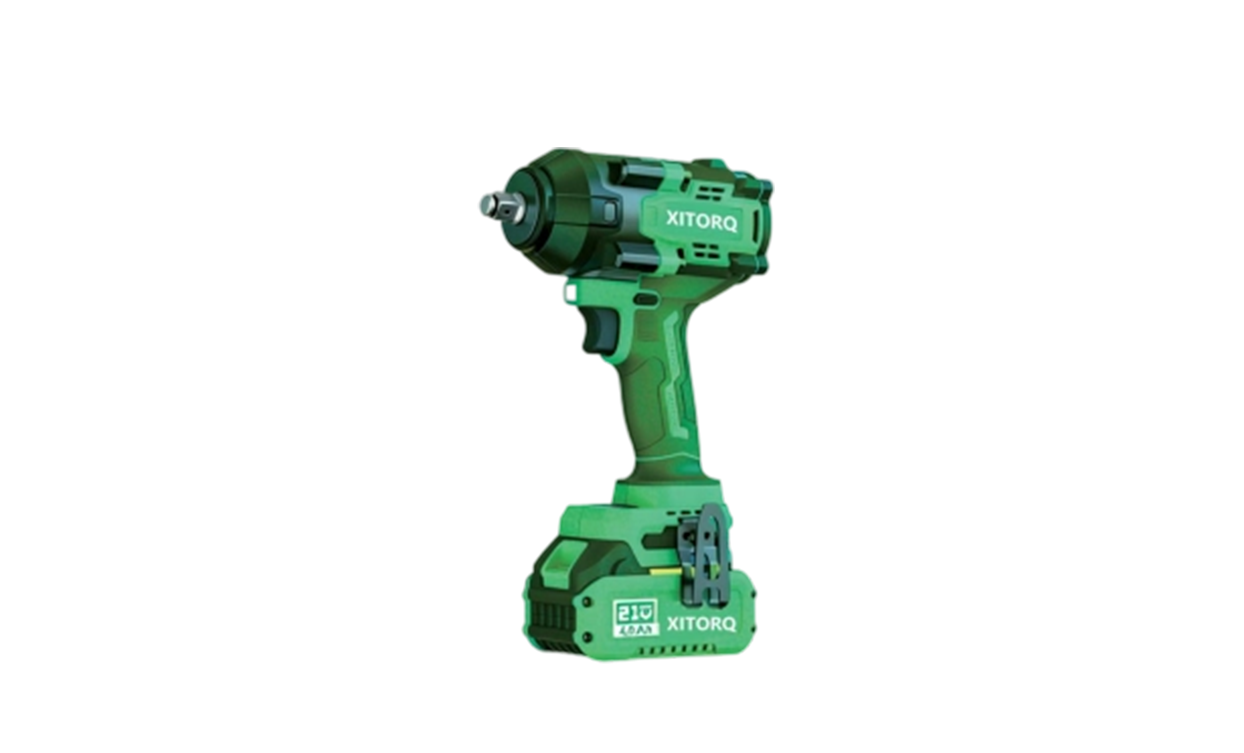
The XJ.570 21V lithium-ion brushless impact wrench is a light industrial-grade tool from the Xiaojia brand. Equipped with a 5220 brushless motor and p...
See Details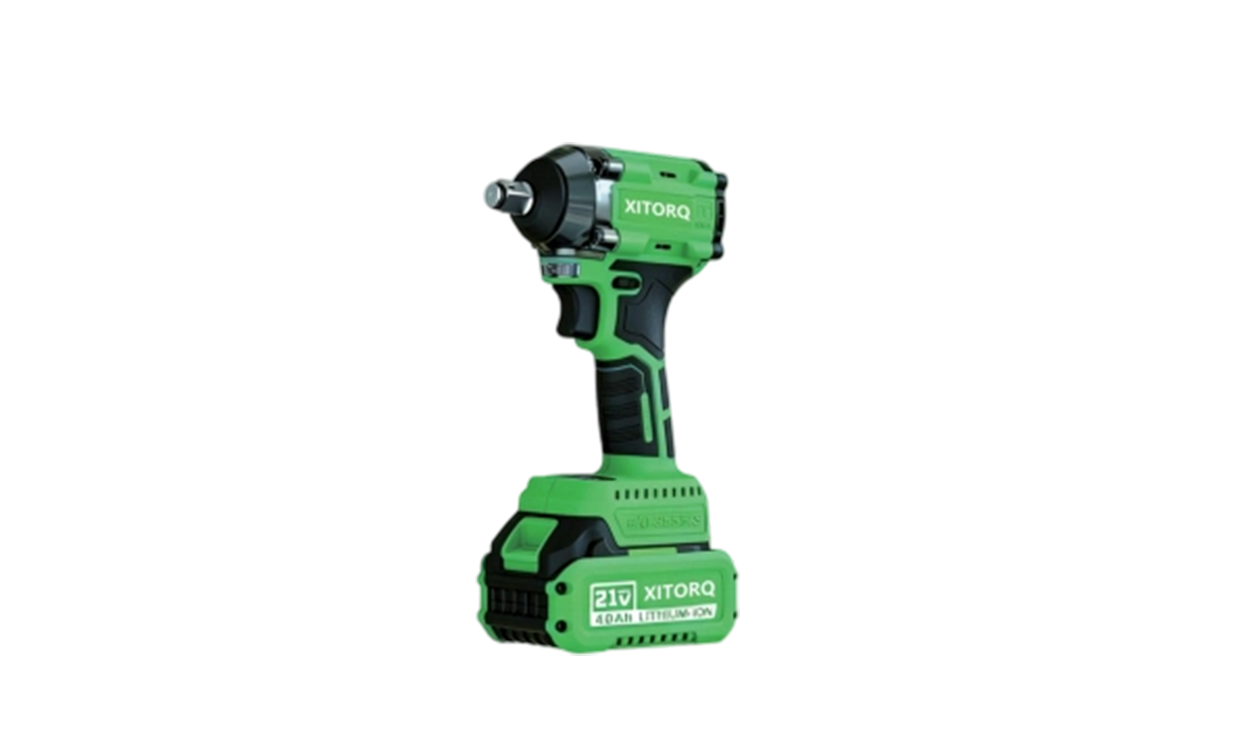
The XJ.523 21V lithium-ion brushless impact wrench is a heavy-duty industrial-grade tool from the Xiaojia brand. Powered by a high-power brushless mot...
See Details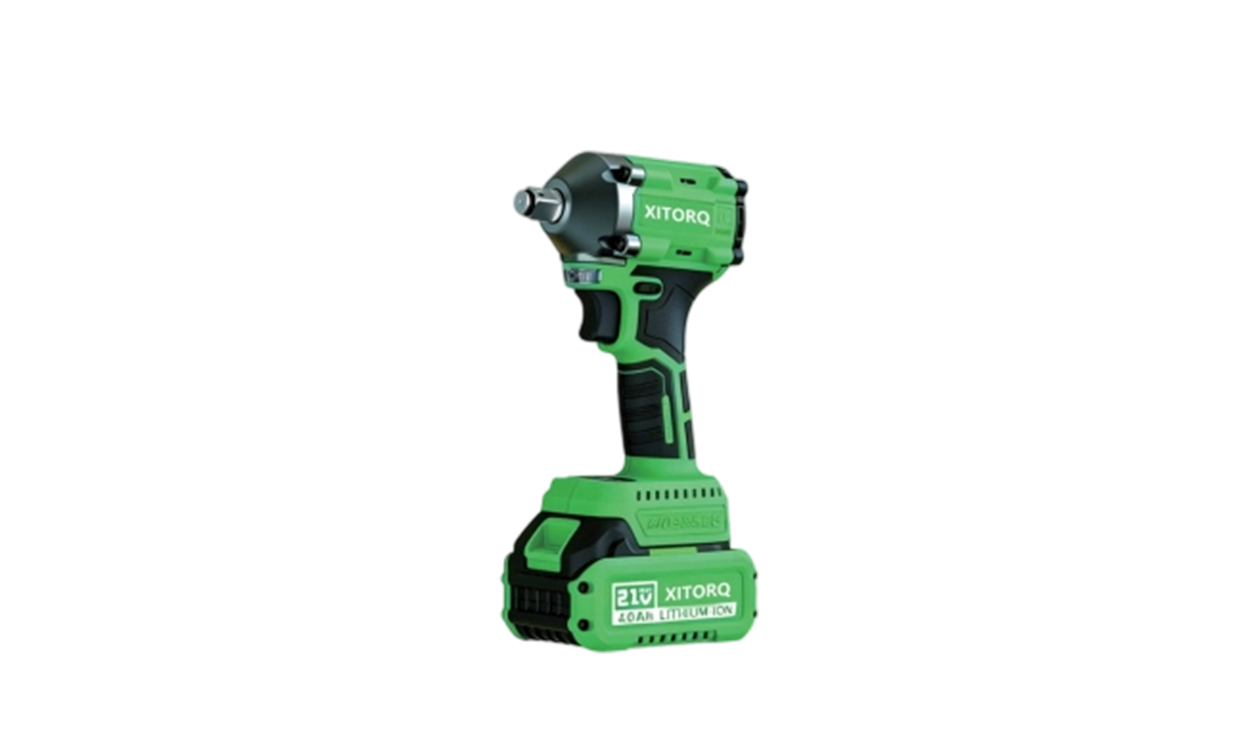
The XJ.533 21V lithium-ion brushless impact wrench is a 21V battery-powered cordless tool from the Xiaojia brand, combining the extended runtime of co...
See Details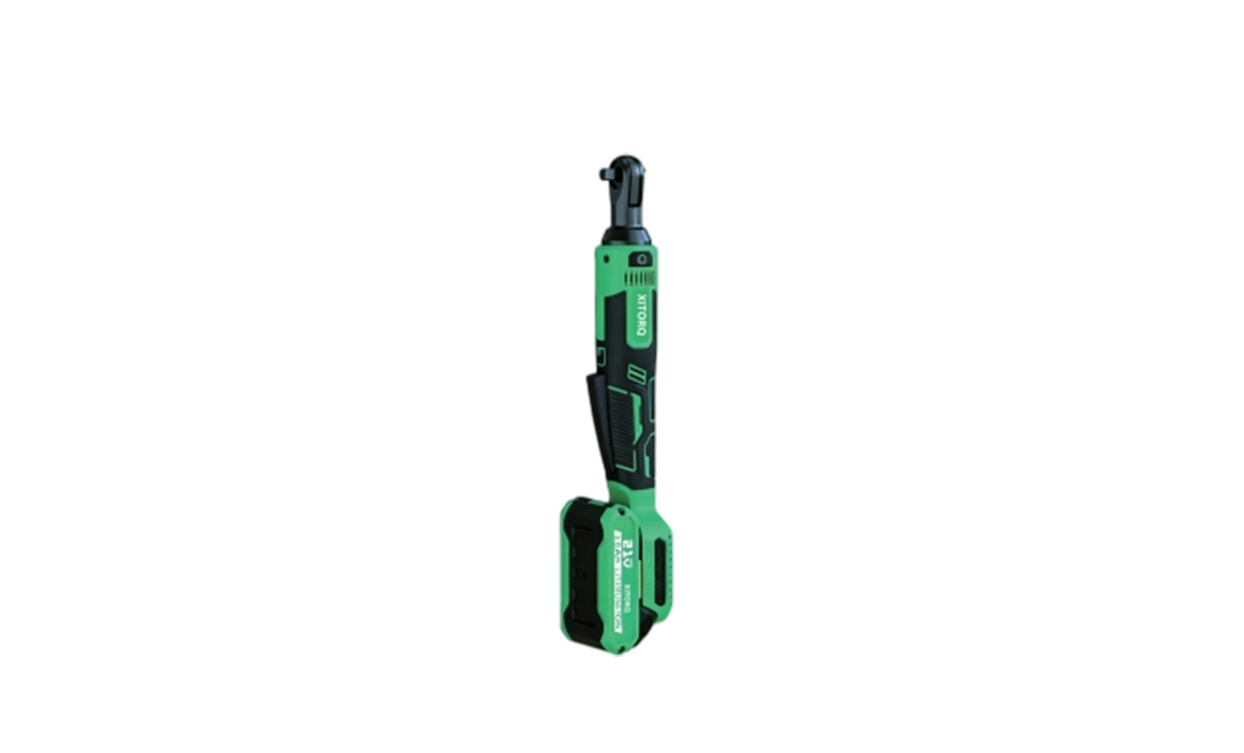
The XJ.592 16V brushless angle ratchet wrench is a compact industrial-grade ratchet from the Xiaojia brand. Equipped with a 16V brushless motor and an...
See Details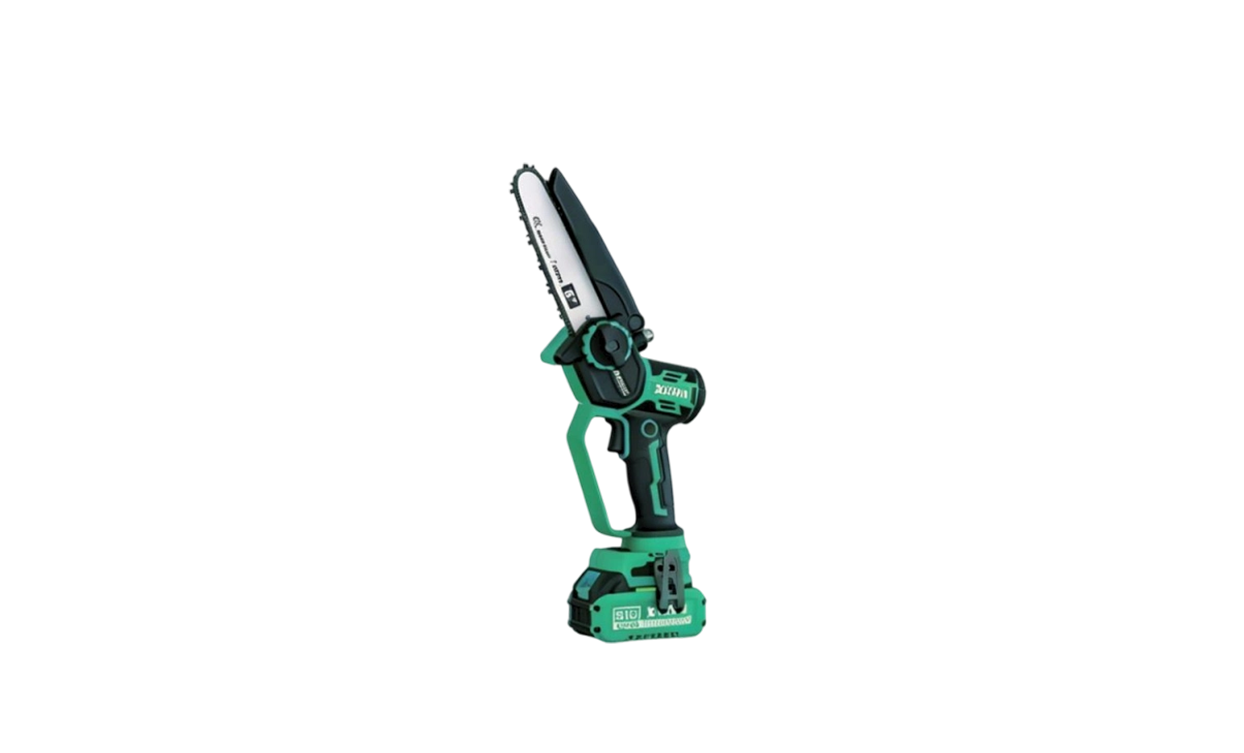
The XJ.206 16V 6" brushless electric chainsaw is a mid-sized lithium-ion chainsaw from the Xiaojia brand. Powered by a 16V brushless motor with a 6" g...
See Details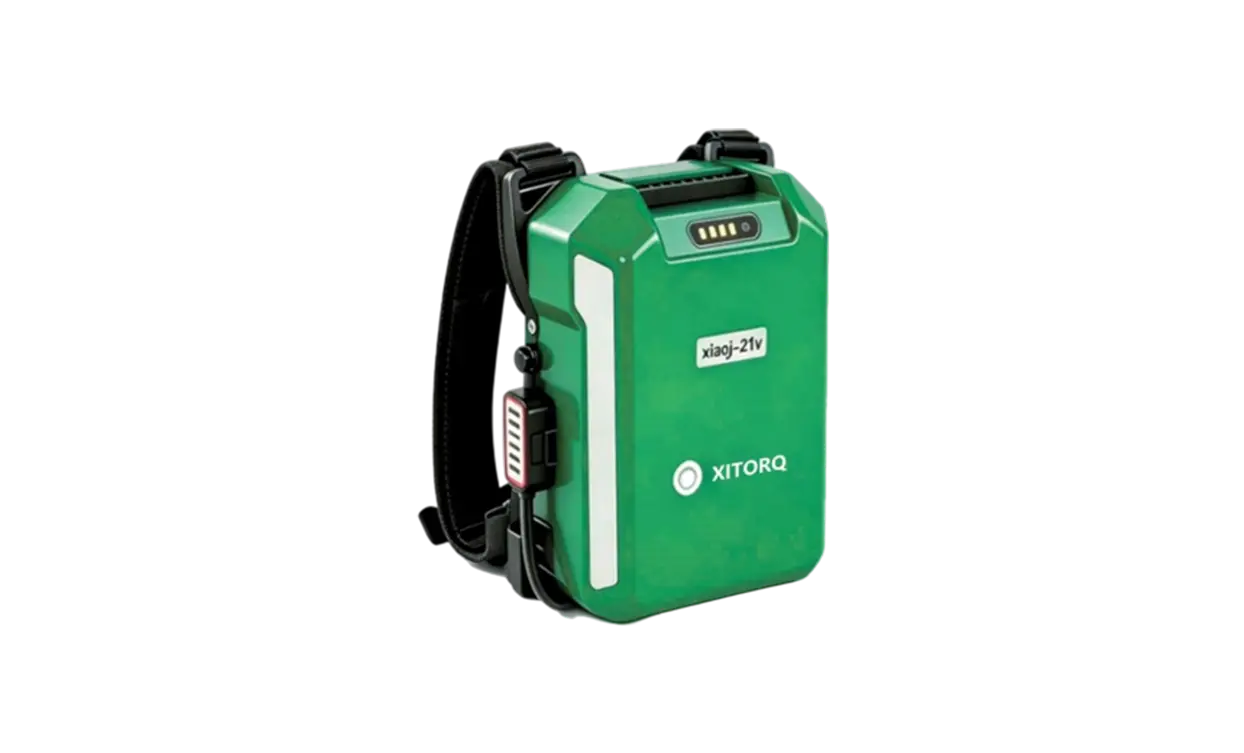
This backpack lithium battery pack is a large-capacity portable power supply designed for extended continuous operation of power tools. Using high-rat...
See Details
Copyright © by Hangzhou Xinabo Intelligent Electromechanical Technology Co., Ltd Rights Reserved. Pipe Threaders Manufacturers