
 English
 Español
 عربى
عربى


Frequency Conversion Metal Cold Cutting Saw
1. Next generation performance, delivering over 3,500 precise cuts with every blade 2. Intelligent Motor Technology 3. Precision Shadow Line Guide 4. ...
See Details
Content
A fire-protection contractor arrives at a retrofit site with 80 threaded risers to produce. The crew pulls out a manual ratchet threader that has cut hundreds of joints, but the dies are dull. By the third joint, the head binds, the threads tear, and an NPT gauge shows an imperfect taper. Six joints get re-cut. The schedule slips by two days. On a pipe threading job, that failure chain is not bad luck; it is the direct result of an equipment decision. The machine that cuts a pipe thread determines how fast the thread is produced, how accurately it matches the standard, and how much rework follows. Choosing pipe threaders works best when you think in terms of pipe range, thread standard, material, and the level of automation the job can use.
A pipe threader is a cutting machine that forms a helical V-shaped groove on the outside of a pipe end. The geometry has to match a national or international standard — most common in construction are NPT threads in North America and BSPT threads in Europe, Asia, and many export markets. Both are tapered: the thread diameter increases from the pipe end toward the body of the pipe, which is what creates a seal when the joint is tightened.
For a 1/2-inch NPT thread, 14 threads per inch with a taper of 1 in 16 are required. For 1-inch NPT, the count drops to 11.5 threads per inch. When a machine travels too slowly, too fast, or with uneven pressure, the result can be a pitch error, a dropped tooth, or a tear in the thread flank. That joint leaks under test, and the pipe must be cut back and re-threaded. That is why the machine's rigidity, spindle alignment, and die quality are not minor specifications; they are the difference between a tight system and a callback.
Pipe threaders come in four broad classes. The right one for a shop or a field crew depends on how many joints are threaded in a day and how portable the equipment must be.
| Type | Typical capacity | Power | Best use | Main limitation |
|---|---|---|---|---|
| Manual ratchet | 1/8–2 in (3–50 mm) | Hand | Emergency repairs, odd positions | Slow, operator dependent |
| Electric portable | 1/2–2 in (15–50 mm) | 110/220 V AC | Sprinkler and HVAC retrofits | Needs power, head weight |
| Bench power | 1/2–4 in (15–100 mm) | 110/220 V AC | Shops, prefabrication | Fixed position |
| Intelligent / automated | 1/2–4 in (15–100 mm) | 220 V AC, PLC | High-volume, repeat runs | Higher initial cost |
For fire-protection and building services, the practical decision is usually between an electric portable machine and an intelligent bench machine. A manual ratchet may cover a valve replacement, but not a floor of sprinkler piping.
Black steel threads cleanly at high speed. Galvanized pipe has a zinc coating that gums up dies and demands sharp tools and moderate speed. Stainless steel work-hardens; it needs a rigid spindle, sharp high-speed steel or carbide dies, and cutting oil. A dual-speed electric threader gives the operator a low gear for stainless and large galvanized sizes, and a high gear for ordinary black steel.
On a 15–100 mm machine, the low speed protects both the dies and the material. If your daily work stays under 65 mm, a lighter machine saves money and weight on the truck.
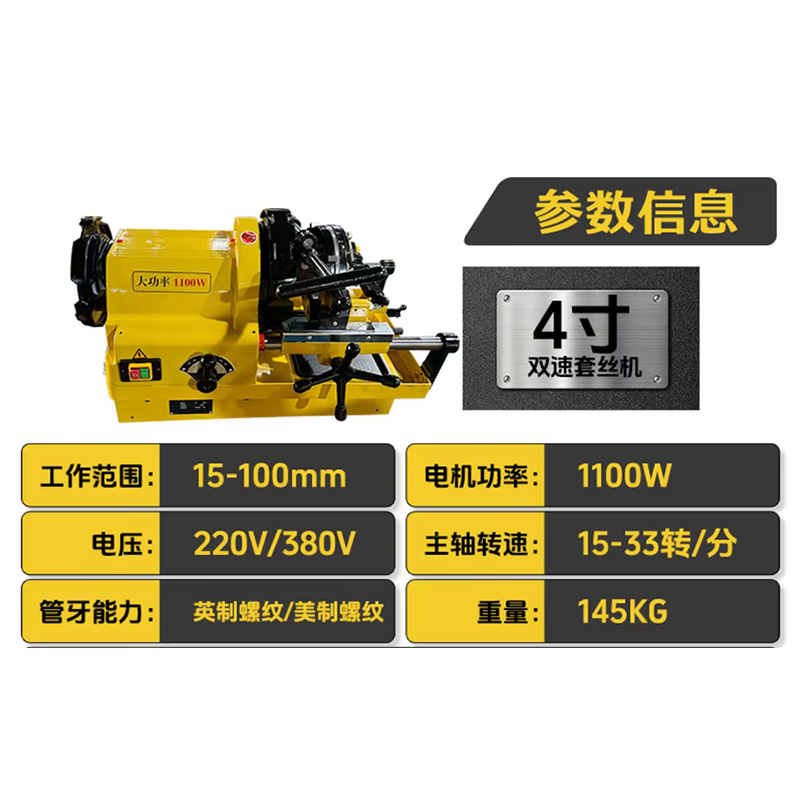 SQ100 Dual-Speed Electric Pipe Threading MachineThis heavy-duty machine handles 15-100mm pipes with dual speeds and BSPT/NPT compatibility. It suits shops needing a 4-inch capacity margin and includes three die sets for immediate use.View Product →
Machine capacity is the maximum nominal pipe diameter the spindle can accept. A machine rated for 4-inch pipe can run the small sizes all day, but running 4-inch continuously produces more heat and wear than the average spec sheet suggests. Keep a margin: if your regular ceiling is 3-inch, a 4-inch rated machine is a better investment than a 3-inch rated machine working at its limit.
For jobs that rarely exceed 2-inch pipe, a lighter dual-speed machine is easier to move between floors. If the same crew threads 4-inch mains and 1-inch branches, the wider-capacity machine avoids a second setup.
The threader body determines movement, but the dies determine the thread. High-speed steel dies hold an edge longer than carbon steel dies and are the usual choice for carbon and stainless pipe. Double-edged dies are ground on both sides, so an operator can index to the second edge after the first one dulls, roughly doubling the cutting life of the tool before replacement.
Die selection starts with the thread standard. NPT dies produce a tapered root with a specific pitch sequence; BSPT dies produce a different profile. Fittings from the same standard ensure a leak-tight joint. In addition, each pipe size needs its own die set, so the cost of a complete die package should be part of the purchase decision.
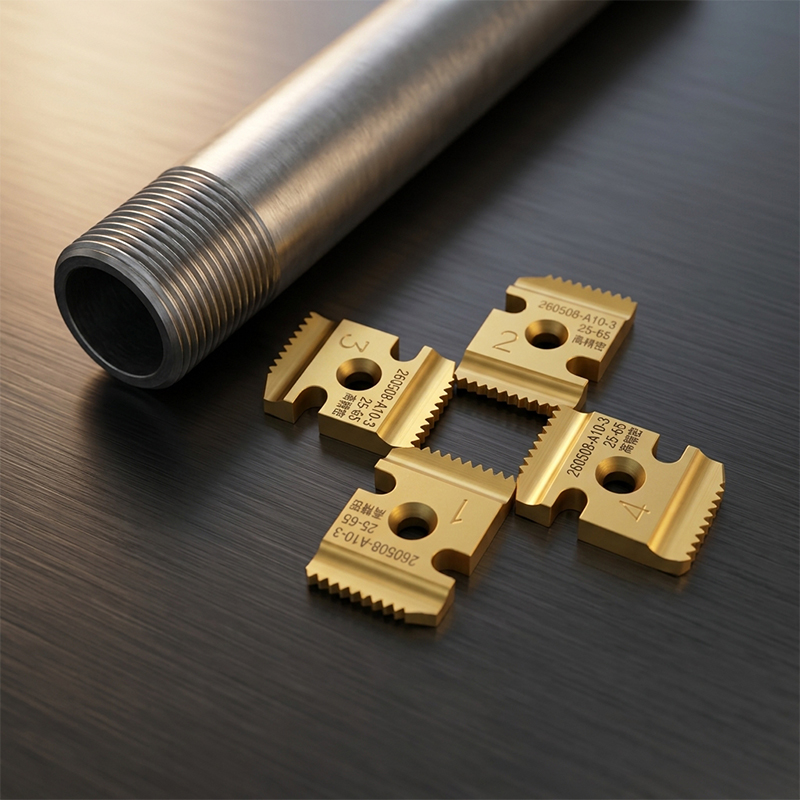 Double-Edged Threading Dies for Intelligent MachinesThese four-piece dies support BSPT, NPT, and Metric threads, with a dual-edge design for longer life. They are tailored for intelligent threading machines and maintain precision in high-volume work.View Product →
Keep dies clean and lubricated. Thread cutting oil flushes chips away from the cutting edge and prevents galling. When the thread surface becomes rough or the machine labors on a standard wall thickness, check the die edges before blaming the spindle.
Intelligent pipe threaders are the answer to a problem repeat jobs create. On a typical production floor, each joint must be clamped, advanced, threaded, reversed, and unclamped. An operator's rhythm changes with fatigue, breaks, and skill level. Automation holds the feed rate, speed, and retraction within a set envelope, so thread after thread stays inside tolerance.
Non-standard threads are another trigger for automation. A custom pitch, a left-hand thread, or a softer material that needs controlled cutting speed can be set digitally instead of depending on the operator to hit the feed by hand. The machine can also stop automatically when the set thread length is reached, which removes the most common source of over-threading.
The intelligent threading machine range from Xinabo has been developed over multiple generations and carries a set of patents that cover clamping, transmission, and thread-length control. On a busy fabrication line, that translates into fewer rejected fittings and a lower labour load.
 Intelligent Threading Machine with Automatic ClampingThis machine automatically identifies pipe diameter, adjusts tools, and can thread 15-25mm pipes in about 4 seconds. Its auto-clamp safety feature is valuable for daily high-volume threading operations.View Product →
An automatic clamp that holds the pipe before the spindle starts is not a luxury; it prevents the pipe from spinning on the first wide thread. For shops threading long runs every day, the safety benefit alone often justifies the upgrade.
The purchase price is the least informative number on a threader quote. The full cost includes dies, cutting oil, maintenance, electricity, and the labour tied up in each thread.
| Check | Why it matters |
|---|---|
| Rated capacity vs regular workload | A machine working at maximum rating wears faster and sometimes produces poor threads |
| Feed and reverse control | Consistent travel maintains thread length and pitch |
| Die holder seating | Firm positioning prevents chatter and thread taper errors |
| Lubrication method | Automatic oiling vs manual spraying changes tool life |
| Certifications and patents | Proven design history reduces the risk of buying an unproven machine |
If you buy from a manufacturer that openly lists patents and certifications, check what those documents actually cover. It matters whether a patent protects the clamping mechanism or only a cosmetic cover. The same logic applies to factory capacity: a supplier that can make its own components and control raw material stocks is in a stronger position for delivery and spare parts.
Choose a pipe threader the same way a good estimator chooses a crew: by the range of work, not by the single biggest job. A 15–100 mm dual-speed electric machine covers the majority of construction pipe. If the programme includes thousands of identical threads, the intelligent machine pays off in fewer operator hours and a lower rejection rate. Add high-speed steel or double-edged dies that match your thread standard, and you have a package built around actual site conditions rather than a single price tag. If you want to work through the specification step by step, a practical guide to choosing a pipe threader is a useful next read. To see how the machine fits into a broader fabrication and installation sequence, review our solutions page.
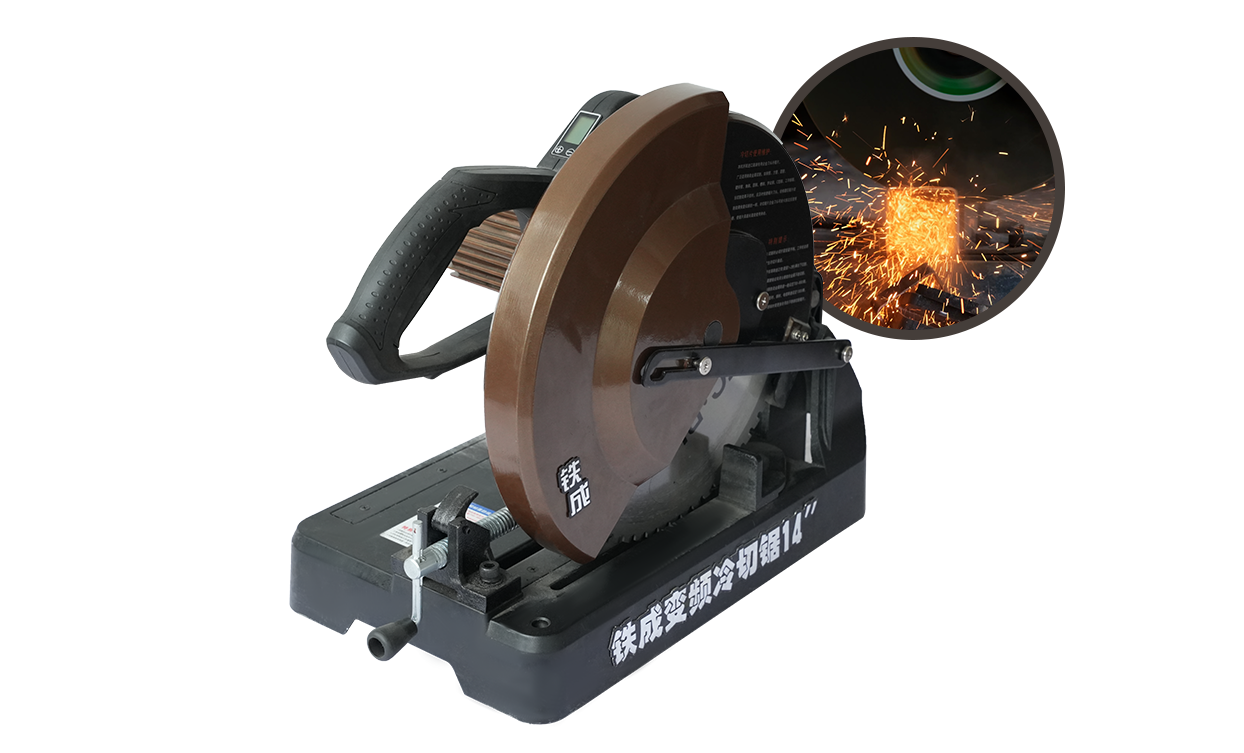
1. Next generation performance, delivering over 3,500 precise cuts with every blade 2. Intelligent Motor Technology 3. Precision Shadow Line Guide 4. ...
See Details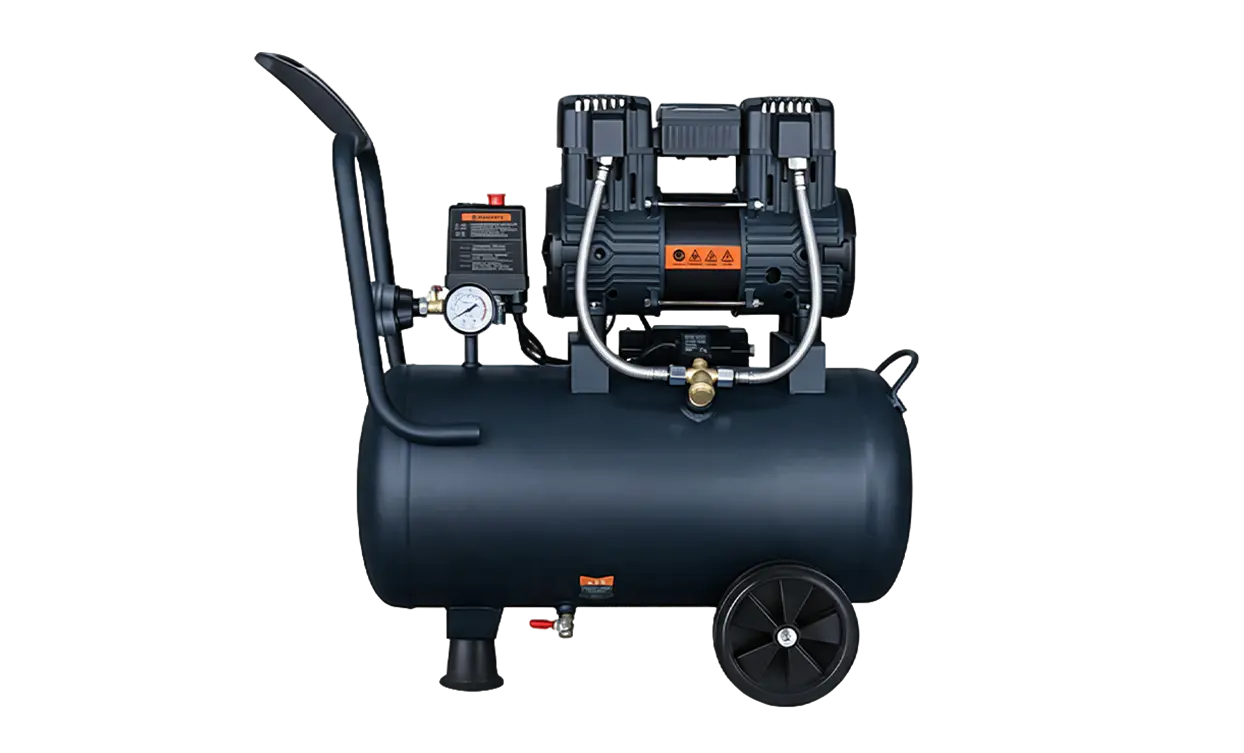
The F1680 Series Air Compressor is engineered for stable and efficient air supply, featuring core technologies of multi-cylinder compression, rapid ai...
See Details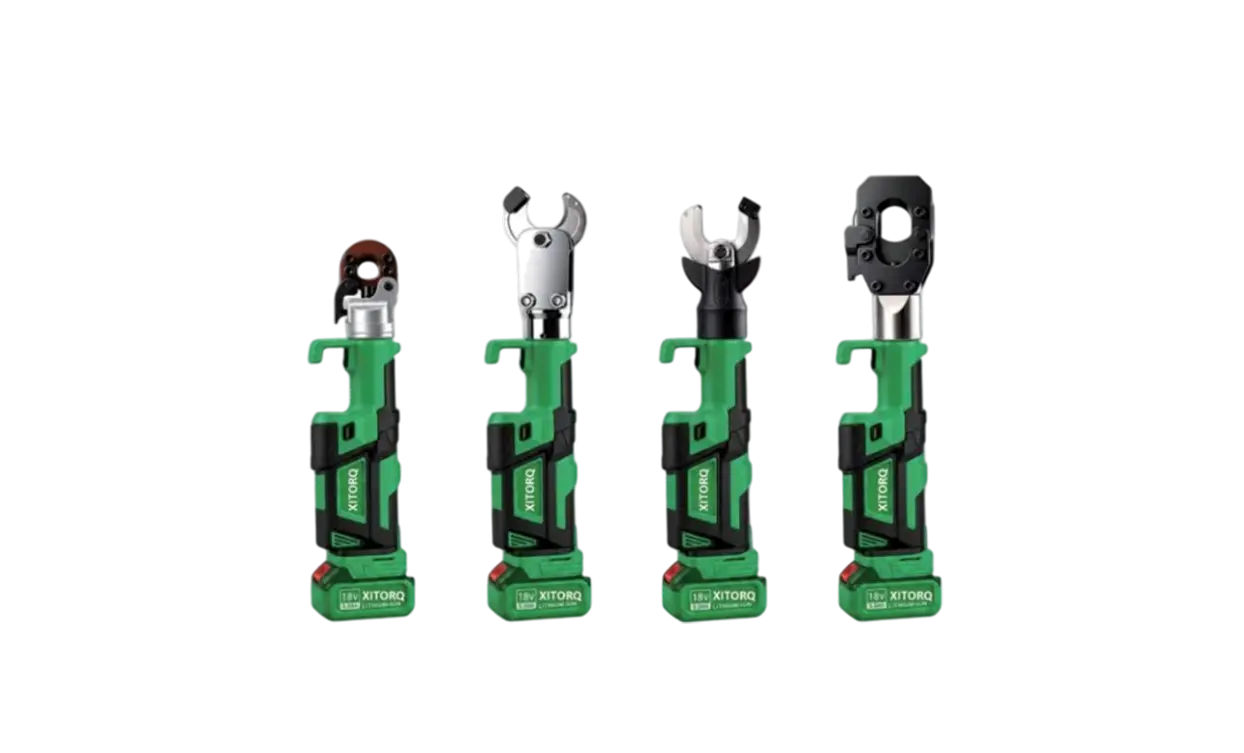
This 18V lithium-ion industrial cable cutter is a professional tool designed for large-diameter cable cutting. It features a brushless lithium-ion pow...
See Details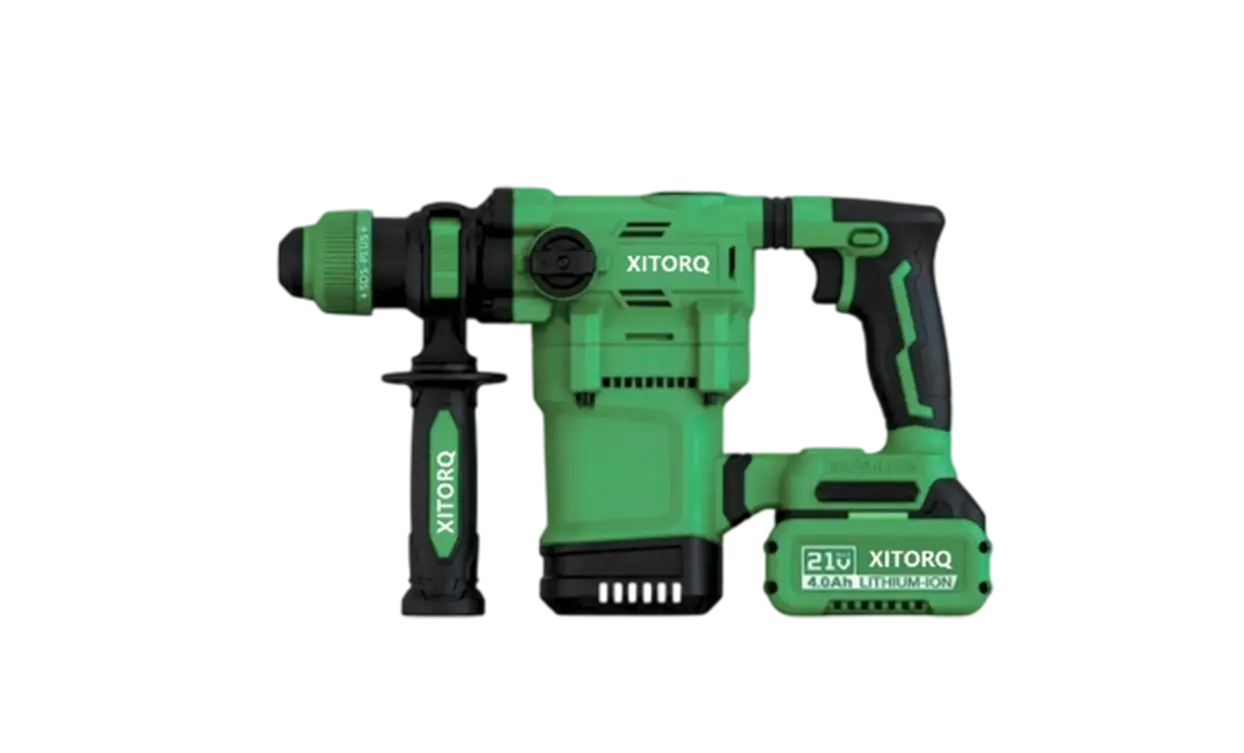
This 21V lithium-ion brushless rotary hammer is an industrial-grade tool designed for drilling and chiseling in concrete, stone, and other hard materi...
See Details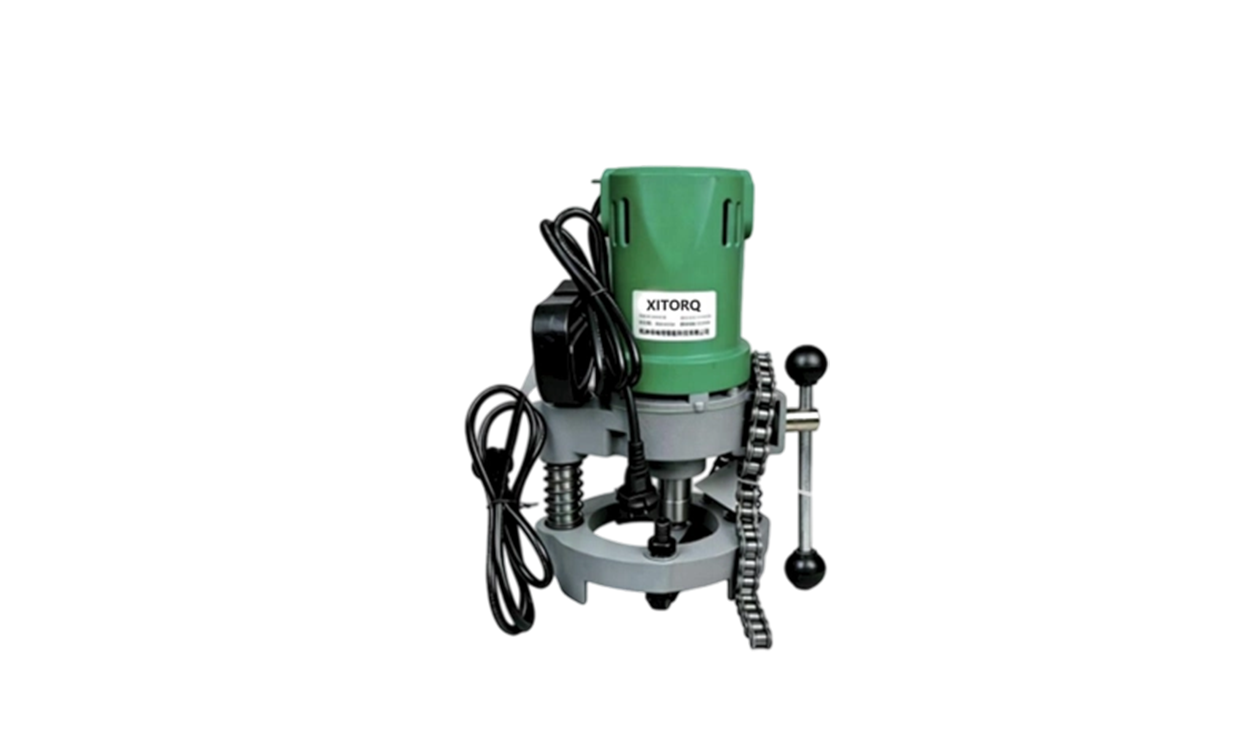
This 220V Fire Pipe Drilling Machine is a professional device designed for hole cutting on fire protection and plumbing pipes. Powered by a 220V indus...
See Details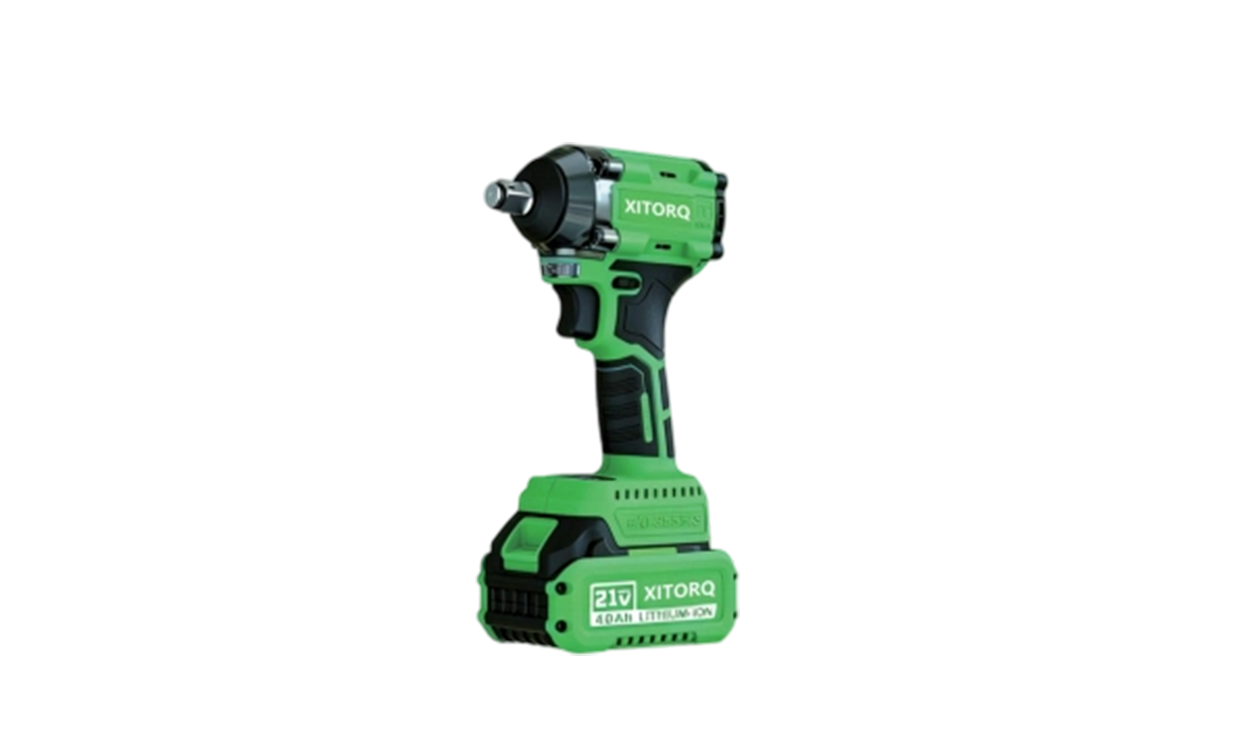
The XJ.523 21V lithium-ion brushless impact wrench is a heavy-duty industrial-grade tool from the Xiaojia brand. Powered by a high-power brushless mot...
See Details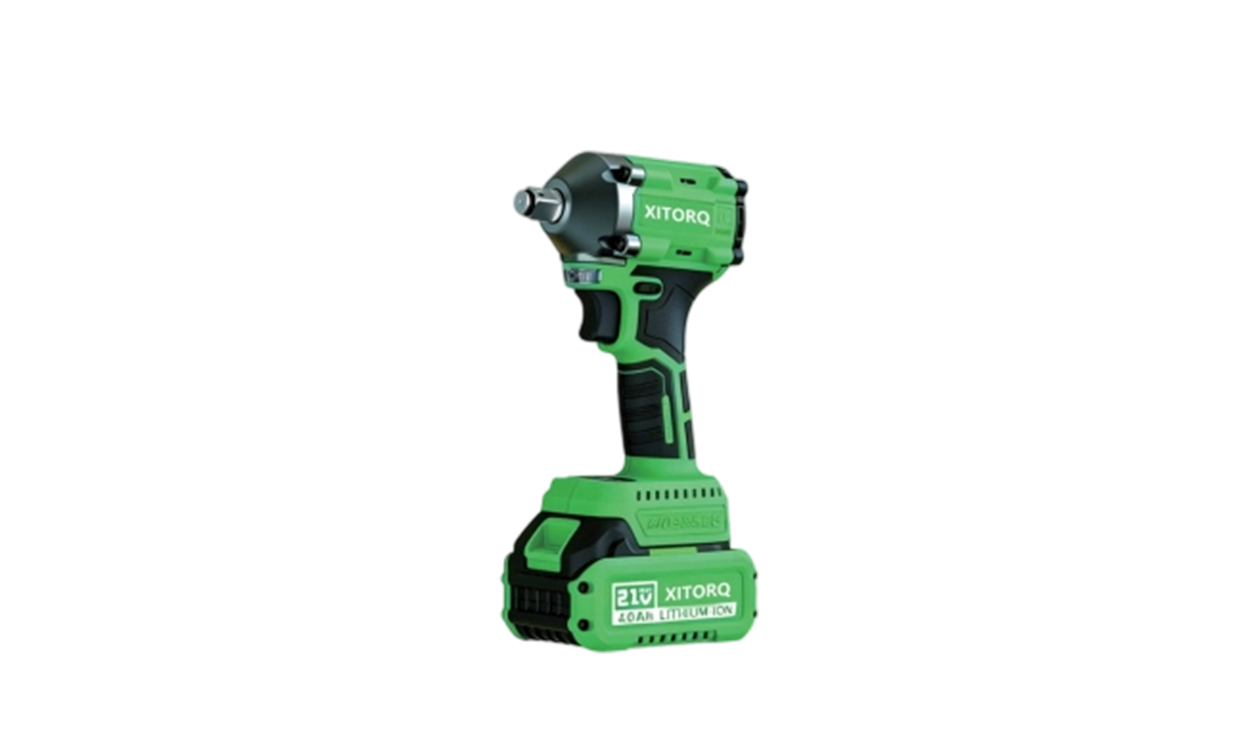
The XJ.533 21V lithium-ion brushless impact wrench is a 21V battery-powered cordless tool from the Xiaojia brand, combining the extended runtime of co...
See Details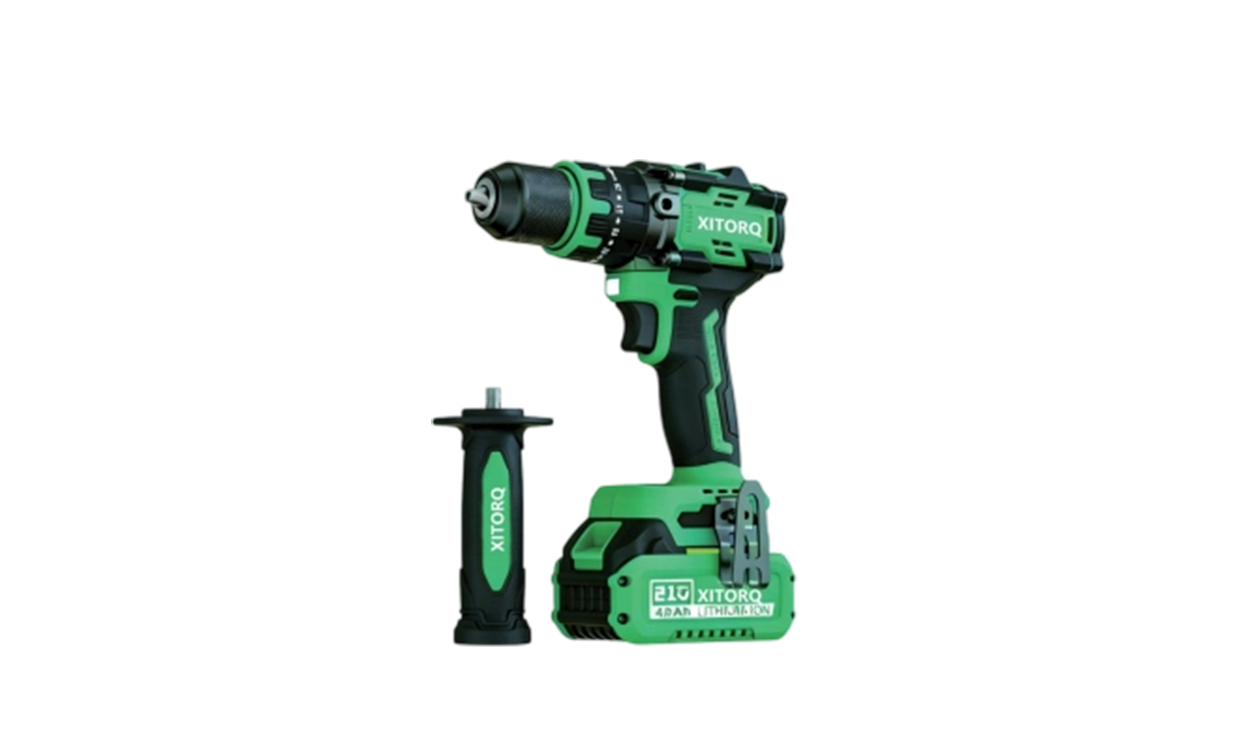
The XJ.608 21V lithium-ion brushless hammer drill/driver is a versatile industrial-grade cordless drill from the Xiaojia brand. Featuring a brushless ...
See Details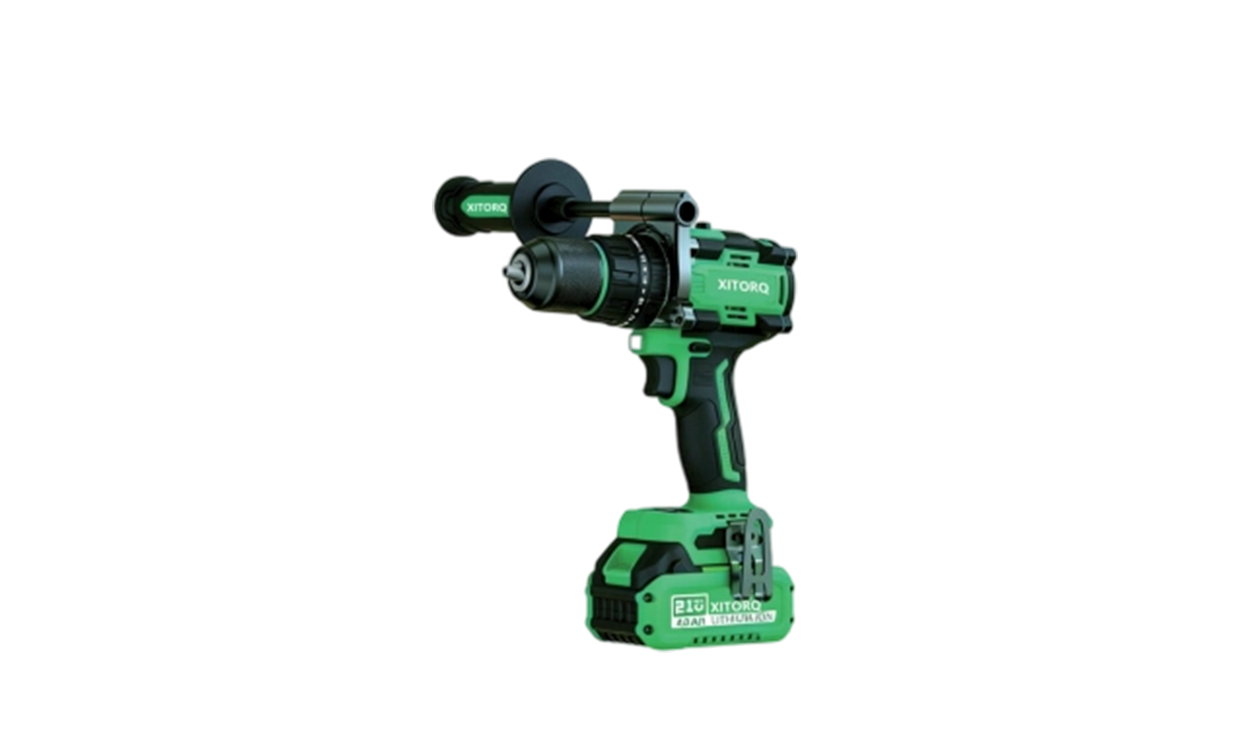
The XJ.617 21V lithium-ion brushless hammer drill/driver is a heavy-duty multi-function drill from the Xiaojia brand. Featuring an upgraded brushless ...
See Details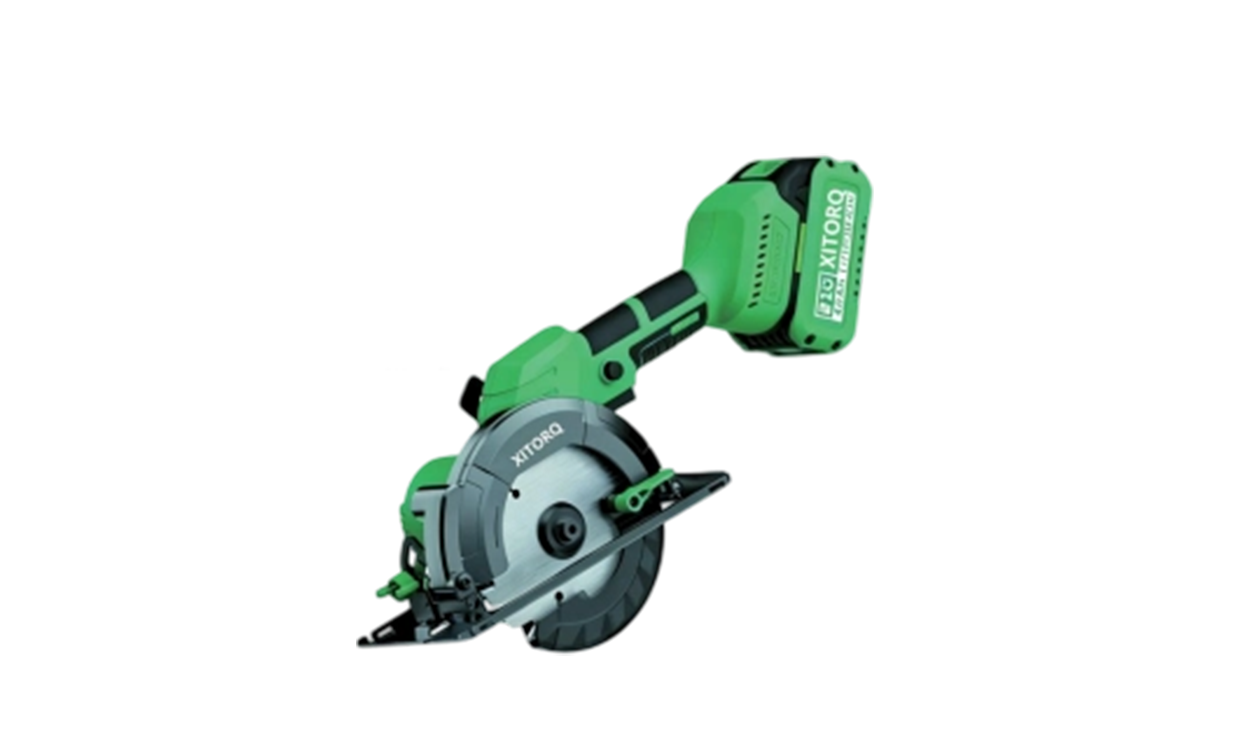
The XJ.853 21V lithium-ion high-magnetic brushless circular saw is an industrial-grade handheld circular saw from the Xiaojia brand. Featuring a high-...
See Details
Copyright © by Hangzhou Xinabo Intelligent Electromechanical Technology Co., Ltd Rights Reserved. Pipe Threaders Manufacturers
