 English
 Español
 عربى
عربى


Intelligent Pipe Tightening Machine
1. Intelligent adjustment, electric screwing 2. Save labor and improve efficiency 3. The layout is reasonable, safe and reliable 4. Torque adjustable,...
See Details
Content
Choosing the wrong pipe threading machine is a costly mistake — and in our experience working with contractors, fabrication shops, and pipeline installers around the world, it happens more often than it should. The decision affects your thread quality, labor costs, production speed, and long-term maintenance burden. This guide walks you through the key factors you need to evaluate before making a purchase, so you can match the right machine to your actual working conditions.
The threading range of a machine is the first specification to check. Most electric pipe threading machines are rated by their minimum and maximum pipe diameter capacity. A machine covering 15mm to 65mm (½" to 2½") suits typical residential and light commercial plumbing work, while one covering 15mm to 100mm (½" to 4") is necessary for industrial pipelines, fire suppression systems, and large-diameter structural applications.
Do not buy a machine rated exactly at your maximum pipe size with no headroom. Working consistently at the upper limit of a machine's capacity accelerates die wear and motor strain. If your project mix occasionally calls for 4-inch pipe, choose a machine explicitly rated to handle it as a standard size, not an edge case.
Not all threading machines perform equally across pipe materials. The cutting torque, die material, and lubrication system all interact differently depending on what you are threading. Here is a practical overview:
Always verify the manufacturer's stated material compatibility. A machine listed as "multi-material" without specific data on cutting parameters for each material is a vague claim — ask for technical documentation.
Thread standards are non-negotiable in regulated industries. Using the wrong standard — even with a correctly sized pipe — results in leaking joints, failed inspections, and potential liability. The three most widely used pipe thread standards are:
| Standard | Full Name | Primary Market | Typical Application |
|---|---|---|---|
| NPT | National Pipe Taper | USA, Canada | Water, gas, oil pipelines |
| BSP | British Standard Pipe | UK, Europe, Asia, Middle East | Hydraulics, plumbing, instrumentation |
| Metric | ISO Metric Thread | Europe, China, global industrial | Machinery, structural connections |
A machine that supports only one thread standard limits your flexibility. If you supply to multiple export markets or handle diverse project types, prioritize machines that support at least British, American, and metric threads — or can be reconfigured with die head changes. Some projects also require non-standard thread profiles; in those cases, confirm whether the machine can be adapted or custom-configured before purchasing.
Threading speed directly translates into labor cost and daily output. A traditional electric pipe threading machine operated by a skilled worker can typically produce 150–300 threaded joints per 8-hour shift depending on pipe size and operator efficiency. That is a reasonable benchmark for low-to-medium volume workshops.
For high-volume operations — prefabrication facilities, mass production assembly lines, or large construction projects — an intelligent threading machine with automatic diameter recognition and automatic die adjustment can output 1,500 to 2,000 threads per 8-hour day, representing roughly a tenfold improvement over manual or semi-automatic machines. The difference is not just speed; it also reduces operator fatigue and the setup errors that cause thread rejections.
Ask yourself: what is your current or projected daily threading volume? If it exceeds 300–400 joints per day consistently, a standard electric machine will become a production bottleneck. Automation starts paying for itself quickly at that scale.
Threading time varies significantly by diameter, even on the same machine. On advanced intelligent models, small-diameter pipes (15–25mm) can be completed in as little as 4 seconds per thread, while larger diameters naturally take longer. When comparing machine specifications, always look at threading time across the full diameter range — not just the best-case scenario for the smallest pipe.
The threading machine market broadly falls into three categories, each suited to different use cases:
Portable, low cost, and suitable for on-site occasional threading of small-diameter pipes. Labor-intensive and impractical for any sustained production volume. The thread quality depends heavily on operator skill and physical effort.
Motor-driven machines that power the pipe rotation while the operator controls die advancement. A significant step up in speed and consistency from manual tools. Most models include integrated pipe cutters, reamers, and oil pumps. These are the industry standard for plumbing contractors and fabrication shops. Our electric pipe threading machine product page covers the range of models we manufacture for different diameter and production requirements.
The most advanced category, featuring automatic pipe diameter identification and automatic die adjustment. The operator feeds the pipe, and the machine handles the rest. This eliminates setup time between different pipe sizes, dramatically reduces skill requirements, and produces highly consistent thread quality across large batches. For operations threading 10 or more different pipe sizes in a single shift, the productivity gain from automatic diameter recognition alone can reduce changeover time by 80% or more.
Thread quality is not just an aesthetic concern — substandard threads cause leaks, joint failures, and non-compliance with pressure ratings. When evaluating a machine, look for these quality indicators:
If your work is subject to third-party inspection — as is common in fire protection systems, gas distribution, or pressure pipelines — poor thread quality means rework, project delays, and potential liability. This is not an area to cut costs by buying the cheapest available machine.
Where you use the machine matters as much as what you thread with it. This decision affects which features actually matter to you:
| Factor | On-Site Use | Workshop / Fixed Installation |
|---|---|---|
| Weight priority | Low weight essential | Weight less critical |
| Power source | Single-phase 110V/220V preferred | Three-phase available, higher power |
| Pipe support | Integrated stand or lightweight tripod | Dedicated pipe support stands acceptable |
| Capacity range | Usually up to 2½" (65mm) | Up to 4" (100mm) and beyond |
| Daily volume | Low to medium | Medium to high |
For contractors who move between job sites, a compact and lightweight machine with an integrated stand is essential — a 60kg machine is workable in a van with a two-person crew, but becomes a problem when you need to bring it up to the third floor of a building under construction. For fabrication shops, the priority shifts to cycle speed, capacity, and long-term reliability under high daily utilization.
Threading dies are consumables. They wear, chip, and eventually need replacement — and the cost and availability of replacement dies over the machine's life is often underestimated at the point of purchase. A machine priced attractively upfront but dependent on proprietary dies available from only one supplier is a long-term cost risk.
Key questions to ask before buying:
Double-edged dies, for example, offer extended service life and consistent thread quality at a higher upfront cost per set — often a worthwhile trade-off for high-production environments. For shops threading several hundred joints per day, the right die selection can meaningfully reduce per-joint tooling cost.
A pipe threading machine is a capital investment — typically used daily for years or even decades. The quality of manufacturer support directly affects your total cost of ownership. When evaluating suppliers, look for:
At Xinabo, we have been manufacturing intelligent threading machines since 2010 and hold multiple invention and utility model patents in thread processing technology. Our full range of pipe threading machine products is designed for global markets, with support for British, American, and metric thread standards and compatibility with diverse pipe materials. If you are evaluating options for your next purchase or project, we are glad to provide technical documentation and assist with selecting the right configuration for your requirements.
The right pipe threading machine is not the most expensive one, nor the cheapest — it is the one that fits your pipe diameter range, material types, thread standards, production volume, and operating environment without compromise on the factors that matter most to your specific application.
Before making a final decision, summarize your requirements in concrete terms: the largest and smallest pipe you will regularly thread, the daily volume target, the thread standards required for your market, whether the machine needs to be portable or fixed, and the level of operator skill available on your team. A supplier who cannot answer your questions with specific technical data — spindle speed ranges, die compatibility lists, threading time by diameter, power consumption figures — is one who cannot fully stand behind their product.
Match the machine to the work, verify the specifications, and invest in a manufacturer with demonstrable support capability. That is the reliable path to a purchasing decision you will not regret two years into production.
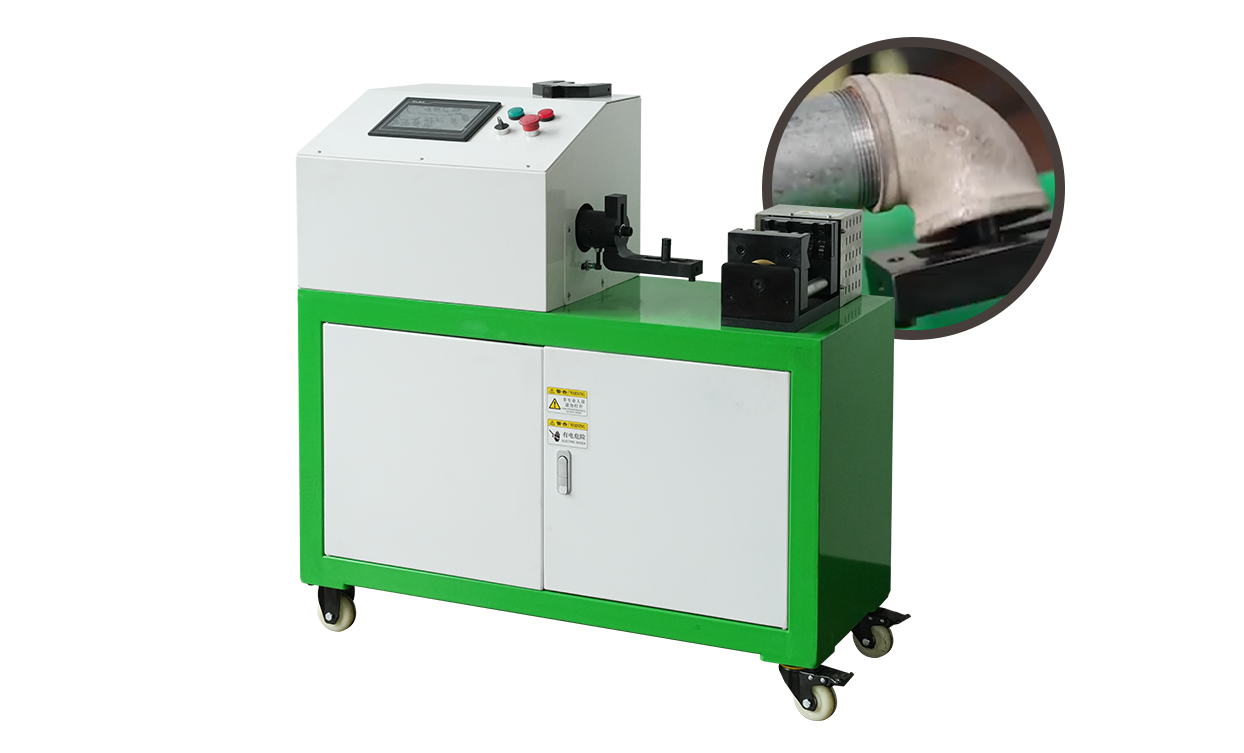
1. Intelligent adjustment, electric screwing 2. Save labor and improve efficiency 3. The layout is reasonable, safe and reliable 4. Torque adjustable,...
See Details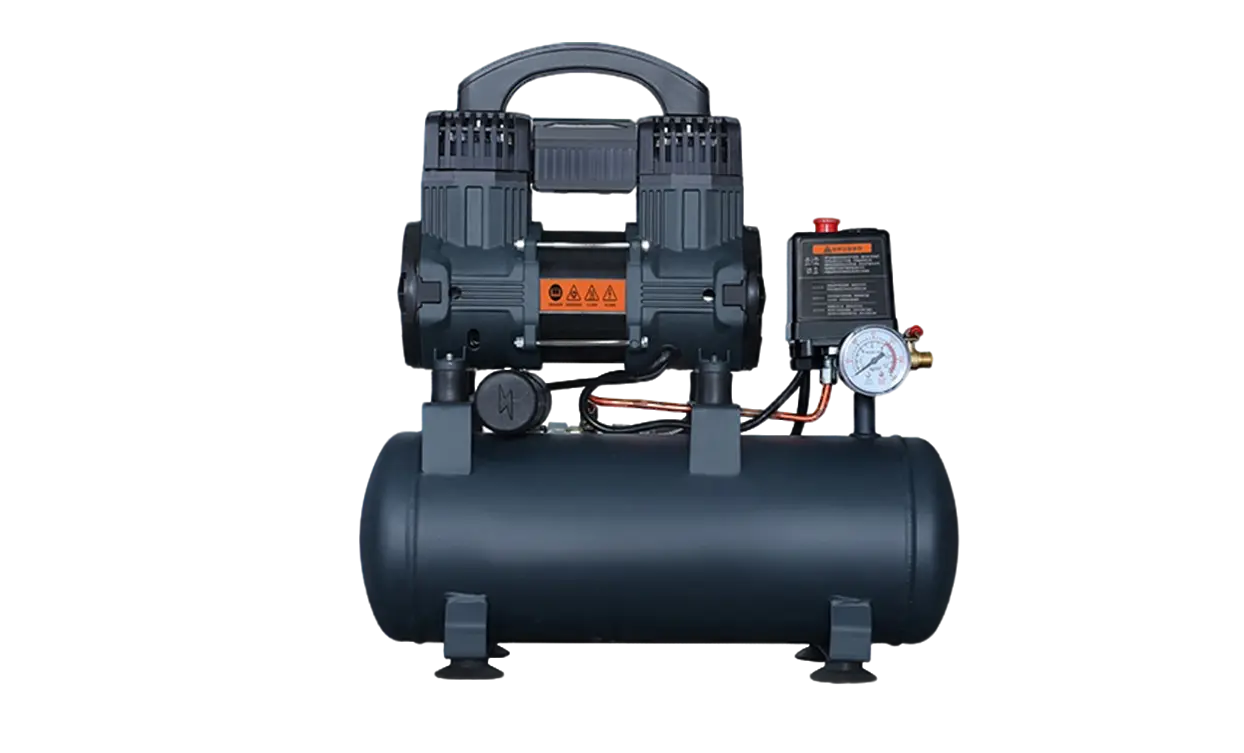
The F1200 Series Air Compressor is engineered for reliable, cost-effective compressed air supply, core to which are its high-efficiency oil-free desig...
See Details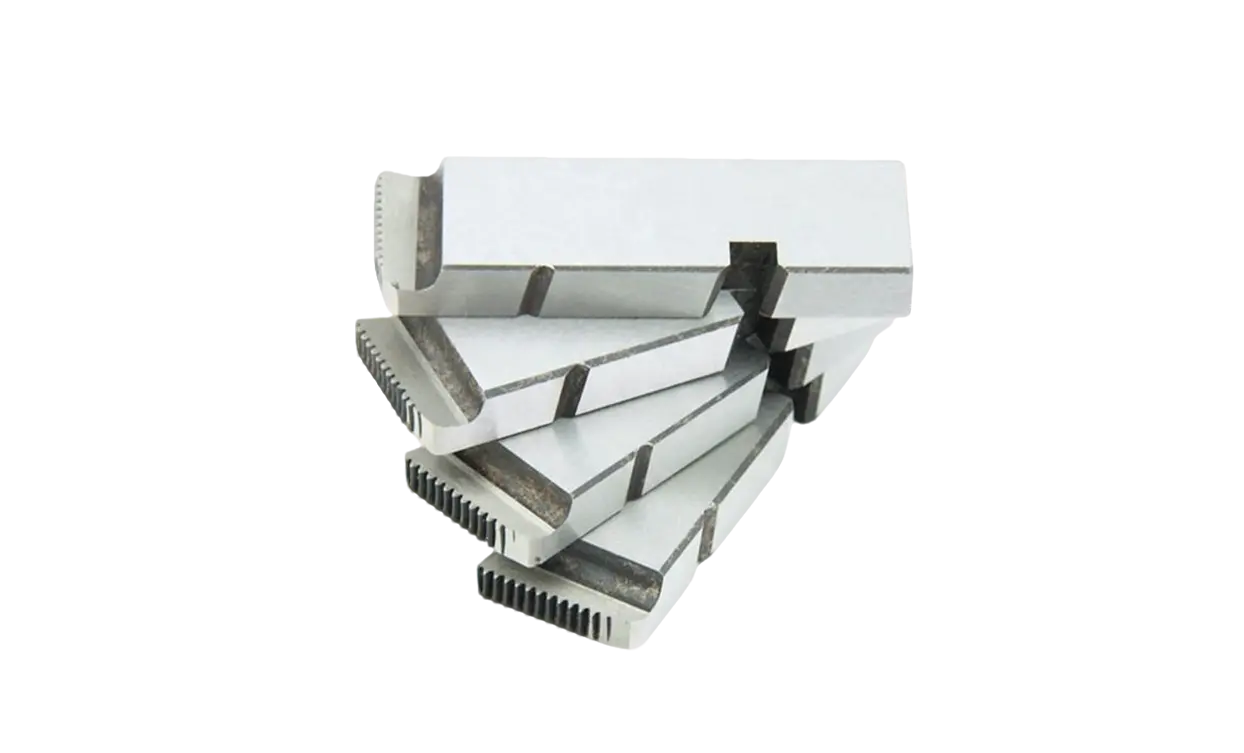
Core Material & Performance: Crafted from high-speed steel (HSS), the threading dies feature excellent hardness, wear resistance and heat resistan...
See Details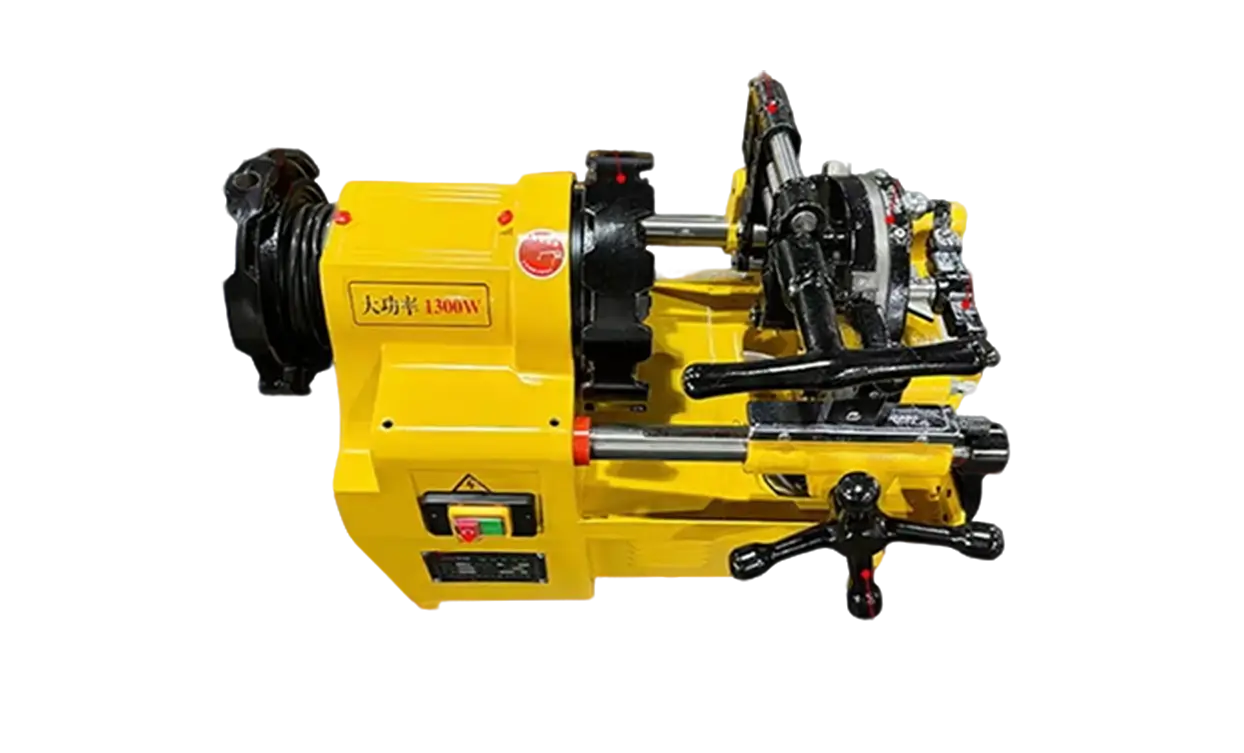
This SQ65 2.5-inch 15-65mm dual-speed electric pipe threading machine is a professional industrial tool engineered for precise pipe threading operatio...
See Details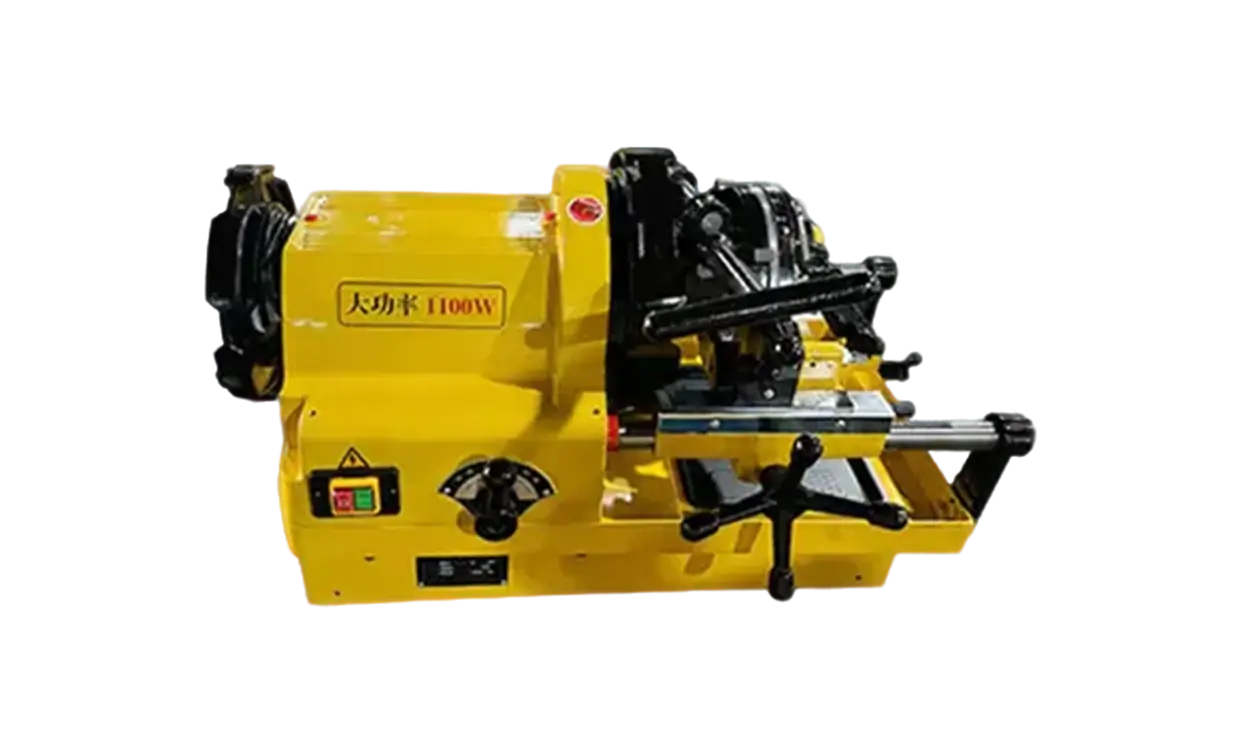
This SQ100 4-inch 15-100mm dual-speed electric pipe threading machine is engineered for precise and efficient pipe threading operations, with a workin...
See Details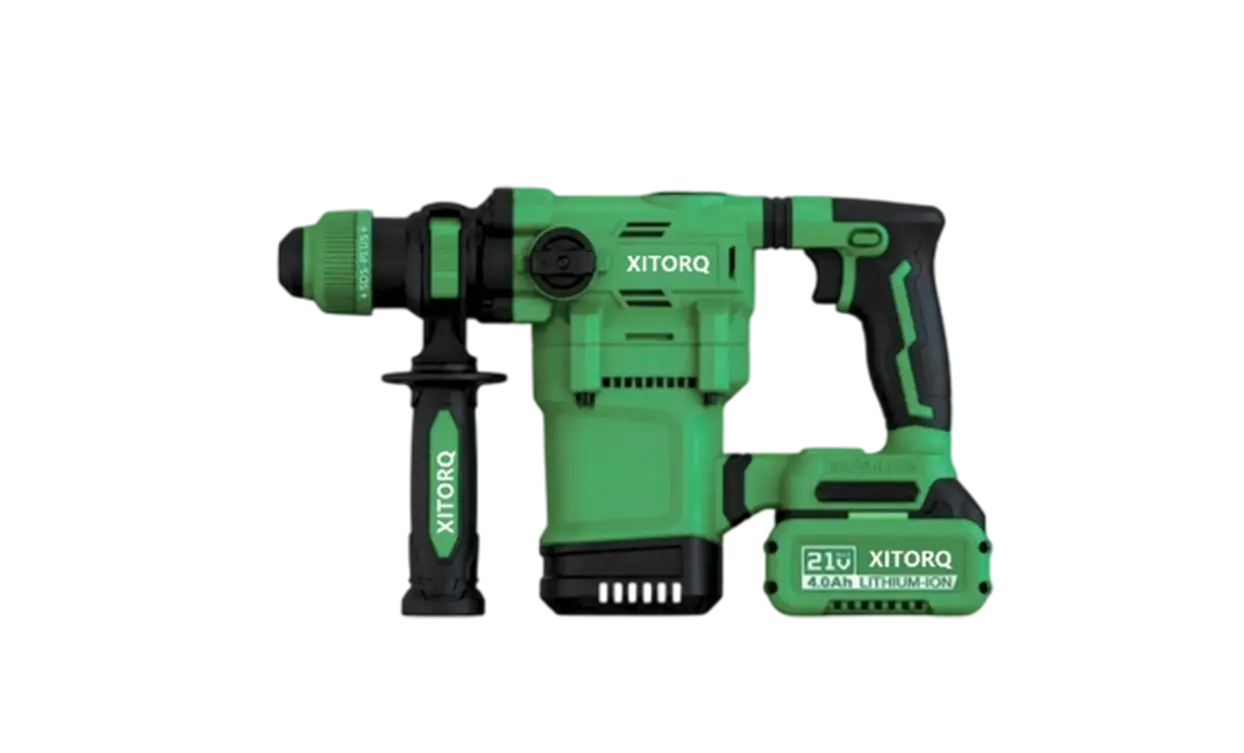
This 21V lithium-ion brushless rotary hammer is an industrial-grade tool designed for drilling and chiseling in concrete, stone, and other hard materi...
See Details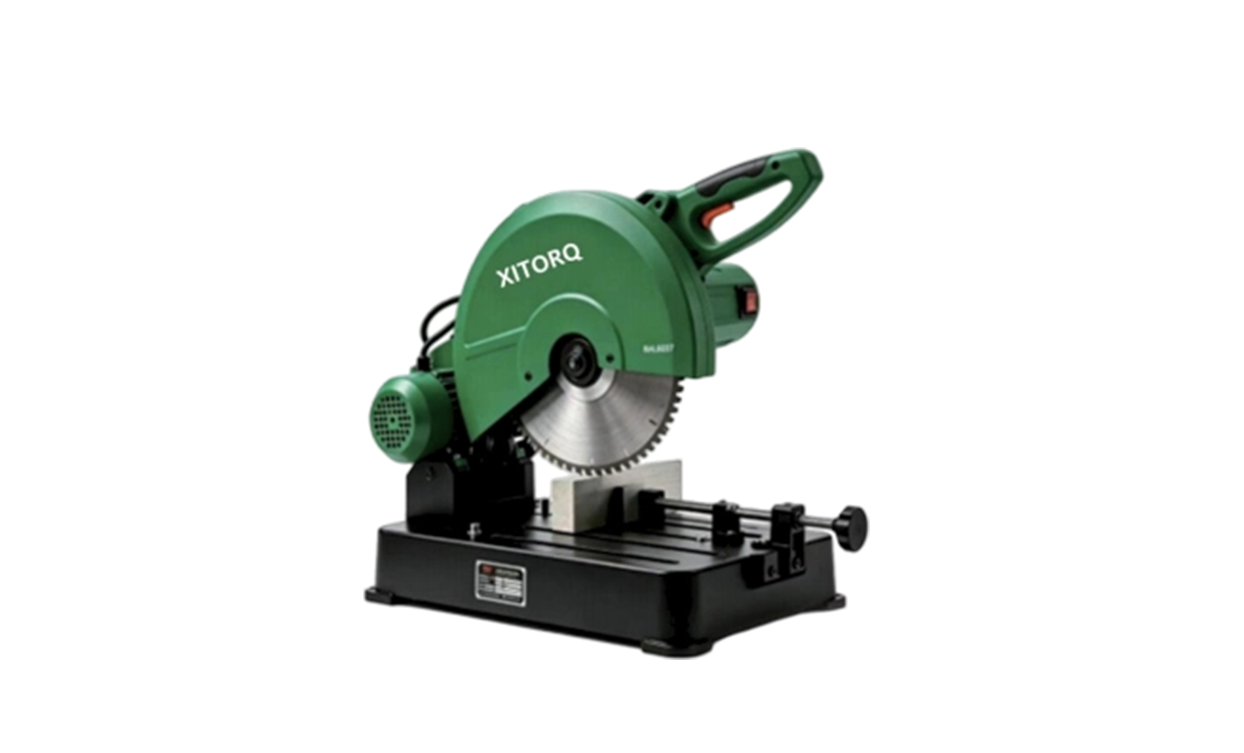
This 220V 14" permanent magnet variable frequency cold saw is an industrial-grade cutting tool designed for metal profile cutting. Featuring a permane...
See Details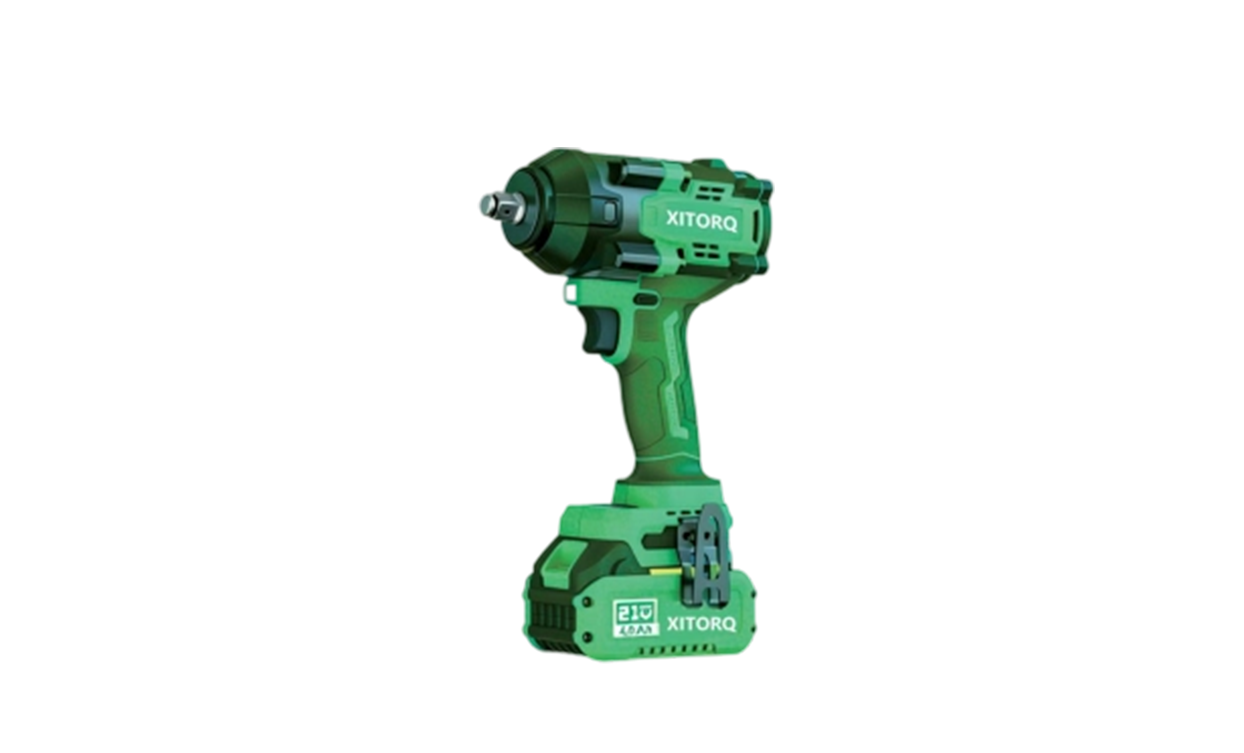
The XJ.570 21V lithium-ion brushless impact wrench is a light industrial-grade tool from the Xiaojia brand. Equipped with a 5220 brushless motor and p...
See Details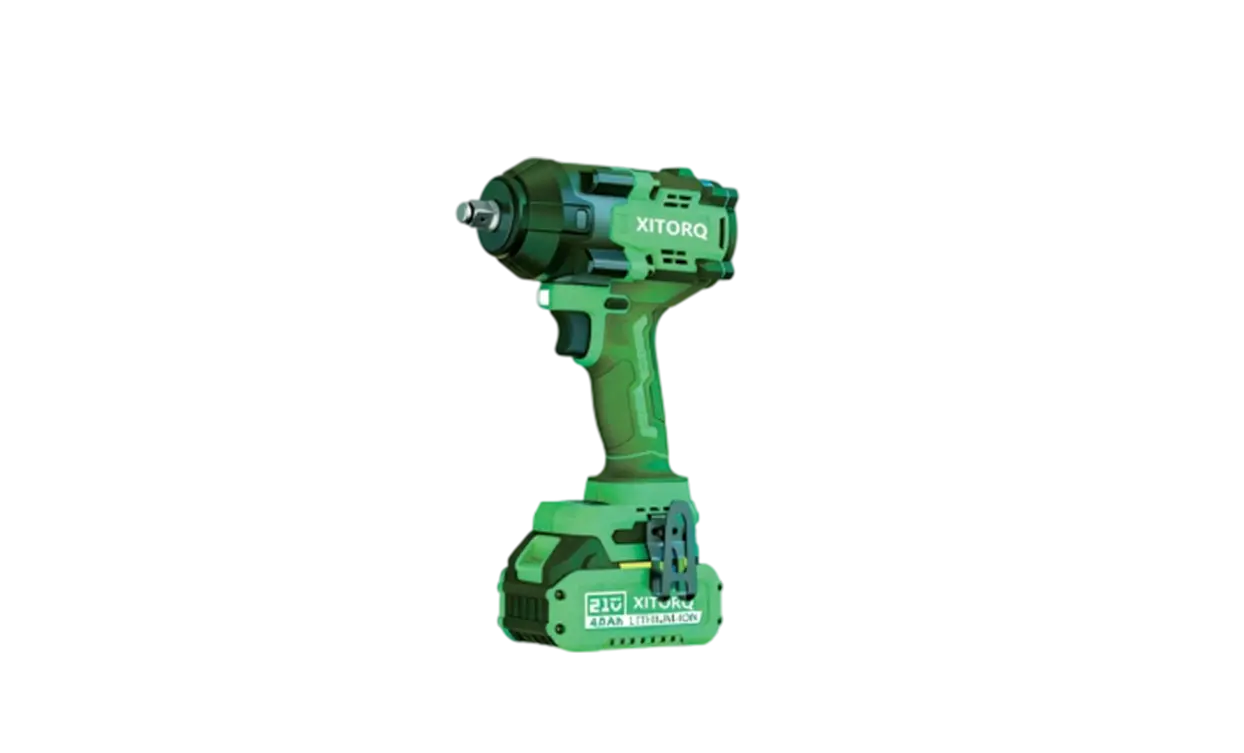
The XJ.580 21V lithium-ion brushless impact wrench is a medium-duty industrial-grade tool from the Xiaojia brand. Featuring an upgraded brushless moto...
See Details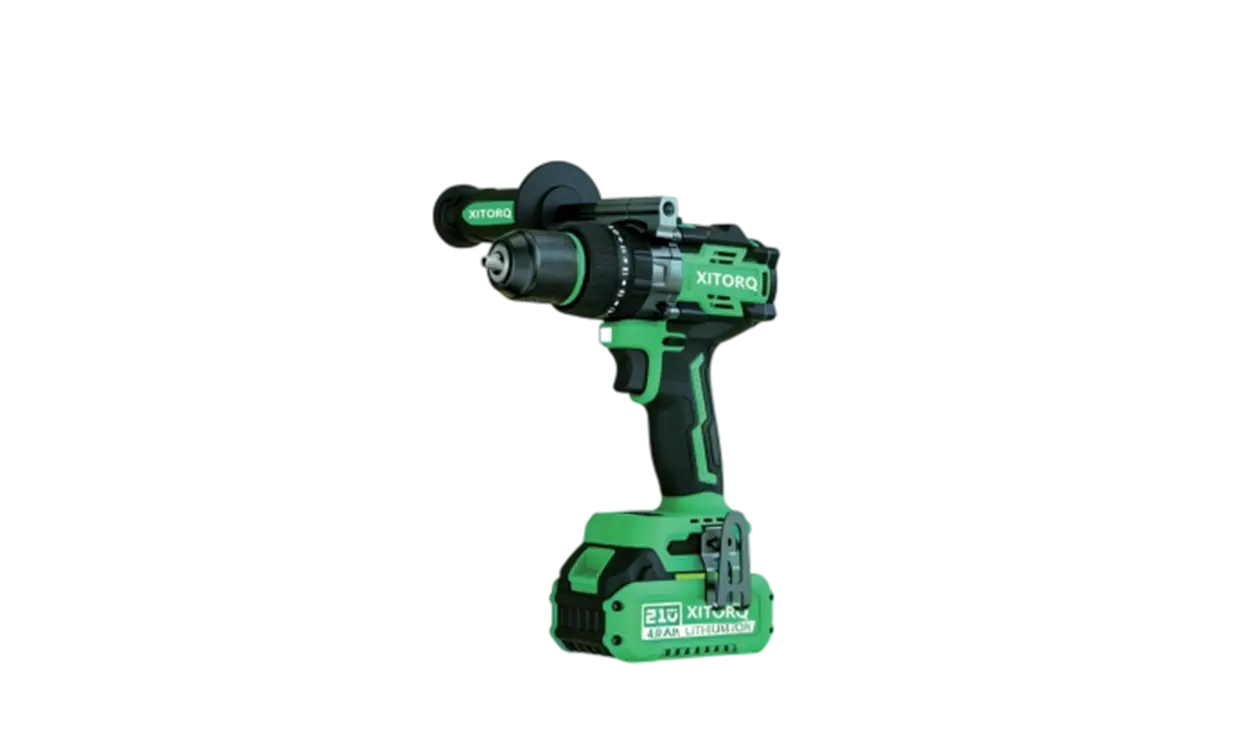
The XJ.615 21V lithium-ion brushless hammer drill/driver is a dual-purpose cordless drill from the Xiaojia brand. Powered by a 21V battery pack for co...
See Details
Copyright © by Hangzhou Xinabo Intelligent Electromechanical Technology Co., Ltd Rights Reserved. Pipe Threaders Manufacturers