
 English
 Español
 عربى
عربى


Intelligent Threading Machine
1. Automatically identify the pipe diameter 2. Automatic tool adjustment and setting 3. Pipe Processing Range: DN15–DN100 4. Threading time as fast ...
See Details
Content
An intelligent threading machine is a computer-assisted or fully automated device that cuts, rolls, or forms threads on pipes, bolts, rods, and other cylindrical workpieces with precision control. Unlike conventional threading tools, intelligent models use sensors, programmable logic controllers, and real-time feedback loops to adjust cutting parameters automatically, reducing human error and increasing consistency across high-volume production runs.
In practical terms, a threading machine receives a workpiece, detects its diameter and material hardness, selects the correct die or cutting head, applies the right feed rate and torque, and stops the moment the thread reaches the specified depth. The result is a finished thread that meets tolerance standards without manual adjustment between each piece.
The word intelligent describes a specific set of integrated technologies working together inside a modern threading machine. Understanding each component explains why these machines deliver results that manual or semi-automatic models cannot match.
Servo motors replace older induction motors because they respond to control signals in milliseconds. When cutting thread on hardened steel versus soft aluminum, the machine needs to modulate torque almost instantly. Servo-driven systems can maintain spindle speed within plus or minus 0.1 RPM, which directly protects thread pitch accuracy across the full length of the workpiece.
Programmable logic controllers store multiple threading programs and switch between them automatically based on part type. CNC-integrated machines can store hundreds of thread profiles, including metric, unified, pipe, and specialty threads. Operators switch jobs in under two minutes on systems that previously required 20 to 30 minutes of manual retooling.
Built-in load cells and torque sensors continuously measure resistance during cutting. If a worn die causes cutting force to spike beyond a defined threshold, the machine pauses and alerts the operator rather than continuing to cut defective threads. This single feature can reduce scrap rates by 15 to 25 percent in high-volume pipe threading operations.
Intelligent machines calculate optimal coolant flow based on material type, cutting speed, and ambient temperature. Automatic systems deliver the right volume of cutting oil at the right moment, extending die life by up to 40 percent compared to manually controlled lubrication.
Different industries require different machine configurations. The table below outlines the main types and their typical uses.
| Machine Type | Typical Workpiece | Key Intelligent Feature | Common Industry |
|---|---|---|---|
| Pipe Threading Machine | Steel and PVC pipe | Auto die head with size detection | Plumbing, oil and gas |
| CNC Thread Milling Machine | Precision metal components | Multi-axis servo control | Aerospace, medical devices |
| Automatic Bolt Threading Machine | Fasteners and studs | High-speed feed with vision inspection | Automotive, construction |
| Rebar Threading Machine | Reinforcing steel bars | Force feedback and auto stop | Civil engineering, construction |
| Lathe-Based Thread Cutting Machine | Custom shafts and fittings | CNC thread cycle with live tool | General machining, toolmaking |
Producing threads is only half the task. Verifying their quality closes the loop between production and quality control. Intelligent threading machines increasingly incorporate in-line inspection rather than relying on separate offline measurement steps.
Common automated verification methods include:
In one documented case from a pipe fittings manufacturer, integrating optical in-line inspection reduced customer rejection rates from 1.8 percent to below 0.2 percent within six months of implementation, without adding inspection staff.
The shift from manual to intelligent threading is not purely about precision. The throughput numbers make a compelling case on their own.
Manual threading of a 2-inch steel pipe typically requires 45 to 60 seconds per end, including setup, cutting, and inspection. An intelligent automated threading machine completes the same operation in 8 to 12 seconds. Over a single 8-hour shift, that difference can mean 1,400 additional finished pipe ends without adding any labor.
Because intelligent machines apply precisely calibrated cutting forces and never over-lubricate or under-lubricate, tooling lasts significantly longer. Studies from metalworking operations show that die life increases by 30 to 50 percent when transitioning from semi-automatic to fully intelligent threading systems, directly lowering cost per thread.
One operator can typically manage two to four intelligent threading machines simultaneously, compared to one manual machine per operator. For a production facility running 10 threading stations, this can reduce the labor requirement from 10 workers to 3, with those workers focusing on oversight, maintenance, and programming rather than repetitive cutting tasks.
Choosing an intelligent threading machine involves more than matching it to a workpiece diameter. Several operational factors determine which configuration delivers the best return.
An intelligent threading machine is a capital investment, and its reliability depends on consistent maintenance practices. The intelligence built into these machines also supports their own maintenance through diagnostic tools.
A standard preventive maintenance cycle for an intelligent threading machine typically includes:
Modern intelligent threading machines generate operational data logs that can reveal developing problems before failure occurs. Rising current draw on the spindle motor over successive shifts often indicates bearing wear long before any audible symptom appears. Reviewing these logs weekly adds minimal time but can prevent unplanned downtime that costs far more than a bearing replacement.
Several industries have adopted intelligent threading machines at scale because their production demands make manual or semi-automatic threading economically unsustainable.
Pipe threaded to API standards must meet tight tolerances to ensure leak-free connections under high pressure. Threading machines with API-compliant die heads and automated gauging verify every joint before it leaves the fabrication yard. Defective threads in a pipeline can lead to failures that cost millions in remediation, making upfront investment in intelligent threading equipment straightforward to justify.
A single automotive assembly line may consume several million threaded fasteners per year. Intelligent thread rolling machines produce bolts and studs at rates exceeding 300 pieces per minute while vision systems inspect thread form on every part. Even a 0.1 percent defect rate at that volume translates to thousands of faulty fasteners per day, which explains why automated inspection is now standard rather than optional in this sector.
Rebar couplers used in reinforced concrete construction require precisely threaded bar ends to achieve full tensile strength connections. Portable intelligent rebar threading machines allow on-site threading to exact specifications, replacing lap splices that require more steel and create congestion in heavily reinforced sections. Mechanical rebar splices using threaded couplers can reduce steel usage by 20 to 30 percent in dense reinforcement zones, a significant material saving on large projects.
The next generation of threading machines is moving beyond pre-programmed automation toward adaptive systems that learn from production data and adjust independently.
Key developments already entering production-level machines include:
The convergence of precision mechanics, sensor technology, and data analytics is turning the threading machine from a single-purpose tool into a connected node within a broader smart manufacturing environment. Facilities that invest in these systems today are positioning themselves to meet tighter tolerances, faster lead times, and more demanding traceability requirements that are already becoming standard expectations in aerospace, medical, and energy supply chains.
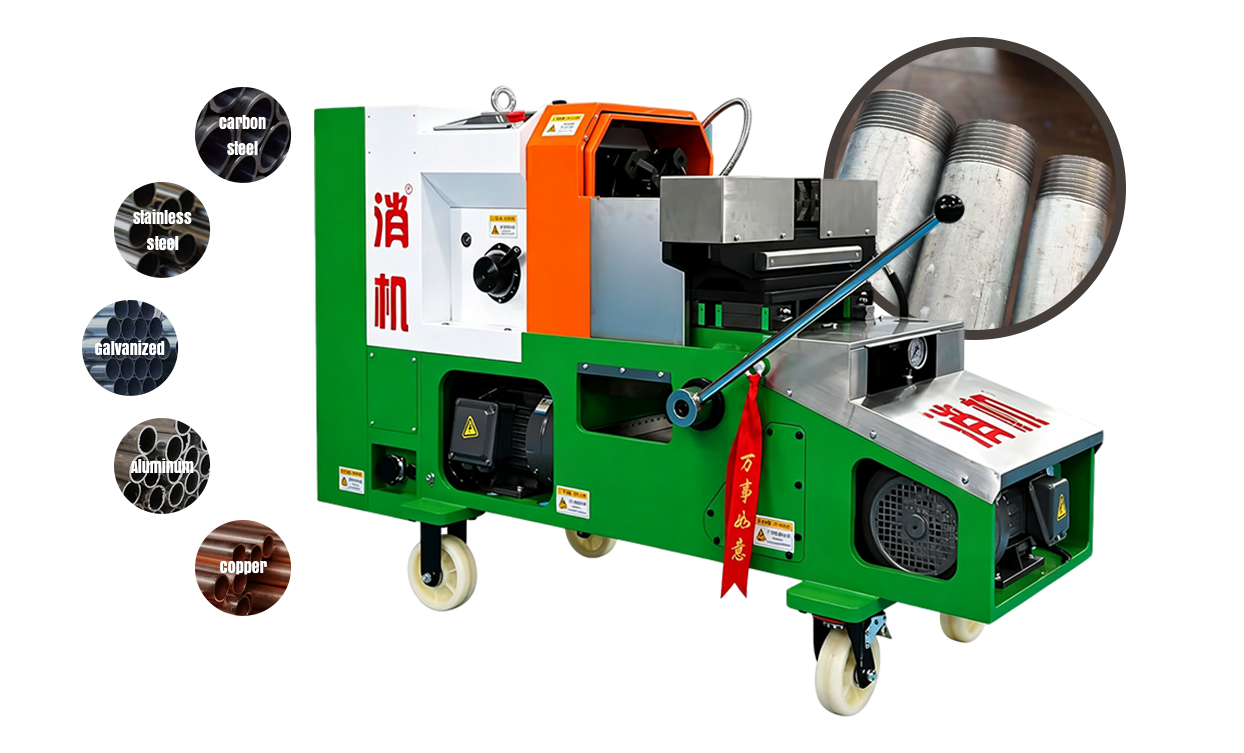
1. Automatically identify the pipe diameter 2. Automatic tool adjustment and setting 3. Pipe Processing Range: DN15–DN100 4. Threading time as fast ...
See Details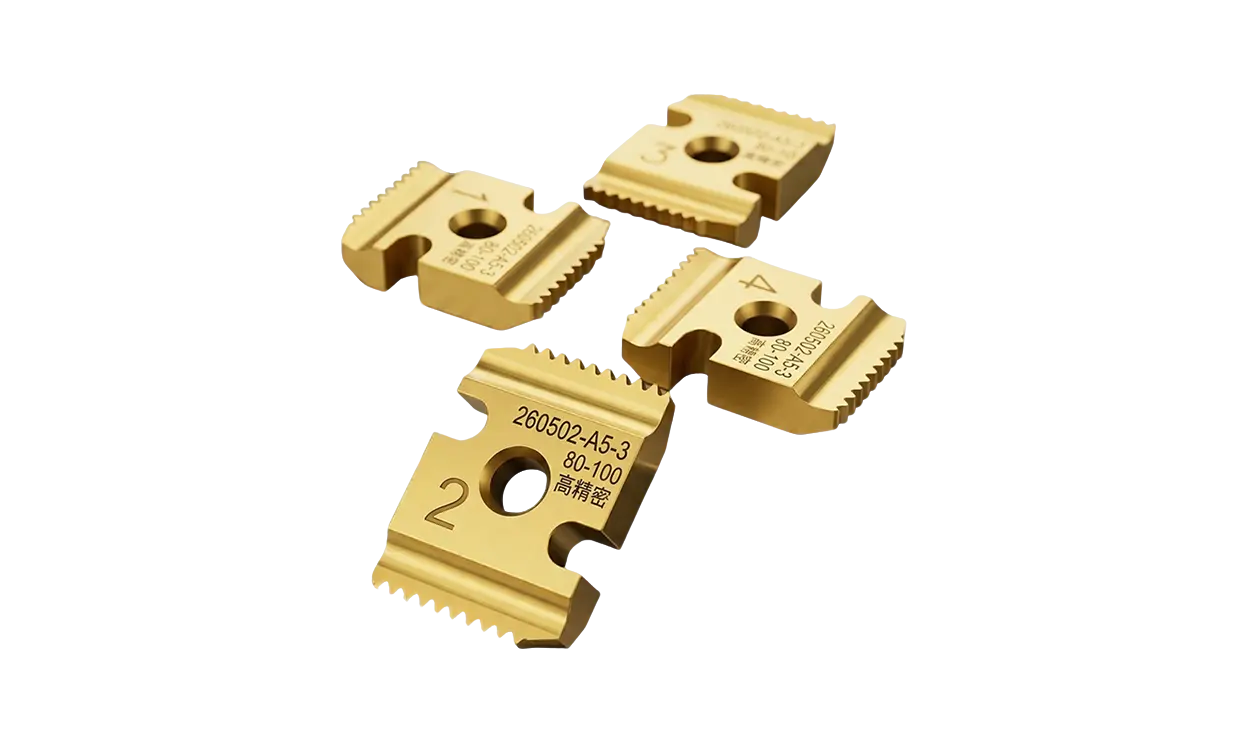
Specialized Compatibility: Exclusively designed for intelligent threading machines, the dies feature a high precision-machined structure that perfectl...
See Details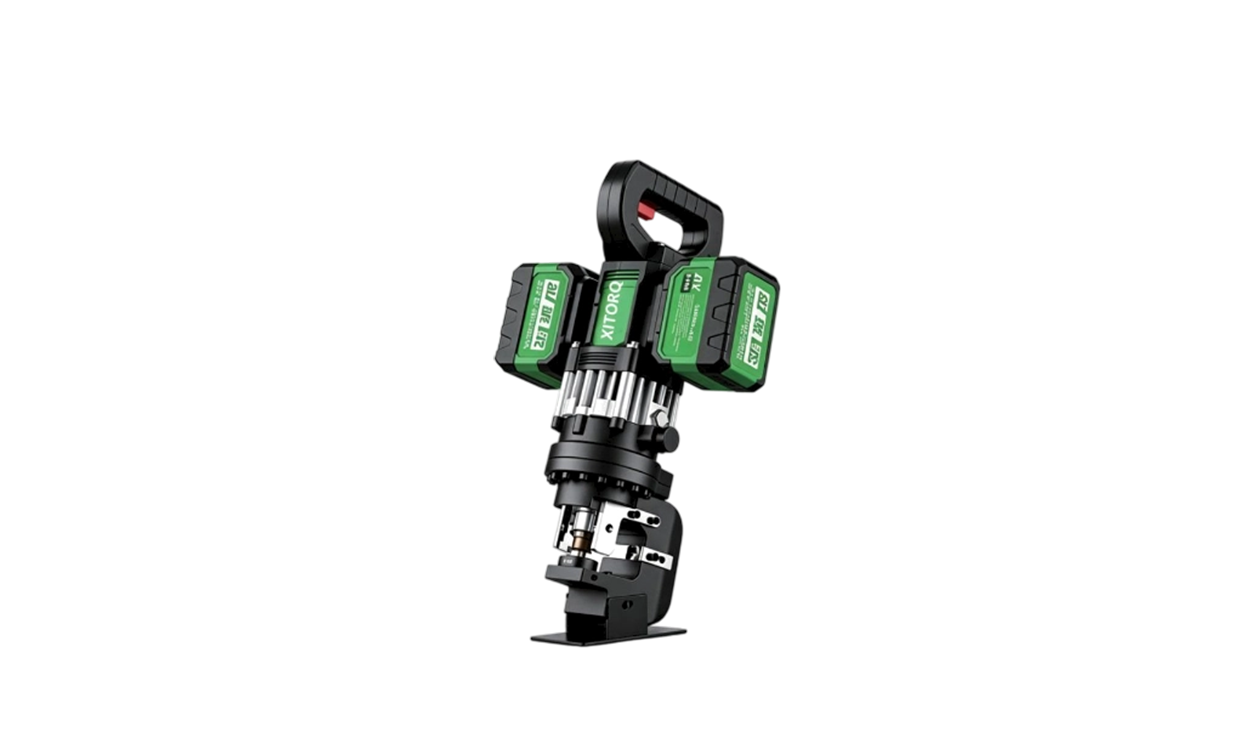
This 21V lithium-ion channel steel hole puncher is a portable hydraulic punching tool designed for punching holes in channel steel, angle steel, steel...
See Details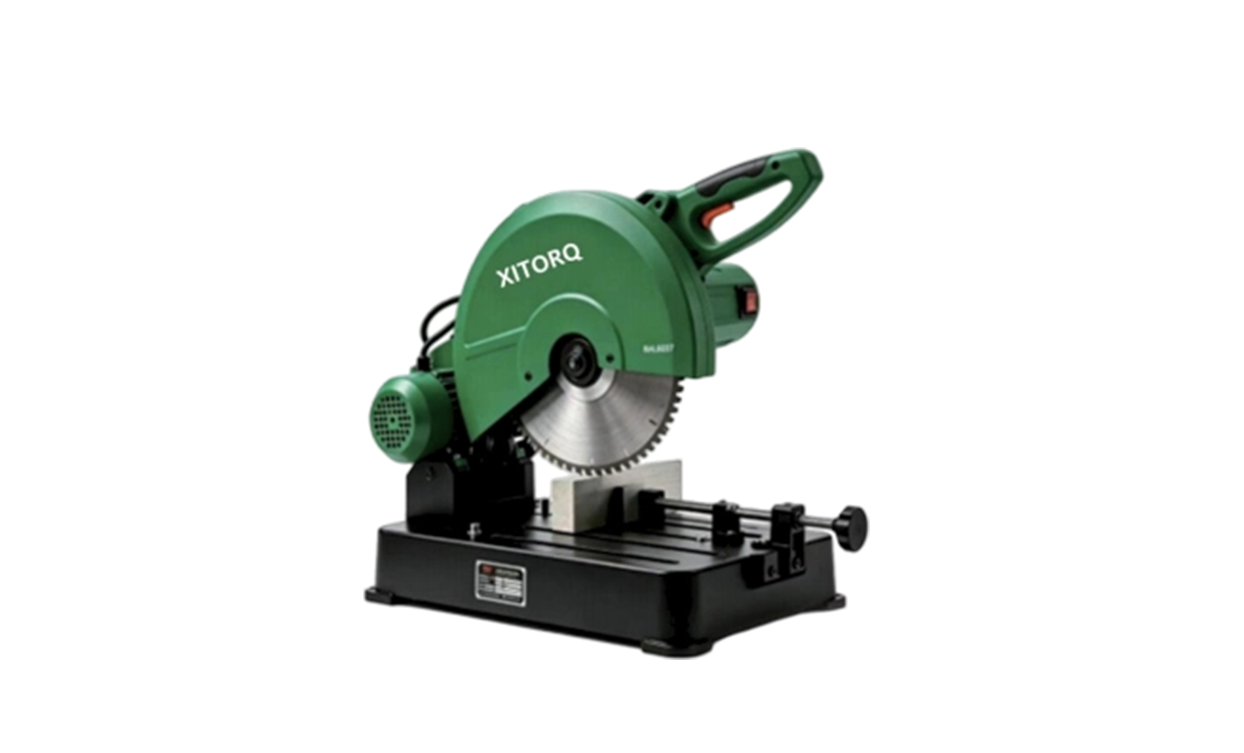
This 220V 14" permanent magnet variable frequency cold saw is an industrial-grade cutting tool designed for metal profile cutting. Featuring a permane...
See Details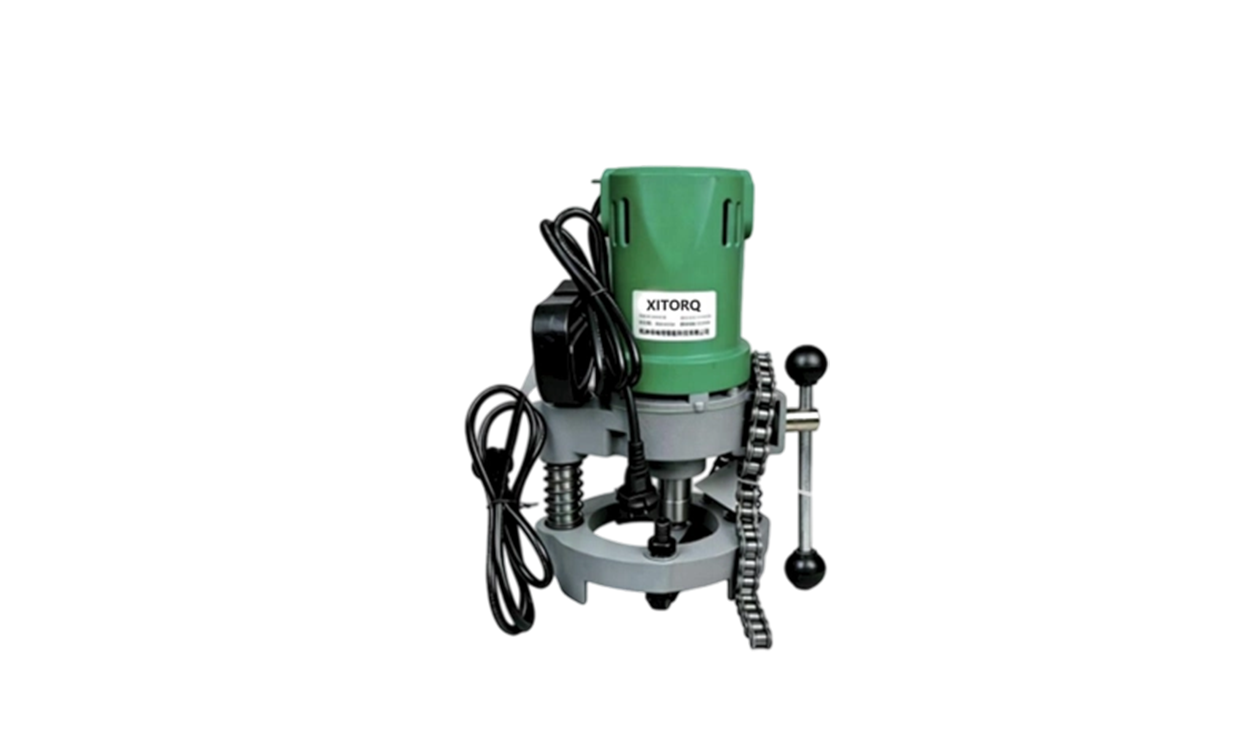
This 220V Fire Pipe Drilling Machine is a professional device designed for hole cutting on fire protection and plumbing pipes. Powered by a 220V indus...
See Details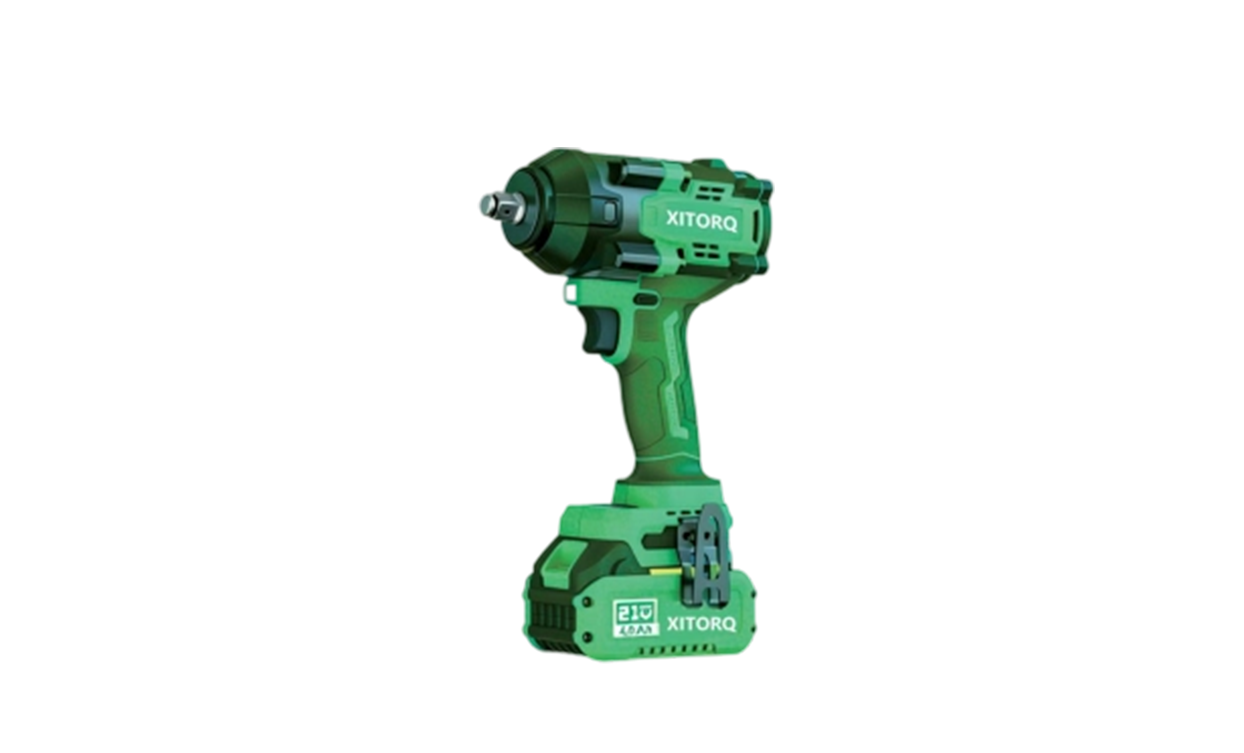
The XJ.570 21V lithium-ion brushless impact wrench is a light industrial-grade tool from the Xiaojia brand. Equipped with a 5220 brushless motor and p...
See Details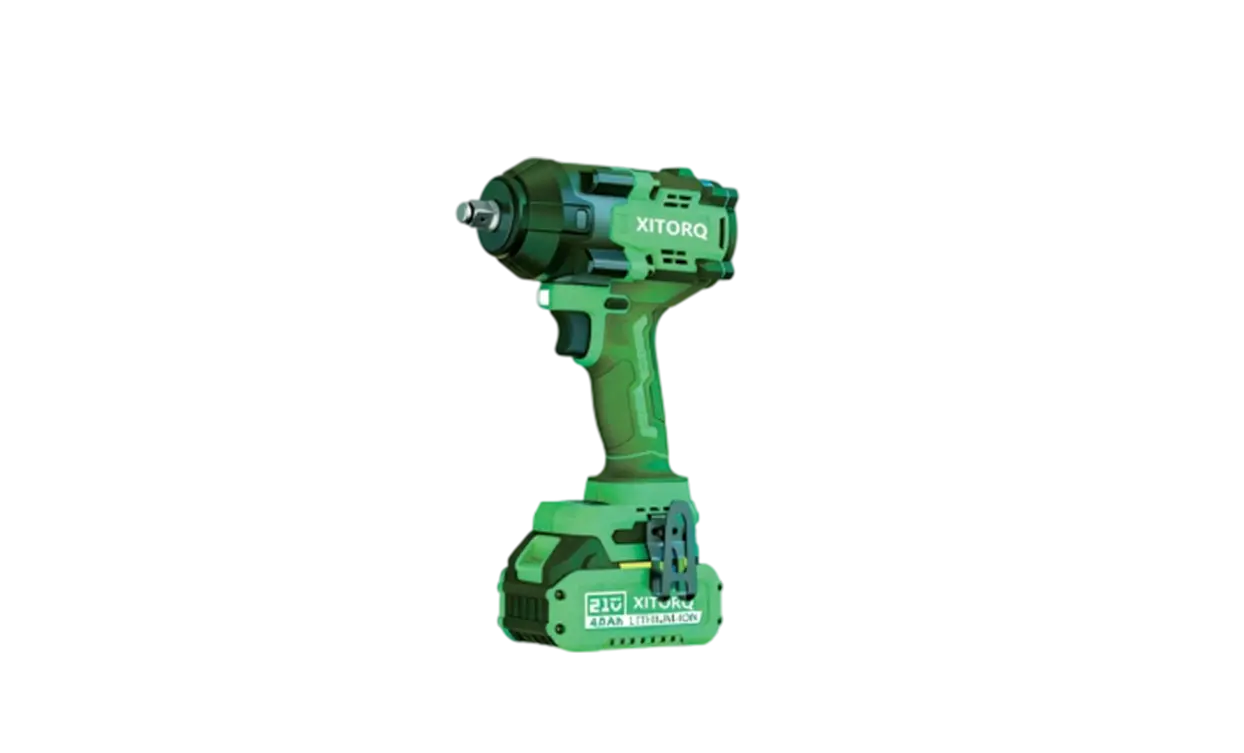
The XJ.580 21V lithium-ion brushless impact wrench is a medium-duty industrial-grade tool from the Xiaojia brand. Featuring an upgraded brushless moto...
See Details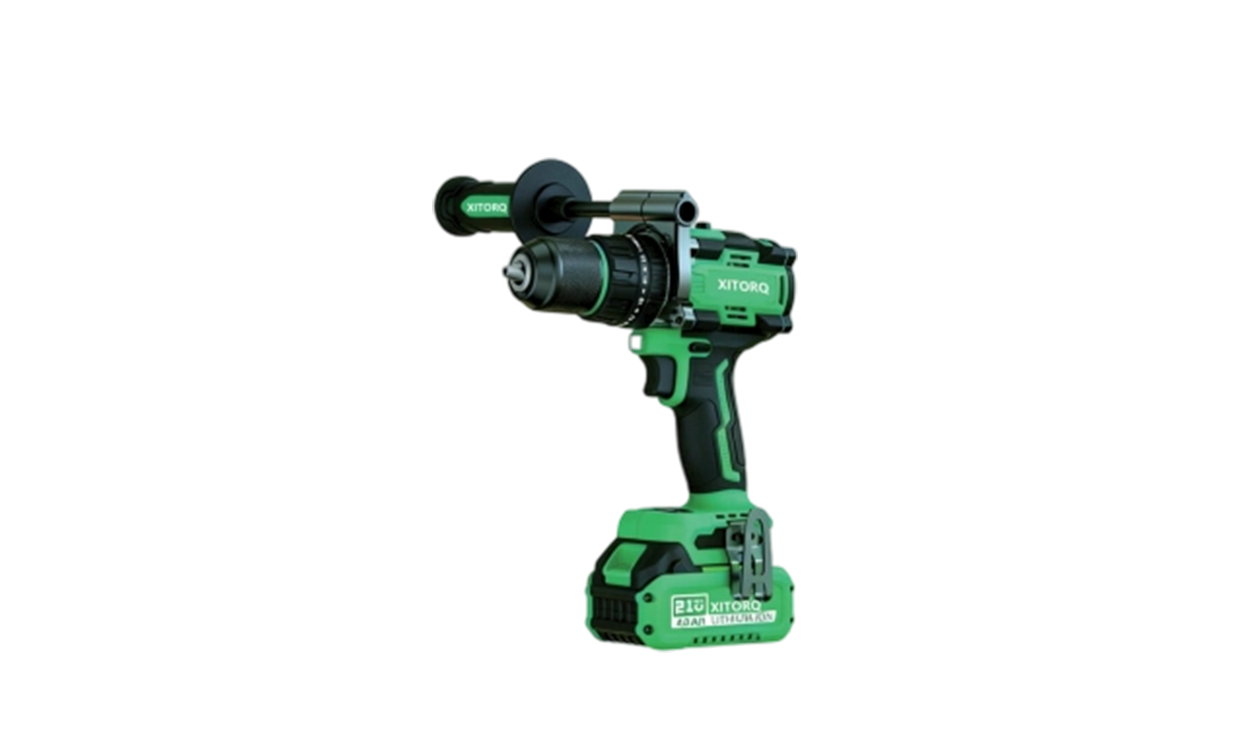
The XJ.617 21V lithium-ion brushless hammer drill/driver is a heavy-duty multi-function drill from the Xiaojia brand. Featuring an upgraded brushless ...
See Details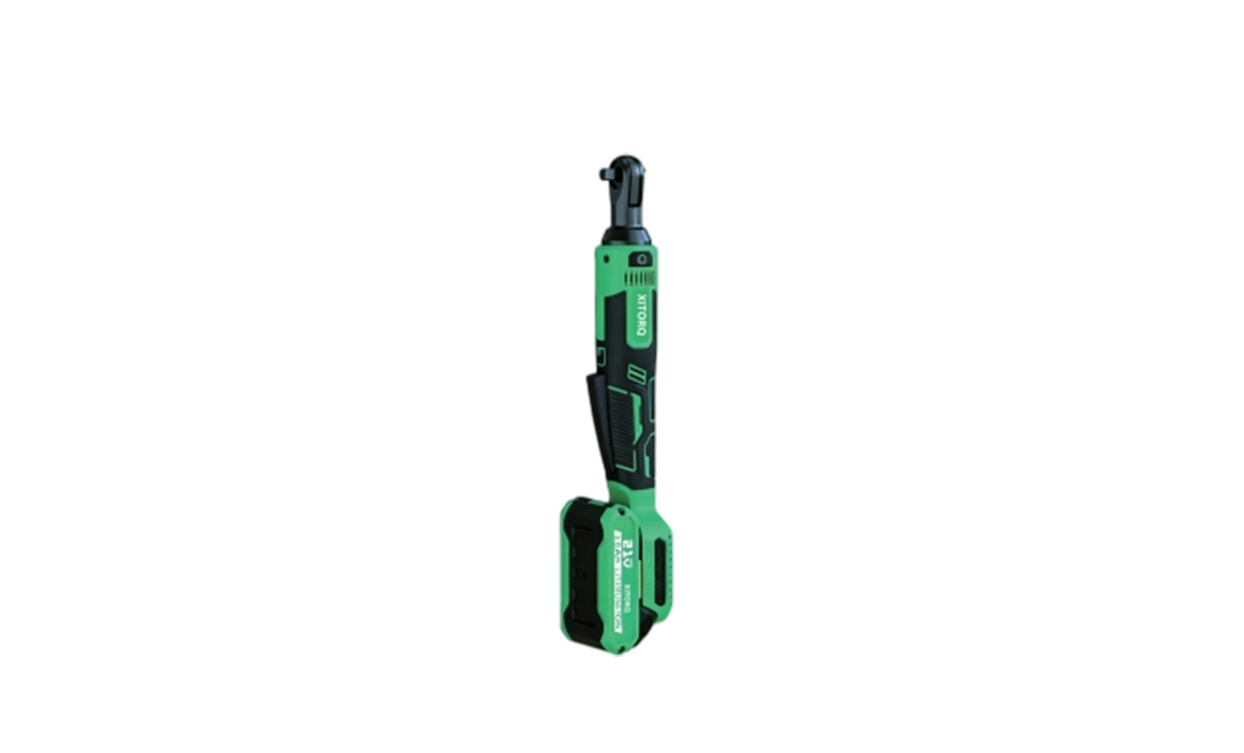
The XJ.592 16V brushless angle ratchet wrench is a compact industrial-grade ratchet from the Xiaojia brand. Equipped with a 16V brushless motor and an...
See Details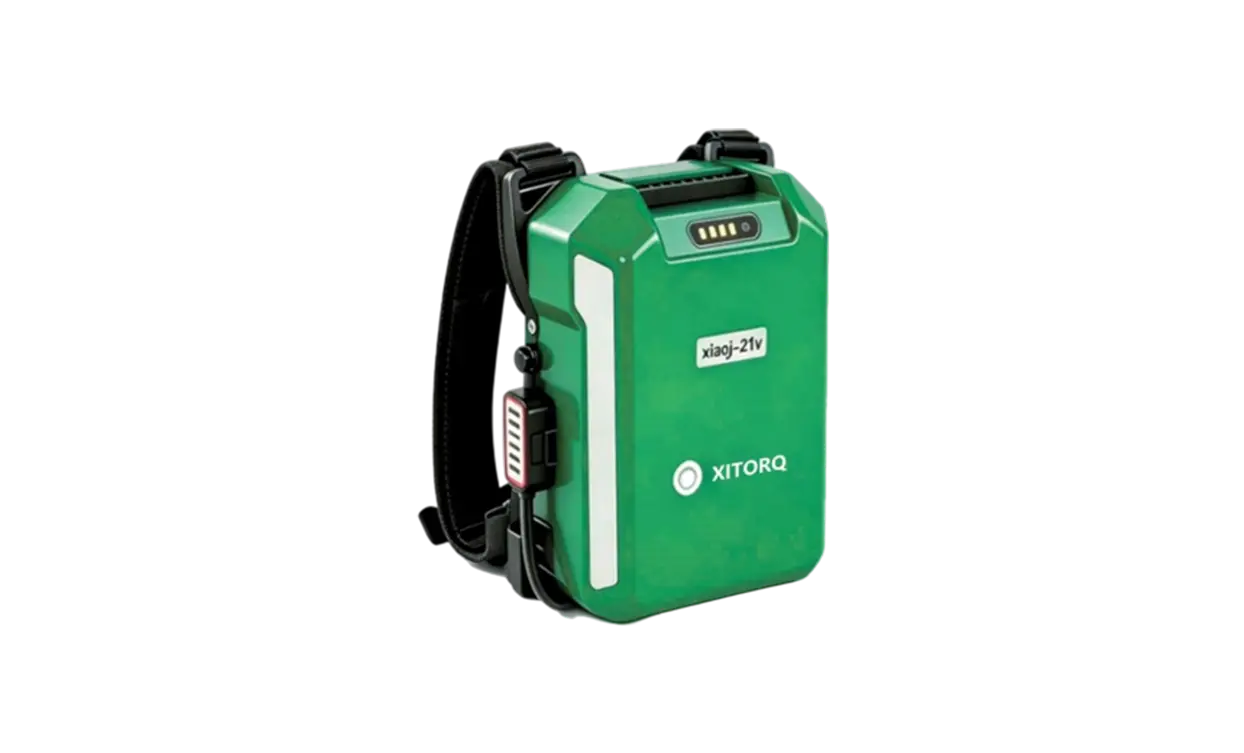
This backpack lithium battery pack is a large-capacity portable power supply designed for extended continuous operation of power tools. Using high-rat...
See Details
Copyright © by Hangzhou Xinabo Intelligent Electromechanical Technology Co., Ltd Rights Reserved. Pipe Threaders Manufacturers
