
 English
 Español
 عربى
عربى


F1200 Series Air Compressor
The F1200 Series Air Compressor is engineered for reliable, cost-effective compressed air supply, core to which are its high-efficiency oil-free desig...
See Details
Content
An electric pipe threading machine is a power-driven tool that cuts precise threads onto metal pipes automatically, replacing the slow, labor-intensive process of manual hand-threading dies. For any plumber, pipefitter, or contractor working with steel, stainless, or galvanized pipe on a regular basis, an electric threading machine is not a luxury — it is a productivity essential. A mid-range model can thread a ¾-inch pipe in under 30 seconds, compared to several minutes by hand.
This guide covers how these machines work, the specifications that matter most, a comparison of popular models, and practical advice so you can choose the right machine for your specific application.
The machine grips the pipe with a self-centering chuck or clamp, then rotates it against a set of hardened steel die heads. As the pipe spins, the dies progressively cut threads into the outer surface to a standardized pitch — most commonly NPT (National Pipe Taper) in North America or BSP in Europe. A cutting oil pump lubricates and cools the dies continuously, extending die life and producing cleaner threads.
Most machines also include an integrated pipe cutter and reamer, so you can cut pipe to length, remove the burr, and thread — all on one unit without moving the pipe.
Not all electric pipe threading machines are built for the same job. Understanding the main categories helps you avoid overspending or underbuying.
Lightweight units like the RIDGID 700 or Milwaukee 2872-20 operate on a handheld die head with an electric drive. They handle pipe from ⅛ inch to 2 inches and weigh as little as 8–12 lbs. Best for service work, tight spaces, or jobs where carrying a stand-mounted machine is impractical.
These are the industry workhorses — models like the RIDGID 300 Power Drive or Rothenberger Supertronic 2000 sit on a fixed or wheeled stand. They handle ⅛ inch to 4-inch pipe (some up to 6 inches) and are designed for high-volume threading in pipe fabrication shops or large commercial projects.
These integrate threading, cutting, reaming, and sometimes grooving into one unit. The RIDGID 535 is one of the most recognizable examples, capable of threading up to 2-inch pipe with an all-in-one workflow that significantly reduces setup time on commercial sites.
When evaluating electric pipe threading machines, these are the specifications that will most directly affect your day-to-day use and long-term value.
| Model | Pipe Capacity | Motor Power | RPM | Weight | Best For |
|---|---|---|---|---|---|
| RIDGID 535 | ⅛″ – 2″ | 1/2 HP | 38 RPM | 116 lbs | Commercial plumbing, fabrication shops |
| RIDGID 300 Power Drive | ⅛″ – 4″ | 1 HP | 18 / 35 RPM | 175 lbs | Large-diameter industrial pipe work |
| Rothenberger Supertronic 2 | ½″ – 2″ | 1100W | 40 RPM | 88 lbs | European thread standards, service work |
| Milwaukee 2872-20 | ⅛″ – 2″ | Cordless (18V) | Variable | ~13 lbs | Portable, field service, no outlet access |
This is the single most important spec. A machine rated for ⅛″ to 2″ covers the vast majority of residential and light commercial plumbing. If you regularly thread 2½″ to 4″ pipe, you need a heavier-duty machine — expect to pay $3,000–$6,000+ for this category versus $800–$2,500 for standard 2-inch machines.
Lower RPM produces cleaner threads on larger-diameter pipe. Most stand-mounted machines run at 25–40 RPM. Two-speed machines (like the RIDGID 300) give you flexibility: faster RPM for small pipe, slower for large. Do not use a high-RPM setting on large-diameter pipe — it shortens die life and produces ragged threads.
An automatic die head releases at the end of the thread, which speeds up repetitive work significantly. Manual die heads require the operator to release by hand — acceptable for occasional use but slow on high-volume jobs. If you thread more than 20–30 joints per day, an automatic die head pays for the price premium within weeks.
The dies are consumables, and their quality directly determines thread quality and how long they last before requiring replacement.
Always match the die set to both the pipe material and the thread standard required by the fitting system you're using. Mixing standards is a common and costly mistake.
Cutting oil is not optional — it is the reason dies last as long as they do and threads come out clean. The oil serves three functions: lubrication to reduce cutting friction, cooling to prevent die wear from heat, and chip evacuation to flush metal particles away from the cutting zone.
Never use motor oil or WD-40 as a substitute. These lack the sulfurized or chlorinated additives that make threading oil effective on steel. Purpose-made threading oils (RIDGID Thread Cutting Oil, for example) cost around $15–$30 per gallon and extend die life by a factor of 3–5 compared to improper substitutes. Most machines hold 1–2 quarts in the reservoir; check and top up before every heavy-use session.
Electric pipe threading machines rotate pipe at speed and involve sharp cutting tools. Injuries typically occur from loose clothing, improper pipe support, or reaching around a spinning pipe.
A well-maintained electric pipe threading machine can last 20–30 years in professional use. Neglected machines produce out-of-spec threads that leak under pressure and are expensive to repair.
A professional-grade electric pipe threading machine like the RIDGID 535 retails for approximately $1,800–$2,500 new. Rental costs typically run $80–$150 per day for equivalent machines. If you thread pipe on more than 15–20 working days per year, ownership breaks even within the first year and pays dividends every year after.
For occasional DIY or one-off commercial projects, renting from a tool hire shop makes more sense. Many hardware chains and specialist pipe tool suppliers stock these for rent with die sets included. If renting, always inspect the die sharpness before accepting the machine — a dull rental set will ruin your threading session.
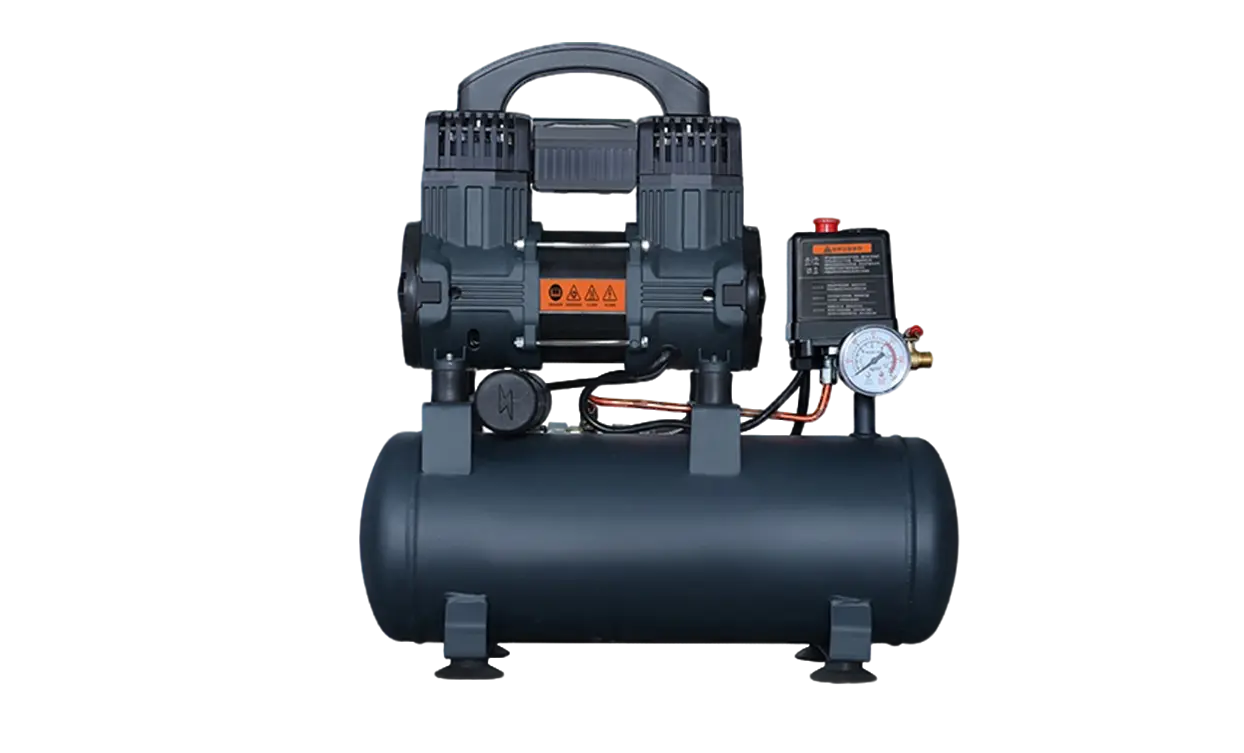
The F1200 Series Air Compressor is engineered for reliable, cost-effective compressed air supply, core to which are its high-efficiency oil-free desig...
See Details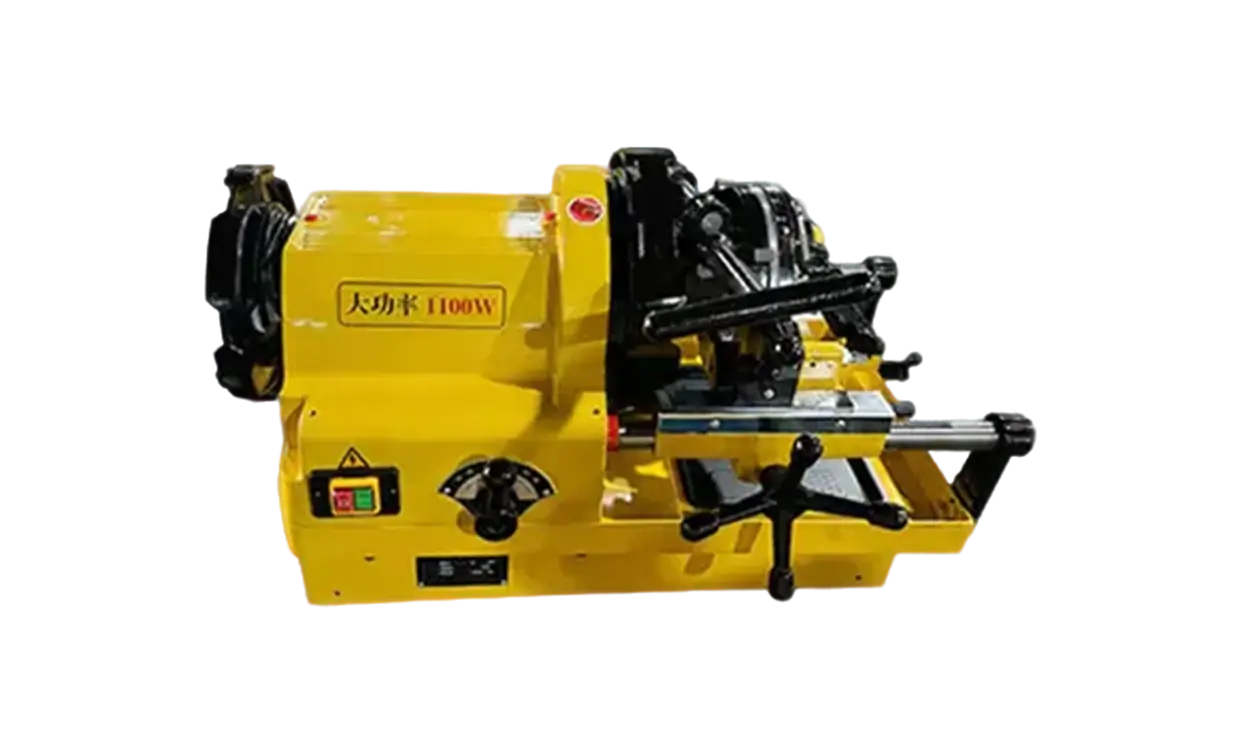
This SQ100 4-inch 15-100mm dual-speed electric pipe threading machine is engineered for precise and efficient pipe threading operations, with a workin...
See Details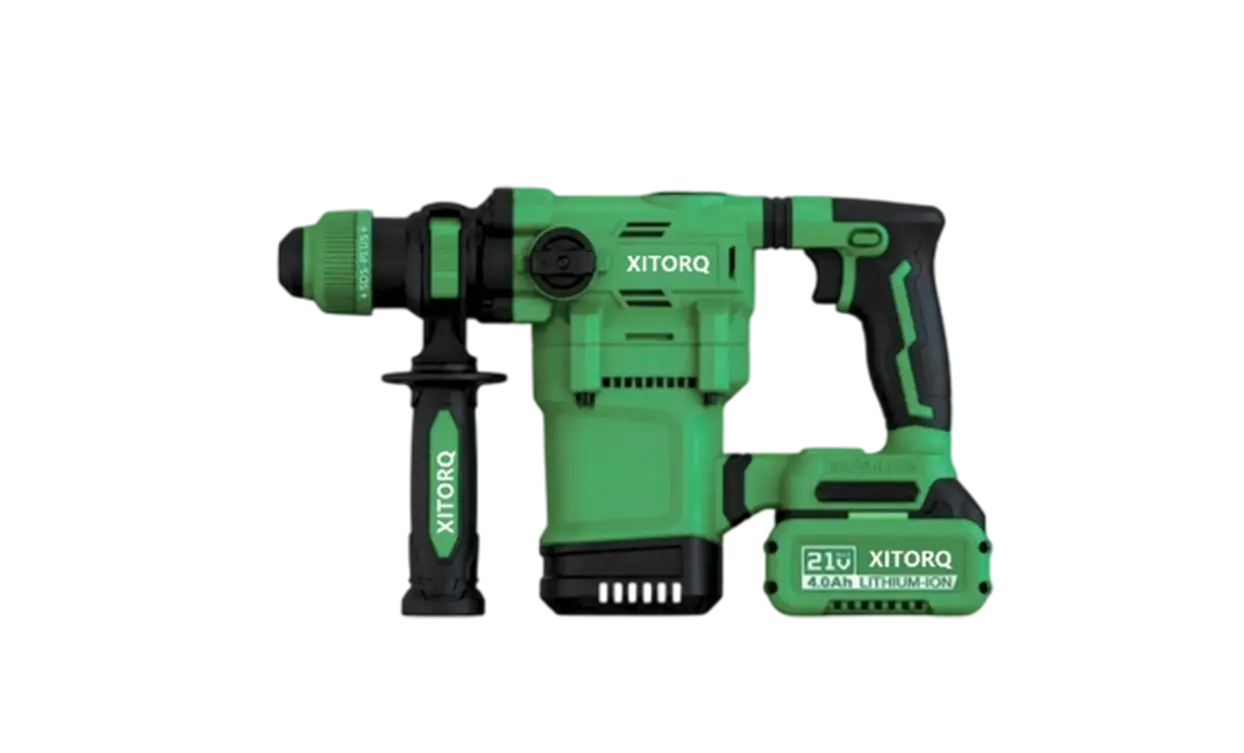
This 21V lithium-ion brushless rotary hammer is an industrial-grade tool designed for drilling and chiseling in concrete, stone, and other hard materi...
See Details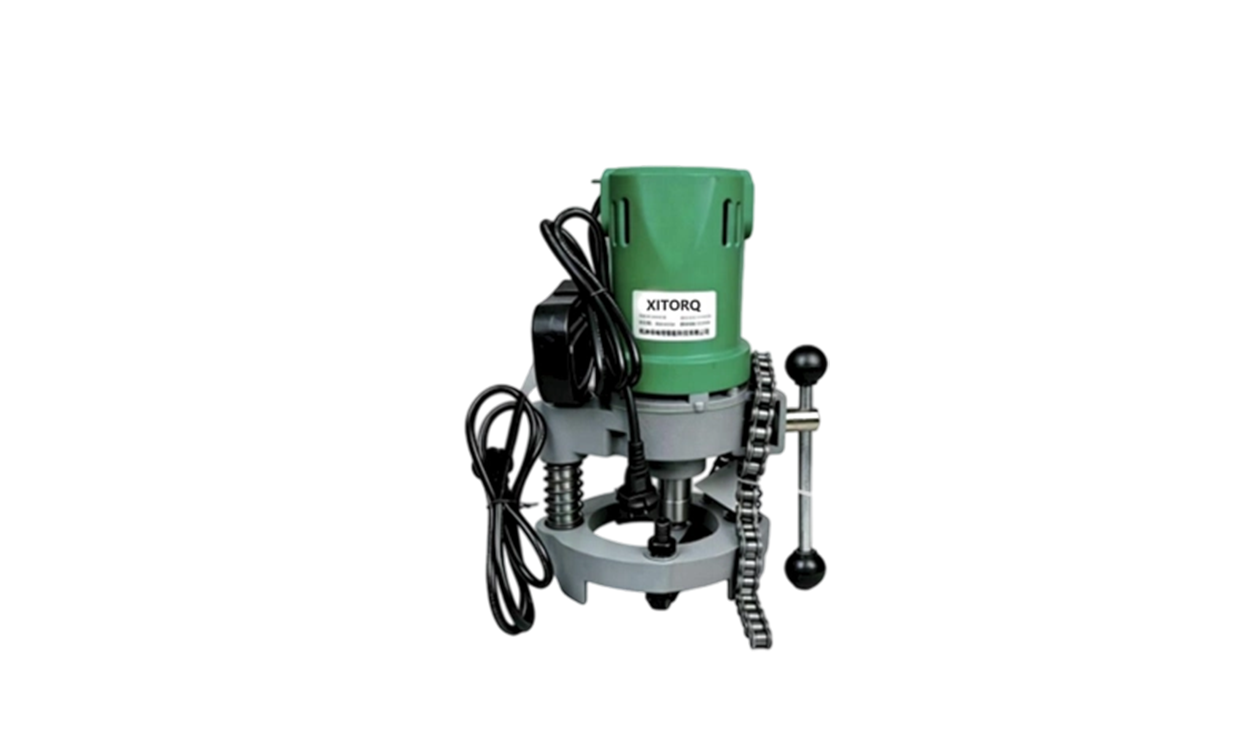
This 220V Fire Pipe Drilling Machine is a professional device designed for hole cutting on fire protection and plumbing pipes. Powered by a 220V indus...
See Details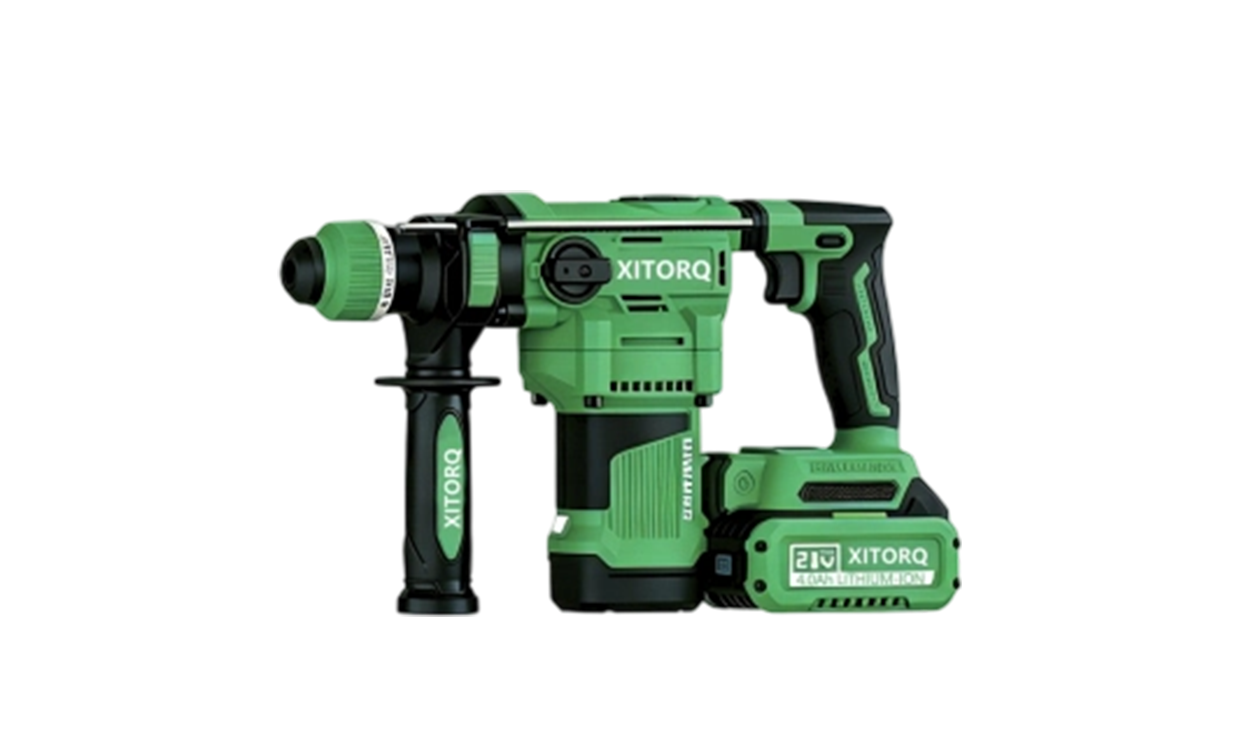
The XJ.728 21V lithium-ion high-magnetic brushless rotary hammer is a heavy-duty industrial-grade hammer from the Xiaojia brand. Featuring an upgraded...
See Details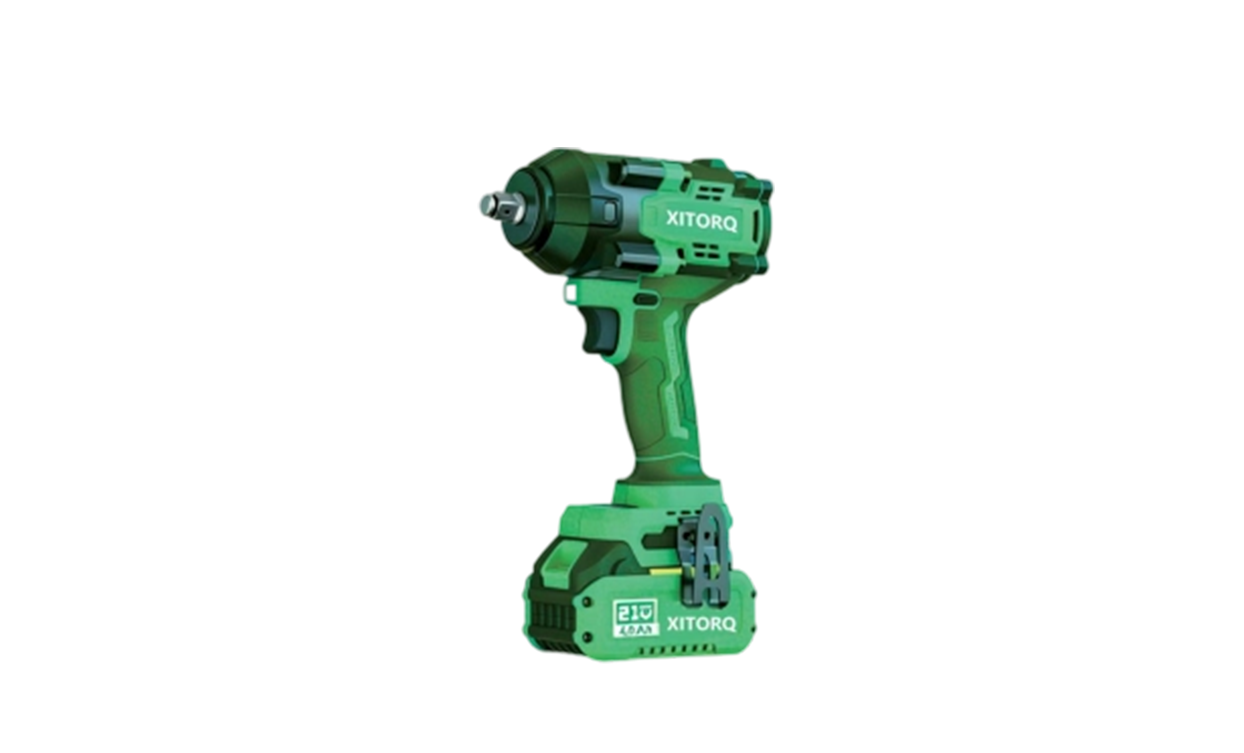
The XJ.570 21V lithium-ion brushless impact wrench is a light industrial-grade tool from the Xiaojia brand. Equipped with a 5220 brushless motor and p...
See Details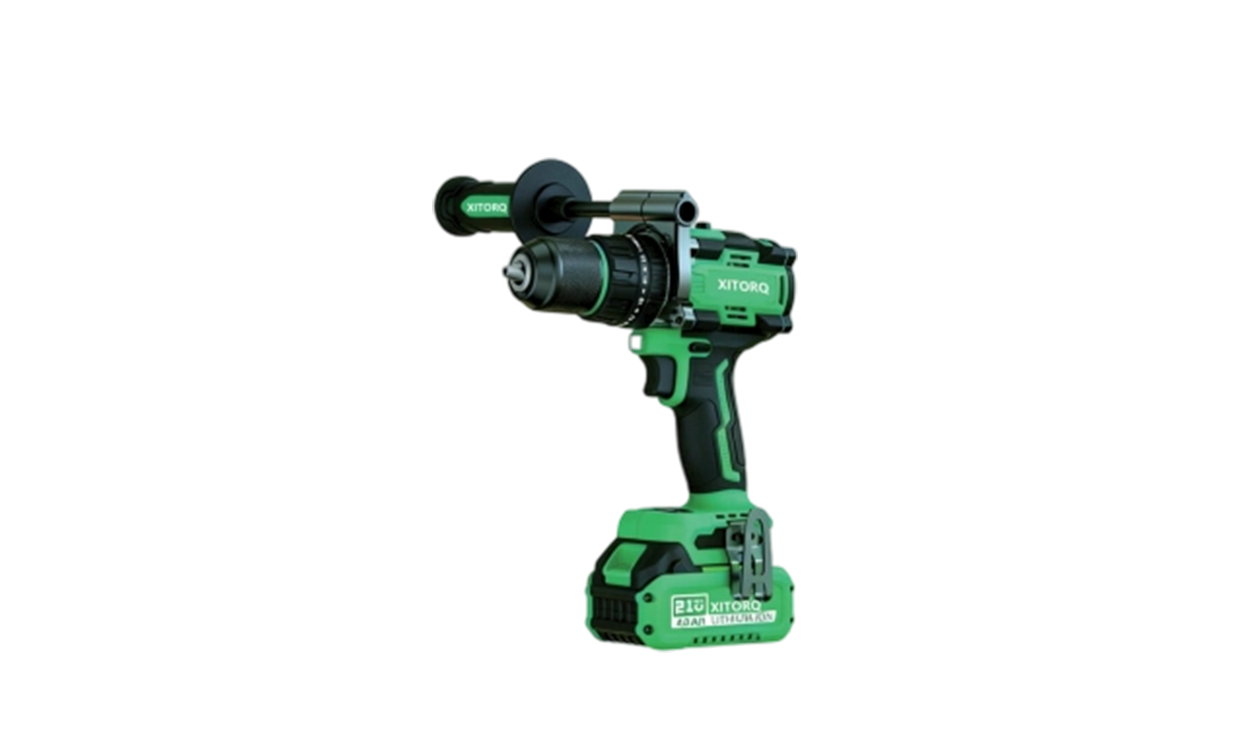
The XJ.617 21V lithium-ion brushless hammer drill/driver is a heavy-duty multi-function drill from the Xiaojia brand. Featuring an upgraded brushless ...
See Details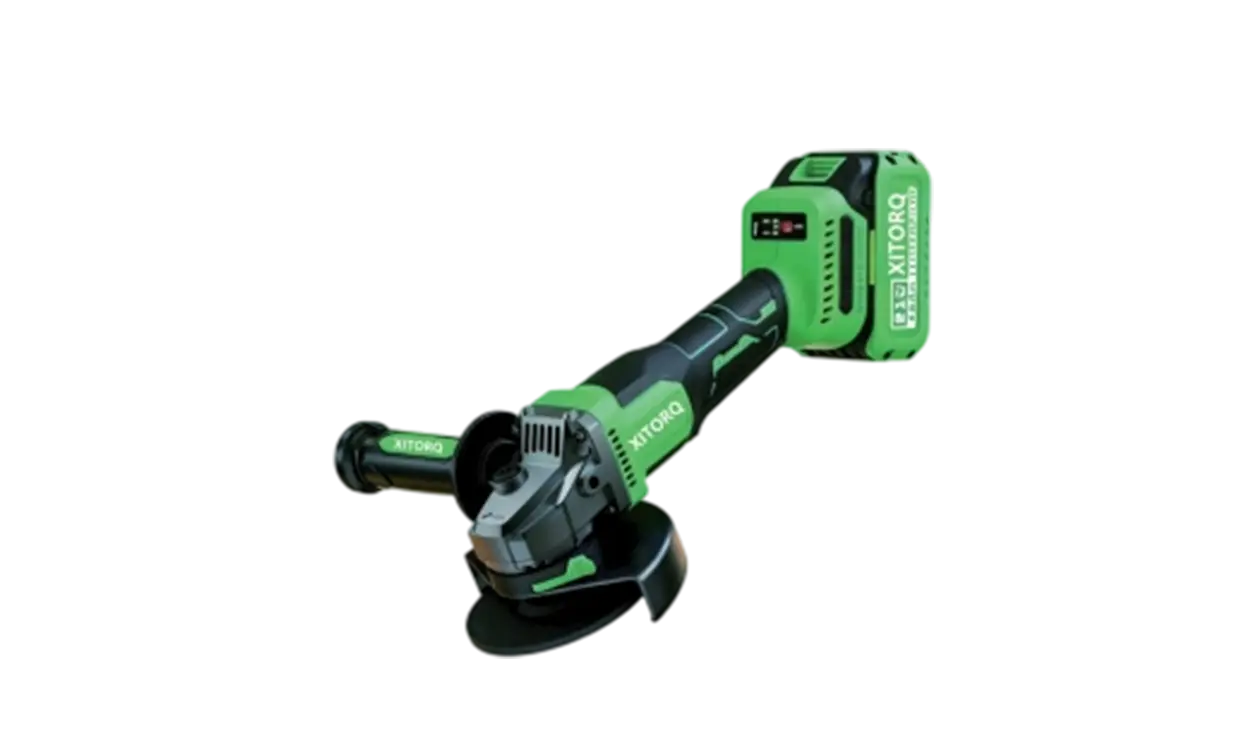
The XJ.918 21V lithium-ion high-magnetic brushless angle grinder is a heavy-duty industrial-grade grinder from the Xiaojia brand. Featuring an upgrade...
See Details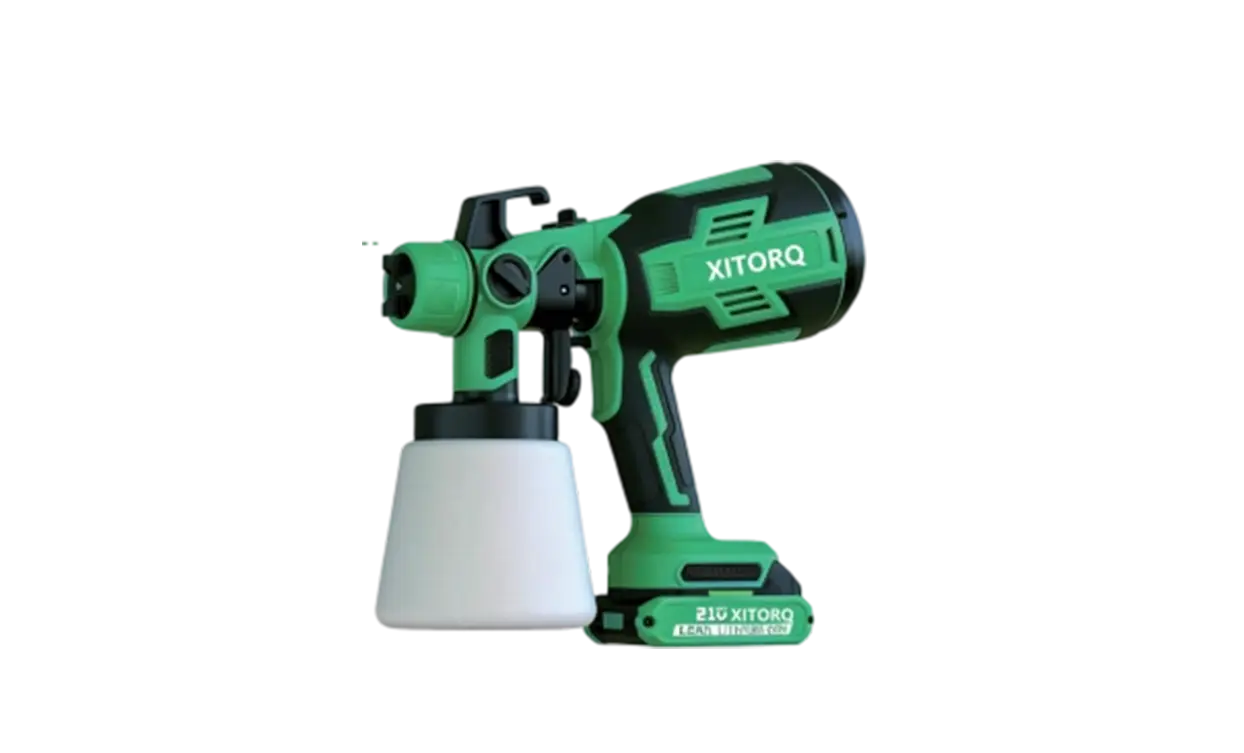
This 21V lithium-ion spray gun (Small Airplane model) is a portable cordless painting tool designed for paint spraying. Powered by a 21V brushless lit...
See Details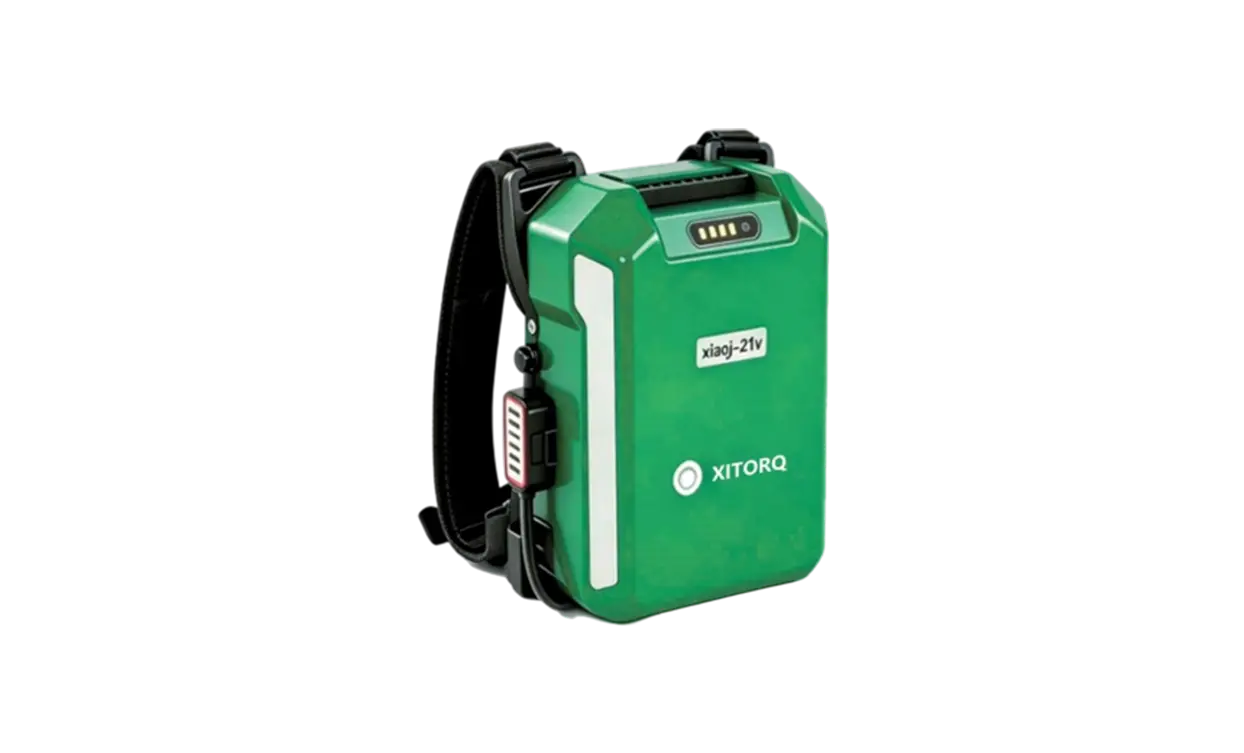
This backpack lithium battery pack is a large-capacity portable power supply designed for extended continuous operation of power tools. Using high-rat...
See Details
Copyright © by Hangzhou Xinabo Intelligent Electromechanical Technology Co., Ltd Rights Reserved. Pipe Threaders Manufacturers
