
 English
 Español
 عربى
عربى


Double-Edged Threading Dies
Specialized Compatibility: Exclusively designed for intelligent threading machines, the dies feature a high precision-machined structure that perfectl...
See Details
Content
High speed steel (HSS) threading dies represent the professional standard for cutting internal and external threads in metal workpieces. These precision tools deliver exceptional hardness ratings of 62-65 HRC and maintain their cutting edges at temperatures up to 600°C (1112°F), significantly outperforming carbon steel alternatives. The combination of tungsten, molybdenum, chromium, and vanadium in HSS creates a material that resists wear while maintaining dimensional accuracy across thousands of threading operations.
Manufacturing facilities and machine shops choose HSS threading dies because they produce clean, precise threads in materials ranging from aluminum to hardened steel. Unlike cheaper alternatives that dull quickly or chip under stress, HSS dies maintain consistent thread geometry throughout their service life, reducing rejection rates and minimizing costly rework.
Round adjustable dies feature a split design with an adjustment screw that allows precise control over thread depth and fit. These dies fit into standard die stocks and offer ±0.05mm adjustment range, making them ideal for achieving specific thread classes. Machinists prefer them for repair work and situations requiring multiple thread pitches from a single die.
Hexagonal rethreading dies, also called hex dies, provide six-sided external geometry for wrench operation. Their compact design makes them perfect for confined spaces where die stocks cannot fit. Production environments utilize hex dies in power tools and CNC machines for high-volume threading operations, achieving cycle times 40% faster than manual methods.
Pipe threading requires specialized two-piece dies that clamp into dedicated die heads. These HSS dies cut tapered NPT, BSPT, and parallel threads on pipes from 1/8" to 2" diameter. The two-piece design allows chip evacuation while maintaining alignment, critical for leak-free pipe connections in plumbing and industrial applications.
The metallurgical composition of HSS threading dies directly influences their cutting performance and longevity. Standard M2 HSS contains approximately 6% tungsten, 5% molybdeium, 4% chromium, and 2% vanadium, creating a balanced tool suitable for general-purpose threading. Premium M42 HSS increases cobalt content to 8%, raising hot hardness and extending tool life by 200-300% when threading abrasive materials like stainless steel or titanium alloys.
| HSS Grade | Key Elements | Hardness (HRC) | Best Applications |
|---|---|---|---|
| M2 | 6% W, 5% Mo | 62-64 | General purpose, mild steel |
| M42 | 8% Co, 1.5% W | 64-66 | Stainless steel, hardened materials |
| M35 | 5% Co, 6% W | 63-65 | Tool steel, abrasive materials |
Surface treatments further enhance HSS performance. Titanium nitride (TiN) coating increases surface hardness to 2400 HV and reduces friction coefficient by 50%, while titanium aluminum nitride (TiAlN) coatings enable dry threading operations without cutting fluids, reducing per-part costs in high-volume manufacturing.
Choosing the correct HSS threading die requires evaluating several technical parameters that directly affect thread quality and tool longevity.
Threading dies conform to international standards including ISO metric, Unified (UNC/UNF), British Standard Whitworth (BSW), and pipe threads (NPT/BSPT). Selecting the wrong pitch creates unusable threads; a M10 x 1.5 die cannot substitute for M10 x 1.25 despite identical major diameters. Always verify thread specifications from engineering drawings or thread gauges before purchasing dies.
Material hardness determines the appropriate HSS grade and coating. Standard M2 HSS handles materials up to 30 HRC, while cobalt-enriched grades tackle hardened steels exceeding 40 HRC. Threading aluminum or brass with premium dies wastes money, as basic HSS provides adequate performance at lower cost.
Job shops performing occasional threading operations find standard uncoated HSS dies economically viable, with typical lifespans of 500-1000 threads in mild steel. Production facilities threading thousands of parts weekly justify investment in coated dies that deliver 5000-10000 threads before requiring replacement, reducing per-part tooling costs by 60-70%.
Correct threading technique extends die life and ensures consistent thread quality. Following established best practices prevents common failures like chipped cutting edges, galled threads, and premature wear.
Proper maintenance preserves threading die accuracy and extends operational life significantly beyond manufacturer specifications. Dies represent precision instruments requiring systematic care protocols.
Clean dies immediately after use with solvent or parts cleaner to remove metal chips and cutting fluid residue. Dried cutting fluid creates abrasive deposits that accelerate wear during subsequent operations. Inspect cutting edges under 10x magnification for chips, cracks, or wear patterns indicating misalignment or improper technique. Dies showing edge damage exceeding 0.02mm produce out-of-specification threads requiring replacement.
HSS contains chromium but remains susceptible to rust in humid environments. Apply light machine oil or vapor phase corrosion inhibitor (VCI) before storage. Store dies in climate-controlled tool cribs maintaining 40-50% relative humidity to prevent oxidation that roughens cutting surfaces and degrades thread finish.
Implement clear labeling systems identifying thread size, pitch, and standard. Color-coding by thread type (metric/unified/pipe) reduces selection errors. Dies stored loose in drawers contact each other, causing edge damage; use individual compartments or holders. Professional shops catalog die inventory with usage tracking to identify high-wear applications requiring premium tooling upgrades.
HSS threading dies command premium pricing compared to carbon steel alternatives, but deliver measurably superior economics in real-world applications. A standard M10 x 1.5 HSS die costs $15-25, while equivalent carbon steel dies sell for $5-8. However, the carbon steel die produces approximately 50-100 threads before dulling, yielding a per-thread cost of $0.05-0.16. The HSS die threads 800-1200 parts, reducing per-thread cost to $0.012-0.031, representing 60-80% savings over the tool's lifespan.
Coating upgrades add $8-15 to die cost but triple tool life in hardened materials, justifying the investment when threading stainless steel, tool steel, or exotic alloys. Facilities processing 100+ parts weekly recover coating premiums within the first month of operation.
Beyond direct tooling costs, HSS dies reduce indirect expenses through improved thread quality. Precise, consistent threads eliminate rework, reduce assembly time, and prevent field failures from stripped or loose fasteners. Quality management systems recognize that thread defects account for 15-20% of mechanical assembly rejections; superior tooling directly improves first-pass yield rates and customer satisfaction metrics.
Understanding typical threading failures enables rapid diagnosis and correction, minimizing scrap and maintaining production schedules.
Rough threads indicate insufficient lubrication or excessive cutting speed. Increase cutting fluid application and reduce threading RPM by 25-30%. Dull dies also tear material rather than cutting cleanly; inspect edges and replace if worn. Material work-hardening during threading requires intermediate annealing on austenitic stainless steels.
Thread pitch diameter variations result from incorrect starting rod diameter, excessive die wear, or thermal expansion during threading. Verify rod diameter with micrometers; undersized stock produces loose threads while oversized stock overloads dies causing premature failure. Adjustable dies require calibration with thread ring gauges every 200-300 cycles to maintain class 2A/2B tolerance.
Sudden loading from cross-threading or chip packing fractures HSS dies despite their toughness. Always start threads carefully with proper alignment. Power threading requires programmable feed rates matching die pitch exactly; mismatched feed rates generate shock loads exceeding material yield strength. Small-diameter dies (M6 and below) are particularly fragile, requiring lighter pressure and more frequent chip-breaking reversals.
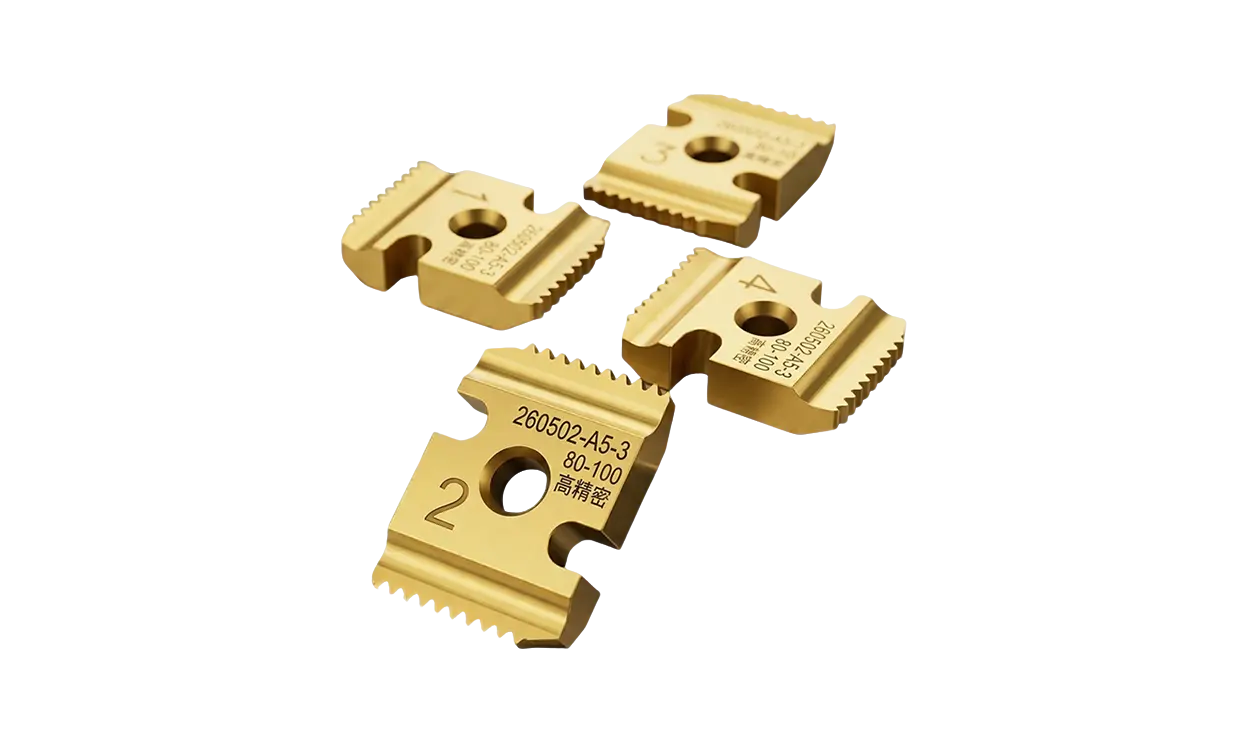
Specialized Compatibility: Exclusively designed for intelligent threading machines, the dies feature a high precision-machined structure that perfectl...
See Details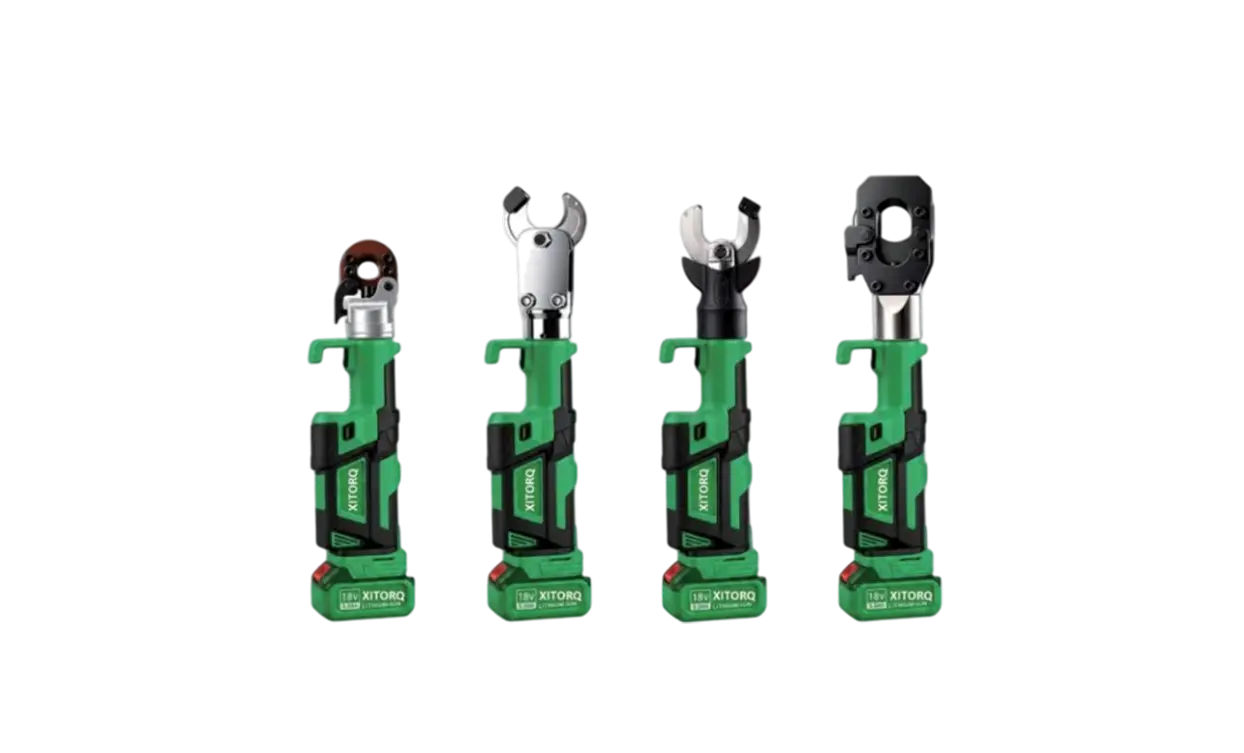
This 18V lithium-ion industrial cable cutter is a professional tool designed for large-diameter cable cutting. It features a brushless lithium-ion pow...
See Details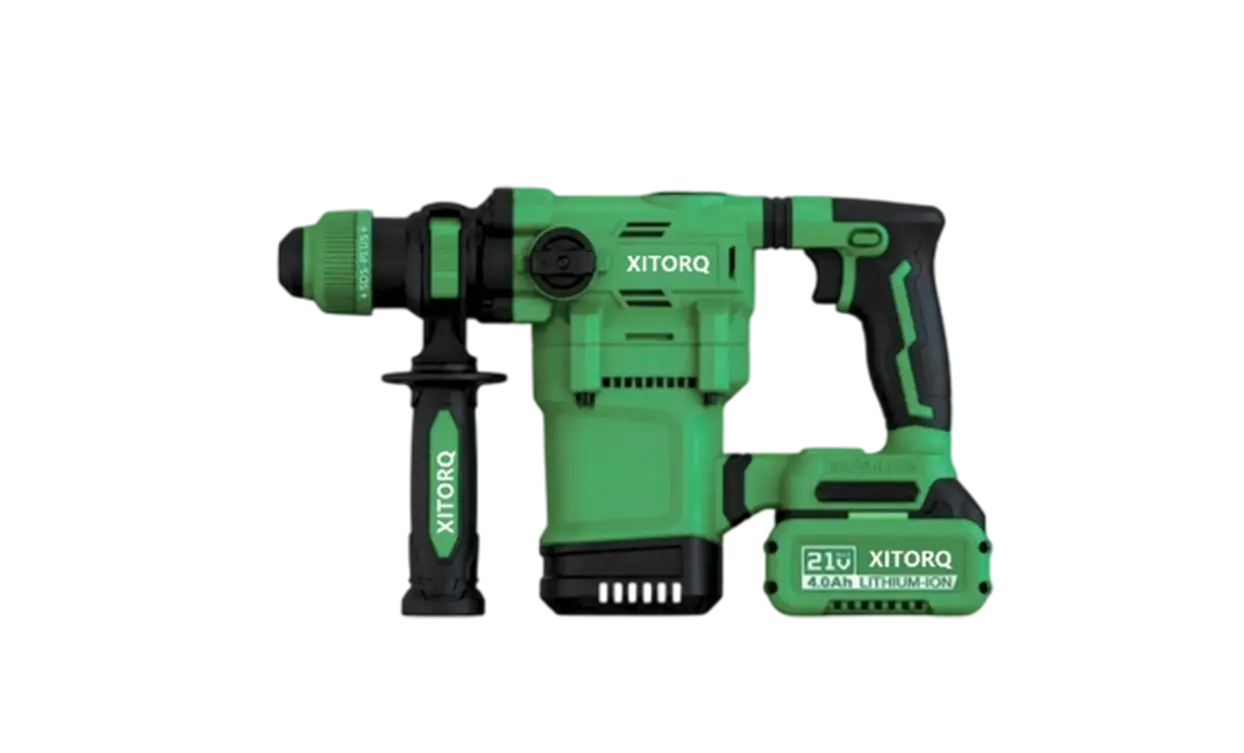
This 21V lithium-ion brushless rotary hammer is an industrial-grade tool designed for drilling and chiseling in concrete, stone, and other hard materi...
See Details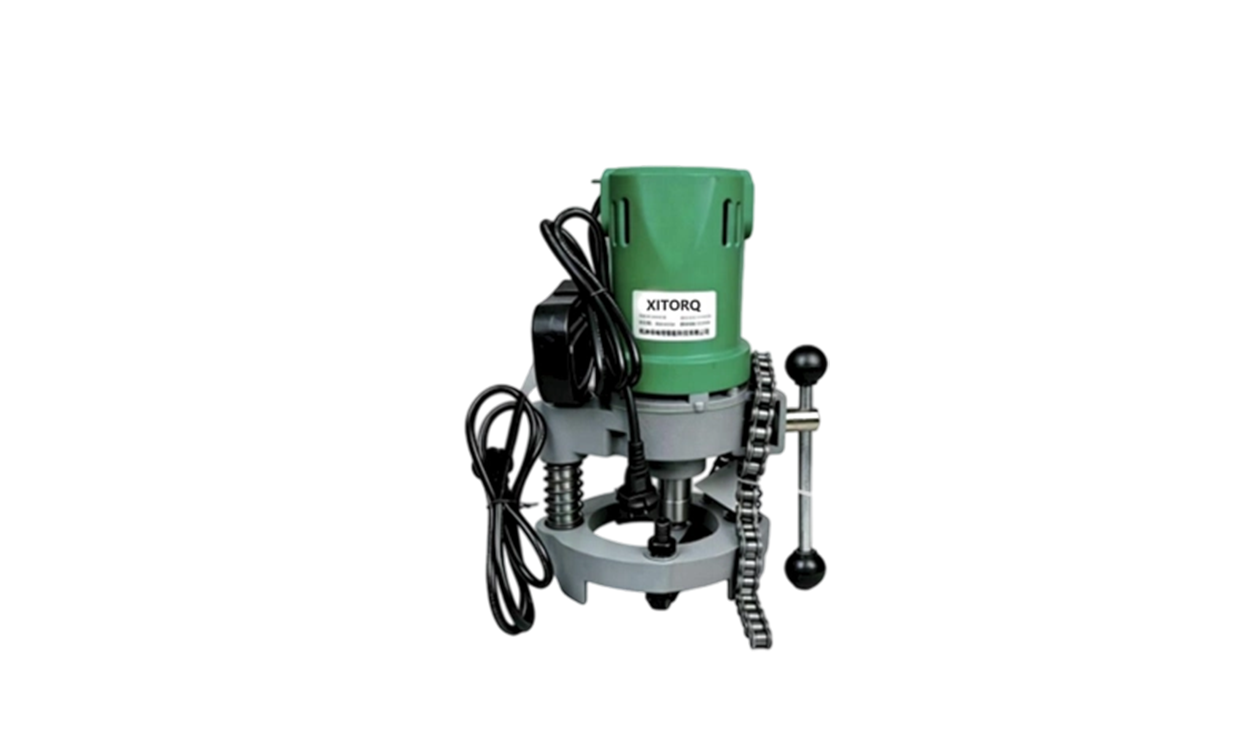
This 220V Fire Pipe Drilling Machine is a professional device designed for hole cutting on fire protection and plumbing pipes. Powered by a 220V indus...
See Details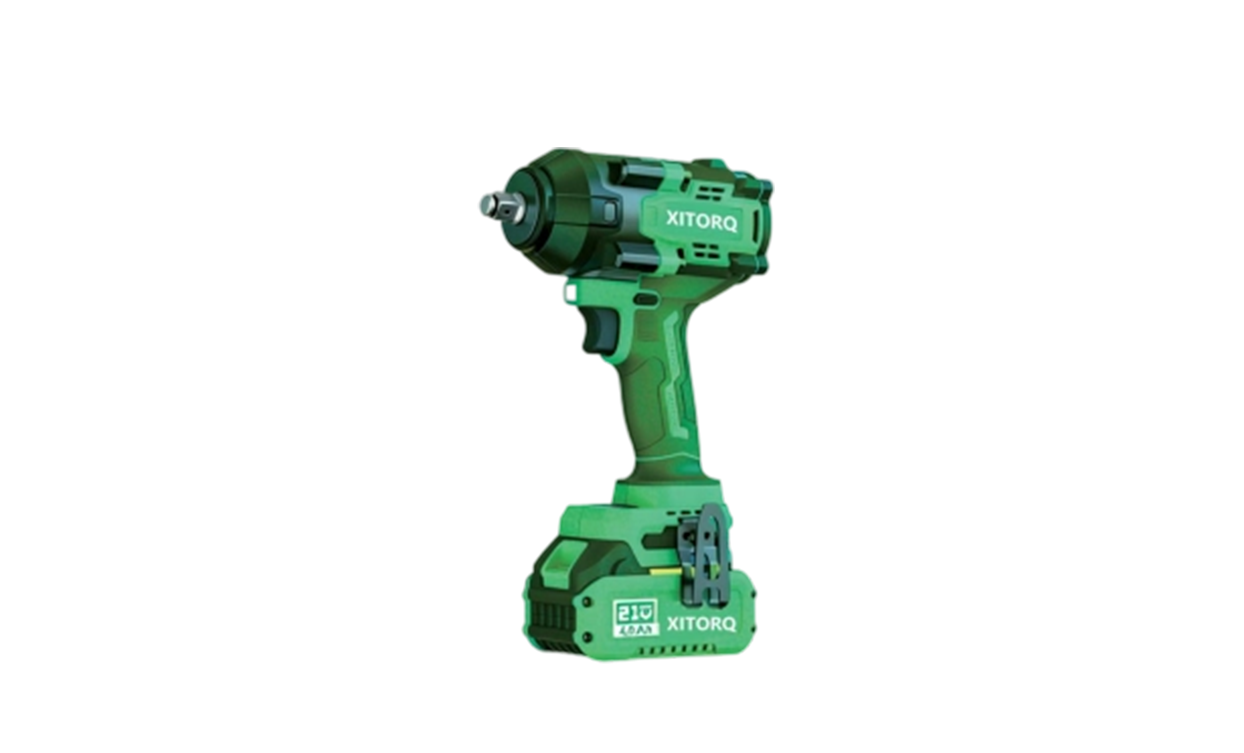
The XJ.570 21V lithium-ion brushless impact wrench is a light industrial-grade tool from the Xiaojia brand. Equipped with a 5220 brushless motor and p...
See Details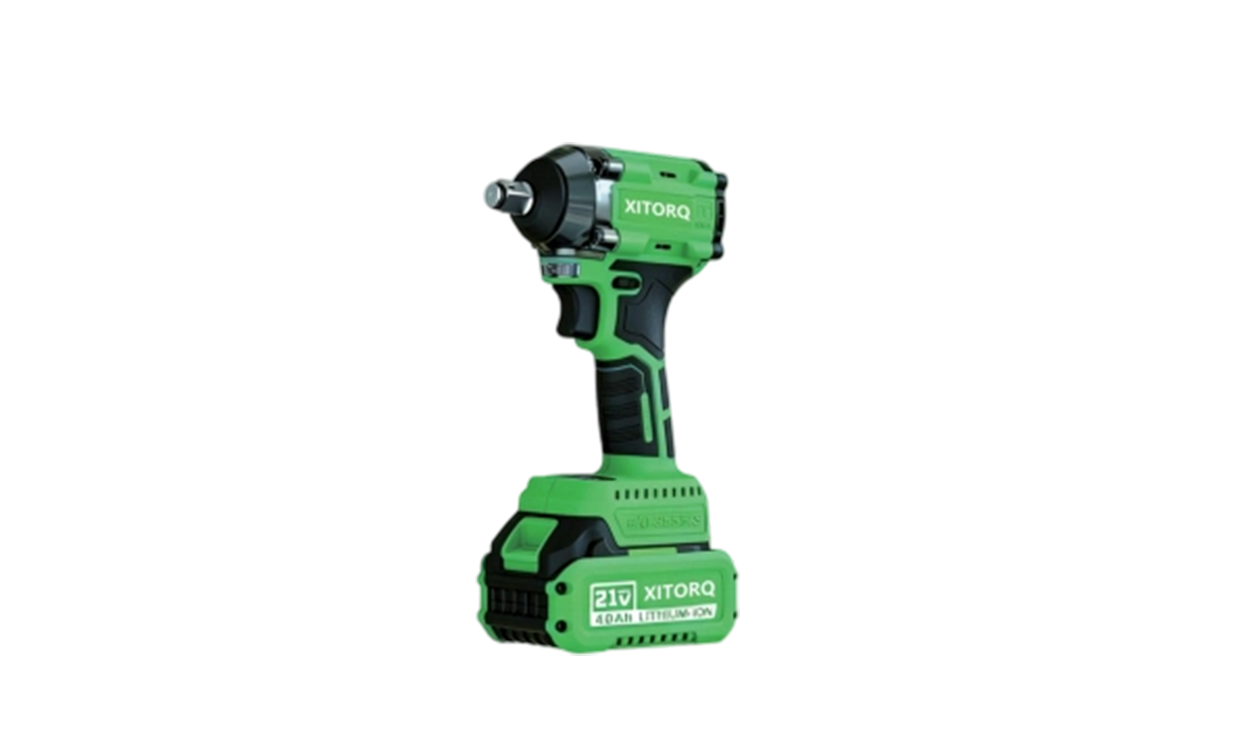
The XJ.523 21V lithium-ion brushless impact wrench is a heavy-duty industrial-grade tool from the Xiaojia brand. Powered by a high-power brushless mot...
See Details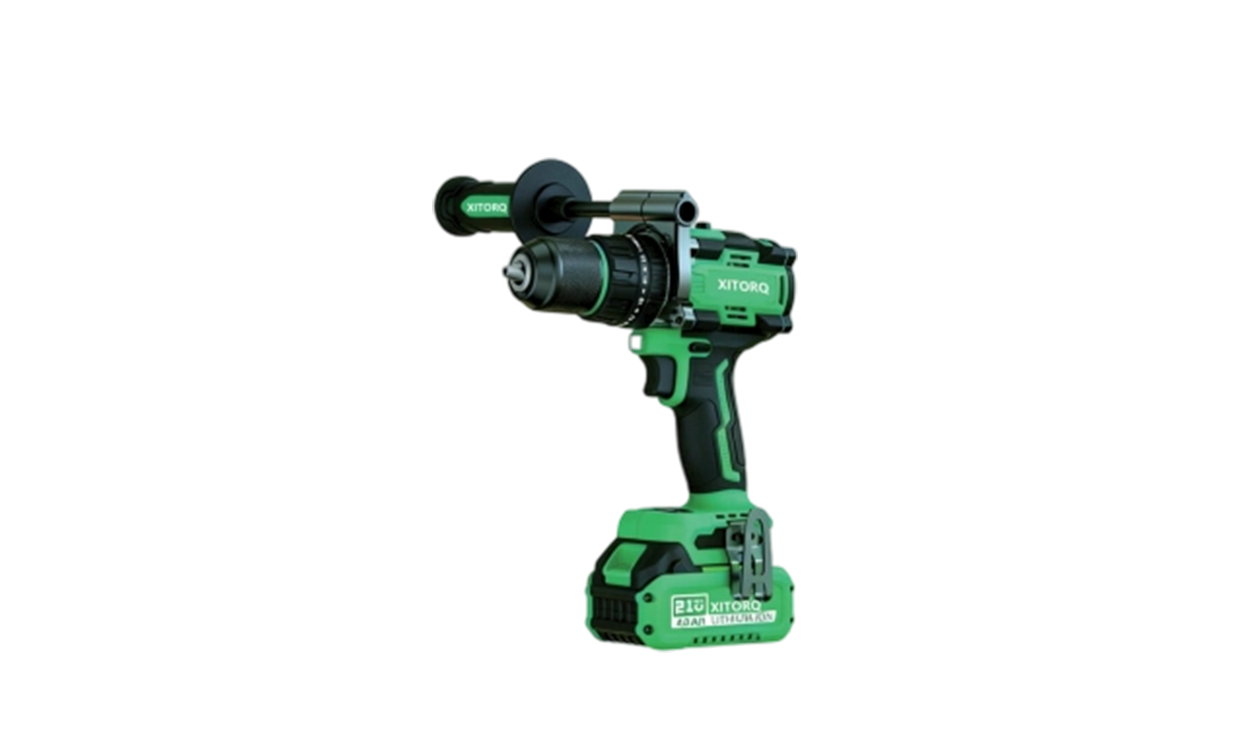
The XJ.617 21V lithium-ion brushless hammer drill/driver is a heavy-duty multi-function drill from the Xiaojia brand. Featuring an upgraded brushless ...
See Details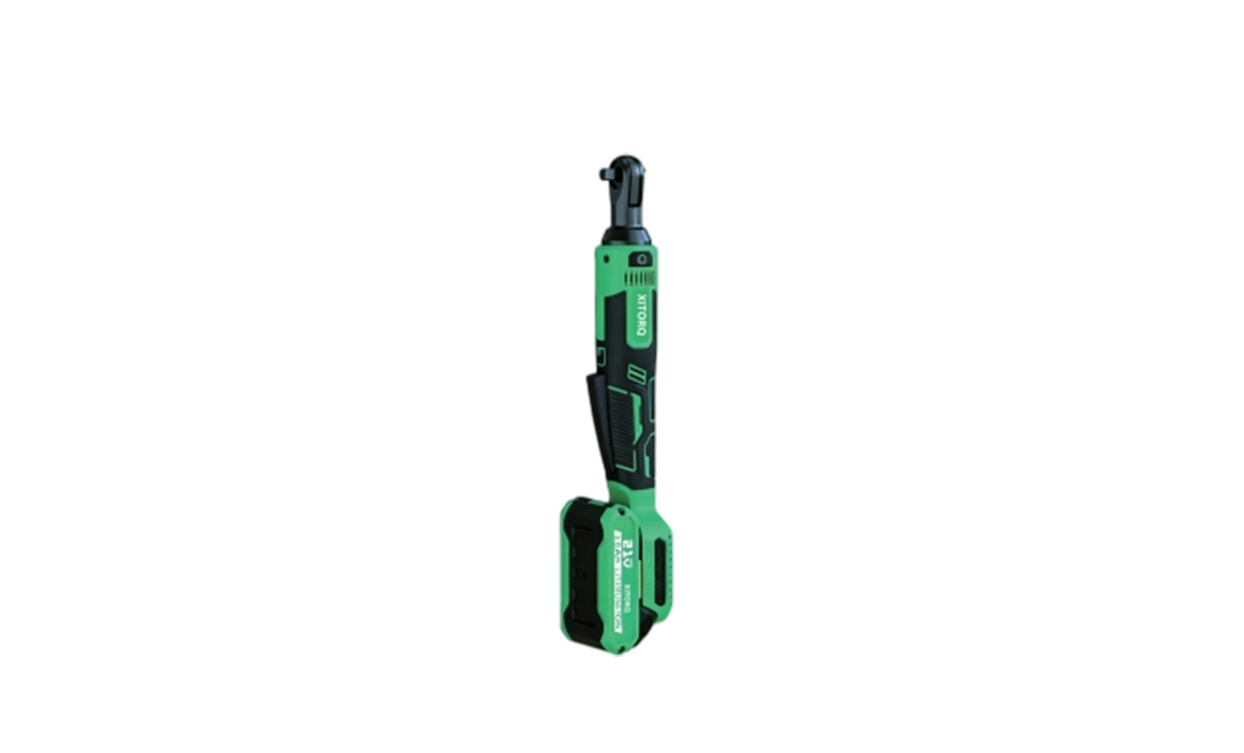
The XJ.592 16V brushless angle ratchet wrench is a compact industrial-grade ratchet from the Xiaojia brand. Equipped with a 16V brushless motor and an...
See Details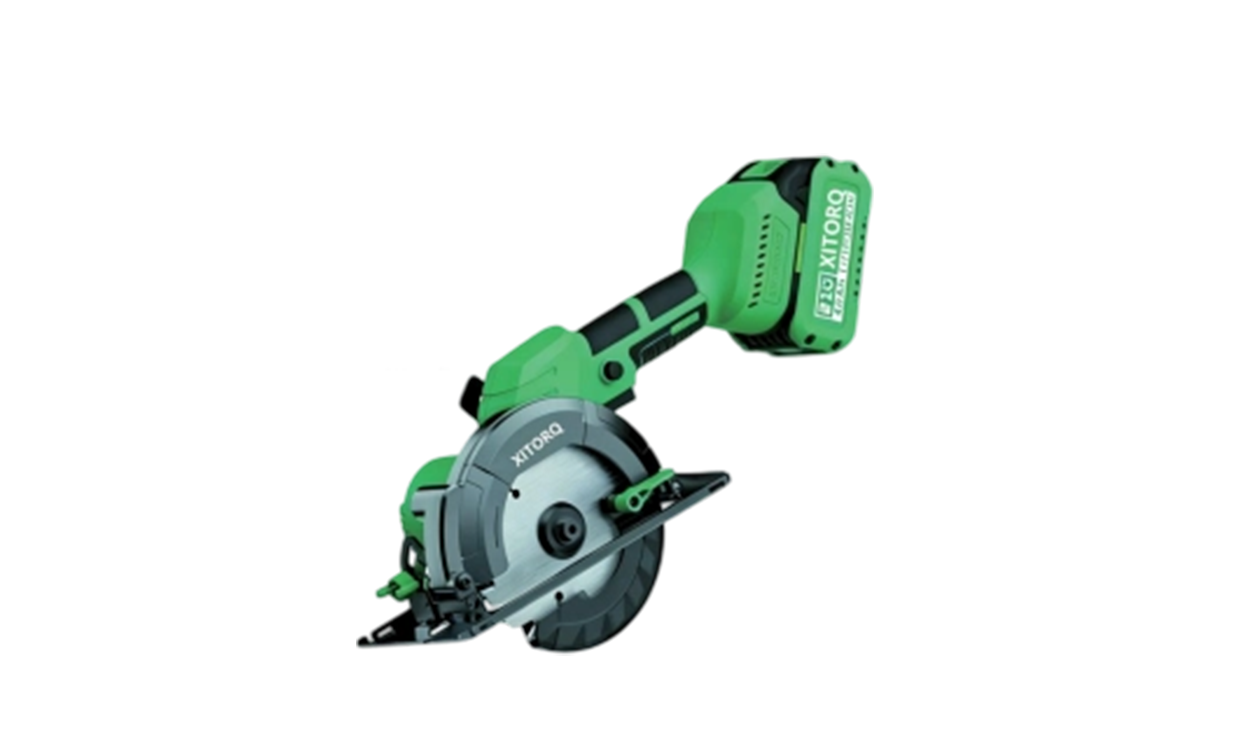
The XJ.853 21V lithium-ion high-magnetic brushless circular saw is an industrial-grade handheld circular saw from the Xiaojia brand. Featuring a high-...
See Details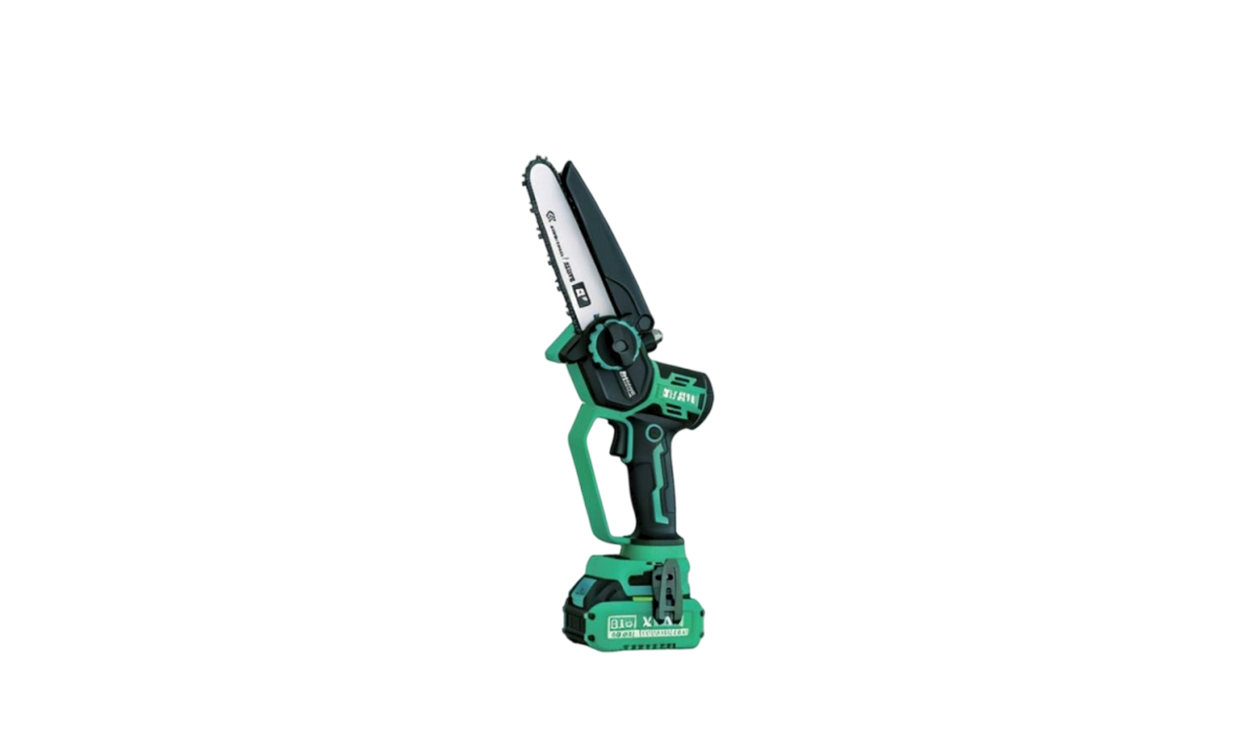
The XJ.204 16V 4" brushless electric chainsaw is a compact lithium-ion chainsaw from the Xiaojia brand. Powered by a 16V brushless motor with a 4" gui...
See Details
Copyright © by Hangzhou Xinabo Intelligent Electromechanical Technology Co., Ltd Rights Reserved. Pipe Threaders Manufacturers