
 English
 Español
 عربى
عربى


Intelligent Pipe Tightening Machine
1. Intelligent adjustment, electric screwing 2. Save labor and improve efficiency 3. The layout is reasonable, safe and reliable 4. Torque adjustable,...
See Details
Content
Double-edged threading dies are precision cutting tools designed with teeth on both the entry and exit faces, enabling bidirectional thread cutting and faster thread production compared to standard single-edged dies. These specialized dies offer significant advantages in production environments where efficiency and thread quality are critical, making them essential tools in manufacturing, automotive repair, and machinery maintenance operations.
The double-edged design allows operators to cut threads in both forward and reverse directions without removing the die from the workpiece, reducing cycle times by approximately 30-40% compared to traditional threading methods. This efficiency gain becomes particularly valuable in high-volume production settings where every second of reduced processing time translates to measurable cost savings.
Standard threading dies feature cutting teeth only on the entry face, requiring the operator to complete the threading operation in one continuous pass. Double-edged dies, by contrast, incorporate cutting geometry on both faces, fundamentally changing the threading workflow.
| Feature | Standard Single-Edged Dies | Double-Edged Dies |
|---|---|---|
| Cutting Direction | Forward only | Forward and reverse |
| Threading Speed | Baseline | 30-40% faster |
| Tool Life | Standard | Extended due to distributed wear |
| Initial Cost | Lower | 15-25% higher |
| Best Application | Low-volume, general use | High-volume production |
The bidirectional cutting capability means that chips are distributed more evenly across both cutting edges, reducing the concentration of wear on a single face. This distributed wear pattern can extend die life by 20-35% in production environments, offsetting the higher initial investment over time.
Double-edged threading dies deliver measurable benefits that directly impact manufacturing efficiency and product quality. Understanding these advantages helps operations managers justify the investment and optimize threading processes.
The most immediate benefit is the reduction in threading time. In a study conducted by a major automotive component manufacturer, switching to double-edged dies for M12 x 1.75mm threads reduced average cycle time from 18 seconds to 11 seconds per part—a 39% improvement. When multiplied across annual production volumes of 500,000 units, this translated to nearly 1,000 hours of saved production time.
The back-and-forth cutting action of double-edged dies produces smoother thread flanks with better surface finish. The reverse cutting pass effectively removes any remaining burrs or irregularities left by the forward pass, resulting in threads with tighter tolerances and improved dimensional consistency.
Bidirectional cutting naturally breaks chips into smaller segments and facilitates their removal from the cutting zone. This is particularly beneficial when threading materials prone to producing long, stringy chips such as aluminum alloys or low-carbon steels. Better chip evacuation reduces the risk of chip welding, thread damage, and tool breakage.
Double-edged threading dies are manufactured from various tool steel grades and treated with advanced coatings to maximize performance across different workpiece materials and operating conditions.
HSS dies represent the standard choice for general-purpose threading applications. Common grades include M2, M7, and M42, with M2 offering good wear resistance at lower cost, while M42 provides superior red hardness for demanding applications. Typical hardness ranges from 62-65 HRC, providing adequate tool life for threading mild steel, stainless steel, and non-ferrous materials.
For high-production environments or challenging materials like hardened steels or heat-resistant alloys, carbide or powdered metal dies deliver extended tool life. These dies can cost 3-5 times more than HSS equivalents but may last 10-15 times longer, making them cost-effective at production volumes exceeding 10,000 parts per die.
Modern coating technologies significantly enhance die performance:
Choosing the appropriate double-edged threading die requires evaluating several critical factors that influence both performance and economics.
The fundamental starting point is matching the die to your required thread specifications. Double-edged dies are available in all standard thread forms including:
Different materials impose different demands on threading dies. For aluminum and brass, uncoated HSS or DLC-coated dies prevent material adhesion. Threading stainless steel benefits from TiAlN coatings that resist the high cutting temperatures generated. Hardened steels above 35 HRC typically require carbide dies or at minimum, heavily coated HSS.
Calculate the break-even point between standard and premium dies. If threading 100 parts per day with an expected die life of 2,000 parts for standard HSS versus 20,000 parts for coated carbide, the carbide die becomes economical after approximately three months despite costing five times more initially.
Double-edged dies for hand-held die stocks typically feature hex or round configurations with diameters ranging from 25mm to 75mm. Machine-mounted dies for threading heads or CNC applications require specific mounting features and may incorporate adjustable elements for thread tolerance control.
Maximizing the performance and life of double-edged threading dies requires adherence to proper threading practices and maintenance procedures.
Start with properly sized stock. The pilot diameter should be approximately 95-97% of the nominal thread diameter for coarse threads, and 97-98% for fine threads. Chamfer the leading edge at 30-45 degrees to facilitate die engagement and reduce initial cutting forces. Insufficient chamfer is a leading cause of premature die failure and poor thread starts.
Appropriate lubrication is critical for thread quality and tool life. Material-specific recommendations include:
Begin threading with the die perpendicular to the workpiece axis—misalignment causes drunken threads and rapid die wear. Apply moderate forward pressure for the first 1-2 turns until the die is properly engaged, then allow the thread form to pull the die forward. With double-edged dies, employ a forward-reverse pattern: advance 1-2 turns forward, reverse 1/2 turn to break chips, then continue. This technique optimizes chip evacuation and thread finish.
Clean dies thoroughly after each use with solvent and a brass brush to prevent chip buildup and corrosion. Inspect cutting edges under magnification every 500-1,000 threads for wear, chipping, or crack formation. Minor edge dulling can sometimes be addressed with careful honing using fine Arkansas or ceramic stones, though this requires skill to maintain proper thread geometry.
Understanding and resolving threading problems quickly prevents scrap production and extends die life.
Threads measuring larger than specification typically result from excessive die wear, incorrect pilot diameter (too small), or workpiece material work-hardening during cutting. Verify the die condition with a thread plug gauge. If the die has expanded beyond tolerance, replacement is necessary. Adjustable dies can sometimes be tightened to compensate for minor wear.
Poor surface finish indicates inadequate lubrication, excessive cutting speed, dull cutting edges, or material adhesion to the die. For immediate improvement, increase lubrication volume and reduce cutting speed by 25-30%. Clean the die thoroughly to remove any built-up edge (BUE). If problems persist after cleaning and proper lubrication, the die has likely reached end of life.
Thread taper or helical misalignment stems from improper die alignment at thread start or inadequate workpiece support. Use a die guide or threading fixture to maintain perpendicularity during initial engagement. For longer threads exceeding 3x diameter, provide tailstock support to prevent workpiece deflection.
If dies are failing well below expected life (less than 50% of rated capacity), investigate cutting parameters, material hardness verification, and lubrication effectiveness. Excessive cutting speed is the most common culprit—reduce speed by 30% as a diagnostic step. Also verify that workpiece material matches specifications; threading steel that's harder than anticipated causes rapid die degradation.
Making an informed decision about adopting double-edged threading dies requires calculating the total cost of ownership rather than focusing solely on purchase price.
A typical M10 x 1.5mm standard HSS die costs approximately $15-25, while the double-edged equivalent ranges from $20-35. Premium coated versions may reach $45-60. However, direct tool cost represents only part of the equation when evaluating threading economics.
Consider a production scenario threading 250 parts daily at a labor cost of $35 per hour. If double-edged dies reduce cycle time by 7 seconds per part, daily savings equal 29 minutes or $17 in labor costs. Over 250 working days annually, this totals $4,250 in labor savings—far exceeding the marginal die cost increase.
Improved thread quality from double-edged dies reduces rejection rates and rework. If better thread consistency decreases scrap from 2% to 0.5% on parts valued at $8 each, annual savings on 50,000 parts equal $6,000. This quality improvement alone can justify the investment in premium threading dies.
| Cost Element | Standard Die | Double-Edged Die | Annual Difference |
|---|---|---|---|
| Die Purchase | $20 | $30 | +$10 |
| Labor Costs | Baseline | 35% reduction | -$4,250 |
| Scrap/Rework | 2.0% rate | 0.5% rate | -$6,000 |
| Die Replacement | 5 dies/year | 3 dies/year | -$50 |
| Net Annual Savings | - | - | -$10,290 |
Different industries leverage double-edged threading dies to address specific manufacturing challenges and requirements.
Automotive component production demands high-volume threading with consistent quality. Engine block manufacturers use carbide double-edged dies to thread spark plug holes, achieving 500,000+ threads per die while maintaining tight M14 x 1.25mm tolerances. Suspension component producers rely on these dies for threading control arm bushings and shock absorber mounts where thread strength is critical.
Aerospace applications demand exceptional thread quality on materials like titanium and Inconel. Double-edged dies with TiAlN coatings enable threading these difficult materials while meeting stringent AS8879 aerospace thread specifications. The bidirectional cutting action helps achieve the surface finish requirements of 63 Ra or better required for Class 3 aerospace threads.
Manufacturers of hydraulic fittings and pneumatic components use double-edged pipe thread dies to produce NPT and BSPT threads efficiently. The improved thread finish reduces the risk of leakage in high-pressure applications, while faster cycle times support the high volumes typical in fitting production—often exceeding 10,000 units per shift.
While production environments see the greatest benefits, maintenance shops also value double-edged dies for repair work. The ability to clean up damaged threads bidirectionally makes thread restoration faster and more effective, particularly valuable when working on equipment where disassembly for conventional threading would be time-consuming or impossible.
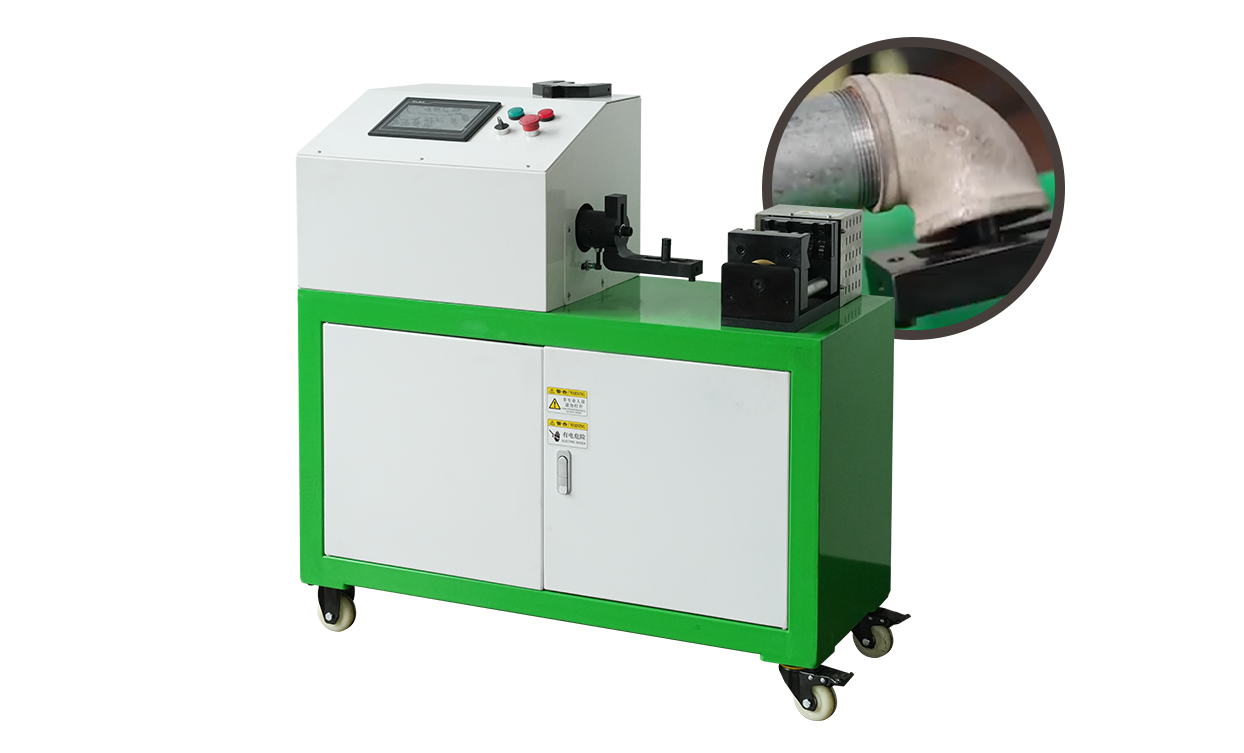
1. Intelligent adjustment, electric screwing 2. Save labor and improve efficiency 3. The layout is reasonable, safe and reliable 4. Torque adjustable,...
See Details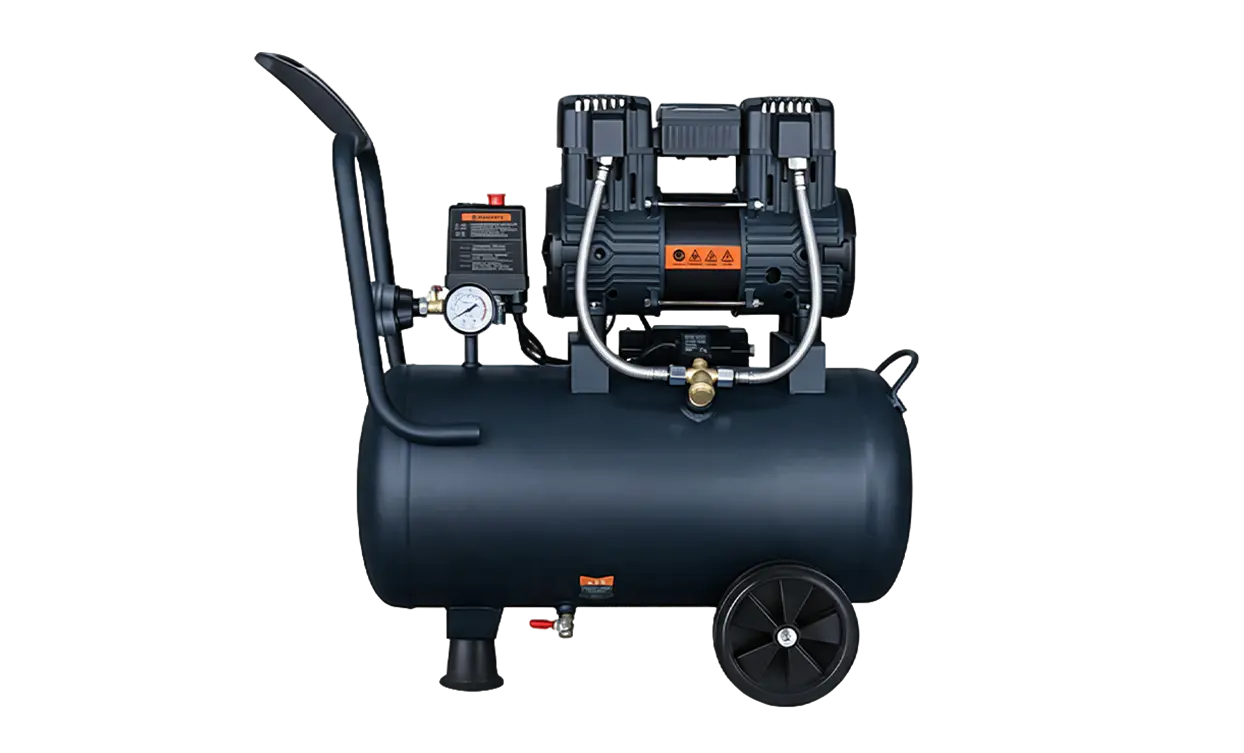
The F1680 Series Air Compressor is engineered for stable and efficient air supply, featuring core technologies of multi-cylinder compression, rapid ai...
See Details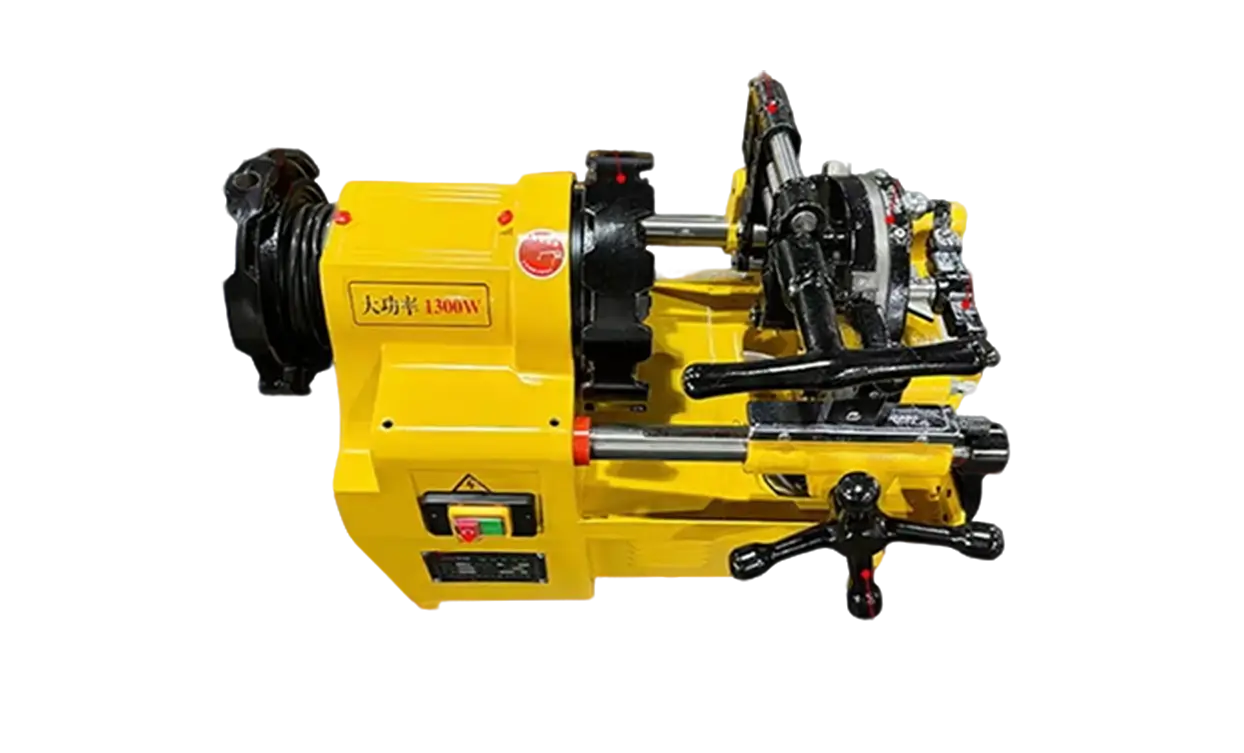
This SQ65 2.5-inch 15-65mm dual-speed electric pipe threading machine is a professional industrial tool engineered for precise pipe threading operatio...
See Details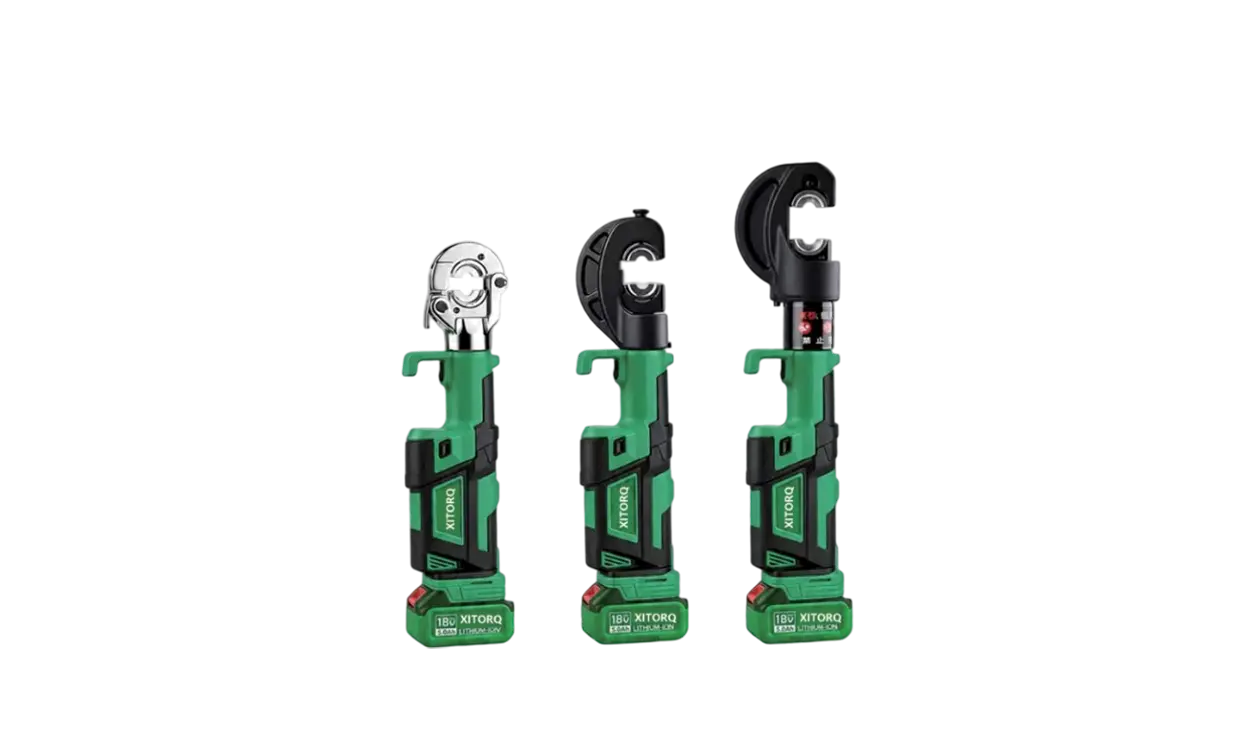
This 18V lithium-ion hydraulic crimping tool is a portable hydraulic tool designed for cable terminal crimping. It features a brushless lithium-ion po...
See Details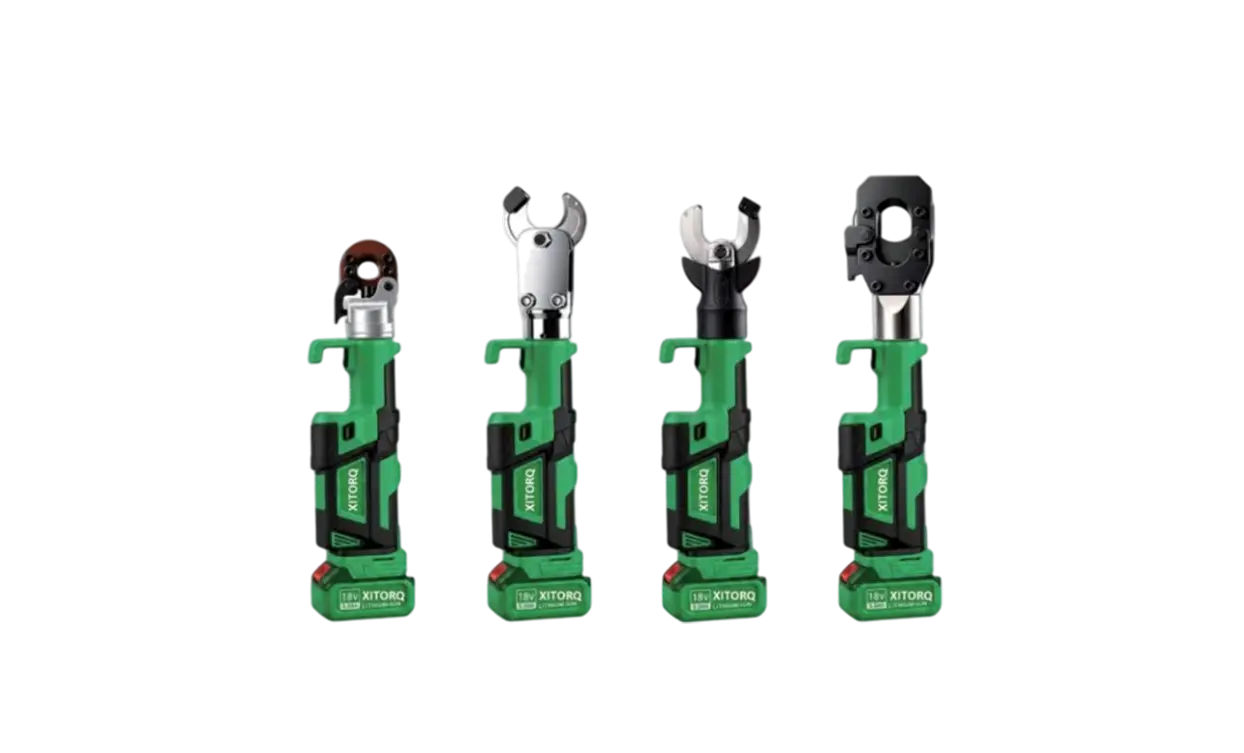
This 18V lithium-ion industrial cable cutter is a professional tool designed for large-diameter cable cutting. It features a brushless lithium-ion pow...
See Details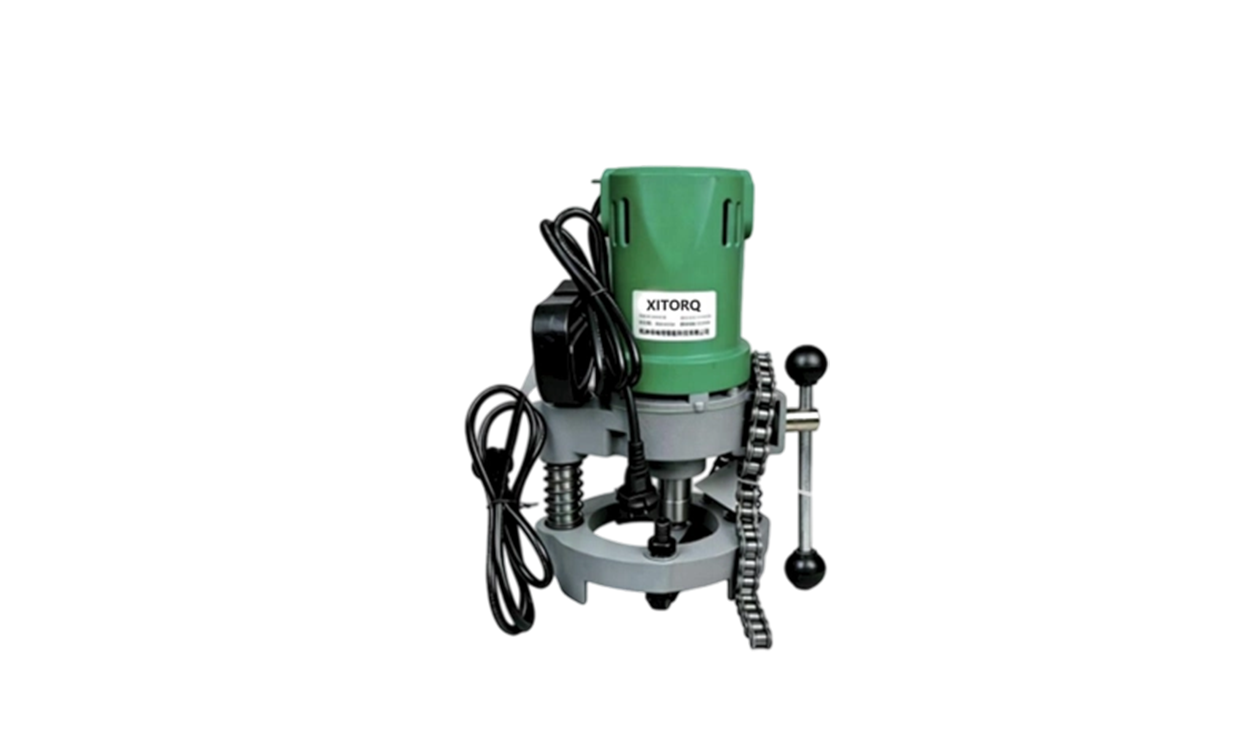
This 220V Fire Pipe Drilling Machine is a professional device designed for hole cutting on fire protection and plumbing pipes. Powered by a 220V indus...
See Details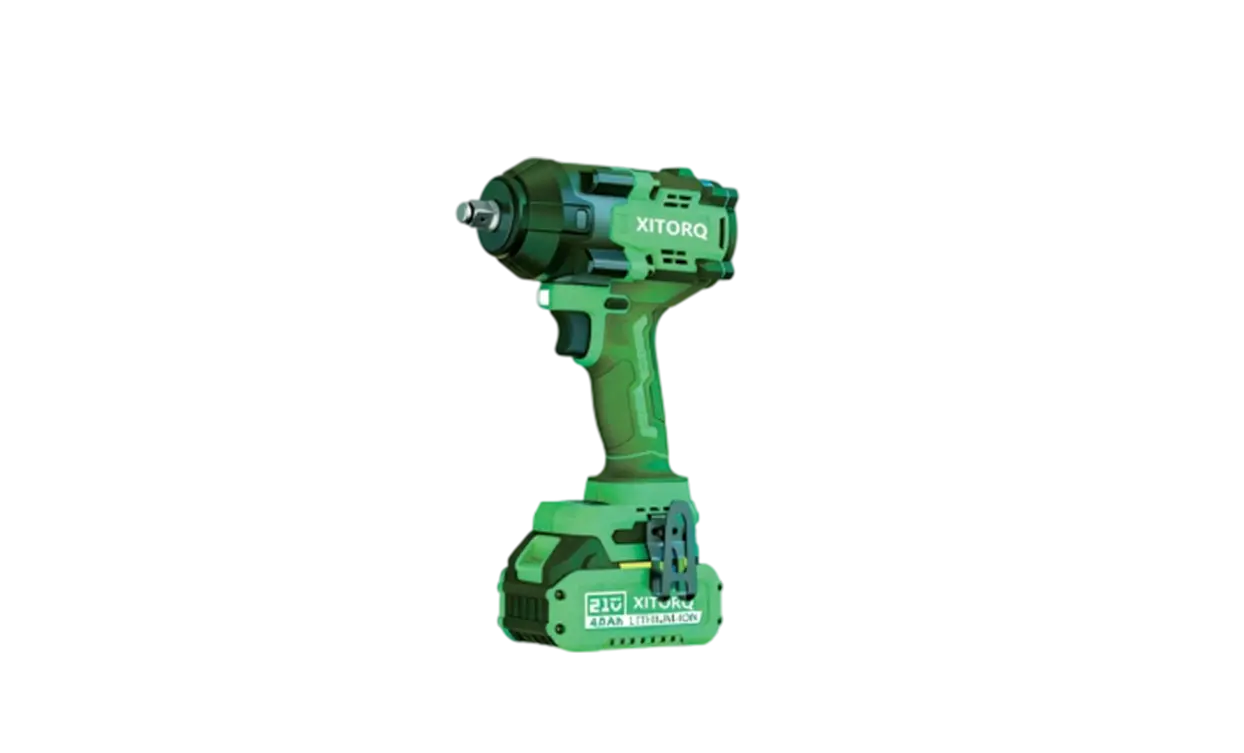
The XJ.580 21V lithium-ion brushless impact wrench is a medium-duty industrial-grade tool from the Xiaojia brand. Featuring an upgraded brushless moto...
See Details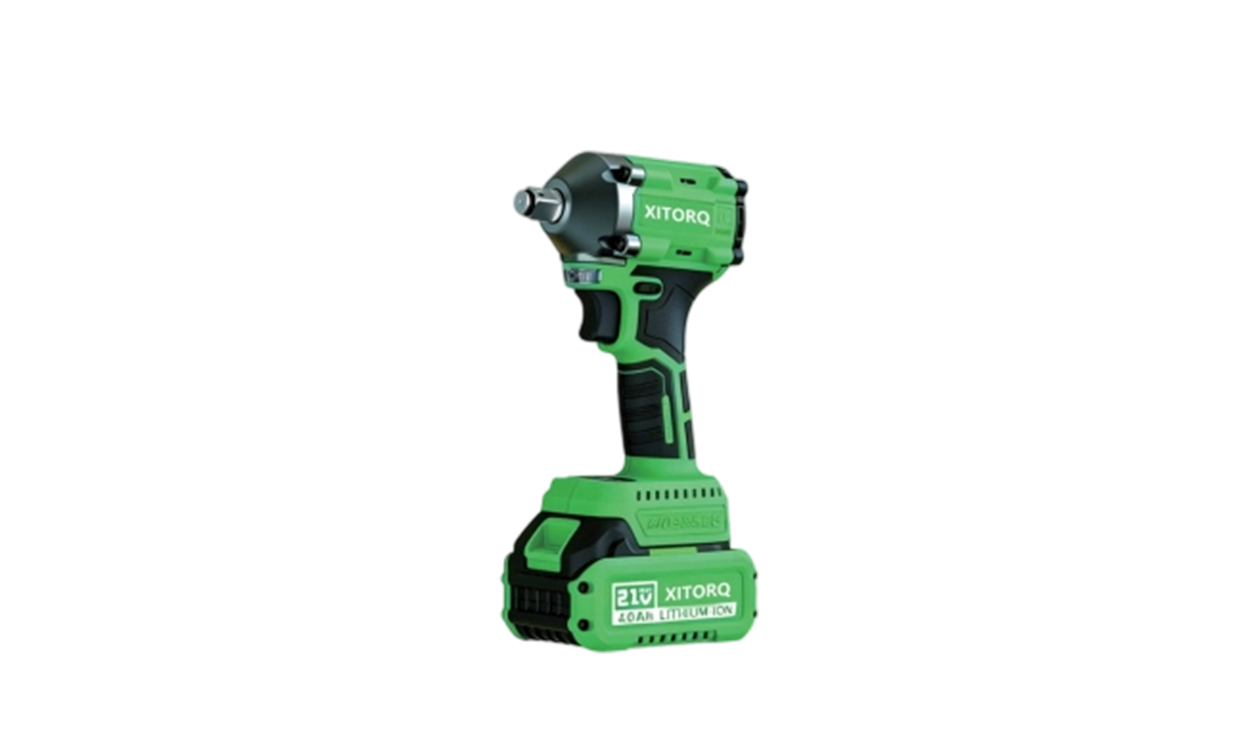
The XJ.533 21V lithium-ion brushless impact wrench is a 21V battery-powered cordless tool from the Xiaojia brand, combining the extended runtime of co...
See Details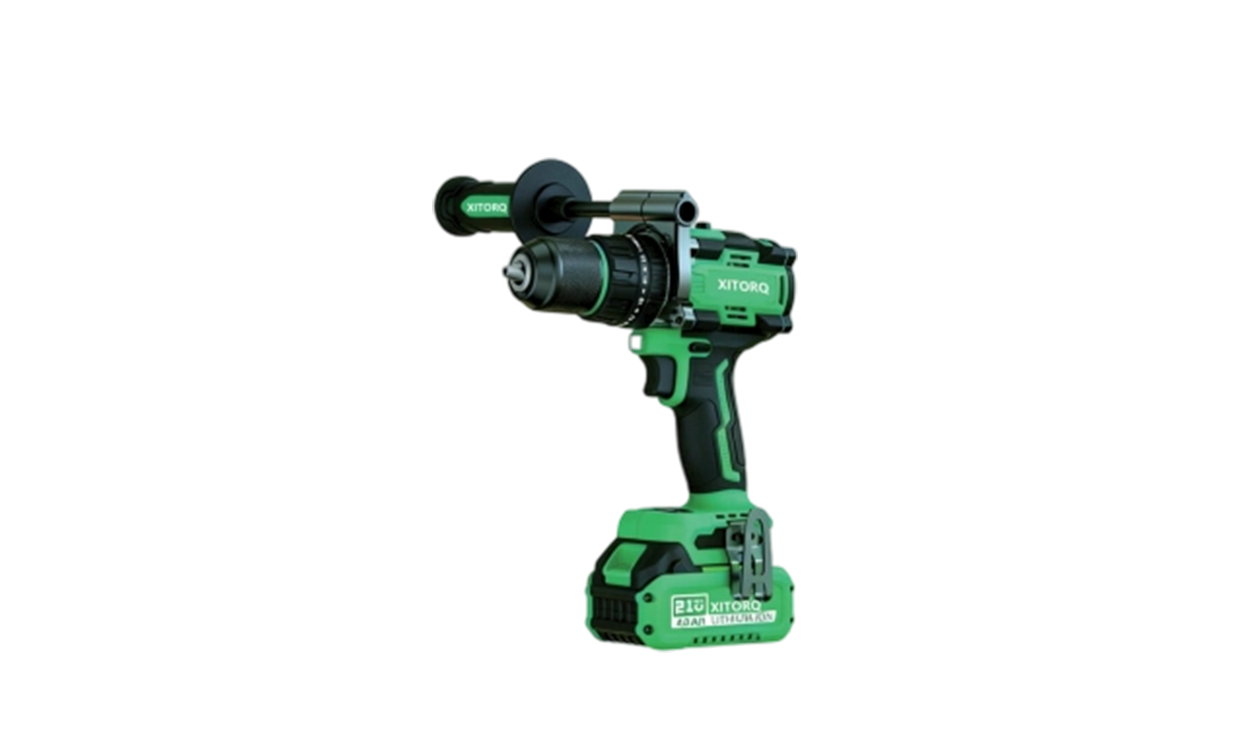
The XJ.617 21V lithium-ion brushless hammer drill/driver is a heavy-duty multi-function drill from the Xiaojia brand. Featuring an upgraded brushless ...
See Details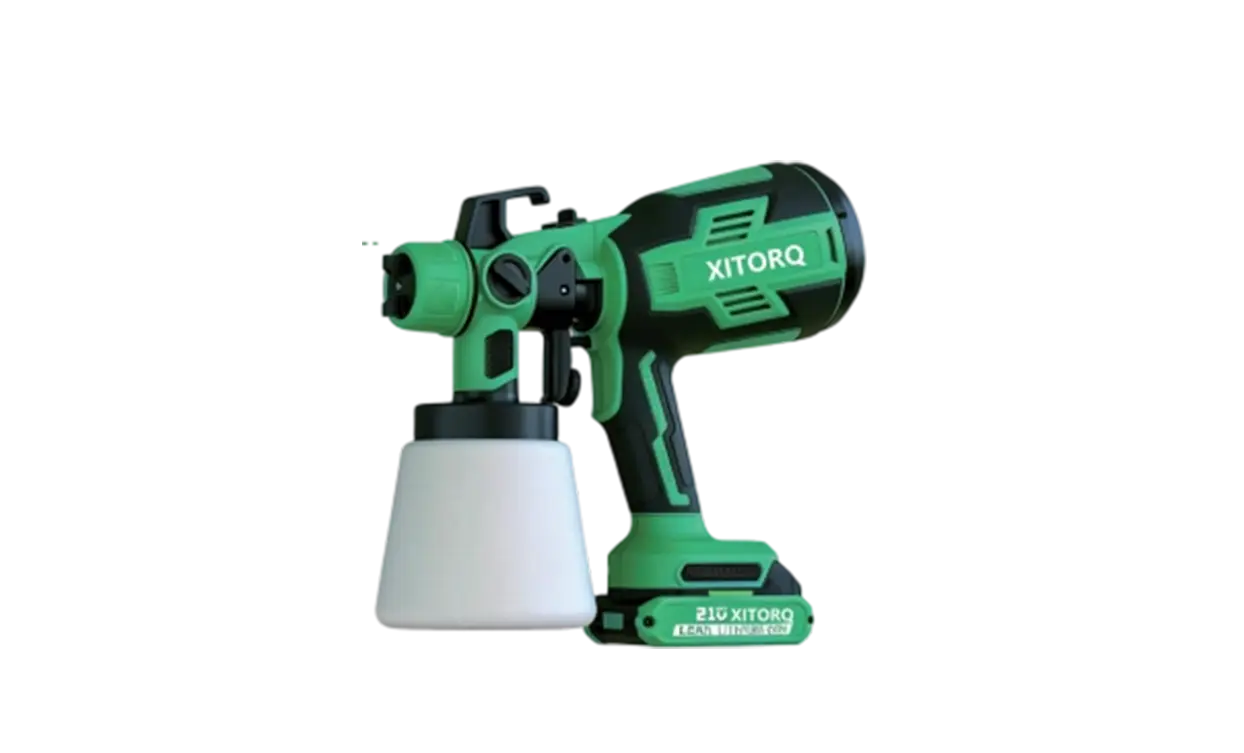
This 21V lithium-ion spray gun (Small Airplane model) is a portable cordless painting tool designed for paint spraying. Powered by a 21V brushless lit...
See Details
Copyright © by Hangzhou Xinabo Intelligent Electromechanical Technology Co., Ltd Rights Reserved. Pipe Threaders Manufacturers