
 English
 Español
 عربى
عربى


F1200 Series Air Compressor
The F1200 Series Air Compressor is engineered for reliable, cost-effective compressed air supply, core to which are its high-efficiency oil-free desig...
See Details
Content
A pipe threader is a specialized tool designed to cut external threads onto the ends of pipes, enabling them to be securely joined with threaded fittings such as couplings, elbows, and valves. This threading process creates a mechanical connection that forms a tight, leak-proof seal essential for plumbing, HVAC, gas, and industrial piping systems. The tool works by progressively cutting grooves into the pipe's outer surface at standardized angles and pitches, typically conforming to standards like NPT (National Pipe Thread) or BSPT (British Standard Pipe Thread).
The threading mechanism relies on hardened steel dies (also called chasers) that contain precisely machined cutting edges. As the dies rotate around the pipe or the pipe rotates through the dies, these cutting edges gradually remove material to form the thread pattern. The process requires continuous lubrication with cutting oil to reduce friction, prevent overheating, and extend die life.
Manual pipe threaders use a ratcheting handle mechanism where the operator applies force to turn the die head around a fixed pipe. Each forward stroke cuts material, while the ratchet mechanism allows the handle to reset without losing position. Power threaders automate this rotation using electric motors, typically operating at speeds between 15-40 RPM depending on pipe diameter and material hardness.
The taper of standard pipe threads (typically 1:16 or 3/4 inch per foot) ensures that as threaded components are screwed together, they form an increasingly tight interference fit that creates a seal. This taper is precisely maintained by the die geometry.
Manual threaders are hand-operated tools ideal for small-scale work, repairs, and locations without electricity. They typically handle pipes from 1/8 inch to 2 inches in diameter. The ratcheting die stock holds the die head, which contains interchangeable dies for different pipe sizes. While labor-intensive, manual threaders offer excellent portability and cost between $150-$800 depending on capacity and quality.
Electric pipe threaders significantly increase productivity and reduce operator fatigue. Portable models handle pipes up to 2 inches, while heavy-duty threading machines accommodate pipes from 1/2 inch to 4 inches or larger. These machines feature motorized rotation, automatic die head opening, and integrated pipe vises. Professional models can thread a 2-inch pipe in approximately 30-45 seconds compared to several minutes with manual tools.
Some threaders serve specific purposes: ratchet threaders for tight spaces, bolt threaders for threading rod stock, and hydraulic threaders for extra-heavy pipe up to 6 inches. Drop-head threaders automatically retract after completing the thread, preventing over-cutting.
Pipe threaders are indispensable across multiple sectors:
According to industry data, approximately 60% of commercial plumbing installations still use threaded connections for pipes 2 inches and under due to reliability and ease of assembly.
Pipe threads must conform to established standards to ensure compatibility and safety. The most common standards include:
| Standard | Thread Angle | Primary Use | Region |
|---|---|---|---|
| NPT (National Pipe Thread) | 60° | General plumbing, gas lines | North America |
| BSPT (British Standard Pipe Thread) | 55° | Plumbing, industrial | UK, Commonwealth |
| NPSM (Straight Mechanical) | 60° | Mechanical joints with O-rings | North America |
NPT threads feature a taper rate of 1/16 inch per inch measured along the pipe length, creating the interference fit necessary for sealing. Thread pitch varies by pipe size—for example, 1/2-inch pipe has 14 threads per inch, while 2-inch pipe has 11.5 threads per inch.
Proper threading technique ensures quality connections and extends die life:
Professional plumbers typically achieve thread completion in 4-6 complete rotations for standard pipe sizes when using properly sharpened dies.
Proper maintenance significantly extends equipment life. Dies typically last for 300-500 threading operations when properly maintained. Clean dies immediately after use to prevent oil residue from hardening. Store in a dry environment to prevent rust. Inspect dies regularly for worn or chipped teeth—worn dies produce loose, leaking threads. Sharpen or replace dies when thread quality deteriorates. Keep all moving parts lubricated and check ratchet mechanisms for proper engagement.
Selection depends on several practical factors:
Work volume: Occasional repairs and maintenance justify manual threaders, while contractors threading more than 10 pipes daily benefit from power models. Professional plumbing crews often report that power threaders increase productivity by 300-400% compared to manual tools.
Pipe size range: Residential plumbing rarely exceeds 2-inch pipe, but commercial and industrial work may require 3-4 inch capacity. Purchase a threader with capacity slightly above your maximum anticipated need.
Portability requirements: Service plumbers working across multiple job sites need compact, lightweight options (typically 15-30 pounds for manual models). Shop-based operations can utilize heavier stationary machines with greater capacity and features.
Budget considerations: Entry-level manual threaders start around $150-$300, mid-range manual sets cost $400-$800, portable power threaders range from $800-$2,500, and professional-grade machines run $2,500-$8,000 or more.
Threading operations present specific hazards requiring proper precautions:
According to occupational safety data, proper training reduces threading-related injuries by approximately 70%, making initial safety instruction essential for all operators.
While threading remains essential for many applications, alternative joining methods exist for specific situations. Press-fit systems use specialized tools to crimp fittings onto pipe ends, creating connections in one-third the time of threading without requiring thread sealants. However, press fittings cost 2-3 times more than threaded fittings.
Welded connections provide superior strength for high-pressure applications but require specialized equipment and certified welders. Grooved mechanical couplings allow quick assembly and disassembly, making them popular for large-diameter industrial piping above 2.5 inches.
Despite these alternatives, threaded connections remain the most cost-effective and versatile method for pipes 2 inches and under, particularly in renovation work where compatibility with existing threaded systems is required.
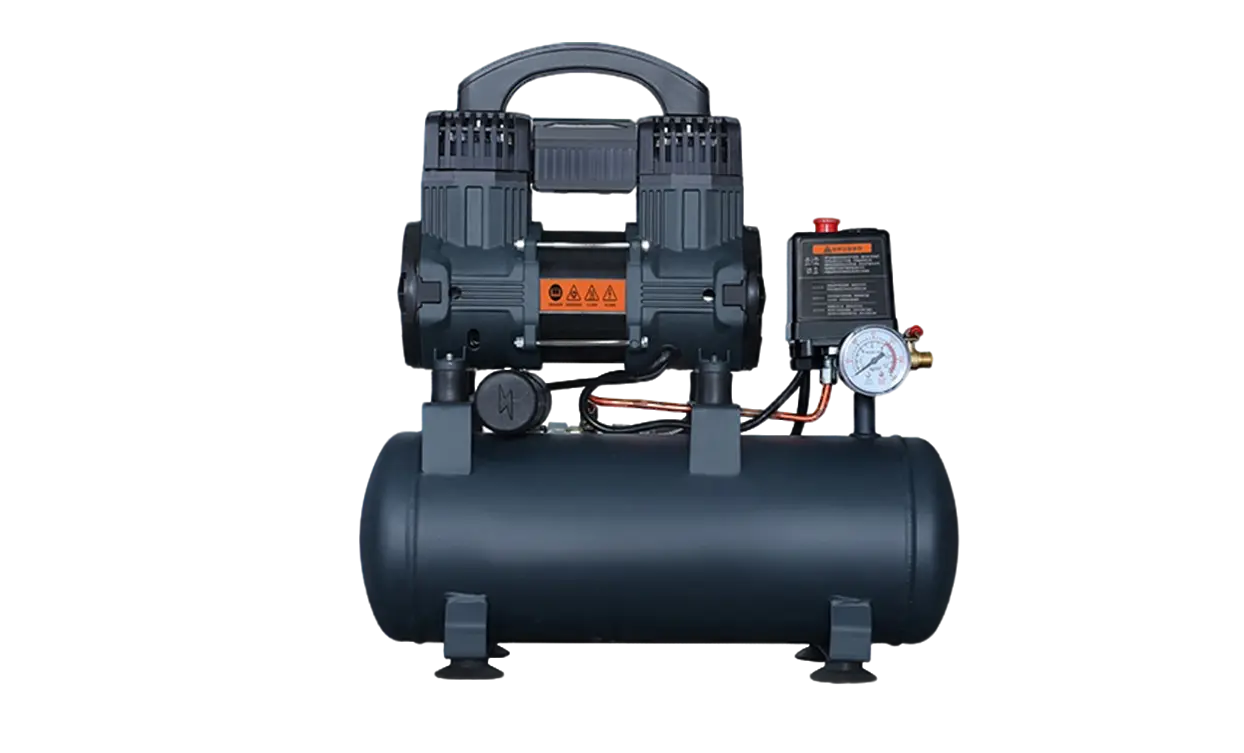
The F1200 Series Air Compressor is engineered for reliable, cost-effective compressed air supply, core to which are its high-efficiency oil-free desig...
See Details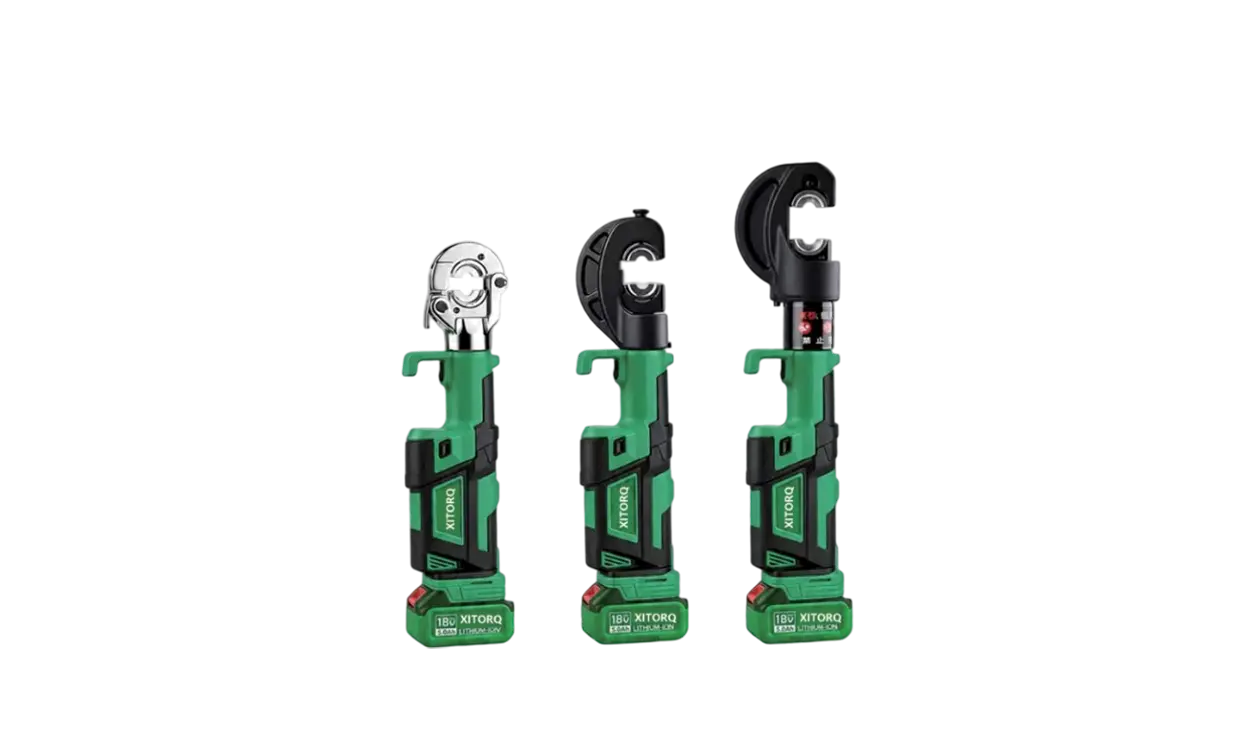
This 18V lithium-ion hydraulic crimping tool is a portable hydraulic tool designed for cable terminal crimping. It features a brushless lithium-ion po...
See Details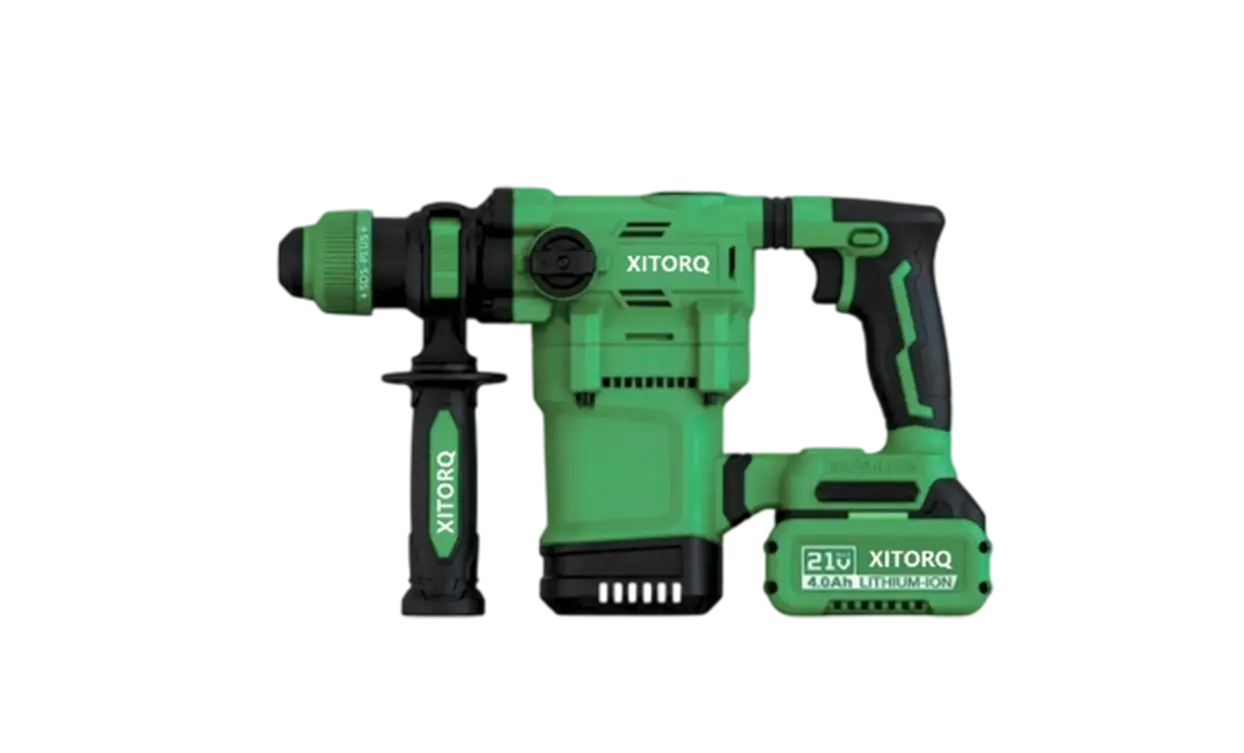
This 21V lithium-ion brushless rotary hammer is an industrial-grade tool designed for drilling and chiseling in concrete, stone, and other hard materi...
See Details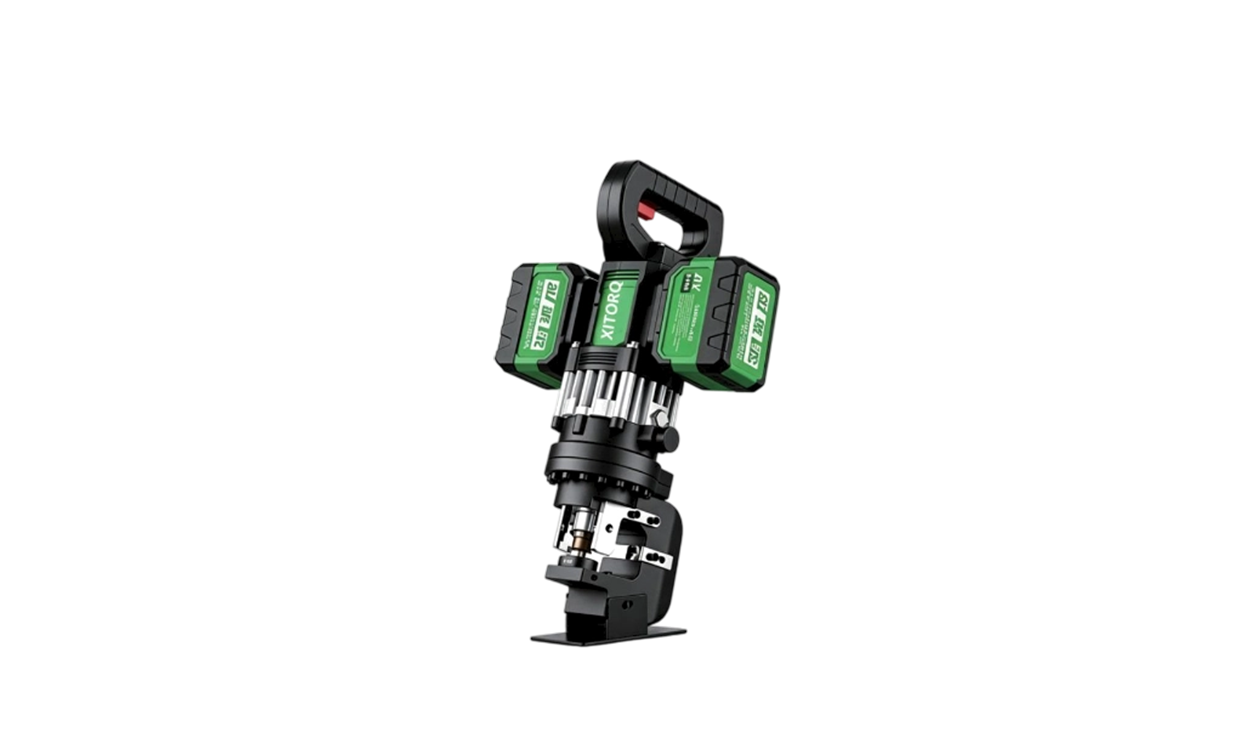
This 21V lithium-ion channel steel hole puncher is a portable hydraulic punching tool designed for punching holes in channel steel, angle steel, steel...
See Details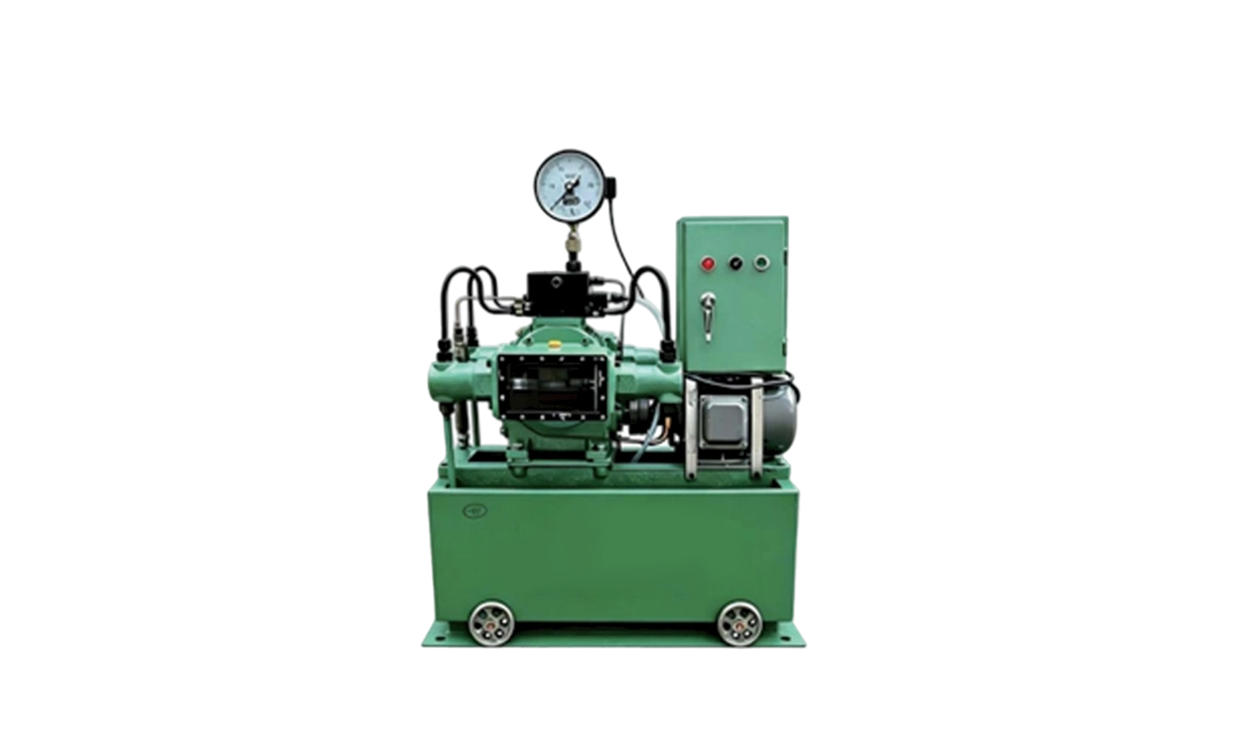
This 380V electric pressure test pump is a professional device designed for hydrostatic pressure testing and leak detection of pipes, valves, pressure...
See Details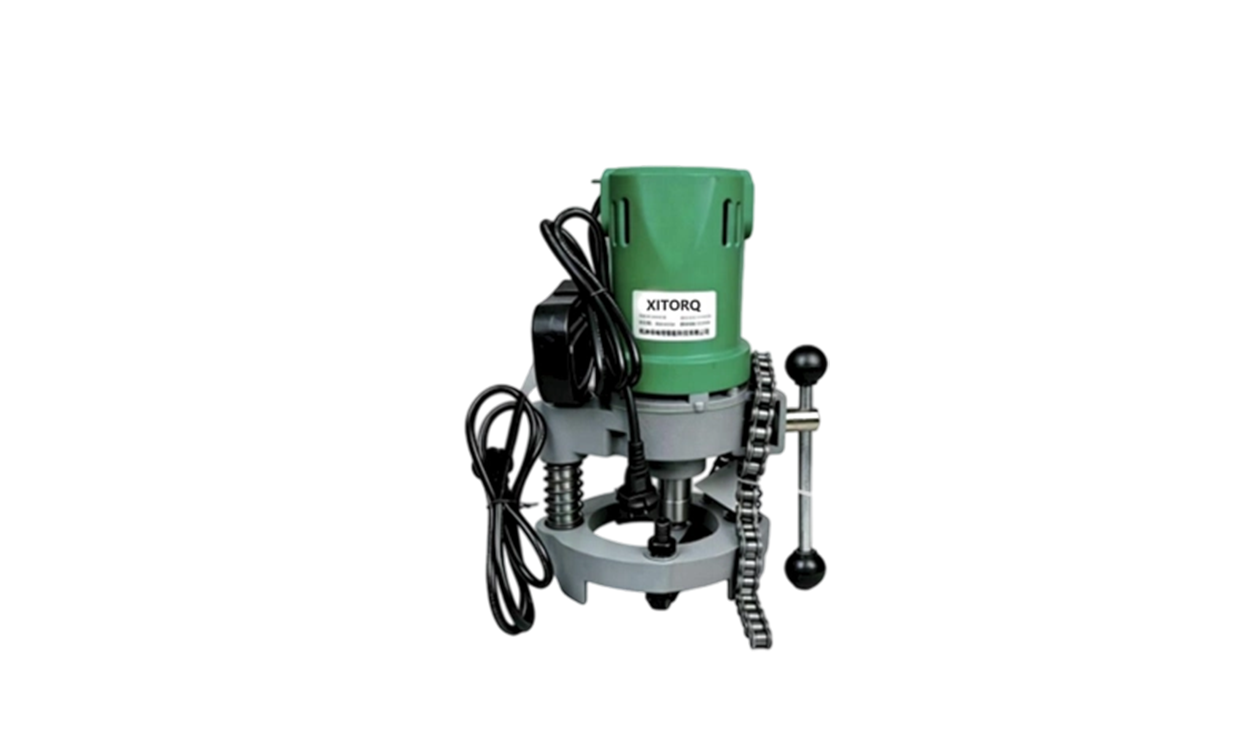
This 220V Fire Pipe Drilling Machine is a professional device designed for hole cutting on fire protection and plumbing pipes. Powered by a 220V indus...
See Details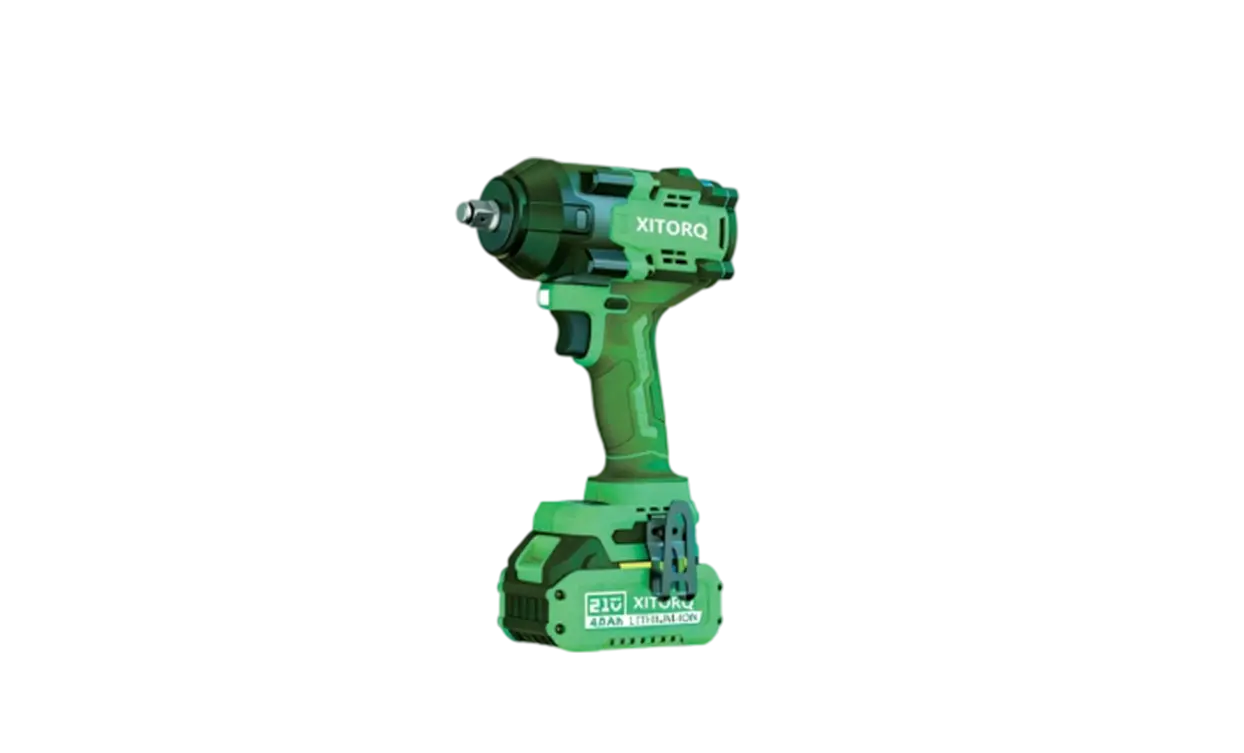
The XJ.580 21V lithium-ion brushless impact wrench is a medium-duty industrial-grade tool from the Xiaojia brand. Featuring an upgraded brushless moto...
See Details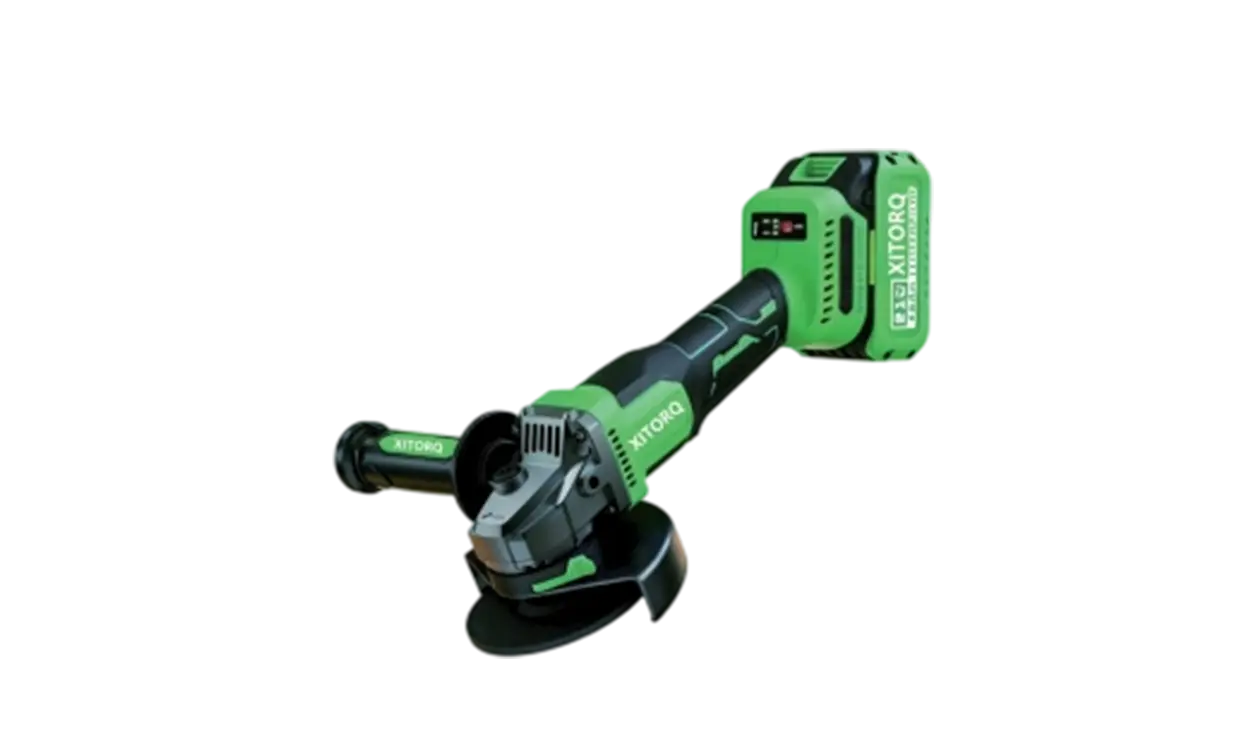
The XJ.918 21V lithium-ion high-magnetic brushless angle grinder is a heavy-duty industrial-grade grinder from the Xiaojia brand. Featuring an upgrade...
See Details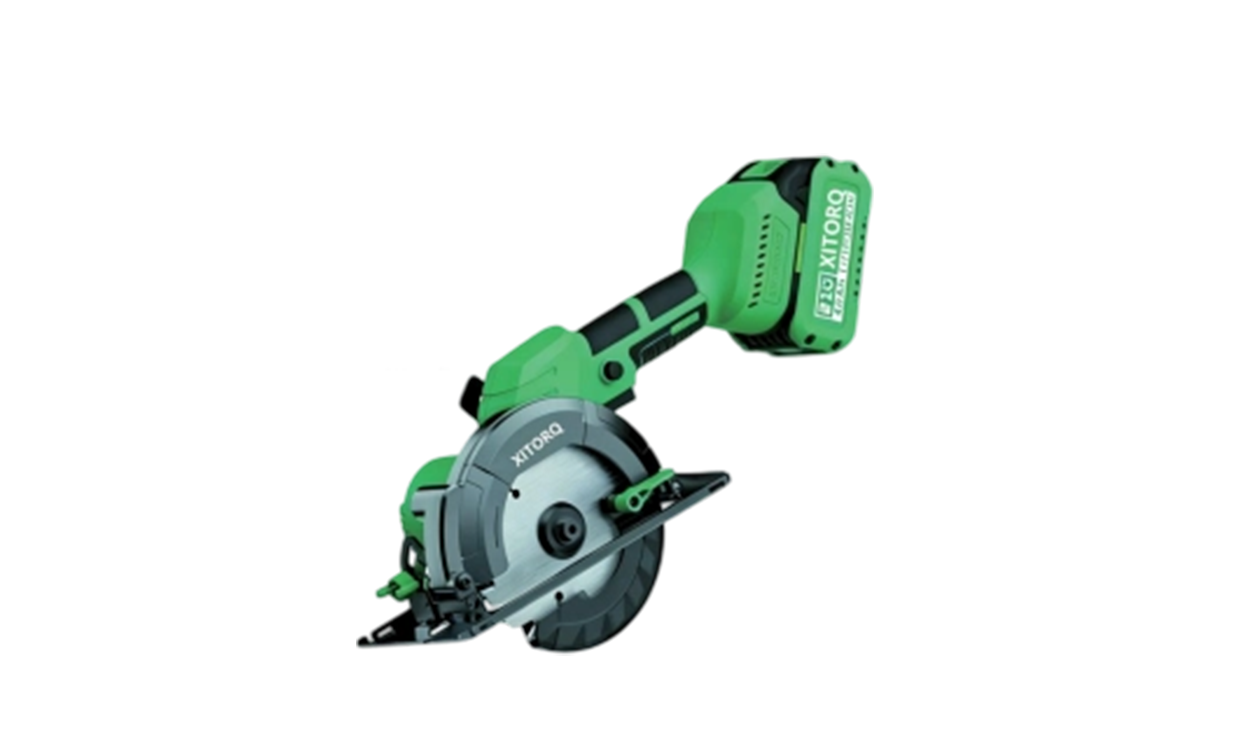
The XJ.853 21V lithium-ion high-magnetic brushless circular saw is an industrial-grade handheld circular saw from the Xiaojia brand. Featuring a high-...
See Details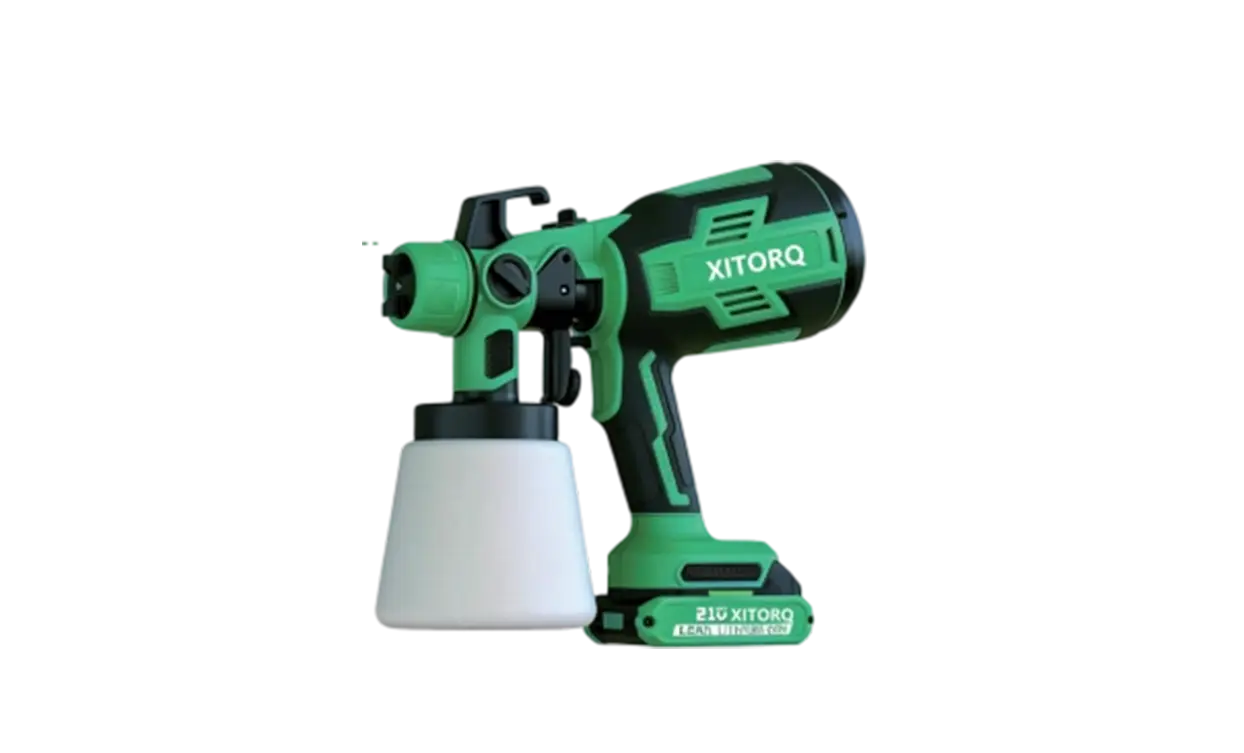
This 21V lithium-ion spray gun (Small Airplane model) is a portable cordless painting tool designed for paint spraying. Powered by a 21V brushless lit...
See Details
Copyright © by Hangzhou Xinabo Intelligent Electromechanical Technology Co., Ltd Rights Reserved. Pipe Threaders Manufacturers