 English
 Español
 عربى
عربى


Intelligent Pipe Tightening Machine
1. Intelligent adjustment, electric screwing 2. Save labor and improve efficiency 3. The layout is reasonable, safe and reliable 4. Torque adjustable,...
See Details
Content
An electric pipe threading machine cuts precise helical grooves — threads — into the end of a pipe so it can be securely joined to fittings, valves, or other pipes. Unlike manual die stocks, which demand significant physical effort and skill to produce consistent results, an electric model automates the rotation and feed, delivering uniform thread geometry on every cut.
The machine clamps the pipe, spins it against a hardened die head, and advances the cutting dies at a controlled rate. Most units also circulate cutting oil automatically to cool the dies and flush away metal chips — a detail that directly affects thread quality and tool life. The result is a clean, burr-free thread that meets standards such as NPT (National Pipe Taper), BSP, or BSPT, depending on the die set installed.
Electric pipe threading machines fall into several categories based on portability, pipe diameter range, and drive mechanism. Choosing the wrong category is the most common sourcing mistake.
Designed for field work — plumbing installations, fire-protection systems, and HVAC retrofits — portable units typically handle pipe diameters from ½ in to 2 in (DN15–DN50). They weigh between 20 kg and 35 kg and can be moved between floors or job sites without a forklift. The trade-off is a lower duty cycle; they are not built for continuous high-volume production.
These machines sit on a stand or wheeled trolley and cover a wider range, commonly ¼ in to 4 in (DN8–DN100). They are the standard choice for pipe fabrication shops, mechanical contractors, and industrial maintenance departments. Higher motor ratings — typically 750 W to 2,200 W — allow longer continuous operation, and many models include a built-in pipe cutter and reamer in addition to the threading head.
For large-diameter pipe work in oil and gas, shipbuilding, or large-bore fire-suppression systems, heavy-duty machines accommodate diameters up to 6 in or even 12 in (DN150–DN300). These are floor-mounted, three-phase units with gearboxes engineered for the high torque needed to thread thick-walled steel pipe. Cycle times are longer, and setup requires trained operators.
| Type | Pipe Range | Typical Motor Power | Best For |
|---|---|---|---|
| Portable | ½″ – 2″ | 550 W – 900 W | Field installation, plumbing |
| Semi-Stationary | ¼″ – 4″ | 750 W – 2,200 W | Fabrication shops, contractors |
| Heavy-Duty | Up to 6″ – 12″ | 2,200 W+ | Oil & gas, shipbuilding |
Specifications on a datasheet can look similar across competing models. The following parameters separate machines that perform reliably over years of use from those that fail prematurely.
Thread standard compatibility is often overlooked until a threaded joint leaks on-site. NPT threads (used widely in North America) have a different taper angle and pitch than BSP or BSPT threads (common in Europe, Asia, and the Middle East). A machine sold with NPT dies cannot produce conforming BSP threads, and vice versa — the standards are not interchangeable.
Before finalising a machine specification, confirm:
For contractors supplying fire-protection pipework, additional compliance with NFPA 13 or local equivalent codes may govern the minimum thread engagement length and inspection requirements — factors that influence which machine model and die head configuration is acceptable on a given project.
An electric pipe threading machine is a long-term capital investment. Operators who treat maintenance as optional typically see die life drop by 40–60% and motor failures appear within two to three years. The following routine is straightforward and takes less than 15 minutes per shift.
Keeping a simple maintenance log tied to the machine's serial number makes it easier to track service intervals and justify warranty claims with the manufacturer when components fail prematurely.
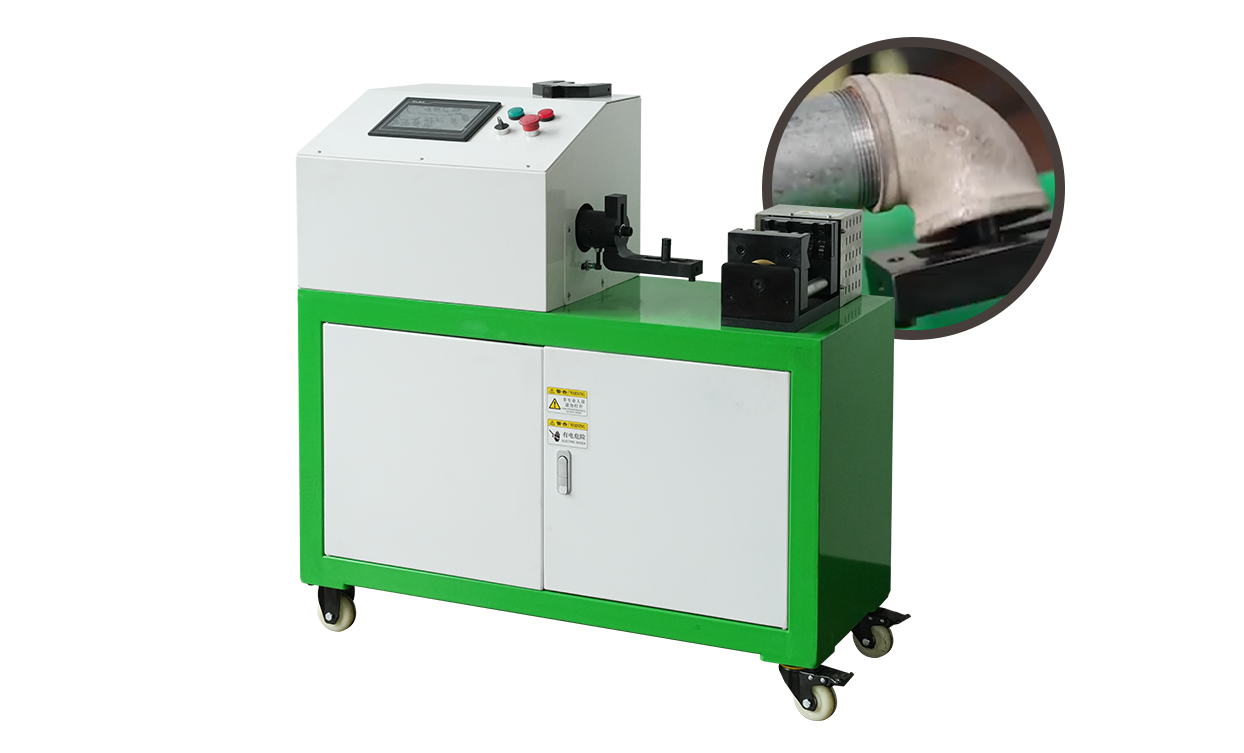
1. Intelligent adjustment, electric screwing 2. Save labor and improve efficiency 3. The layout is reasonable, safe and reliable 4. Torque adjustable,...
See Details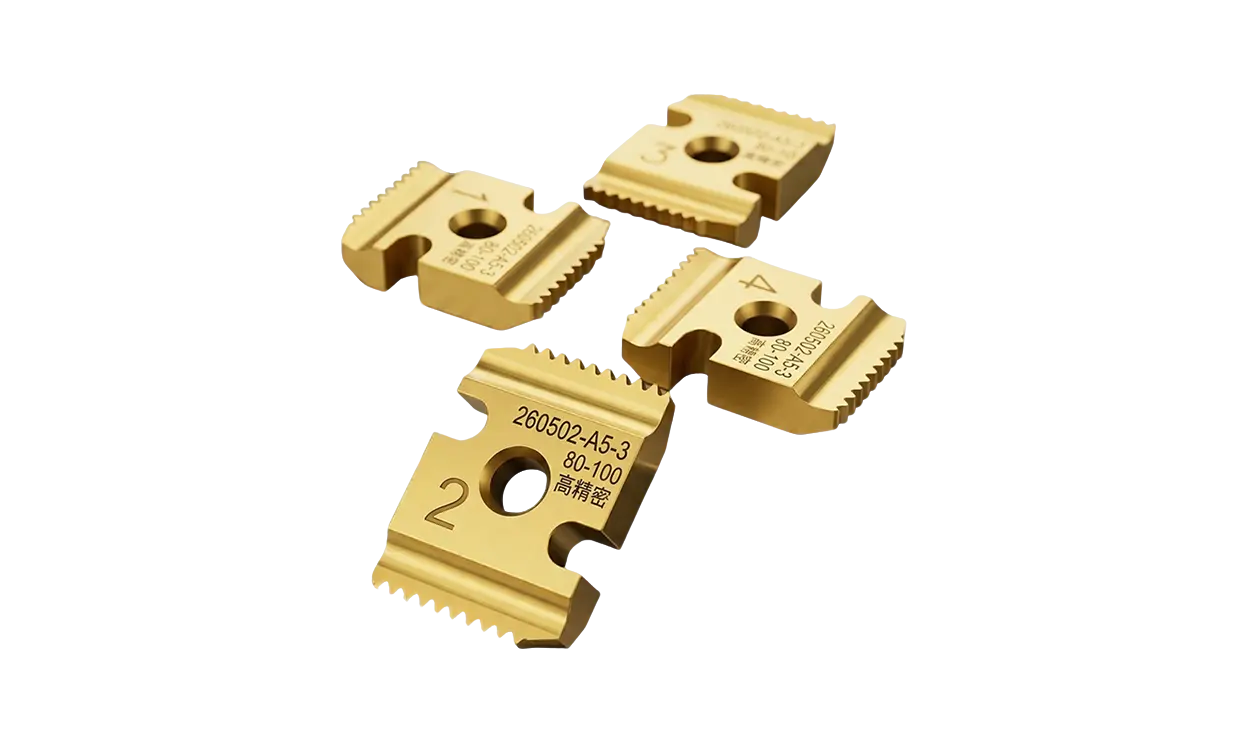
Specialized Compatibility: Exclusively designed for intelligent threading machines, the dies feature a high precision-machined structure that perfectl...
See Details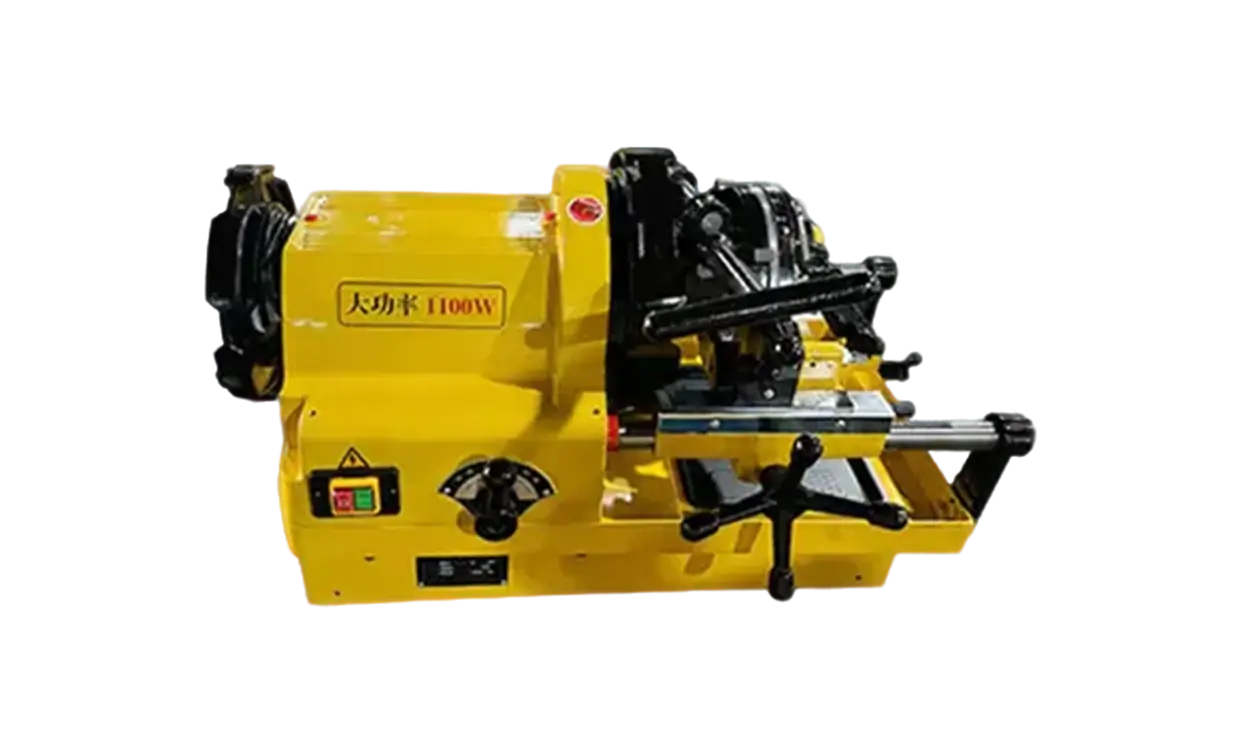
This SQ100 4-inch 15-100mm dual-speed electric pipe threading machine is engineered for precise and efficient pipe threading operations, with a workin...
See Details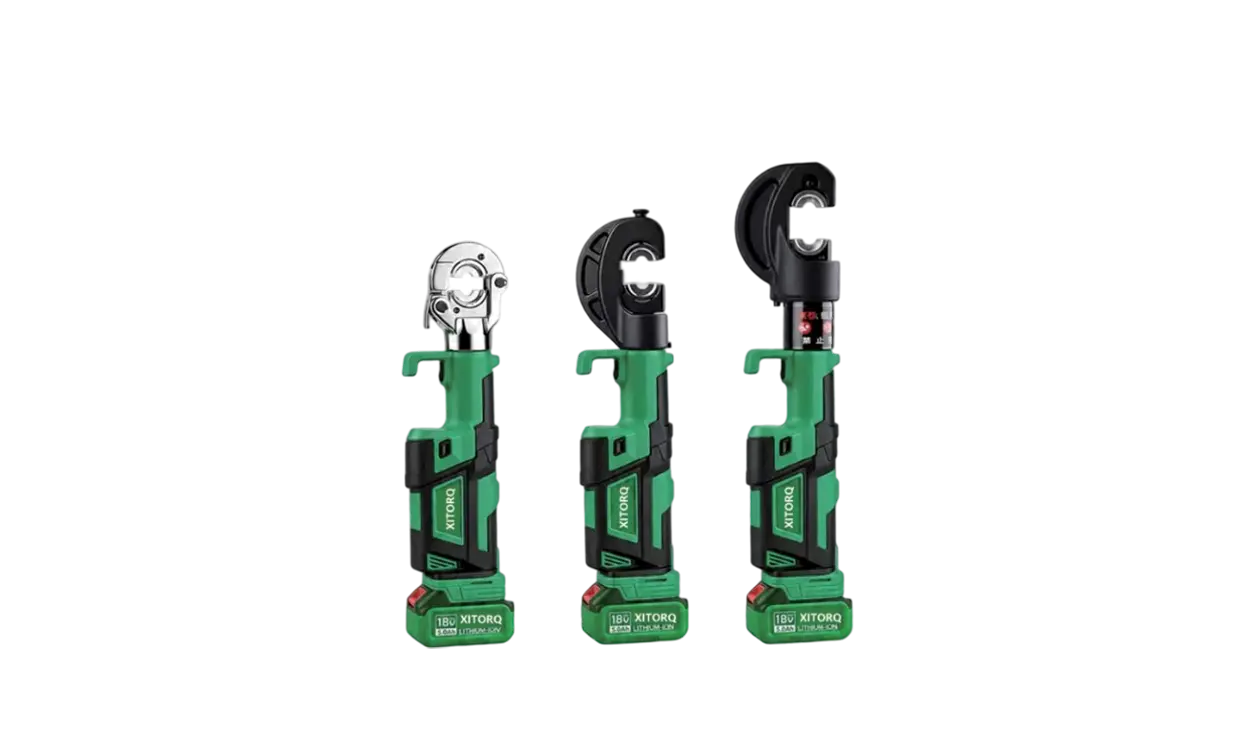
This 18V lithium-ion hydraulic crimping tool is a portable hydraulic tool designed for cable terminal crimping. It features a brushless lithium-ion po...
See Details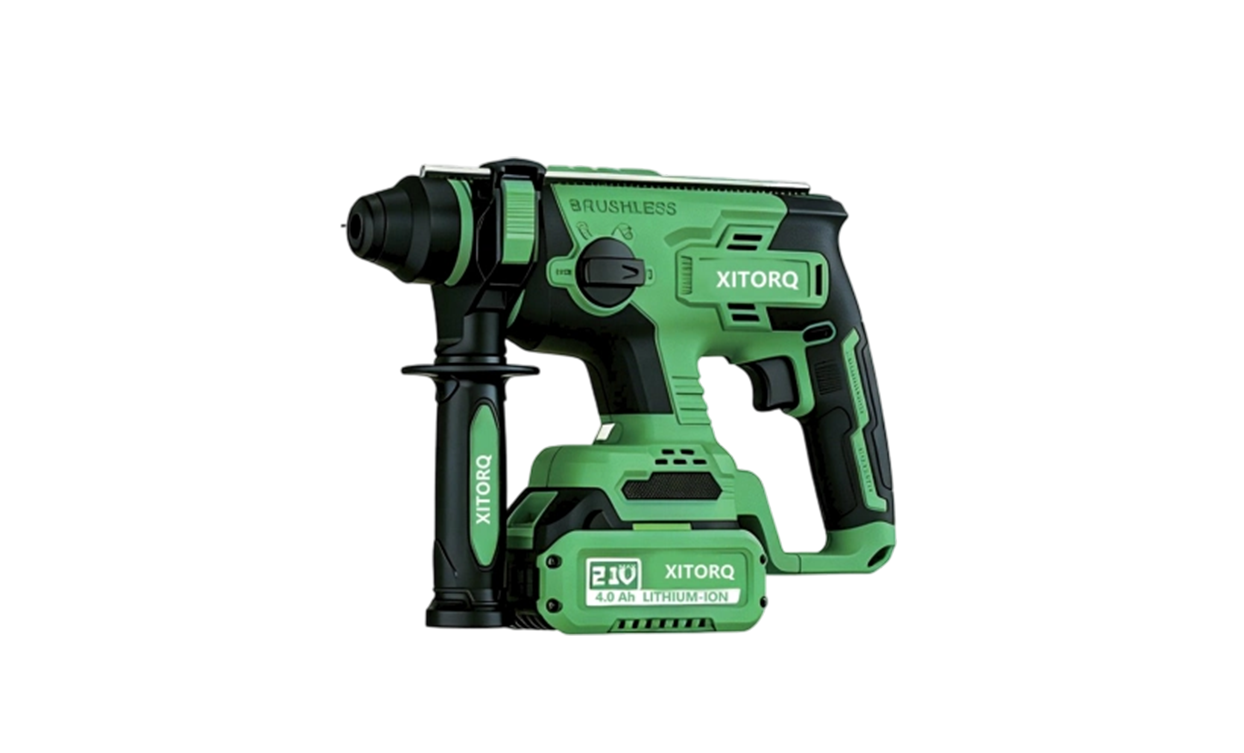
The XJ.709 21V lithium-ion high-magnetic brushless rotary hammer is an industrial-grade hammer from the Xiaojia brand. Equipped with a high-magnetic b...
See Details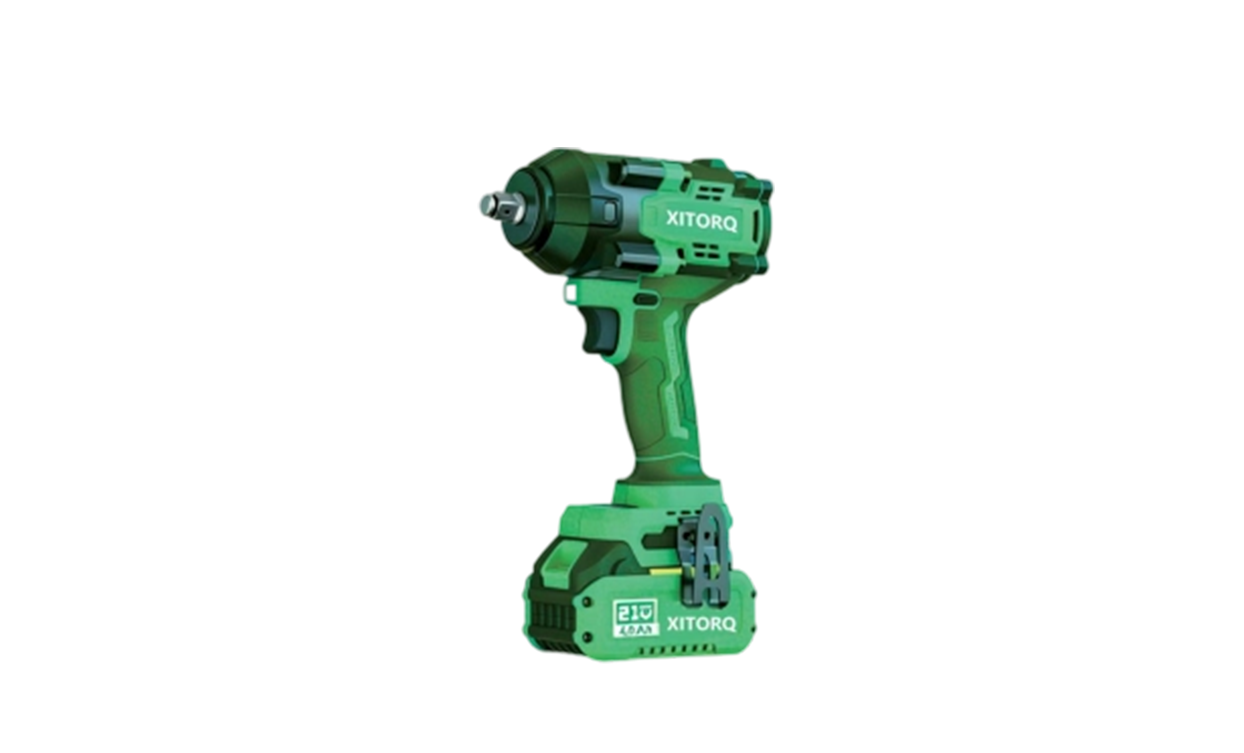
The XJ.570 21V lithium-ion brushless impact wrench is a light industrial-grade tool from the Xiaojia brand. Equipped with a 5220 brushless motor and p...
See Details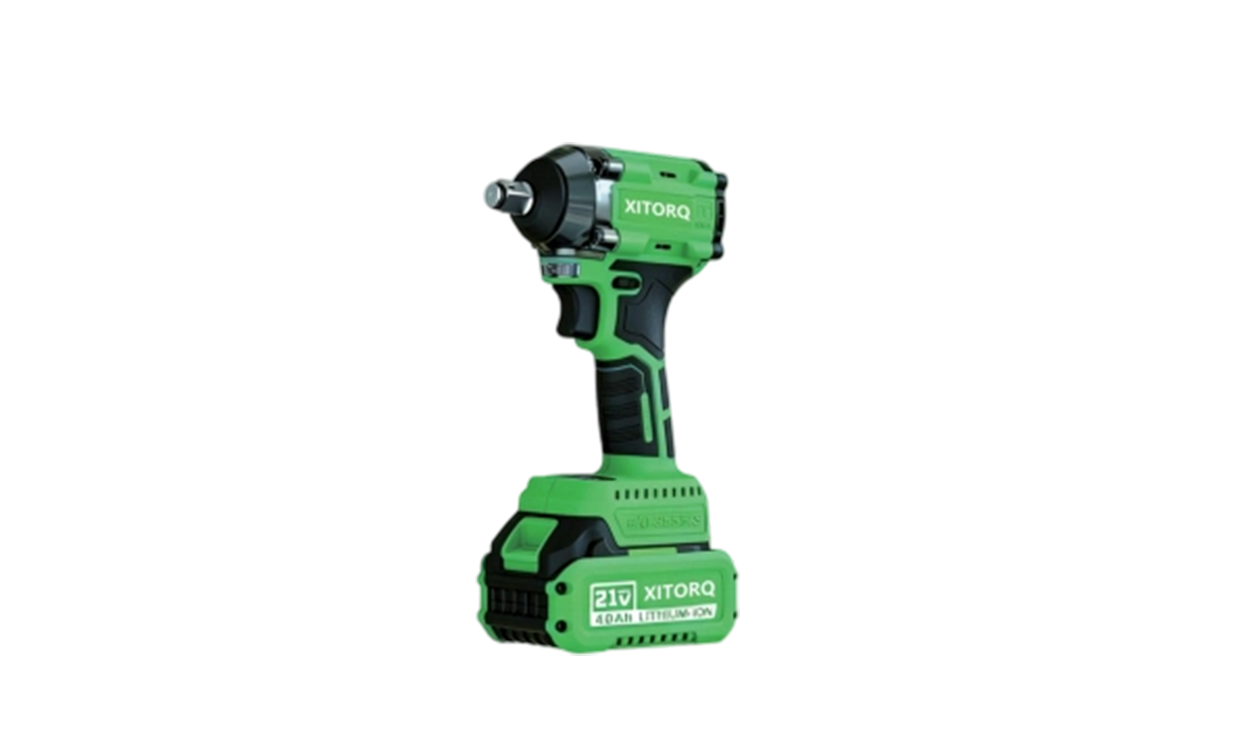
The XJ.523 21V lithium-ion brushless impact wrench is a heavy-duty industrial-grade tool from the Xiaojia brand. Powered by a high-power brushless mot...
See Details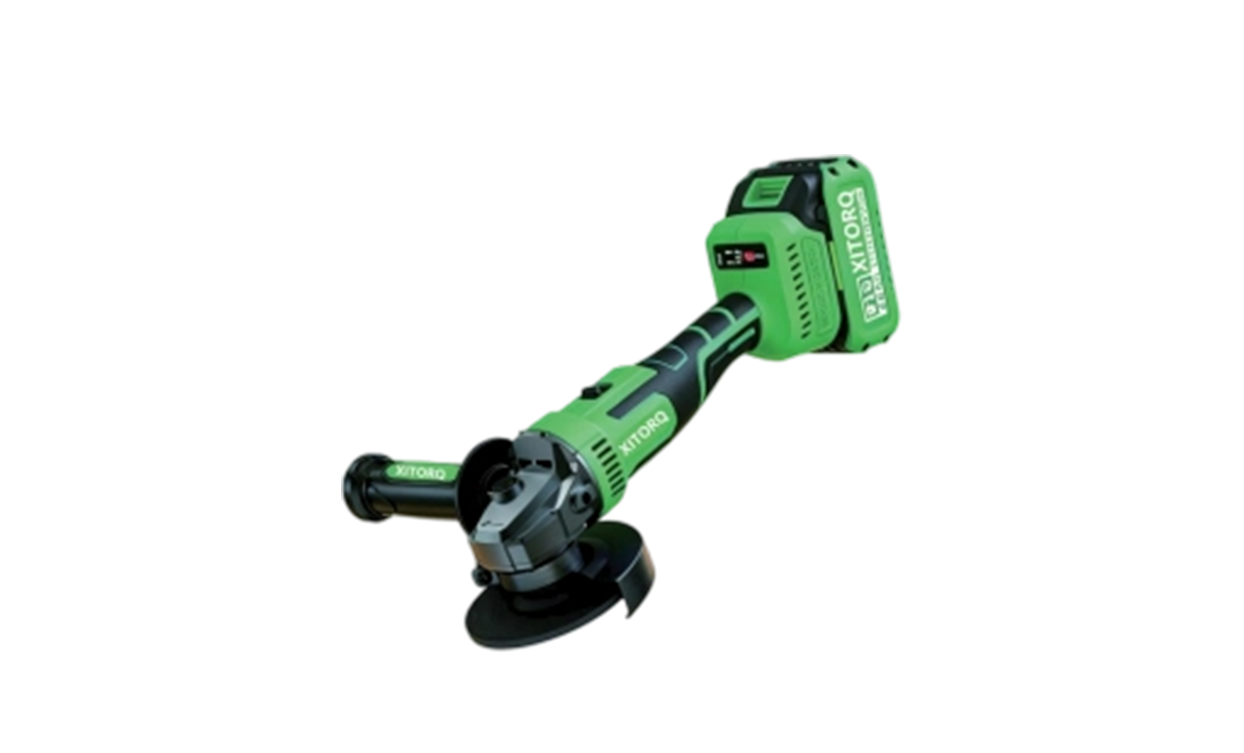
The XJ.908 21V lithium-ion high-magnetic brushless angle grinder is an industrial-grade grinder from the Xiaojia brand. Featuring a high-magnetic brus...
See Details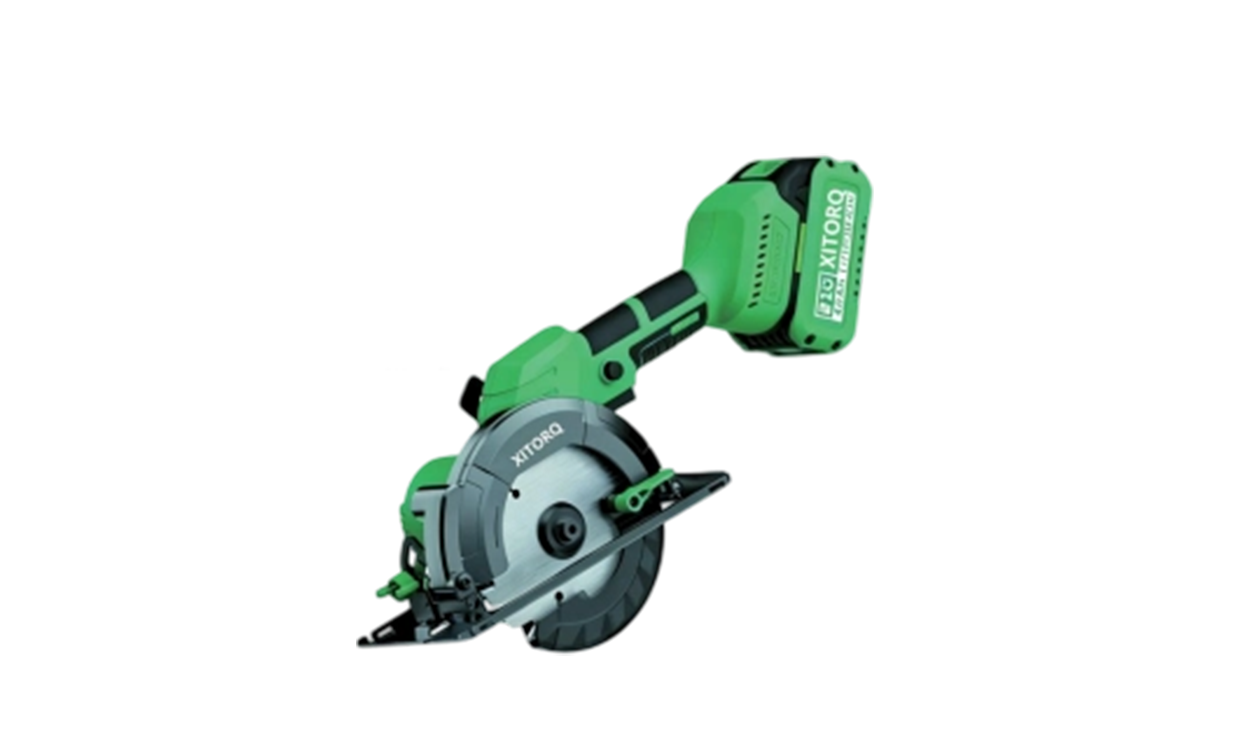
The XJ.853 21V lithium-ion high-magnetic brushless circular saw is an industrial-grade handheld circular saw from the Xiaojia brand. Featuring a high-...
See Details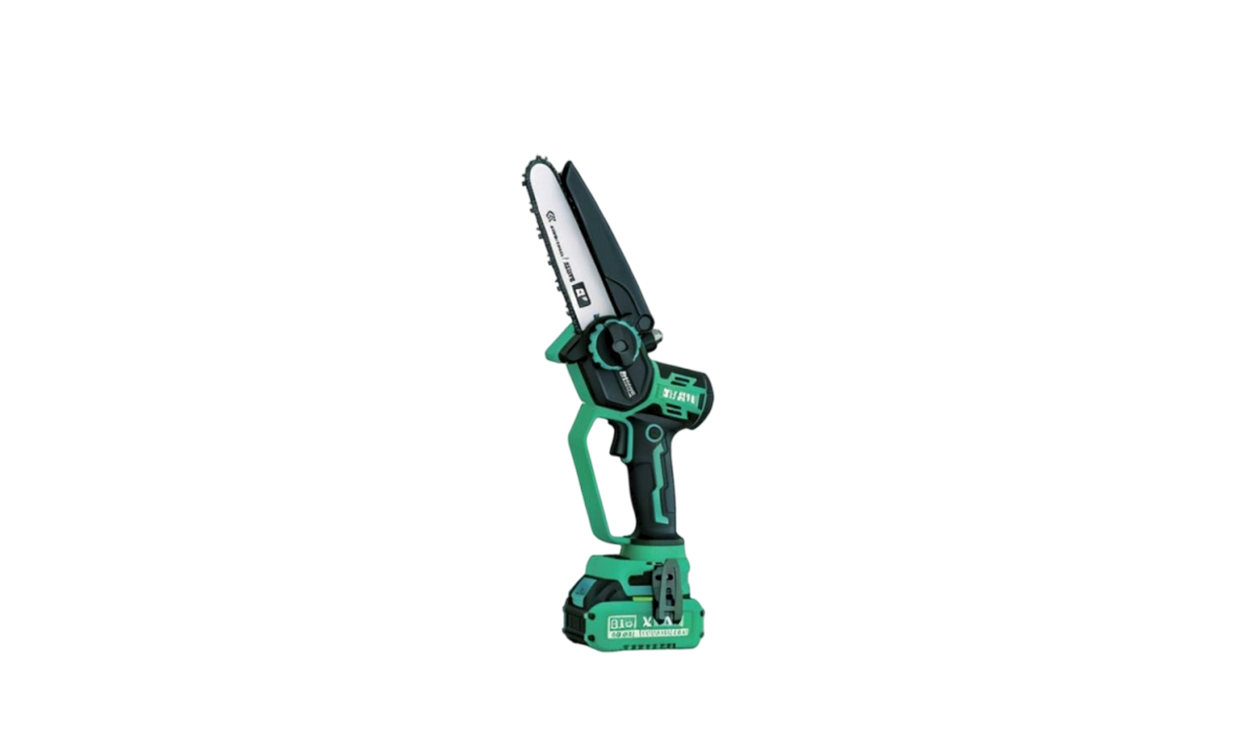
The XJ.204 16V 4" brushless electric chainsaw is a compact lithium-ion chainsaw from the Xiaojia brand. Powered by a 16V brushless motor with a 4" gui...
See Details
Copyright © by Hangzhou Xinabo Intelligent Electromechanical Technology Co., Ltd Rights Reserved. Pipe Threaders Manufacturers