 English
 Español
 عربى
عربى


Intelligent Threading Machine
1. Automatically identify the pipe diameter 2. Automatic tool adjustment and setting 3. Pipe Processing Range: DN15–DN100 4. Threading time as fast ...
See Details
Content
An oil-free piston air compressor compresses air using a reciprocating piston mechanism without relying on lubricating oil inside the compression chamber. Instead of oil, the cylinder walls and piston rings are typically coated with self-lubricating materials such as PTFE (polytetrafluoroethylene) or reinforced composites. This design ensures that the compressed air remains completely free of oil vapor or droplets from the moment it leaves the cylinder.
The result is a compressed air supply that meets ISO 8573-1 Class 0 oil contamination standards — the highest purity level recognized by international industry norms. For processes where even trace oil contamination can ruin a product or invalidate a result, this matters enormously.
The core operating principle follows standard reciprocating compressor mechanics, but with key material substitutions to eliminate oil dependency:
In oil-lubricated designs, a thin oil film reduces friction between the piston rings and cylinder wall. In oil-free versions, self-lubricating ring materials and precision-machined clearances handle this function instead. Some designs also use a labyrinth piston — a stepped piston geometry that minimizes contact entirely, extending component life significantly.
Single-stage models compress air in one step, suitable for pressures up to approximately 8–10 bar. Two-stage models compress in two successive steps with intercooling between stages, reaching pressures of 15–40 bar while managing heat buildup more effectively.
The decision to specify oil-free equipment is rarely just about air purity — it carries downstream operational and economic implications:
Studies across industrial installations suggest that when total cost of ownership is calculated over a 10-year horizon — factoring in filter elements, oil purchases, condensate disposal, and downtime — oil-free compressors often achieve cost parity or better despite higher initial acquisition costs.
Oil-free piston air compressors are specified across industries where air quality directly affects product integrity, regulatory compliance, or sensitive instrumentation:
| Industry | Typical Application | Why Oil-Free Matters |
|---|---|---|
| Medical & Dental | Breathing air, surgical tools, dental handpieces | Patient safety; regulatory (HTM 02-01, ISO 7396) |
| Food & Beverage | Packaging, conveying, direct product contact | HACCP compliance; prevents taste/odor contamination |
| Pharmaceuticals | Tablet coating, fermentation, clean room supply | GMP requirements; batch integrity validation |
| Electronics | PCB cleaning, component handling, soldering | Prevents short circuits from oil film deposits |
| Laboratories | Gas chromatography, spectrometry carrier gas | Instrument calibration accuracy; sample integrity |
Oil-free piston compressors are the right choice for many applications, but they are not universally superior. Understanding their constraints prevents specification errors:
Selecting correctly requires matching five key parameters against your application requirements:
Calculate your peak demand by summing all simultaneous air consumers, then apply a diversity factor of 0.7–0.8 if not all tools operate simultaneously. Add a 20–25% safety margin for system leaks and future expansion. Undersizing the compressor leads to pressure drop and extended run cycles that accelerate wear.
Identify the highest-pressure demand device in your system and add 1–1.5 bar for line losses. Most workshop applications fall between 6–10 bar; specialized industrial processes may require 15–40 bar two-stage units.
Estimate what percentage of each hour the compressor will run. A dental clinic may need 30–40% duty cycle, while a packaging line might require 70–80%. Match the compressor's rated duty cycle to actual demand — operating continuously at above-rated duty accelerates thermal degradation of the piston rings.
A larger receiver tank smooths pressure fluctuations and reduces motor start/stop frequency. As a guideline, a tank volume (in liters) equal to 6–10 times the compressor's displacement per minute provides adequate buffering for intermittent demand profiles.
Verify single-phase versus three-phase availability at the installation site. Small oil-free piston compressors below 2.2 kW typically run on single-phase 230V supply. Units above 3 kW generally require three-phase power for efficient motor operation and reduced startup current.
Oil-free does not mean maintenance-free. A structured preventive maintenance schedule directly determines how long the unit performs within specification:
Compressors operating in dusty, humid, or high-temperature environments should have maintenance intervals shortened by 30–50% from baseline recommendations to account for accelerated component wear.
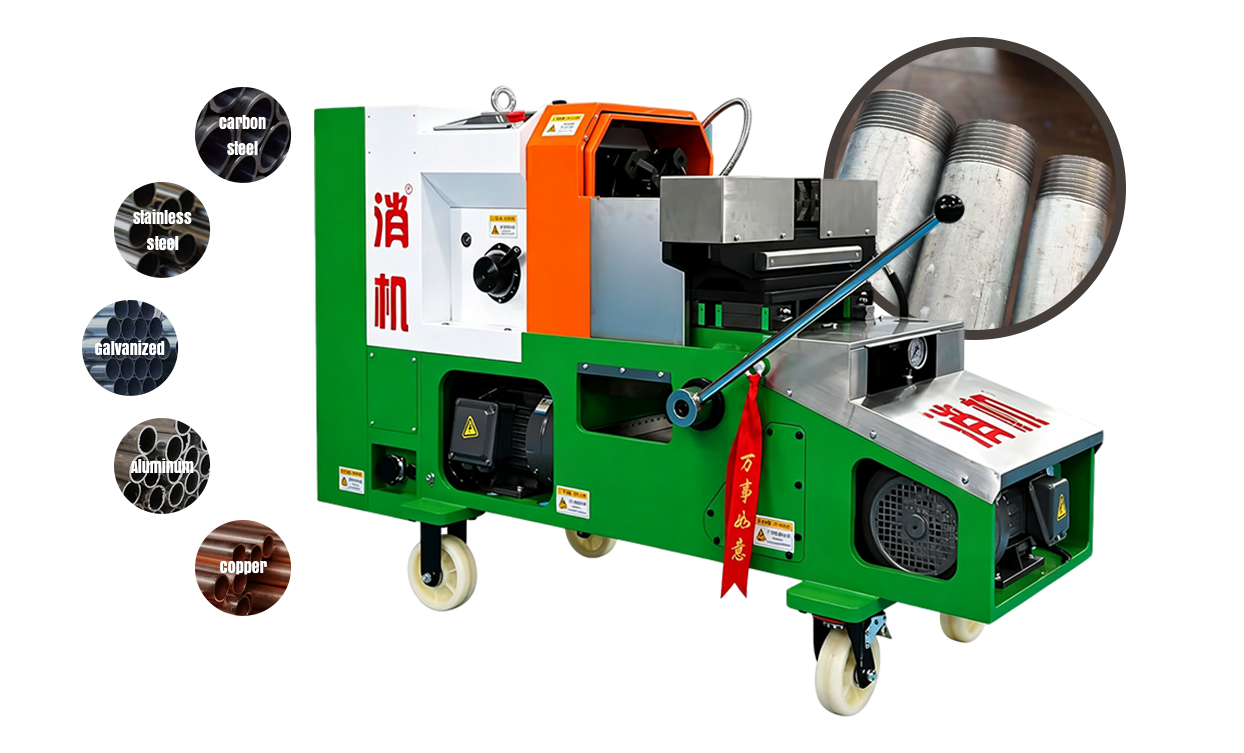
1. Automatically identify the pipe diameter 2. Automatic tool adjustment and setting 3. Pipe Processing Range: DN15–DN100 4. Threading time as fast ...
See Details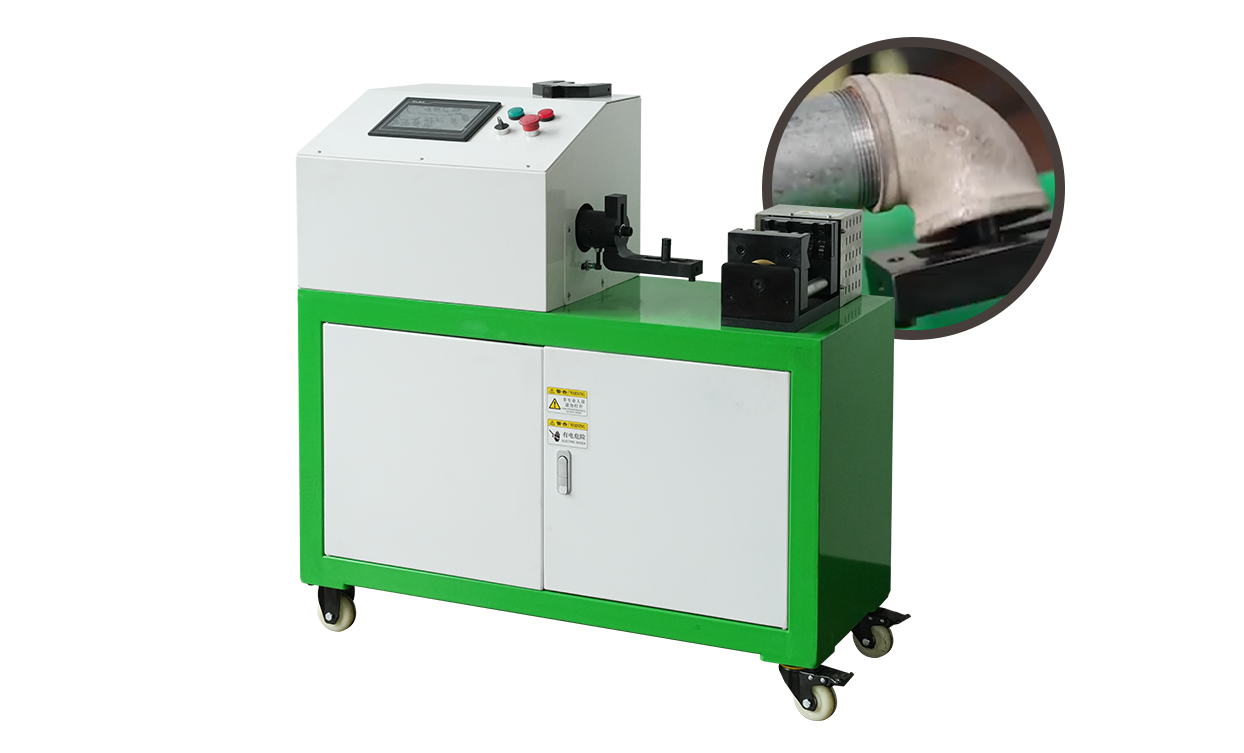
1. Intelligent adjustment, electric screwing 2. Save labor and improve efficiency 3. The layout is reasonable, safe and reliable 4. Torque adjustable,...
See Details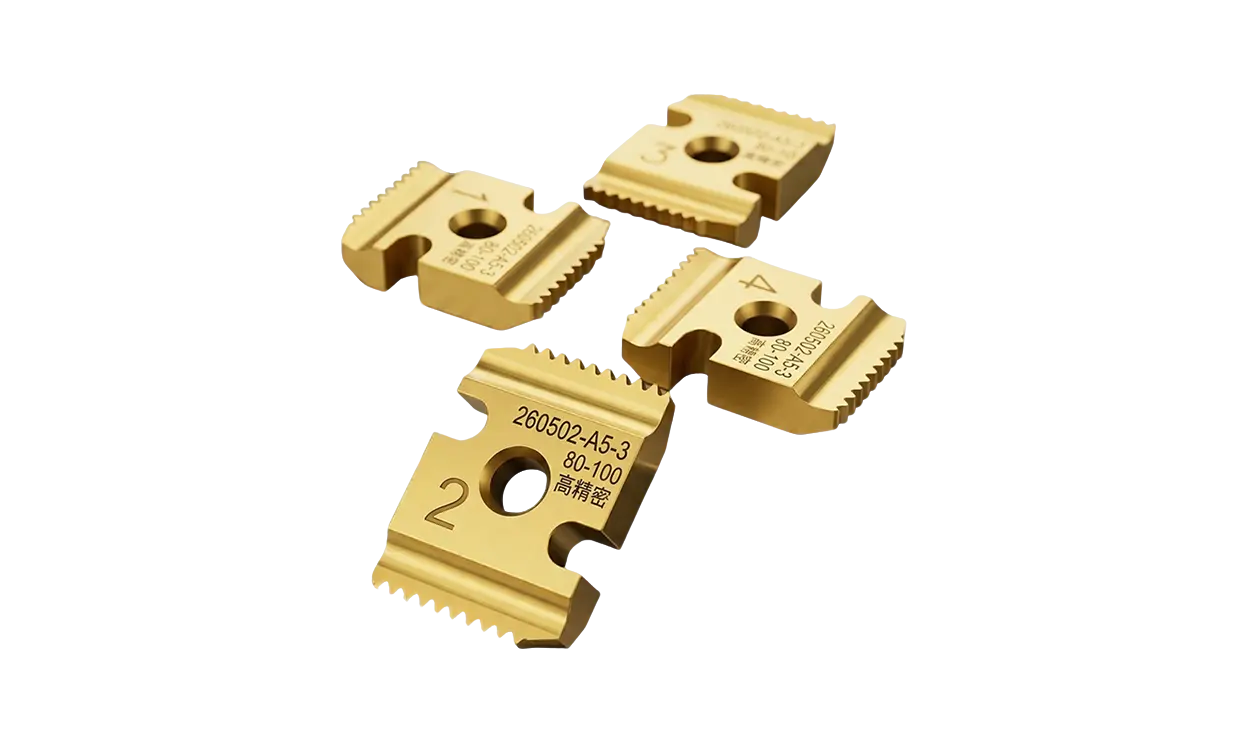
Specialized Compatibility: Exclusively designed for intelligent threading machines, the dies feature a high precision-machined structure that perfectl...
See Details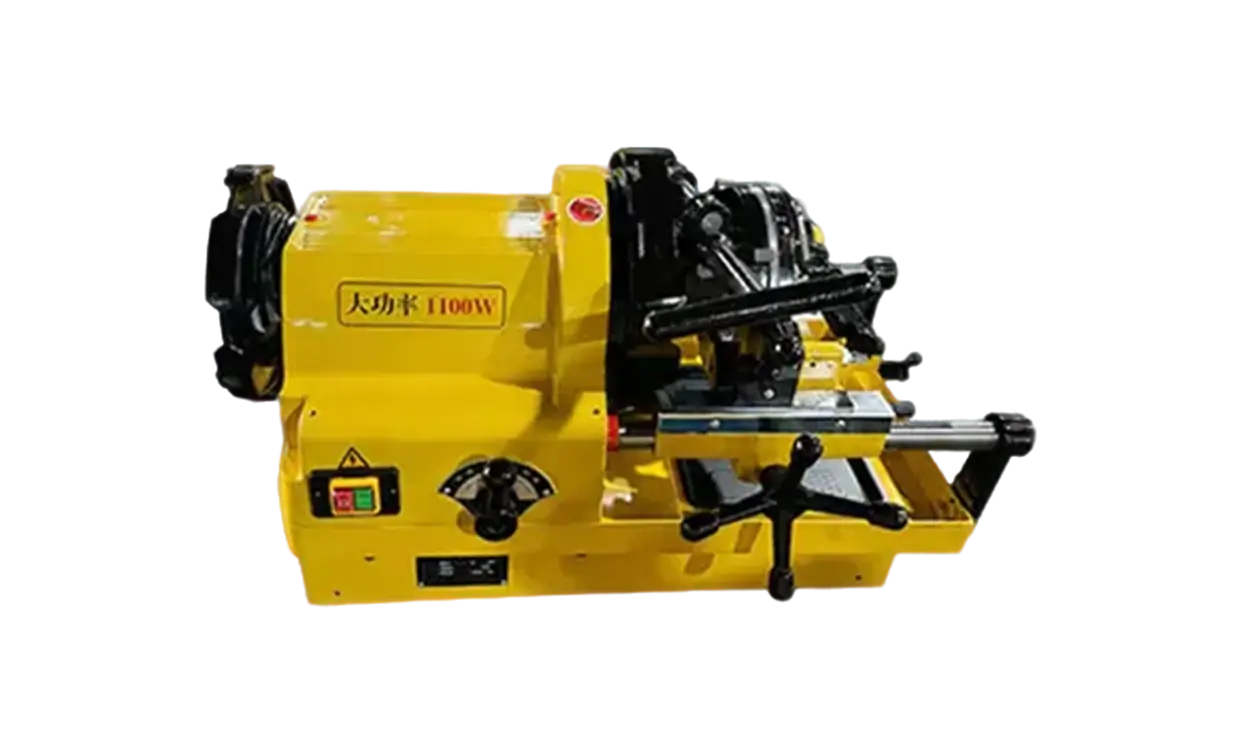
This SQ100 4-inch 15-100mm dual-speed electric pipe threading machine is engineered for precise and efficient pipe threading operations, with a workin...
See Details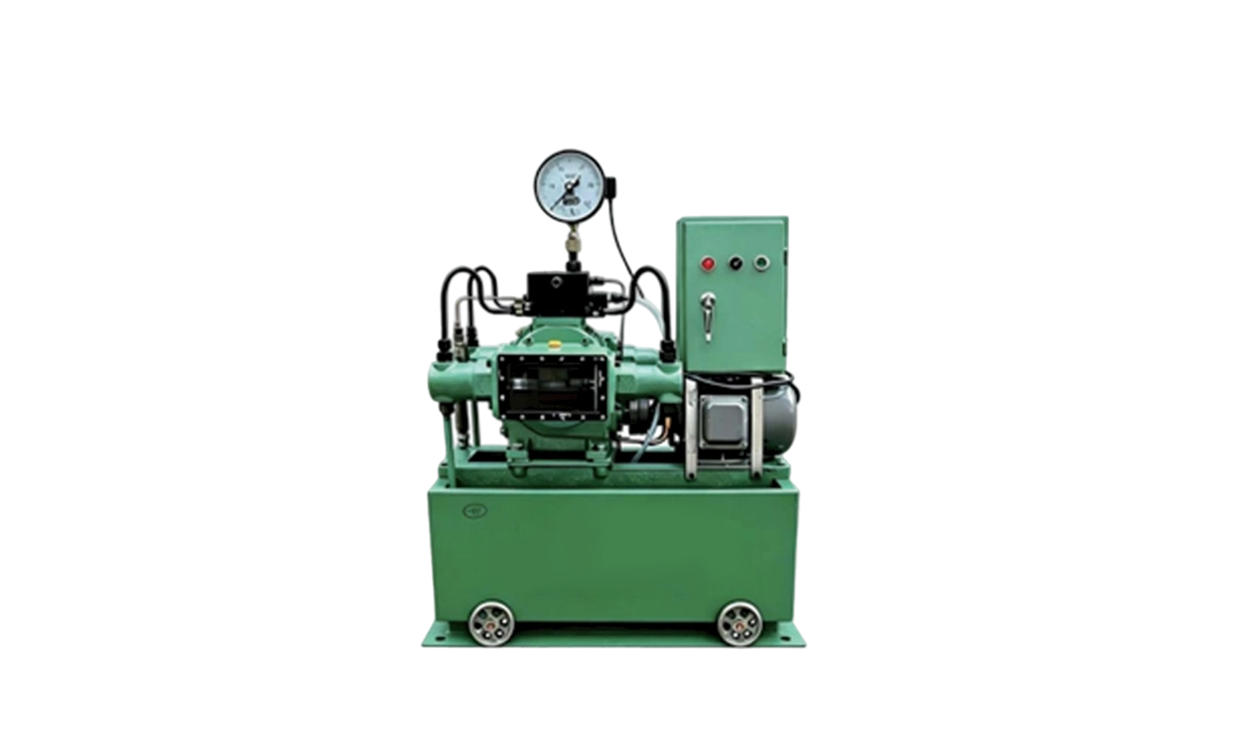
This 380V electric pressure test pump is a professional device designed for hydrostatic pressure testing and leak detection of pipes, valves, pressure...
See Details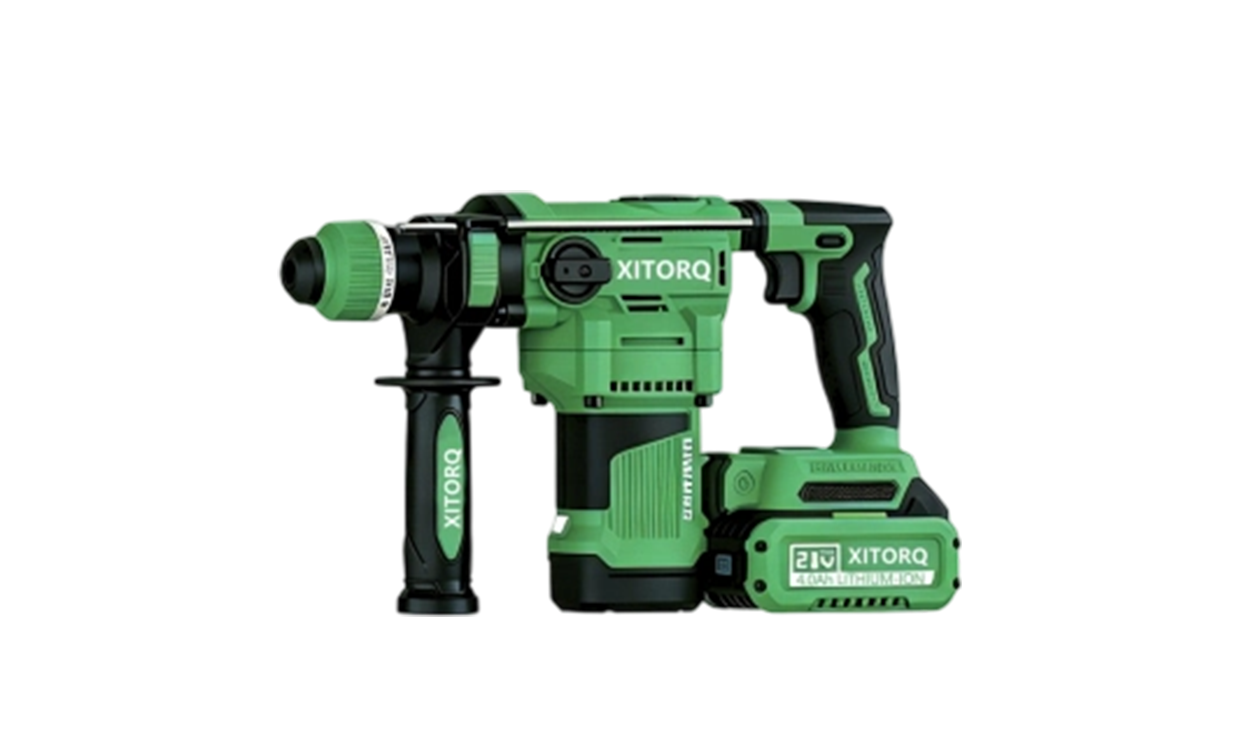
The XJ.728 21V lithium-ion high-magnetic brushless rotary hammer is a heavy-duty industrial-grade hammer from the Xiaojia brand. Featuring an upgraded...
See Details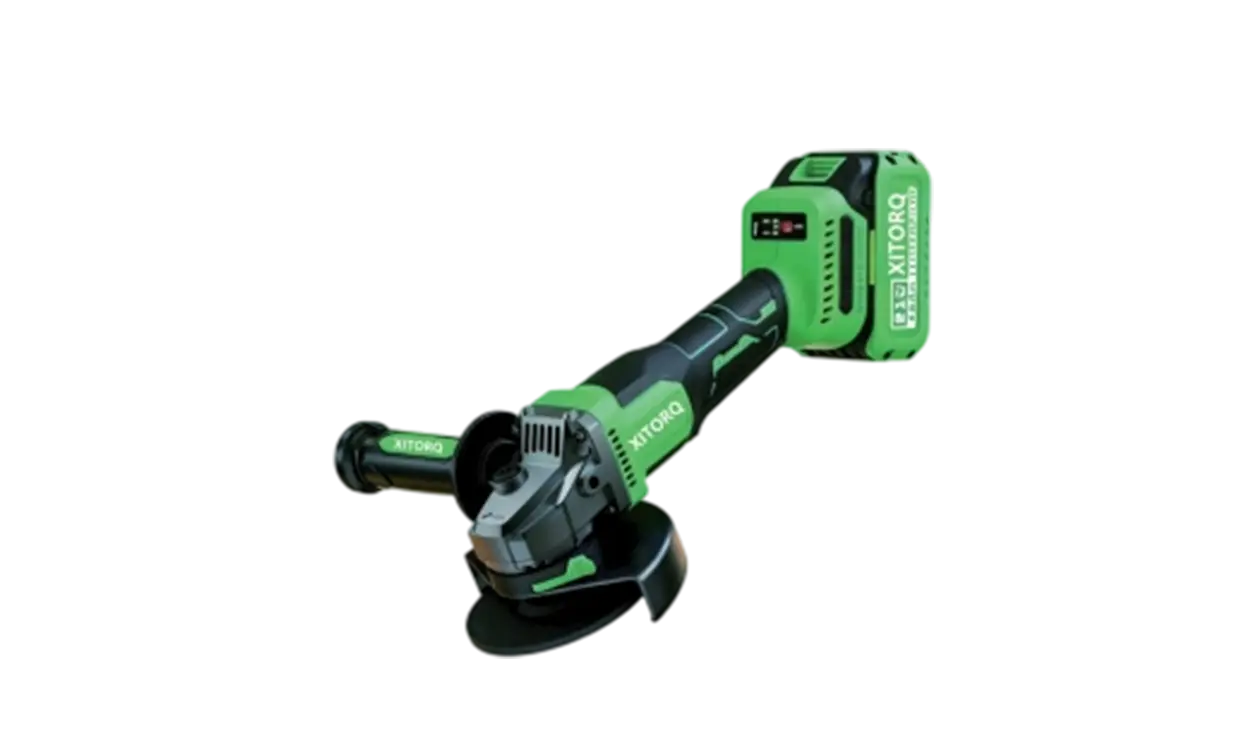
The XJ.918 21V lithium-ion high-magnetic brushless angle grinder is a heavy-duty industrial-grade grinder from the Xiaojia brand. Featuring an upgrade...
See Details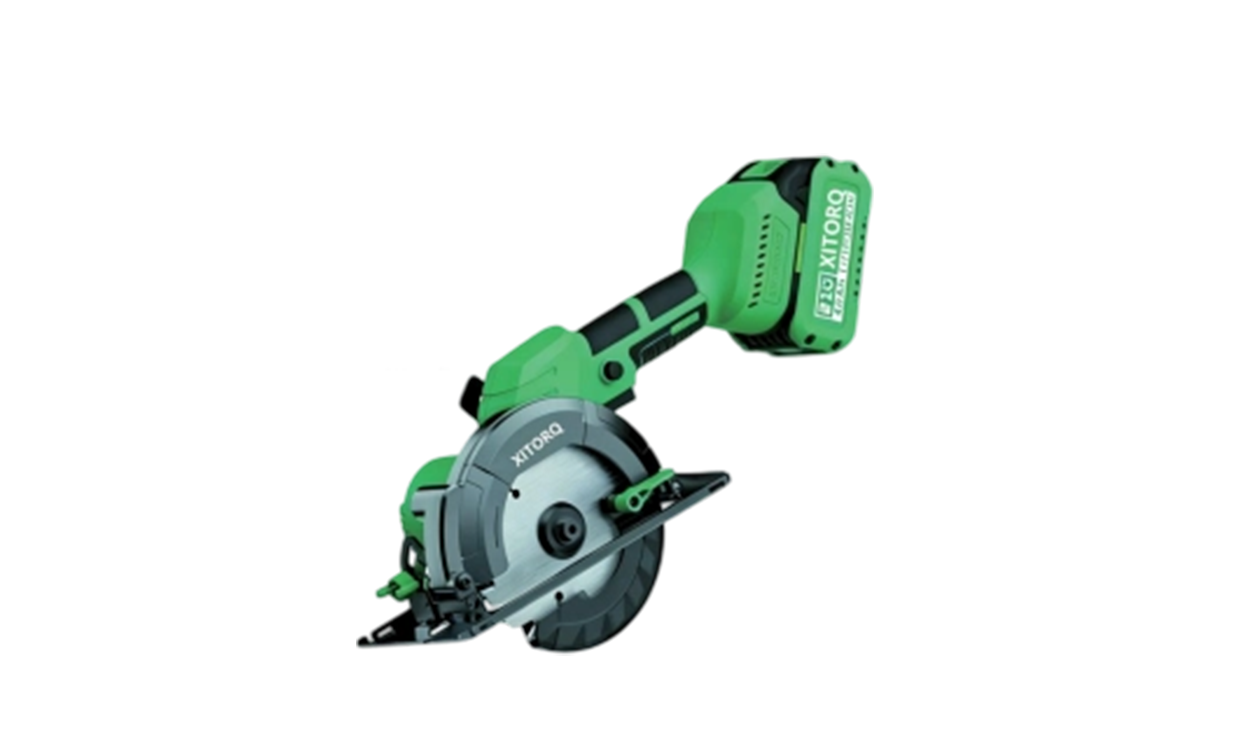
The XJ.853 21V lithium-ion high-magnetic brushless circular saw is an industrial-grade handheld circular saw from the Xiaojia brand. Featuring a high-...
See Details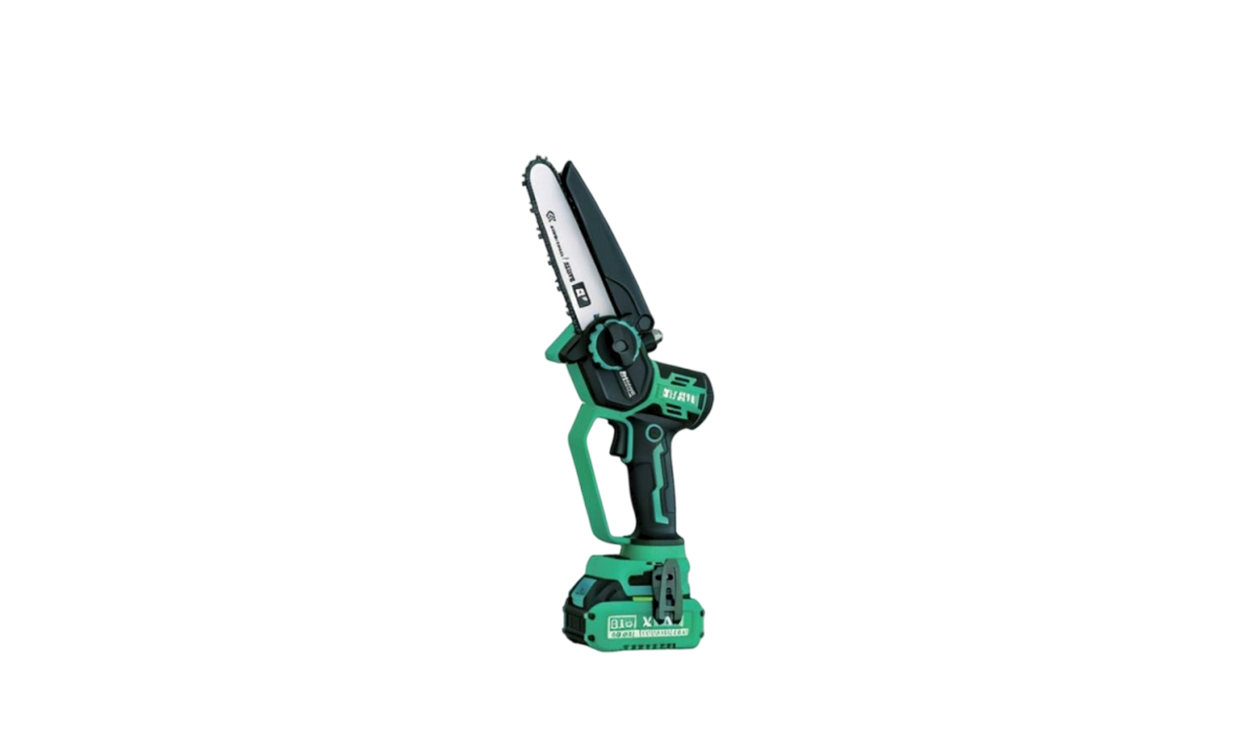
The XJ.204 16V 4" brushless electric chainsaw is a compact lithium-ion chainsaw from the Xiaojia brand. Powered by a 16V brushless motor with a 4" gui...
See Details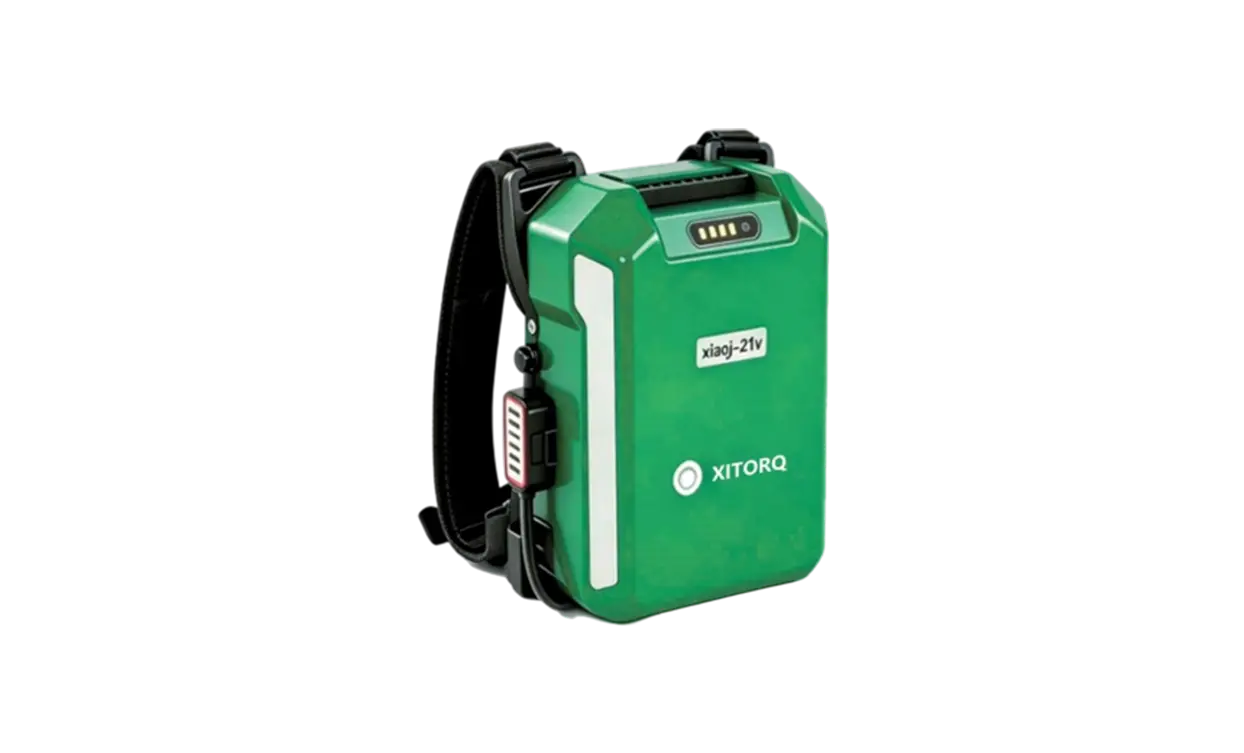
This backpack lithium battery pack is a large-capacity portable power supply designed for extended continuous operation of power tools. Using high-rat...
See Details
Copyright © by Hangzhou Xinabo Intelligent Electromechanical Technology Co., Ltd Rights Reserved. Pipe Threaders Manufacturers