 English
 Español
 عربى
عربى


Intelligent Threading Machine
1. Automatically identify the pipe diameter 2. Automatic tool adjustment and setting 3. Pipe Processing Range: DN15–DN100 4. Threading time as fast ...
See Details
Content
Not all threading machines are created equal. A conventional pipe threader requires an operator to manually measure pipe diameter, select the correct die head, adjust the cutting depth, and monitor the process throughout. It is skilled, time-intensive work — and every manual step introduces the possibility of human error. An intelligent threading machine eliminates most of those steps through integrated sensing, software control, and motorized actuation.
At the core of a modern intelligent threading machine is an automatic pipe diameter recognition system. When a pipe is loaded, onboard sensors detect its outer diameter and feed that data directly to the machine's control logic. The machine then selects the appropriate die configuration and adjusts cutting parameters automatically — no manual measurement, no manual tool change. This self-configuration capability is what fundamentally separates intelligent machines from their conventional counterparts.
Control is typically handled by a Programmable Logic Controller (PLC) paired with a high-definition touch screen interface. Operators can set threading parameters, monitor real-time cycle data, and recall stored job settings for repeat production runs — all from a single panel. The result is a machine that is both highly capable and accessible to operators without deep technical training. Combined with adjustable torque control and automatic tool return after each cycle, intelligent threading machines represent a significant leap forward in pipe processing technology.
The productivity advantage of intelligent threading machines becomes most visible when you examine the full production cycle. In a traditional workflow, threading a single pipe might involve five or more manual steps: measuring, selecting dies, setting the machine, running the thread, inspecting, and resetting for the next piece. With an intelligent system, most of that workflow is collapsed into a single automated sequence.
Once a pipe is positioned in the feed rack, the machine takes over. Diameter is identified, die heads are positioned, the threading cycle runs, and the tool automatically retracts and returns to the start position — ready for the next pipe. On pipes in the 15–25mm diameter range, cycle times can be as low as 4 seconds per thread. Across an 8-hour production shift, a single intelligent threading machine can complete 1,500 to 2,000 threading operations, a throughput rate that is roughly 10 times higher than traditional manual threading equipment.
This level of automation also changes how labor is deployed on the production floor. Rather than dedicating a skilled operator exclusively to threading, manufacturers can reassign personnel to higher-value tasks while one operator oversees multiple machines. The feeding and cycle management can be further integrated with upstream cutting equipment and downstream pipe assembly stations, enabling a continuous, low-intervention production line. For high-volume projects — large construction sites, pipeline installation, industrial facilities — this integration means that threading is no longer a bottleneck in the workflow.
The business case for upgrading to intelligent threading equipment rests on cost reduction across three distinct categories: labor, rework and scrap, and energy consumption.
Labor costs are the most immediate and measurable savings. A single intelligent threading machine can replace the output of multiple workers running conventional equipment. On large-scale projects where hundreds or thousands of pipe joints need to be threaded daily, the reduction in required headcount translates directly into lower wages, reduced supervision burden, and lower risk of labor disruptions affecting project timelines.
Rework and scrap costs are reduced through the precision of automated die adjustment and consistent torque application. Manual threading is susceptible to variation — tired operators, inconsistent pressure, or incorrect die selection can produce out-of-spec threads that fail inspection or leak after installation. Intelligent machines apply the same parameters on every cycle, producing threads that consistently conform to British, American, metric, or custom non-standard specifications. Fewer rejected pieces means less wasted pipe material and less time spent re-threading or replacing faulty joints.
Energy consumption is optimized through variable frequency drive systems and intelligent power management. The machine draws full power only during the active cutting phase and reduces consumption during idle periods between cycles. Over the course of a long production run, this controlled energy usage results in meaningfully lower electricity costs compared to older machines that run at fixed power levels throughout operation.
Taken together, these savings compound over time. The higher the production volume, the faster the investment in intelligent threading equipment pays back — and the wider the cost gap becomes between automated and manual operations.
Thread quality is not simply an aesthetic concern — it directly determines the integrity and longevity of a pipe connection. Undersized, oversized, or poorly formed threads can cause joint failure under pressure, resulting in leaks, costly repairs, and potential safety hazards. This is why the quality control capabilities built into intelligent threading machines are as important as their speed advantages.
Automatic die adjustment ensures that the cutting depth is precisely calibrated for each pipe diameter, every time. There is no drift caused by operator fatigue or inconsistent manual settings. Torque control systems monitor cutting resistance throughout the threading cycle and make micro-adjustments in real time, ensuring that the thread profile remains within specification even as die wear accumulates over extended production runs.
Intelligent threading machines are also designed to accommodate a wide range of pipe materials — carbon steel, galvanized steel, stainless steel, aluminum, and copper — without requiring manual reconfiguration for each material type. Material-specific cutting behavior is managed through the machine's control parameters, so the same machine can handle diverse job requirements on a busy construction or fabrication site. Thread diameters from 15mm to 100mm are supported, covering the vast majority of pipe sizes used in construction, HVAC, fire suppression, and industrial piping systems.
The combination of consistent die positioning, controlled torque, and real-time cycle monitoring means that quality is built into the process — not checked after the fact. This shift from inspection-based quality control to process-based quality assurance is a defining characteristic of intelligent manufacturing and a key reason why intelligent threading machines are increasingly specified for projects where joint reliability is non-negotiable.
Intelligent threading machines deliver value across a wide range of industries and project types. In construction and civil engineering, they are deployed for threading the structural pipe used in scaffolding, building frameworks, and underground utility conduits. The ability to process 1,500+ joints per shift keeps pace with fast-moving construction schedules where delays in pipe preparation can hold up entire project phases.
In fire suppression and HVAC installation, thread quality directly affects system performance under pressure. Intelligent machines produce the precise, consistent threads required by international installation standards, reducing the risk of post-installation failures that are expensive to diagnose and repair inside finished structures.
For industrial pipeline fabrication, where large-diameter stainless steel and carbon steel pipes are threaded in high volumes, the combination of speed, material versatility, and thread consistency makes intelligent threading machines the only practical option at scale. Pairing them with an intelligent pipe twisting machine creates a fully automated pipe preparation line from threading through to final joint assembly.
Return on investment varies by production volume and labor market, but manufacturers consistently report payback periods of 12 to 24 months at moderate production levels. At high volumes — typical of large infrastructure projects or dedicated pipe fabrication workshops — the payback period can be significantly shorter. Beyond the initial payback, the ongoing savings in labor, energy, and rework continue to accumulate for the full operational life of the machine.
Selecting the right machine for your operation requires matching the machine's capabilities to your specific production requirements. Several key factors should guide the decision.
Pipe diameter range is the starting point. Confirm that the machine covers the full range of pipe sizes used in your projects — from small-diameter instrument pipe to large-diameter structural or industrial pipe. A machine covering 15mm to 100mm handles the majority of commercial and industrial applications, but specialty projects may require wider range capability.
Thread standard compatibility matters for export-oriented manufacturers and contractors working on international projects. The ability to produce British (BSP), American (NPT), metric, and non-standard custom threads from the same machine eliminates the need for multiple dedicated machines and reduces setup time when switching between job specifications.
Material compatibility should be verified against your typical pipe stock. A machine that handles carbon steel, galvanized, stainless steel, aluminum, and copper without hardware changes offers the most flexibility for mixed-material sites and fabrication shops.
Finally, consider after-sales support and tooling availability. Threading dies wear over time and need to be replaced to maintain thread quality. Sourcing machines from manufacturers that offer both electric pipe threading machines and compatible die sets ensures that replacement tooling is readily available and that the machine can be maintained without extended downtime. Manufacturers that provide operator training and technical support further reduce the learning curve and maximize uptime from day one.
Intelligent threading machines represent a clear path to higher throughput, lower costs, and more consistent quality in pipe processing operations. For any manufacturer or contractor evaluating ways to improve production efficiency, the upgrade from conventional to intelligent threading technology is one of the most impactful investments available.
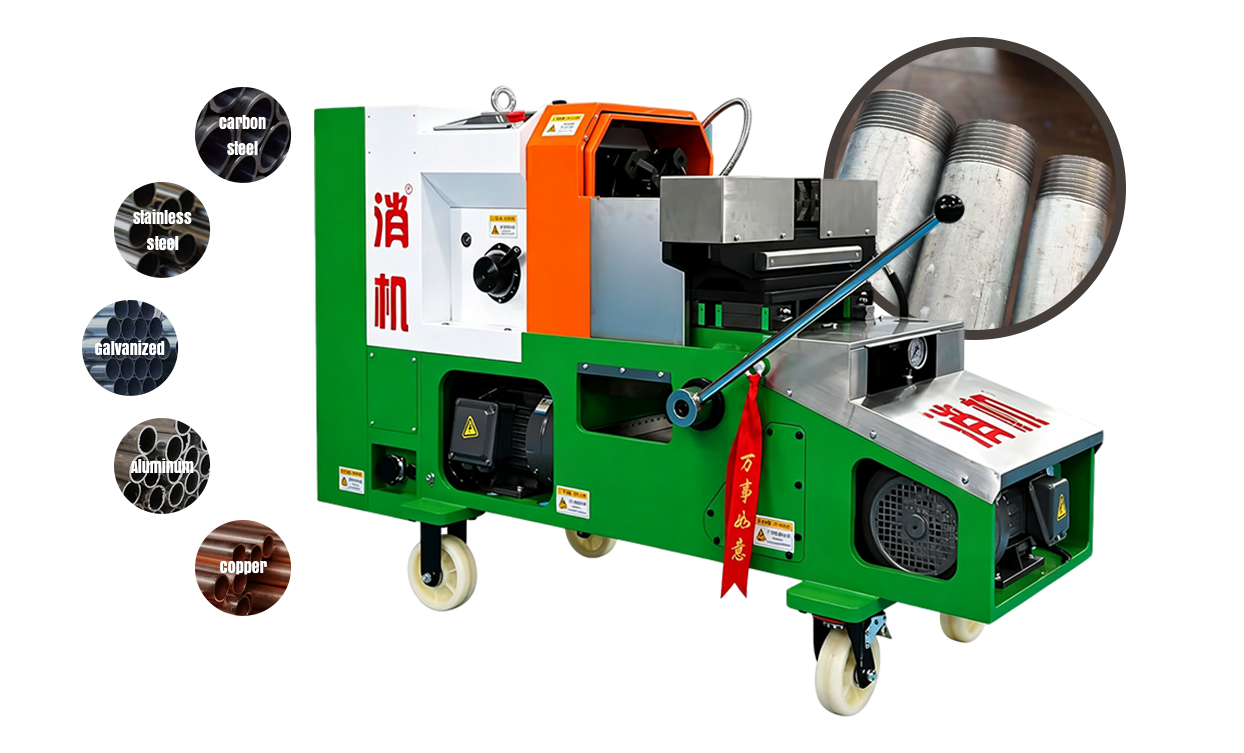
1. Automatically identify the pipe diameter 2. Automatic tool adjustment and setting 3. Pipe Processing Range: DN15–DN100 4. Threading time as fast ...
See Details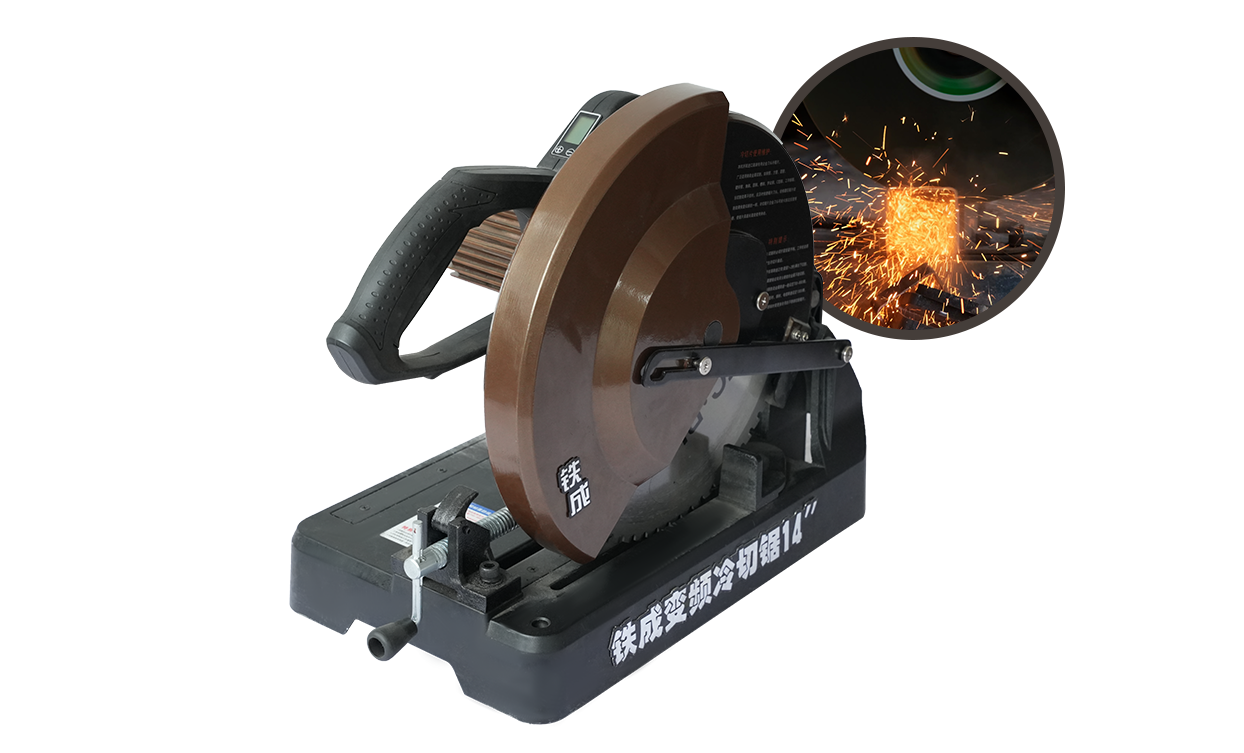
1. Next generation performance, delivering over 3,500 precise cuts with every blade 2. Intelligent Motor Technology 3. Precision Shadow Line Guide 4. ...
See Details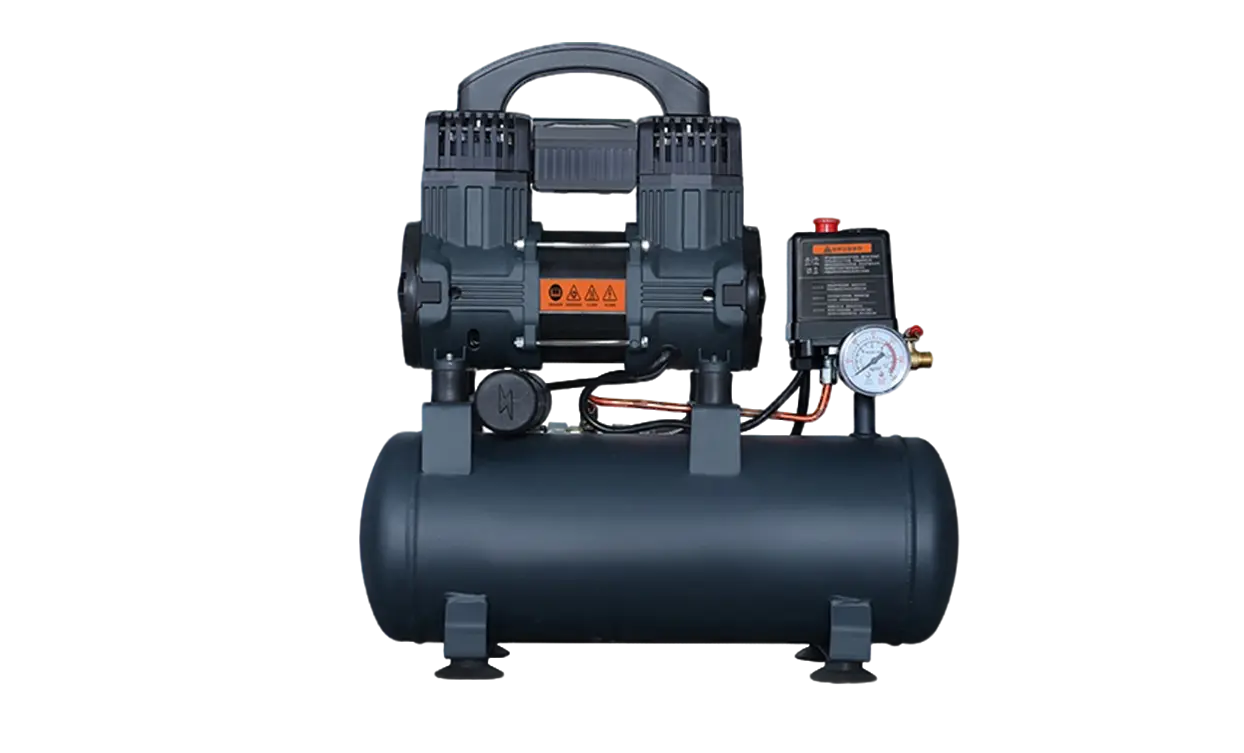
The F1200 Series Air Compressor is engineered for reliable, cost-effective compressed air supply, core to which are its high-efficiency oil-free desig...
See Details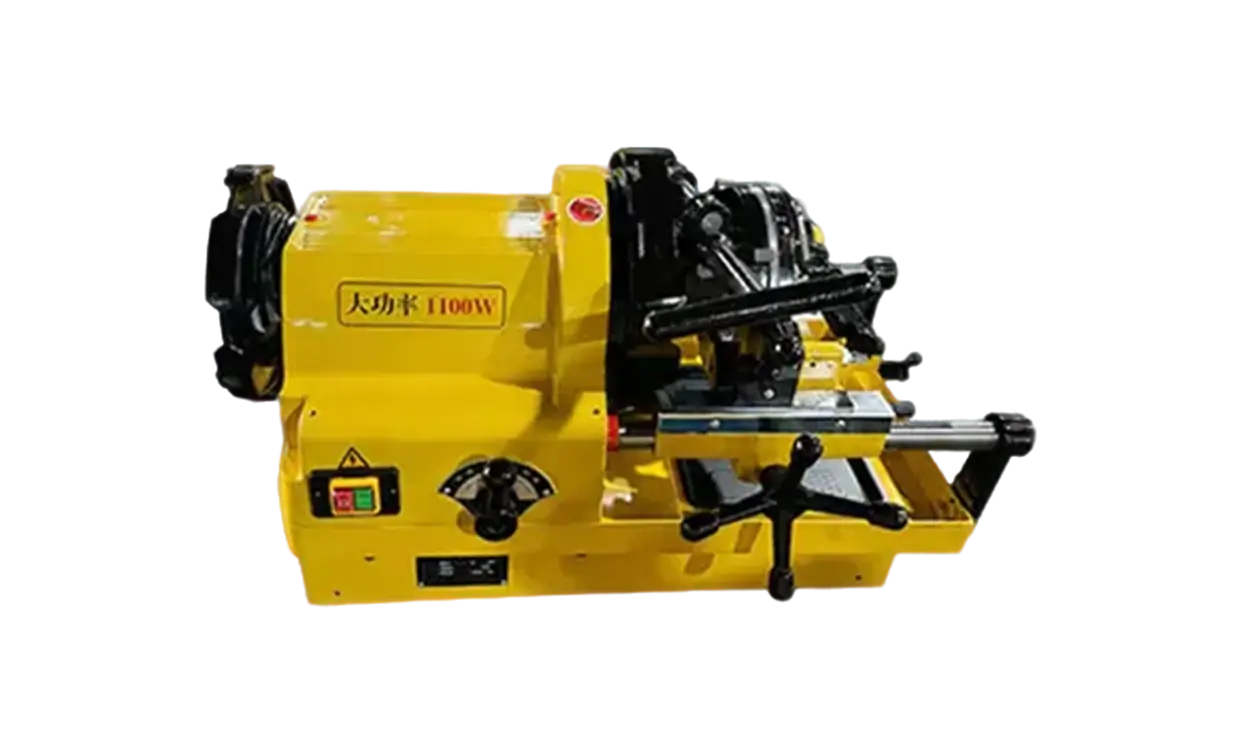
This SQ100 4-inch 15-100mm dual-speed electric pipe threading machine is engineered for precise and efficient pipe threading operations, with a workin...
See Details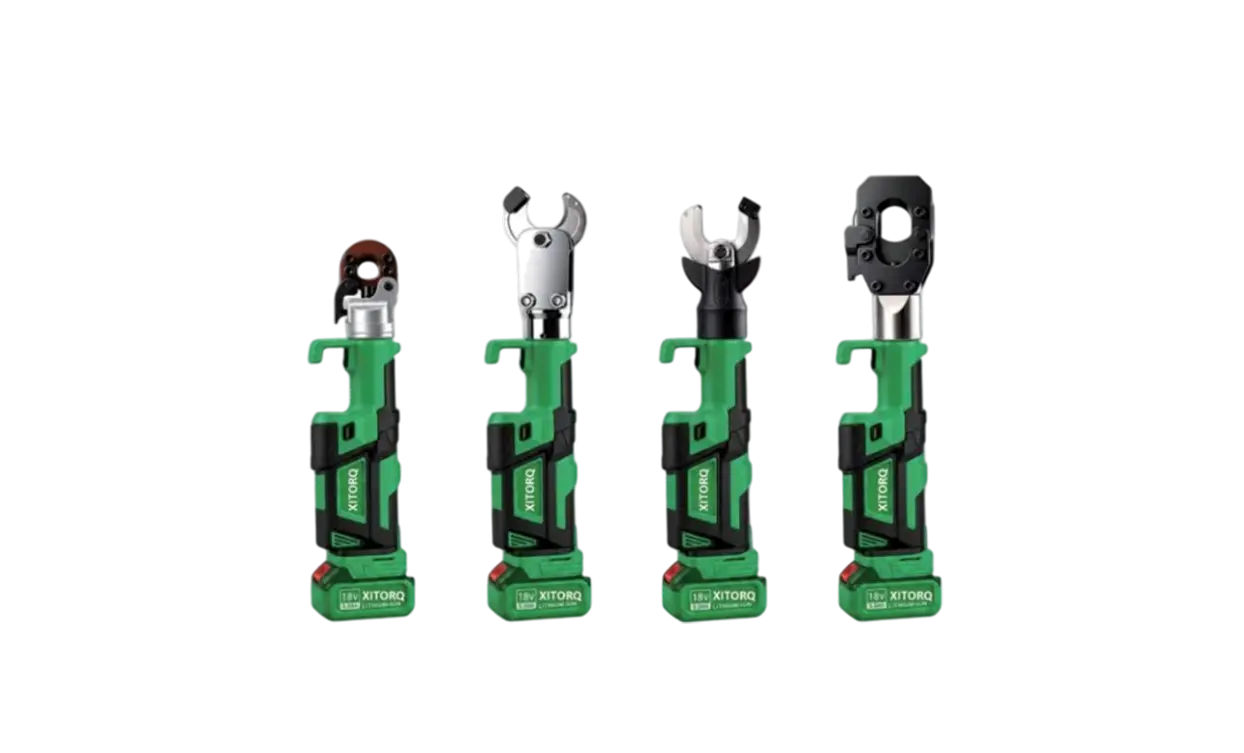
This 18V lithium-ion industrial cable cutter is a professional tool designed for large-diameter cable cutting. It features a brushless lithium-ion pow...
See Details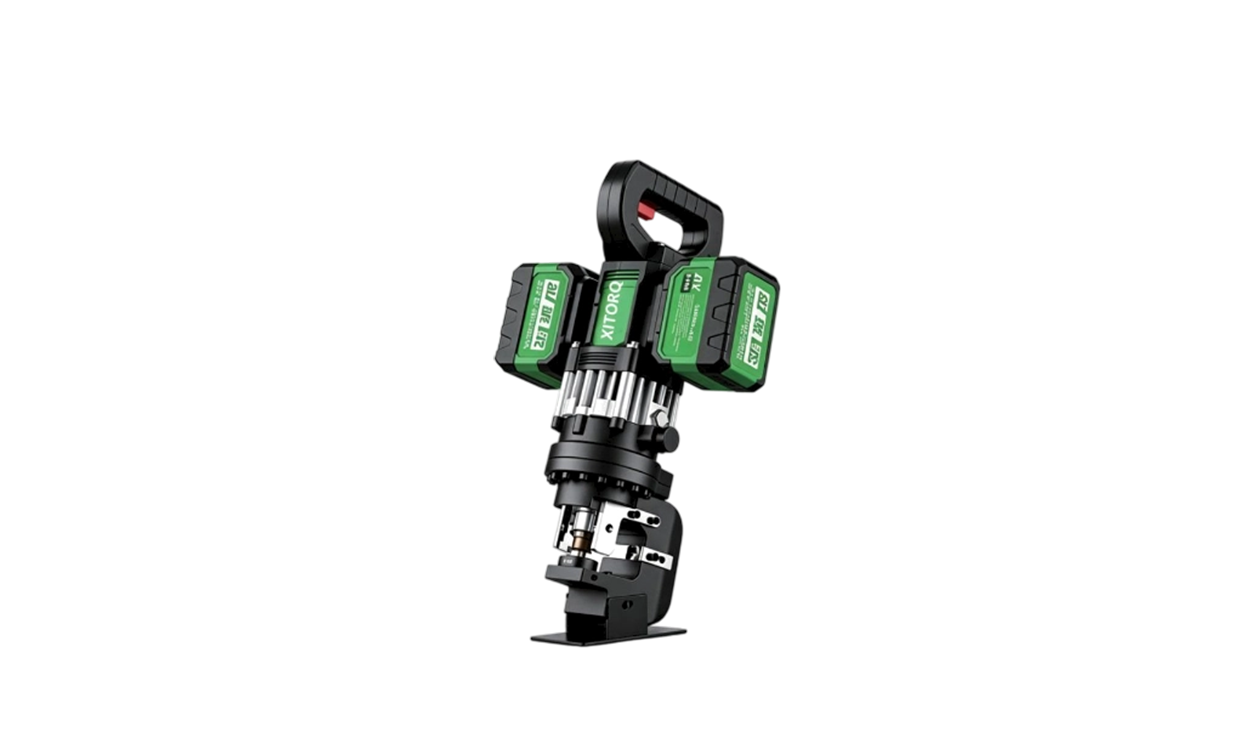
This 21V lithium-ion channel steel hole puncher is a portable hydraulic punching tool designed for punching holes in channel steel, angle steel, steel...
See Details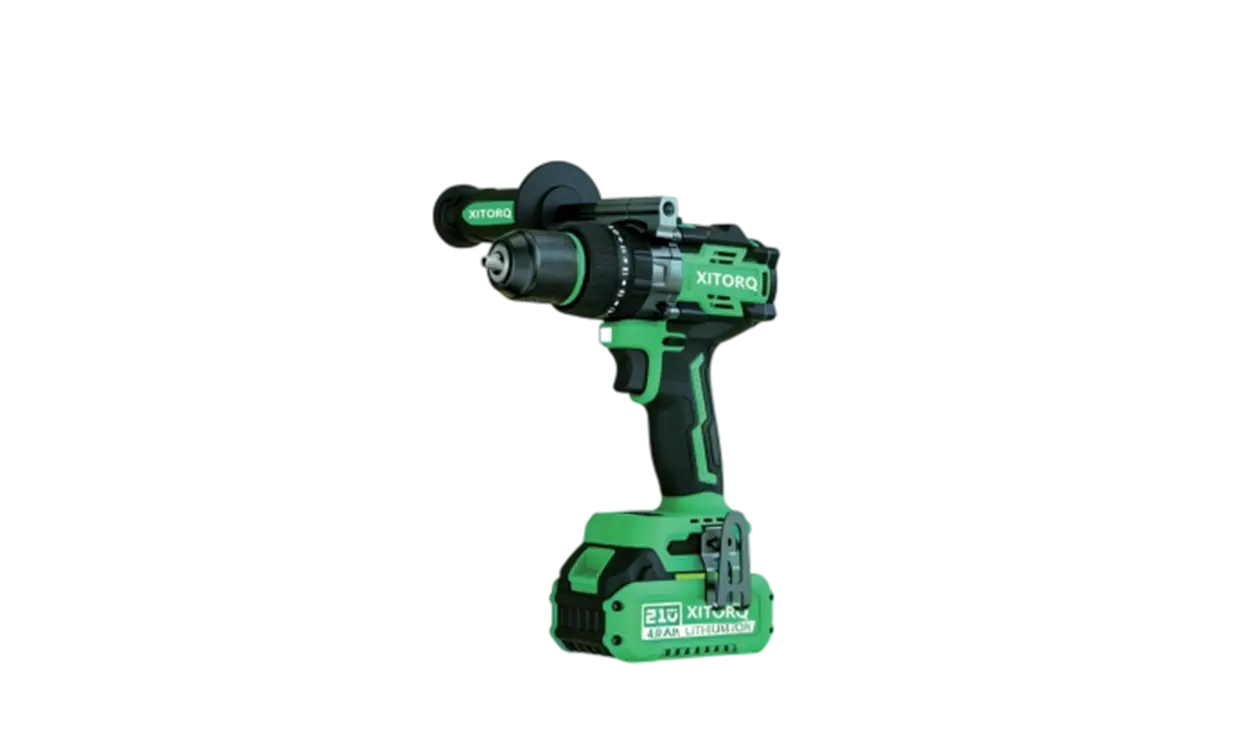
The XJ.615 21V lithium-ion brushless hammer drill/driver is a dual-purpose cordless drill from the Xiaojia brand. Powered by a 21V battery pack for co...
See Details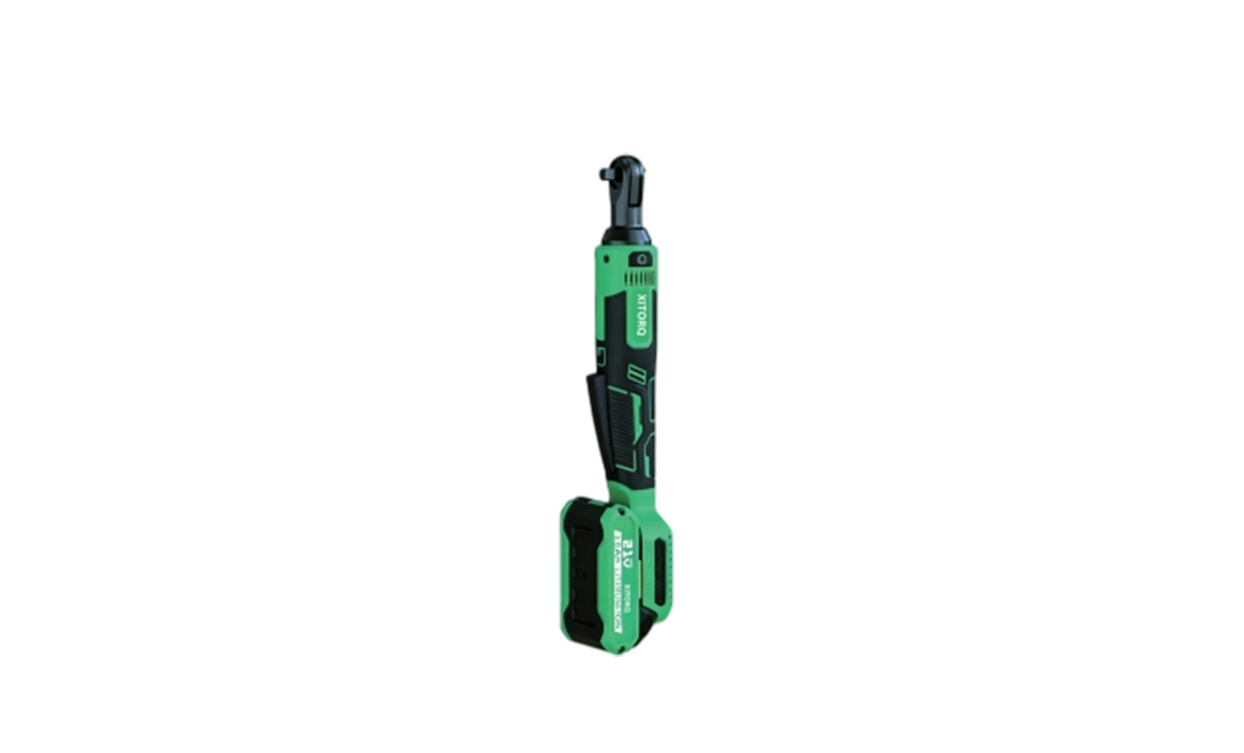
The XJ.592 16V brushless angle ratchet wrench is a compact industrial-grade ratchet from the Xiaojia brand. Equipped with a 16V brushless motor and an...
See Details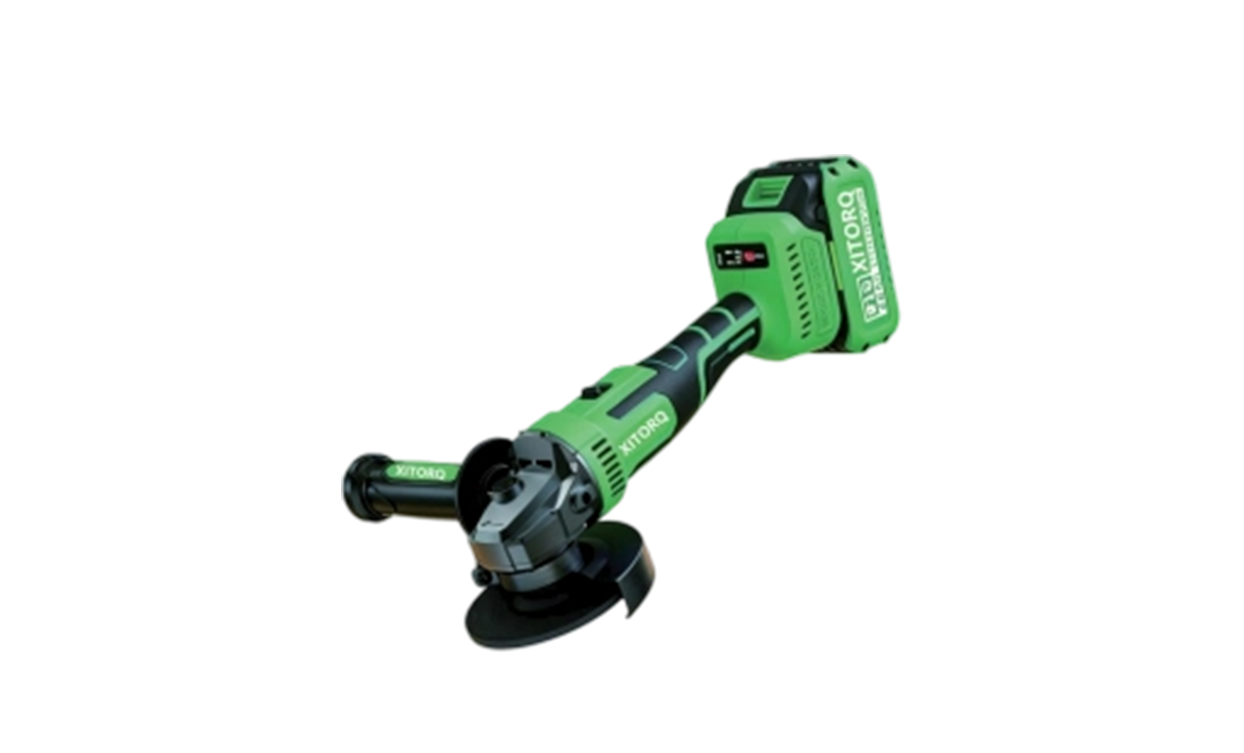
The XJ.908 21V lithium-ion high-magnetic brushless angle grinder is an industrial-grade grinder from the Xiaojia brand. Featuring a high-magnetic brus...
See Details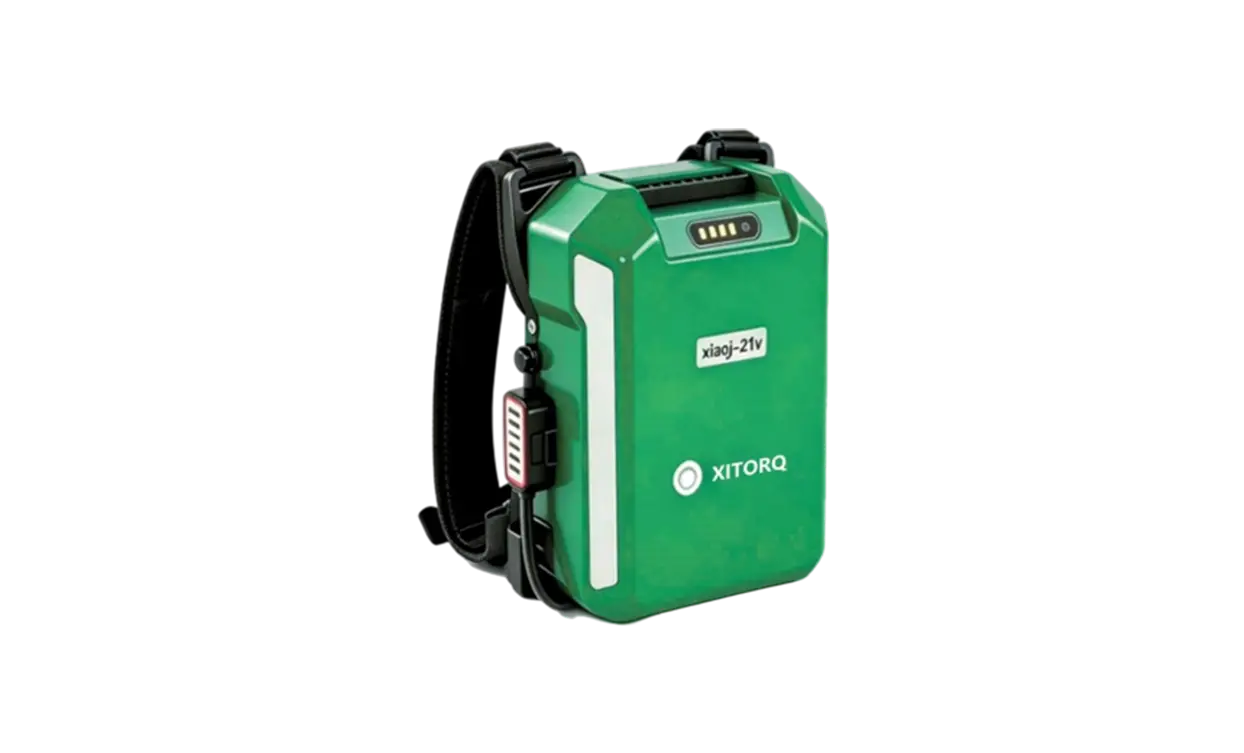
This backpack lithium battery pack is a large-capacity portable power supply designed for extended continuous operation of power tools. Using high-rat...
See Details
Copyright © by Hangzhou Xinabo Intelligent Electromechanical Technology Co., Ltd Rights Reserved. Pipe Threaders Manufacturers