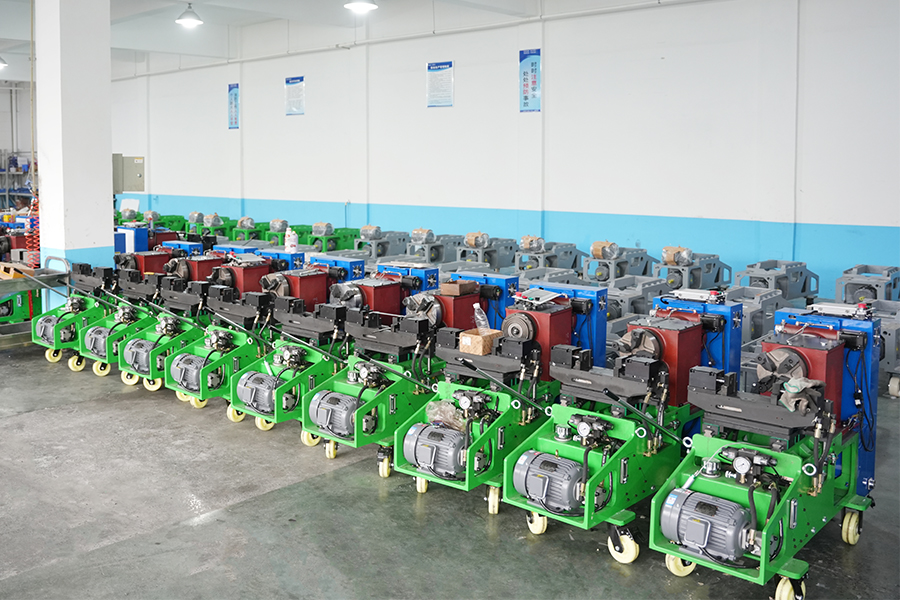
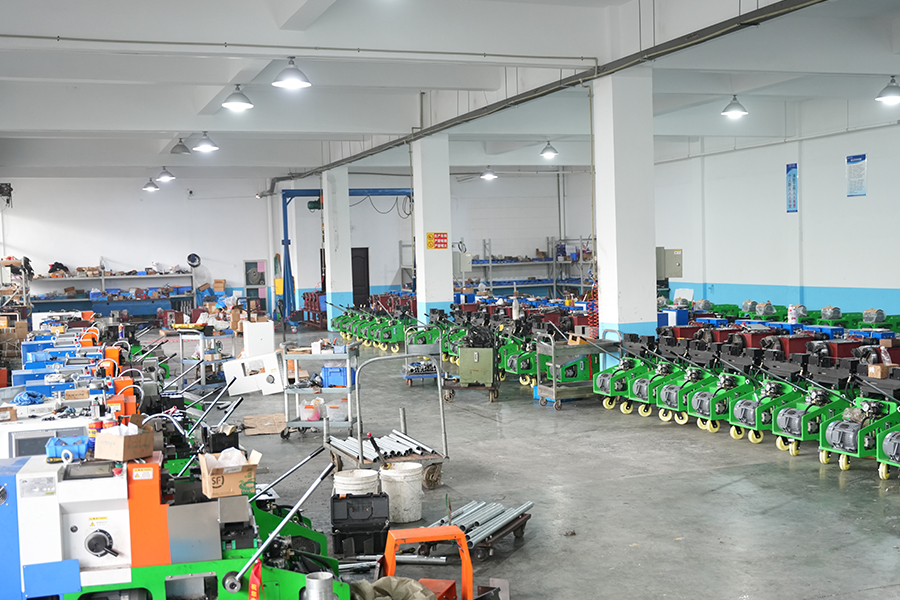
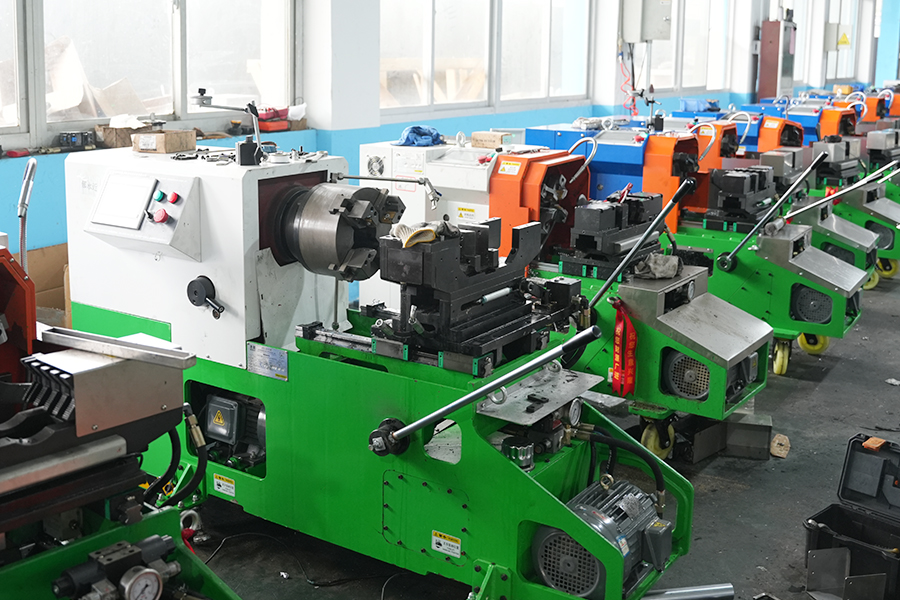
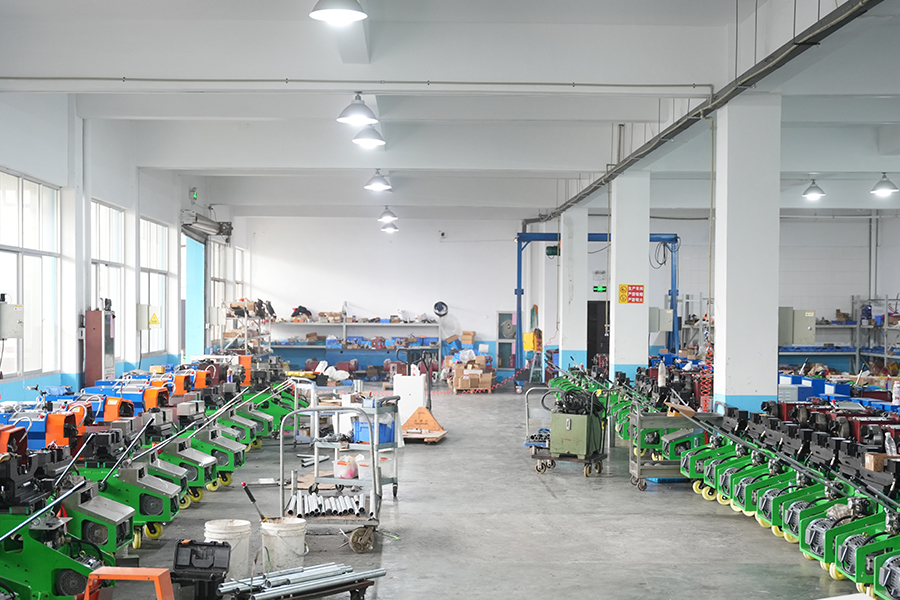
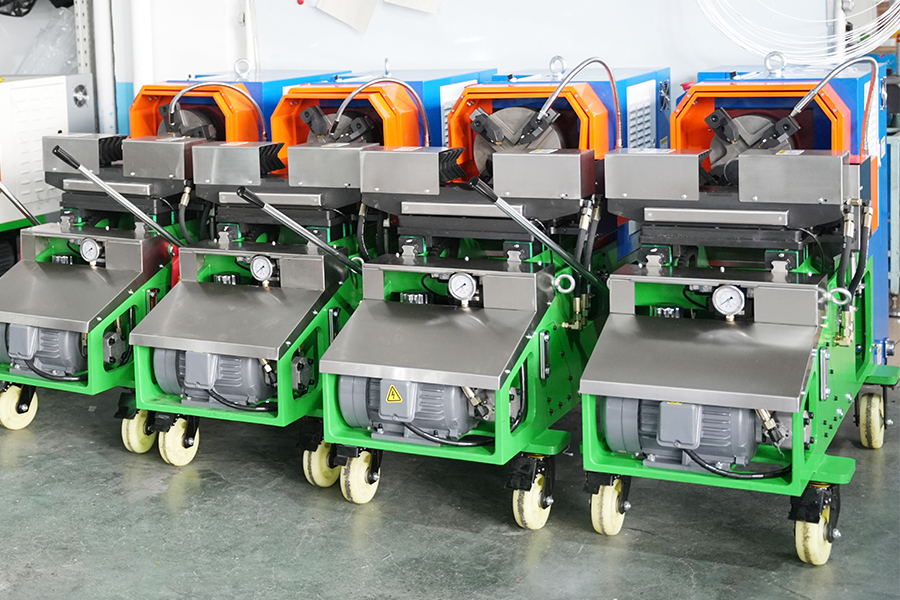
Hangzhou Xinabo Intelligent Electromechanical Technology Co., Ltd manufactures the cutting, threading and connection equipment that engineering construction teams use to turn pipe stock into pressure-tight pipeline systems. Our Variable Frequency Cold Saw manufacturer range covers the first step in that sequence: cutting pipe, profile and steel structure to length with a controlled, low-heat cut that leaves an edge ready for threading, grooving or welding. We build these machines at our factory in Hangzhou, Zhejiang, alongside the intelligent threading equipment that carries our name through fire protection and construction projects worldwide.
Cutting That Sets Up the Whole Connection
As a Engineering Construction Pipeline Connection Solutions manufacturer, we match product configuration to the application, operating limits, interfaces and acceptance criteria defined for each project.
In fire protection, MEP and industrial piping work, the quality of the first cut decides how the rest of the joint behaves. An abrasive wheel burns the material, hardens the cut edge and leaves a burr that has to be ground away before threading or grooving. A cold saw runs a carbide-tipped blade at controlled speed, so the cut stays cool, the edge stays square and the pipe moves straight to the next operation.
Variable frequency speed control is the core of the design. Operators match blade speed to material and wall thickness, slower for stainless steel and heavy walls, faster for carbon steel and aluminium, which keeps blade temperature down, extends blade life and holds dimensional consistency across a production run.
- Fire protection mains and sprinkler pipework, where square, burr-free ends protect thread and groove quality.
- MEP prefabrication shops cutting DN15 to DN100 pipe to length in batches.
- Municipal and building installation work where cutting happens on site with limited space.
- Petrochemical and industrial piping, including steel structure and profile cutting.
- Plumbing contractors and mechanical installers who need one machine for mixed materials.
Our Variable Frequency Cold Saw Range
Two configurations cover most pipeline cutting work. Both use variable frequency drive and a carbide-tipped cold saw blade, and both are built on the same clamping and guarding platform.
| Configuration |
Drive and blade |
Cutting result |
Typical fit |
| Frequency Conversion Metal Cold Cutting Saw |
Variable frequency speed control, intelligent motor technology, precision shadow line guide |
Clean, low-heat cuts with smooth, burr-free edges; over 3,500 precise cuts per blade |
High-volume pipe fabrication, fire protection mains, MEP prefabrication |
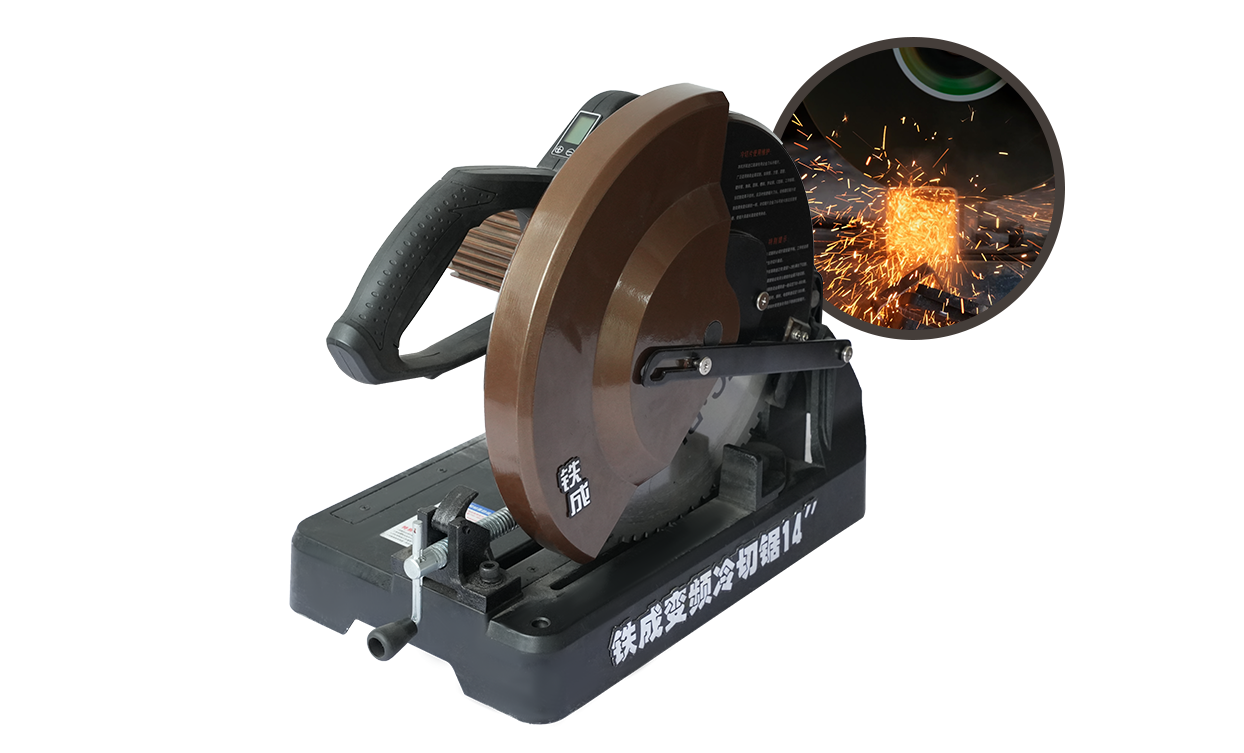
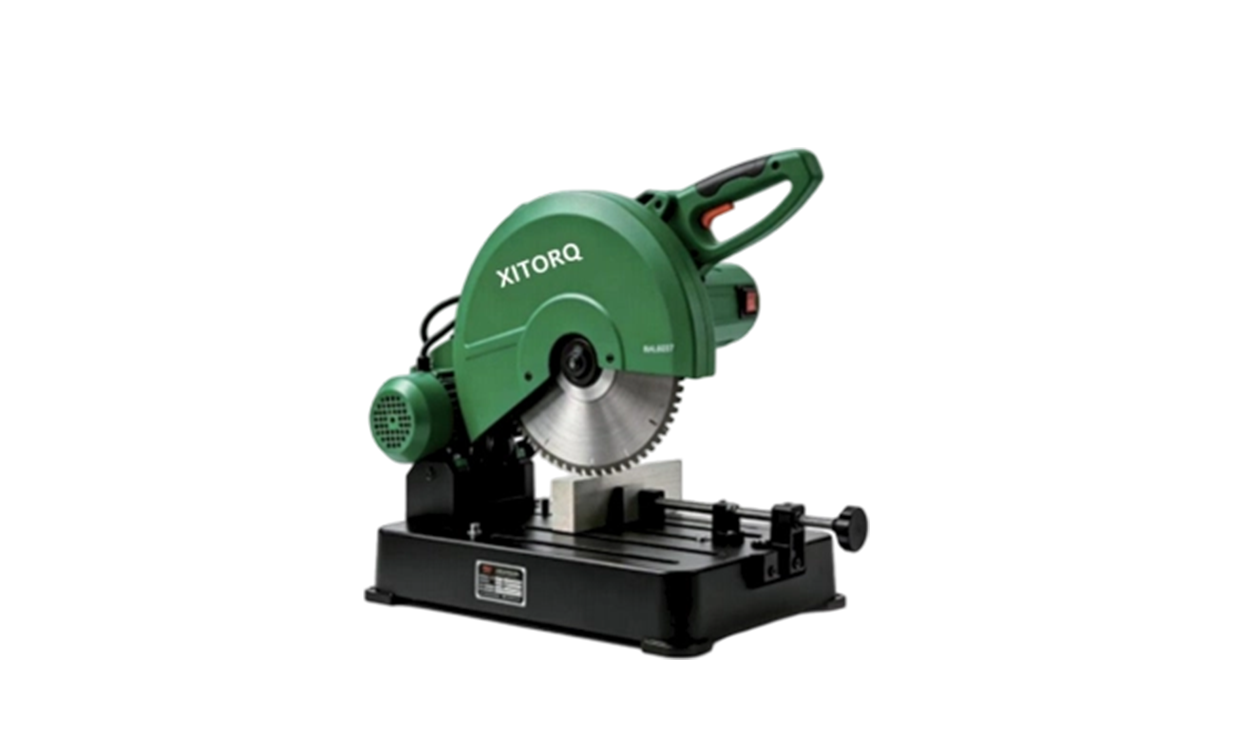
| 220V 14" Permanent Magnet Variable Frequency Cold Cutting Saw |
Permanent magnet variable frequency motor with 14" carbide-tipped cold saw blade |
Spark-free, burr-free cutting with no secondary finishing; 0-45 degree adjustable cutting angle |
Steel structures, pipe and profile cutting in the shop or on site |
Both machines share the same operating logic: set the speed for the material, clamp the workpiece, follow the shadow line to the mark and cut. The 14" model adds mitre capability for angled joints, and its permanent magnet motor keeps the spark-free character of the cut even on hard material.
Material and Workpiece Considerations
Cutting behaviour changes with the material in front of the blade. We set the recommended speed range and blade specification from the pipe schedule and grade rather than from a single default setting.
- Carbon steel pipe and profile - the widest speed window, suited to high daily cut counts.
- Stainless steel - work-hardens quickly, so lower blade speed and steady feed protect both the edge and the blade.
- Galvanized pipe - the coating is cut cleanly, without the burning and zinc fume that abrasive cutting produces.
- Aluminium and copper - cut at higher speed with a blade matched to the softer, gummier chip.
- Thin-wall and small-diameter pipe - clamping pressure and support are set so the wall does not deform.
- Steel structure and profile - mitre cuts up to 45 degrees for angled frames and supports.
Configuration Options and Line Integration
A cold saw rarely works alone. It sits at the head of a sequence that continues into threading, assembly and pressure testing, so we configure the machine around the line interface rather than as a standalone tool.
- Supply voltage and connection arrangement for the destination market.
- Blade specification and tooth geometry matched to the dominant material.
- Cutting angle range, including the 0-45 degree mitre setting where angled joints are required.
- Clamping and support arrangement for the pipe diameters in the schedule.
- Speed presets for the two or three materials the crew cuts most often.
- Mobility or bench mounting, depending on whether cutting happens in the shop or on site.
- Downstream pairing with our Intelligent Threading Machine and Electric Pressure Test Pump, so cut, thread and test operations work from consistent pipe preparation.
Safety, Controls and Overload Protection
Cold cutting removes the spark stream and hot swarf of abrasive cutting, which changes the safety profile of the work area. The remaining risks are mechanical, and the guarding and control design addresses them directly.
- Blade guard encloses the cutting zone through the full stroke.
- Quick clamping device holds the workpiece without hand pressure near the blade.
- Built-in overload protection automatically reduces speed when the blade meets hard material.
- Precision shadow line guide lets the operator align the cut to the mark without leaning into the machine.
- Spark-free operation reduces the fire watch needed around combustible materials.
Quality Control, Documentation and Acceptance
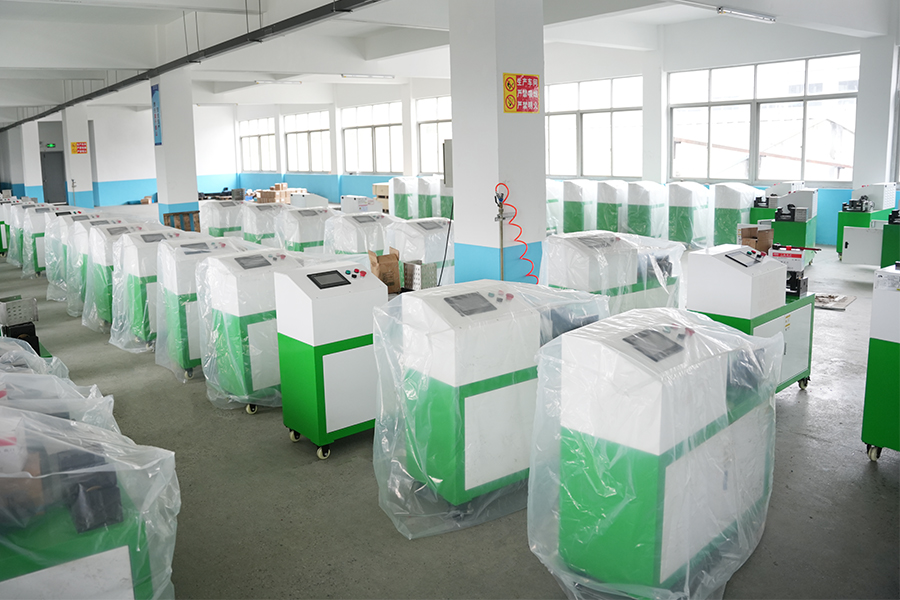
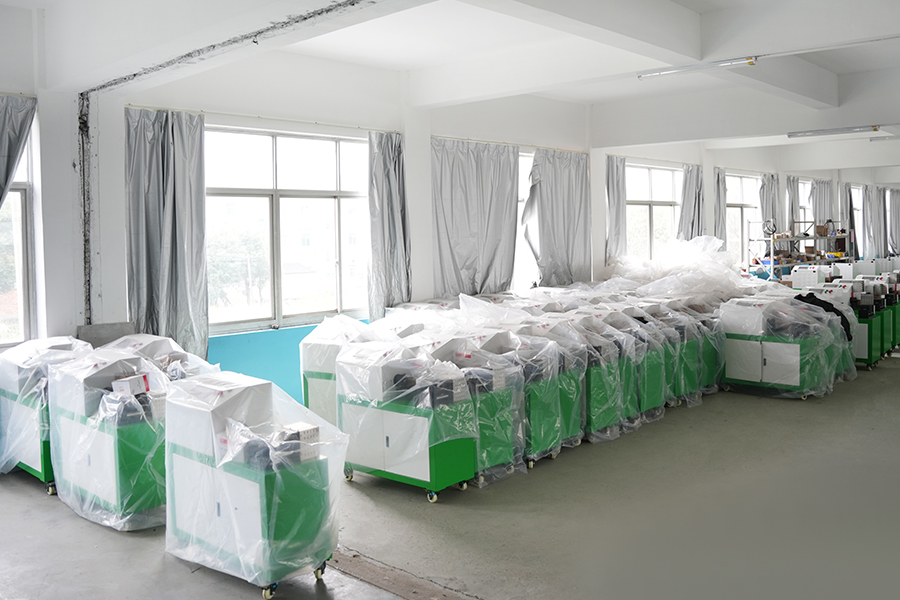
Our production runs on stringent incoming-material control, specialised equipment and a finished-product rate of 99.9%. Machines are assembled and function-tested before packing, and each unit ships with the documentation needed for project handover.
- Cutting trial on sample material to confirm edge quality and squareness.
- Angle setting verified across the mitre range.
- Guard, clamp and overload response checked under load.
- Blade run-out and drive stability confirmed at working speed.
- Certification file including attestation of conformity covering the Machinery Directive and the Electromagnetic Compatibility Directive.
- Company credentials including invention, utility model and design patents and National High-tech Enterprise status.
Information We Use to Configure Your Solution
A quotation is only useful if the machine matches the work in front of it. We prepare the configuration from the following project inputs.
| Project input |
What it determines |
| Pipe material and grade |
Blade specification and speed range |
| Outside diameter and wall thickness |
Clamping arrangement, support and cut capacity |
| Cut length, angle and tolerance |
Guide setting, mitre range and stop arrangement |
| Daily and peak cut volume |
Drive configuration and blade consumption planning |
| Supply voltage and frequency |
Motor and control configuration for the destination market |
| Site conditions, shop or on-site |
Mounting, mobility and guarding arrangement |
| Downstream process: thread, groove or weld |
Edge quality target and cut finish |
| Documentation and acceptance requirements |
Test records, certification file and handover pack |
Installation, Maintenance and Spare Parts
Cold saws install simply: a level surface, the correct supply, and clearance for the full cutting stroke and for long stock. We supply the machine with the operating and maintenance information the crew needs, and our technical team provides demonstrations and training for buyer partners on request. The wider Pipe Fabrication & Installation Equipment range is configured on the same service model.
- Blade changes and tooth inspection at intervals set by cut volume and material.
- Clamp and guard checks as part of routine pre-shift inspection.
- Drive and control checks at scheduled service intervals.
- Spare parts support covering blades, guards, clamps and wearing components.
- Technical support and operator training from the Xinabo team.
Frequently Asked Questions
What materials can a Xinabo variable frequency cold saw cut?
Carbon steel, stainless steel, galvanized pipe, aluminium, copper and steel profiles. Blade specification and speed range are set from the material and wall thickness you cut most often, so the machine arrives ready for your dominant workpiece.
Does cold cutting leave a burr that needs grinding?
The carbide-tipped blade produces a smooth, burr-free edge that goes directly to threading, grooving or welding. On the 14" permanent magnet model the cut is also spark-free, so no secondary finishing step is needed on standard pipe and profile.
Can the saw make angled cuts?
The 220V 14" permanent magnet variable frequency cold cutting saw has a 0-45 degree adjustable cutting angle for mitred joints on pipe and steel structure. Straight cutting is the standard setting on both configurations.
What happens when the blade meets hard material?
Built-in overload protection automatically reduces cutting speed, which protects both the blade and the drive. The operator sets the base speed for the material, and the machine manages the load within that setting.
How does the cold saw fit with your threading equipment?
The saw prepares the pipe end, the Intelligent Threading Machine produces the thread, and the Electric Pressure Test Pump verifies the completed line. We set cutting speed and blade specification so the cut edge suits the thread or groove that follows.
What do you need to prepare a quotation?
Pipe material and grade, outside diameter and wall thickness, cut length and angle, daily cut volume, supply voltage, and whether cutting happens in the shop or on site. With those inputs we confirm the blade, speed range, clamping arrangement and documentation package.

 English
 Español
 عربى