
 English
 Español
 عربى
عربى


Intelligent Pipe Tightening Machine
1. Intelligent adjustment, electric screwing 2. Save labor and improve efficiency 3. The layout is reasonable, safe and reliable 4. Torque adjustable,...
See Details
Content
Crew A cuts 200 lengths of 50 mm PVC conduit before lunch and never touches the ends. Crew B adds about twelve minutes to the same job by running a deburring tool around every cut. At Thursday's inspection, Crew A is the one chasing cracked sockets, a drain stack that shaves plastic off every fitting it enters, and cable insulation torn on the way through.
Deburring PVC is the cheapest step in the whole pipe workflow: one pass inside, one pass outside, rarely more than twenty seconds per end. It is also the step that disappears first when the schedule tightens. What follows is what the burr actually is, which tool class fits which pipe size, and where the step belongs in a solvent-weld or push-fit sequence.
A PVC pipe deburring tool removes the raised lip left on the inside and outside edge of a plastic pipe end, then smooths the cut corner so the pipe enters a fitting without scraping material off the socket wall.
Plastic burrs and metal burrs are different problems. A cut steel pipe leaves a hard, sharp edge that snaps off. A PVC pipe cut with a wheel cutter pushes a soft rolled lip inward, a saw blade leaves a feathered flag of plastic, and a ratchet cutter shears a thin ridge on an end that is often no longer perfectly round.
Deburring and chamfering are not the same operation. Deburring removes material that should never have been there. Chamfering removes material on purpose, at roughly 10 to 15 degrees, so the pipe slides into the socket instead of shaving it. Most blade-type tools do both in a single pass; a file does one and leaves the other.
For PVC pipe under roughly 63 mm, a hand deburring tool is faster than setting up a grinder. Above 110 mm, a powered chamfer tool or a flap disc wins on both time and consistency.
A rule from the shop floor: if deburring takes longer than the cut that created it, the tool is wrong for the diameter.
Tool choice follows diameter, wall thickness, and wall structure rather than brand: thin-wall and foam-core pipe need a light blade tool, while solid-wall schedule 40 and 80 pipe tolerates a powered chamfer.
| Pipe size and use | Wall note | Recommended tool | Watch out for |
| 16-32 mm conduit, condensate | Thin wall, 1.5-2.5 mm | Hand blade reamer | Excess pressure flares the bore |
| 40-63 mm DWV, small water lines | Solid wall, 2-3 mm | Hand reamer or rotary deburring bit | Blade chatter on an oval end |
| 75-110 mm drain, waste, vent | Solid wall, 3-5 mm | 80-grit flap disc on a cordless grinder | Heat build-up smears the edge |
| 160-315 mm sewer, storm, main | 4-10 mm, often gasketed | Powered beveler or grinder with a depth stop | An uneven chamfer is worse than none |
| Foam-core or cellular-core, any size | Solid skin over foamed center | Hand tool only, light pressure | Powered tools crush the core |
Foam-core pipe is a separate case. The wall is a solid skin around a foamed center, and any powered tool that bites into it crushes the core and leaves a ragged edge no gasket will seal. Hand tools, light pressure, and a blade replaced before it starts tearing instead of shaving.
Cut quality decides how much deburring is left to do. A fine-tooth blade on a miter saw leaves a square end with a small lip; a dull blade or a wheel cutter leaves a burr that takes three times as long to clean. On site, a compact cordless saw with a sharp blade is usually the fastest way to keep cut ends square enough to deburr in a single pass.
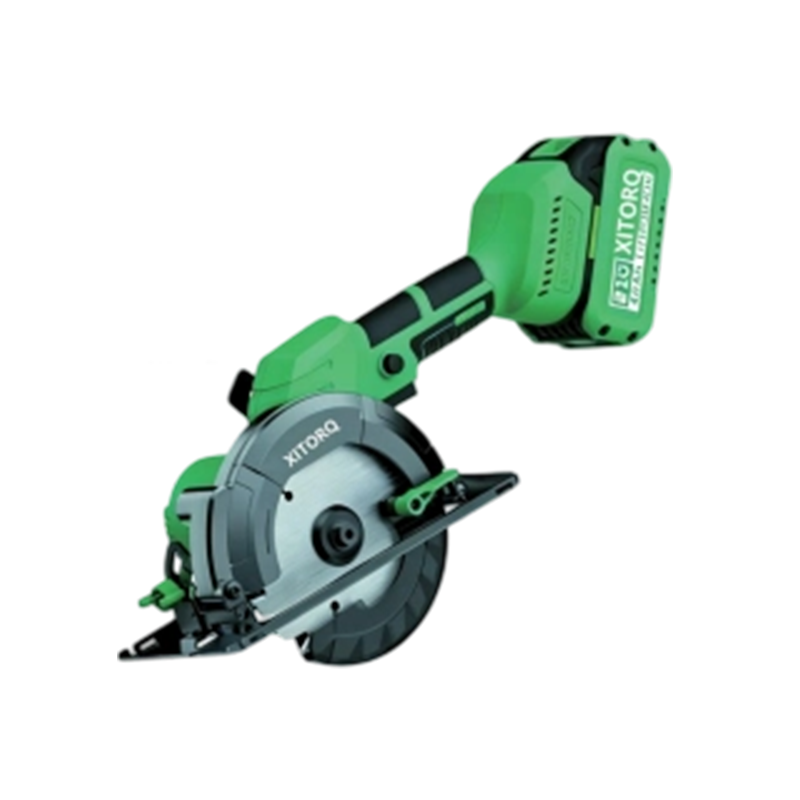 XJ.853 21V Brushless Circular Saw with Laser GuideCordless 140mm saw with laser guide for straight cuts in wood and panels; helps keep cut ends square before deburring.View Product →
Deburring sits between cutting and dry-fitting, before primer or cement touches the pipe; skipping it there is the most common reason a joint that looked fine fails months later.
The assembly window is short. Cement on a PVC joint starts to set within roughly 30 seconds in warm weather, so deburring and dry-fitting happen before anything is glued. There is no stopping mid-push to clean up an edge.
A workable deburring setup is three things: a hand tool for small pipe, a powered option for anything over 110 mm, and a cordless power source so the step never waits for an outlet.
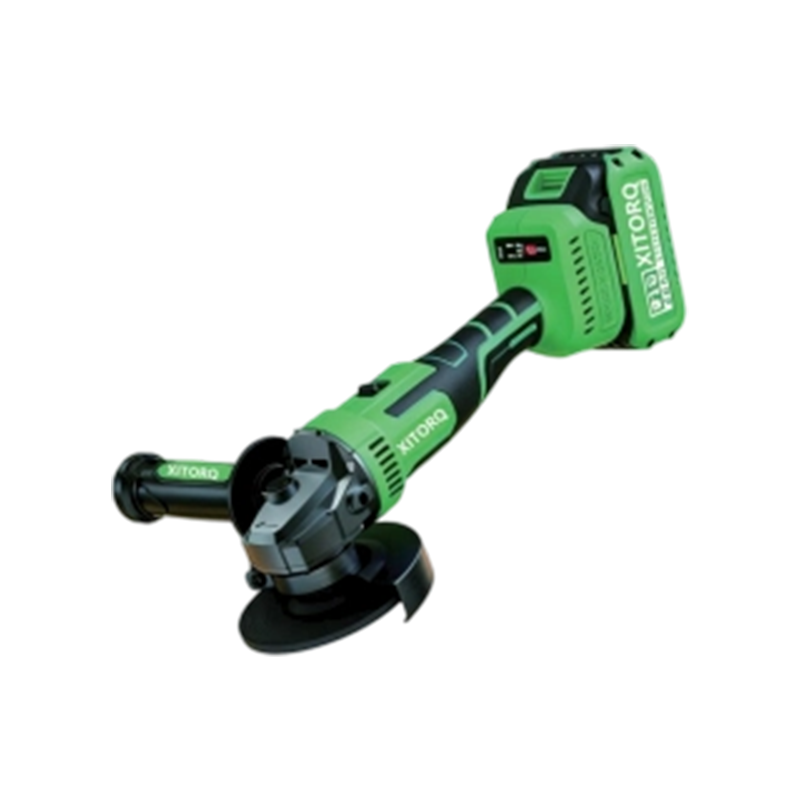 XJ.908 21V Brushless Angle Grinder with 100mm DiscCordless 100mm angle grinder for cutting, grinding, and polishing; works with 21V battery platform for deburring near the cut.View Product →
Cordless matters more than it sounds. The deburring tool is used within arm's reach of the cut, then the next cut happens somewhere else. One battery platform running the saw, the grinder, and the light keeps edge preparation inside the cutting cycle. Teams working with a documented pipe fabrication and installation workflow catch burrs at the cut station rather than at the fitting.
The reliable field test is a gloved fingertip dragged in one continuous circle around both edges of the pipe end; any snag means the pass is not finished.
Two minutes of checking beats a callback. On a drainage stack, a single internal burr holds enough debris to slow flow, and it becomes the first thing an inspector looks at.
The discipline is the same one machine shops apply when they chase burr-free precision cutting on metal pipe ends. PVC simply needs a lighter touch, a sharper blade, and less pressure.
Quick answers to the questions that come up most often on site.
Yes, and crews do it, but a knife follows the cut line instead of the round of the pipe, so material comes off unevenly. It is an emergency fix. A blade-type deburring tool costs little and takes less time per end.
Both. Deburring removes the raised lip; chamfering cuts the shallow bevel that guides the pipe into the socket. On push-fit and gasketed joints the chamfer is what protects the seal.
Once the bevel eats more than about one-third of the wall thickness, the bonded area inside the socket shrinks and the joint loses strength. Shallow and consistent beats deep.
Only when they run too fast or press too hard. Friction heats the plastic, which smears rather than cuts and leaves a soft edge. Low speed, a fresh 80-grit disc, and light pressure avoid it.
None of this needs special equipment. It needs one extra pass per pipe end, a blade that is still sharp, and a habit that survives the week the schedule gets tight. Crews rarely lose a job over deburring. They lose days over what happens when it is skipped.
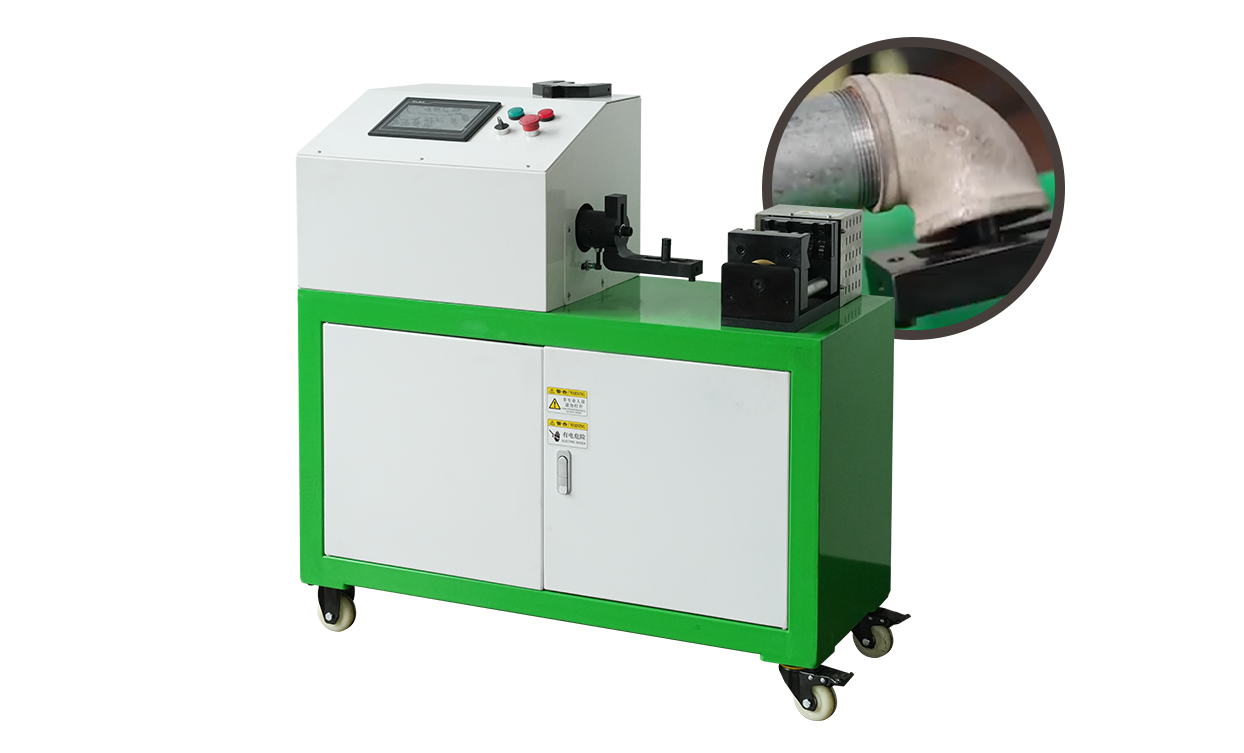
1. Intelligent adjustment, electric screwing 2. Save labor and improve efficiency 3. The layout is reasonable, safe and reliable 4. Torque adjustable,...
See Details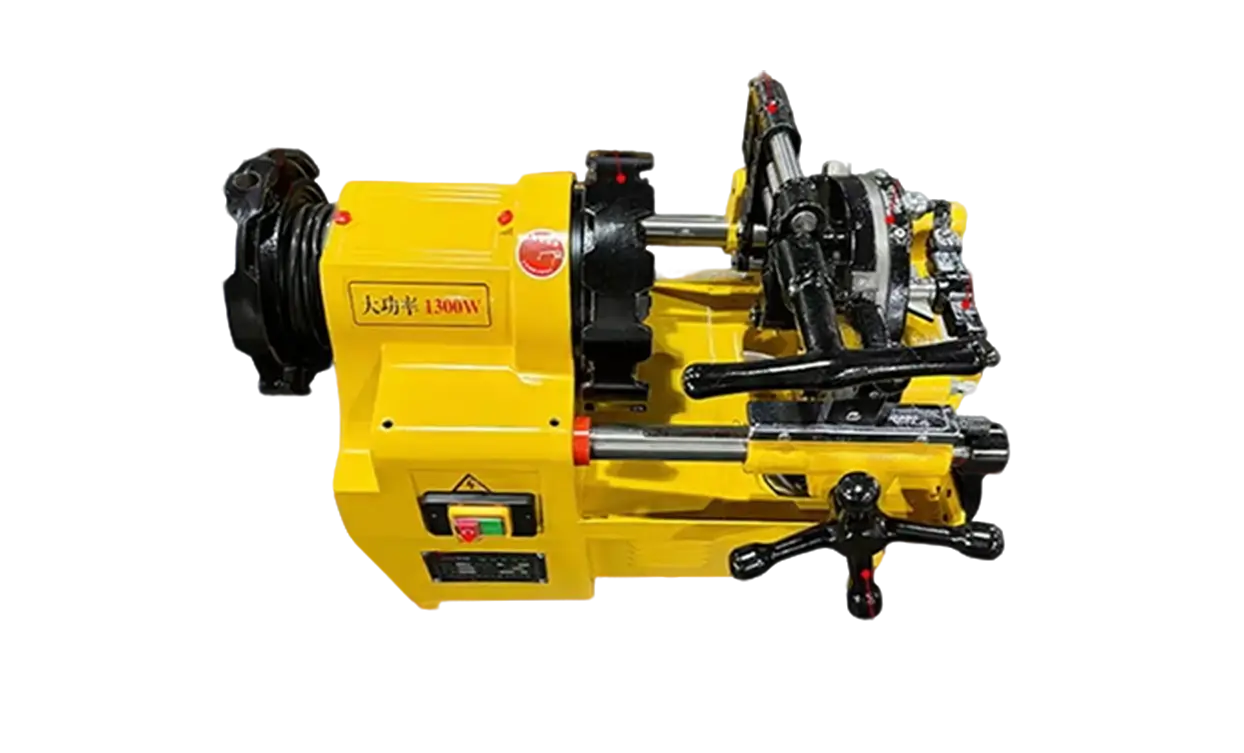
This SQ65 2.5-inch 15-65mm dual-speed electric pipe threading machine is a professional industrial tool engineered for precise pipe threading operatio...
See Details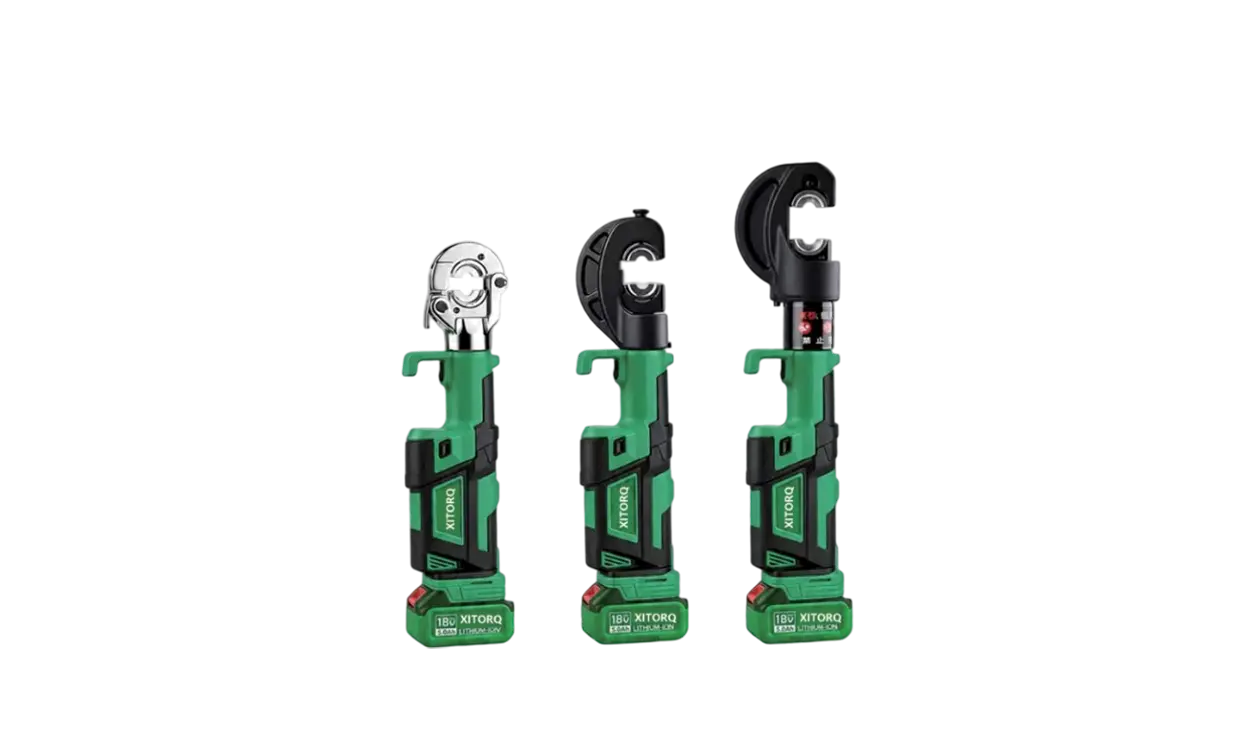
This 18V lithium-ion hydraulic crimping tool is a portable hydraulic tool designed for cable terminal crimping. It features a brushless lithium-ion po...
See Details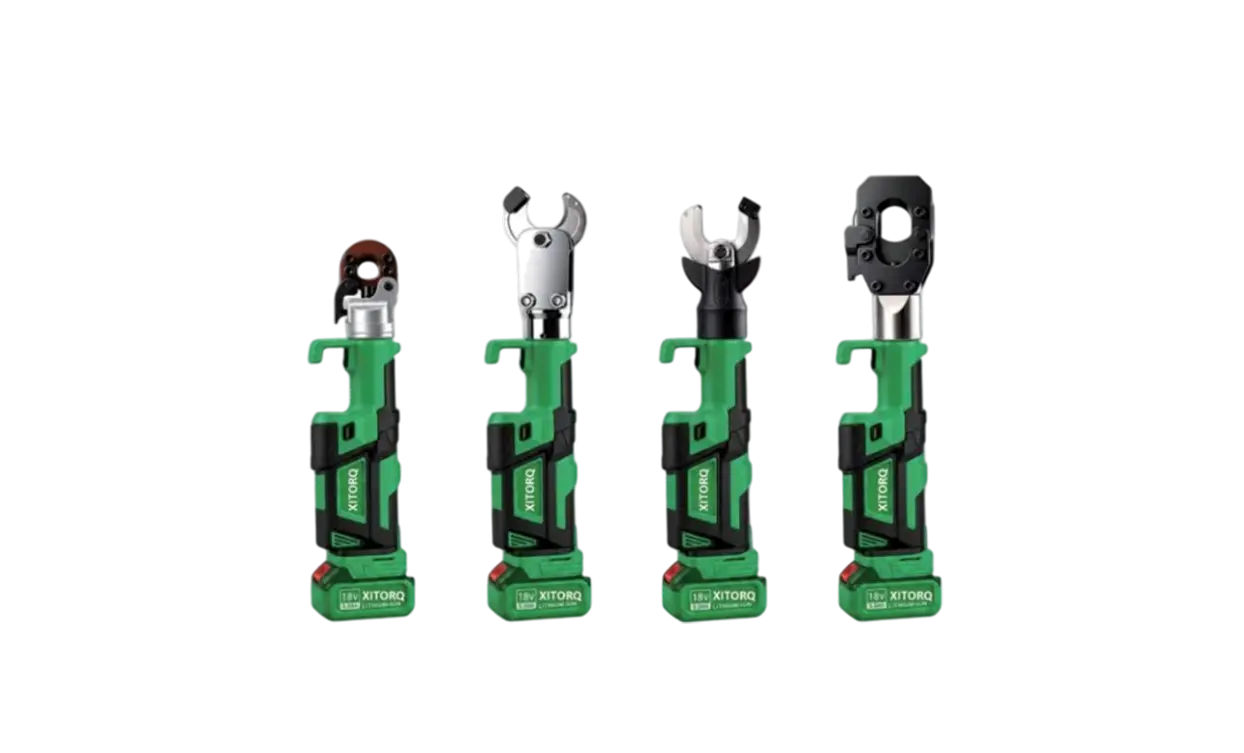
This 18V lithium-ion industrial cable cutter is a professional tool designed for large-diameter cable cutting. It features a brushless lithium-ion pow...
See Details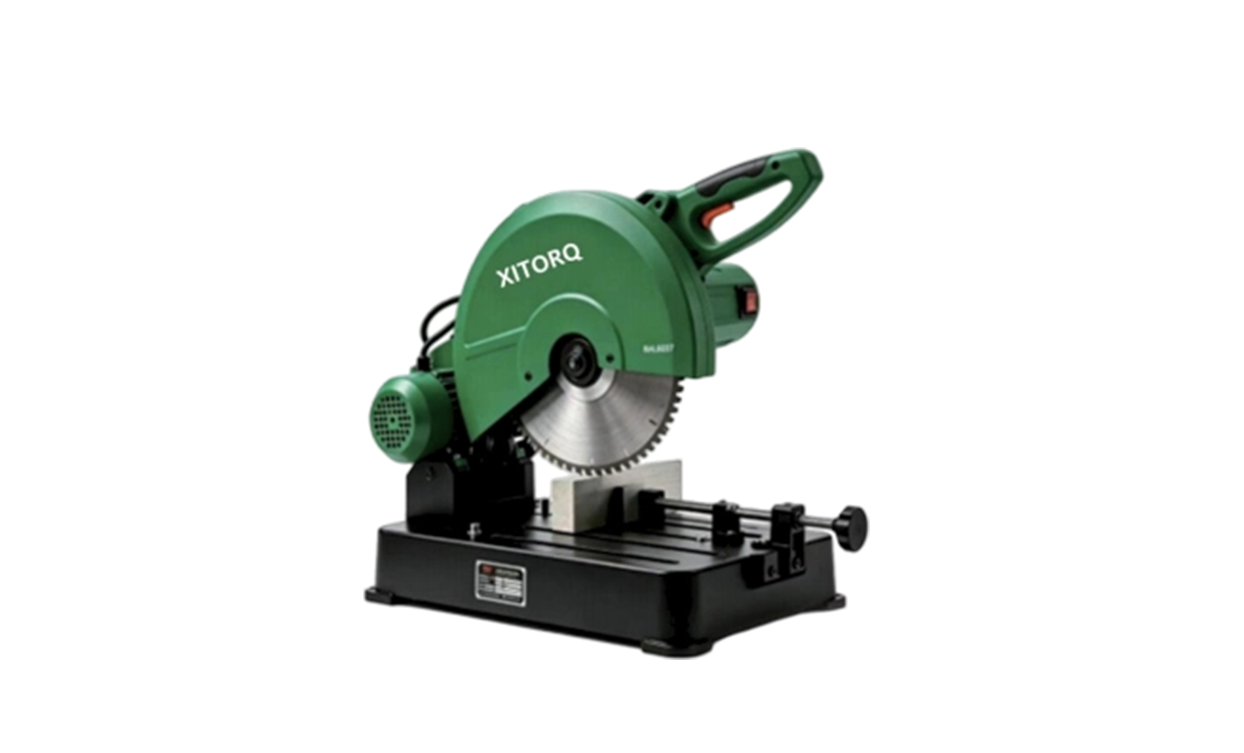
This 220V 14" permanent magnet variable frequency cold saw is an industrial-grade cutting tool designed for metal profile cutting. Featuring a permane...
See Details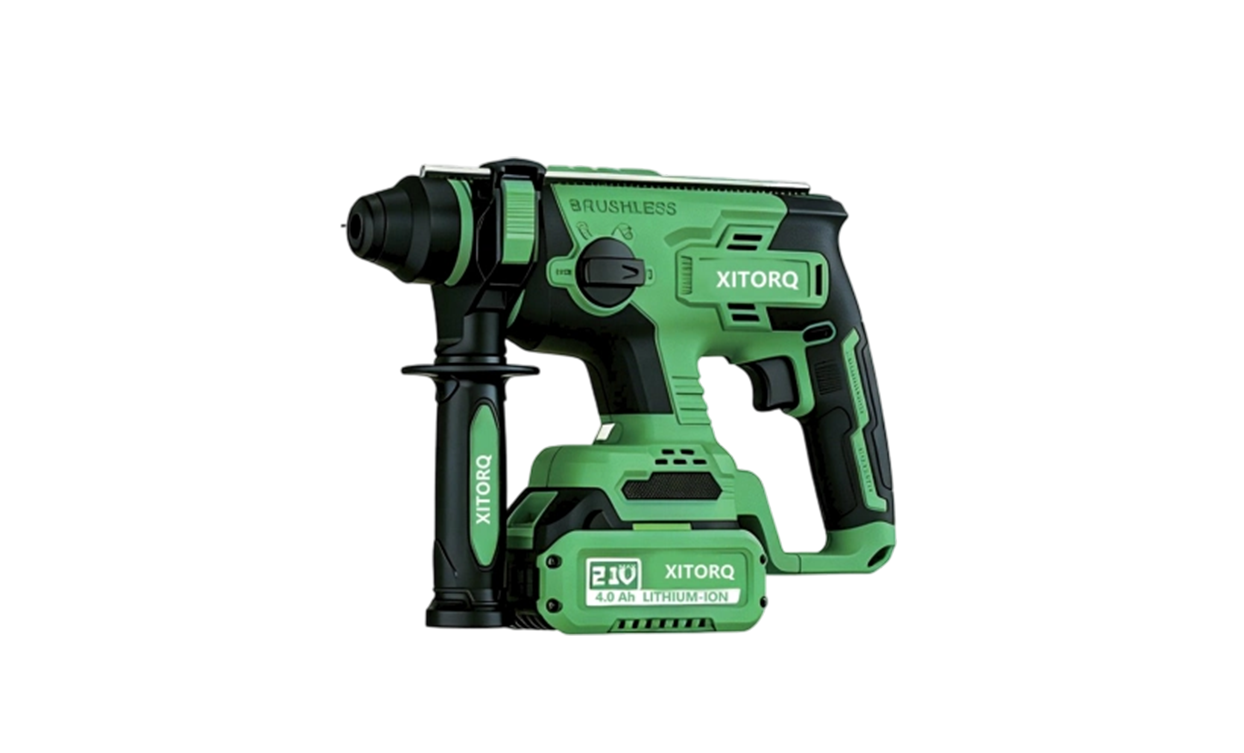
The XJ.709 21V lithium-ion high-magnetic brushless rotary hammer is an industrial-grade hammer from the Xiaojia brand. Equipped with a high-magnetic b...
See Details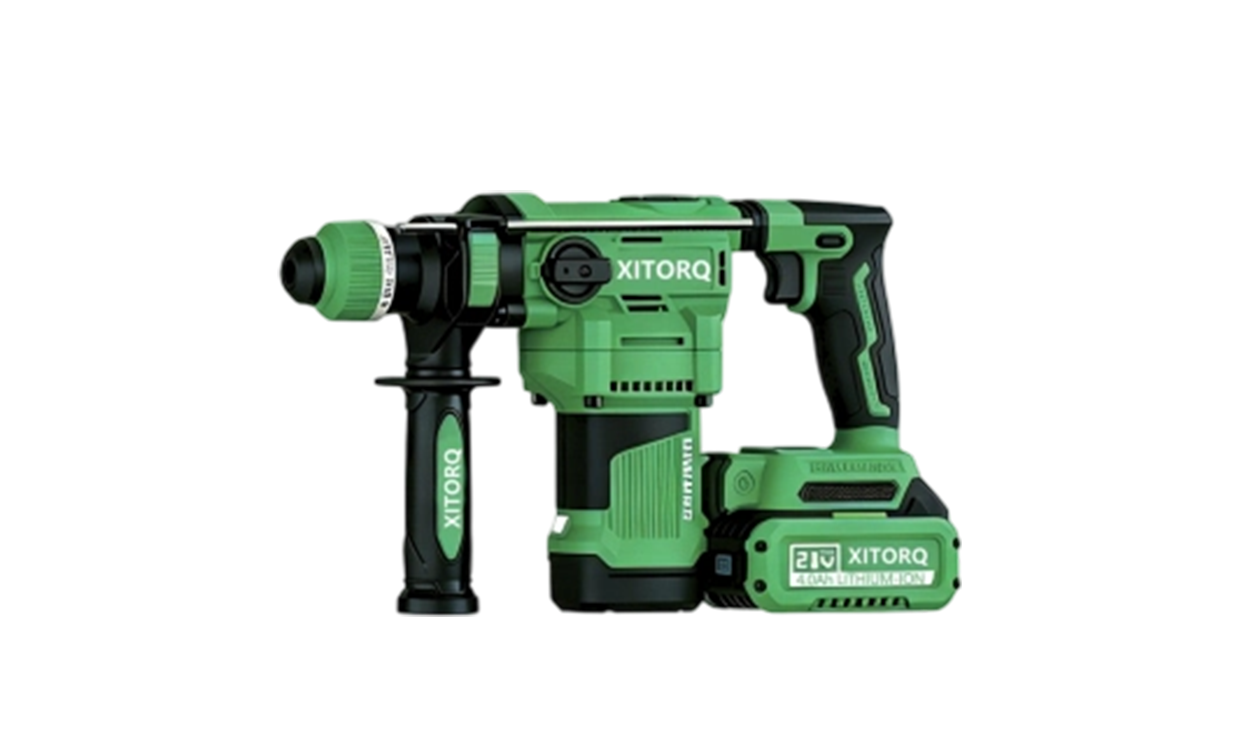
The XJ.728 21V lithium-ion high-magnetic brushless rotary hammer is a heavy-duty industrial-grade hammer from the Xiaojia brand. Featuring an upgraded...
See Details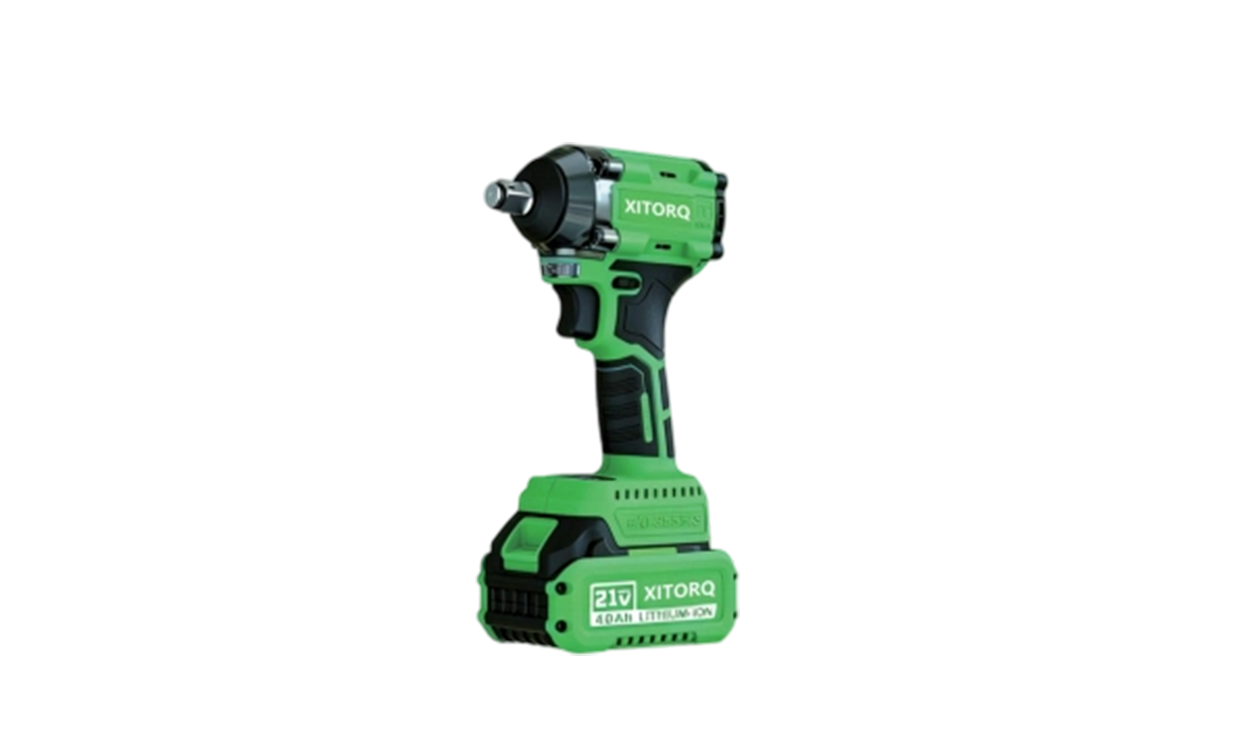
The XJ.523 21V lithium-ion brushless impact wrench is a heavy-duty industrial-grade tool from the Xiaojia brand. Powered by a high-power brushless mot...
See Details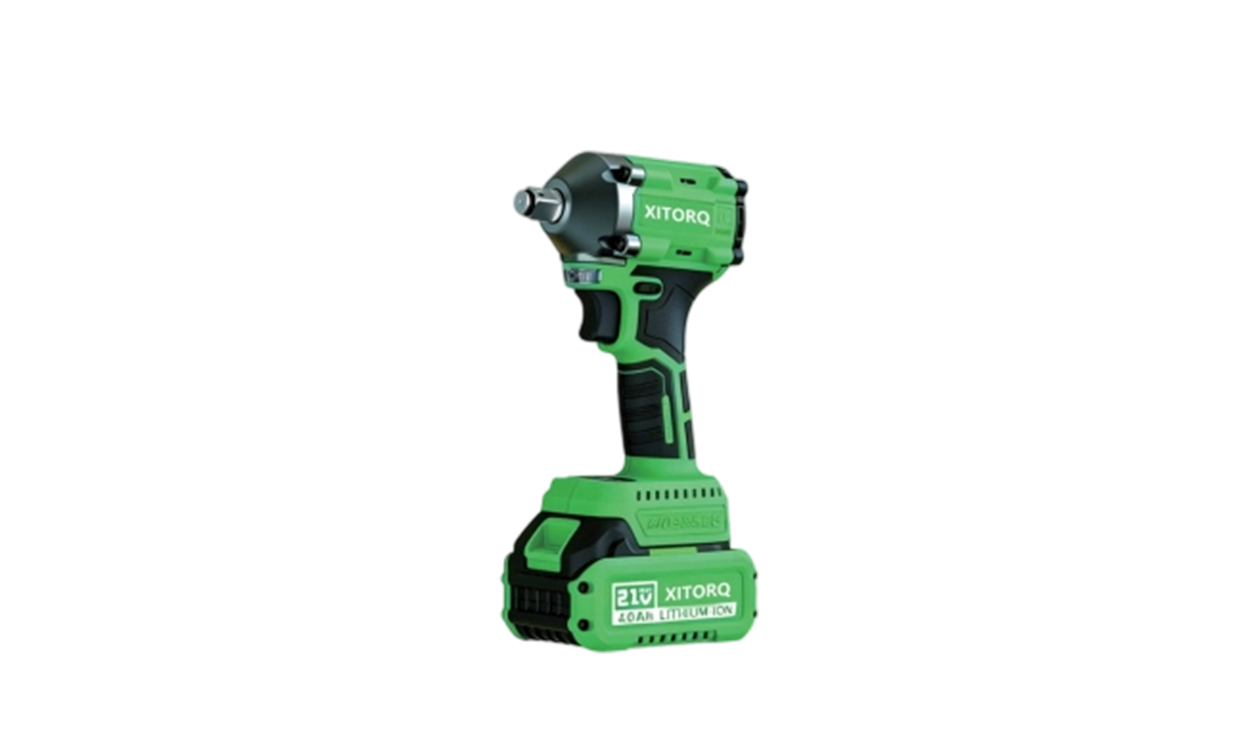
The XJ.533 21V lithium-ion brushless impact wrench is a 21V battery-powered cordless tool from the Xiaojia brand, combining the extended runtime of co...
See Details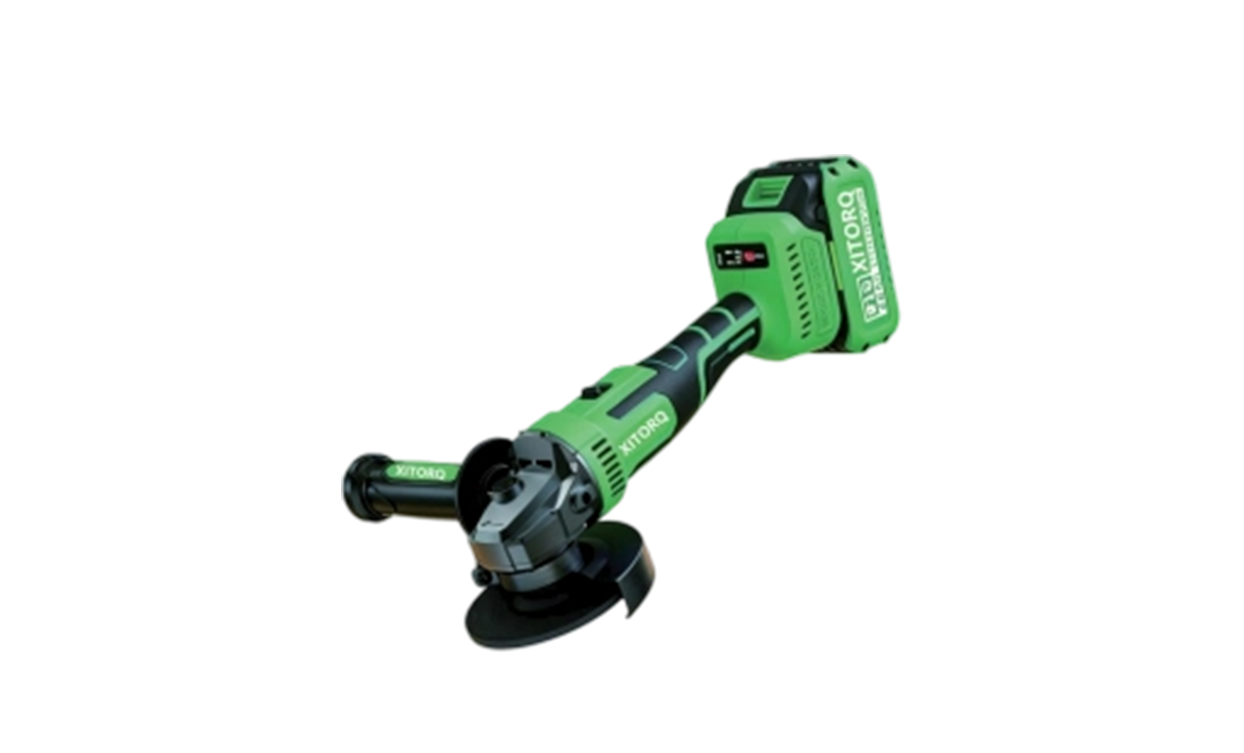
The XJ.908 21V lithium-ion high-magnetic brushless angle grinder is an industrial-grade grinder from the Xiaojia brand. Featuring a high-magnetic brus...
See Details
Copyright © by Hangzhou Xinabo Intelligent Electromechanical Technology Co., Ltd Rights Reserved. Pipe Threaders Manufacturers
