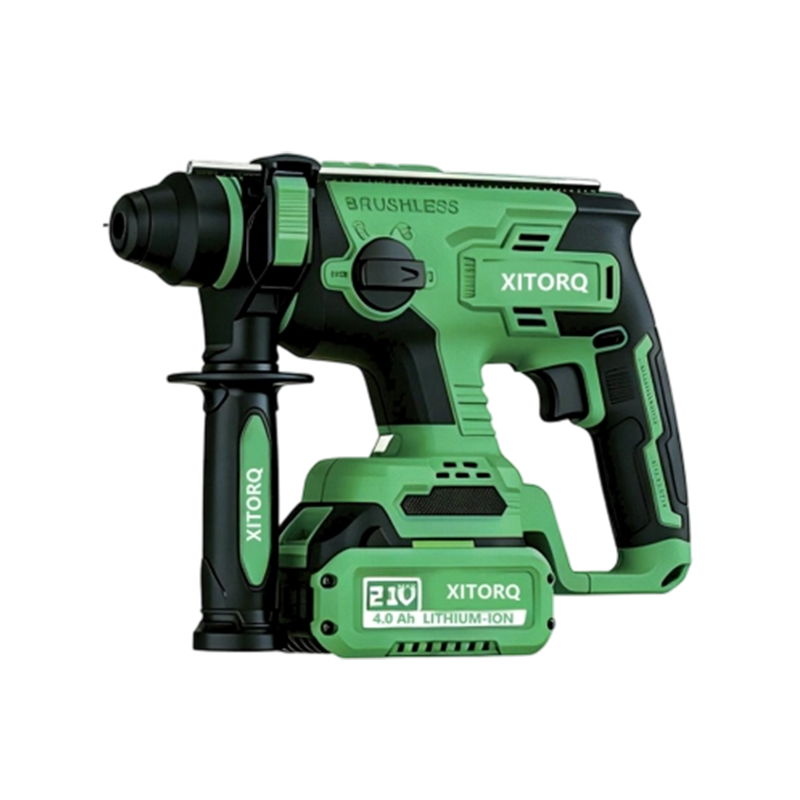
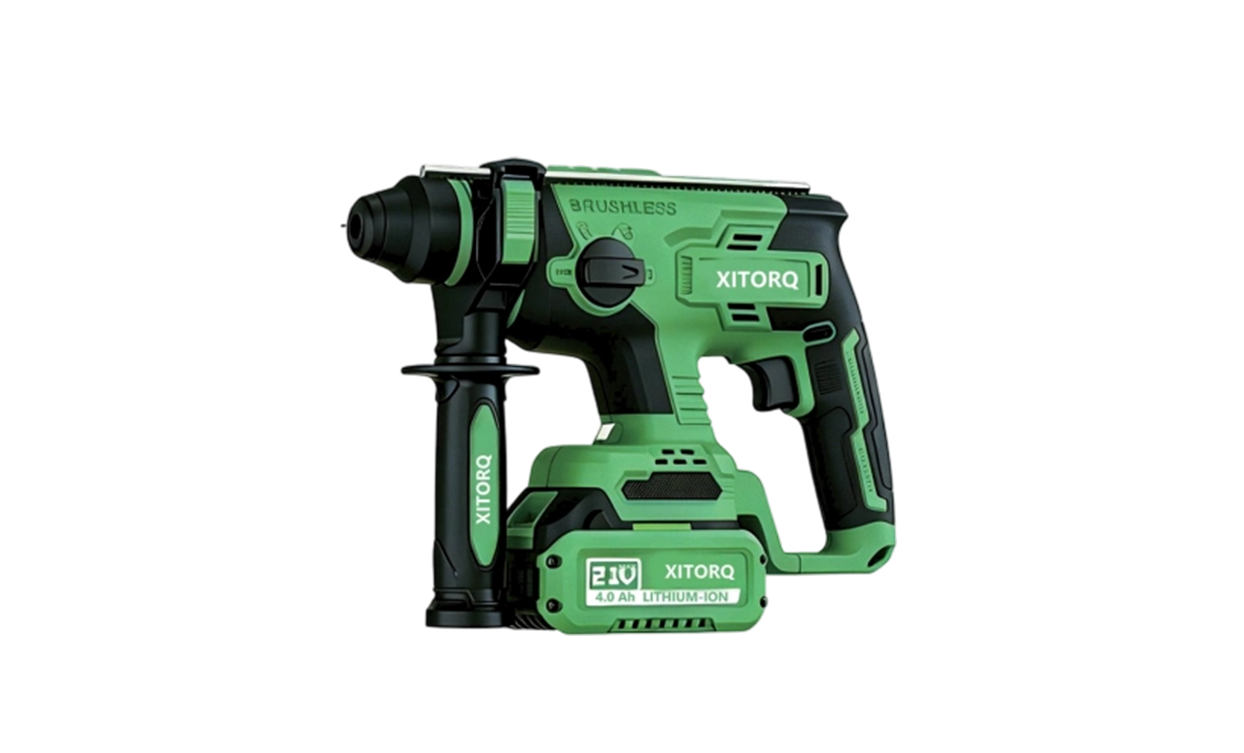
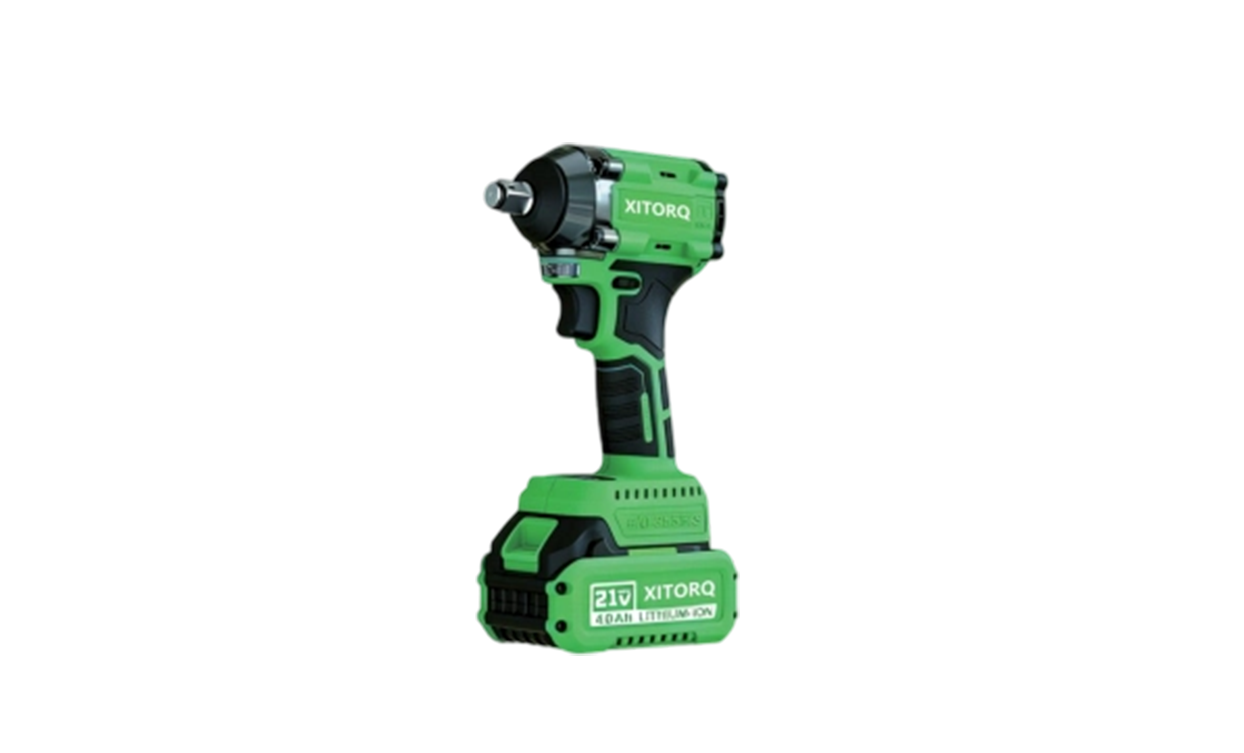
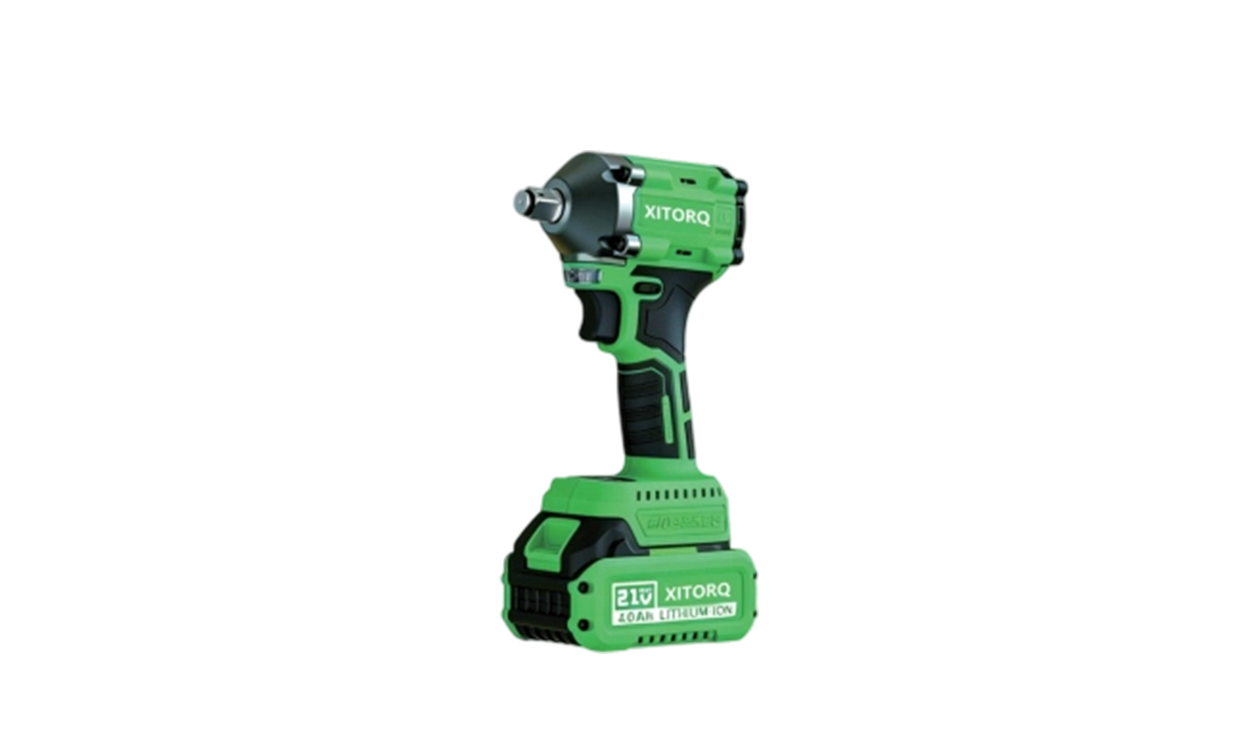
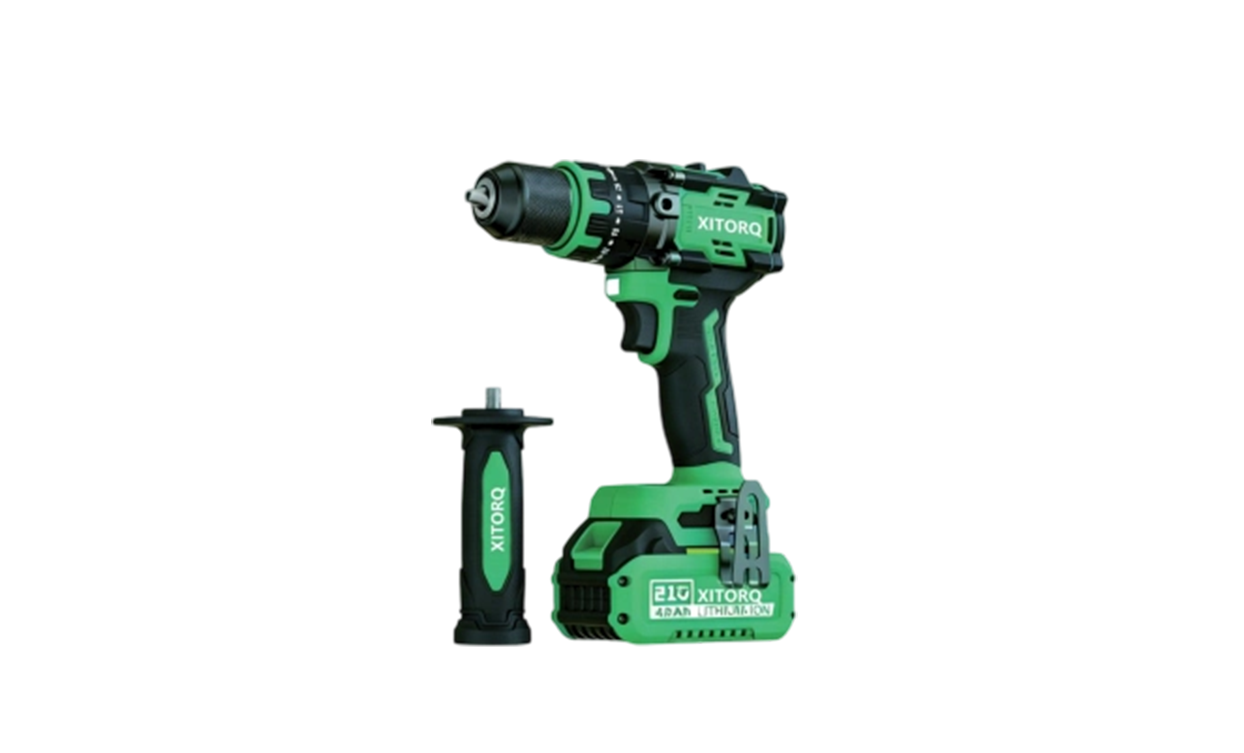
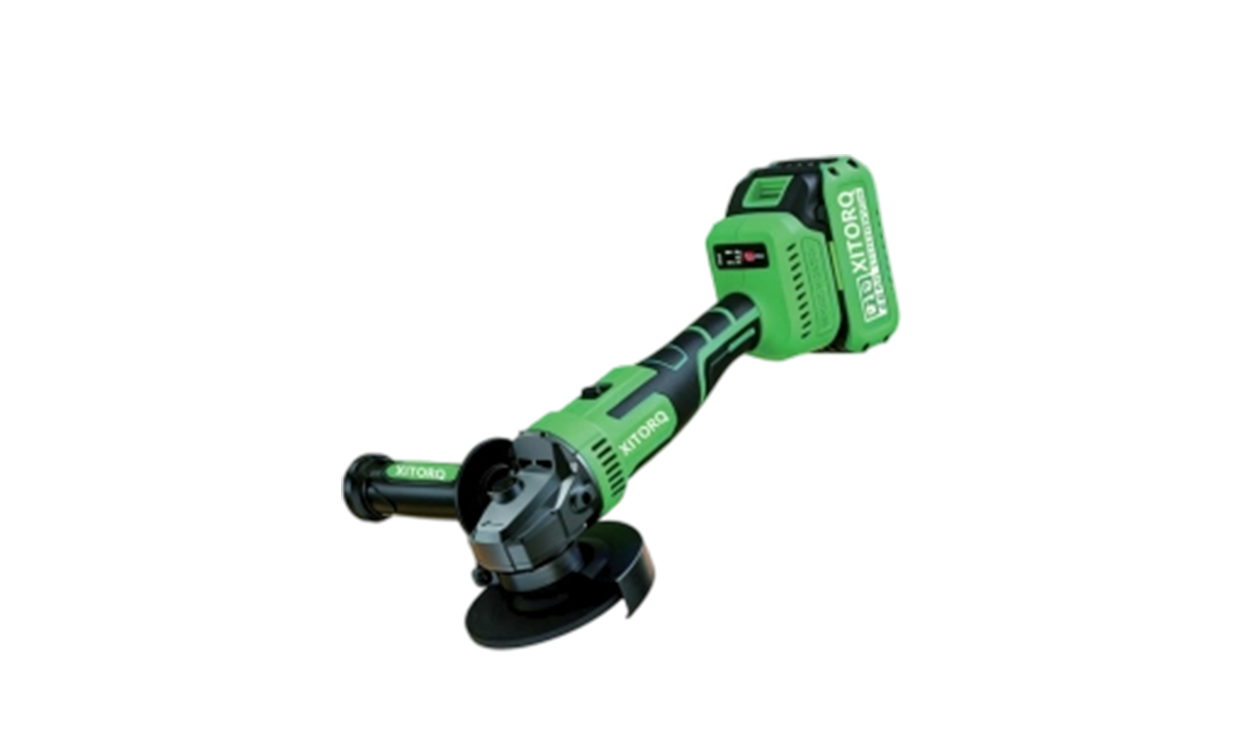
Hangzhou Xinabo Intelligent Electromechanical Technology Co., Ltd manufactures the XJ.709 21V lithium-ion high-magnetic brushless rotary hammer within our Xiaojia cordless range. It is the compact 1.7J SDS-plus model in a three-tool rotary hammer family, built for anchor holes, conduit and cable channelling, core-bit work and light chiselling on fire protection, plumbing, electrical and building-services sites.
Our XJ.709 21V Lithium-Ion High-Magnetic Brushless Rotary Hammer — SDS-plus Chuck, 1.7J Impact Energy manufacturer supply covers this single model for light-to-medium concrete work, while the XJ.728 and the 4.5J three-mode unit handle heavier duty in the same family. We have built pipe fabrication equipment and cordless tools in Hangzhou since 2010, and the same production, testing and spare-parts organisation supports this tool line.
At a glance: 21V DC · high-magnetic brushless motor · 0–1400 rpm no-load speed · 0–4500 bpm impact frequency · 1.7J impact energy · 22 mm maximum drilling diameter in concrete · SDS-plus quick-change chuck · drill, hammer and chisel modes · overheat, overload and under-voltage protection · side handle, depth gauge and portable case as standard.
Where the XJ.709 Fits on Site
The 1.7J blow is sized for the fixing and first-fix work that fills a services installation: setting anchors overhead, opening a channel for conduit, drilling through tile into blockwork, and running cable or pipe penetrations before the finishing trades arrive. The tool is light enough for ladder and scaffold work where a corded hammer becomes a handling problem.
- Concrete wall drilling and anchor setting for pipe supports, cable tray brackets and hangers.
- Air-conditioning and services penetrations, including core-bit pilot work up to 22 mm.
- Plumbing and electrical channelling in brick, block and rendered walls.
- Tile drilling and stone fixing where the hammer action is switched out.
- Railing, yard renovation and solar panel bracket fixing on outdoor sites without mains power.
Reading the Specification
Each figure below translates directly into a site decision — bit inventory, hole size, shift length and the power source the crew already carries.
| Parameter |
XJ.709 value |
What it means on site |
| Rated voltage |
21V DC |
Runs on our 21V lithium-ion platform, shared with the cordless wrench, grinder and hammer drill range |
| Motor |
High-magnetic brushless |
No carbon brushes to replace; our design delivers about 30% more torque and 20% lower energy draw than a standard brushless motor |
| No-load speed |
0–1400 rpm |
Variable trigger control for starting a hole on glazed tile or finished render without skidding |
| Impact frequency |
0–4500 bpm |
Hammer rate for 6–22 mm anchor and fixing holes in concrete and masonry |
| Impact energy |
1.7J |
Single-blow energy for light-to-medium concrete, brick and stone, with lower hand-arm load during overhead work |
| Maximum drilling diameter |
22 mm in concrete |
Covers common M6–M16 anchor and through-wall holes; larger cores move to the higher-energy models |
| Chuck |
SDS-plus quick-change |
Tool-free bit changes and a standard SDS-plus bit and core-bit inventory |
| Modes |
Drill / hammer / chisel |
Three-position selector for rotary drilling, hammer drilling and light chipping |
| Protection |
Overheat, overload, under-voltage |
Triple cut-out protects motor and pack during long anchor-drilling runs |
| Standard accessories |
Side handle, depth gauge, portable case |
Ready for site use without separate accessory ordering |
Three Modes and Bit Selection
The mode selector is mechanical and detents positively, so a crew can move between fixing work and chipping without changing tools. Our vibration-reduction system keeps the grip load down during repeated overhead drilling.
- Drill mode: rotary only — tile, timber, light metal plate and pilot holes where hammer action would crack the surface.
- Hammer mode: rotary plus percussion — the working mode for concrete, brick and stone with SDS-plus masonry bits.
- Chisel mode: percussion only — light chipping of render, mortar beds and tile removal; the 1.7J class suits trim work rather than structural demolition.
- Bit shank: SDS-plus throughout; keep shank grooves clean and lightly greased so the bit seats and releases correctly.
Motor, Protection and the 21V Platform
The high-magnetic brushless motor is the reason this tool holds its speed under load in a 22 mm hole. Eliminating brush wear also removes the maintenance item that normally takes a hammer out of service mid-project.
- Overheat, overload and under-voltage cut-outs trip before the motor or pack is damaged, then reset once conditions recover.
- One 21V pack family runs the rotary hammer alongside our impact wrenches, angle grinders and hammer drill/drivers, simplifying site battery logistics.
- For high hole counts, the Backpack Lithium Battery Pack — 20Ah/30Ah, Powers Multiple 21V-60V Tools Simultaneously extends runtime across a shift.
- Charger input voltage and plug type are fixed at order stage for the destination market.
Range Positioning: 1.7J, 2.8J and 4.5J
Three rotary hammers share the 21V platform and SDS-plus interface, so a fleet can standardise on one battery and one bit inventory while matching energy class to the duty.
Installation, Safety and Site Handover
- Fit the side handle and set the depth gauge to the anchor length before the first hole; the gauge is supplied with the tool.
- Keep both hands on the tool during hammer drilling and expect rotational kickback if the bit binds in rebar.
- Use hearing and eye protection; dust extraction or wet drilling controls silica exposure in overhead concrete work.
- Start on tile or finished surfaces in drill mode at low trigger pressure, then switch to hammer mode once through the glaze.
- Let the tool cool in free air after a long run; the overheat cut-out is a protection, not a working cycle.
- Charge packs on a level, ventilated surface away from flammable material and store them at moderate temperature.
Quality Control and Documentation
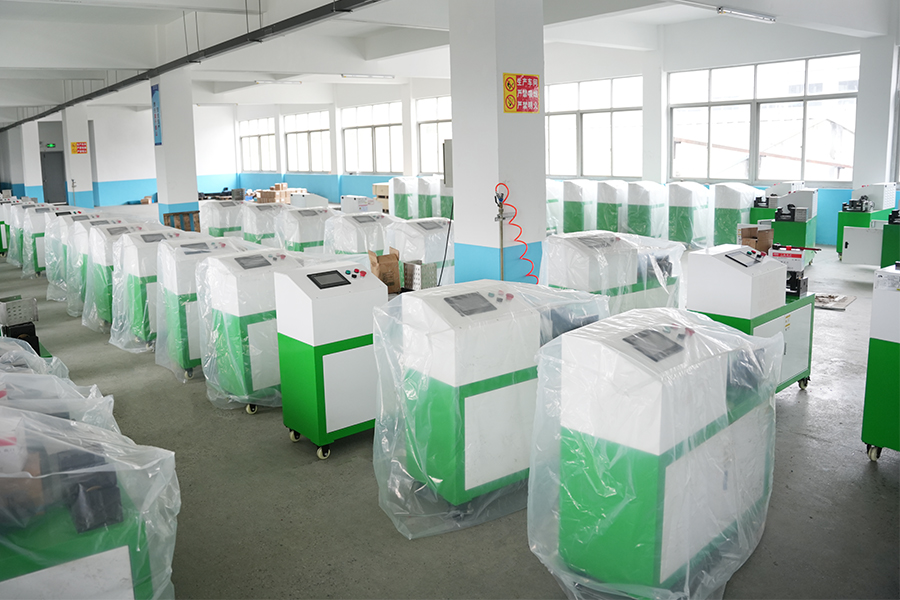
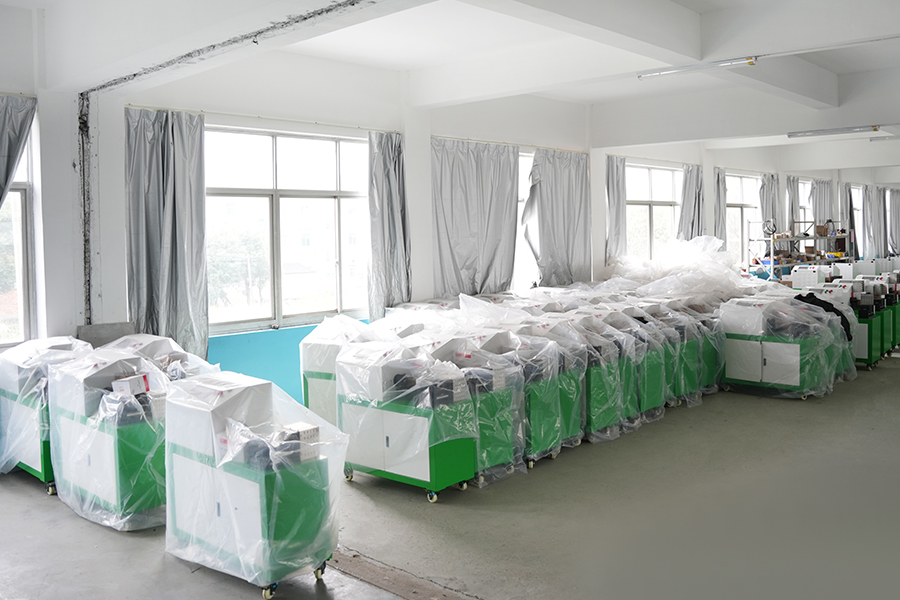
Our Hangzhou factory runs incoming material checks, assembly-line control and finished-product function checks before packing. Units are verified for mode switching, trigger response and hammer action, and the case contents are checked against the packing list.
- Company certification records include attestation of conformity under the Machinery Directive and the Electromagnetic Compatibility Directive.
- Our patent portfolio and National High-Tech Enterprise status cover the tool and machine lines we manufacture.
- Order documentation covers model, voltage, accessory set, packaging and manual language.
- Product certificates and patent listings are available for project files on request.
Information We Use to Configure Your Solution
A rotary hammer quotation is only useful when it matches the drilling duty and the power platform already on site. These are the inputs our team works from.
| Project input |
How it shapes the configuration |
| Base material and hardness |
Confirms whether 1.7J is sufficient or the 2.8J model is needed for hard aggregate |
| Hole diameter and depth |
Checks the 22 mm concrete limit and the bit or core-bit set quoted with the tool |
| Anchor or fixing type |
Sets depth-gauge setting and hole tolerance for sleeve, through-bolt or chemical anchors |
| Holes per shift and shift pattern |
Sizes the battery count and indicates whether the backpack pack is the better power source |
| Existing battery platform |
Decides between kit supply and tool-only supply where crews already run our 21V packs |
| Charger voltage and plug type |
Fixes the destination-market charger in the order specification |
| Packaging and manual language |
Sets case inserts, carton marking and documentation language |
| Order quantity and delivery schedule |
Plans batch runs and accessory kitting on our Hangzhou line |
Maintenance, Spare Parts and Serviceability
- Clean the SDS-plus bore and wipe bit shanks after each shift; compacted dust is the most common cause of a bit that will not seat.
- Check the side handle clamp and depth gauge rod for tightness before overhead work.
- Brushless motor means no brush replacement; gearbox lubrication is the scheduled service item.
- Battery capacity loss over time is normal — rotate packs across crews to even out cycles.
- Spare parts support covers handles, depth gauges, cases and replacement packs through our service organisation.
- Training and product demonstrations are available for buyer partners and installation teams on request.
Frequently Asked Questions
What is the largest hole the XJ.709 can drill in concrete?
22 mm in concrete. That covers M6 to M16 anchor and through-wall work; larger core bits and continuous chiselling belong with the 2.8J XJ.728 or the 4.5J three-mode model.
What is supplied in the case?
The standard set is the tool, side handle, depth gauge and portable case. Battery packs and chargers are specified with the order so the kit matches the 21V platform and charger voltage you standardise on.
How does the high-magnetic brushless motor differ from a standard brushless motor?
Our high-magnetic design produces about 30% more torque and draws about 20% less energy than a standard brushless motor, which shows up as faster drilling under load and more holes per charge.
Can it be used for tile and light chipping work?
Yes. Drill mode handles tile and finished surfaces without percussion, and chisel mode removes render, mortar beds and tiles. The 1.7J class is intended for trim and first-fix work rather than structural breaking.
Which materials can the tool work beyond concrete?
Brick, block, stone, tile and timber are all within its range, with the mode and bit matched to the material. Steel drilling is handled by our hammer drill/driver models rather than the rotary hammer.

 English
 Español
 عربى