
 English
 Español
 عربى


Intelligent Threading Machine
1. Automatically identify the pipe diameter 2. Automatic tool adjustment and setting 3. Pipe Processing Range: DN15–DN100 4. Threading time as fast ...
See Details
Content
A purchase order that says "driver for drill" can land on site as three very different tools: a compact drill driver, a 21V hammer drill driver, or a hex impact driver. On pipe, steel and fire-protection work the difference is not cosmetic. The wrong body burns through hole saws, rounds off chuck jaws and stops the crew every twenty minutes for a battery swap.
The phrase describes the powered half of the system. Bits, hole cutters, step drills and socket adapters all attach to it, and every one of those accessories carries its own shank and torque demand. Get the body right and accessories last their full service life; get it wrong and you replace cutters weekly.
A driver for a drill is the powered body that rotates the accessory, not the bit or cutter itself. Catalogues use the phrase across three families, drill drivers, hammer drill drivers and impact drivers, and each one accepts a different shank.
Chuck type decides more day-to-day usability than any figure printed on the box. The three you will meet on a pipe or steel job:
Worn chuck jaws are the quiet cause of most "the bit keeps slipping" complaints. If a bit spins under load with a fresh pack, inspect the jaws before blaming the motor.
The three bodies share a motor but solve different problems: continuous rotation, pulsed rotation, and rotation combined with axial hammering.
A hammer drill driver adds a third mode: rotation with axial hammering. In steel and pipe the hammer stays off, because it distorts the cut edge and shortens bit life. In masonry it is the only function that matters. Two-speed gearboxes on 21V bodies usually give a low range around 0-450 rpm for cutters and a high range for small twist bits, and running a 51 mm hole saw in high gear is the quickest route to a burnt cutter.
Torque in Nm, chuck capacity in millimetres and gearbox range tell you more about a drill driver than voltage alone does. Voltage sets the battery platform; torque sets what the tool will actually finish.
| Torque band | Body class | Handles well | Struggles with |
| 60-100 Nm | Compact | 6-8 mm steel bits, cabinet work, small fixings | 51 mm hole saws in plate |
| 100-140 Nm | Mid-range | Daily mixed steel and timber, 25-50 mm cutters | Long runs of 76 mm core drilling |
| 140-170 Nm | Heavy duty | Large hole saws, long auger bits, seized anchors | Overhead work across a full shift |
Chuck capacity matters as much as torque once hole saws enter the picture. A 13 mm chuck covers most pipe and steel accessories, while a 10 mm chuck shuts out a large part of the cutter range. Trigger modulation, not the headline top speed, is what keeps a step drill from chattering through thin wall tube.
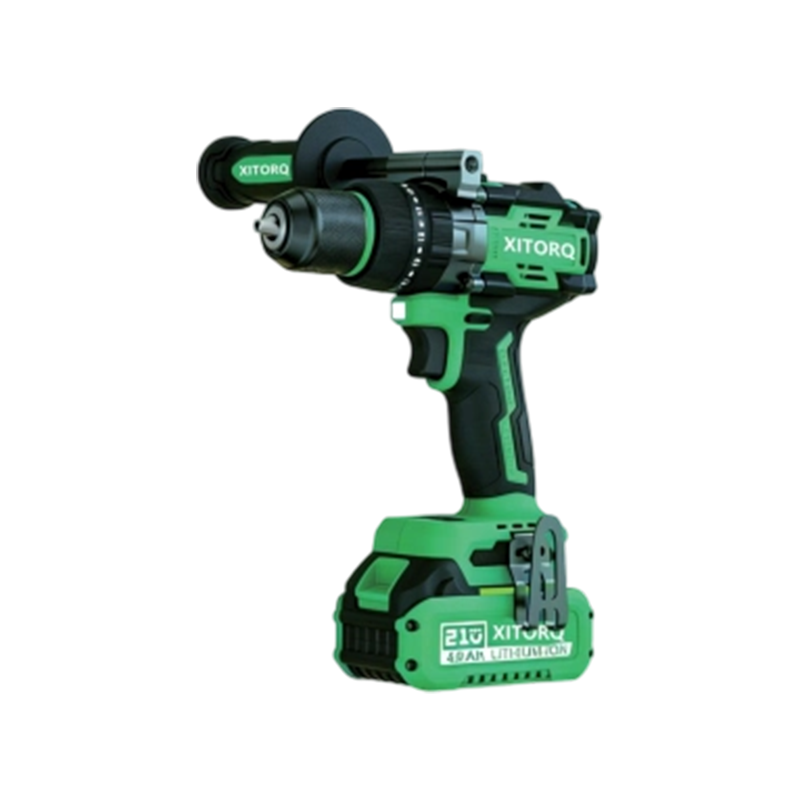 XJ.615 21V Brushless Hammer Drill/DriverWith a 13 mm chuck, 140 N·m brushless motor and dual hammer/drill modes, it suits pipe, steel and masonry accessories without the heaviest body.View Product →
Match the accessory first, the torque band second and the battery third, because the shank decides which bodies can even hold the tooling.
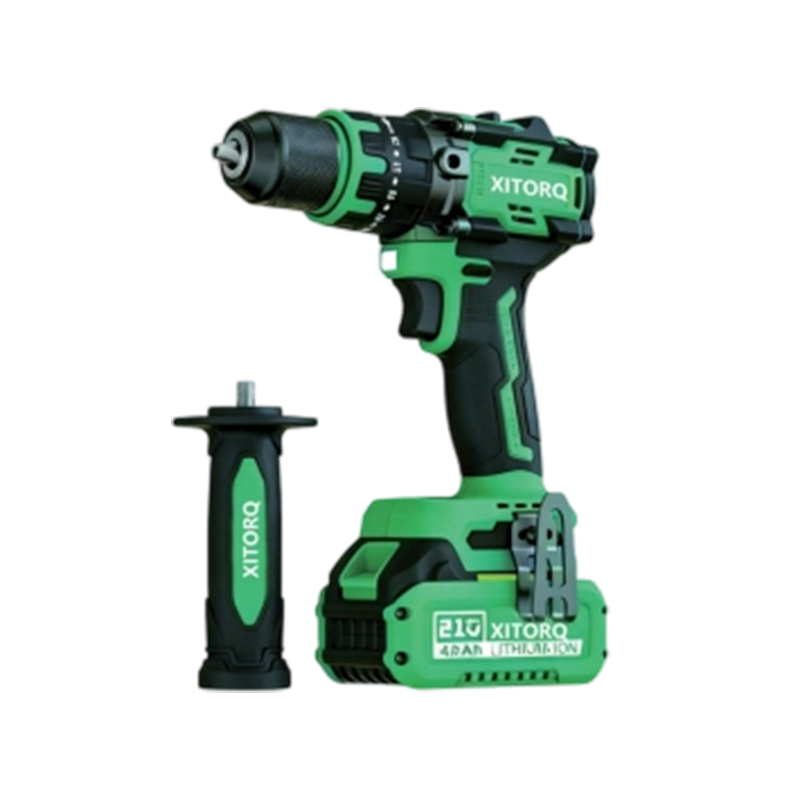 XJ.608 21V Brushless Hammer Drill/DriverFor general installation and mixed-trade work, the 100 N·m XJ.608 combines a 13 mm chuck, two speeds and anti-kickback control in a versatile platform body.View Product →
Buying a single 170 Nm body to cover everything sounds efficient until it is hanging overhead for a whole shift. Weight, balance and grip position cost more productivity than a few missing Nm ever will.
A driver for drill work is only as good as the battery platform and bit quality behind it, and simple maintenance decides whether the tool runs three years or ten.
Battery capacity is often misread as runtime. A 4.0 Ah pack on a brushless body can outlast a 5.0 Ah pack on a brushed one, simply because the motor wastes less energy as heat. If you are planning a platform around wearable packs, our 20Ah versus 30Ah backpack pack guide breaks down the runtime arithmetic.
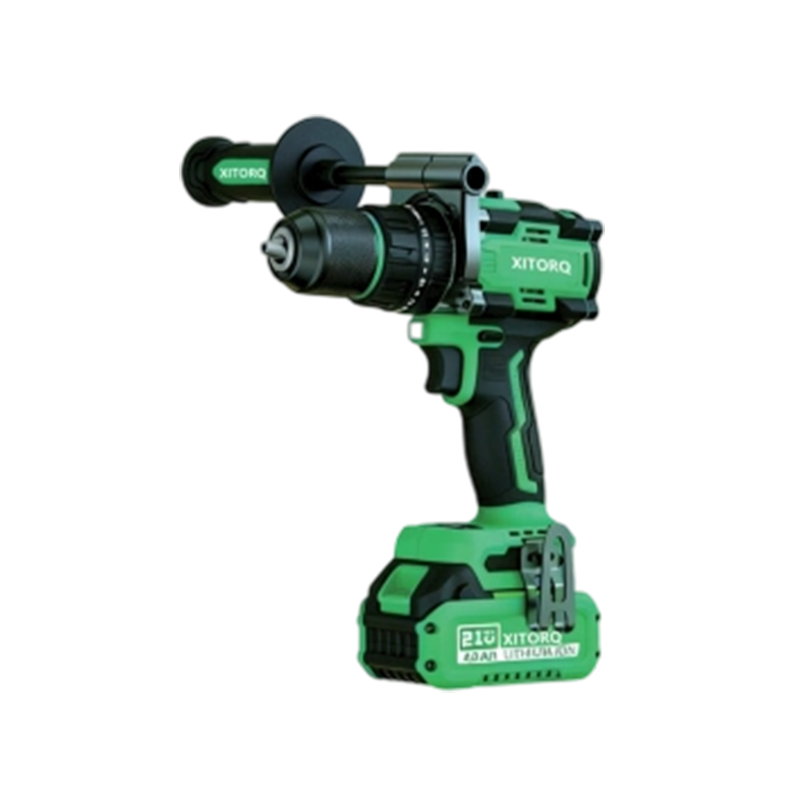 XJ.617 21V Heavy-Duty Brushless Hammer Drill/DriverThe 170 N·m XJ.617 adds three speeds and hammer/drill/screw modes, while its 13 mm chuck accepts round-shank bits, hole saws and step drills.View Product →
Only for hex-shank bits. An impact driver uses a 1/4-inch quick-release holder, so round-shank twist bits, hole saws and step drills will not fit without an adapter, and the pulsed torque is unkind to them in any case.
Plan on the upper band, roughly 140-170 Nm, and run it in low gear with a slow, even feed. Below that range the saw tends to stall, which glazes the teeth instead of cutting them.
On a shared 21V platform, yes in principle, though threading machines draw far more current than a drill driver and need packs sized for continuous load rather than peak output.
Replace them when a fresh bit spins under load at moderate torque. In daily site use that is typically every 12 to 18 months, sooner where the tool works around masonry dust.
Specifying tools for a pipe or fire-protection crew comes down to accessory inventory, not catalogue headlines. If you want torque bands, chuck data and battery options laid side by side, talk to our team and we will map the shortlist to the work your crews actually do.
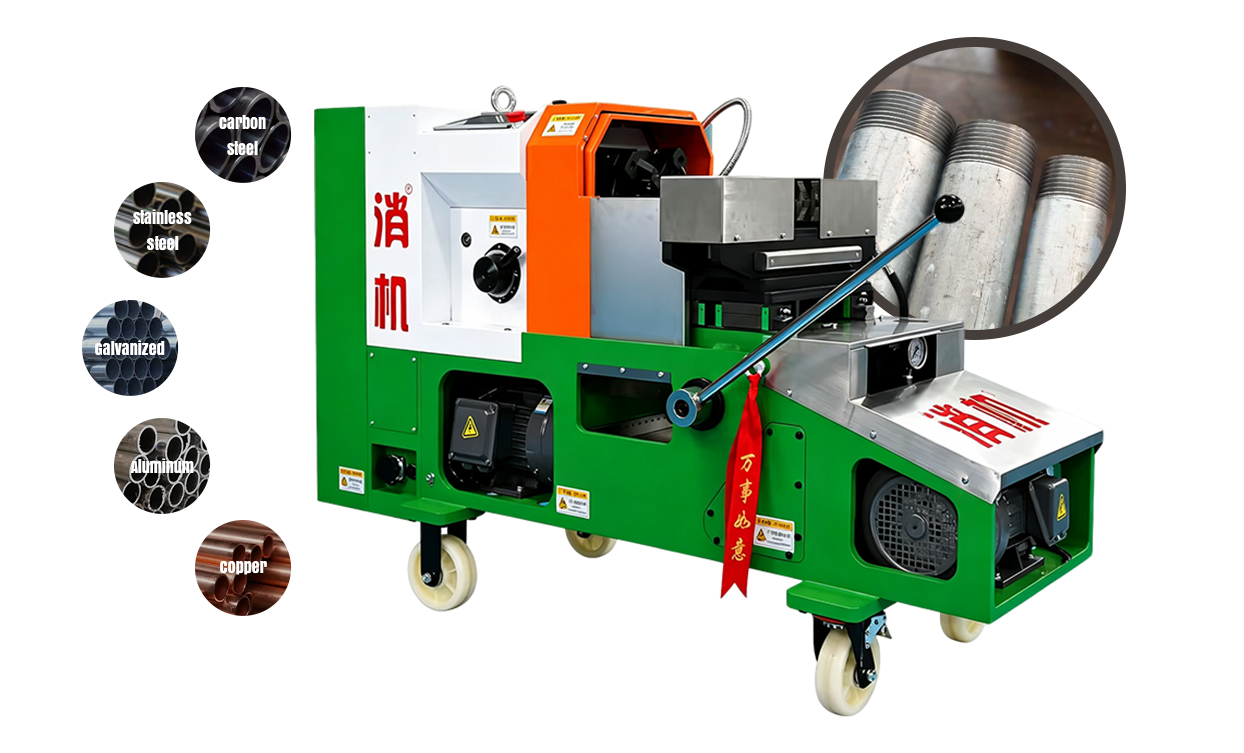
1. Automatically identify the pipe diameter 2. Automatic tool adjustment and setting 3. Pipe Processing Range: DN15–DN100 4. Threading time as fast ...
See Details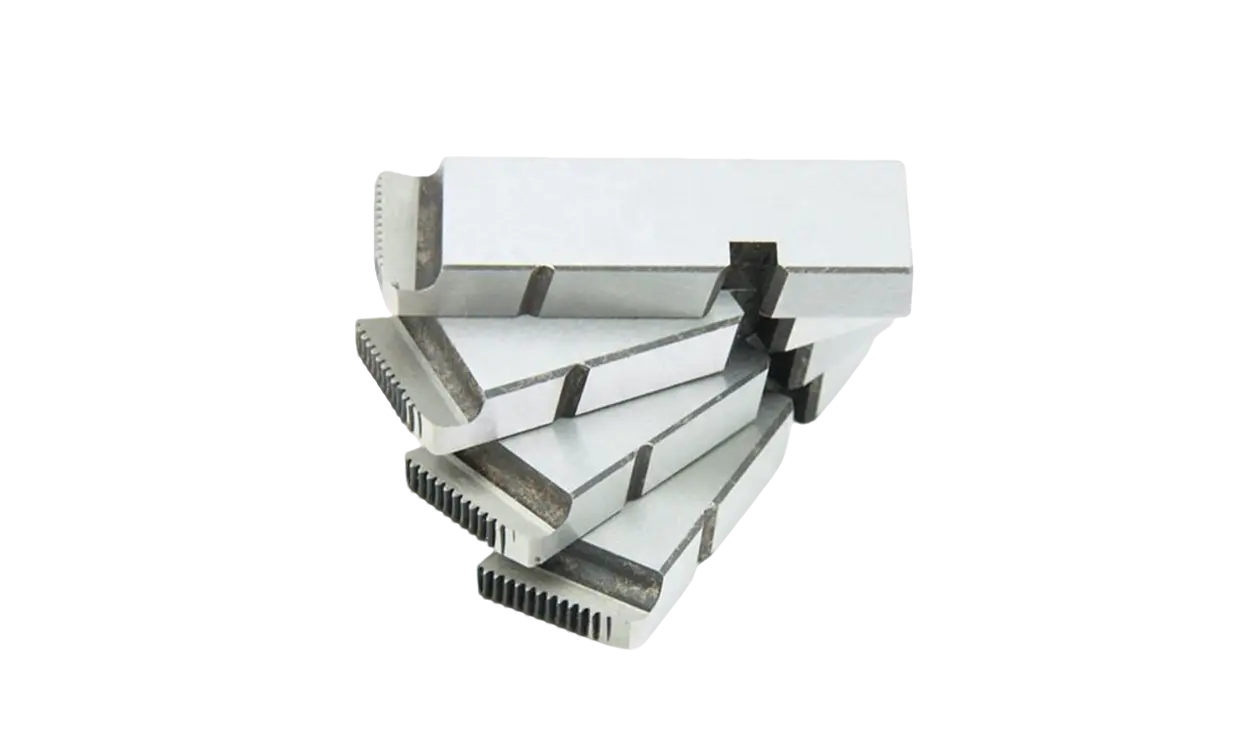
Core Material & Performance: Crafted from high-speed steel (HSS), the threading dies feature excellent hardness, wear resistance and heat resistan...
See Details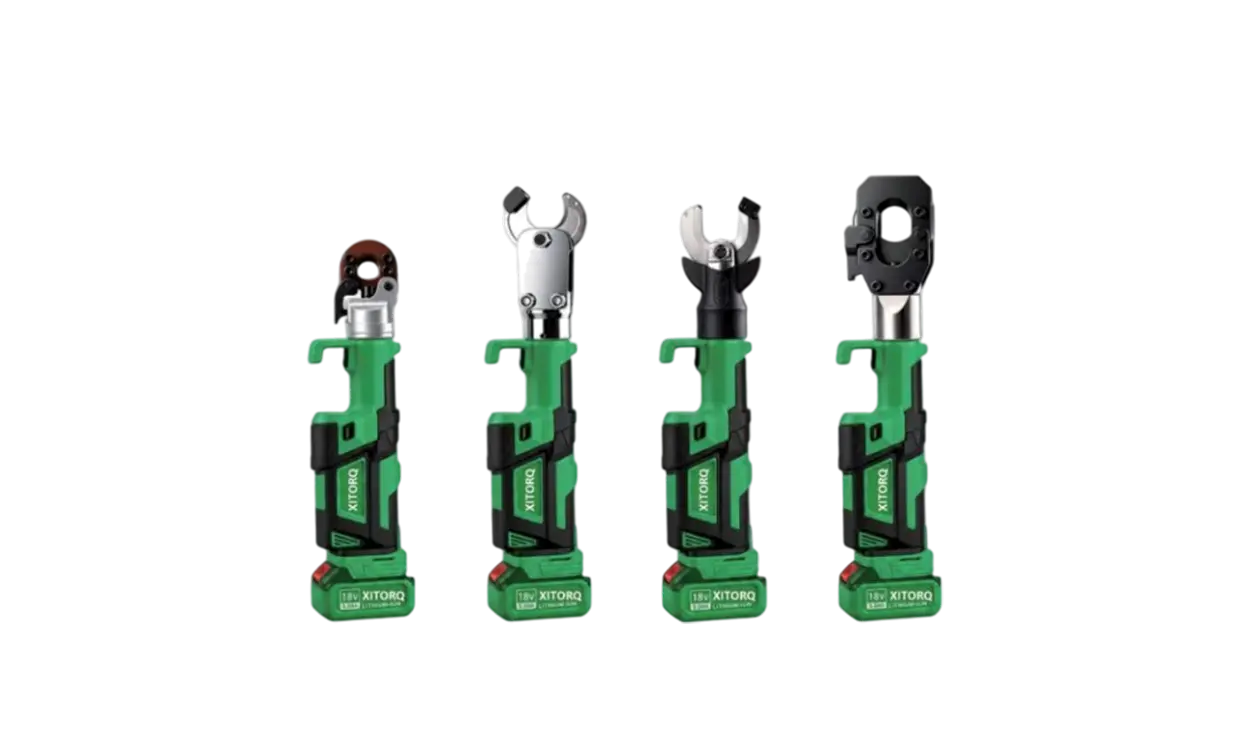
This 18V lithium-ion industrial cable cutter is a professional tool designed for large-diameter cable cutting. It features a brushless lithium-ion pow...
See Details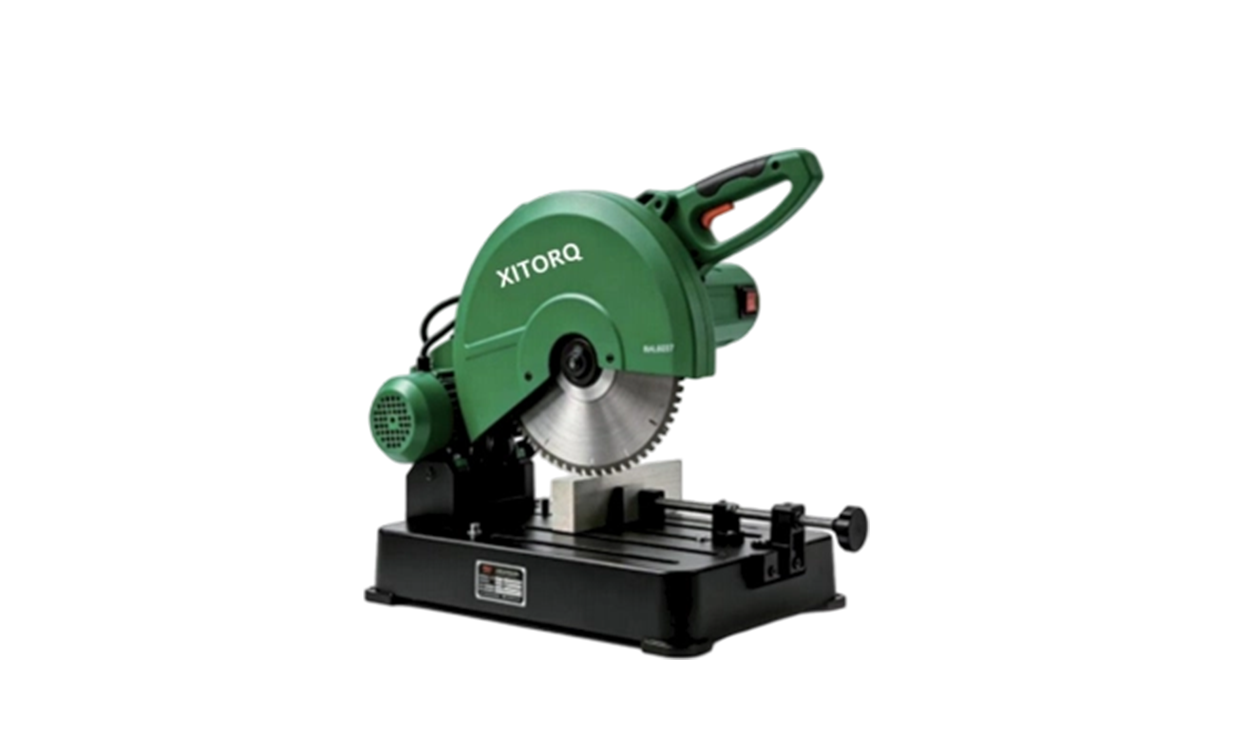
This 220V 14" permanent magnet variable frequency cold saw is an industrial-grade cutting tool designed for metal profile cutting. Featuring a permane...
See Details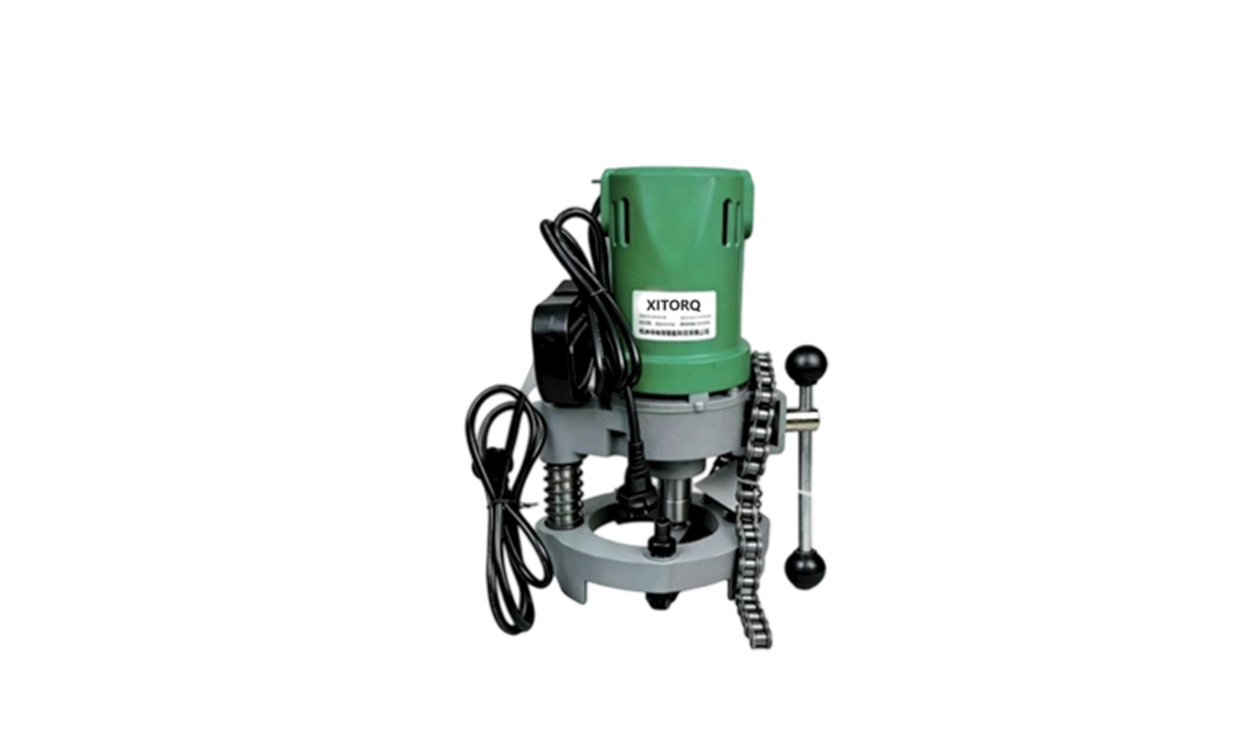
This 220V Fire Pipe Drilling Machine is a professional device designed for hole cutting on fire protection and plumbing pipes. Powered by a 220V indus...
See Details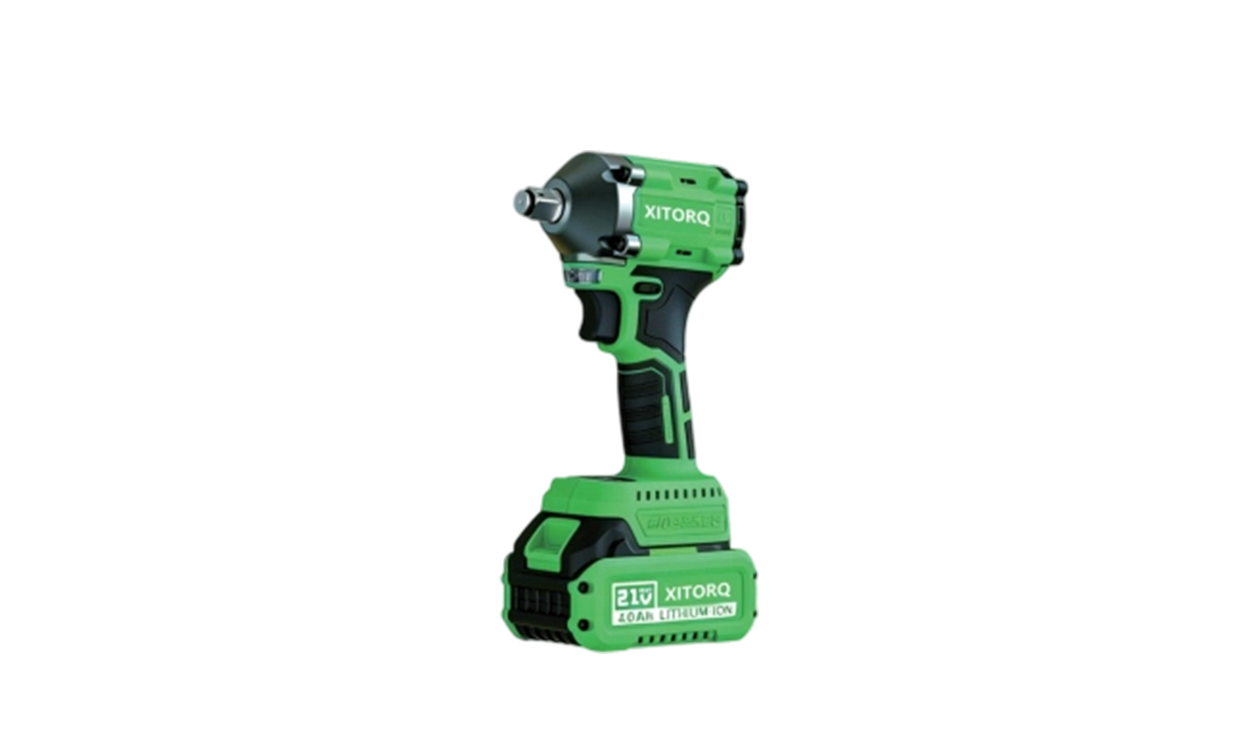
The XJ.533 21V lithium-ion brushless impact wrench is a 21V battery-powered cordless tool from the Xiaojia brand, combining the extended runtime of co...
See Details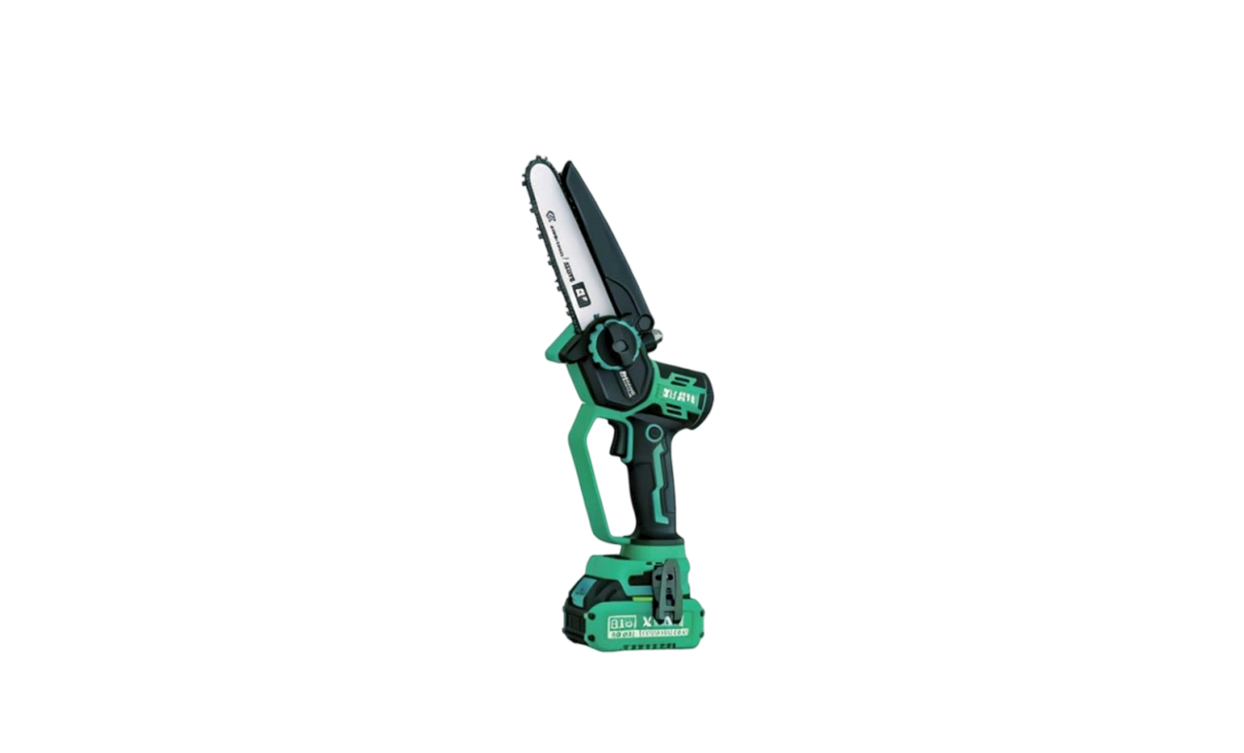
The XJ.204 16V 4" brushless electric chainsaw is a compact lithium-ion chainsaw from the Xiaojia brand. Powered by a 16V brushless motor with a 4" gui...
See Details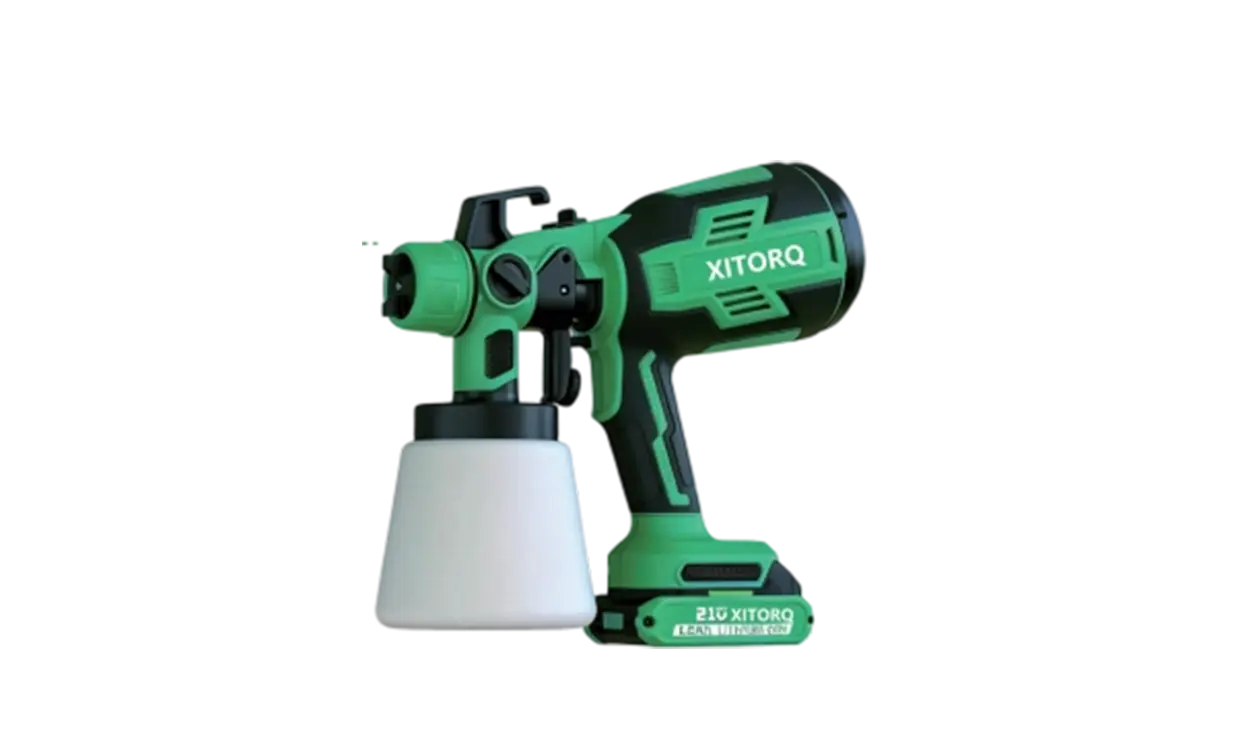
This 21V lithium-ion spray gun (Small Airplane model) is a portable cordless painting tool designed for paint spraying. Powered by a 21V brushless lit...
See Details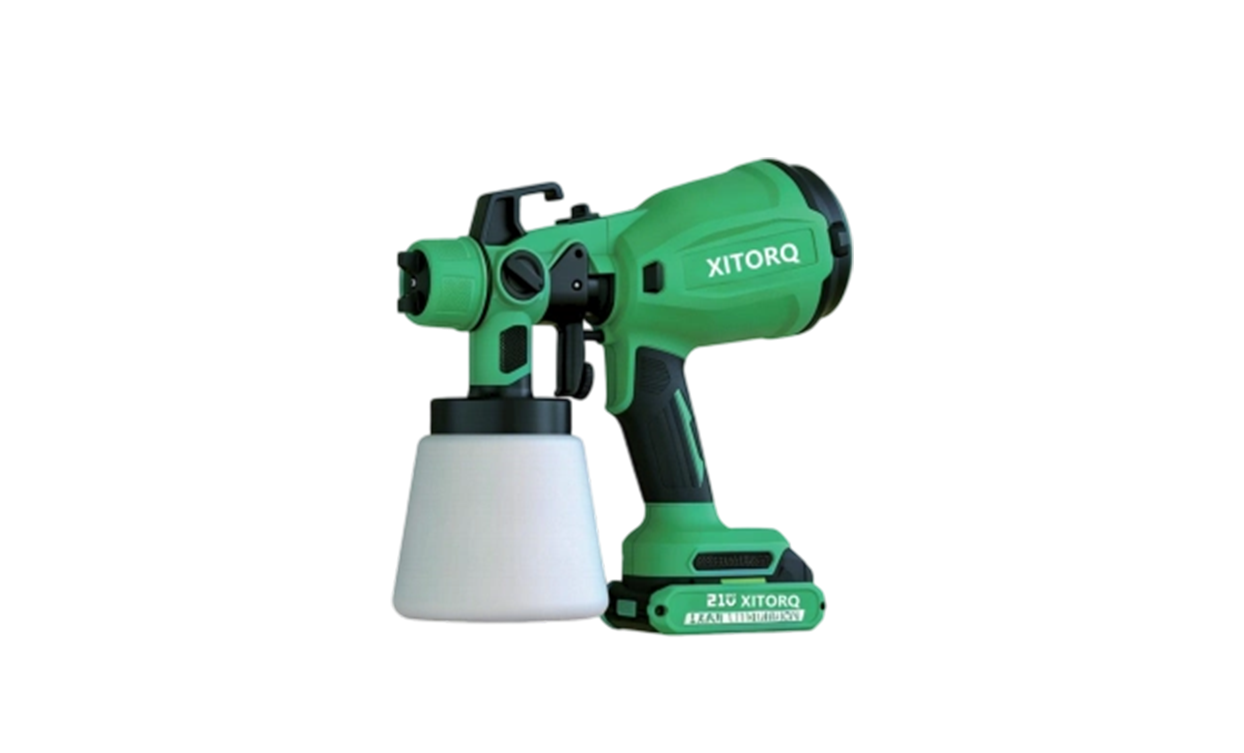
The 21V lithium-ion spray gun MT is an industrial-grade cordless spray gun from the Xiaojia brand. Featuring an upgraded brushless motor with enhanced...
See Details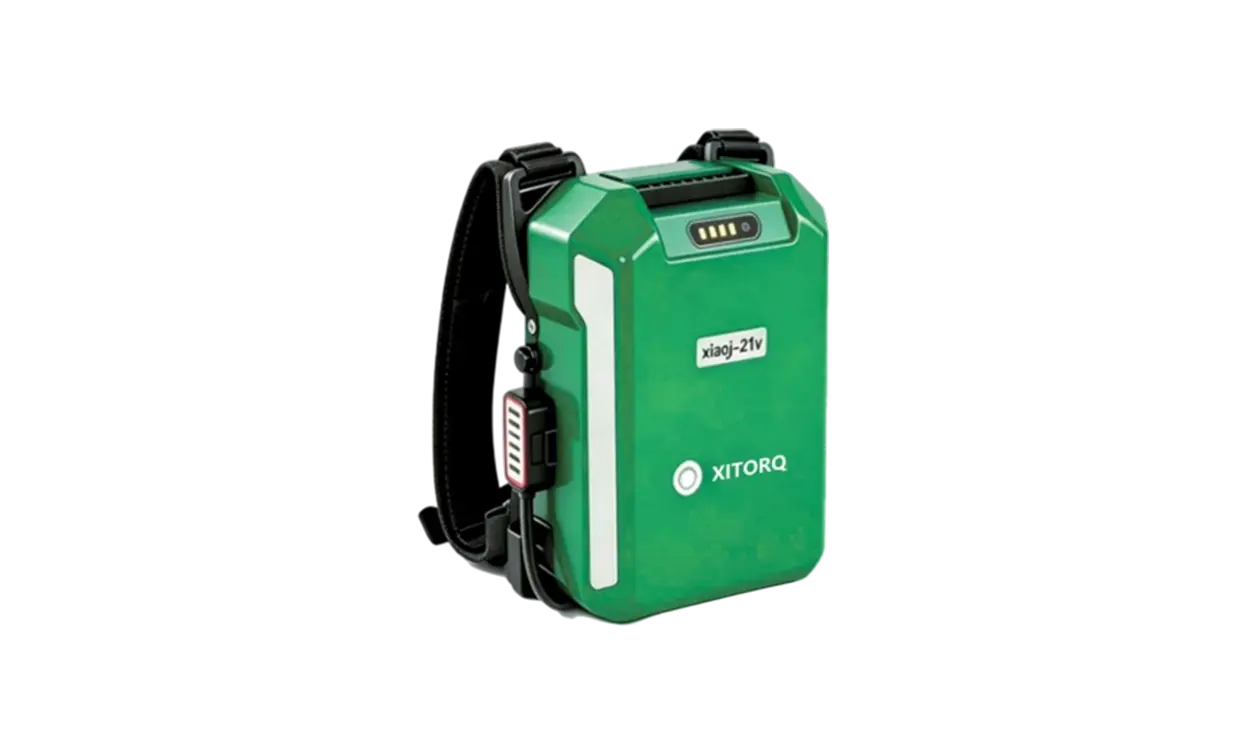
This backpack lithium battery pack is a large-capacity portable power supply designed for extended continuous operation of power tools. Using high-rat...
See Details
Copyright © by Hangzhou Xinabo Intelligent Electromechanical Technology Co., Ltd Rights Reserved. Pipe Threaders Manufacturers
