
 English
 Español
 عربى
عربى


Frequency Conversion Metal Cold Cutting Saw
1. Next generation performance, delivering over 3,500 precise cuts with every blade 2. Intelligent Motor Technology 3. Precision Shadow Line Guide 4. ...
See Details
Content
You are roughing in fire sprinkler lines on the fourth floor of a building that has no permanent power supply. The extension cord from the temporary panel snags on scaffolding every few minutes, and by 2:00 p.m. your last charged tool battery is dead. A backpack lithium battery pack solves this specific problem: you carry the energy on your back, plug in a compatible cordless tool, and keep working through the shift. Note that this is not a small power bank for charging phones on a hiking trail; this is a jobsite-grade battery built to run cordless power tools.
This guide focuses on the two decisions that determine whether a backpack lithium battery pack will work for you: voltage compatibility and capacity, plus the comfort, safety, and cost factors to check before spending the money.
A backpack lithium battery pack is a large-capacity lithium-ion battery built into a wearable frame with padded shoulder straps and a waist belt. Unlike a portable power station that outputs AC power, it delivers DC power directly to compatible cordless tools through a cable. That means no inverter losses, no generator noise, and no extension cord running across a jobsite.
For pipe fitters, HVAC installers, and fire protection contractors, the practical effect is simple. You stop working around the charge limit of a single 4Ah battery and start working around your own endurance. Instead of carrying six small batteries in a tool bag, you carry the equivalent of eight to ten of them in one pack on your back.
Before looking at capacity, confirm the voltage class of the tools you plan to power. Match the pack to the tool. Using the wrong voltage can trip the tool's protection circuit, cause it to stop mid-cut, or damage the electronics in a tool that lacks overvoltage protection.
Most cordless tools on a commercial jobsite run on 21V nominal. Brushless angle grinders, circular saws, hammer drills, and impact wrenches all fall into this category. A 21V backpack pack is the straightforward choice if your kit is built around standard cordless tools.
High-output tools such as larger chainsaws and heavy-duty grinders often run at 60V. Some backpack lithium battery packs support both 21V and 60V by switching the output voltage, letting one pack serve a mixed fleet. If you own tools in both voltage classes, confirm that the pack explicitly lists this switching capability rather than assuming it from the word "compatible."
Capacity in ampere-hours tells you how much energy the pack stores. A 20Ah pack already holds about four to five times the energy of a standard 4Ah tool battery. A 30Ah pack pushes that further, which matters most on long, continuous tasks like cutting heavy-wall steel pipe.
| Factor | 20Ah Pack | 30Ah Pack |
|---|---|---|
| Energy storage | 20 ampere-hours | 30 ampere-hours |
| Best fit | Daily installs, maintenance, short bursts | Full-day fabrication, remote field work |
| Carried weight | Lighter, less fatigue | Heavier, more endurance |
| Recharging rhythm | Once or twice per day | Usually once per day |
| Example task | Threading and cutting on one floor | All-day grinding or cutting away from power |
For most crews, the 30Ah version pays off when the closest outlet is far from the work area and charging breaks are not an option. An example is the backpack lithium battery pack with 20Ah and 30Ah options, which powers multiple 21V and 60V tools and lets you choose between a lighter carry and maximum runtime depending on the day.
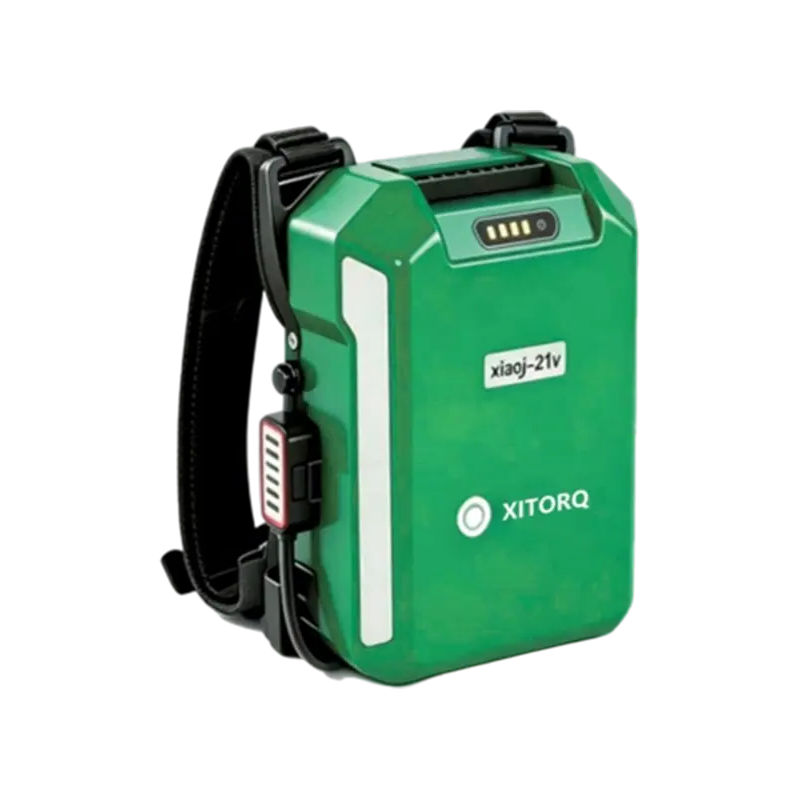 Backpack Lithium Battery Pack — 20Ah/30Ah, Powers Multiple 21V-60V Tools SimultaThis backpack lithium battery pack is a large-capacity portable power supply designed for extended continuous operation of power tools. U...View Product →
A backpack battery is useful only if it runs the tools your crew actually carries. The most common matches are brushless angle grinders, circular saws, chainsaws, rotary hammers, and hammer drills.
Consider cutting work. A 21V brushless angle grinder with a 100mm disc can cut steel pipe, rebar, and threaded rod continuously without the torque fade you feel as a compact battery drains.
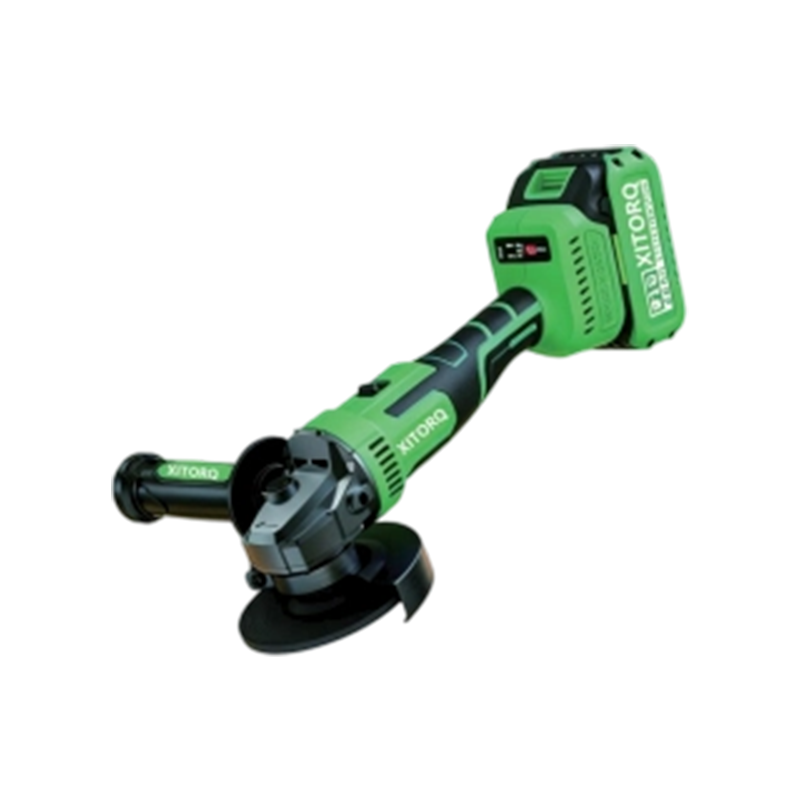 XJ.908 21V Lithium-Ion High-Magnetic Brushless Angle Grinder — 100mm Disc, CuttiThe XJ.908 21V lithium-ion high-magnetic brushless angle grinder is an industrial-grade grinder from the Xiaojia brand. Featuring a high-...View Product →
For straight cuts in sheet metal and smaller profiles, a 21V brushless circular saw with a 140mm blade covers those cuts without pulling out a second power source.
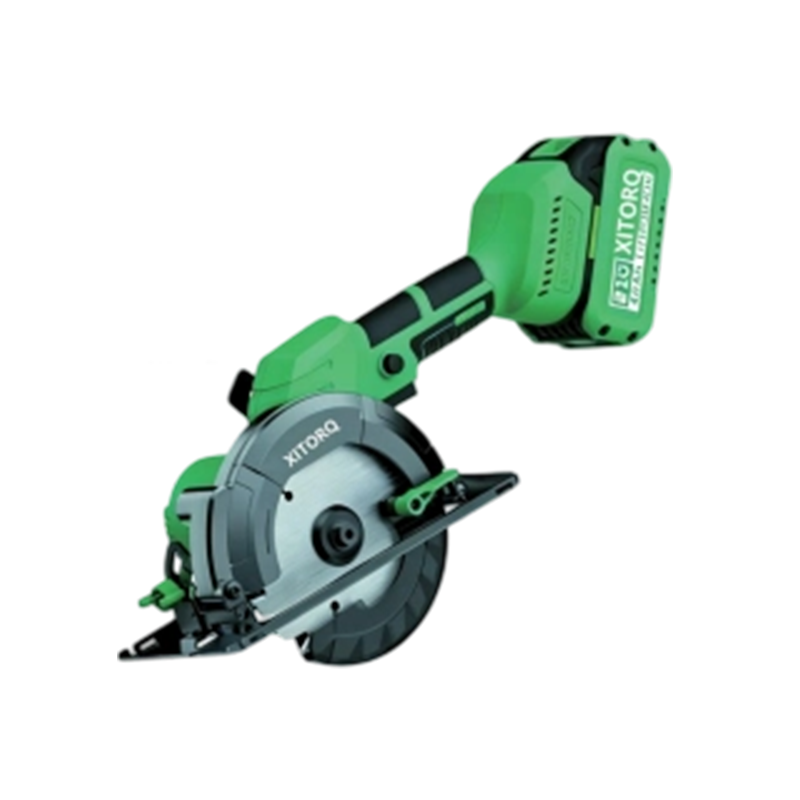 XJ.853 21V Lithium-Ion High-Magnetic Brushless Circular Saw — 140mm Blade with LThe XJ.853 21V lithium-ion high-magnetic brushless circular saw is an industrial-grade handheld circular saw from the Xiaojia brand. Feat...View Product →
Because the pack connects to one tool at a time, working with a backpack battery also changes how you sequence tasks. Many contractors keep the grinder on the cable for the heaviest part of the day and switch to the saw or hammer drill when the cutting load drops. The switch takes seconds, and it keeps the crew productive instead of taking turns with a single charged battery.
A high-capacity pack is only productive if your crew will actually wear it. The harness matters as much as the cells. Look for wide padded shoulder straps, a waist belt that transfers load to the hips, and a pack profile that does not catch on doorways or scaffolding.
Weight distribution is more important than raw weight. A 20Ah pack worn close to the body feels lighter than a poorly balanced 12Ah pack swinging on a single strap. Test the fit with your usual work vest, harness, or fall-protection gear before committing. If the pack you are evaluating comes in two capacities, try both with the batteries installed; the weight difference is usually only a few kilograms, but the balance may feel completely different.
A backpack lithium battery pack stores enough energy to run heavy tools for hours, which means protection circuitry is not optional. The battery management system should handle overcurrent protection, over-discharge cutoff, cell balancing, and temperature monitoring. When you run an angle grinder continuously in warm weather, thermal management becomes the difference between a pack that serves you for years and one that fails within months.
Also check the enclosure and cable connector. A jobsite is rough on equipment. The pack needs a durable shell, a connector with strain relief, and a cable rated for bending and abrasion. If the pack will be used outdoors in rain or near wet concrete, confirm the ingress protection rating as well.
The cost case is straightforward. If two workers each spend 30 minutes per day swapping batteries, walking to the charger, and waiting for a charge, that is one lost man-hour every day. Across a six-month job, that is over 120 hours of paid time spent on battery logistics. A backpack lithium battery pack removes most of that, and it also removes the temptation to run a damaged battery past its safe limit just to avoid a trip back to the tool trailer.
In practice, the right capacity and voltage depend on the tools you already own and the distance between the work area and the nearest outlet. XINABO's contractor power solutions walk through how crews pair these packs with the rest of their equipment. The contact team can also size a kit around your specific job and daily workload.
Choosing a backpack lithium battery pack comes down to three questions. Is the voltage compatible with your tools? Is the capacity enough for a full workday? And will the harness stay comfortable after several hours? Answer those honestly, and the pack stops being an accessory and becomes part of the crew's daily kit.
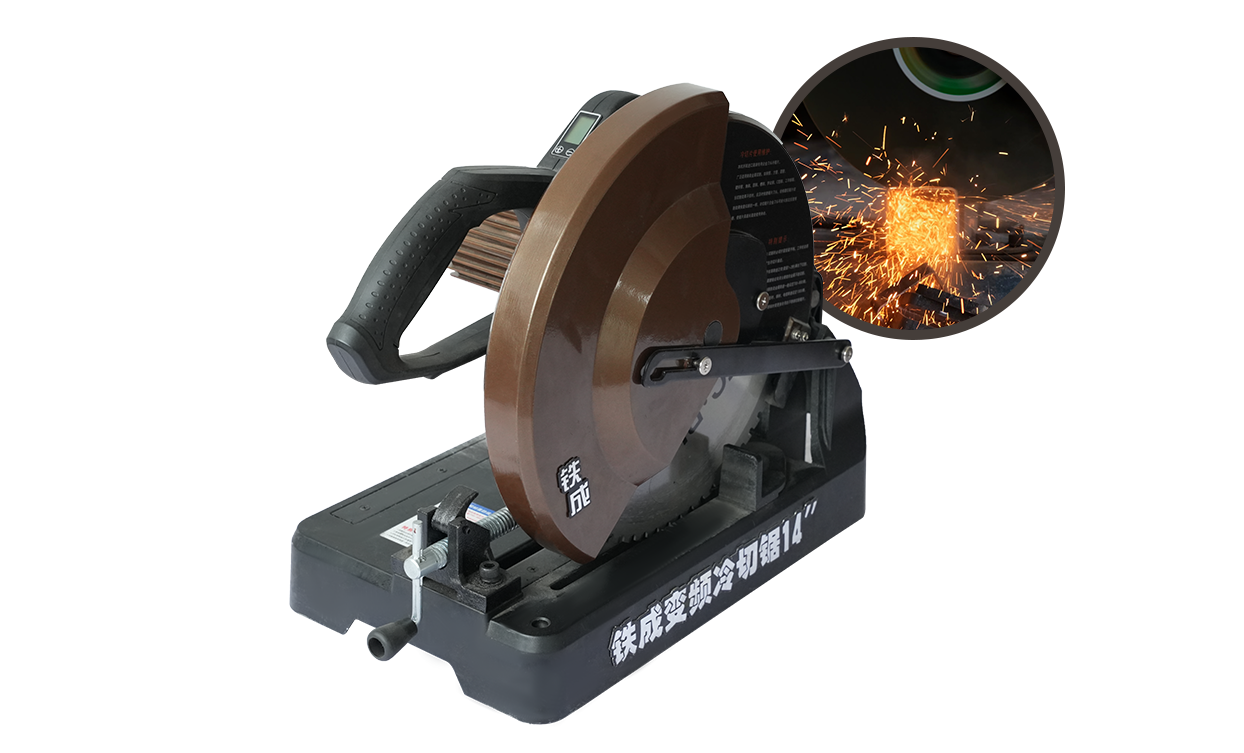
1. Next generation performance, delivering over 3,500 precise cuts with every blade 2. Intelligent Motor Technology 3. Precision Shadow Line Guide 4. ...
See Details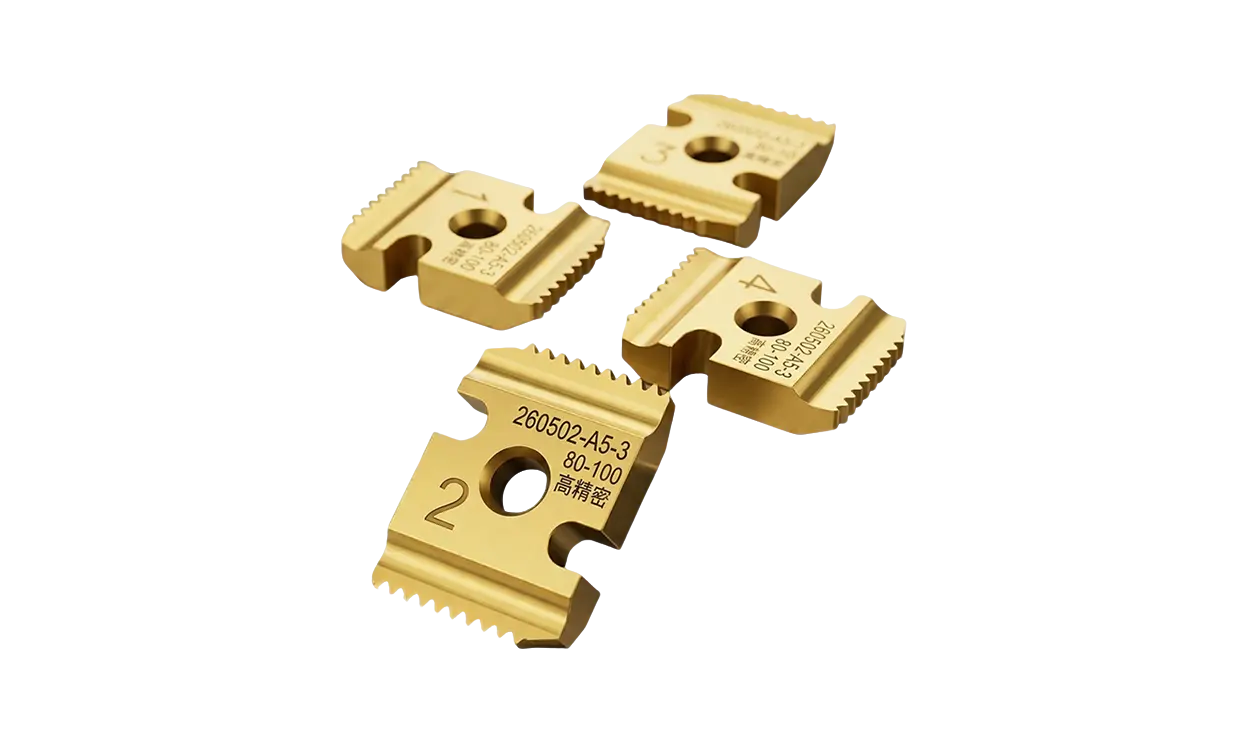
Specialized Compatibility: Exclusively designed for intelligent threading machines, the dies feature a high precision-machined structure that perfectl...
See Details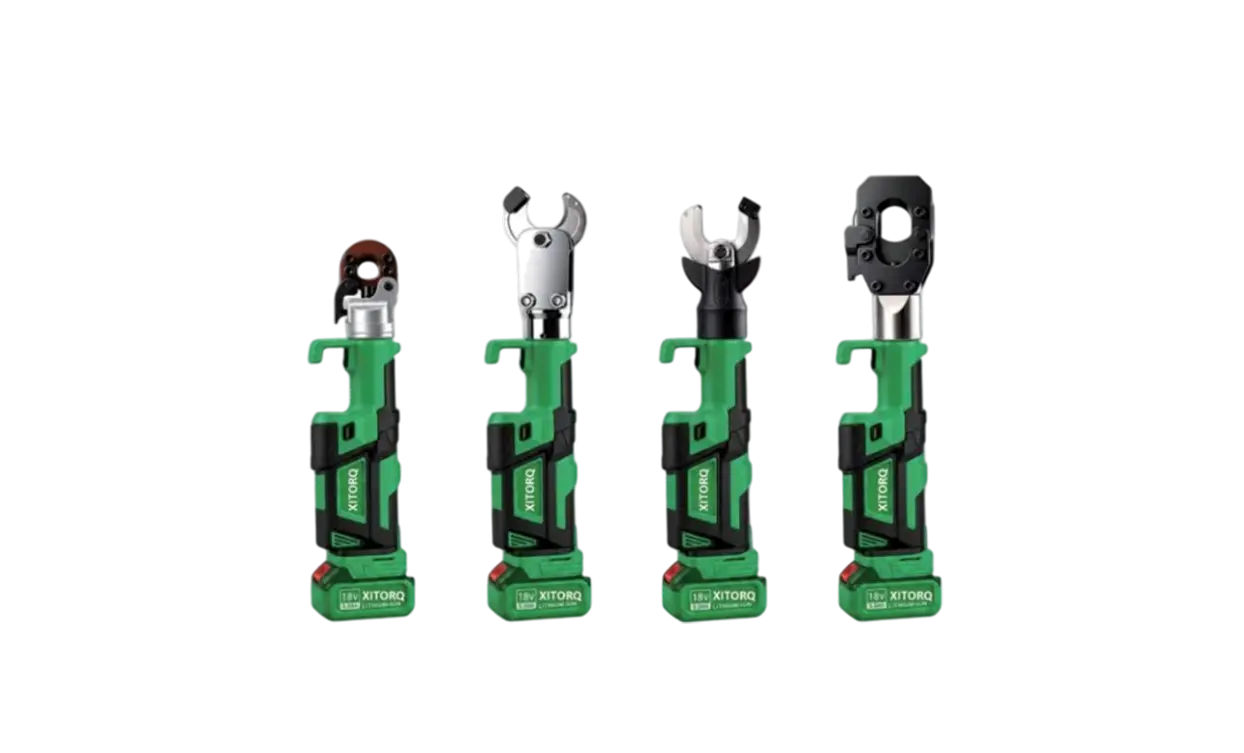
This 18V lithium-ion industrial cable cutter is a professional tool designed for large-diameter cable cutting. It features a brushless lithium-ion pow...
See Details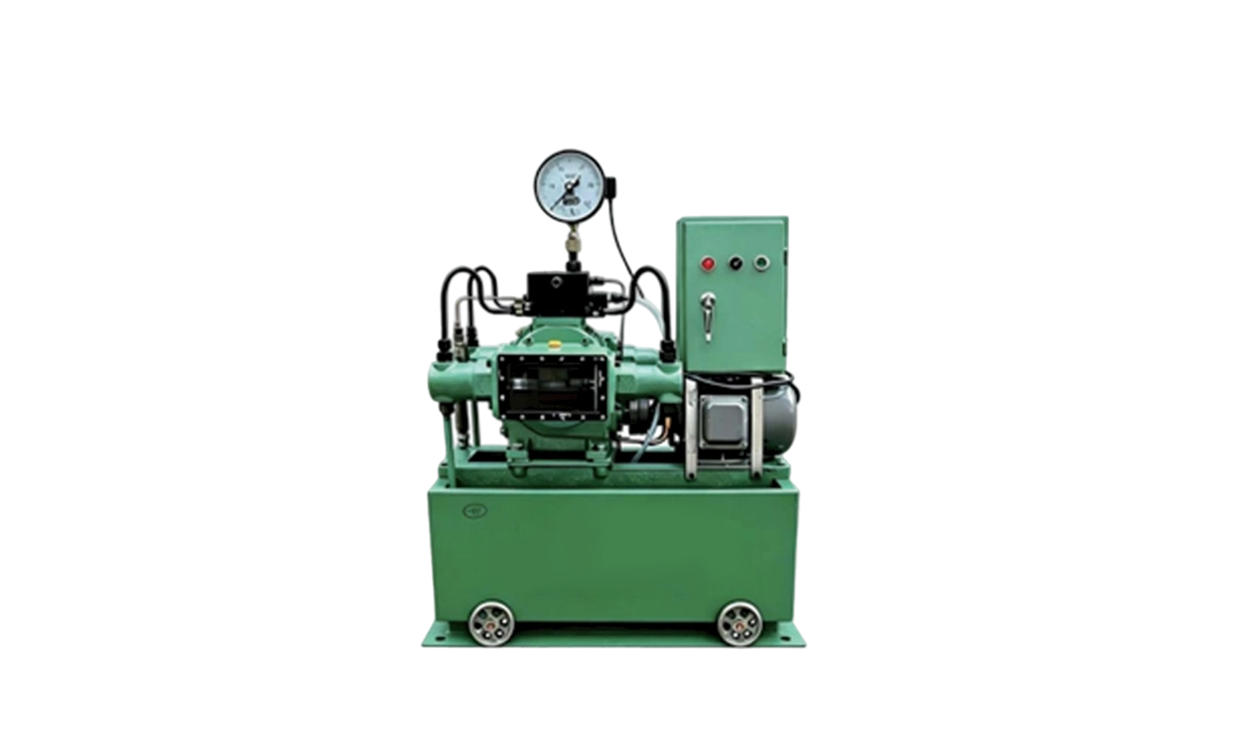
This 380V electric pressure test pump is a professional device designed for hydrostatic pressure testing and leak detection of pipes, valves, pressure...
See Details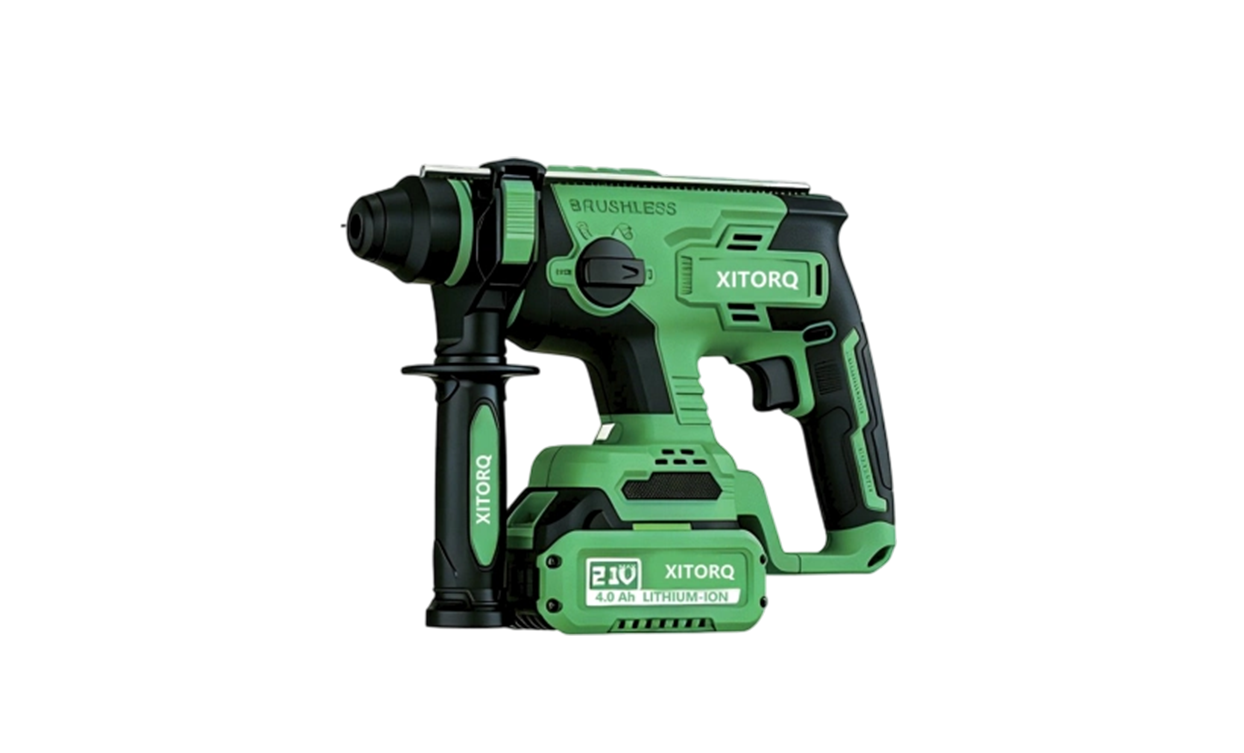
The XJ.709 21V lithium-ion high-magnetic brushless rotary hammer is an industrial-grade hammer from the Xiaojia brand. Equipped with a high-magnetic b...
See Details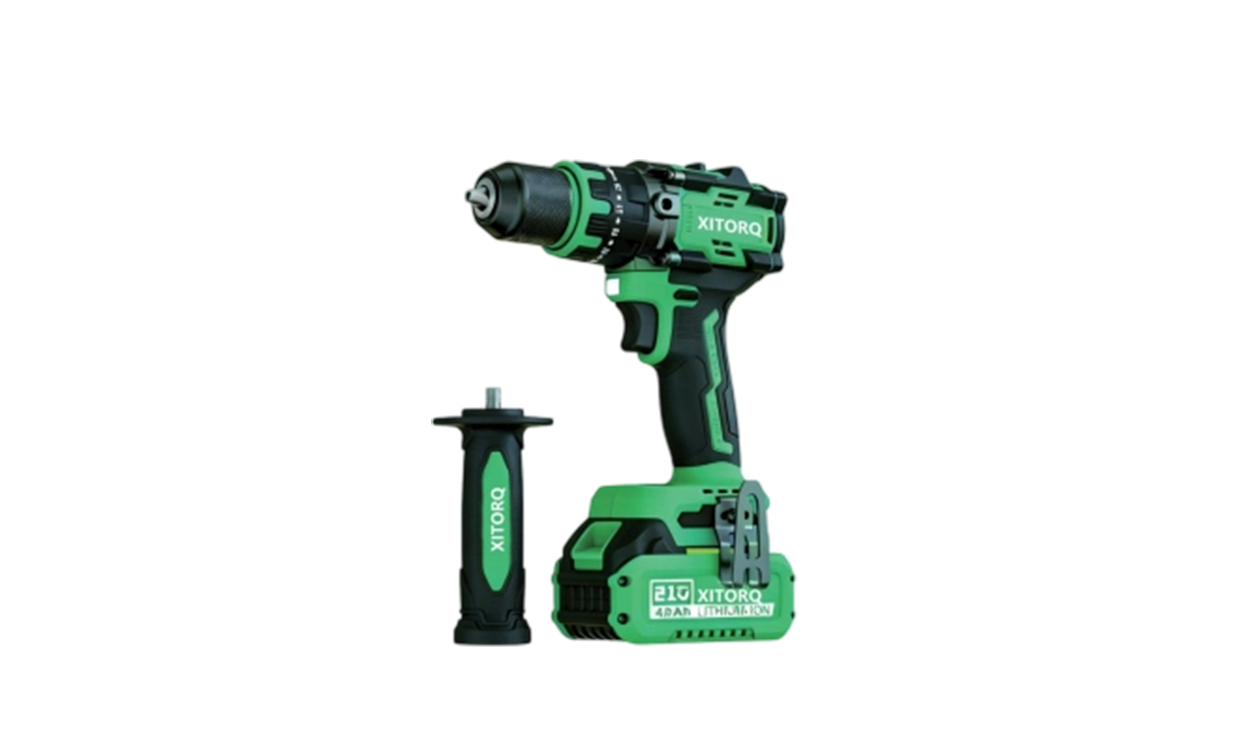
The XJ.608 21V lithium-ion brushless hammer drill/driver is a versatile industrial-grade cordless drill from the Xiaojia brand. Featuring a brushless ...
See Details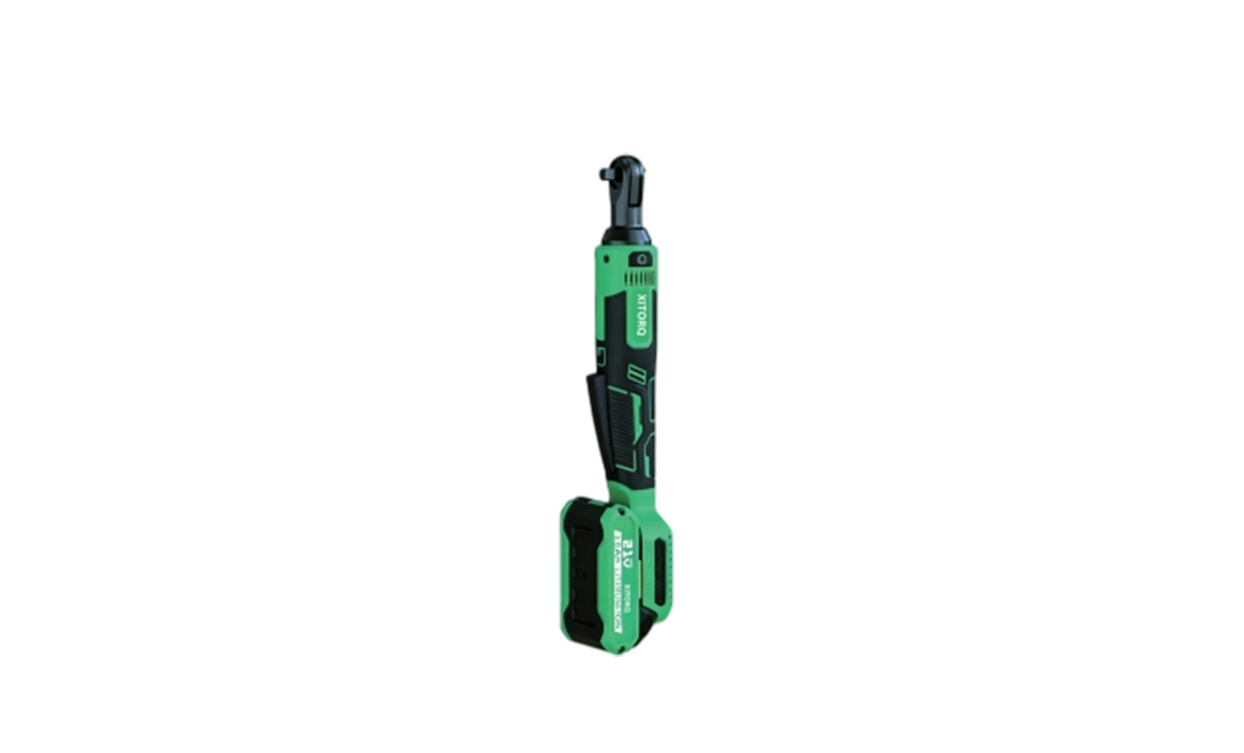
The XJ.592 16V brushless angle ratchet wrench is a compact industrial-grade ratchet from the Xiaojia brand. Equipped with a 16V brushless motor and an...
See Details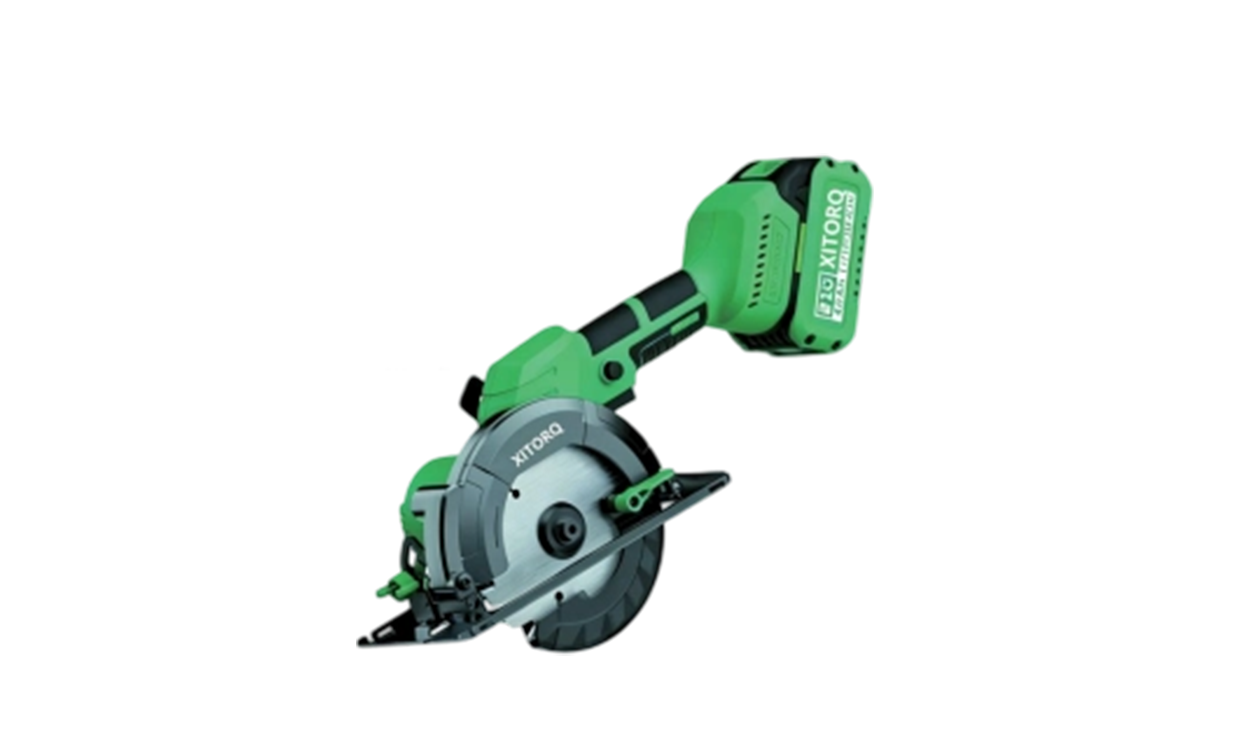
The XJ.853 21V lithium-ion high-magnetic brushless circular saw is an industrial-grade handheld circular saw from the Xiaojia brand. Featuring a high-...
See Details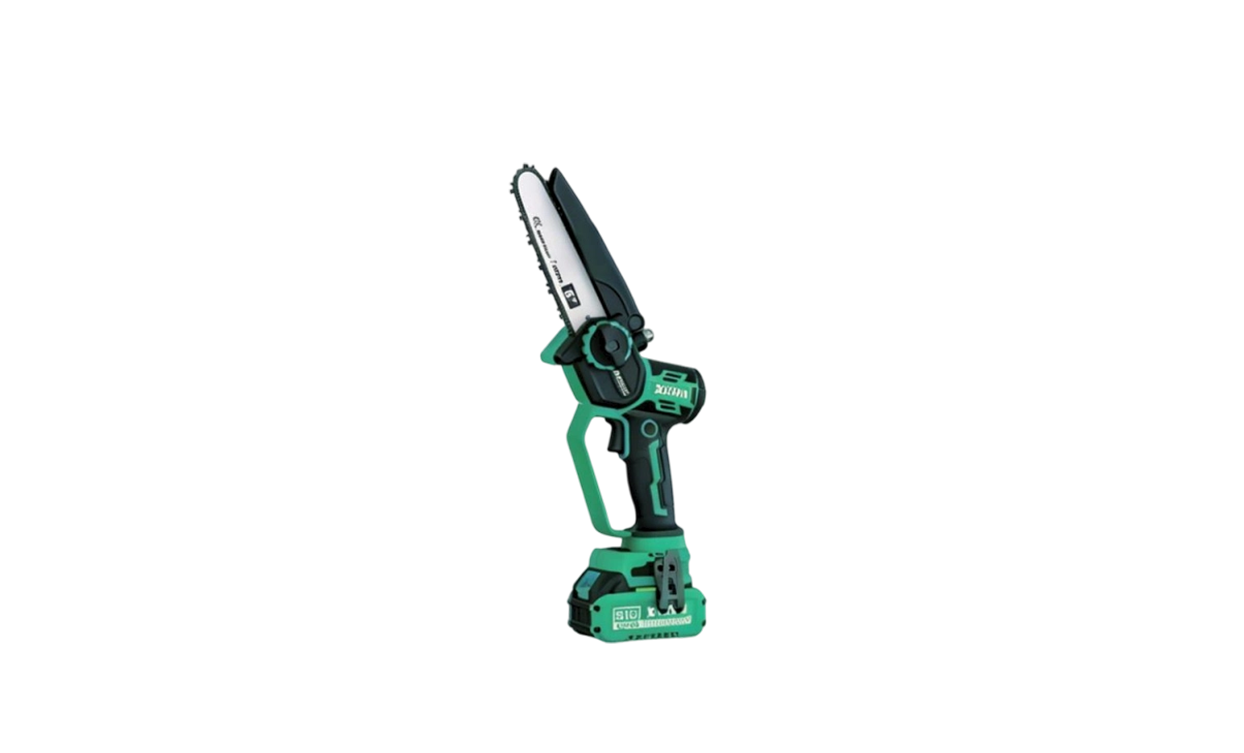
The XJ.206 16V 6" brushless electric chainsaw is a mid-sized lithium-ion chainsaw from the Xiaojia brand. Powered by a 16V brushless motor with a 6" g...
See Details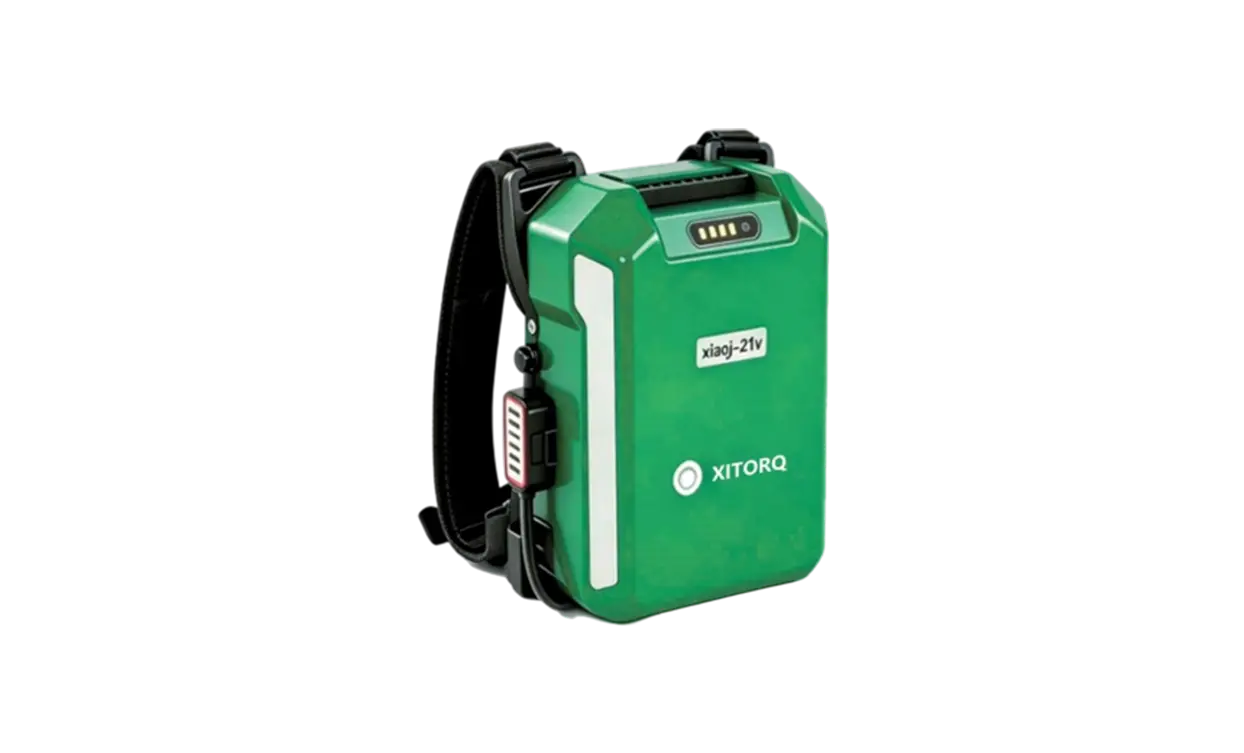
This backpack lithium battery pack is a large-capacity portable power supply designed for extended continuous operation of power tools. Using high-rat...
See Details
Copyright © by Hangzhou Xinabo Intelligent Electromechanical Technology Co., Ltd Rights Reserved. Pipe Threaders Manufacturers