
 English
 Español
 عربى
عربى


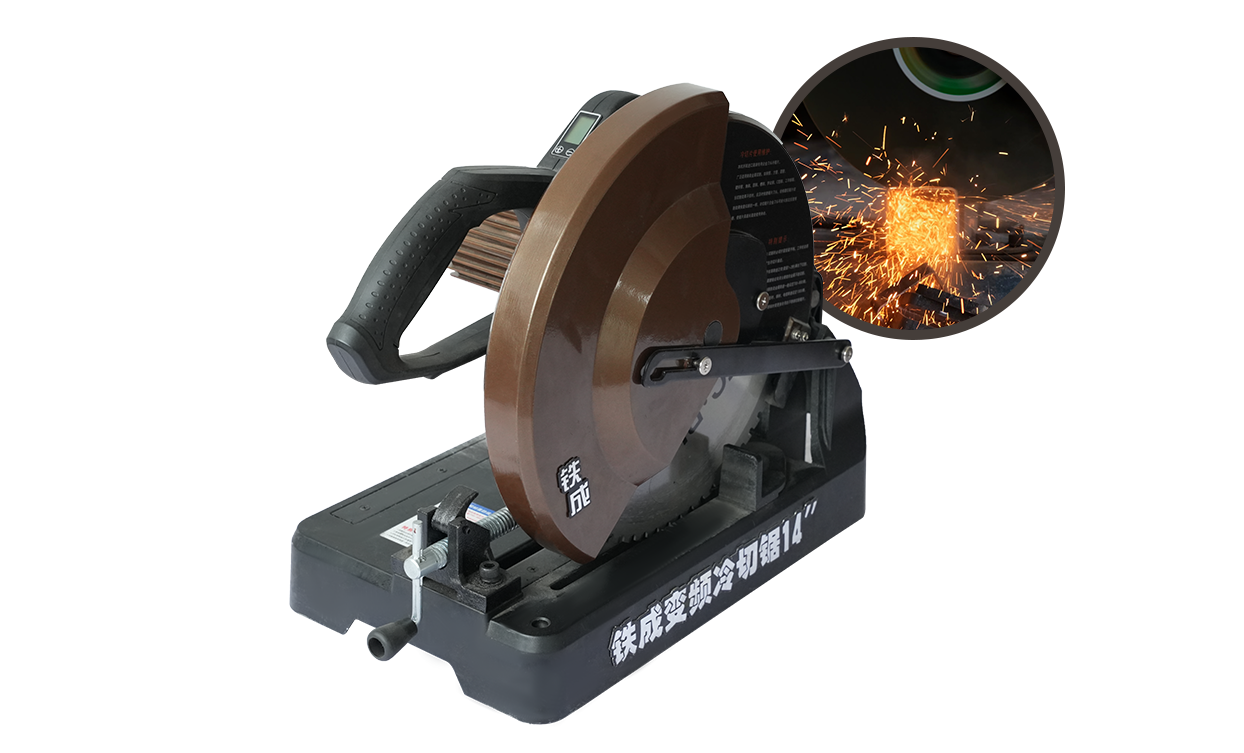
Frequency Conversion Metal Cold Cutting Saw
1. Next generation performance, delivering over 3,500 precise cuts with every blade 2. Intelligent Motor Technology 3. Precision Shadow Line Guide 4. ...
See Details
Content
A brushless circular saw is the right choice for anyone who uses a cordless saw on a regular basis, because the brushless motor removes the most common failure point in power tools. Brushed motors depend on carbon brushes that wear out, heat up and lose torque over time. A brushless motor replaces those mechanical parts with an electronic controller, which keeps the tool cooler, delivers consistent torque under load and extends the motor's service life. The higher purchase price pays back in longer component life, better runtime from every battery and fewer mid-job tool failures.
The harder decision is choosing among the available configurations. Motor quality, battery platform, blade diameter, maximum depth of cut, safety features and ergonomics all differ from model to model, and each of these variables changes how the saw performs in actual pipe fabrication, framing, or general construction work.
In a brushed motor, current reaches the rotor windings through carbon brushes that press against a spinning commutator. Friction wears the brushes, produces heat and limits peak torque. A brushless motor eliminates that mechanical contact entirely: the electronic controller switches current between stator coils in sequence, which means there are no brushes to replace and no commutator to wear down.
For a circular saw, the practical gains are threefold. First, torque stays strong when the blade is under load, so the saw does not slow down as much when cutting dense material. Second, less energy is wasted as heat, which improves runtime on the same battery. Third, the motor itself can be built smaller and lighter while producing the same output, which helps keep the whole saw compact and controllable.
The trade-off is price. A brushless saw costs more because the controller and stator windings are more complex to manufacture. If the saw is used only a few times per month, a brushed model remains a reasonable option. But for daily site use or production work, the brushless version is the safer long-term investment.
Most battery-powered circular saws belong to one of three nominal voltage classes: 18V, 20V or 21V. The voltage label is less important than the battery pack's discharge capability and capacity. A high-current 18V pack can outperform a weak 21V pack. When you evaluate a saw, check the battery's continuous discharge current and amp-hour rating, not just the tool's marketing voltage.
Amp-hours determine how many cuts you get from one charge. For site work, a 4Ah pack is about the practical minimum; a 5Ah or 6Ah pack gives a smooth full day when paired with an efficient brushless motor. The trade-off is weight, because larger packs are heavier and make the saw nose-heavy over extended use.
Crews that run several cordless tools across long shifts can avoid that trade-off with a wearable battery. For example, the 20Ah or 30Ah backpack lithium battery pack in Xinabo's cordless range powers a full set of 21V tools, so a circular saw can run for extended periods without clipping a heavy pack onto the tool itself. That setup is particularly useful in pipe prefabrication work, where crews move continuously between cutting, threading and assembly stations.
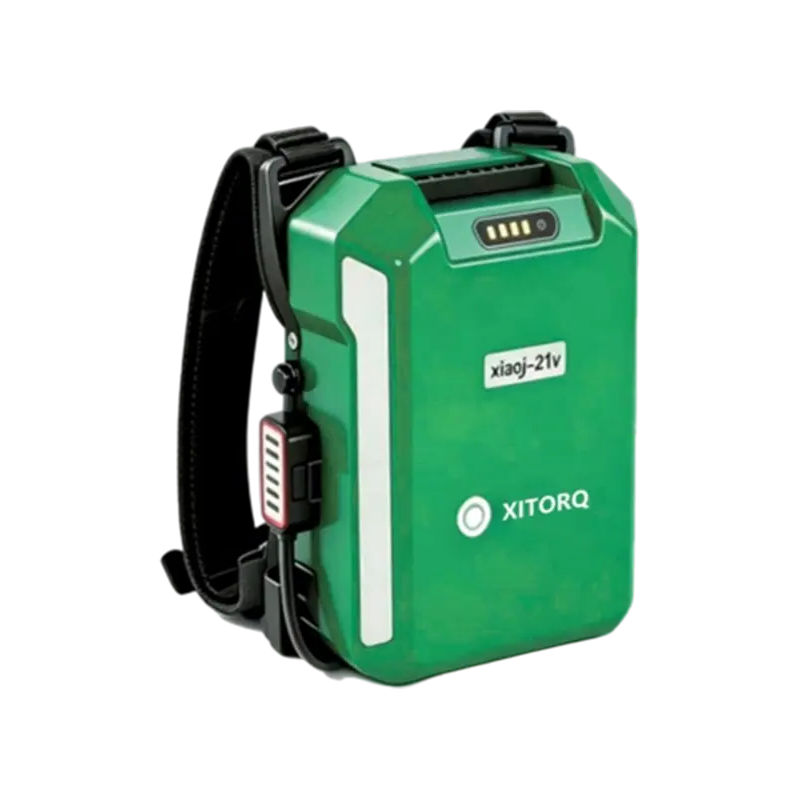 Backpack Lithium Battery Pack — 20Ah/30Ah, Powers Multiple 21V-60V Tools SimultaAs top Backpack Lithium Battery Pack — 20Ah/30Ah, Powers Multiple 21V-60V Tools Simultaneously Suppliers and Company in China, Hangzhou X...View Product →
Blade diameter is the first specification to check, because it sets the depth of cut and the range of material the saw can handle. A compact brushless saw with a 140mm blade is well suited to pipe and light metal work: it can cut through EMT conduit, strut channel, angle iron and relatively small-diameter steel pipe when fitted with a recommended blade. A full-size saw with a 190mm-class blade reaches deeper and handles thick lumber, but the added weight and larger footprint make it harder to control in tight spaces.
| Specification | 140mm compact | 190mm full-size |
|---|---|---|
| Typical 90-degree cut depth | Up to about 50mm | Up to about 67mm |
| Typical 45-degree cut depth | Up to about 33mm | Up to about 47mm |
| Primary material focus | Pipe, conduit, strut, sheet metal | Lumber, thick stock, deep cuts |
| Working weight with battery | Often under 3.5kg | Typically 3.5 to 4.5kg |
Depth of cut is usually listed at both 90 degrees and 45 degrees. On a compact 140mm saw, a typical 90-degree depth of around 50mm covers schedule 40 pipe in the smaller diameters, conduit and angle iron. If most of your work is larger pipe or deep timber, move up to the bigger blade class. Also confirm the bevel capacity, because 45 degrees is common but 50 degrees gives useful extra flexibility for angled ends.
Beyond the motor and blade diameter, a few concrete details separate a comfortable brushless circular saw from one that slows your day down.
These details rarely appear in a specification table. Take time to handle the saw, test the guard action and confirm the weight is acceptable with the battery you plan to use.
A brushless circular saw earns its place on a pipe fabrication line when fitted with the right blade. For steel pipe, strut and rebar, choose a ferrous-metal cutting blade rated for the saw's no-load speed. For aluminum, copper, and plastic-coated pipe, use a non-ferrous blade with a higher tooth count. Most compact brushless saws run between 4500 and 5200 RPM, which suits these blade types well.
Secure the workpiece before every cut. A bench clamp or vise is essential when cutting round stock, because pipe tends to roll under blade pressure and a rotating steel pipe under a spinning blade is a serious hazard. Clamping is non-negotiable in a busy workshop.
For high-volume straight cuts, however, the handheld saw is not always the most productive option. A metal cold cutting saw that produces burr-free ends is usually the better tool for cutting large batches of pipe to a consistent square end before threading. Many fabricating shops use both: the cold saw at the bench, the brushless circular saw for field work and occasional cuts.
Crews end up choosing a brushless circular saw according to the work they do most often:
If the compact class fits your work, the 21V high-magnetic brushless circular saw with a 140mm blade from Xinabo deserves consideration. It uses a brushless motor in a lightweight body and runs on the same 21V battery system as Xinabo's other cordless tools, so you avoid committing to a separate battery platform.
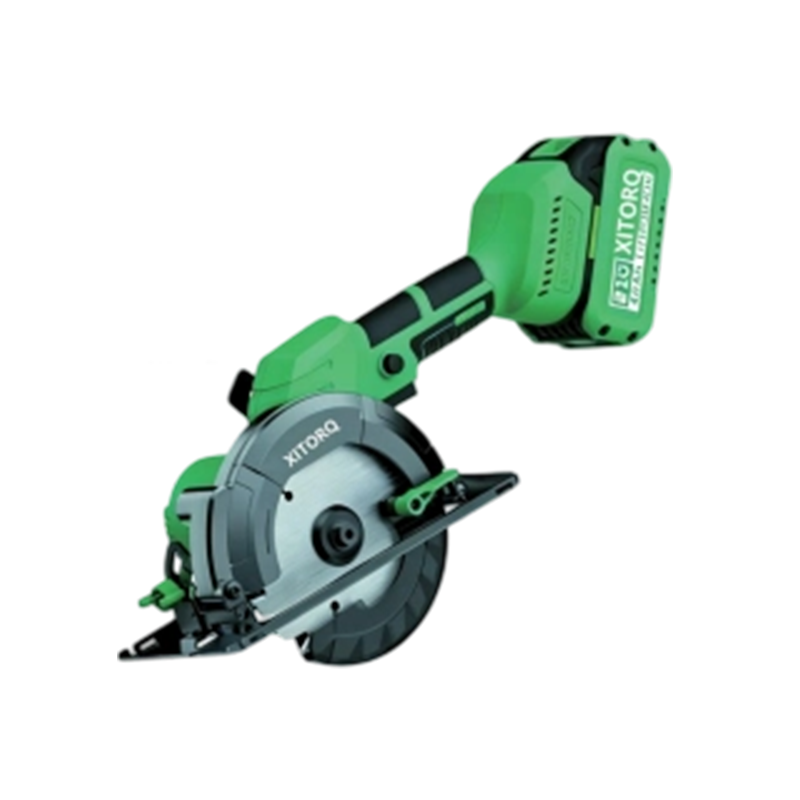 XJ.853 21V Lithium-Ion High-Magnetic Brushless Circular Saw — 140mm Blade with LAs top XJ.853 21V Lithium-Ion High-Magnetic Brushless Circular Saw — 140mm Blade with Laser Guide Line Suppliers and Company in China, Ha...View Product →
Buy a brushless circular saw when your work is regular enough that motor reliability and runtime directly affect your output. Match the battery platform to your broader tool system, pick the blade diameter according to the material you cut most, and verify the safety and ergonomic details in person before you commit. If you need a compact saw for pipe and light metal work that shares a battery platform with the rest of a pipe fabrication system, contact the Xinabo sales team for current specifications and configuration advice.
1. Next generation performance, delivering over 3,500 precise cuts with every blade 2. Intelligent Motor Technology 3. Precision Shadow Line Guide 4. ...
See Details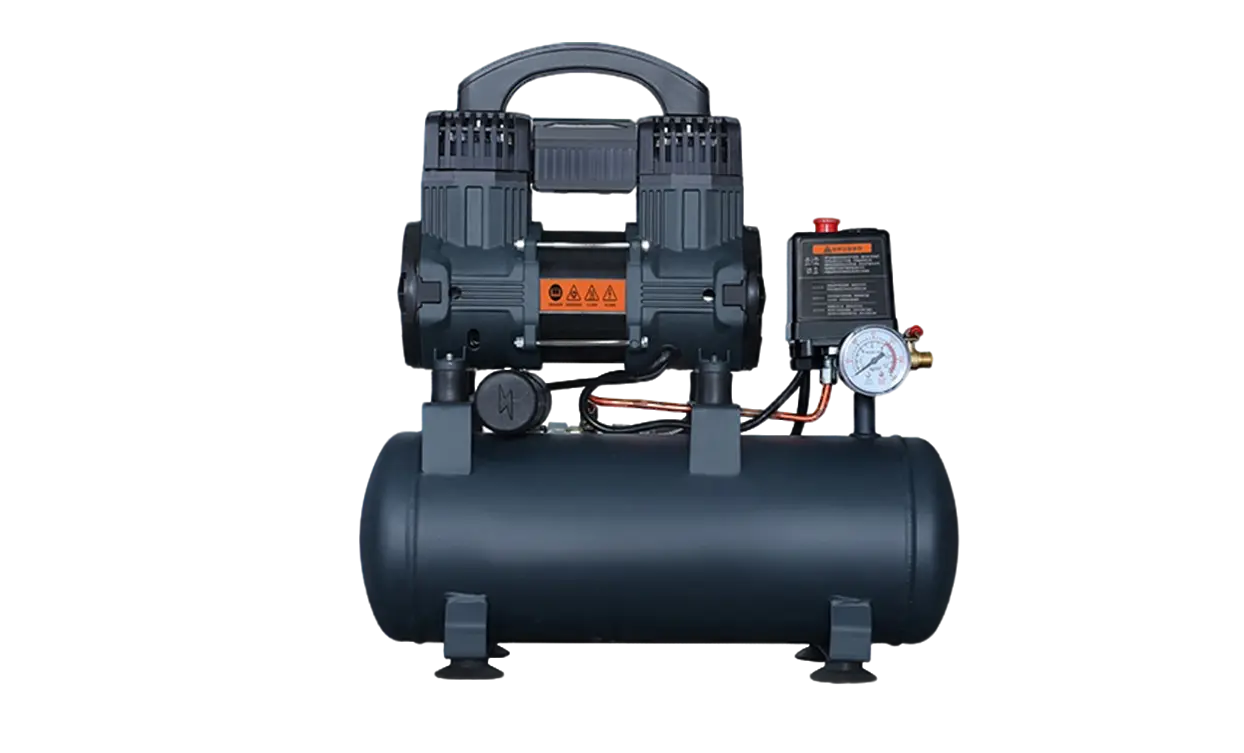
The F1200 Series Air Compressor is engineered for reliable, cost-effective compressed air supply, core to which are its high-efficiency oil-free desig...
See Details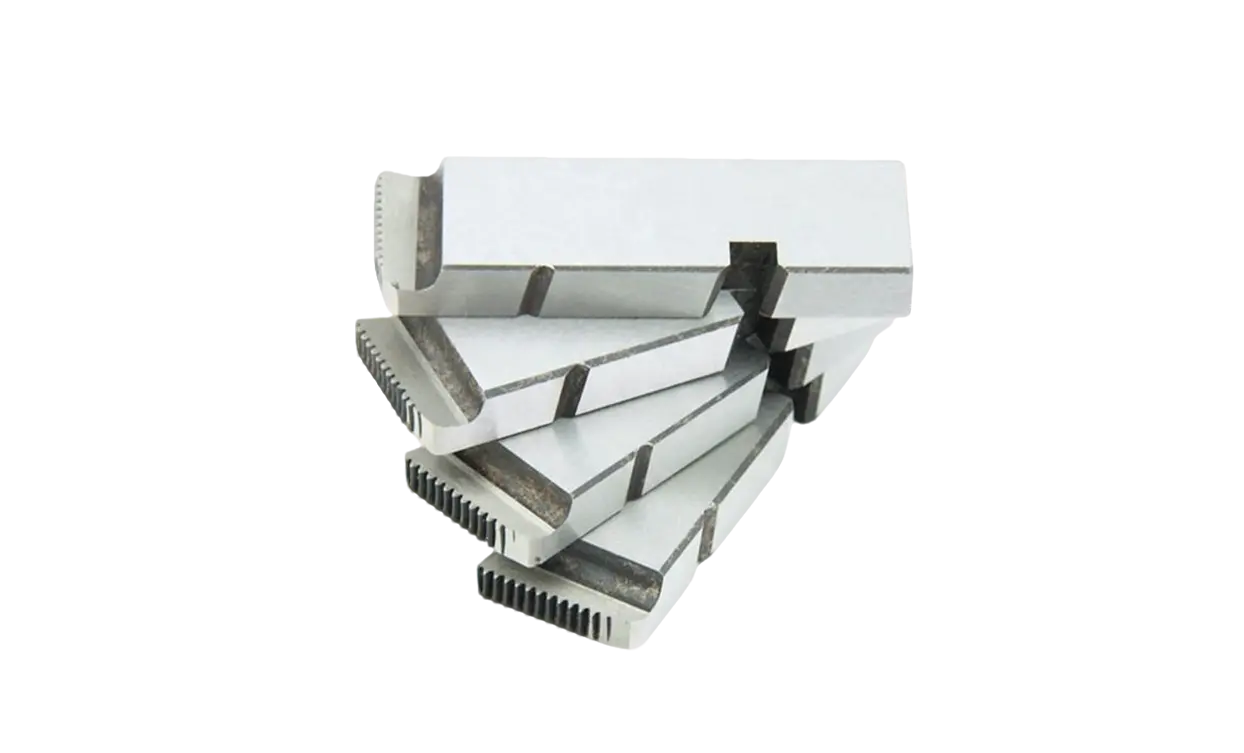
Core Material & Performance: Crafted from high-speed steel (HSS), the threading dies feature excellent hardness, wear resistance and heat resistan...
See Details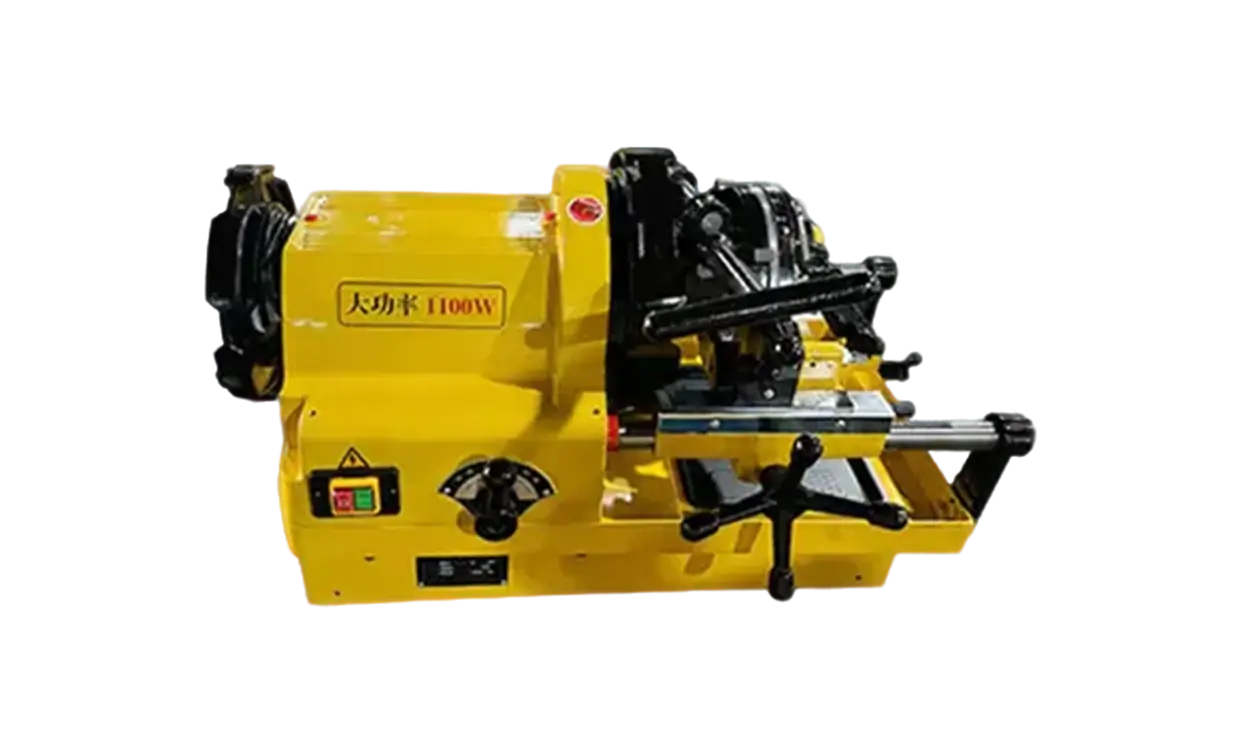
This SQ100 4-inch 15-100mm dual-speed electric pipe threading machine is engineered for precise and efficient pipe threading operations, with a workin...
See Details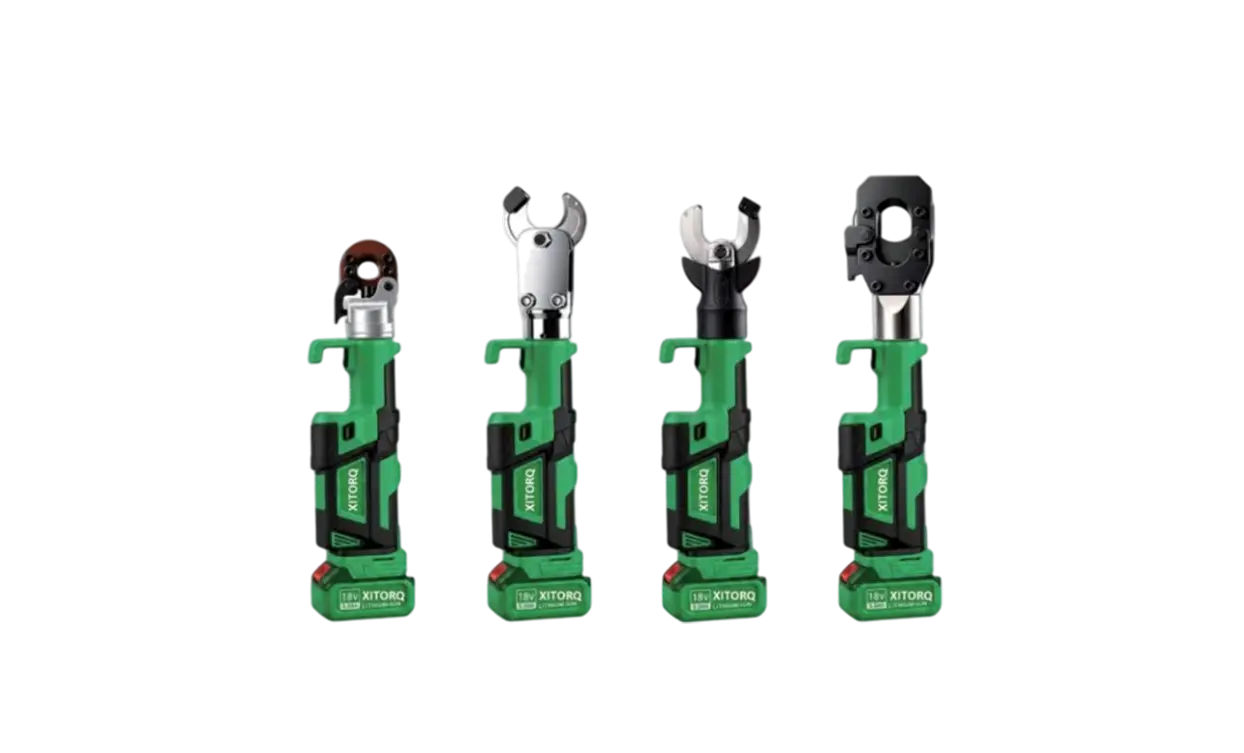
This 18V lithium-ion industrial cable cutter is a professional tool designed for large-diameter cable cutting. It features a brushless lithium-ion pow...
See Details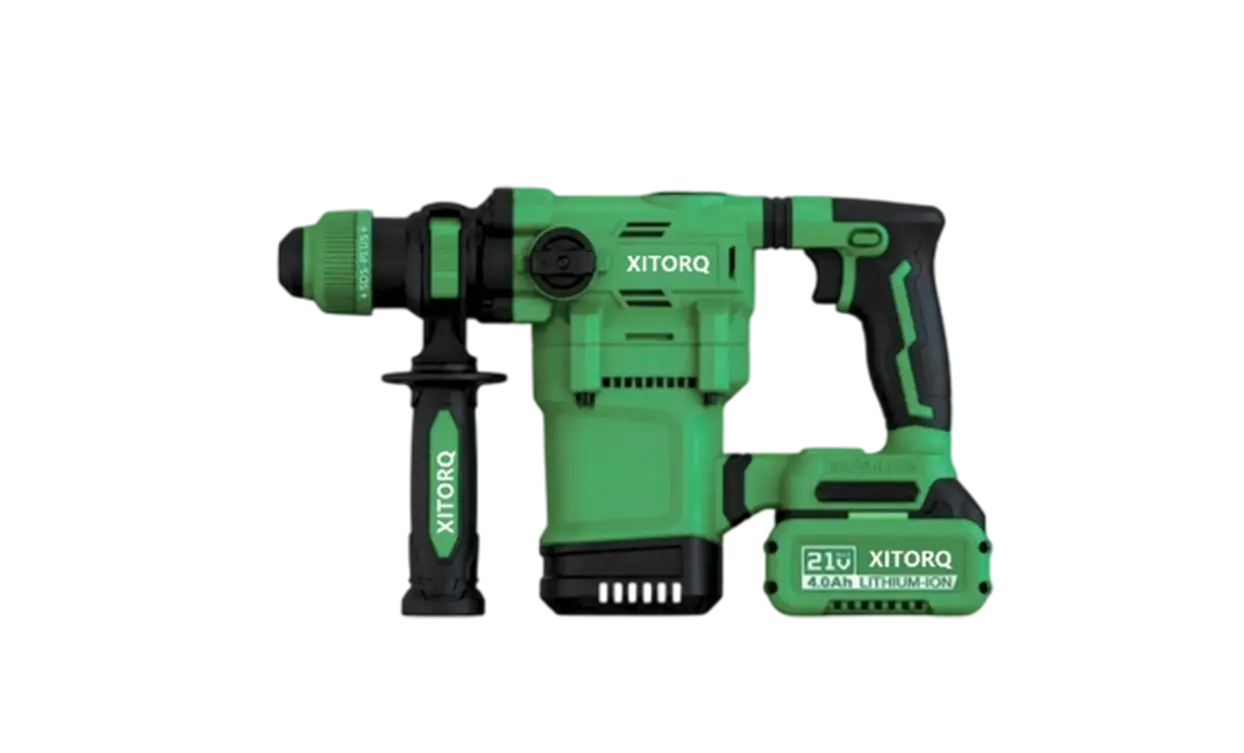
This 21V lithium-ion brushless rotary hammer is an industrial-grade tool designed for drilling and chiseling in concrete, stone, and other hard materi...
See Details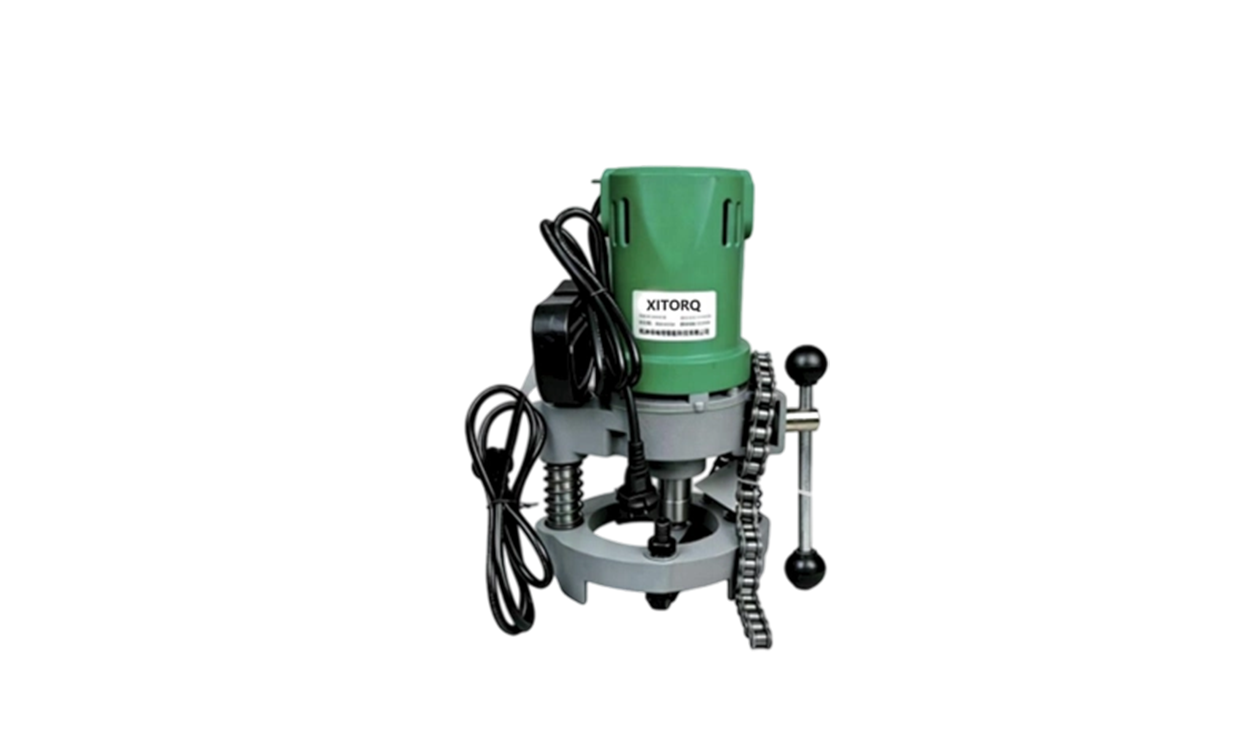
This 220V Fire Pipe Drilling Machine is a professional device designed for hole cutting on fire protection and plumbing pipes. Powered by a 220V indus...
See Details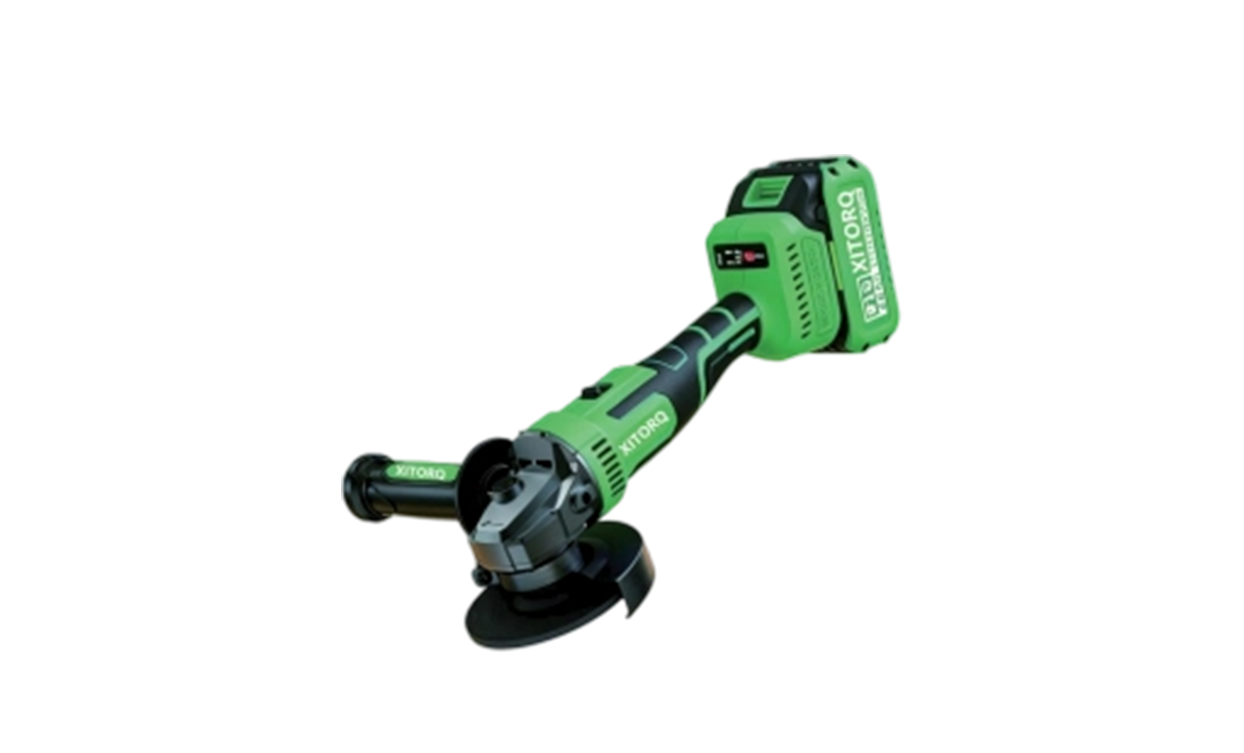
The XJ.908 21V lithium-ion high-magnetic brushless angle grinder is an industrial-grade grinder from the Xiaojia brand. Featuring a high-magnetic brus...
See Details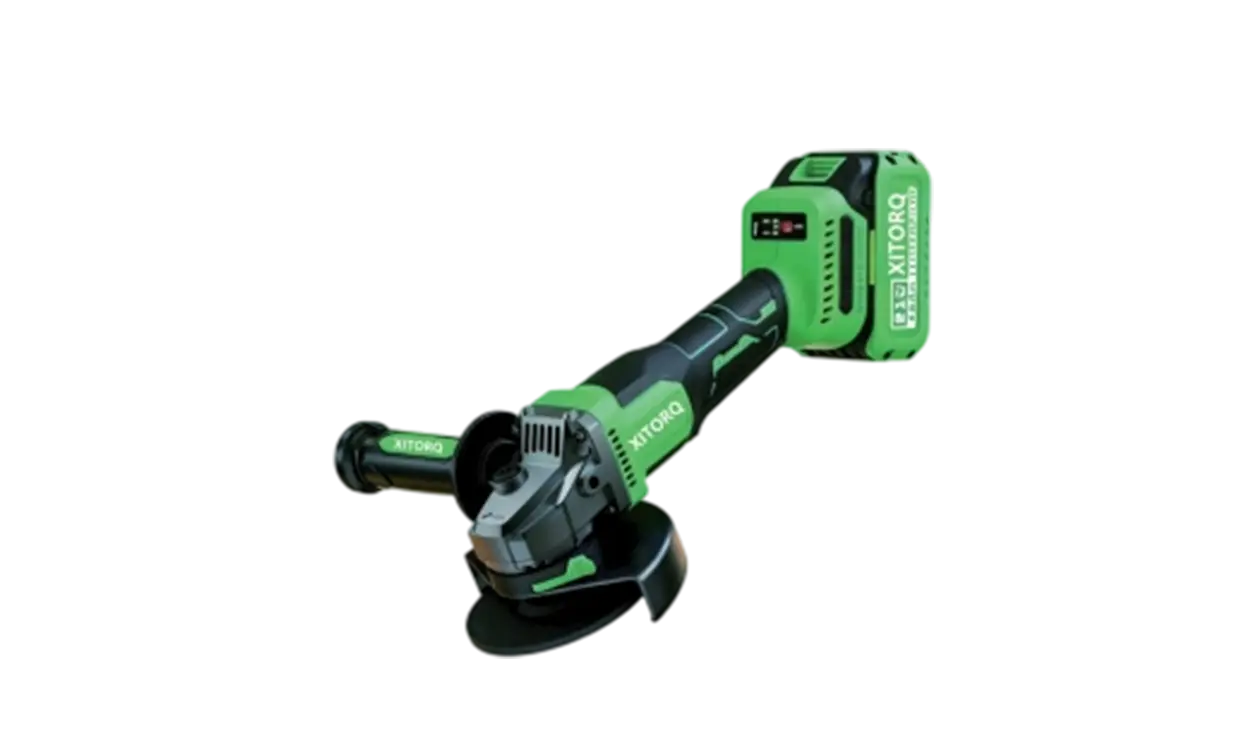
The XJ.918 21V lithium-ion high-magnetic brushless angle grinder is a heavy-duty industrial-grade grinder from the Xiaojia brand. Featuring an upgrade...
See Details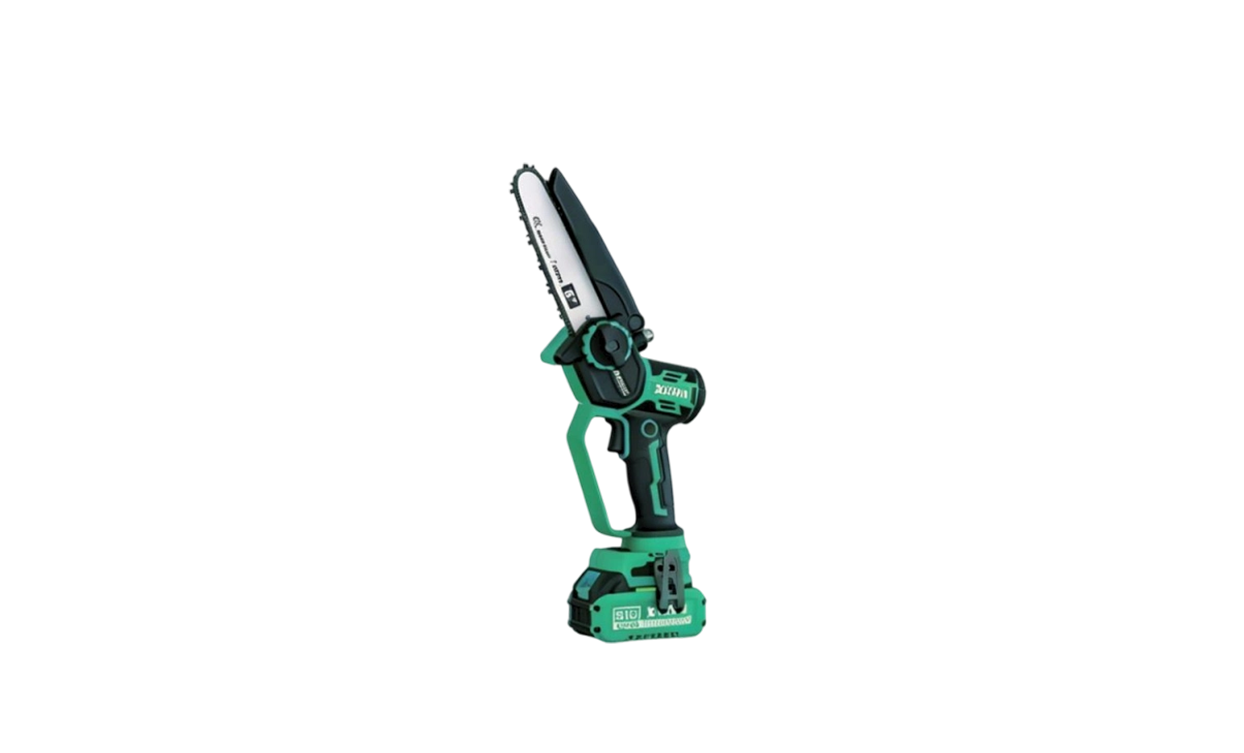
The XJ.206 16V 6" brushless electric chainsaw is a mid-sized lithium-ion chainsaw from the Xiaojia brand. Powered by a 16V brushless motor with a 6" g...
See Details
Copyright © by Hangzhou Xinabo Intelligent Electromechanical Technology Co., Ltd Rights Reserved. Pipe Threaders Manufacturers