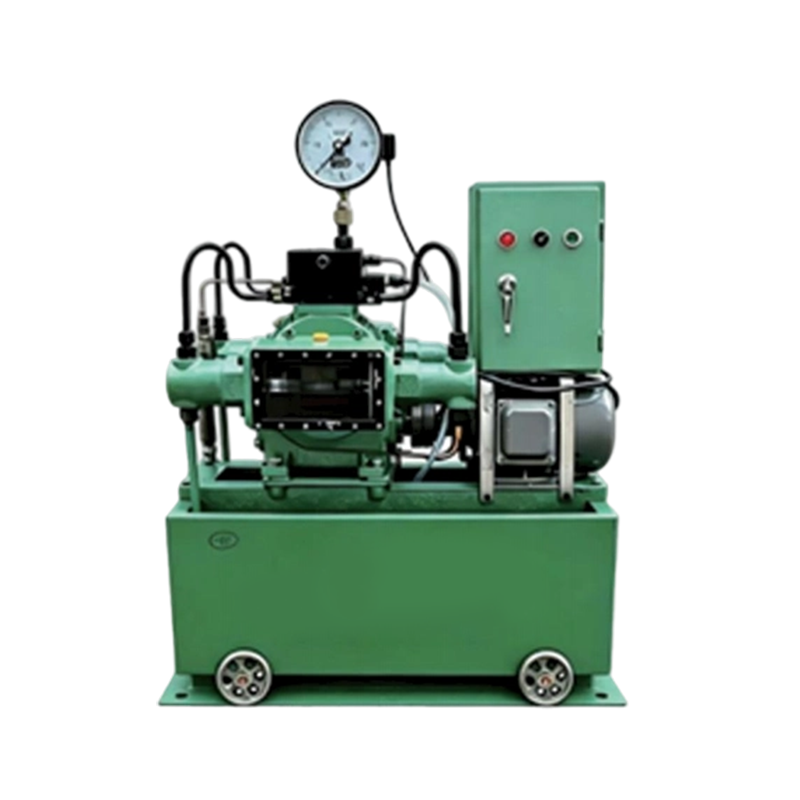
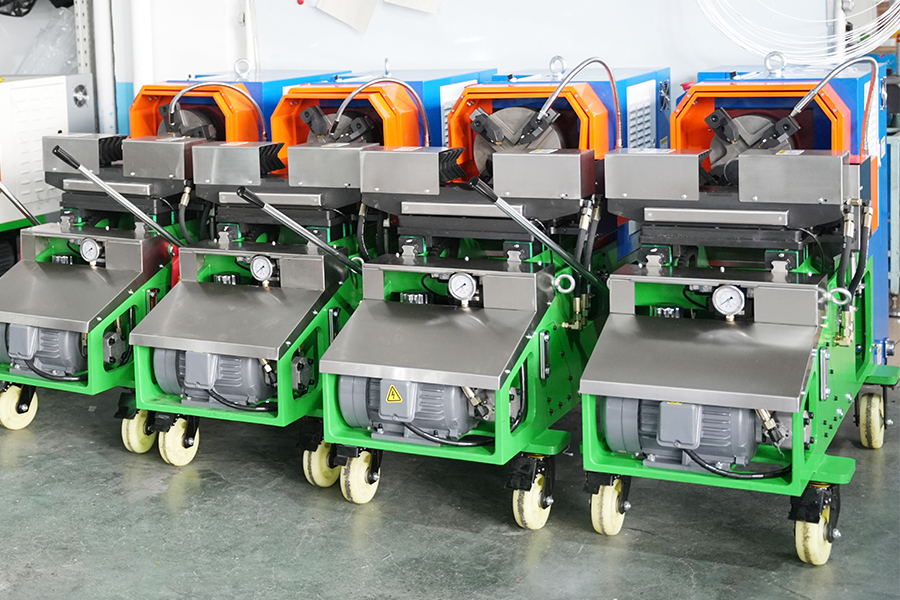
Hangzhou Xinabo Intelligent Electromechanical Technology Co., Ltd manufactures the 380V Electric Hydrostatic Pressure Test Pump — 0-6MPa Adjustable with Auto Pressure-Hold as the pressure-testing element of our pipe fabrication and installation range. A 1.5 kW three-phase motor drives a high-pressure plunger pump through a Class 1.6 gauge and an automatic pressure-hold circuit that cuts the pump at the set value and holds the test section for a programmed interval. The unit is built for site work: wheeled frame, G1/2" inlet and outlet, and a standard kit of test hose, quick couplers and pressure gauge.
Xinabo has built pipeline equipment since 2010 and holds 30 patents together with the National High-tech Enterprise title. The engineering team behind nine generations of intelligent threading machines specifies this pump for fire protection, plumbing, chemical and municipal test work, and supplies it alongside the wider pipe fabrication and installation equipment range.
What the Pump Does on Site
The pump fills a closed test section with water, raises it to the specified test pressure and holds it while joints, welds, valves and fittings are inspected. Because cut-out is automatic, one operator can start the test, watch the gauge and record the result without standing over a manual valve.
- Hydrostatic strength and leak testing of new, repaired and modified pipework
- Fire sprinkler, hydrant and riser network acceptance testing
- Boiler, pressure vessel, valve and heat exchanger seal checks
- Municipal water main, gas line low-pressure and wastewater equipment testing
- Pre-commissioning checks before insulation, cladding or backfill
Specifications and What Each Rating Means
| Parameter |
Rating |
What it means on site |
| Rated voltage |
380V AC, 50 Hz, three-phase |
Needs a three-phase supply with earth; check phase rotation before the first start |
| Motor power |
1.5 kW |
Matches the plunger pump to the rated flow and pressure with a modest current draw |
| Rated pressure |
0-6 MPa, adjustable |
60 bar, roughly 870 psi; set point entered before the test begins |
| Flow rate |
10 L/min |
Governs fill time; a 200-litre section takes about 20 minutes before pressurisation |
| Gauge accuracy |
Class 1.6 |
±1.6% of full scale, about ±0.1 MPa on a 0-6 MPa dial |
| Pressure hold time |
0-30 min, adjustable |
Timed hold after cut-out, set to the project test procedure |
| Inlet / outlet |
G1/2" / G1/2" |
Standard hose and quick-coupler connection |
| Standard accessories |
Test hose, quick couplers, pressure gauge |
Ready-to-connect kit for a single test point |
| Mobility |
Wheeled frame |
One operator moves the unit between risers, plant rooms and floors |
Reading the Pressure, Flow and Hold Figures
- 0-6 MPa set point. Building services tests usually sit between 0.6 and 2.5 MPa, so the range leaves headroom for higher-rated process lines and small vessels. Test pressure is normally 1.5 times the design working pressure, subject to the governing code.
- Class 1.6 gauge. Read at eye level and record the value at the end of the hold rather than during the ramp, when needle movement is still settling.
- 10 L/min flow. Long mains should be filled in valved sections; the pump pressurises, it is not a transfer pump for large volumes.
- 0-30 min timer. The circuit stops the pump at the set value and keeps the section under pressure for the timed interval, so the operator can walk the line and check for weeps.
- Over-pressure protection. The automatic protection system stops the pump at the set value, so the test section is not driven past its intended pressure.
Application Fit by System Type
| Application |
Test medium |
Points to settle before the test |
| Fire sprinkler and hydrant networks |
Water |
Test pressure and duration from the fire code; isolate alarm valves and pumps |
| Water supply and drainage pipework |
Water |
Blank off open ends, vent high points, allow for thermal movement |
| Chemical process lines |
Water or specified fluid |
Confirm hose and coupler compatibility with the process fluid |
| Boilers and pressure vessels |
Water |
Follow the vessel inspection procedure; the pump supplies pressure, not the acceptance decision |
| Valve seal testing |
Water |
Small test volumes reach set pressure quickly at 10 L/min; watch the gauge closely |
| Heat exchangers |
Water |
Test shell and tube sides separately with the other side open to atmosphere |
| Municipal water mains |
Water |
Coordinate with the utility; fill in sections and allow air to escape |
| Wastewater treatment equipment |
Water |
Flush thoroughly afterwards; residue in the plunger chamber shortens seal life |
Configuration Options and Site Integration
The pump is a single model with a defined working envelope, and we confirm the build against the test procedure rather than offering a catalogue of unrelated variants.
- Set pressure and hold time agreed against the project specification
- Gauge scale and accuracy class matched to the pressure band actually used
- Hose length, coupler type and thread to suit the tapping on the pipe or vessel
- G1/2" inlet and outlet as standard, with adaptors reviewed at enquiry
- Wheeled frame for movement between risers, floors and plant rooms
- Supply voltage and frequency reviewed against the destination site before the build is confirmed
Installation, Commissioning and Operator Safety
- Confirm a 380V 50Hz three-phase supply with earth and a breaker sized for the 1.5 kW motor.
- Check phase rotation on first start; the plunger pump must not run backwards.
- Connect the inlet to a clean water source and filter where site water carries grit.
- Use hose and couplers rated above the maximum test pressure, not the working pressure.
- Fill slowly and vent high points before pressurising; trapped air slows the ramp and distorts readings.
- Raise pressure in steps, hold at the specified value and record gauge readings at the end of the hold.
- Barricade blanked ends and caps. Stored energy in a pressurised section is the main hazard on any hydrostatic test.
- Drain and flush after the test, particularly after chemical or wastewater work.
Quality Control, Documentation and Acceptance
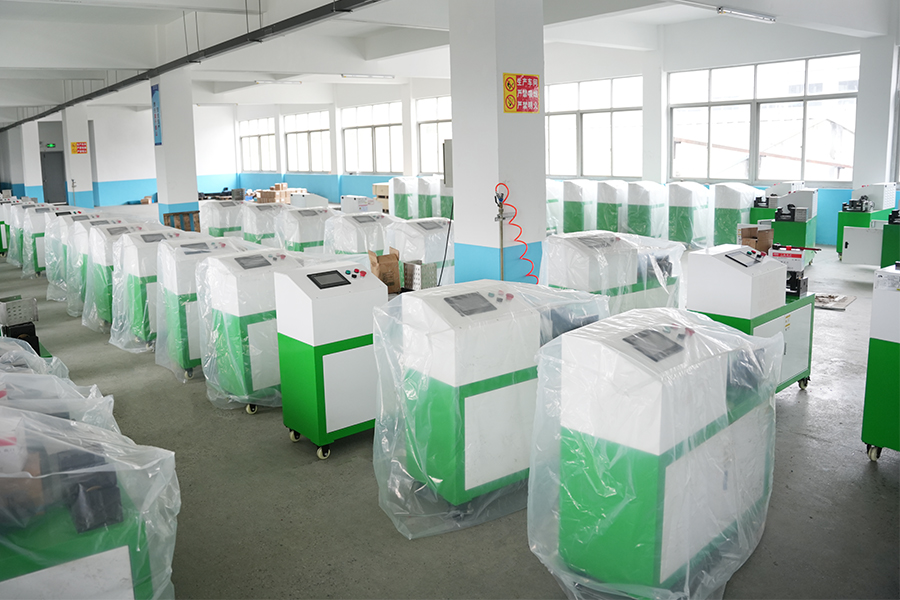
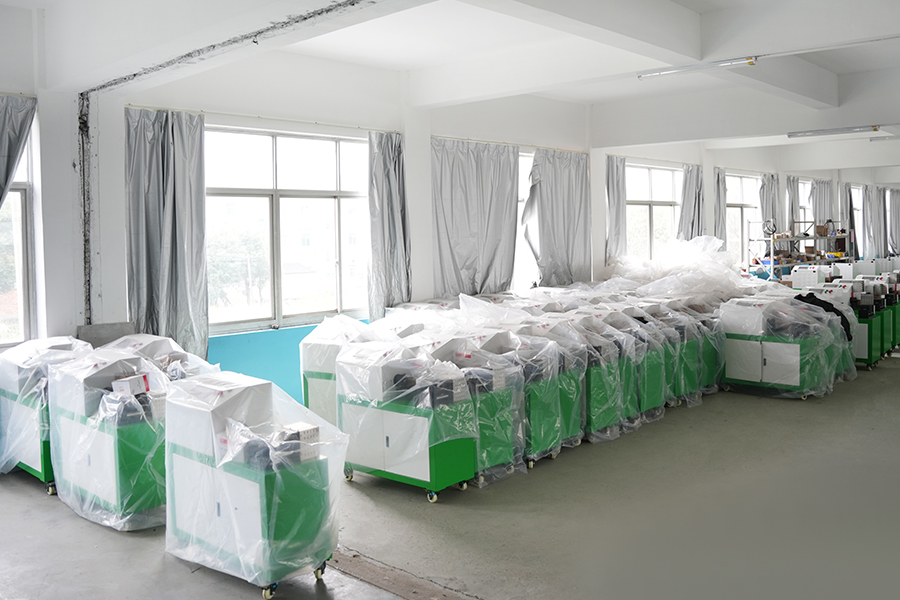
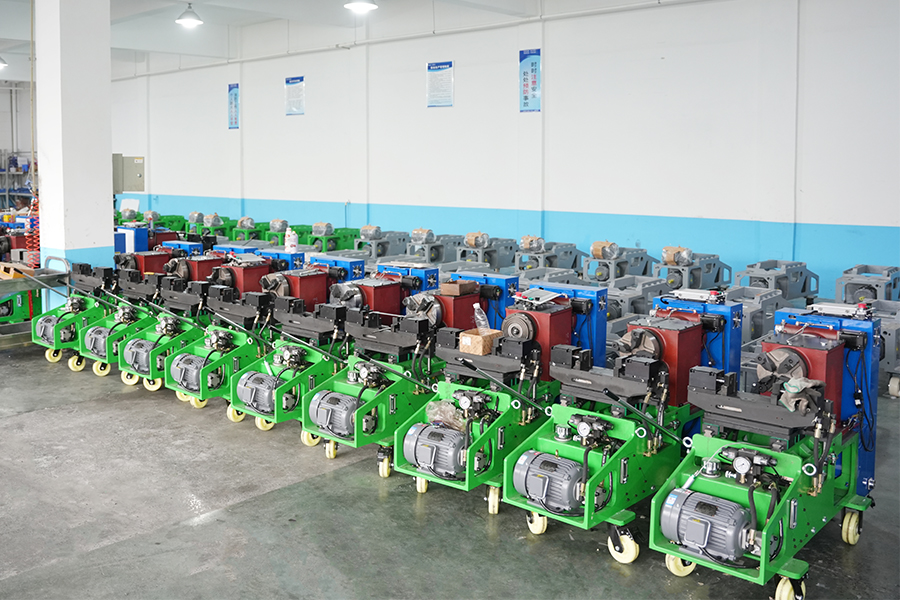
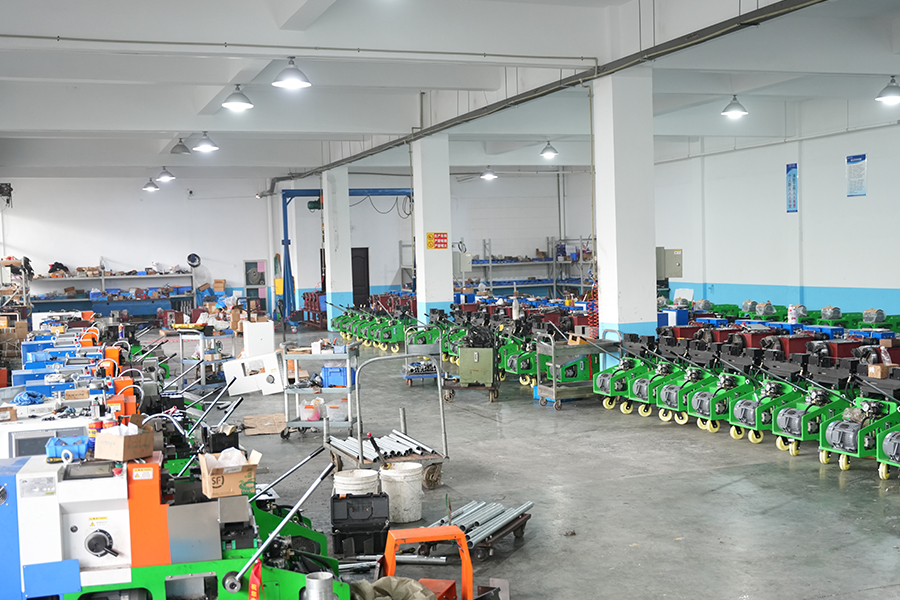
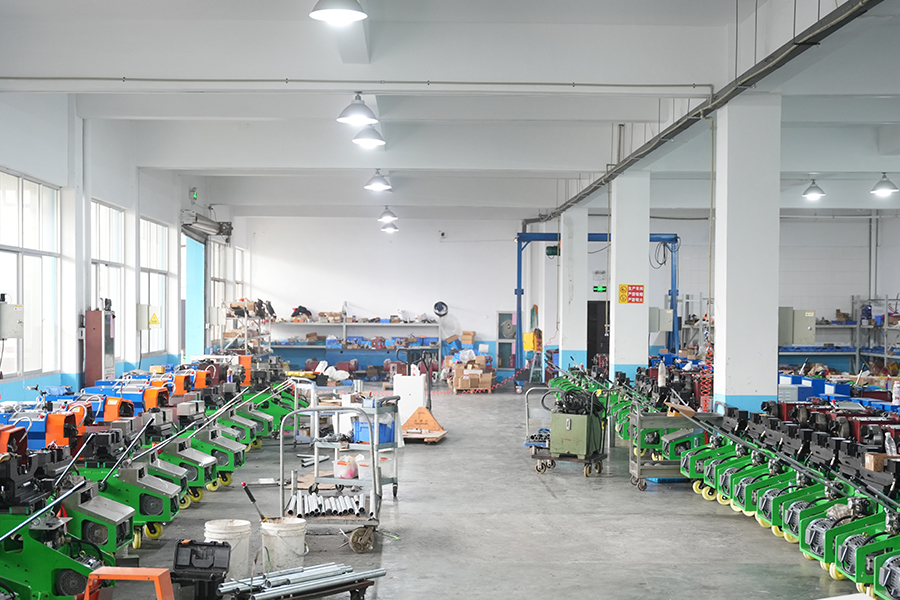
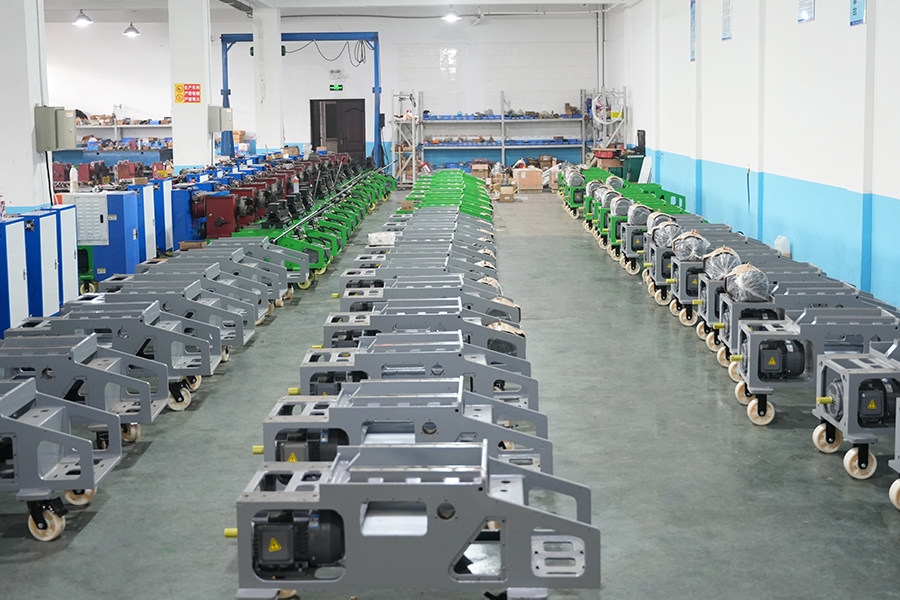
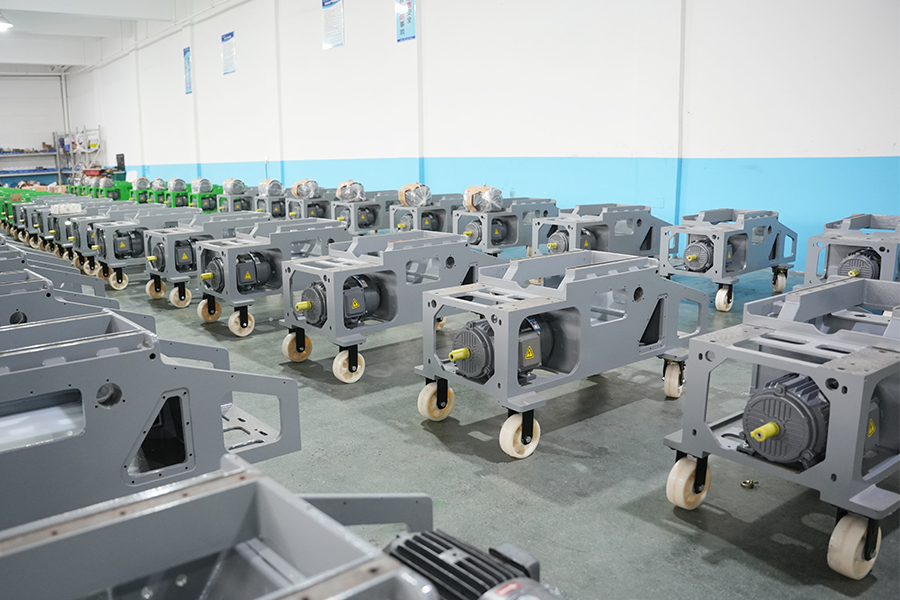
Assembly and final pressure checking take place in our Hangzhou factory, where the production line runs to a stated 99.9% finished-product rate across a 10,000 m² plant. Xinabo holds 30 patents and was recognised as a National High-tech Enterprise in 2023.
Our certification set includes attestation of conformity under the Machinery Directive and the Electromagnetic Compatibility Directive, together with product certificates. Documentation released with the pump covers operating instructions, the gauge accuracy class and the conformity attestation held for the equipment.
- Gauge reading checked against a reference before handover
- Hold stability observed across the full timed interval
- Hose, coupler and union condition inspected under pressure
- Motor current and running sound confirmed at the rated set point
Maintenance, Spare Parts and Serviceability
- Flush the pump and hose with clean water after every test; chemical and wastewater service leaves residue in the plunger chamber.
- Drain the unit before storage or transport in freezing conditions.
- Check the gauge against a reference before a critical acceptance test and at planned intervals.
- Inspect hose, couplers and seals for cuts, hardening and thread damage; replace rather than repair.
- Plunger seals, check valves, gauge, hose and couplers are the wear parts to plan for; Xinabo supplies spare parts across its product range.
Information We Use to Configure Your Solution
| Project input |
Why we need it |
| Test medium and temperature |
Sets wetted-material and hose compatibility |
| Test section volume and material |
Determines fill time at 10 L/min and whether the section is filled in stages |
| Target test pressure and hold duration |
Fixes the set point, gauge scale and timer setting |
| Connection size and thread standard |
Matches couplers and adaptors to the pipe or vessel tapping |
| Site power: voltage, frequency, phases, breaker |
Confirms the 380V 50Hz three-phase build or flags a different supply arrangement |
| Environment: indoor or outdoor, ambient temperature, hazardous area |
Affects enclosure, cable and storage recommendations |
| Quantity, delivery schedule and packing |
Plans production slots and shipping configuration |
| Documentation language and marking |
Prepares the manual and labels for the destination |
| Acceptance requirements |
Aligns factory checks and handover records with the project inspection plan |
Frequently Asked Questions
What pressure range does this pump cover?
The rated range is 0-6 MPa, adjustable, which is 60 bar or roughly 870 psi. The set point is entered before the test and read on the Class 1.6 gauge, accurate to about ±0.1 MPa across the full dial.
How does the automatic pressure-hold work?
The operator sets the target pressure and a hold time between 0 and 30 minutes. The pump stops at the set value and the circuit maintains the hold for the timed interval, while the over-pressure protection prevents the test section from being driven beyond that value.
What power supply is required?
A 380V AC 50Hz three-phase supply with earth, sized for the 1.5 kW motor. Phase rotation must be checked at first start. Where the destination site runs a different voltage or frequency, we review the supply arrangement before confirming the build.
How long does it take to fill a test section?
At 10 L/min, a 200-litre section needs about 20 minutes to fill before pressurisation starts. Large mains are filled in valved sections so air can be vented and the ramp stays controlled.
What is included in the standard kit?
Test hose, quick couplers and pressure gauge, with G1/2" inlet and outlet on the pump body. Couplers and adaptors for other tapping sizes are agreed at enquiry.
Can it test fire sprinkler systems and pressure vessels?
Yes. Fire sprinkler and hydrant networks, boilers, valves and heat exchangers all fall within the 0-6 MPa envelope. The final test pressure, hold duration and acceptance decision follow the governing code and, for vessels, the inspection authority's procedure.

 English
 Español
 عربى