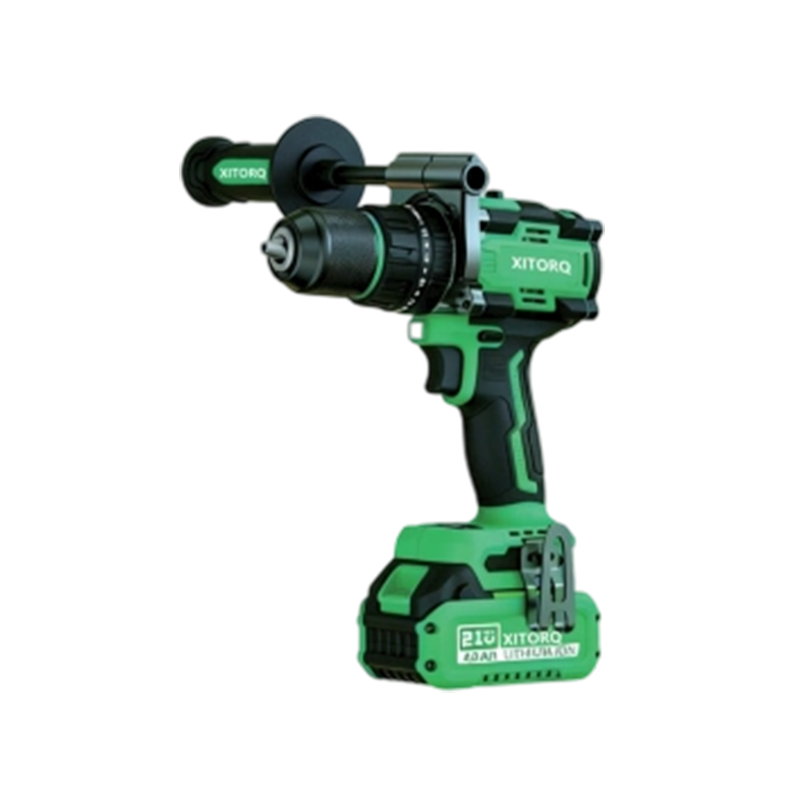
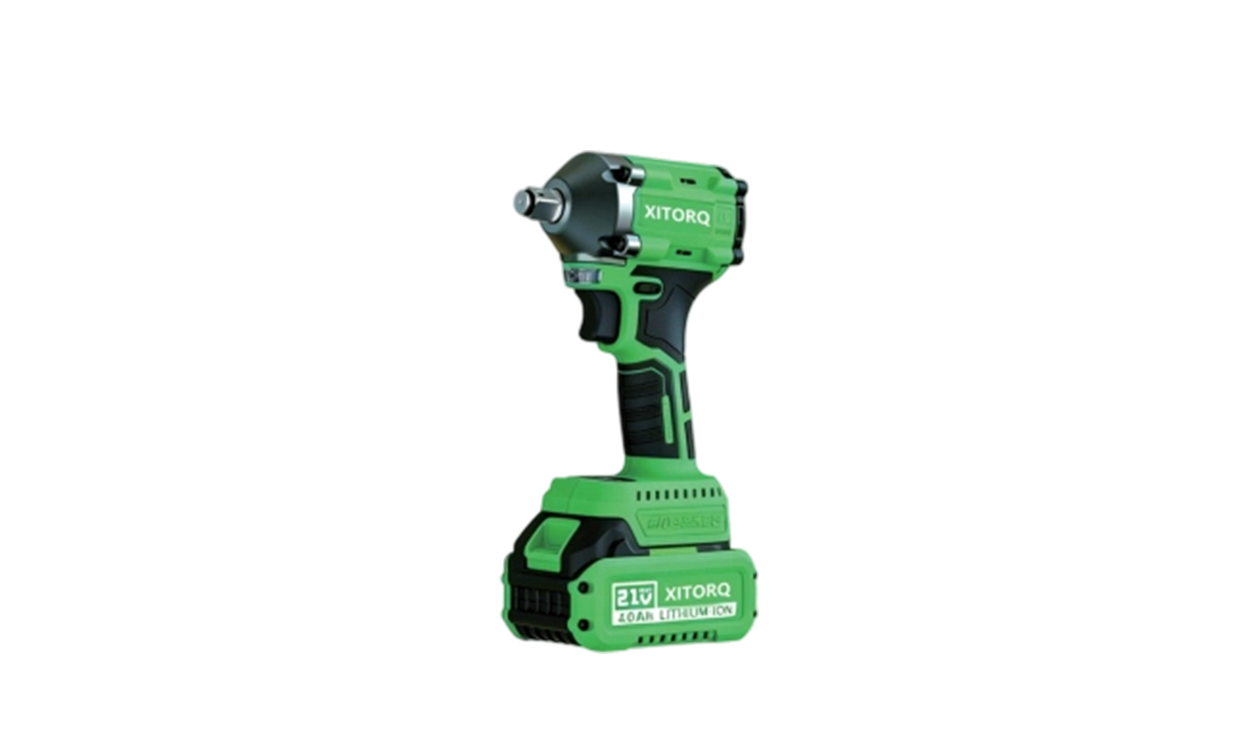
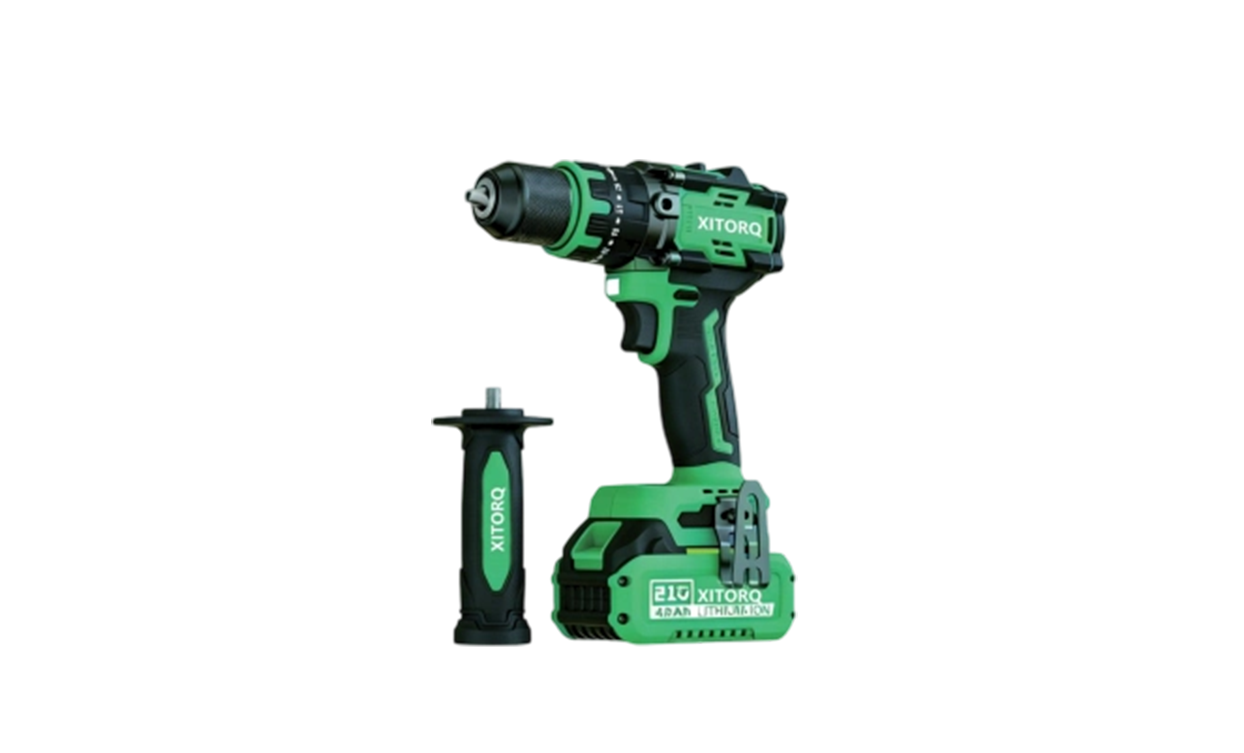
Xinabo is a cordless power tool and pipe fabrication equipment manufacturer based in Hangzhou, China. The XJ.617 21V Lithium-Ion Brushless Hammer Drill/Driver (Heavy-Duty) — 170N·m Torque, 3-Speed is the highest-torque hammer drill/driver on our 21V platform, built for crews that drill concrete, stone and steel on the same visit and then drive anchors without changing tools.
It pairs an upgraded brushless motor with 170 N·m of maximum torque, a 13 mm keyless chuck and three speed ranges, with hammer, drill and screw modes selected at the collar. Fire protection contractors, structural renovation teams and plant maintenance departments use it where a cord is a liability and a light-duty drill runs out of torque.
XJ.617 at a glance: 21V DC · 170 N·m max torque · 13 mm chuck · 0-450 / 1600 / 2000 rpm in three gears · hammer, drill and screw modes · battery, fast charger and hard storage case as standard.
The XJ.617 Within Our 21V Hammer Drill/Driver Range
We build three hammer drill/driver models on the same 21V battery interface, so a fleet can standardise on one charger and one pack while matching torque to the work. The table shows where the XJ.617 sits, and where a job moves up to a rotary hammer instead.
| Model |
Max torque |
Modes and speeds |
Work it suits |
| XJ.608 21V Lithium-Ion Brushless Hammer Drill/Driver — 100N·m Torque, Anti-Kickback Control |
100 N·m |
Hammer drill/driver with anti-kickback control |
Light concrete, brick, timber, general assembly and maintenance |
| XJ.615 21V Lithium-Ion Brushless Hammer Drill/Driver — 140N·m Torque, Hammer/Drill Dual-Mode |
140 N·m |
Hammer and drill dual-mode |
Mid-weight concrete, masonry, steel framing, mixed installation work |
| XJ.617 (this model) |
170 N·m |
Hammer, drill and screw modes; 0-450 / 1600 / 2000 rpm |
High-hardness concrete, granite, load-bearing walls, bridge reinforcement, tile channelling, steel structure holes |
| 21V Lithium-Ion Brushless Rotary Hammer — 3-Mode Drill/Chisel/Hammer, 4.5J Impact Energy |
4.5 J impact energy |
SDS-plus, drill / chisel / hammer |
Sustained concrete drilling and chiselling where SDS-plus tooling is standard |
We quote the XJ.617 for load-bearing wall drilling, bridge reinforcement and granite, where a 100 N·m or 140 N·m tool will stall or overheat before the hole is through.
Specification Breakdown
These are the current build figures, with the site consequence of each one.
| Parameter |
XJ.617 value |
What it means on site |
| Rated voltage |
21V DC |
One pack and charger family across our cordless tools |
| Motor |
Upgraded brushless |
No carbon brushes to replace; holds speed better under load |
| No-load speed |
0-450 / 1600 / 2000 rpm, three gears |
Gear 1 for hole saws and large bits, gear 2 for general drilling, gear 3 for small-diameter repetition |
| Max torque |
170 N·m |
Drives hole saws, augers and long anchor screws in hard material |
| Chuck |
13 mm keyless |
Takes round-shank masonry, HSS and wood bits, hole saws and step drills within shank capacity |
| Hammer mode |
Supported |
Impact action for concrete, granite and masonry |
| Modes |
Hammer / drill / screw |
Masonry drilling, rotary-only drilling and controlled fastening with one tool |
| Standard accessories |
Battery, fast charger, hard storage case |
Kit is ready for site issue without separate purchasing |
Three Modes and Three Gears
Mode selection is deliberate. Hammer mode is for concrete, granite, masonry and load-bearing walls, where the bit needs impact to fracture aggregate. Drill mode runs rotary-only for steel structure holes, marble and tile, where impact would crack the surface or walk the bit off line. Screw mode limits torque for anchors, brackets and machine assembly, where consistency matters more than speed.
The three gears split the same motor output across different working points. Gear 1 at 0-450 rpm carries the highest torque multiplication for hole saws, large-diameter bits and long anchor screws. Gear 2 at 0-1600 rpm is the general masonry and steel drilling range. Gear 3 at 0-2000 rpm suits small-diameter bits and repetitive fixing where cycle time drives cost.
Brushless Motor, Intelligent Control and Operator Safety
The brushless motor removes carbon brushes from the service schedule and holds speed better under load than a brushed equivalent. The intelligent control system reads resistance through the motor and adjusts power output, which keeps the tool from stalling in a bind and smooths the moment a bit breaks through into a void.
Triple safety protection is built into the control electronics, and the extended vibration-damping handle reduces hand-arm exposure during overhead or long-duration drilling. Grip, stance and a sharp bit still decide how much vibration the operator absorbs.
Application Fit by Trade
- Fire protection and pipeline work: hanger anchors into slabs, support brackets and penetration holes along sprinkler and standpipe routes.
- Structural and civil renovation: load-bearing wall drilling, bridge reinforcement, tile channelling, marble and stone work.
- Steel structure and fabrication: hole drilling in plate and section, step-drill work for conduit entries and bolted connections.
- Plant and equipment maintenance: heavy equipment repair, agricultural machinery and mining support work where no power outlet is available at the machine.
Chuck, Tooling and Consumables
The 13 mm keyless chuck takes round-shank masonry bits, HSS bits, auger bits, hole saws and step drills within the shank capacity. Bit quality decides the result as much as the tool: a blunt masonry bit turns 170 N·m into heat, and a glazed hole saw will polish rather than cut.
For sustained concrete drilling with SDS-plus bits, or for chiselling, our 21V Lithium-Ion Brushless Rotary Hammer — 3-Mode Drill/Chisel/Hammer, 4.5J Impact Energy is the correct tool. The XJ.617 remains the choice where one chuck has to accept many bit types across a mixed schedule.
Battery, Charger and Kit Scope
The tool ships as a kit with battery, fast charger and hard storage case. Battery capacity and the number of spare packs follow the duty cycle: a crew running thirty anchors a day and a crew drilling 20 mm holes for six hours do not need the same kit.
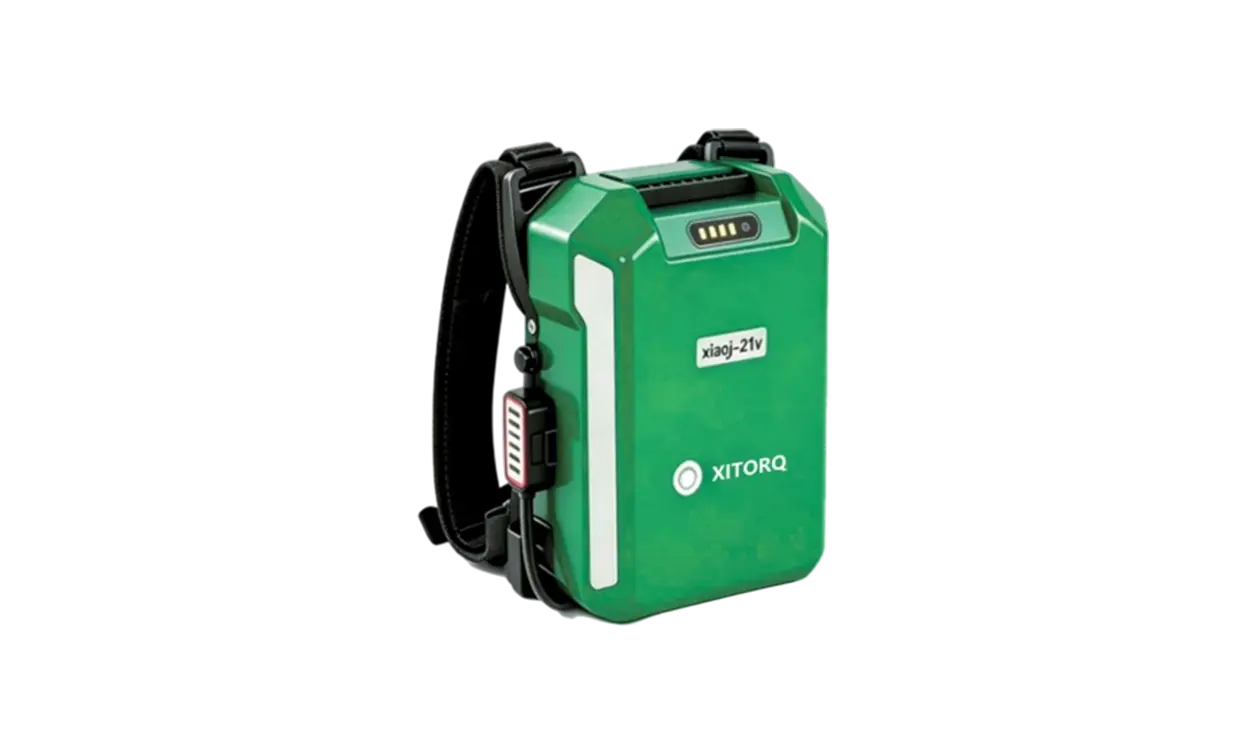
The 21V packs are shared with our brushless angle grinders, circular saw, impact wrenches and rotary hammers. Our backpack lithium battery pack, offered in 20Ah and 30Ah versions, powers multiple 21V to 60V tools where a belt pack is preferable to swapping cells at height.
Quality Control, Documentation and Acceptance
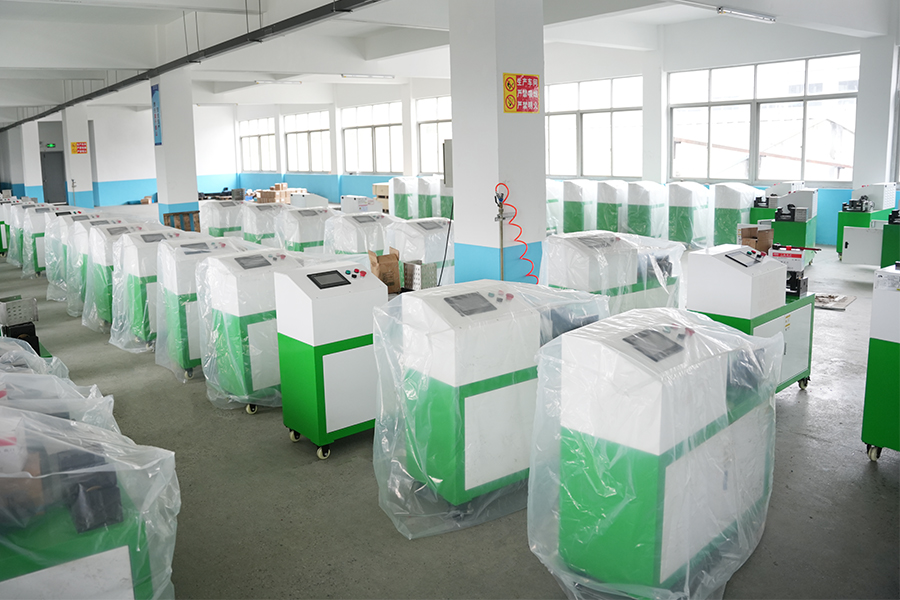
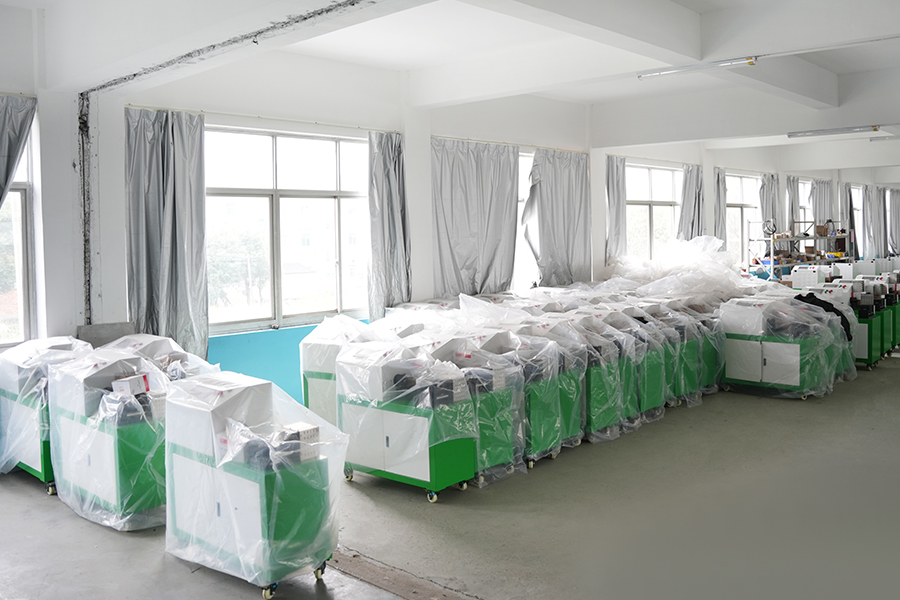
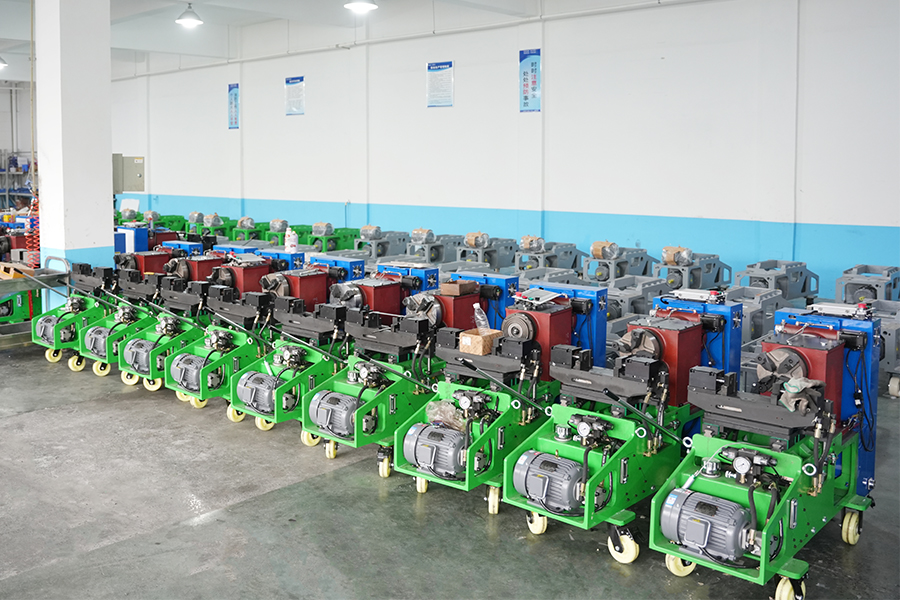
Production covers incoming material inspection, assembly checks and finished-product testing, and the company tracks a 99.9% finished-product rate across its output. Xinabo holds National High-Tech Enterprise status and 30 patents covering threading machines, clamps, cutterheads and portable electric clamping devices.
Our certification file includes a Machinery Directive and EMC Directive attestation of conformity. Dispatch documents list model, voltage, accessory set and quantity, so an incoming inspection can be matched line by line against the purchase order.
Information We Use to Configure Your Solution
A quotation for the XJ.617 is built from the working point, not from a catalogue number alone. These inputs change the configuration:
- Base material and hardness: concrete grade, granite, steel thickness, tile or marble.
- Hole size and depth: diameter range, depth, and whether a hole saw, step drill or auger is involved.
- Fixing schedule: anchor diameter, bolt grade, torque target and fixings per connection.
- Duty cycle: holes per shift, continuous drilling time, ambient temperature and dust exposure.
- Existing platform: battery voltage and charger type already in the fleet.
- Documentation: manual language, nameplate and label requirements, conformity documents.
- Order scope: tool-only or kit, spare batteries, chargers, cases and spare parts for the first service interval.
- Delivery: packaging, carton marking and consolidation with other Xinabo equipment on the same order.
Maintenance and Spare Parts Support
A brushless tool has no brushes to replace, so the routine is mostly about keeping the motor vents, chuck jaws and switch clear of dust and grit. After concrete work, blow out the vents and wipe the chuck; check jaw wear if a bit has been spinning in the chuck.
Battery care matters more than tool care in daily use: store packs at partial charge, avoid leaving them on a charger in a hot site cabin, and keep the hard case for transport. Xinabo offers a range of spare parts across its product lines, and battery packs and chargers are the items most often ordered with a repeat tool purchase.
Frequently Asked Questions
What can the XJ.617 drill with 170 N·m of torque?
170 N·m is enough for high-hardness concrete, granite, load-bearing walls and bridge reinforcement with the correct masonry bit, and for hole saws, step drills and large auger bits within the 13 mm chuck capacity. Torque only becomes cutting performance when the bit is sharp and the gear is right, which is why gear 1 is where the largest accessories run.
Is a rotary hammer still needed alongside this tool?
For occasional concrete holes, no. For production drilling with SDS-plus bits, chiselling, or a full shift of overhead concrete work, the rotary hammer is the better tool because the SDS-plus system transfers impact energy directly to the bit. The XJ.617 covers the mixed-site case where one chuck must take masonry, HSS, wood and hole-saw tooling.
What is included in the standard kit?
Battery, fast charger and hard storage case, together with the tool. Additional batteries, chargers and cases are added as separate line items when the duty cycle or the fleet standard requires them.
How do the three speeds differ in practice?
0-450 rpm for hole saws, large bits and long screws; 0-1600 rpm for general masonry and steel drilling; 0-2000 rpm for small-diameter bits and repetitive fixing. The gear should be selected before the bit touches the material, not while it is cutting.
What information do you need to quote a fleet order?
Material and hardness, hole diameter and depth, fixing schedule, holes per shift, the battery platform already in use, documentation and labelling requirements, and the split between kits, bare tools and spare packs. With those we confirm the configuration, accessory set and packing list.

 English
 Español
 عربى