
 English
 Español
 عربى
عربى


Intelligent Threading Machine
1. Automatically identify the pipe diameter 2. Automatic tool adjustment and setting 3. Pipe Processing Range: DN15–DN100 4. Threading time as fast ...
See Details
Content
A tubing fabricator switching from an abrasive chop saw to a metal cold cutting saw immediately notices one thing: the cut end is cool to the touch and the edge is nearly ready for welding. No grinding, no blue discoloration, no waiting for the part to cool. That immediate difference — a burr-free, dimensionally stable cut — is why cold saws have become the standard for high-volume structural steel, pipe, and aluminum processing. Understanding the blade, speed, and feed interplay turns a good cold saw into a long-term, low-cost-per-cut asset.
A cold cutting saw uses a toothed circular blade made from high-speed steel (HSS) or tungsten carbide-tipped (TCT) segments. The blade rotates at a controlled, relatively low RPM — often between 20 and 150 m/min surface speed, depending on material — and the workpiece is fed into the blade or the blade head moves through the material. The cutting process is a true chip-forming, milling-like operation: each tooth shears a small, crescent-shaped chip and carries it out of the kerf. Because the majority of the heat generated goes into the chip rather than the workpiece or blade, the material stays cool. This contrasts sharply with abrasive cutting, where friction converts nearly all energy into heat that goes into the part.
Two-stage gearboxes or direct-drive motors maintain constant torque at low blade speeds. Flood coolant or minimum-quantity lubrication (MQL) is applied directly at the cutting zone to further control temperature and flush chips. The result is a cut with tight tolerances — typically ±0.1 mm on diameter and perpendicularity — and no heat-affected zone that would alter the metal’s microstructure or cause warping.
Shops that track per-part cost and downtime report clear gains when moving to cold cutting. The benefits go beyond a clean edge.
A cold saw’s performance hinges on choosing the right blade for the metal being cut. The two critical variables are tooth material and tooth pitch (teeth per inch, or TPI). General guidelines:
When in doubt, more teeth do not equal better cut. Overly fine pitch in thick material causes chip packing and blade overload. The goal is to have 2–3 teeth engaged in the wall thickness.
| Material | Blade Type | Surface Speed (m/min) | Feed Rate (mm/rev) |
|---|---|---|---|
| Mild steel (solid bar) | HSS, triple-chip | 25–35 | 0.05–0.08 |
| Stainless 304/316 tube | Cobalt HSS or TCT | 15–25 | 0.04–0.06 |
| Aluminum extrusions | TCT, polished flute | 100–150 | 0.10–0.20 |
| Thin-wall carbon steel tube | HSS, fine pitch (10–14 TPI) | 30–40 | 0.04–0.06 |
Operators often run cold saws too fast, mimicking abrasive wheel behavior. The correct surface speed depends on material and blade diameter. A common mistake is using a 350 mm blade at the same RPM as a 250 mm blade — surface speed scales with diameter. Always set speed in meters per minute, not RPM alone.
Feed rate, which controls chip thickness, is equally critical. A feed that is too light generates heat through rubbing, prematurely dulling the blade. Too heavy a feed overloads the tooth and can cause catastrophic tooth fracture. The ideal chip is a tightly curled, silver-colored ribbon on steel — blue or brown chips indicate heat, and dust indicates rubbing. Adjust feed until chips show that silver-to-light-straw color.
Coolant application must hit the cutting zone, not just flood the blade. Semi-synthetic coolants at 5–8% concentration provide the best balance of cooling and chip flushing. For aluminum, a straight oil or MQL mist prevents chip buildup without staining the metal.
Cold saws are available in several formats, each suited to specific volume and accuracy requirements.
For facilities cutting pipe that will later be threaded, a semi-automatic cold saw positioned immediately before the threading station creates a seamless workflow. The cold saw’s square, burr-free end ensures the threading die engages cleanly, reducing die wear and eliminating re-cut rejects.
In any pipe fabrication line, the quality of the cut end directly affects threading tool life and thread form accuracy. A cold-sawn pipe end enters the threading machine with no scale, no burr, and no out-of-round distortion. This reduces the radial load on the threading dies and leads to tighter thread tolerances. Many shops that combine a metal cold cutting saw with an automatic pipe threader report a 20–30% increase in die life simply because the dies aren’t cutting through oxidized, ragged edges. For operations processing galvanized or stainless pipe, the cleanliness of the cold cut also prevents contamination and galling during threading.
While cold saws are not the only choice for metal sectioning, they dominate specific applications. The decision usually comes down to material, batch size, and downstream finishing needs.
| Method | Cut Quality | Heat Input | Best Application |
|---|---|---|---|
| Cold Saw | Burr-free, square | Minimal | Tube, pipe, solids; high-volume; near-weld-ready |
| Abrasive Chop Saw | Rough, burred, HAZ | Very high | Field cutting, rebar, one-off repairs |
| Band Saw | Good, slight roughness | Low | Large solids, heavy bundles, low blade cost |
| Plasma | Beveled, dross | High | Rough structural cuts, non-precision |
For tube and pipe under 150 mm diameter where subsequent threading or welding is planned, the cold saw offers the best balance of speed, precision, and cost. Band saws are slower per cut; abrasive wheels require a clean-up step. Cold saws produce a ready-to-use part right off the machine.
Even premium HSS or carbide blades can fail early if a few operating rules are ignored. The most frequent issues include:
A mid-range semi-automatic cold saw with a 350 mm blade and pneumatic clamping can complete a cut on 50 mm mild steel tube in under 8 seconds, including clamp/unclamp. Over a shift, that’s roughly 1,500 pieces compared to 900–1,000 on an abrasive saw, once you factor in blade changes and grinding. With an abrasive wheel lasting only 100–200 cuts and a cold saw blade lasting 2,000 cuts between resharpenings, the labor and consumable savings add up. In one real-world shift tally, a fabrication shop reported consumable costs falling from $0.22 per cut to $0.07 after switching to cold cutting — a 68% reduction — and labor time per part dropped by 30% because deburring was eliminated.
The machine investment typically pays back within 12–18 months in a single-shift operation cutting carbon steel tube. For stainless and aluminum shops, where deburring and rework are even more costly, the break-even is often under 9 months.
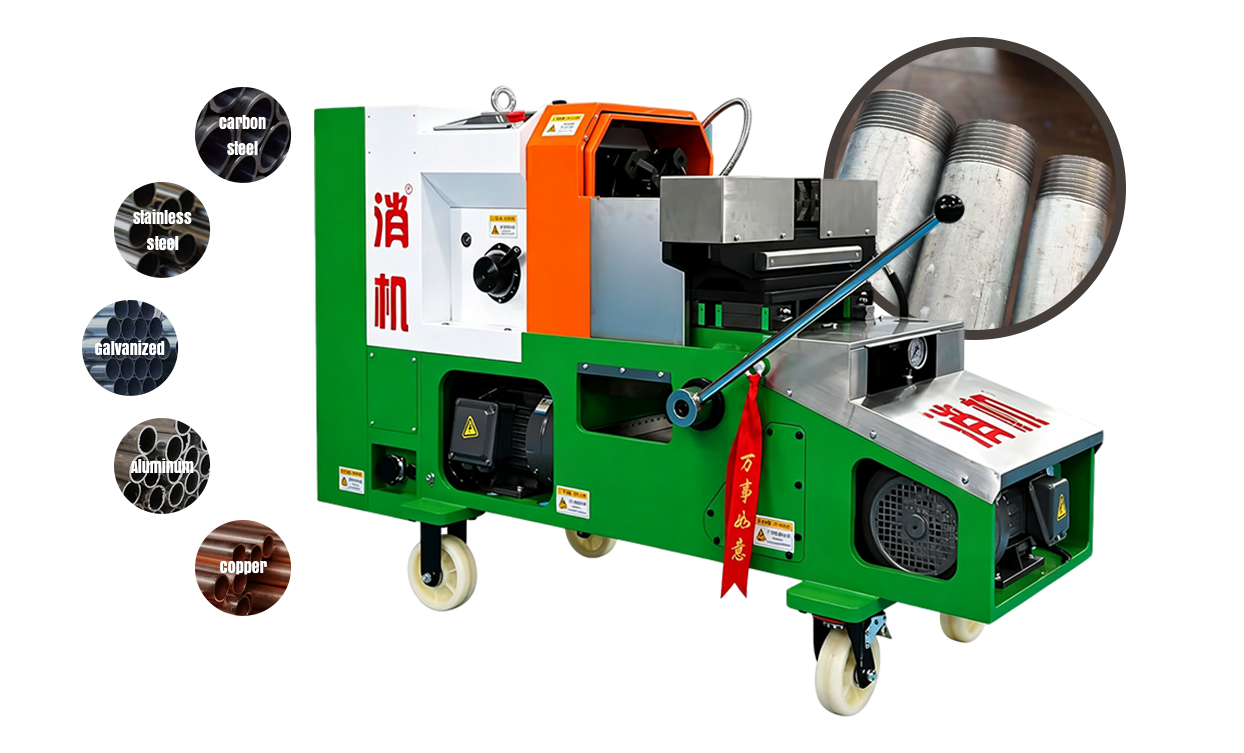
1. Automatically identify the pipe diameter 2. Automatic tool adjustment and setting 3. Pipe Processing Range: DN15–DN100 4. Threading time as fast ...
See Details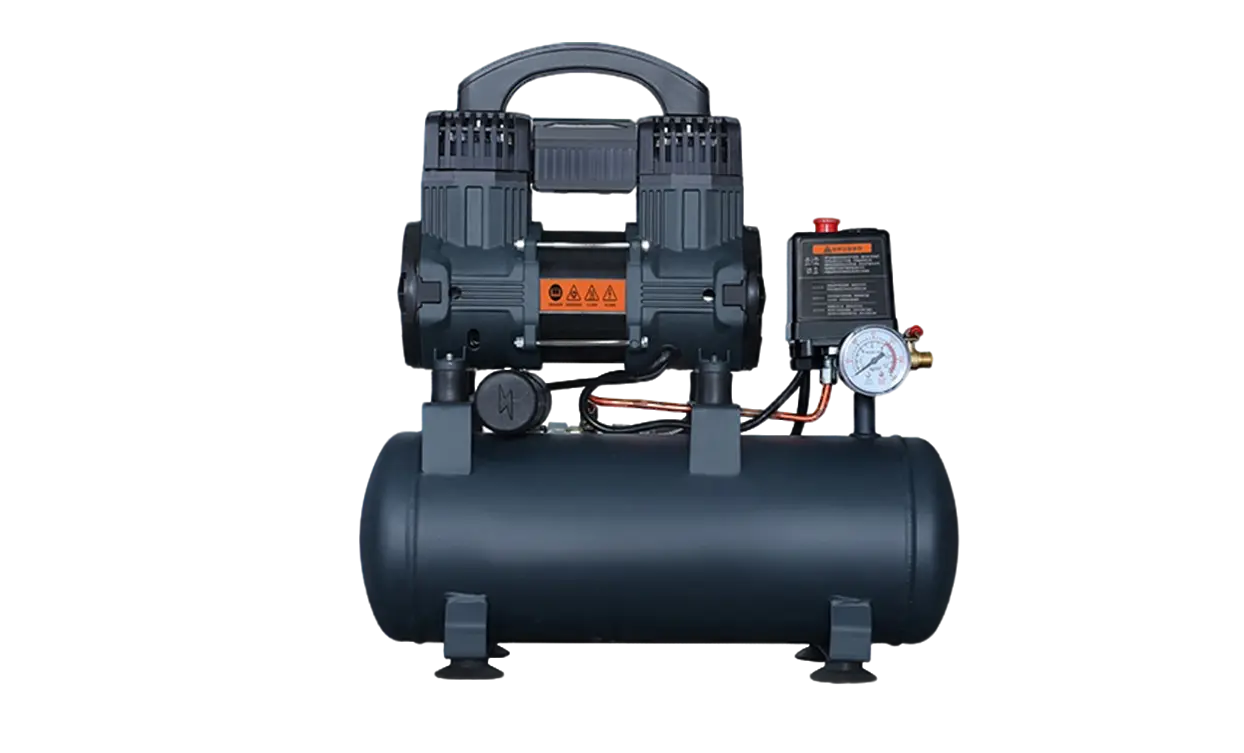
The F1200 Series Air Compressor is engineered for reliable, cost-effective compressed air supply, core to which are its high-efficiency oil-free desig...
See Details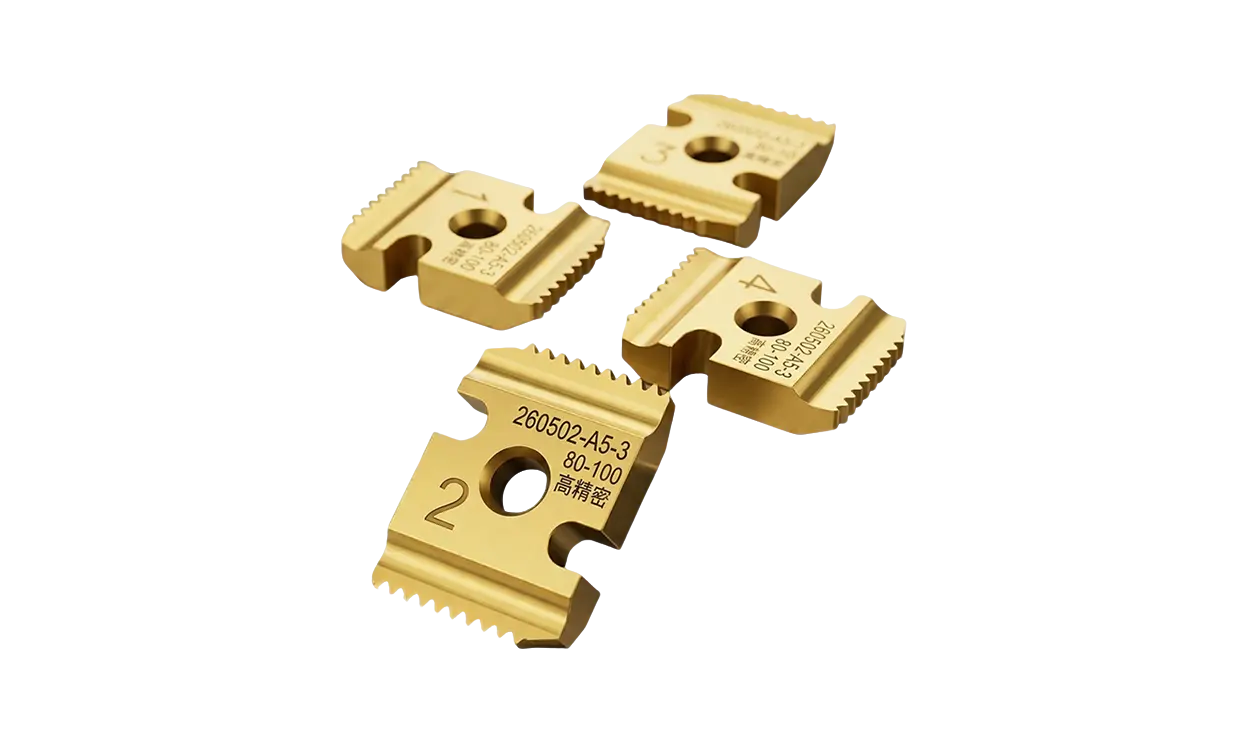
Specialized Compatibility: Exclusively designed for intelligent threading machines, the dies feature a high precision-machined structure that perfectl...
See Details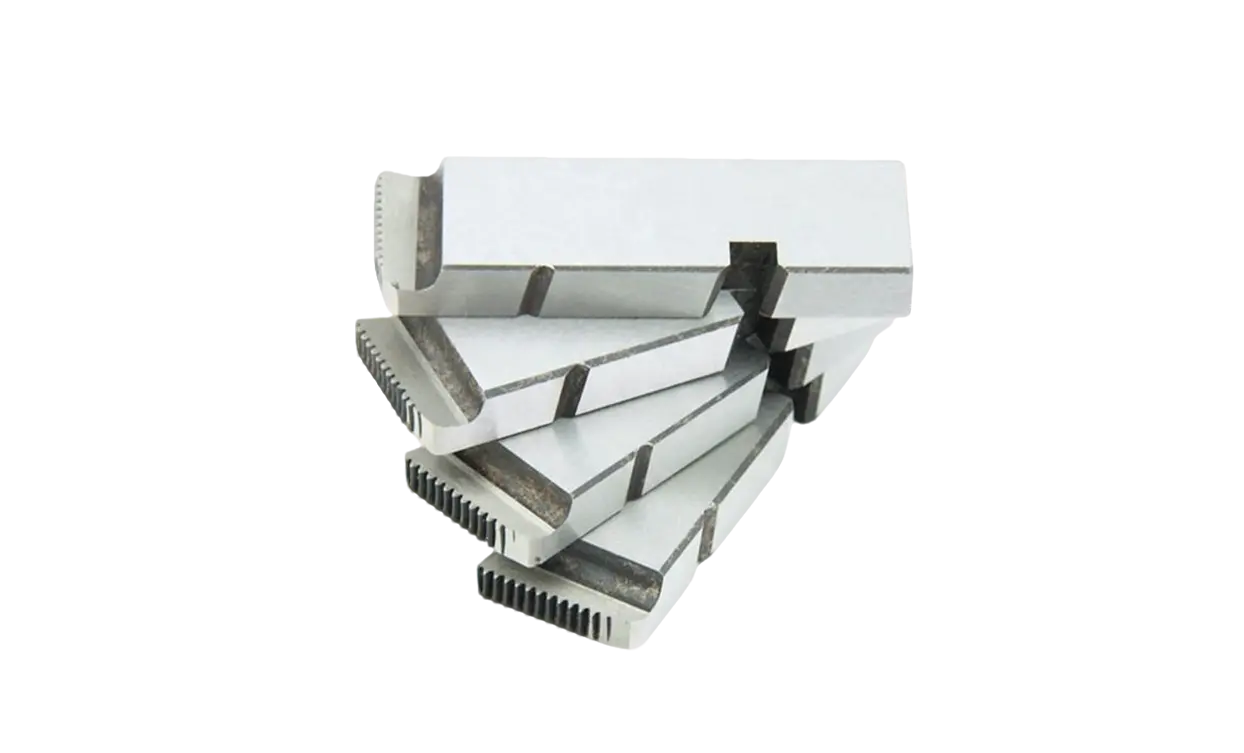
Core Material & Performance: Crafted from high-speed steel (HSS), the threading dies feature excellent hardness, wear resistance and heat resistan...
See Details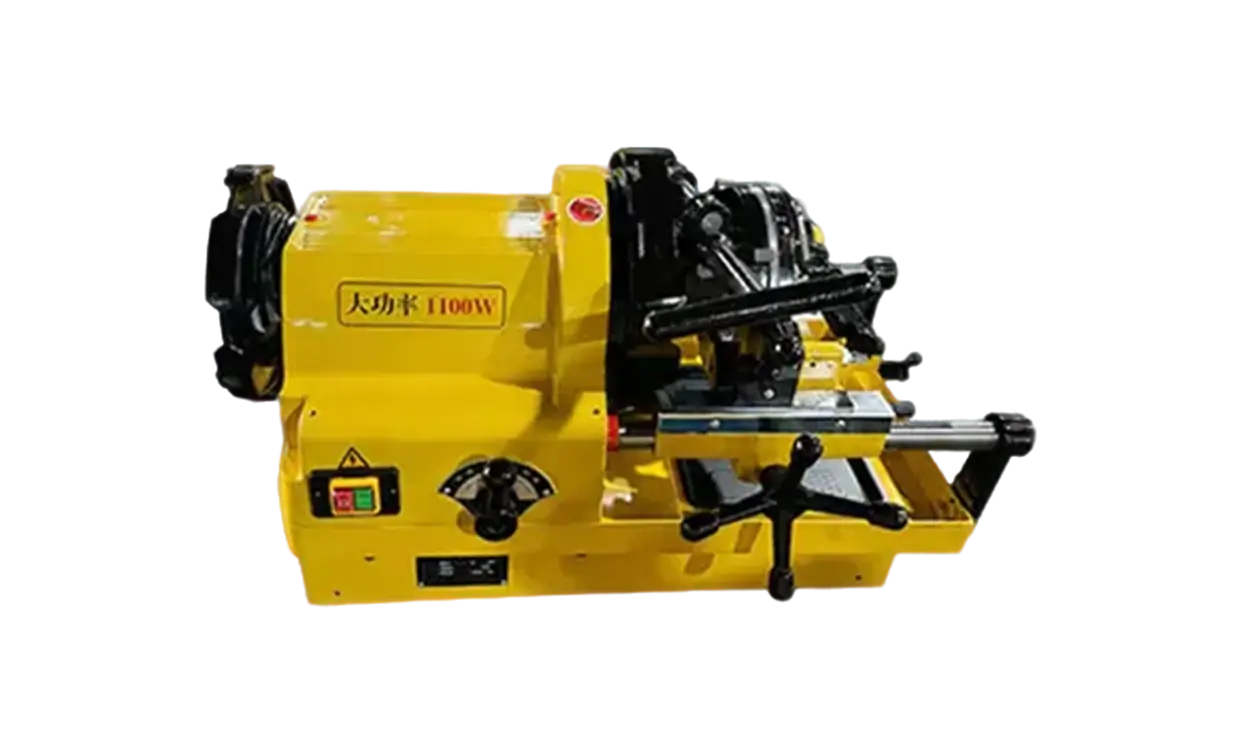
This SQ100 4-inch 15-100mm dual-speed electric pipe threading machine is engineered for precise and efficient pipe threading operations, with a workin...
See Details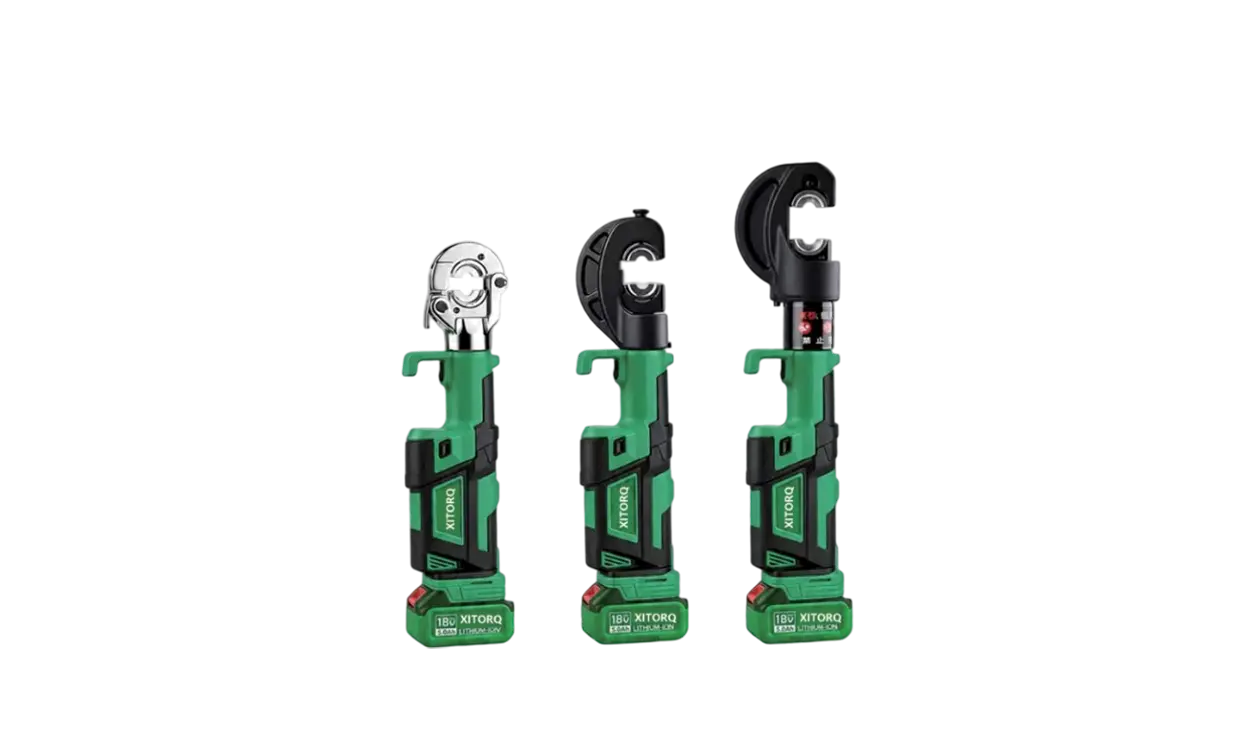
This 18V lithium-ion hydraulic crimping tool is a portable hydraulic tool designed for cable terminal crimping. It features a brushless lithium-ion po...
See Details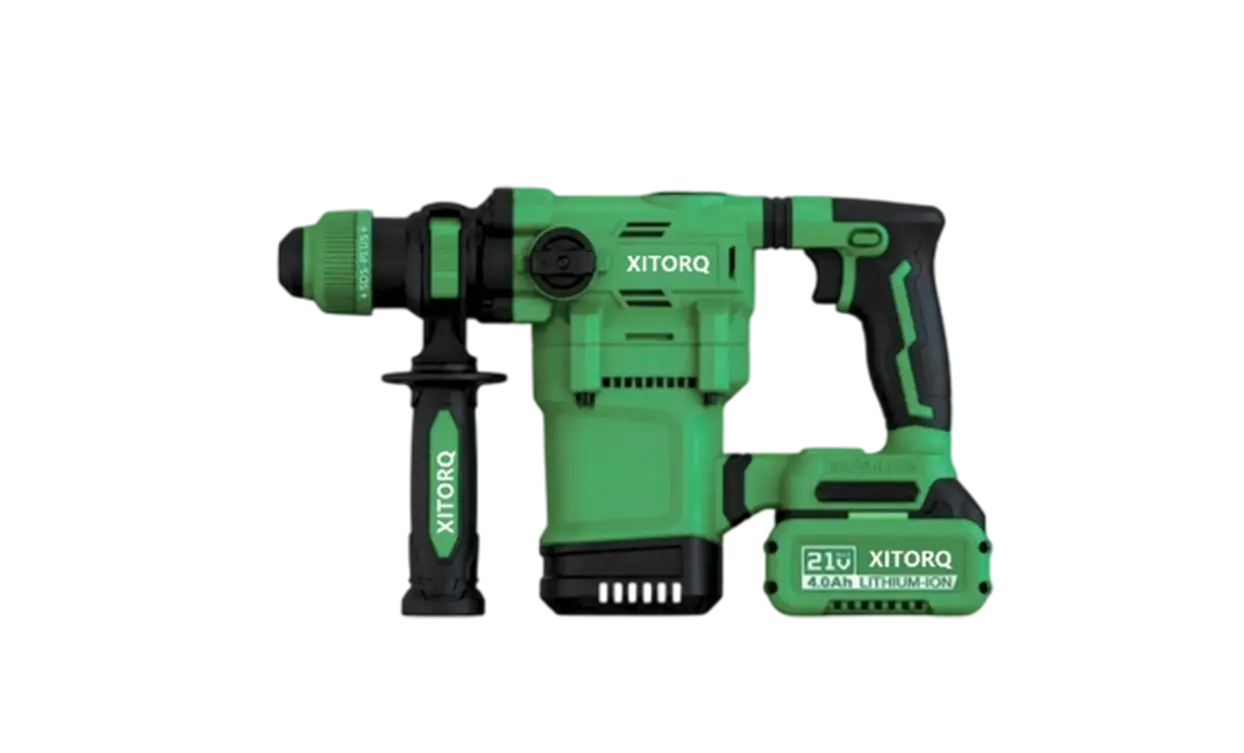
This 21V lithium-ion brushless rotary hammer is an industrial-grade tool designed for drilling and chiseling in concrete, stone, and other hard materi...
See Details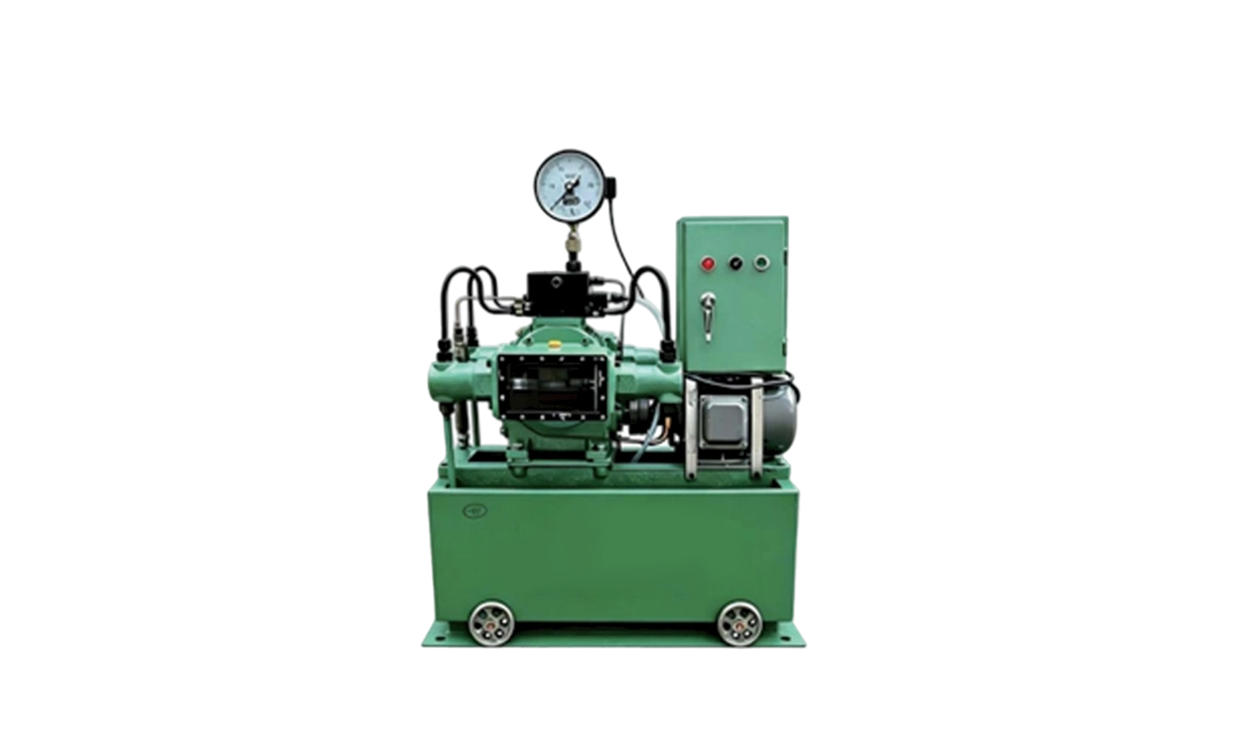
This 380V electric pressure test pump is a professional device designed for hydrostatic pressure testing and leak detection of pipes, valves, pressure...
See Details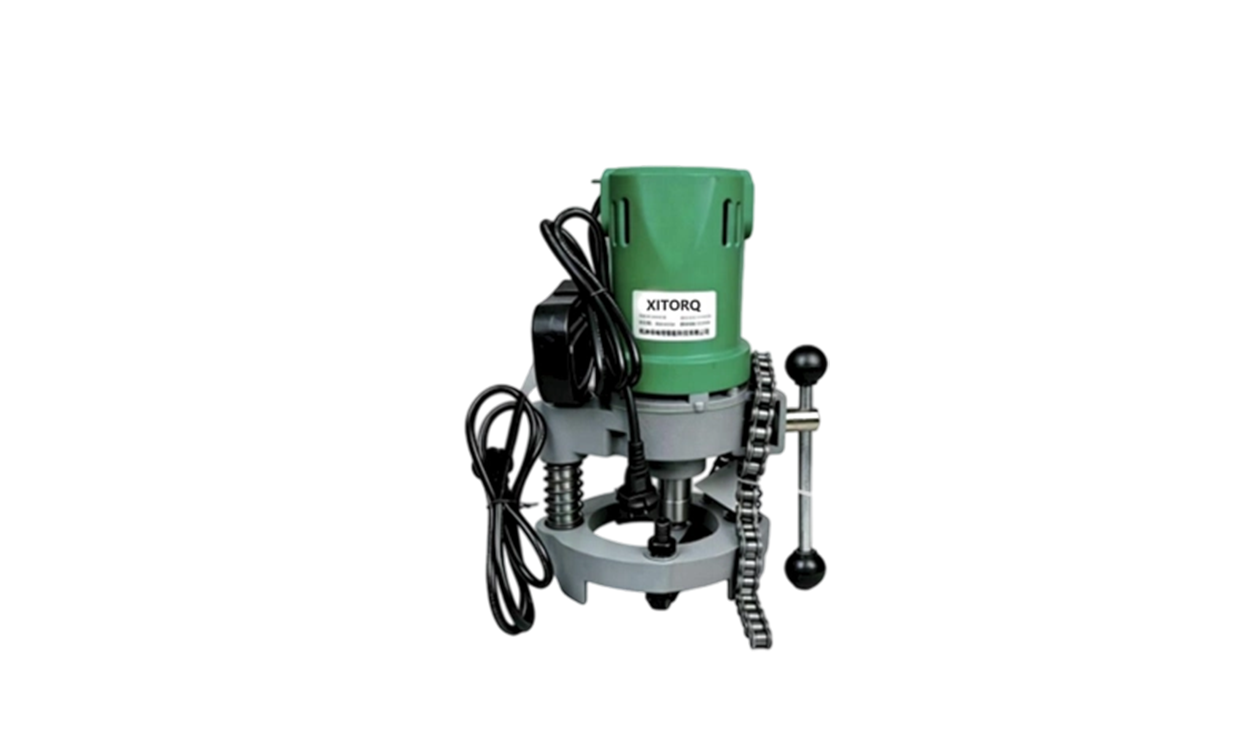
This 220V Fire Pipe Drilling Machine is a professional device designed for hole cutting on fire protection and plumbing pipes. Powered by a 220V indus...
See Details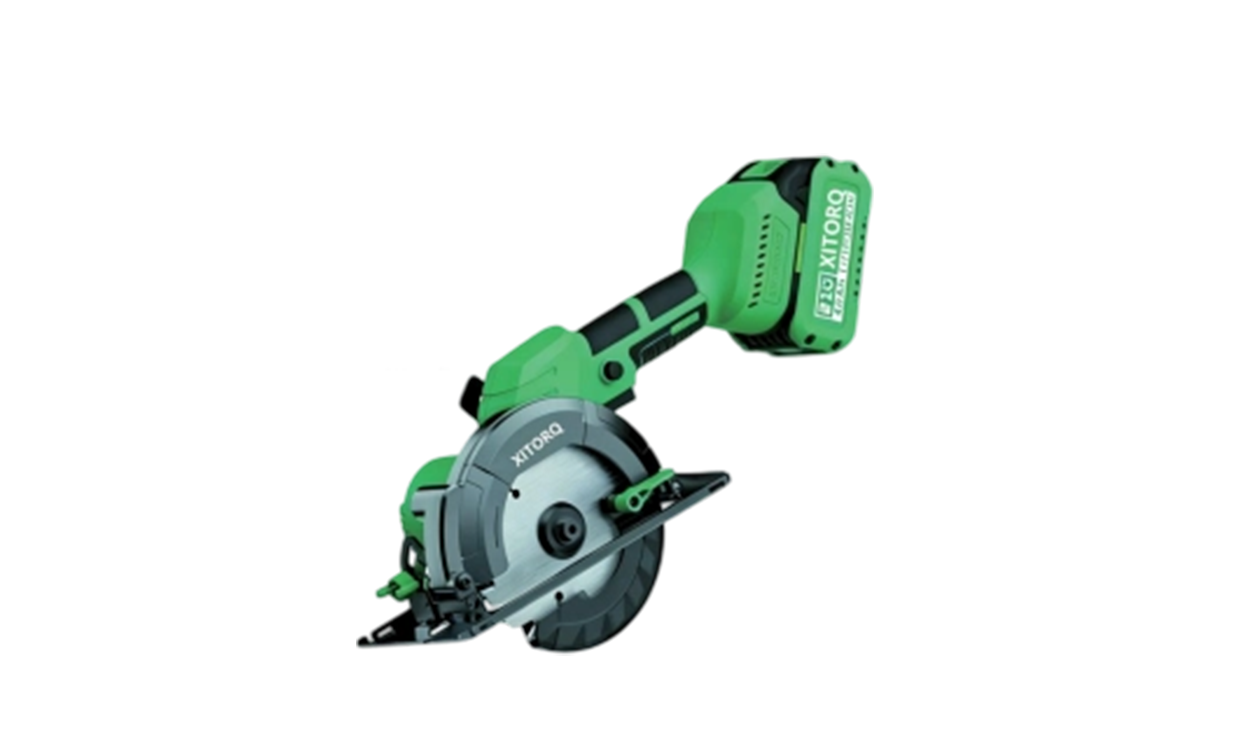
The XJ.853 21V lithium-ion high-magnetic brushless circular saw is an industrial-grade handheld circular saw from the Xiaojia brand. Featuring a high-...
See Details
Copyright © by Hangzhou Xinabo Intelligent Electromechanical Technology Co., Ltd Rights Reserved. Pipe Threaders Manufacturers