 English
 Español
 عربى
عربى


F1200 Series Air Compressor
The F1200 Series Air Compressor is engineered for reliable, cost-effective compressed air supply, core to which are its high-efficiency oil-free desig...
See Details
In terms of measurable output, the technology enables automated pipe threading in as fast as 4 seconds for 15-25mm diameters, sustaining a manufacturing output of 1,500 to 2,000 threads per 8-hour shift. This throughput, combined with a portfolio of 30 patents accumulated over the company's R&D history, forms the technical basis for evaluating value relative to acquisition cost. The company states this technology can accelerate production speeds up to 10-fold compared to traditional manual machinery, while reducing production cycle times by 40% through automated threading, twisting, and cold cutting systems working in combination.
Several trends are visible when reviewing the broader pipeline automation product matrix associated with this technology. First, there is a clear movement toward integrated systems rather than standalone machines. The threading machine is designed to work alongside complementary equipment, including the Intelligent Pipe Twisting Machine, which uses servo motor drive integration and PLC-coordinated sequencing to reduce assembly cycle times by 40%, and the Frequency Conversion Metal Cold Cutting Saw, which applies VFD speed adjustment and Shadow Line Guides to deliver over 3,500 burr-free cuts per circular blade. This suggests that cost evaluation for a threading machine increasingly needs to be considered within the context of a full pipeline processing workflow rather than in isolation.
Second, energy efficiency is emerging as a parallel concern alongside threading speed. The associated F1200/F1680 Series air compressors, which use oil-free multicylinder compression and smart auto start-stop mechanisms, indicate an industry direction toward minimizing electrical power draw across the entire compressed-air-dependent production line, not just at the threading station itself.
Third, consumable economics matter for total operating cost. Double-edged threading dies constructed from High-Speed Steel (HSS) are designed to double the working life of each die block through dual cutting edges, directly affecting replacement frequency and long-term tooling expenditure.
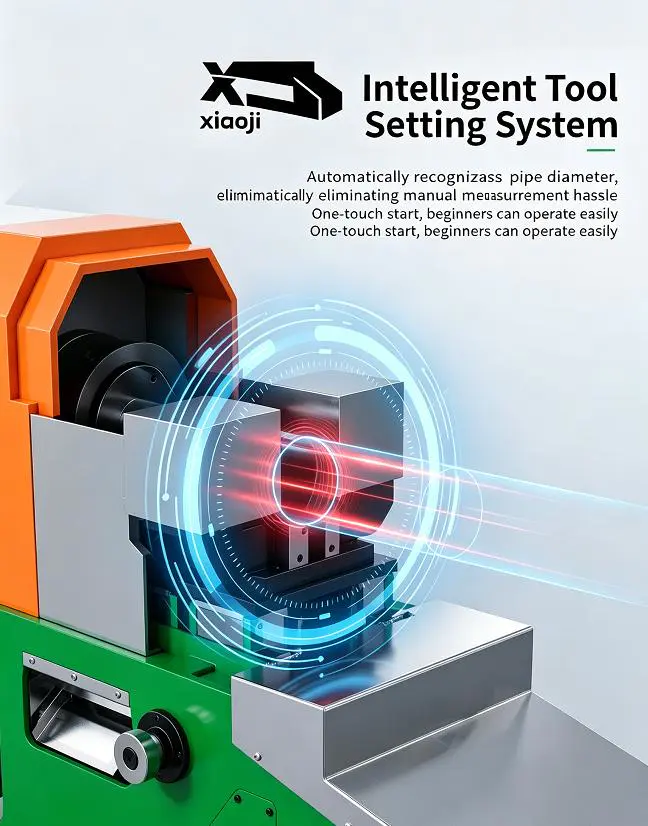
A relevant risk consideration for buyers is that equipment lacking automatic diameter identification and tool adjustment may appear less expensive upfront but can carry higher hidden costs through configuration errors, slower output, and increased scrap rates. Standardization around multi-thread-format support (NPT, BSPT, Metric) also appears to be a meaningful direction, as it reduces the need for multiple region-specific machines.
Hangzhou Xinabo Intelligent Electromechanical Technology Co., Ltd. has documented its technical position through a combination of proprietary R&D and applied case results. The company's High-Tech Enterprise designation, recognized under national programs, and its exhibitor presence at the 39th China International Hardware Fair (CIHF 2026), reflect an operational history grounded in continuous product development rather than a single-generation product launch.
Case evidence supports the cost-to-value framing discussed above. In fire protection engineering, a construction contractor deployed automated threading systems on pressurized sprinkler networks, achieving up to a 10-fold increase in threading efficiency while eliminating joint leaks and corrosion. In advanced tubing manufacturing, an aerospace and automotive tubing supplier used the same threading technology to achieve micrometer-tolerance thread cuts, addressing leak-related component failure risks. In HVAC and plumbing installation, a mechanical contractor used the Intelligent Pipe Twisting Machine to fit complex piping in confined spaces, achieving 40% faster cycle times. In industrial metal working, a fabrication workshop used the Frequency Conversion Metal Cold Cutting Saw to achieve over 3,500 burr-free cuts per blade, eliminating manual finishing time.
Evaluating the cost of an automated pipe threading machine with diameter identification requires weighing automation depth, chassis and motor durability, multi-standard thread compatibility, and demonstrated throughput against traditional manual equipment. Based on the technical and case data associated with Hangzhou Xinabo Intelligent Electromechanical Technology Co., Ltd. and its Xinabo product line, decision-makers in fire protection, HVAC, automotive, shipbuilding, and aerospace tubing sectors should consider total production impact, including cycle time reduction, joint defect prevention, and consumable lifespan, rather than acquisition price alone. Buyers evaluating this equipment category are advised to prioritize verified automation features, such as automatic diameter identification and tool adjustment, alongside multi-standard compatibility, as these characteristics have been directly linked to measurable efficiency and quality outcomes in documented industrial applications.
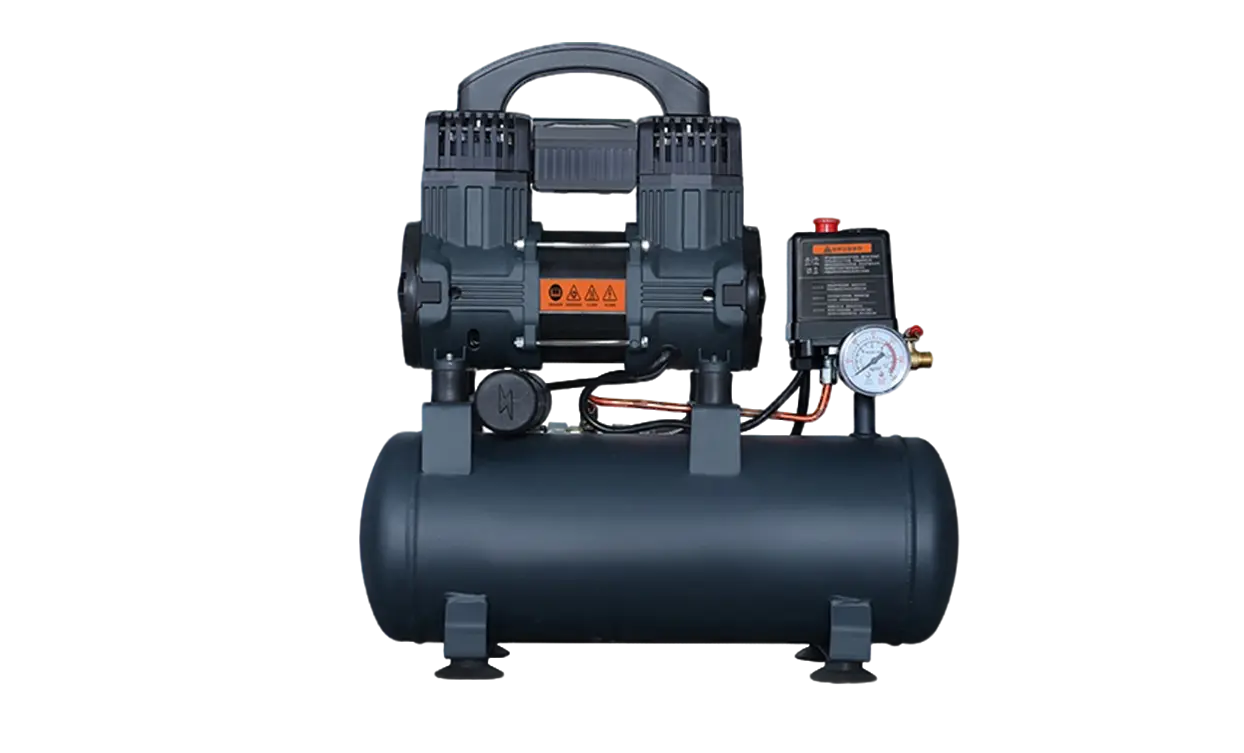
The F1200 Series Air Compressor is engineered for reliable, cost-effective compressed air supply, core to which are its high-efficiency oil-free desig...
See Details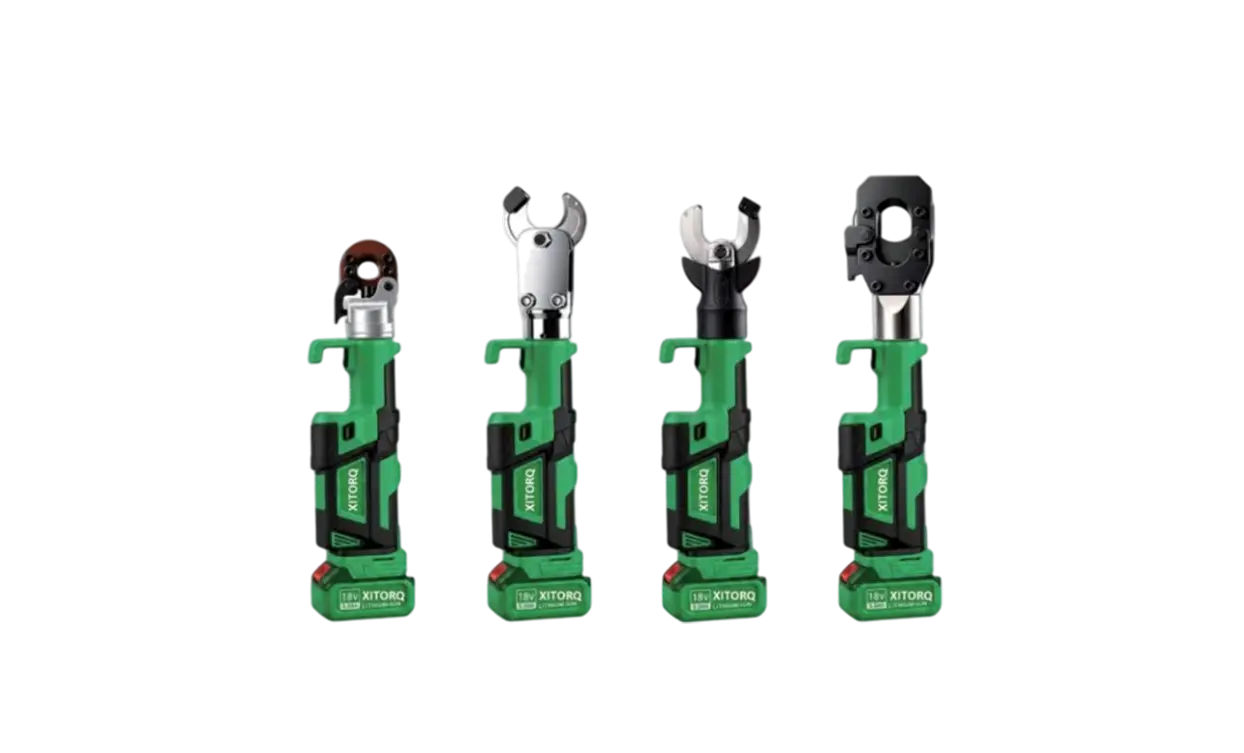
This 18V lithium-ion industrial cable cutter is a professional tool designed for large-diameter cable cutting. It features a brushless lithium-ion pow...
See Details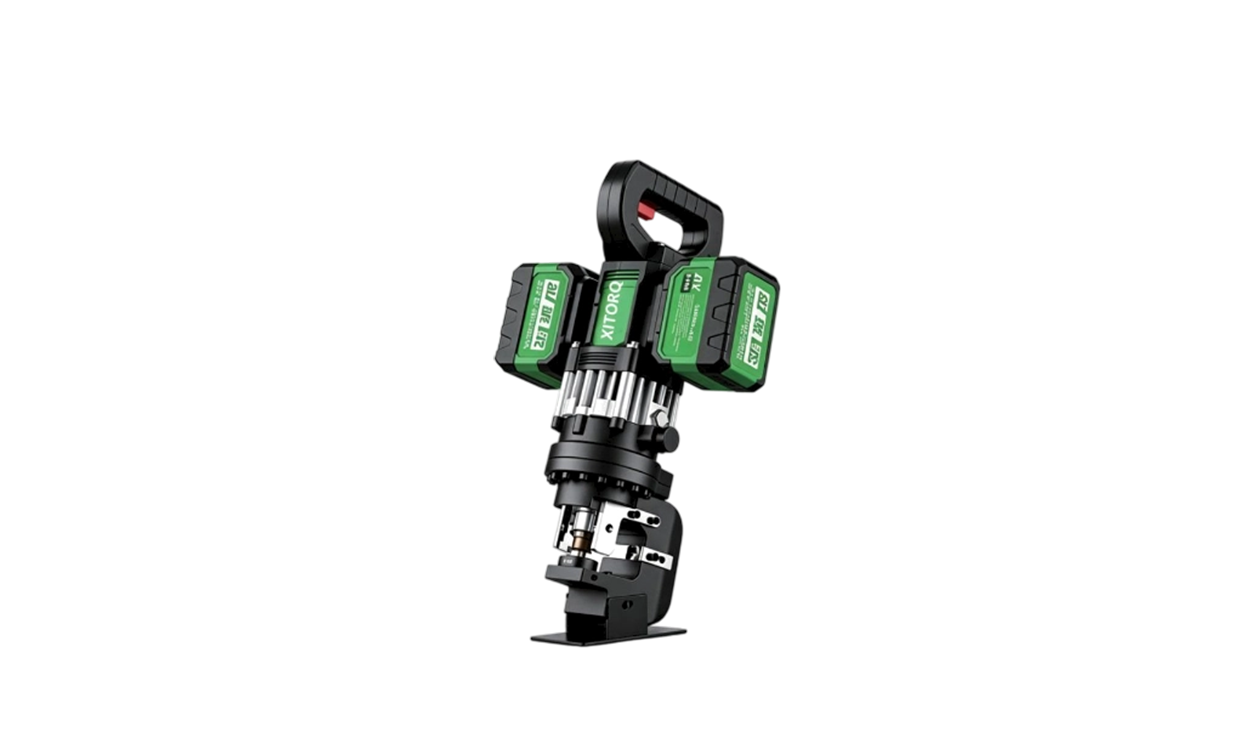
This 21V lithium-ion channel steel hole puncher is a portable hydraulic punching tool designed for punching holes in channel steel, angle steel, steel...
See Details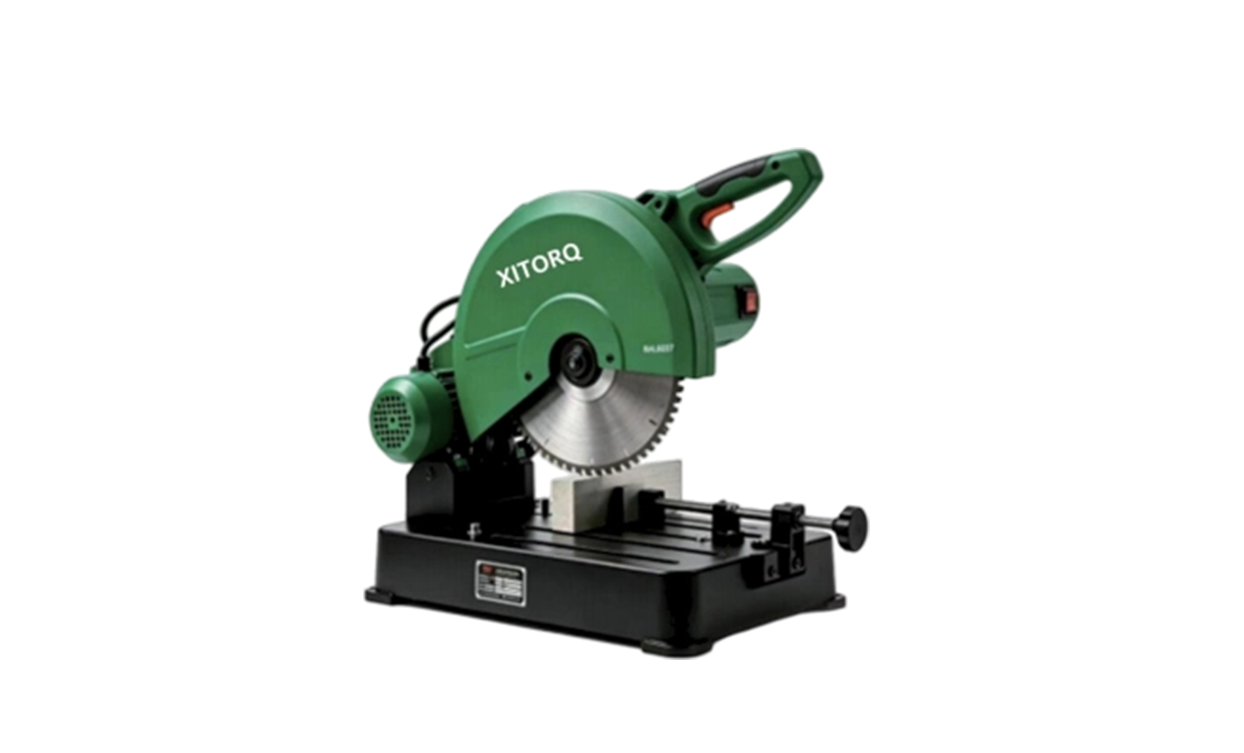
This 220V 14" permanent magnet variable frequency cold saw is an industrial-grade cutting tool designed for metal profile cutting. Featuring a permane...
See Details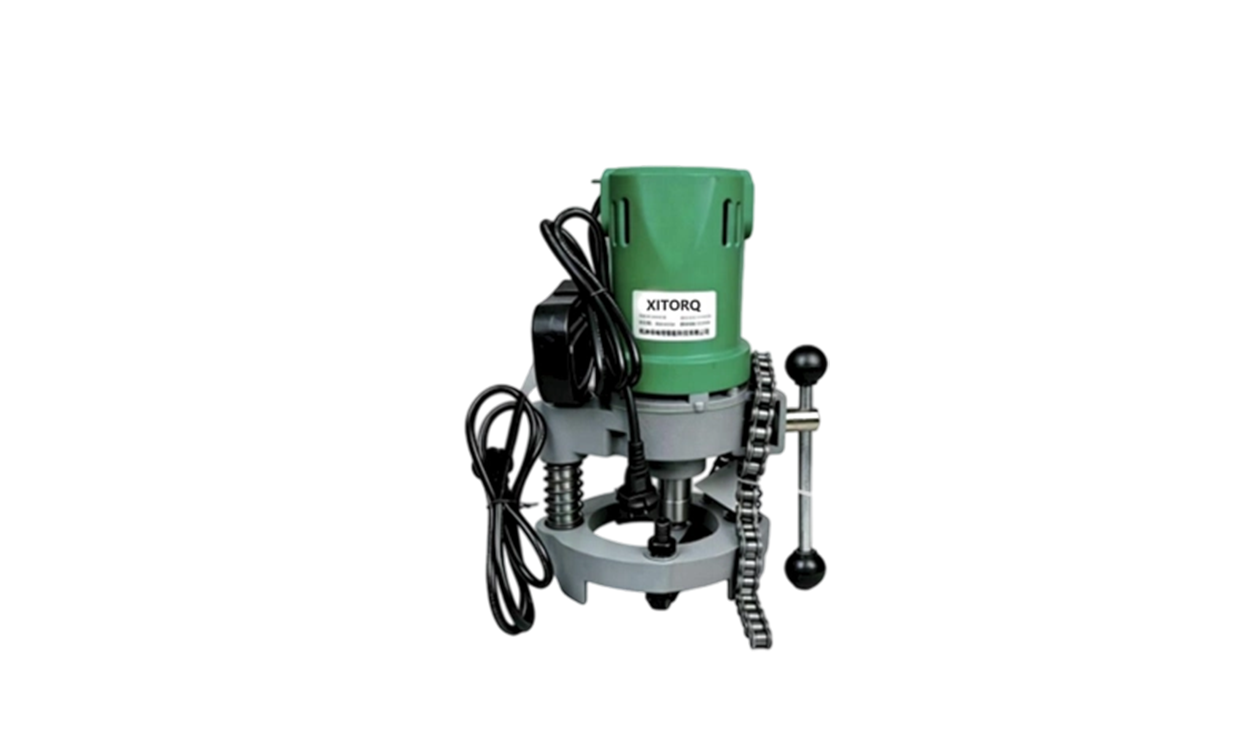
This 220V Fire Pipe Drilling Machine is a professional device designed for hole cutting on fire protection and plumbing pipes. Powered by a 220V indus...
See Details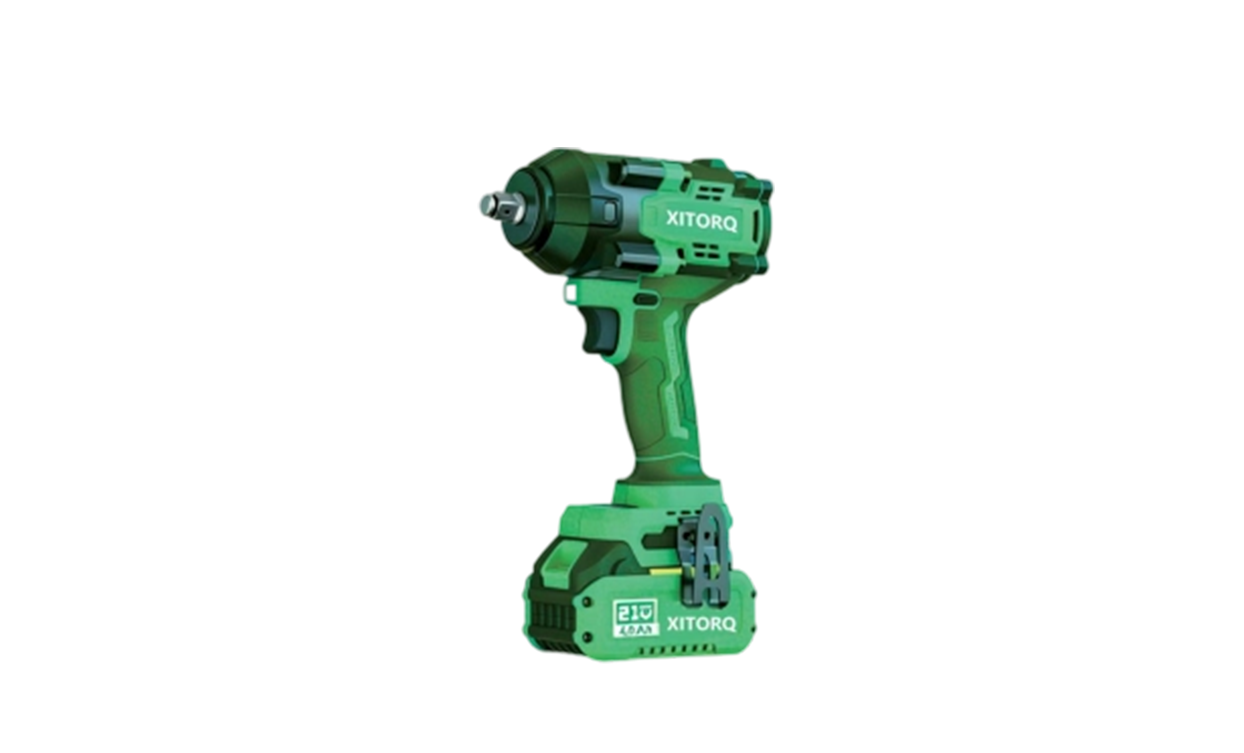
The XJ.570 21V lithium-ion brushless impact wrench is a light industrial-grade tool from the Xiaojia brand. Equipped with a 5220 brushless motor and p...
See Details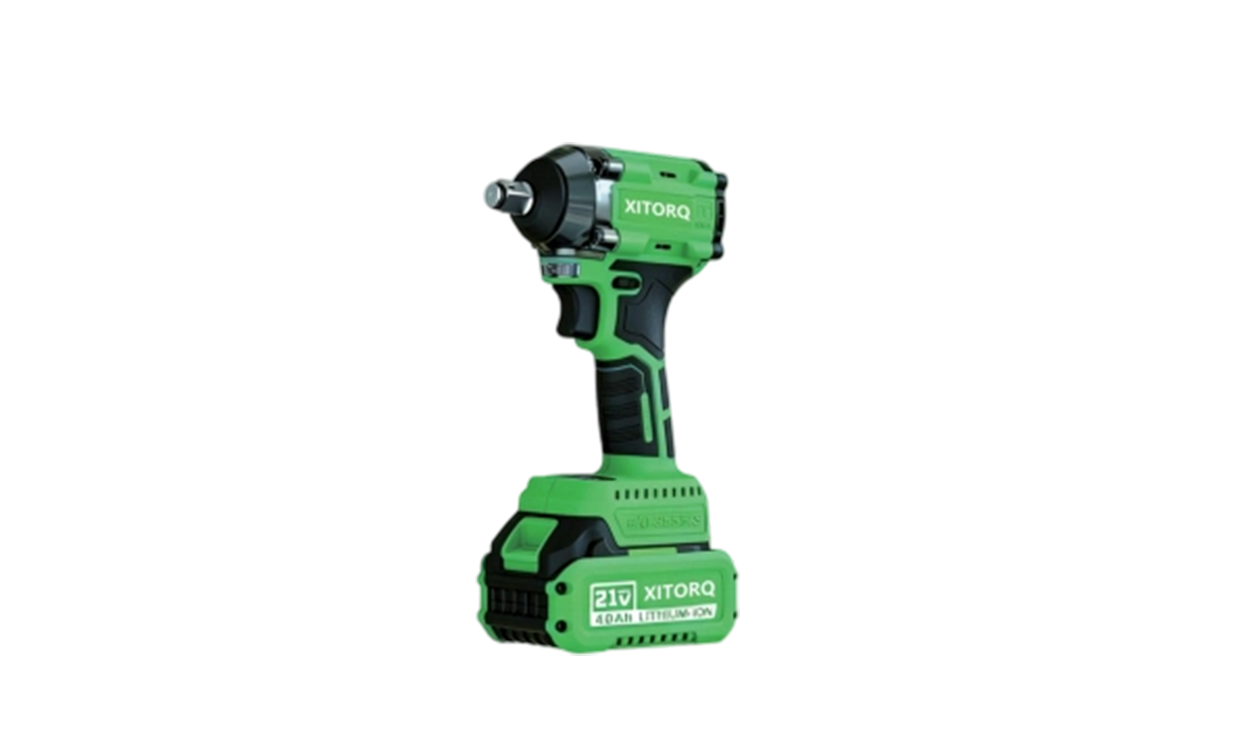
The XJ.523 21V lithium-ion brushless impact wrench is a heavy-duty industrial-grade tool from the Xiaojia brand. Powered by a high-power brushless mot...
See Details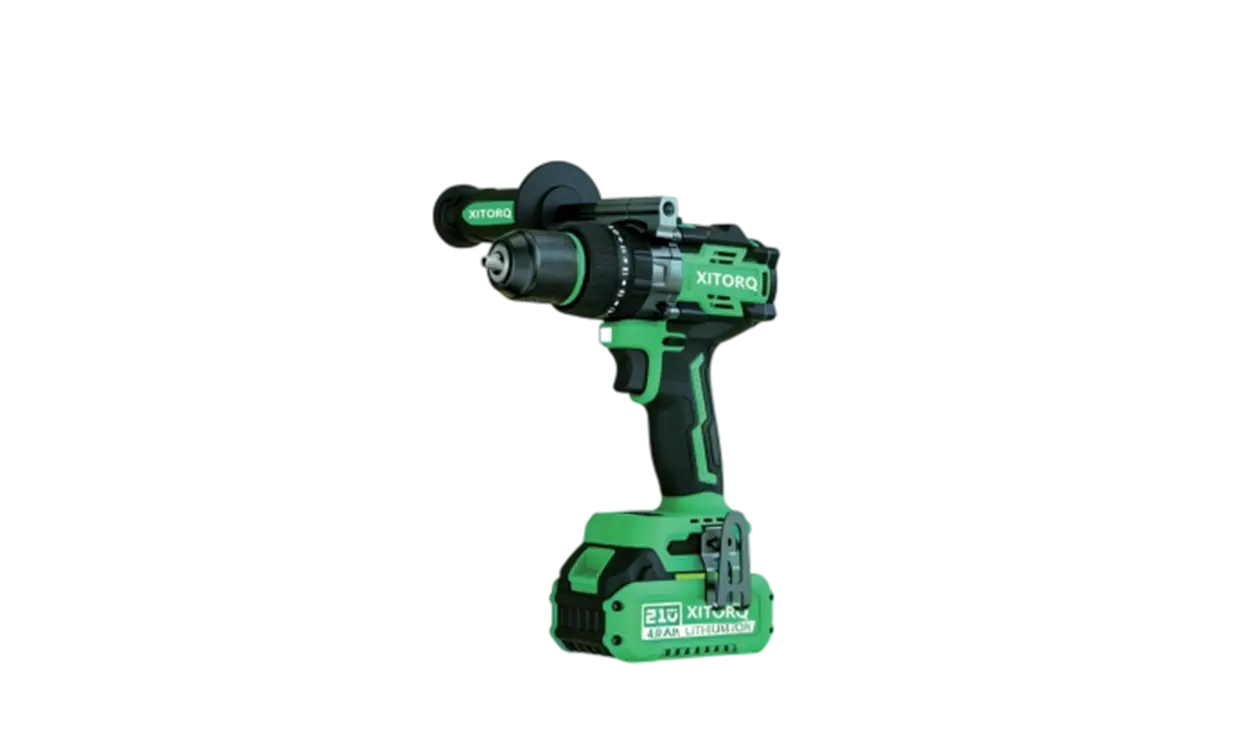
The XJ.615 21V lithium-ion brushless hammer drill/driver is a dual-purpose cordless drill from the Xiaojia brand. Powered by a 21V battery pack for co...
See Details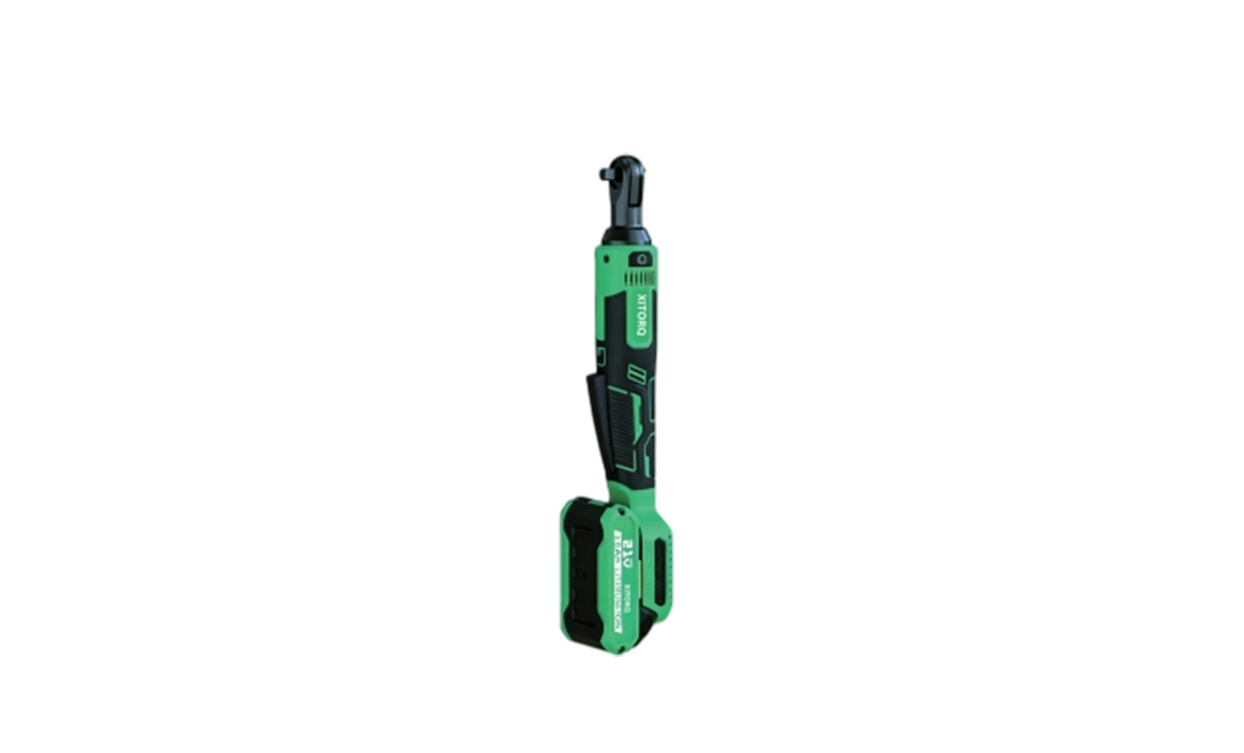
The XJ.592 16V brushless angle ratchet wrench is a compact industrial-grade ratchet from the Xiaojia brand. Equipped with a 16V brushless motor and an...
See Details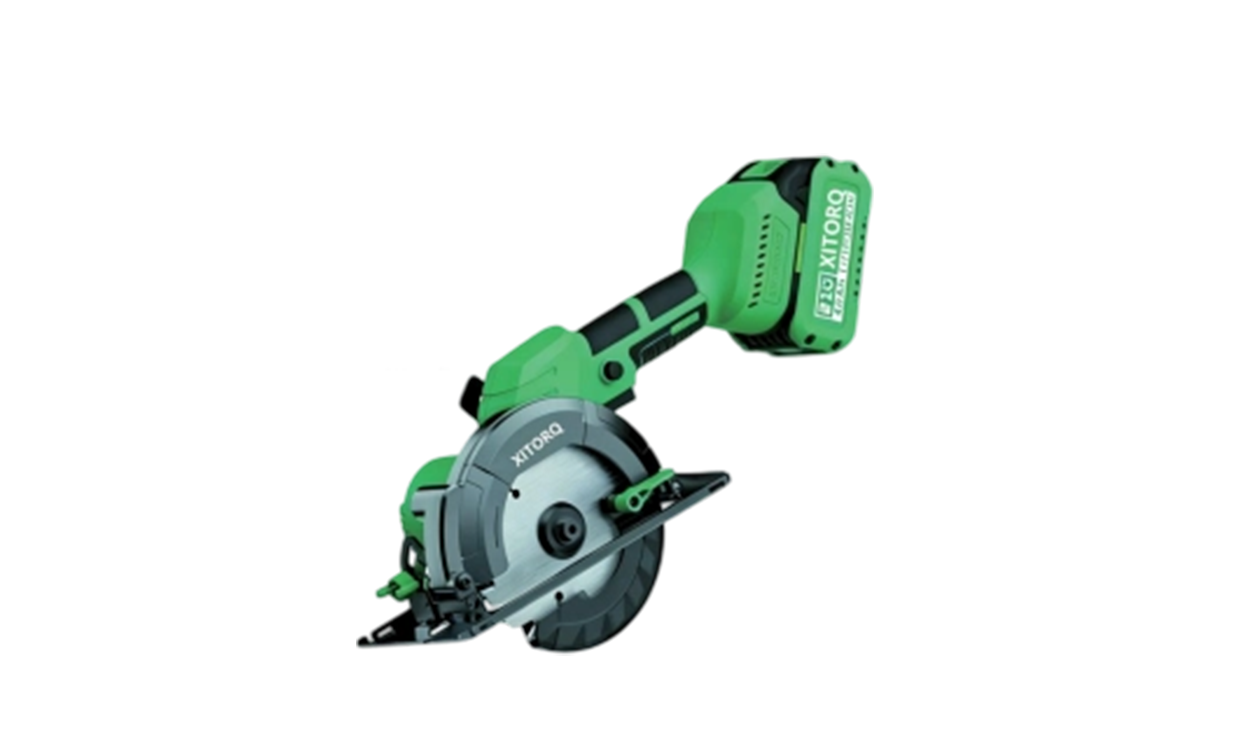
The XJ.853 21V lithium-ion high-magnetic brushless circular saw is an industrial-grade handheld circular saw from the Xiaojia brand. Featuring a high-...
See Details
Copyright © by Hangzhou Xinabo Intelligent Electromechanical Technology Co., Ltd Rights Reserved. Pipe Threaders Manufacturers