
 English
 Español
 عربى
عربى


Intelligent Pipe Tightening Machine
1. Intelligent adjustment, electric screwing 2. Save labor and improve efficiency 3. The layout is reasonable, safe and reliable 4. Torque adjustable,...
See Details
Content
When a Houston mechanical contractor lost a $2.8M commercial job because their manual threading crew couldn’t meet the 12-day deadline for 1,200 threaded connections, the operations director replaced three manual stations with one intelligent pipe twisting machine. The next six-figure project was delivered three days early. The lesson is clear: in today’s tight-margin fabrication and construction environment, automation isn’t a luxury—it’s the difference between winning and losing bids.
This article examines what an intelligent pipe twisting machine actually does, how much it saves, what tolerances to expect, and which features matter most when you put one on the shop floor.
At its core, an intelligent pipe twisting machine automates the entire threading cycle—pipe clamping, die head positioning, threading, oiling, and chip extraction—under CNC control. Unlike a conventional electric threader that relies on operator skill for consistent engagement, the intelligent version uses servo-driven axes and torque sensors to maintain exact tool pressure regardless of pipe hardness or diameter.
The machine’s software stores thread standards (NPT, BSPT, metric) and can switch between them without manual die changes. On a typical 2-inch schedule 40 steel pipe, cycle time drops from 90 seconds with a manual machine to under 40 seconds, while thread geometry stays within ±0.05 mm of the programmed pitch diameter—batch after batch. That repeatability eliminates the rework that eats 8–15% of labor on manual lines.
Understanding the sequence helps you evaluate machine build quality. A production cycle on a well-designed intelligent twister follows five steps:
All steps run without operator intervention, which lets one worker supervise two or three stations. That’s the core of the labor savings.
Manual threading ties up one skilled operator per machine. Every pipe change means measuring, adjusting the die head, reversing, and cleaning. Intelligent machines collapse that into a single automated sequence. The numbers below come from field data on medium-bore (1/2″–4″) carbon steel pipe in a production environment running 8-hour shifts.
| Factor | Manual Threader | Intelligent Pipe Twister |
|---|---|---|
| Threads per 8-hour shift (2″ pipe) | 80–100 | 280–340 |
| Operators required | 1 per machine | 1 per 2–3 machines |
| Rework rate (out-of-spec threads) | 6–12% | <0.5% |
| Material waste from bad threads | ~3% of pipe ends | Near zero |
| Thread consistency (pitch diameter tolerance) | ±0.3 mm or worse | ±0.05 mm |
Direct labor cost per thread drops by more than half when a single operator manages multiple stations. With average U.S. skilled labor rates of $28–$38/hour, that saving typically recovers the machine premium in 12–18 months. Detailed break‑even analyses are covered in our guide on how intelligent pipe twisting machines reduce labor costs.
Thread integrity directly affects field joint reliability. Inconsistent taper, chatter, or torn threads cause leaks and failed pressure tests. Intelligent twisting machines enforce the thread profile through closed-loop servo control, not operator feel. The system monitors spindle torque and feed rate simultaneously; if cutting force deviates beyond a preset window (usually set at ±8% of nominal), the machine either adjusts feed or halts the cycle and flags the part.
Reputable manufacturers guarantee thread lead accuracy within 25 µm per 100 mm and pitch diameter repeatability of ±0.03 mm on NPT profiles when using matched dies. This means every connection in a 500‑joint sprinkler system will torque up to the same engagement depth, eliminating the typical 1–2% leak rate found on manual lines. For fire protection contractors, that alone pays for itself in avoided call-backs.
Not all machines sold as “intelligent” offer the same capability. You need to evaluate seven decision points before purchasing:
When you compare a well‑engineered intelligent pipe twisting machine against entry‑level models, the difference is in the rigidity of the bed casting and the quality of the CNC controller. Machines built on a welded steel frame with linear guideways hold tolerance far longer than those relying on simple leadscrews.
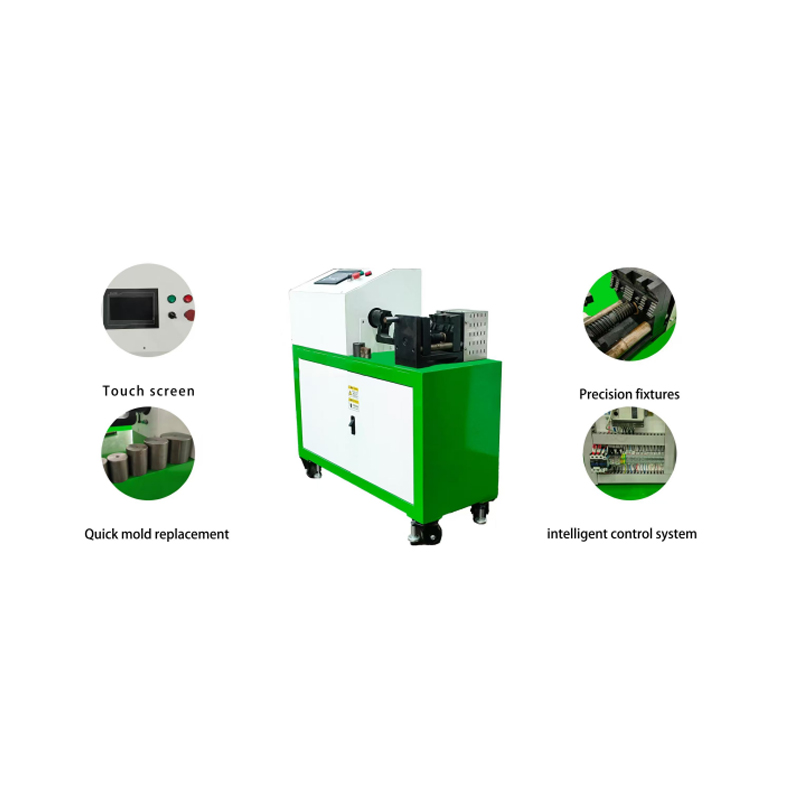 Intelligent Pipe Twisting Machine Manufacturers, Suppliers, FactoryAs Pipe Twisting Machine Manufacturers in China, Intelligent Pipe Twisting Machine Suppliers and Factory, Xinabo offer Custom Pipe Twisti...View Product →
Even the most advanced machine cannot produce good threads with worn or inferior dies. Intelligent twisters are designed to work with high‑speed steel (HSS) threading dies that maintain sharp cutting edges across thousands of cycles. The best practice is to pair the machine with high‑speed steel threading dies ground to the exact thread standard you need. Mismatched dies cause pitch wander, rapid tool wear, and eventual machine overload alarms. Plan on die inspection every 2,000 threads on carbon steel and every 800 threads on stainless, using a go/no‑go gauge to confirm form before scrap accumulates.
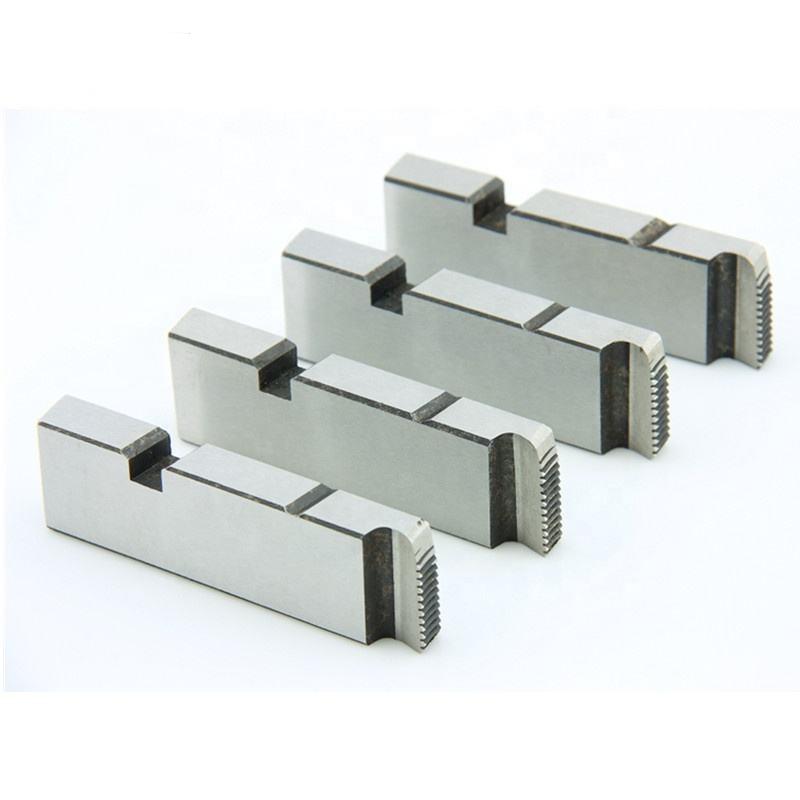 High Speed Steel Threading Dies-Hangzhou Xinabo Intelligent Electromechanical TeCore Material & Performance: Crafted from high-speed steel (HSS), the threading dies feature excellent hardness, wear resistance and ...View Product →
The strongest paybacks occur in facilities threading more than 200 pipe ends per day. Specific sectors that adopt first include:
In each case, the machine’s ability to run lights‑out for batches of 20–50 pieces removes the bottleneck of waiting for a skilled threader to be available.
Intelligent machines demand disciplined care, but the workload is minimal compared to troubleshooting manual threaders. The three non‑negotiable routines are:
Following this schedule, a properly installed intelligent pipe twisting machine typically runs 8,000–12,000 hours between major rebuilds, with accuracy remaining within factory specifications throughout.
Pricing for a full‑auto 4‑inch intelligent twister starts around $35,000–$55,000 depending on auto‑loading configuration and die head options. For a shop currently running three manual stations at a loaded labor rate of $35/hour, moving to one intelligent machine with one operator saves roughly $48,000 per year in direct wages alone. Add the value of reduced rework (scrap and reputation) and the ability to take on higher‑volume contracts, and payback often falls below 15 months. Many contractors recover the purchase cost within the first large project that they would otherwise have missed due to capacity or labor shortages.
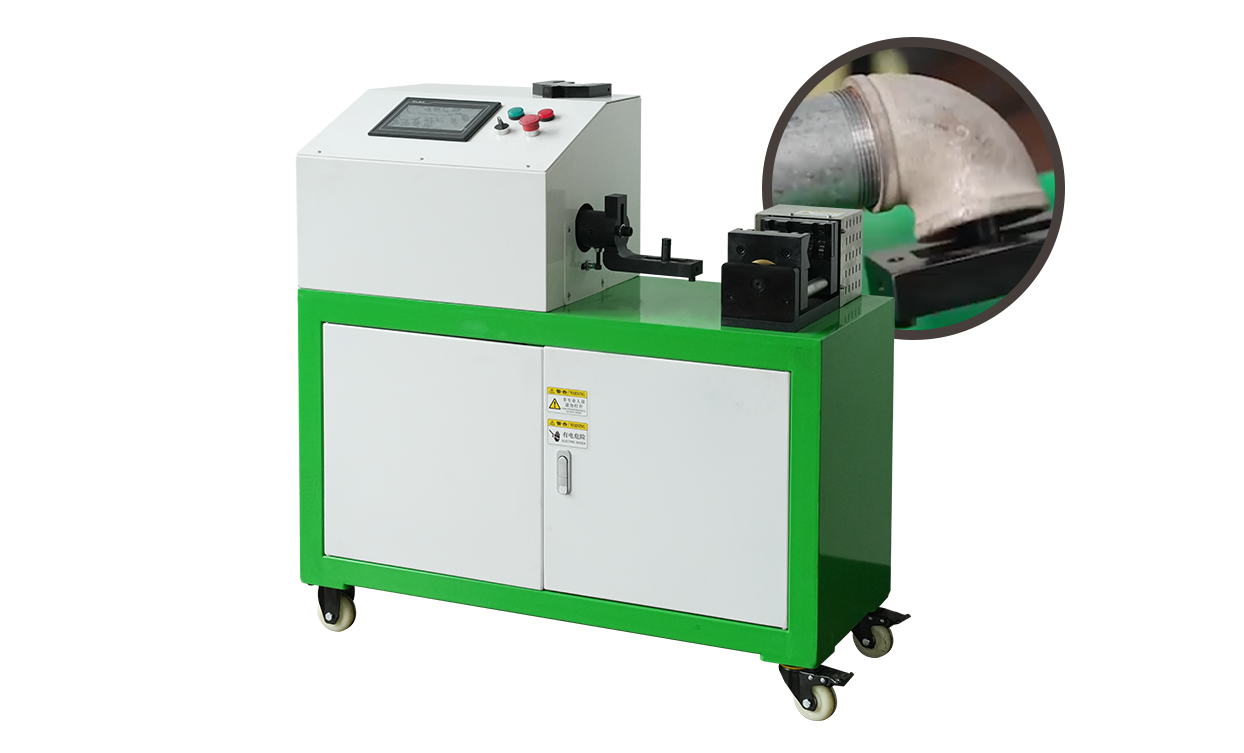
1. Intelligent adjustment, electric screwing 2. Save labor and improve efficiency 3. The layout is reasonable, safe and reliable 4. Torque adjustable,...
See Details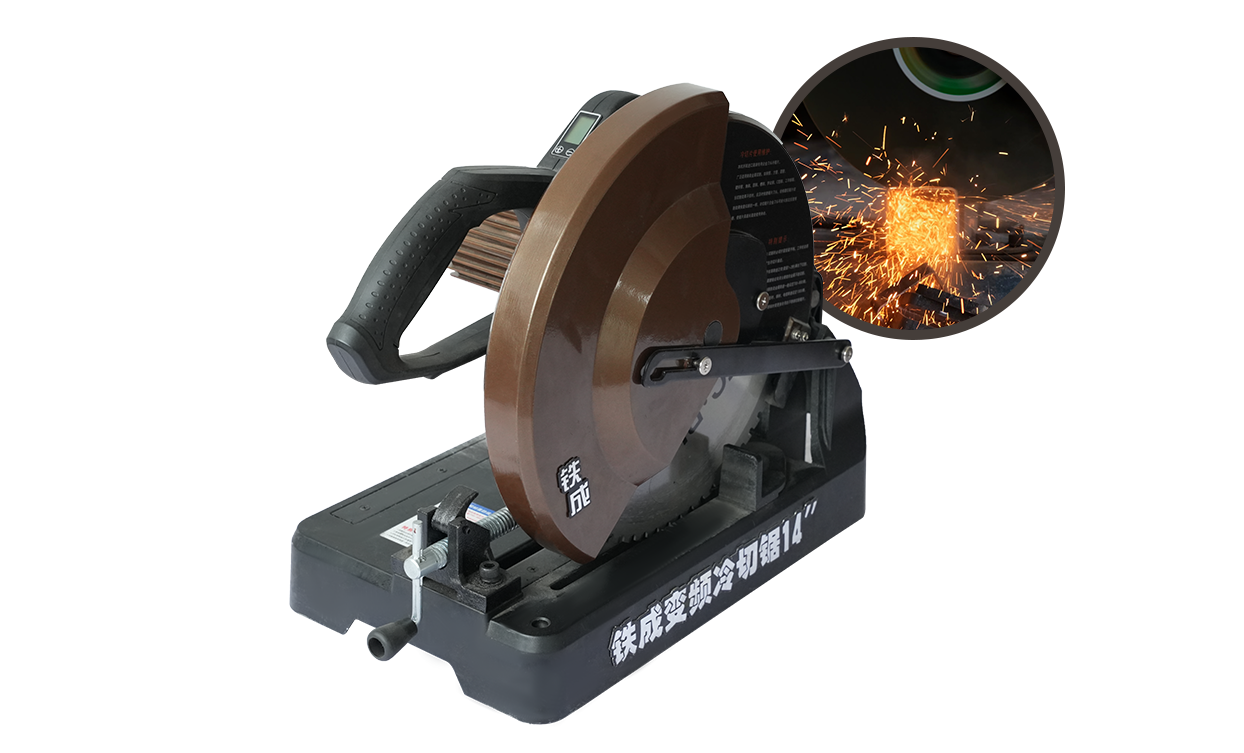
1. Next generation performance, delivering over 3,500 precise cuts with every blade 2. Intelligent Motor Technology 3. Precision Shadow Line Guide 4. ...
See Details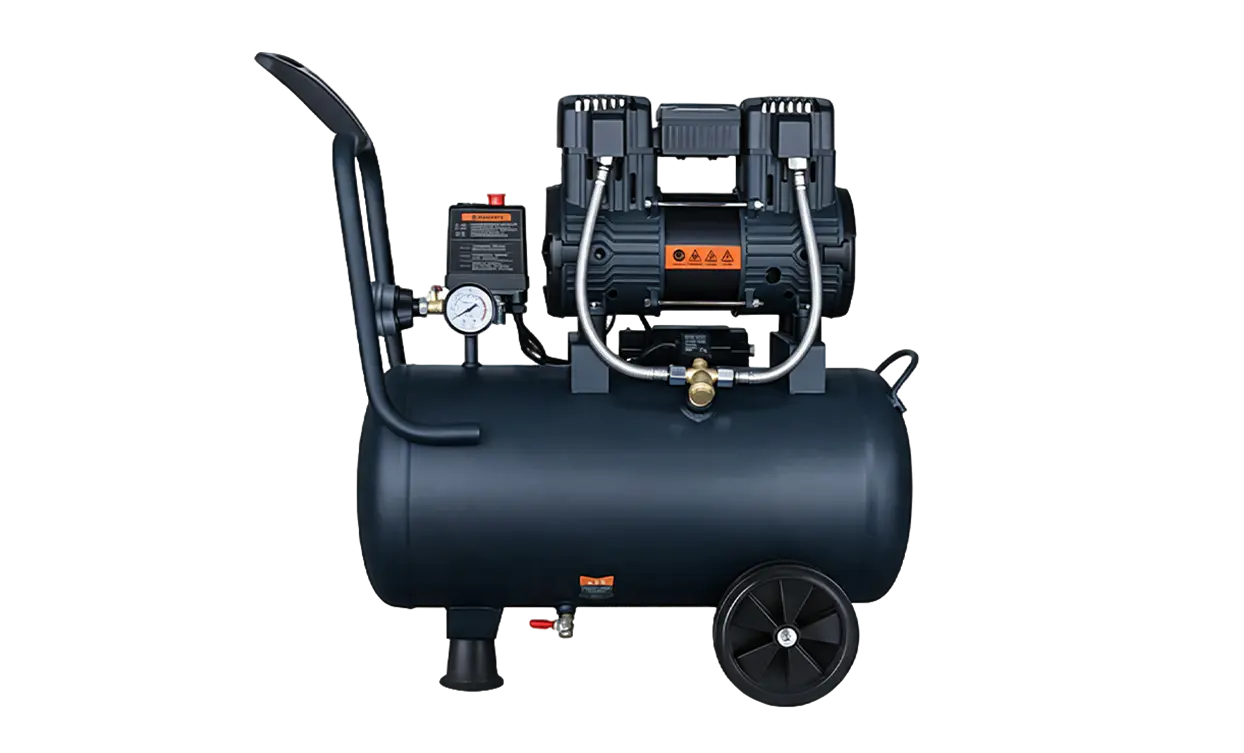
The F1680 Series Air Compressor is engineered for stable and efficient air supply, featuring core technologies of multi-cylinder compression, rapid ai...
See Details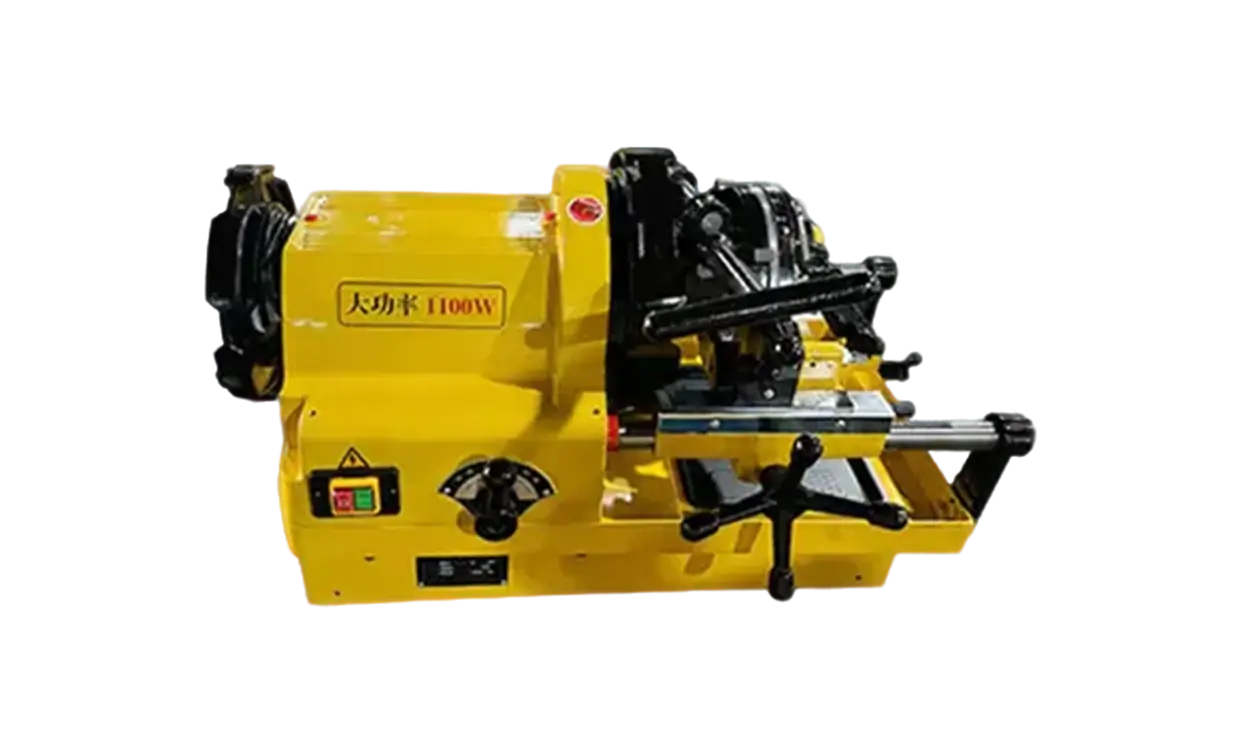
This SQ100 4-inch 15-100mm dual-speed electric pipe threading machine is engineered for precise and efficient pipe threading operations, with a workin...
See Details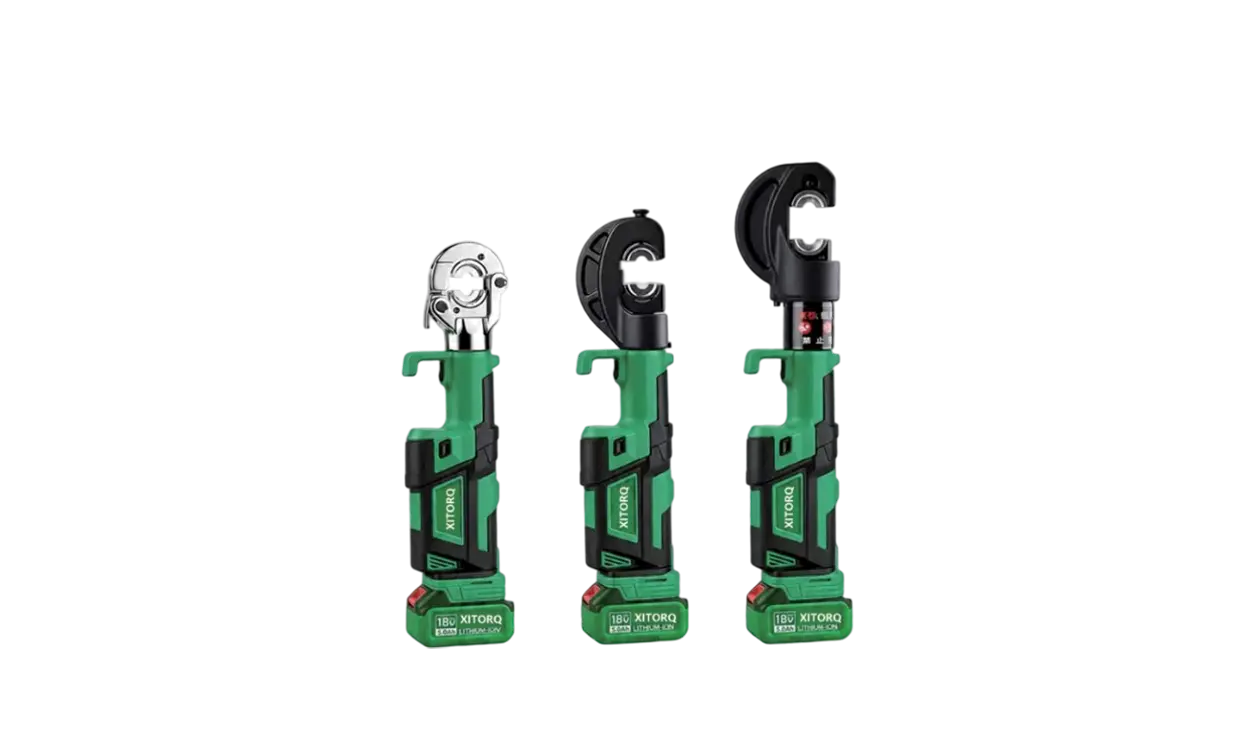
This 18V lithium-ion hydraulic crimping tool is a portable hydraulic tool designed for cable terminal crimping. It features a brushless lithium-ion po...
See Details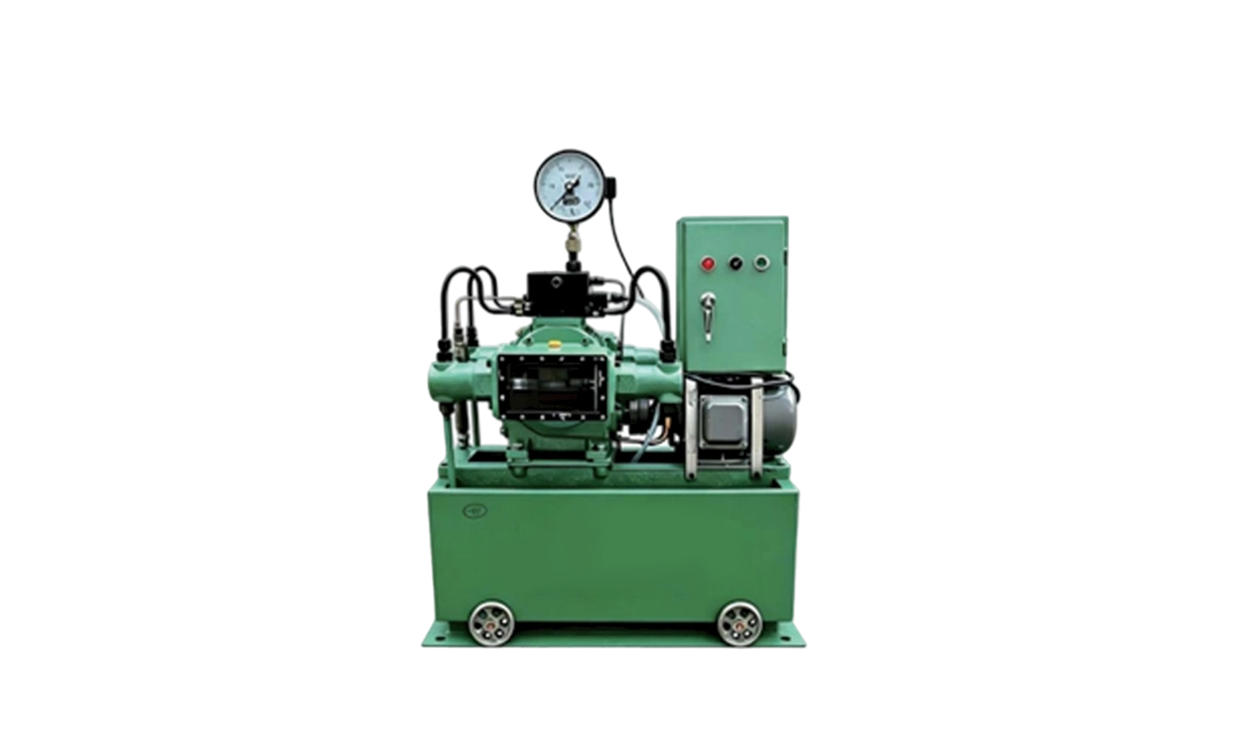
This 380V electric pressure test pump is a professional device designed for hydrostatic pressure testing and leak detection of pipes, valves, pressure...
See Details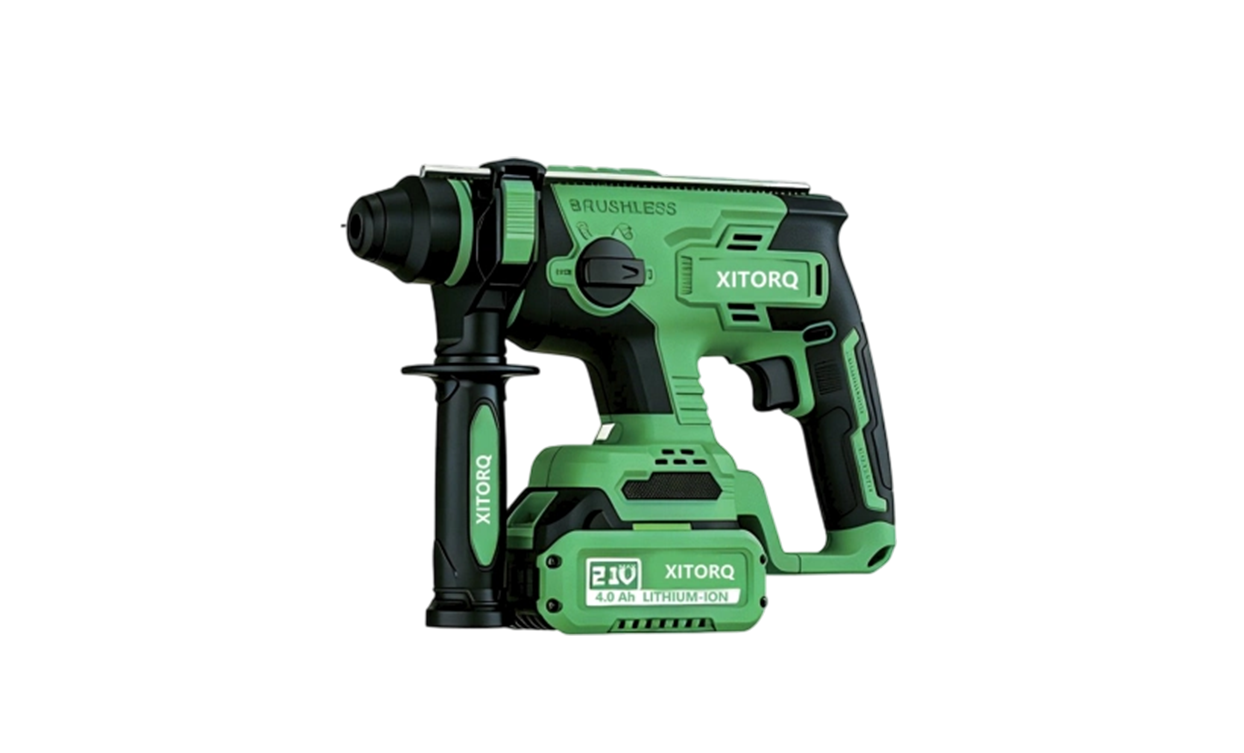
The XJ.709 21V lithium-ion high-magnetic brushless rotary hammer is an industrial-grade hammer from the Xiaojia brand. Equipped with a high-magnetic b...
See Details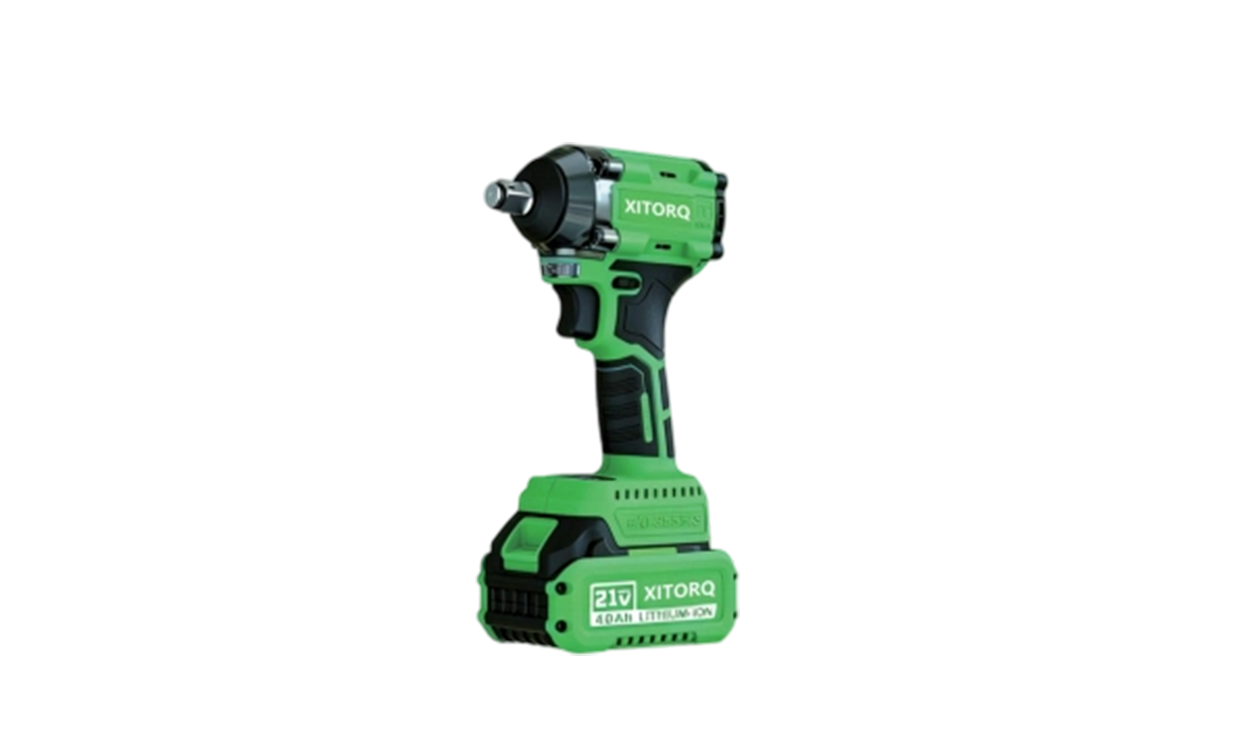
The XJ.523 21V lithium-ion brushless impact wrench is a heavy-duty industrial-grade tool from the Xiaojia brand. Powered by a high-power brushless mot...
See Details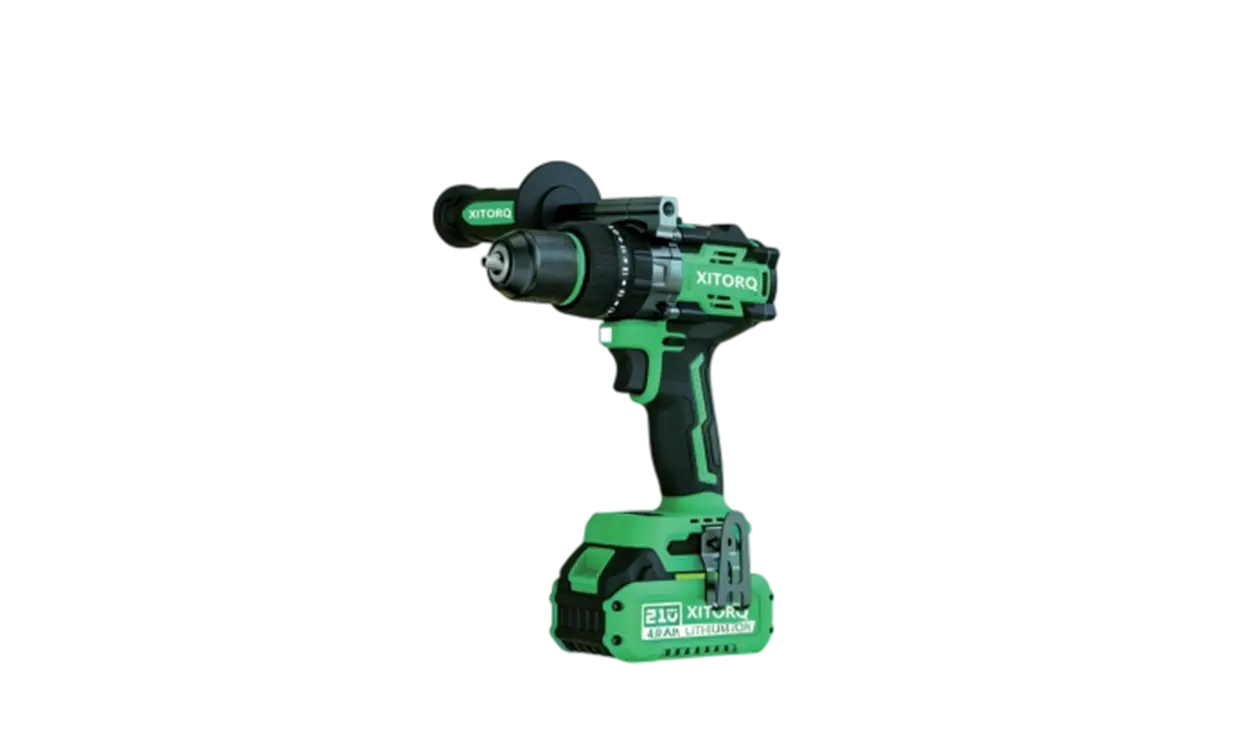
The XJ.615 21V lithium-ion brushless hammer drill/driver is a dual-purpose cordless drill from the Xiaojia brand. Powered by a 21V battery pack for co...
See Details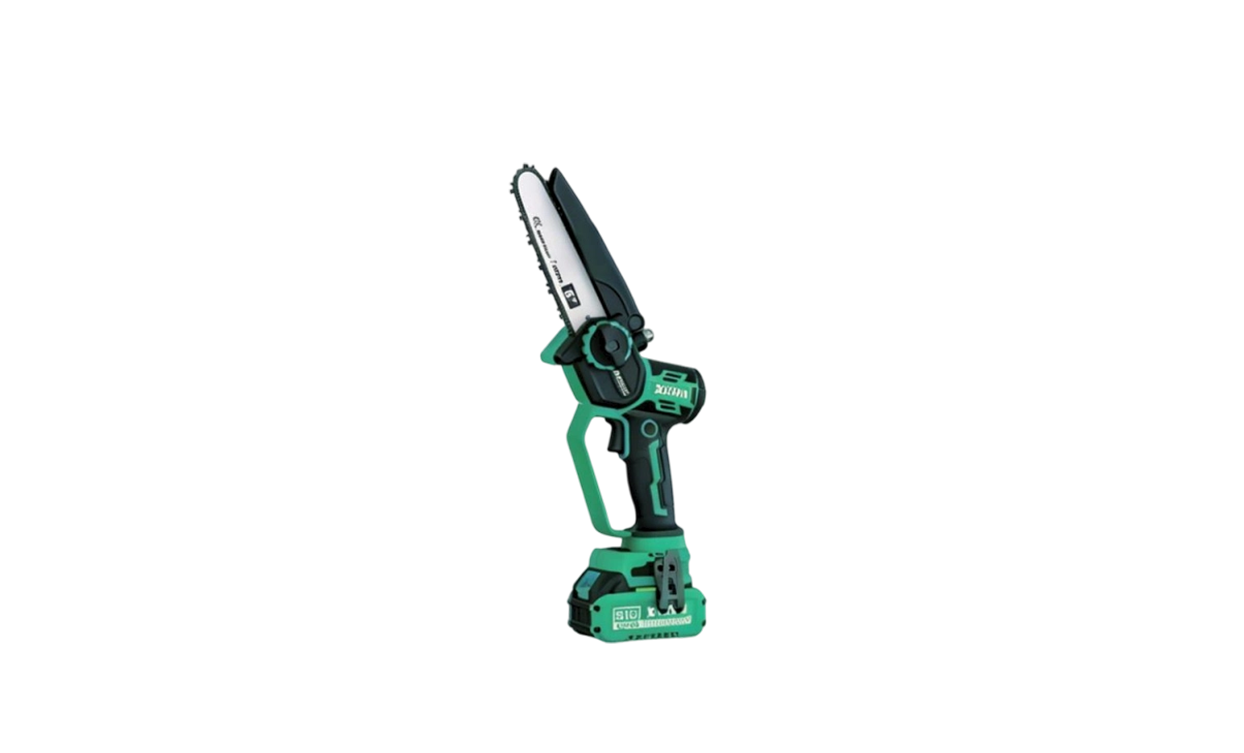
The XJ.206 16V 6" brushless electric chainsaw is a mid-sized lithium-ion chainsaw from the Xiaojia brand. Powered by a 16V brushless motor with a 6" g...
See Details
Copyright © by Hangzhou Xinabo Intelligent Electromechanical Technology Co., Ltd Rights Reserved. Pipe Threaders Manufacturers
