
 English
 Español
 عربى
عربى



Intelligent Threading Machine
1. Automatically identify the pipe diameter 2. Automatic tool adjustment and setting 3. Pipe Processing Range: DN15–DN100 4. Threading time as fast ...
See Details
Content
A standard pipe threading machine takes roughly 45 seconds to thread a 2-inch pipe. An intelligent version of the same tool completes the job in under 20 seconds—and automatically adjusts torque, speed, and die alignment without operator intervention. That difference redefines what a fabrication shop can output in a single shift.
You do not need a larger crew to see those numbers. What you need is a machine that reads the material, adapts to thread specifications, and corrects itself before a scrapped workpiece ever hits the bin. That is the functional core of an intelligent threading machine, and it arrives with a level of control that manual and semi-automatic systems simply cannot match.
An intelligent threading machine is not just a motorized die head. It integrates real-time sensors, adaptive algorithms, and often network connectivity to manage threading from setup to final pass without constant operator decisions. The distinction comes down to three capabilities: automated parameter adjustment, process feedback loops, and data output. A conventional machine relies on preset mechanical stops and the operator’s feel; an intelligent machine measures cutting torque, die temperature, and material hardness on the fly, then alters feed rate or rotation speed mid-cycle.
This automation eliminates the trial-and-error approach. Instead of cutting a test thread, measuring, and cutting again, the machine hits the specified thread profile on the first attempt because it self-calibrates against embedded tolerance tables and real-time sensor data. Many models also log each threading operation—thread count, cycle time, and torque curves—so supervisors can analyze throughput trends without walking the floor.
The leap from electromechanical to intelligent threading relies on four interconnected systems.
The drive system continuously monitors the resistance the die encounters. When it senses a hard spot or inconsistent material, it adjusts motor RPM and torque range in milliseconds. This prevents chipped dies and ensures the thread flank integrity remains within spec across a batch of pipes with varying metallurgy. The outcome: threading scrap drops by up to 35% compared to fixed-speed machines.
Embedded sensors track vibration signatures and cutting force. As die edges dull, the waveform changes. The machine can signal a maintenance alert before thread quality degrades, which prevents sudden production halts and keeps every piece within tolerance. Some units even auto-compensate by slightly reducing speed or applying a multi-pass routine.
Instead of manual centering with gauges, the machine uses optical or laser-based positioning to square the die head relative to the pipe axis. This cuts the setup time from minutes to seconds and ensures the thread runout stays below 0.002 inch on every cycle.
Intelligent threading machines often support protocols like Modbus TCP or OPC UA, feeding live metrics—thread count, cycle duration, machine status—into a factory’s MES or ERP system. This turns threading stations into data nodes that contribute to overall equipment effectiveness (OEE) calculations. Management gains visibility into exactly when a machine is cutting, idling, or in fault, enabling better scheduling and preventive maintenance triggers.
For a closer look at how these technologies combine to reshape pipe processing workflows, the guide on automated precision with intelligent threading breaks down real-world integration scenarios.
Numbers tell the story best. In field data from fabrication shops running both traditional and intelligent threading stations side by side, the following improvements are typical:
| Metric | Conventional Machine | Intelligent Machine |
|---|---|---|
| Cycle time (2-inch pipe, NPT) | 45–55 seconds | 17–24 seconds |
| Setup time per batch change | 8–15 minutes | Under 90 seconds |
| Scrap rate (thread defects) | 3–7% | Less than 0.5% |
| Die life extension | Baseline | +40–60% |
| Operator training hours to proficiency | 40+ hours | 4–8 hours |
The speed increase comes from eliminating manual measurements and from running optimized cutting paths that the control software generates instantly. Scrap reduction is the direct result of adaptive torque management and die alignment precision that never drifts after the first cycle. Less operator training time matters in a tight labor market; the machine’s guided interface and one-touch setups flatten the learning curve.
Not all intelligent threading machines are built the same. Before adding one to your shop floor, weigh four factors that separate units that deliver a payback in months from those that become shelfware.
Check the pipe diameter and wall thickness envelope. Many machines handle 1/2 inch to 4 inches, but the sweet spot for most job shops is a model that effortlessly threads 2- and 2.5-inch schedule 40 pipes—these sizes dominate commercial plumbing and fire protection work. Also confirm the machine can process the materials you buy: stainless steel requires different speed curves than carbon steel, and not all intelligent models auto-configure for both.
An intelligent machine’s value lives as much in its software as in its iron. Look for a control panel that allows operators to select thread standards (NPT, BSPT, metric) from a dropdown and store custom presets. The interface should present real-time torque graphs and alert history, not just start/stop buttons. If the machine’s software cannot export data or accept remote updates, you lose the long-term intelligence advantage.
In a crowded fabrication bay, a machine that combines threading, cutting, and chamfering eliminates separate stations and saves floor space. Many intelligent threading machines integrate a pipe cutter and beveler, so a single load produces a fully prepped end. Verify the machine’s clamping system can handle bent or out-of-round pipe without slipping; integrated self-centering vises are a telling sign of robust design.
A sensor-laden machine is only as good as its support network. Prioritize manufacturers that provide remote diagnostics, readily available die sets, and firmware updates that improve thread cycle algorithms over time. The upfront price difference between a mid-tier intelligent machine and a premium model often reflects this ecosystem, not just hardware specs.
As you evaluate options, the product page for the intelligent threading machine details one configuration specifically engineered around these criteria, with dual-speed operation and integrated pipe cutting.
Intelligent machines reduce reactive maintenance by design. When the system monitors its own die condition and motor temperatures, it flags problems before they cause downtime. But that does not eliminate the need for a structured maintenance routine. Clean chips from the clamping jaw tracks daily—a single piece of debris can cause misalignment that the sensor suite will detect and stop the cycle, costing you time. Lubricate lead screws and check coolant levels per the manufacturer’s interval; the machine’s self-diagnostics cover bearing health but cannot replace fluid.
One overlooked area is software maintenance. Firmware updates often include refined thread profiles or improved adaptive algorithms. Apply them on schedule. A machine last updated three years ago will underperform a current-model unit regardless of the hardware similarities. This routine takes less than an hour per quarter and directly affects thread quality.
The largest payback emerges when the threading machine communicates upstream and downstream. For instance, a cut-to-length saw can receive the job queue from the same planning software that tells the threading machine which thread standard to use next. When the saw finishes a batch, the threading station’s display automatically loads the corresponding program, eliminating keystrokes and potential mix-ups. In plants that pair an intelligent threading machine with a grooving station or a precision threading die set, the combined cell consistently delivers completed pipe spools over 40% faster than a traditional layout.
Data integration also enables root-cause analysis. If rework spikes on a particular shift, the machine’s log shows exactly whether the issue was die wear, material inconsistencies, or operator overrides. That detail moves problem-solving from guesswork to actionable facts.
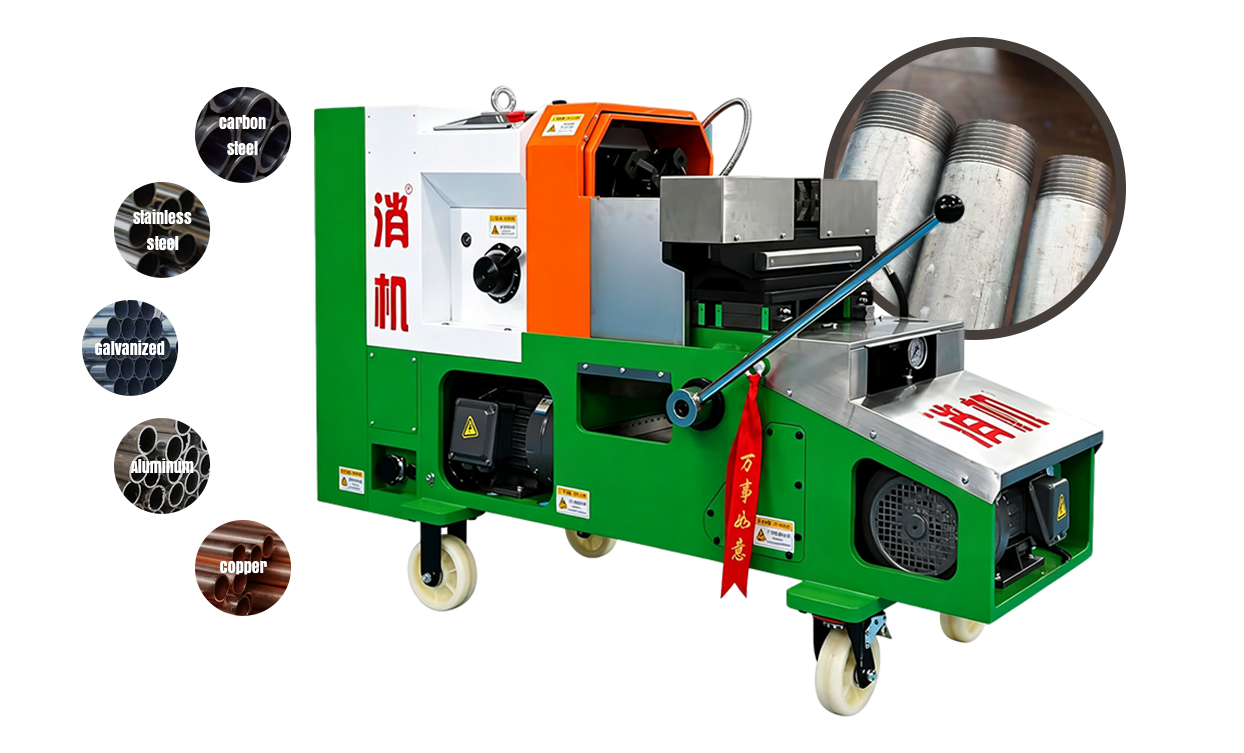
1. Automatically identify the pipe diameter 2. Automatic tool adjustment and setting 3. Pipe Processing Range: DN15–DN100 4. Threading time as fast ...
See Details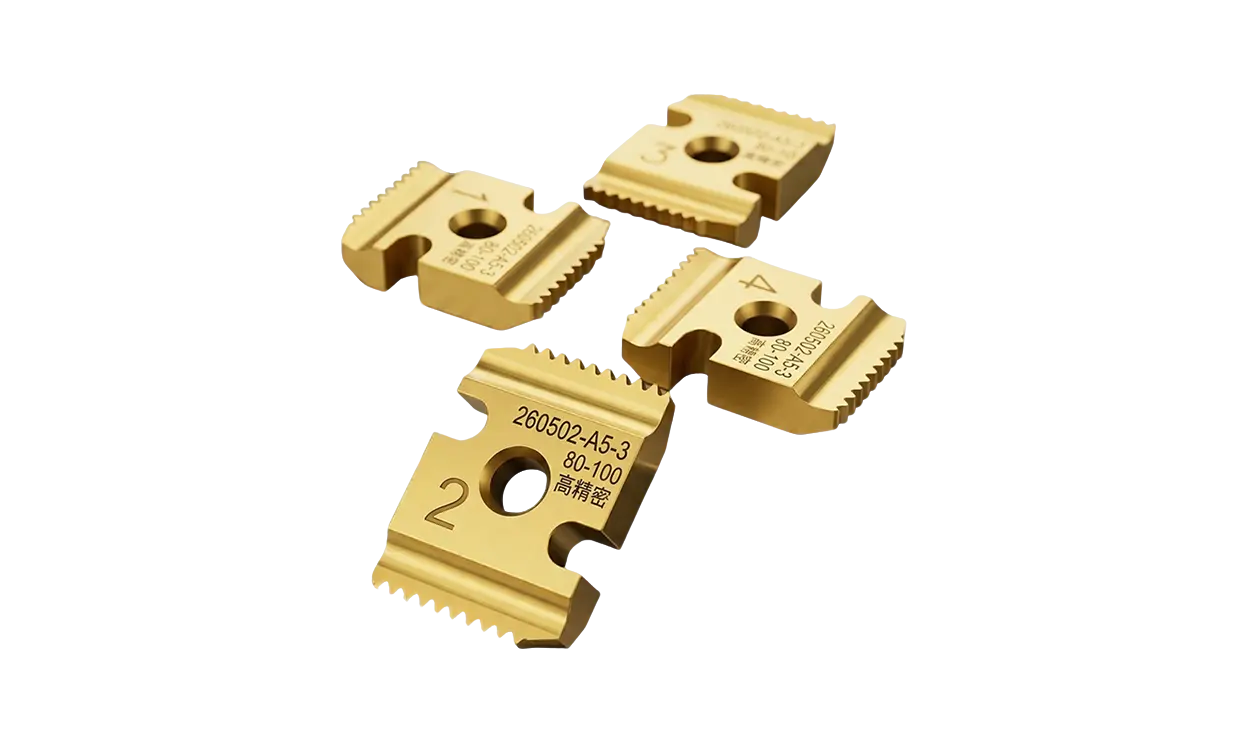
Specialized Compatibility: Exclusively designed for intelligent threading machines, the dies feature a high precision-machined structure that perfectl...
See Details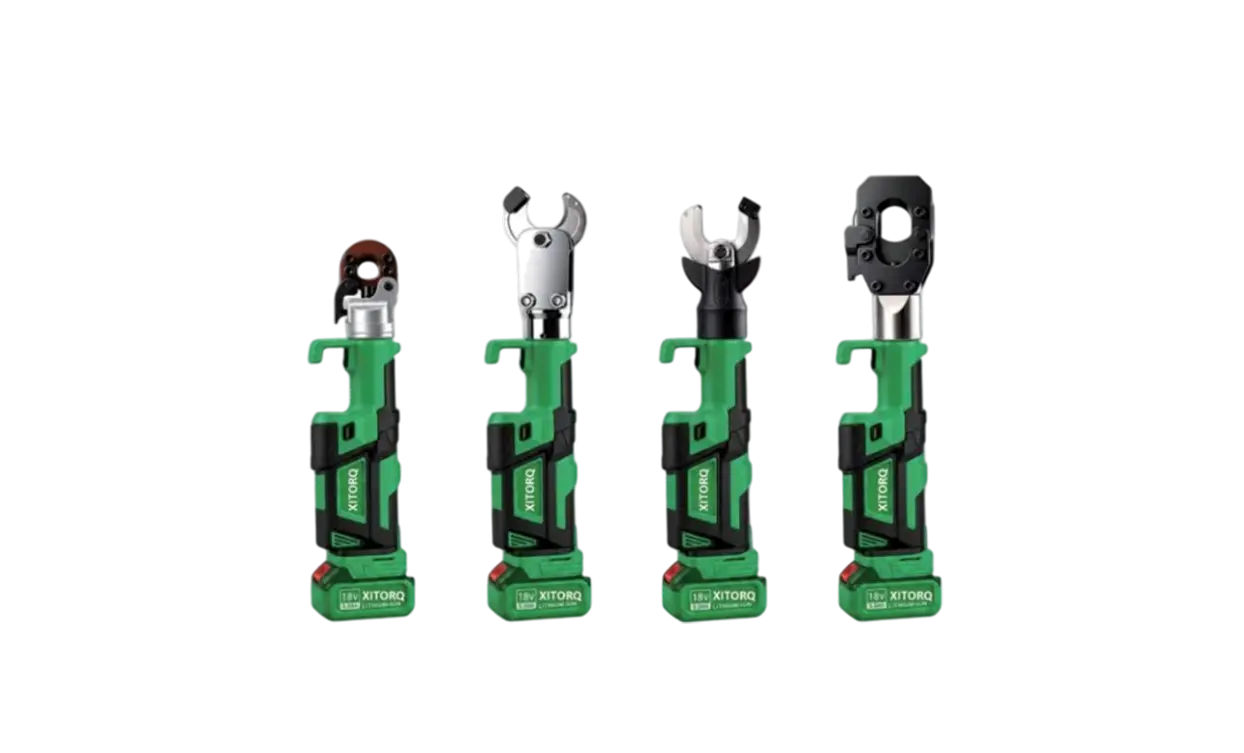
This 18V lithium-ion industrial cable cutter is a professional tool designed for large-diameter cable cutting. It features a brushless lithium-ion pow...
See Details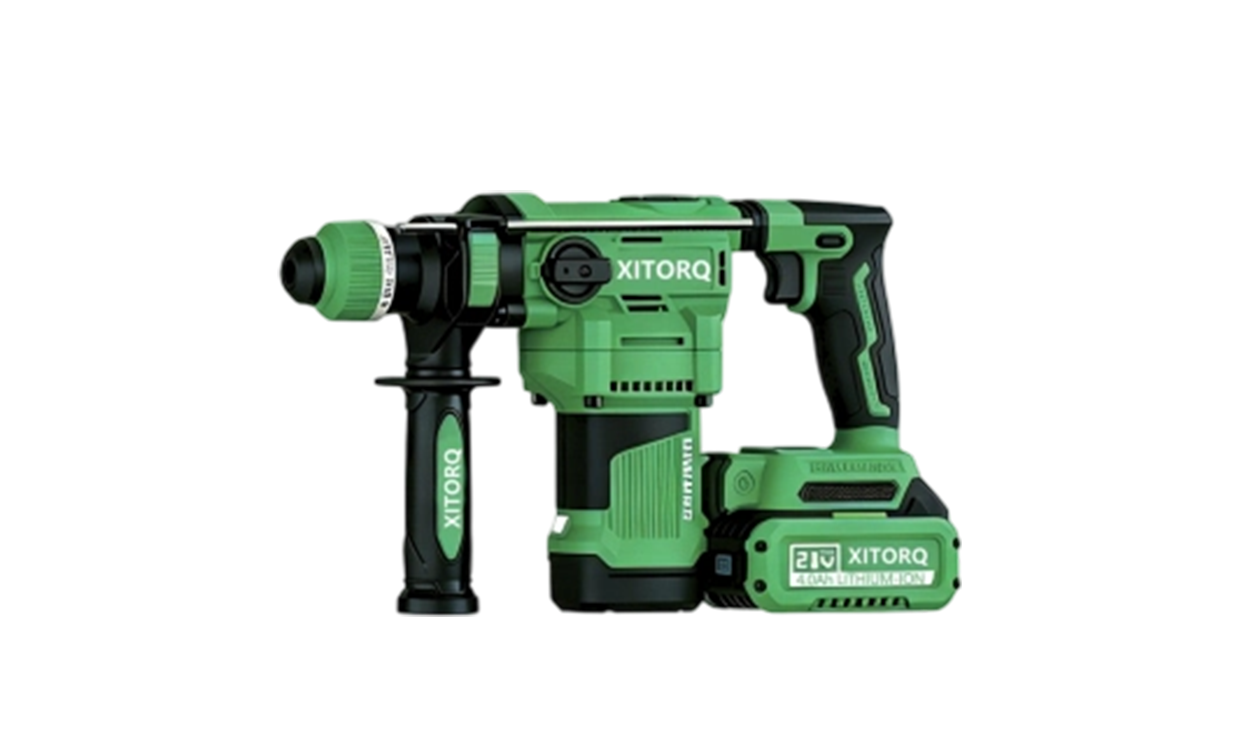
The XJ.728 21V lithium-ion high-magnetic brushless rotary hammer is a heavy-duty industrial-grade hammer from the Xiaojia brand. Featuring an upgraded...
See Details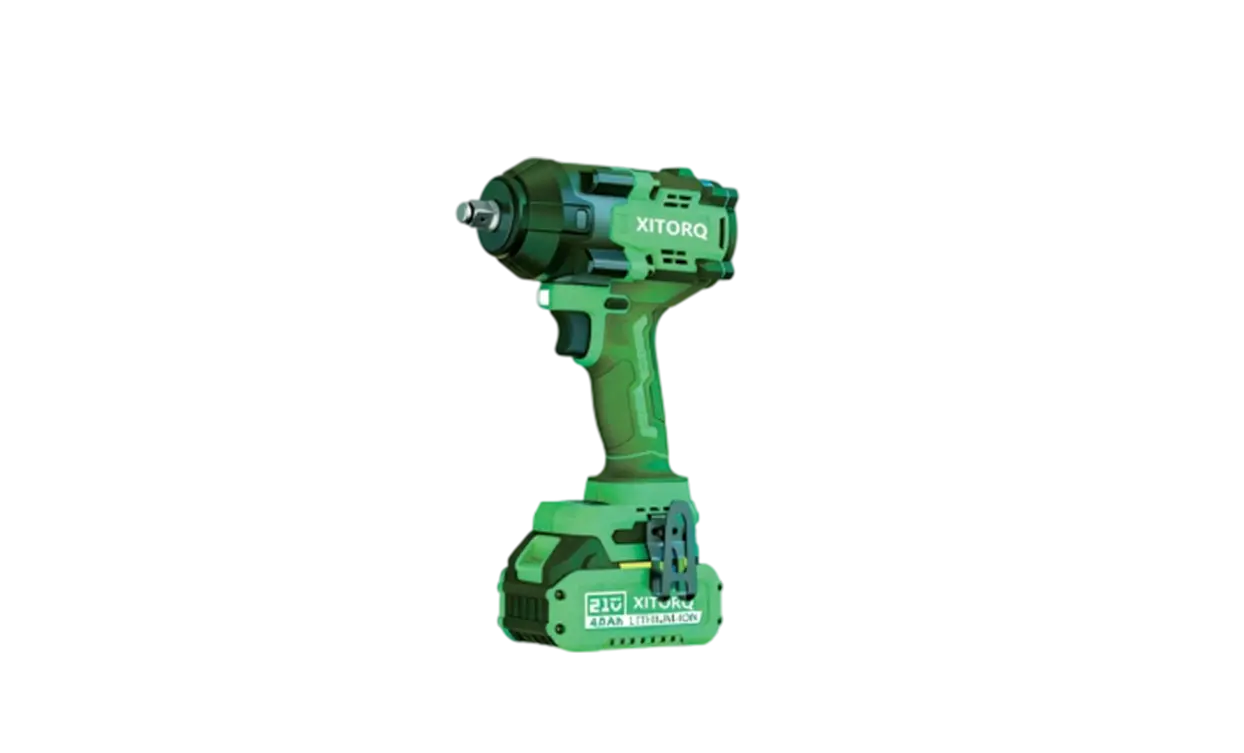
The XJ.580 21V lithium-ion brushless impact wrench is a medium-duty industrial-grade tool from the Xiaojia brand. Featuring an upgraded brushless moto...
See Details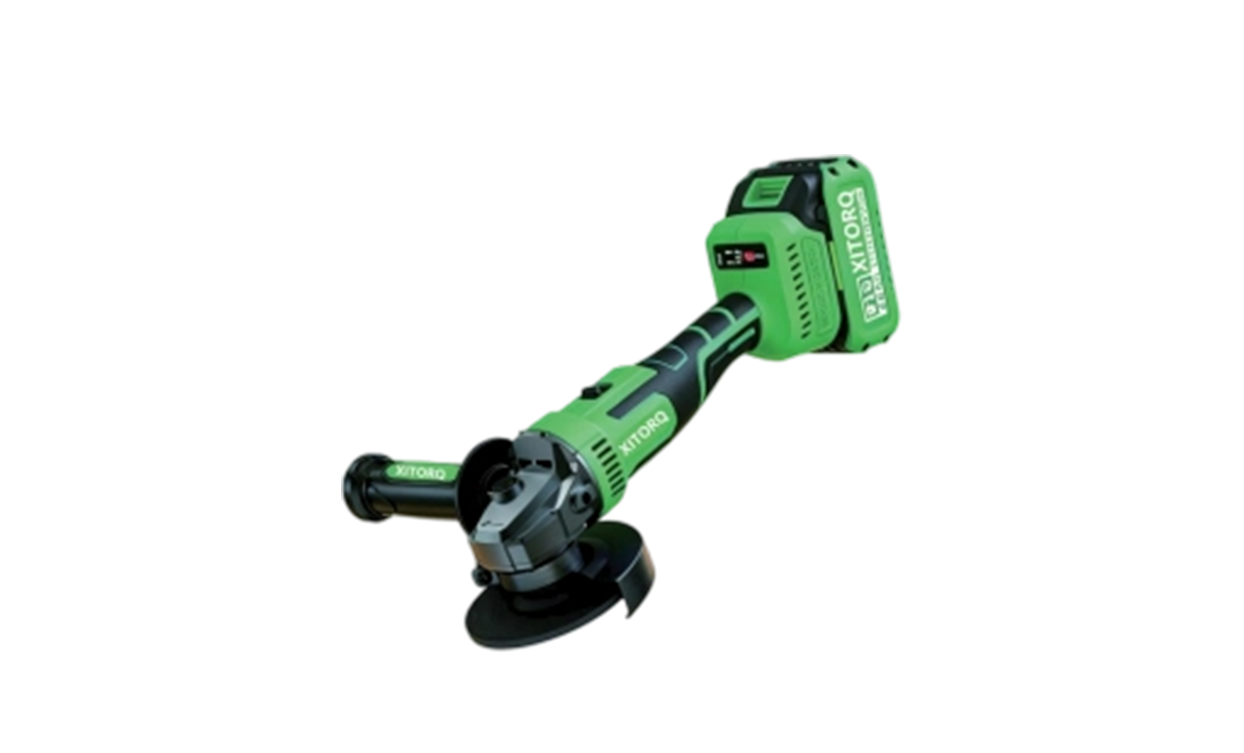
The XJ.908 21V lithium-ion high-magnetic brushless angle grinder is an industrial-grade grinder from the Xiaojia brand. Featuring a high-magnetic brus...
See Details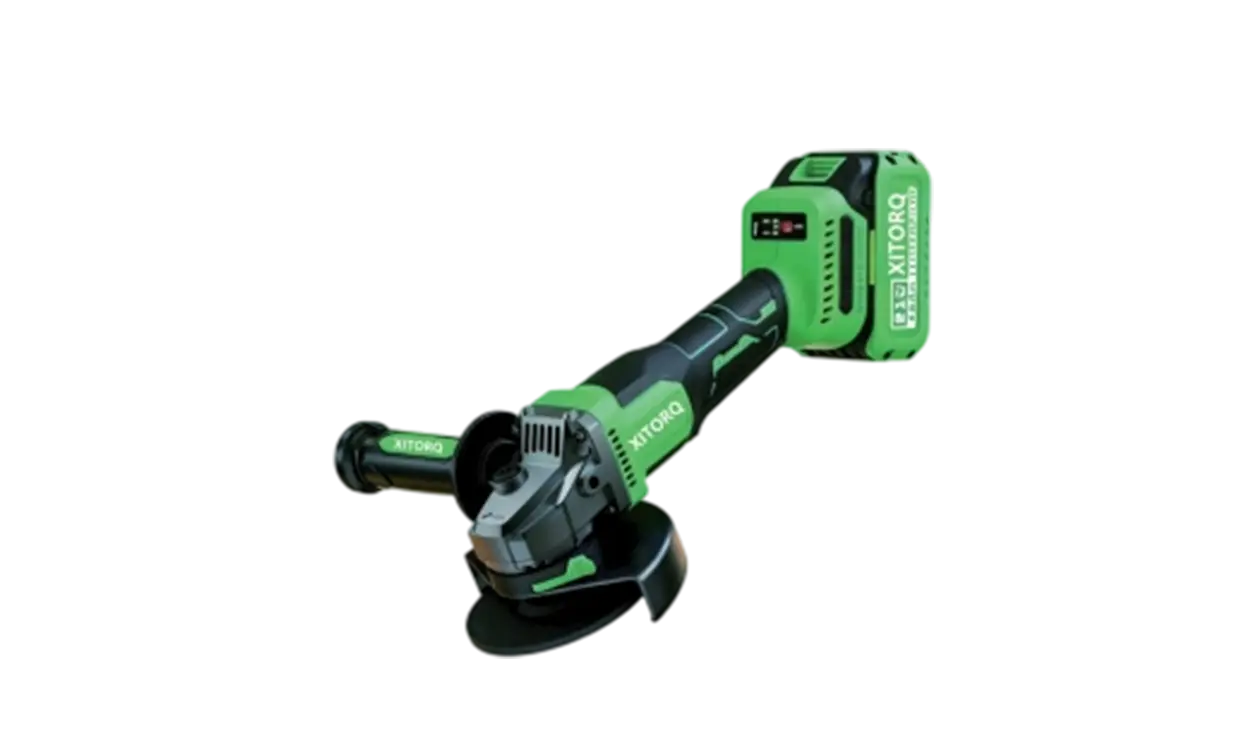
The XJ.918 21V lithium-ion high-magnetic brushless angle grinder is a heavy-duty industrial-grade grinder from the Xiaojia brand. Featuring an upgrade...
See Details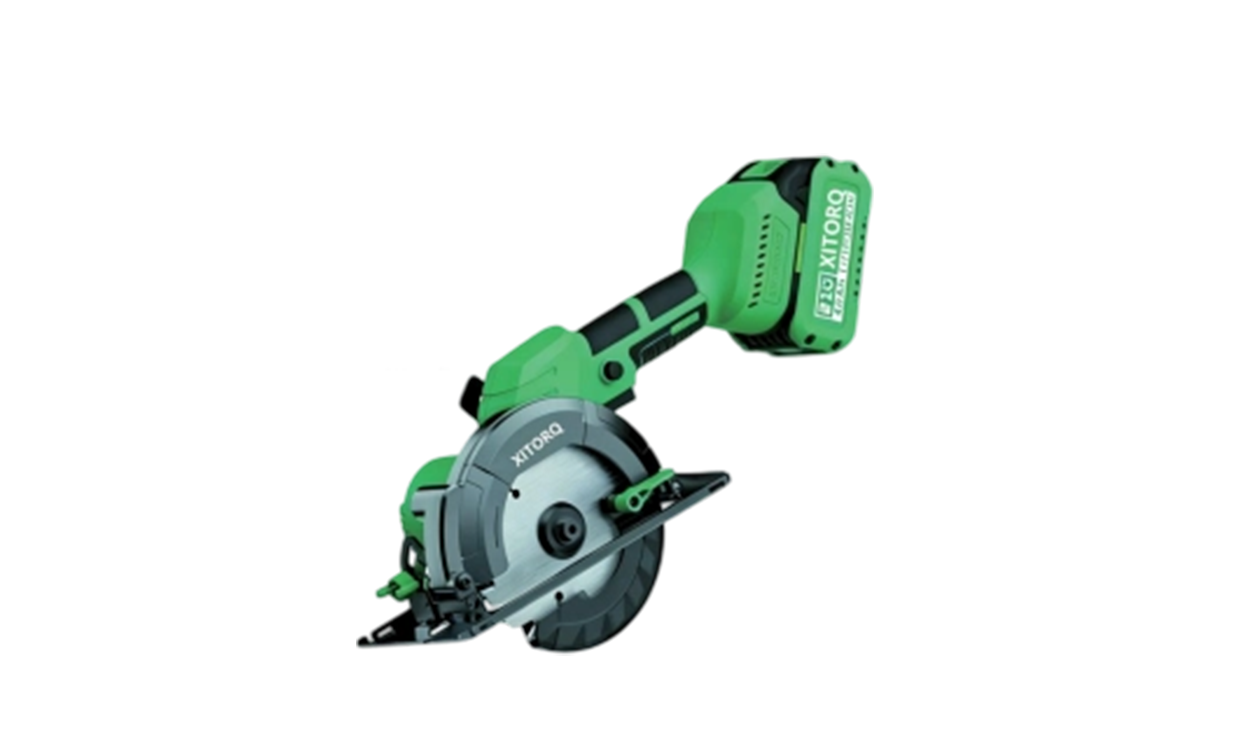
The XJ.853 21V lithium-ion high-magnetic brushless circular saw is an industrial-grade handheld circular saw from the Xiaojia brand. Featuring a high-...
See Details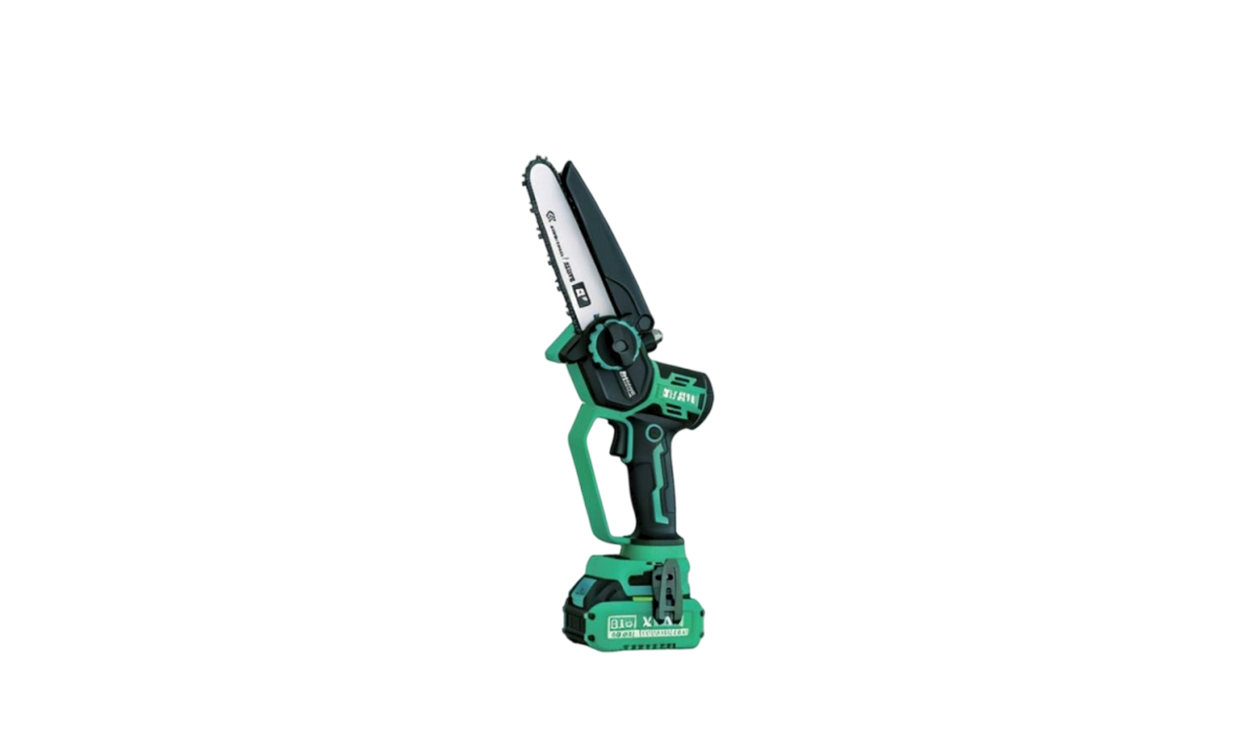
The XJ.204 16V 4" brushless electric chainsaw is a compact lithium-ion chainsaw from the Xiaojia brand. Powered by a 16V brushless motor with a 4" gui...
See Details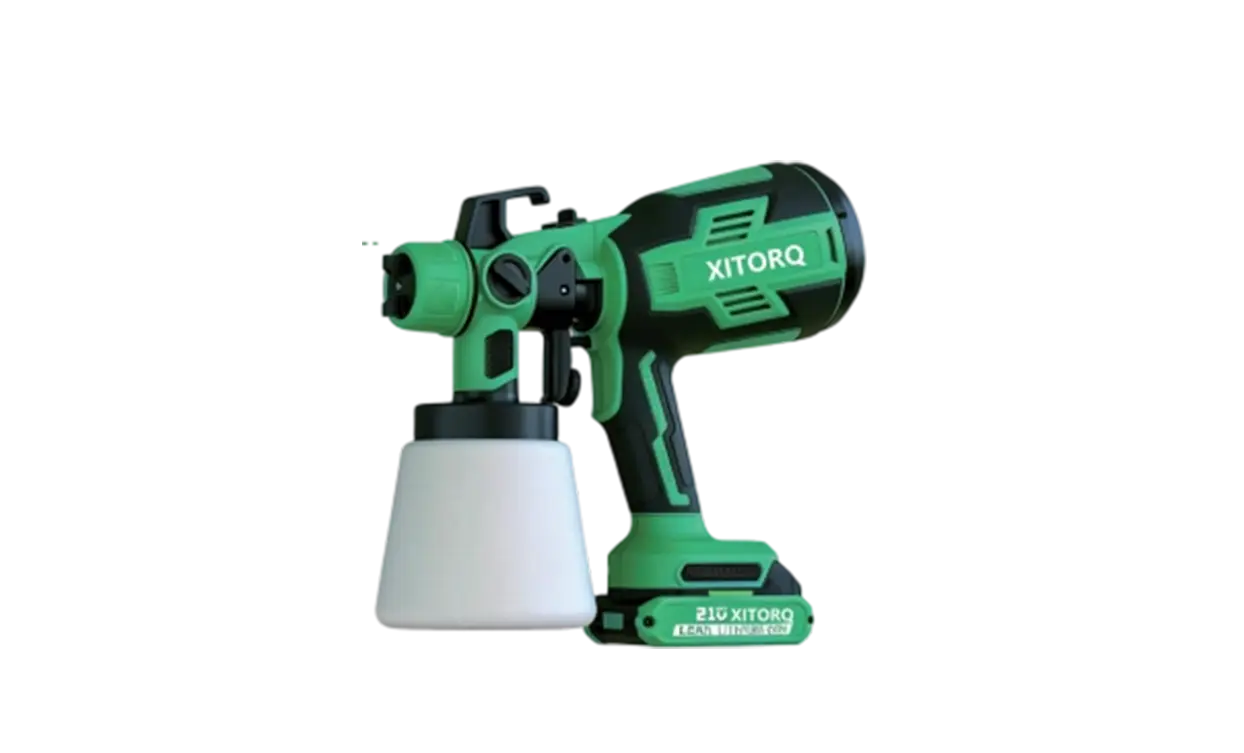
This 21V lithium-ion spray gun (Small Airplane model) is a portable cordless painting tool designed for paint spraying. Powered by a 21V brushless lit...
See Details
Copyright © by Hangzhou Xinabo Intelligent Electromechanical Technology Co., Ltd Rights Reserved. Pipe Threaders Manufacturers
