
 English
 Español
 عربى
عربى


F1680 Series Air Compressor
The F1680 Series Air Compressor is engineered for stable and efficient air supply, featuring core technologies of multi-cylinder compression, rapid ai...
See Details
Content
Most buyers begin by comparing brands. That's backward. The two numbers that actually determine which Pipe Threading Machine fits your work are the largest pipe diameter you thread regularly and how many joints you cut in a typical day.
A crew threading 1/2-inch to 2-inch steel a few times a week needs a compact, single-phase unit. A fabrication shop running 3-inch to 4-inch pipe all day needs a heavier chuck, a stronger motor, and a stand built for continuous duty. Buying more capacity than you use adds cost and weight for no benefit; buying less than you need means stalled motors, burned-out gears, and missed deadlines.
Manual ratchet threaders are cheap and portable, but they're slow and physically demanding past 1-inch pipe. For anything beyond occasional small repairs, an electric or intelligent Threading Machine pays for itself quickly in labor hours saved.
Electric Pipe Threading units bring consistent rotation speed and torque, which matters more than most buyers expect: uneven feed pressure from manual threading is a leading cause of torn or shallow threads. Intelligent models add programmable stop points and digital speed control, which reduces operator error on repetitive runs and is worth the premium once you're threading more than a few dozen joints per shift. Match the drive type to your daily volume, not to what looks impressive on a spec sheet.
A powerful motor with a worn or mismatched die still produces a bad thread. Dies wear gradually, so threads can look acceptable while actually running shallow or oversized — the kind of defect that shows up as a leak weeks after installation, not on the shop floor.
Check die material against the pipe you're cutting. High-speed steel dies handle standard carbon steel well; harder alloys or stainless pipe call for dies rated for that abrasion. If you're producing custom fittings or non-standard threads, a dedicated Pipe Thread Making Machine with interchangeable die heads gives you more control than a fixed-configuration unit, and it's far cheaper than replacing a full die set every time your job spec changes.
Inspect dies every 200-300 threads under normal use, sooner if you're cutting harder alloys or running the machine daily.
Threading equipment shows its value differently depending on where it's deployed. On construction sites, portability and quick setup matter more than raw capacity, since crews move between floors and locations throughout the day. In HVAC work, consistent thread depth across dozens of near-identical fittings is the priority, since a single bad joint in a distribution line means reopening finished ceiling or wall work.
In fabrication shops and pipeline projects, the calculus shifts toward throughput: stationary Pipe Threading Equipment with automatic oiling and higher duty cycles keeps pace with production schedules without overheating or requiring constant operator intervention. Buying a job-site portable machine for a shop production line — or the reverse — is one of the most common and costly mismatches we see.
Threading oil isn't optional lubrication — it's what carries away metal chips and controls heat at the cutting edge. Running dry, even briefly, accelerates die wear and can score the pipe surface.
A well-maintained machine in this category typically runs for well over a decade of regular use. The buyers who get the shortest lifespan out of their equipment are almost always the ones who skipped oil checks and kept threading with visibly worn dies to avoid downtime — a trade that costs far more in reworked joints than it saves in minutes.
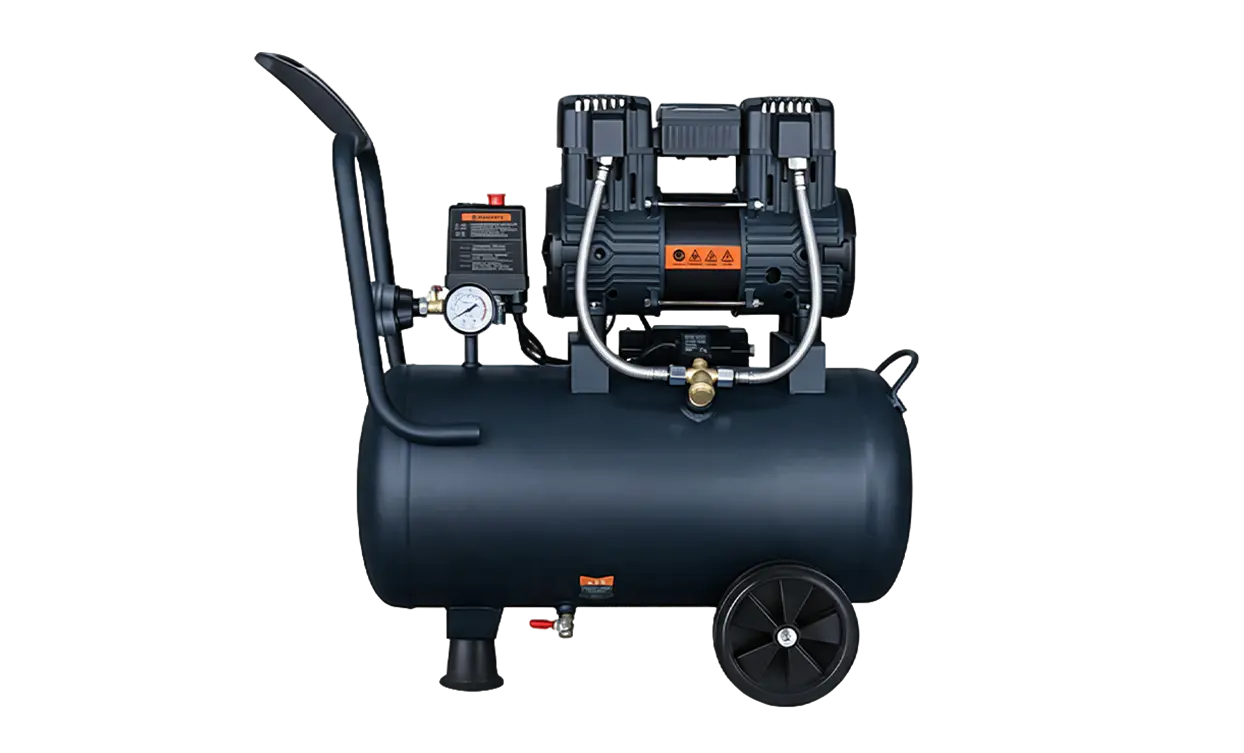
The F1680 Series Air Compressor is engineered for stable and efficient air supply, featuring core technologies of multi-cylinder compression, rapid ai...
See Details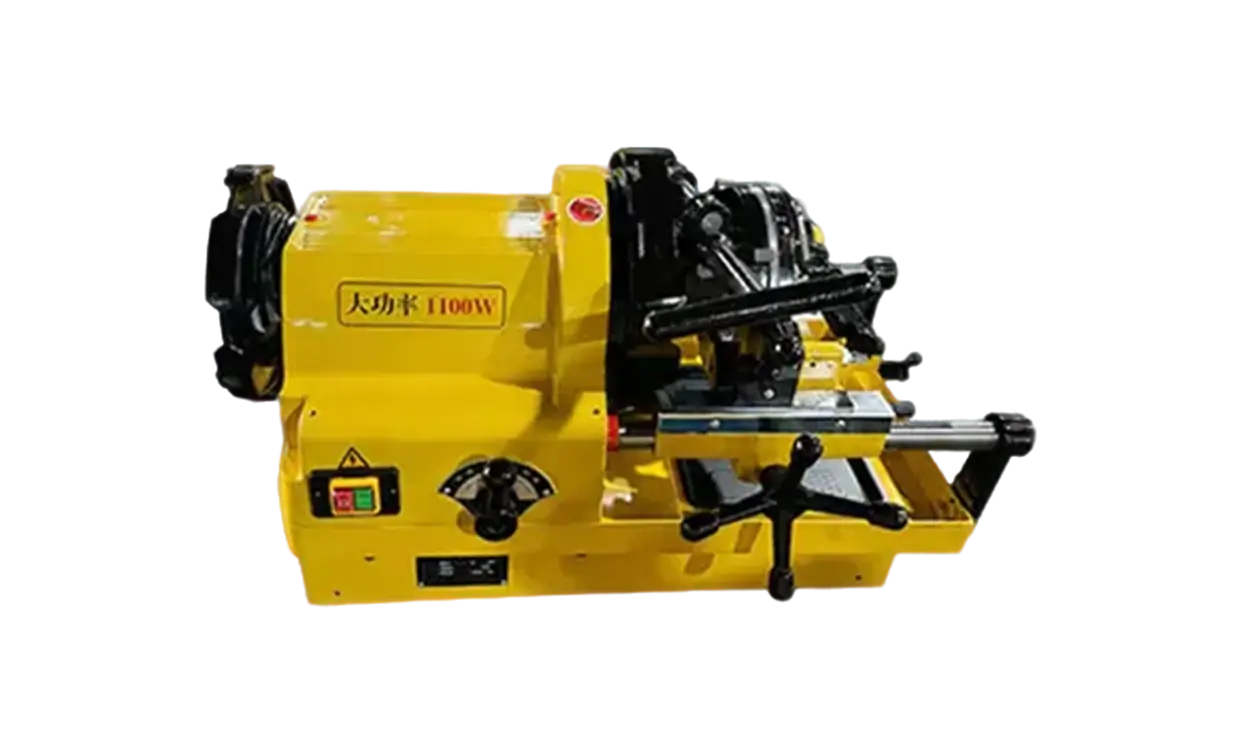
This SQ100 4-inch 15-100mm dual-speed electric pipe threading machine is engineered for precise and efficient pipe threading operations, with a workin...
See Details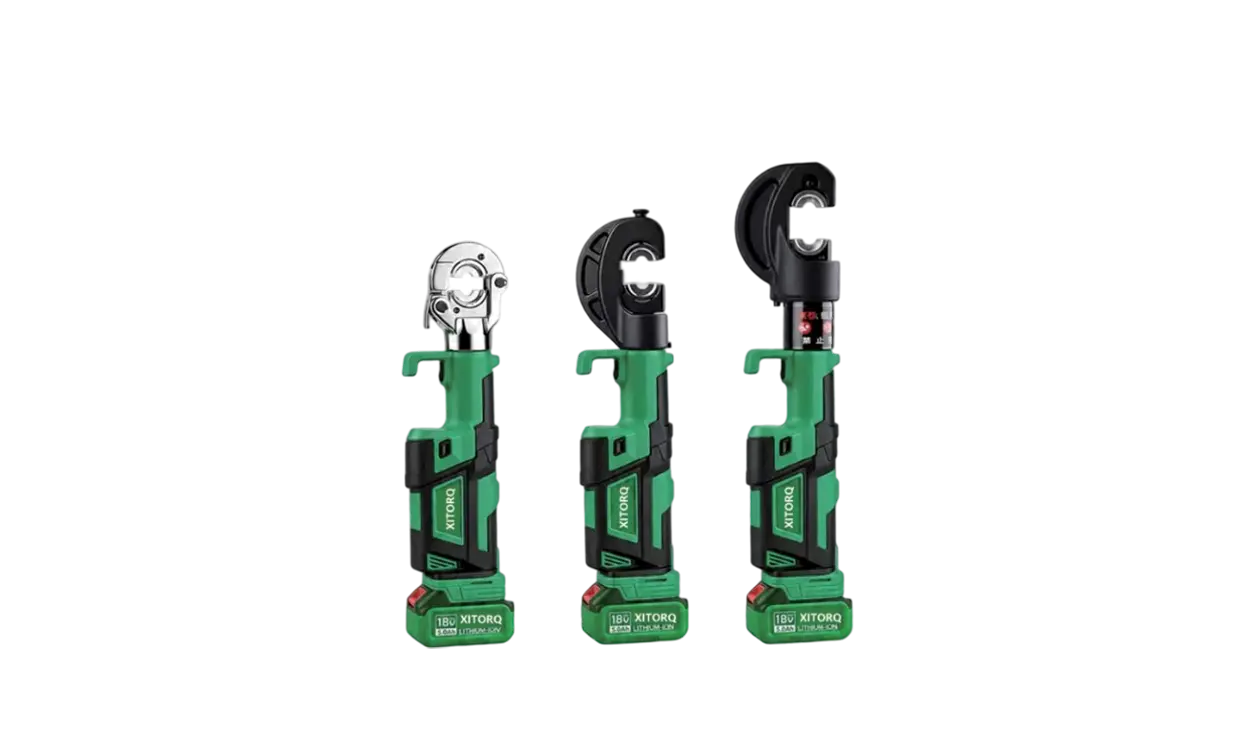
This 18V lithium-ion hydraulic crimping tool is a portable hydraulic tool designed for cable terminal crimping. It features a brushless lithium-ion po...
See Details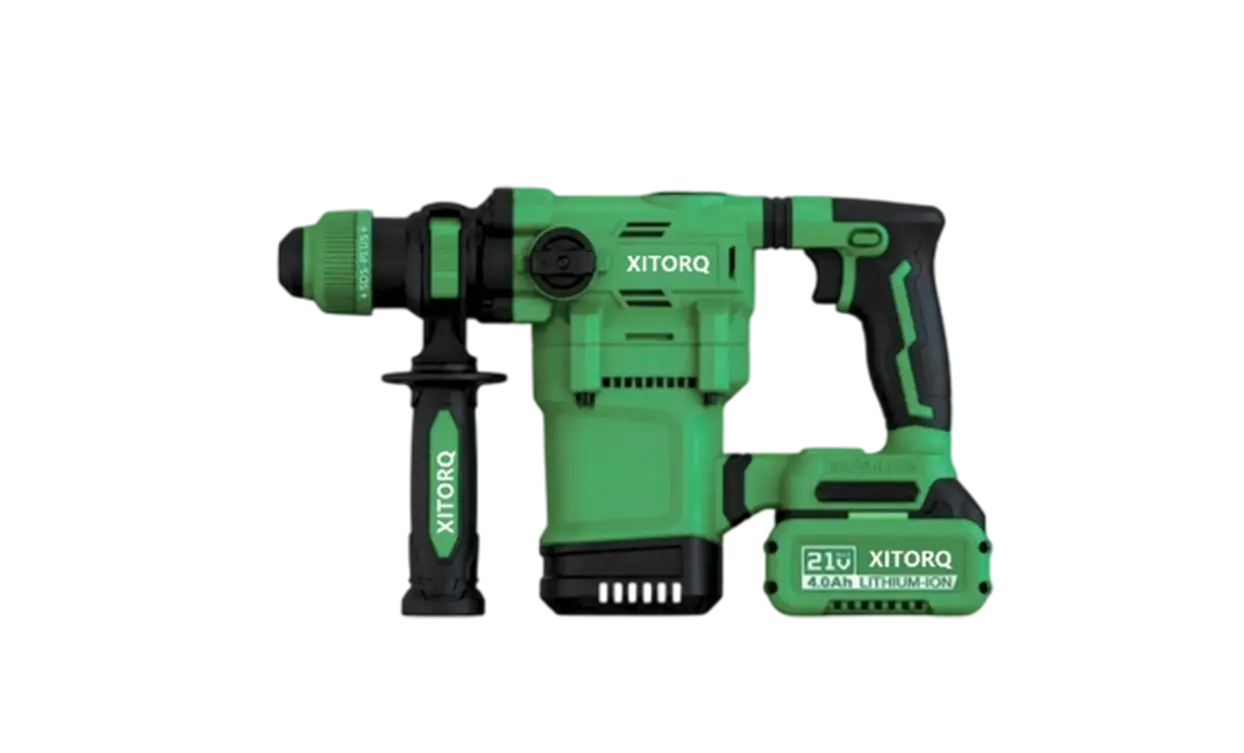
This 21V lithium-ion brushless rotary hammer is an industrial-grade tool designed for drilling and chiseling in concrete, stone, and other hard materi...
See Details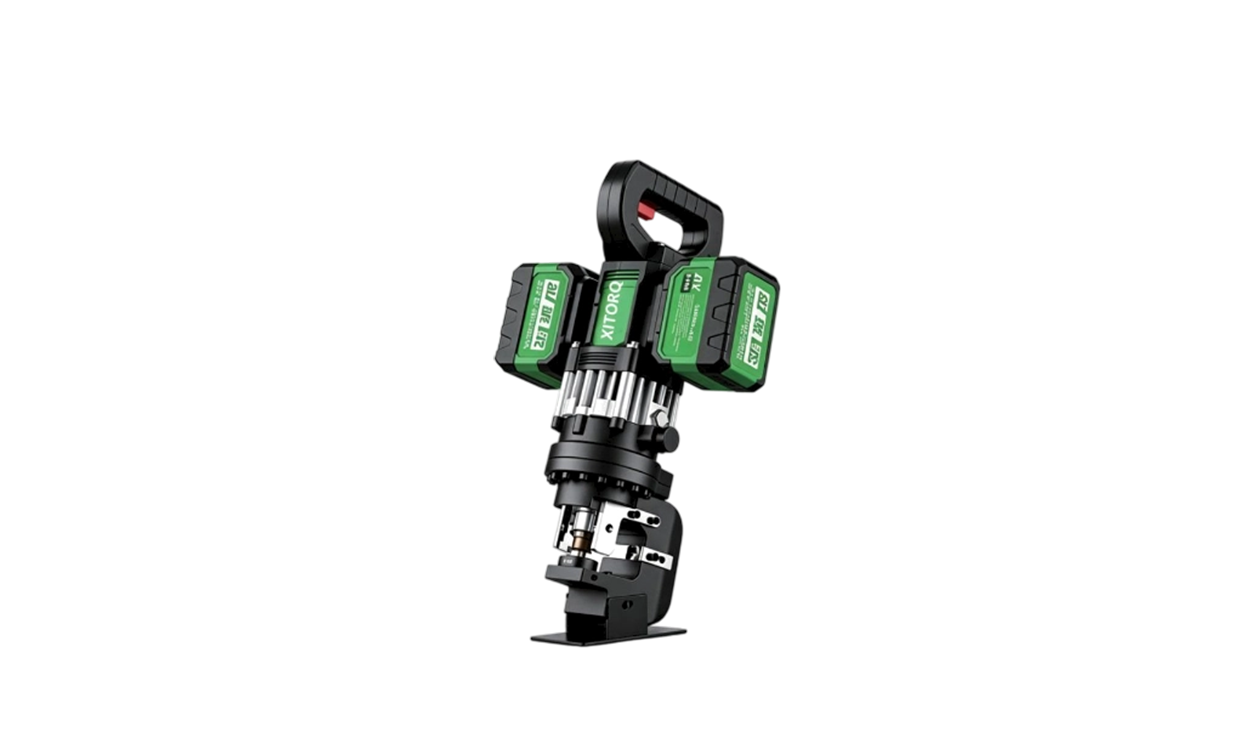
This 21V lithium-ion channel steel hole puncher is a portable hydraulic punching tool designed for punching holes in channel steel, angle steel, steel...
See Details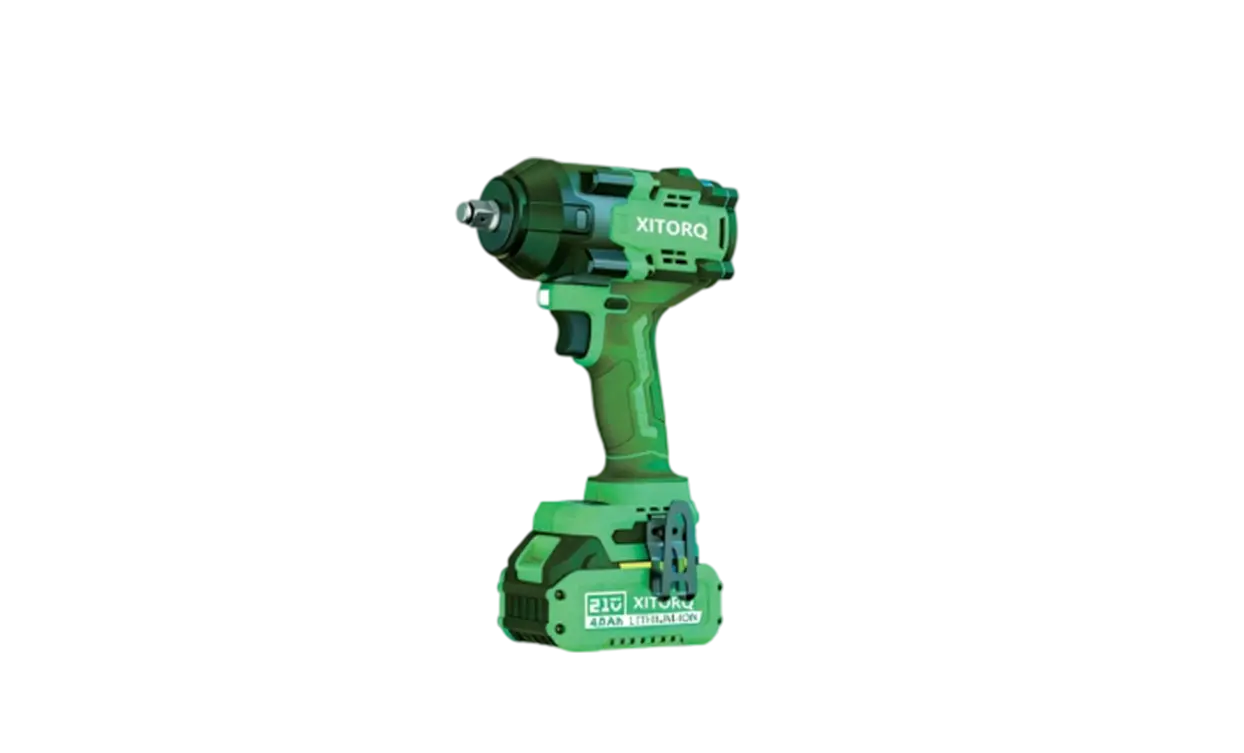
The XJ.580 21V lithium-ion brushless impact wrench is a medium-duty industrial-grade tool from the Xiaojia brand. Featuring an upgraded brushless moto...
See Details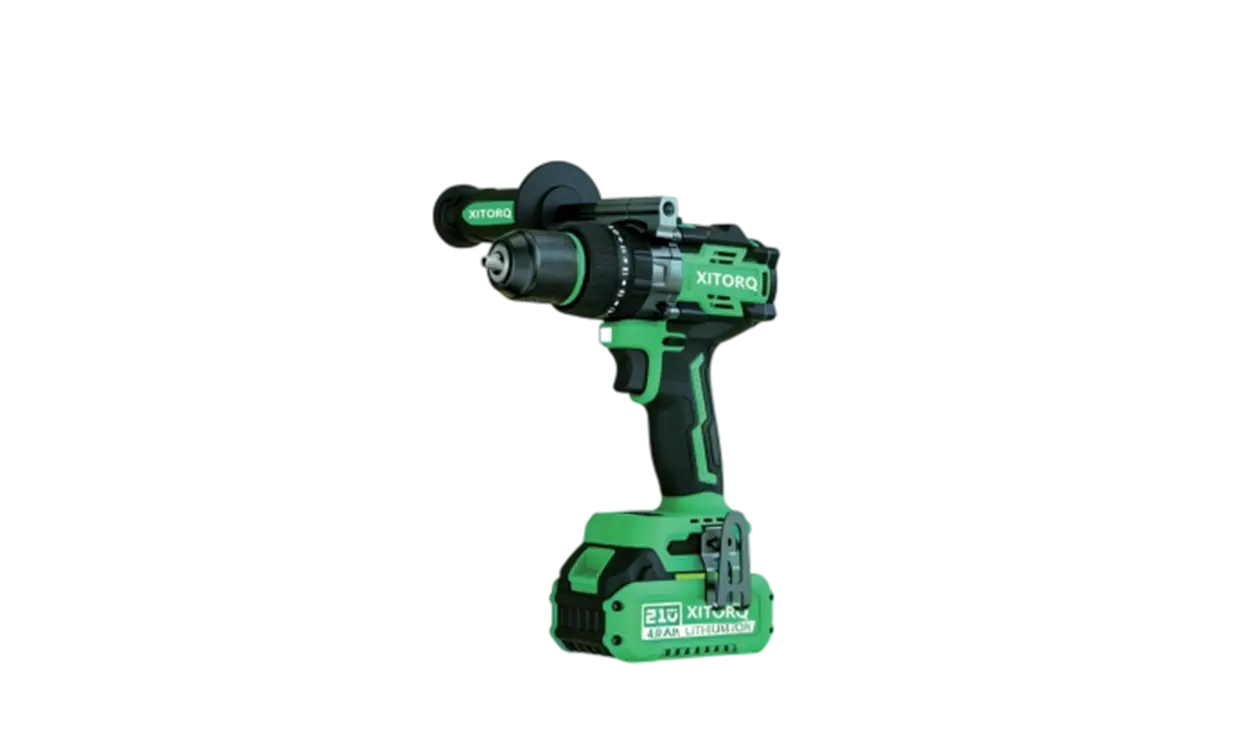
The XJ.615 21V lithium-ion brushless hammer drill/driver is a dual-purpose cordless drill from the Xiaojia brand. Powered by a 21V battery pack for co...
See Details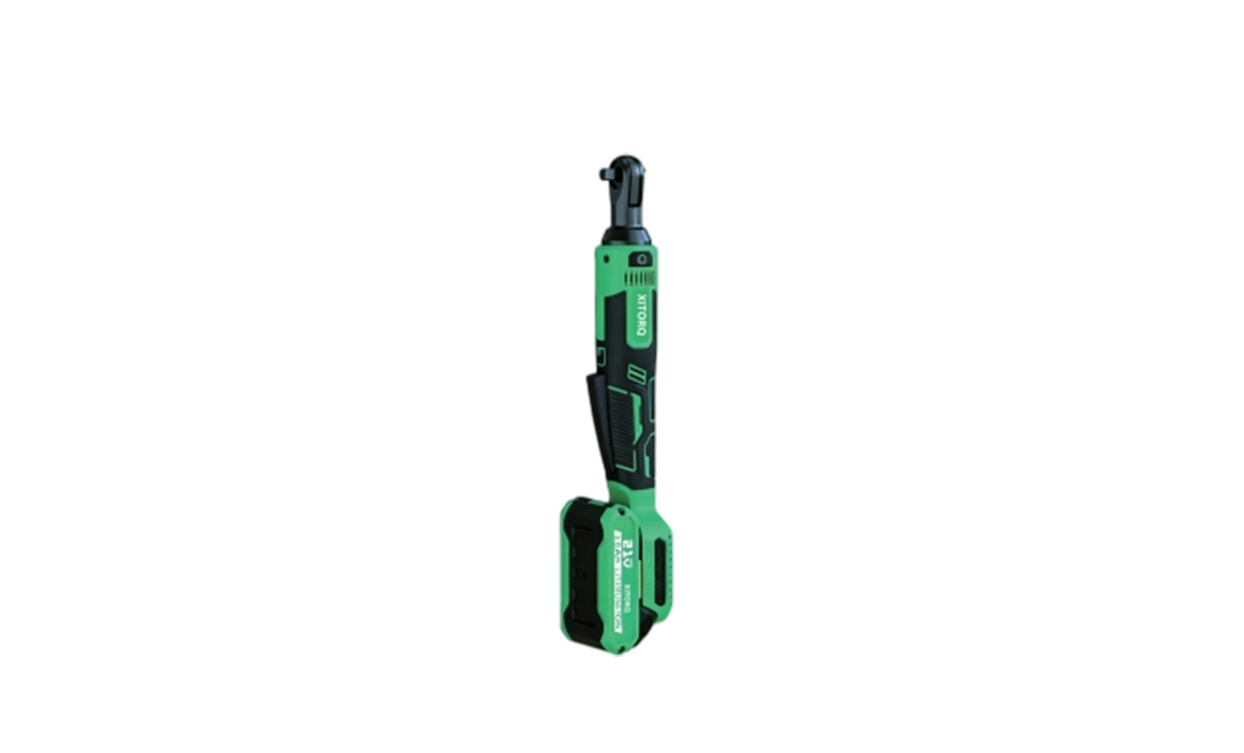
The XJ.592 16V brushless angle ratchet wrench is a compact industrial-grade ratchet from the Xiaojia brand. Equipped with a 16V brushless motor and an...
See Details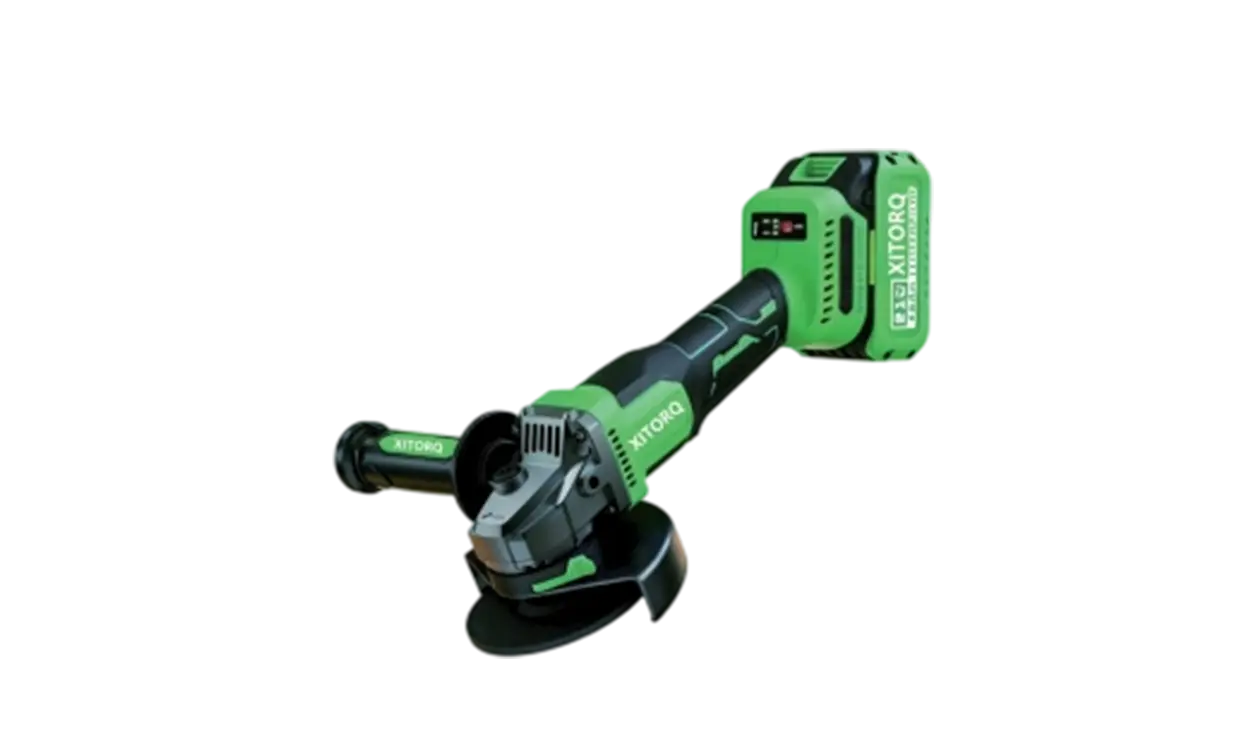
The XJ.918 21V lithium-ion high-magnetic brushless angle grinder is a heavy-duty industrial-grade grinder from the Xiaojia brand. Featuring an upgrade...
See Details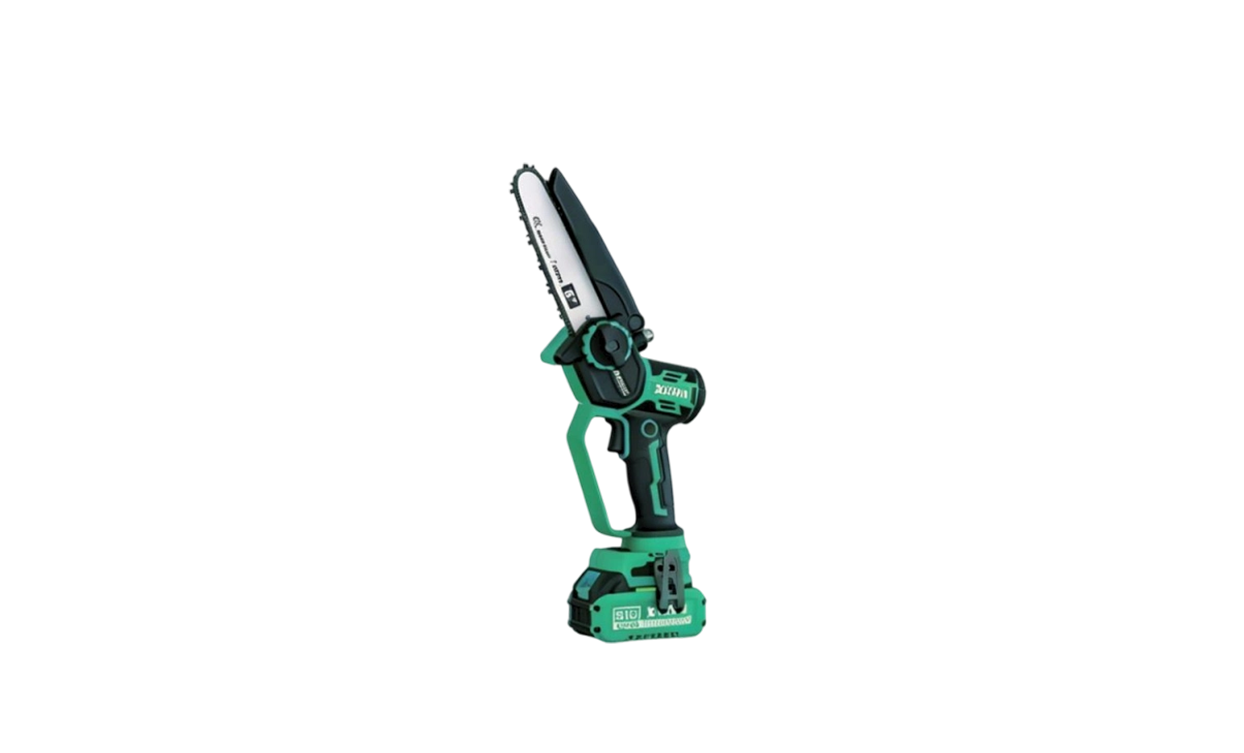
The XJ.206 16V 6" brushless electric chainsaw is a mid-sized lithium-ion chainsaw from the Xiaojia brand. Powered by a 16V brushless motor with a 6" g...
See Details
Copyright © by Hangzhou Xinabo Intelligent Electromechanical Technology Co., Ltd Rights Reserved. Pipe Threaders Manufacturers
