 English
 Español
 عربى
عربى


Intelligent Threading Machine
1. Automatically identify the pipe diameter 2. Automatic tool adjustment and setting 3. Pipe Processing Range: DN15–DN100 4. Threading time as fast ...
See Details
Content
Think about a fire-sprinkler contractor preparing hundreds of pipe ends for a commercial building. Every joint has to fit within a tight tolerance, because a poor connection on-site means rework, leaks, and project delays. The manual approach often depends on an operator’s strength and judgment, and results vary from one pipe to the next. That’s where an intelligent pipe twisting machine changes the workflow: it automates the twisting process, holds consistent accuracy, and reduces the physical labor that makes traditional pipe processing slow.
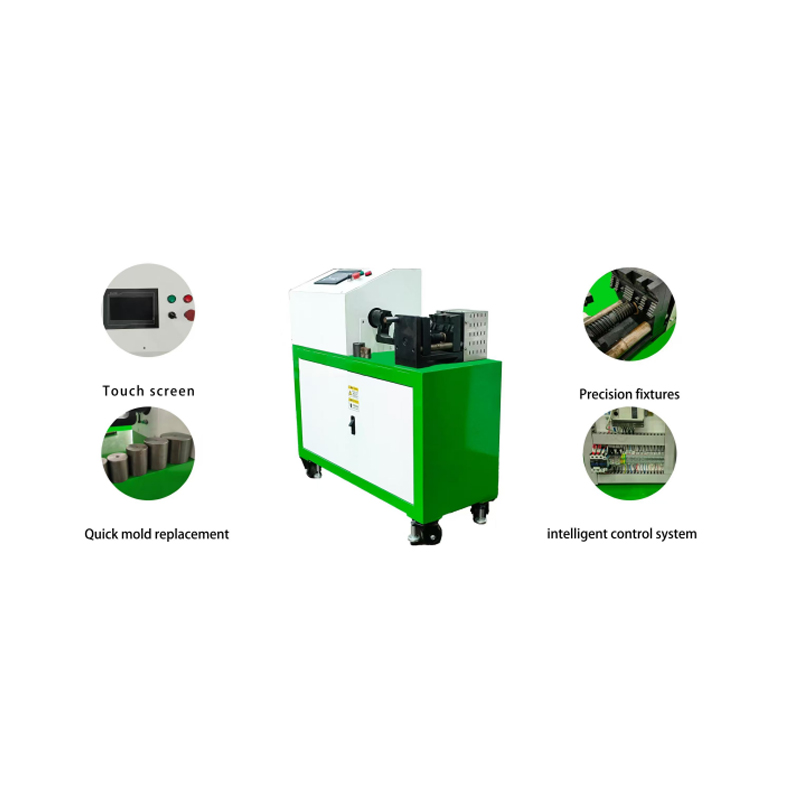 Intelligent Pipe Twisting Machine Manufacturers, Suppliers, FactoryAs Pipe Twisting Machine Manufacturers in China, Intelligent Pipe Twisting Machine Suppliers and Factory, Xinabo offer Custom Pipe Twisti...View Product →
The conclusion is straightforward: for contractors and workshops that process pipe in volumes above a few dozen joints per day, an intelligent twisting machine is no longer an upgrade to consider later. It is the practical baseline for predictable cost, speed, and quality. The rest of this guide explains why, what to look for, and where these machines deliver their biggest returns.
An intelligent pipe twisting machine is not simply a motor with a chuck. The intelligent part refers to the machine’s ability to control the rotation, feed, and stopping point of each cycle automatically. Once the operator sets the parameters for pipe diameter and the required end profile, the machine repeats the same cycle without requiring the operator to catch a critical moment by hand.
This matters in real production because the difference between an acceptable joint and a rejected one is often a few tenths of a millimeter. Automated control removes guesswork and makes the person running the machine a supervisor rather than a manual twisting specialist. If your shop regularly handles stainless steel, galvanized pipe, or other harder materials, the consistent torque and feed also reduce the risk of tool damage and poor end quality.
On a typical machine, the pipe is clamped, the twisting head advances under power, and the head returns automatically once the programmed depth is reached. The result is a repeatable end form with minimal operator effort. This sequence is also why these machines are commonly described as both efficient and precise in modern pipe processing.
The measurable benefit of an intelligent pipe twisting machine is that it removes the two biggest constraints of manual twisting: physical fatigue and inconsistent speed. A manual operator may need a break after every few pipes; a machine keeps the same cycle time from the first joint to the last joint of the day.
| Factor | Manual twisting | Intelligent pipe twisting machine |
|---|---|---|
| Cycle time | Varies with operator skill and fatigue | Consistent, repeatable cycle |
| Labor required | One or two skilled operators | One operator can supervise multiple machines |
| Accuracy | Depends on eye and hand | Programmed depth and rotation |
| Rework rate | Higher, especially after fatigue | Lower, due to automated control |
| Jobsite logistics | Tools and templates | Machine setup plus minimal tooling |
From a cost perspective, the machine does not eliminate the operator, but it enables one person to handle a much larger workload. In contractor bids, the labor cost per joint becomes predictable, and the reduced rework makes schedules easier to defend.
That kind of predictability matters when you are bidding on a fixed-price job. A low rework rate means less wasted material, fewer hours, and fewer callbacks. The labor savings are not just about turning the pipe; they are about the time you do not spend fixing mistakes.
Precision in pipe twisting usually comes down to two things: the depth of the formed end and the consistency of the profile around the circumference. An intelligent machine maintains both by using powered feed and a mechanical stop instead of relying on the operator’s sense of feel. If the machine is set up correctly, the next pipe will look like the previous one.
This also applies to different pipe sizes and materials. The operator can switch between setpoints without re-learning the process, and the machine applies the same controlled torque regardless of hand strength. That is why the accuracy of the intelligent pipe twisting machine is a factor that maintenance staff and quality-control teams watch closely; when the parameters are correct, the output is stable.
For a closer look at how tolerance and repeatability are maintained, you can review how accurate the intelligent pipe twisting machine is in maintaining thread pitch and depth.
Buying the right intelligent pipe twisting machine starts with matching the machine to your pipe range, throughput, and shop environment. The following factors have the largest impact on daily operation and long-term cost.
Do not judge a machine only by its nominal motor power. The better question is how consistently it holds position and depth at the speed you need. This is also where the manufacturer’s engineering depth matters; a company with patents and certifications has more evidence behind its design choices.
Intelligent pipe twisting machines are common in fire protection, building services, plumbing, and HVAC fabrication, where the pipe has to fit into a system that will be sealed under pressure. These applications share one requirement: the end form must be identical every time, because a field joint is only as reliable as the least consistent pipe end.
The same logic applies to workshops that batch-produce pipe assemblies for water supply, industrial piping, and other metal pipe connections. In those settings, the machine becomes part of a broader pipe-processing line that may also include cutting, threading, and deslagging. Many contractors pair the intelligent pipe twisting machine with a separate intelligent threading machine when a job requires both twisting and traditional thread cutting.
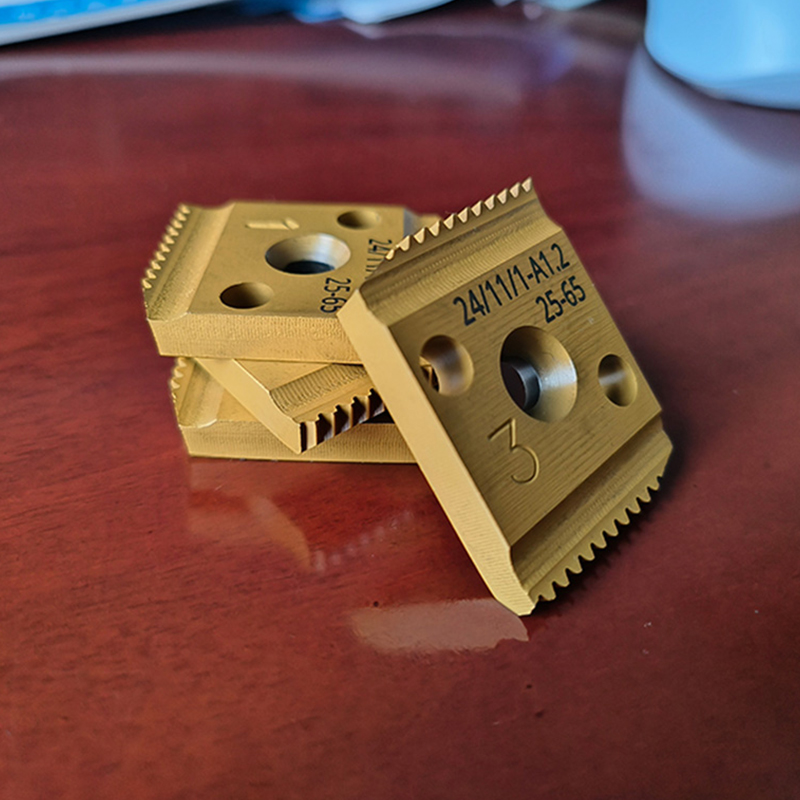 Threading Machine Manufacturers, Pipe Threading Machine SuppliersXinabo is Electric Pipe Threading Machine Manufacturers, Suppliers and Pipe Thread Making Machine Factory in China, supply Custom pipe th...View Product →
Support quality is part of the purchase. Xinabo’s engineering history spans more than a decade of iterative design, and the 30 patents plus a national high-tech enterprise qualification can be reviewed in the company’s patents and certifications.
An intelligent pipe twisting machine is durable, but it still needs regular attention. Keep the clamping and feed surfaces clean, check the tool or die condition periodically, and follow the manufacturer’s lubrication schedule. The automated cycle will not compensate for worn parts, so a quick daily inspection prevents expensive downtime.
Safety is equally important. Even a slow twisting machine has stored energy in its drive system. A proper guard, an emergency stop, and a habit of disconnecting power during setup are the minimum requirements. When these basics are in place, the machine is safe for an experienced operator to run with minimal arm fatigue.
An intelligent pipe twisting machine earns its place by making pipe processing predictable. It speeds up work, removes the physical burden from the operator, and keeps the end form consistent from batch to batch. None of those benefits are abstract. They show up in lower labor cost per joint, lower rework rate, and easier bidding on fixed-price contracts.
When you compare machines, compare real capabilities: pipe diameter range, depth control, repeatability, safety, and maintenance access. And look behind the machine at the manufacturer. A company with original design, manufacturing experience, and documented certifications is more likely to support you when a problem does occur. Xinabo’s manufacturing background offers that level of context.
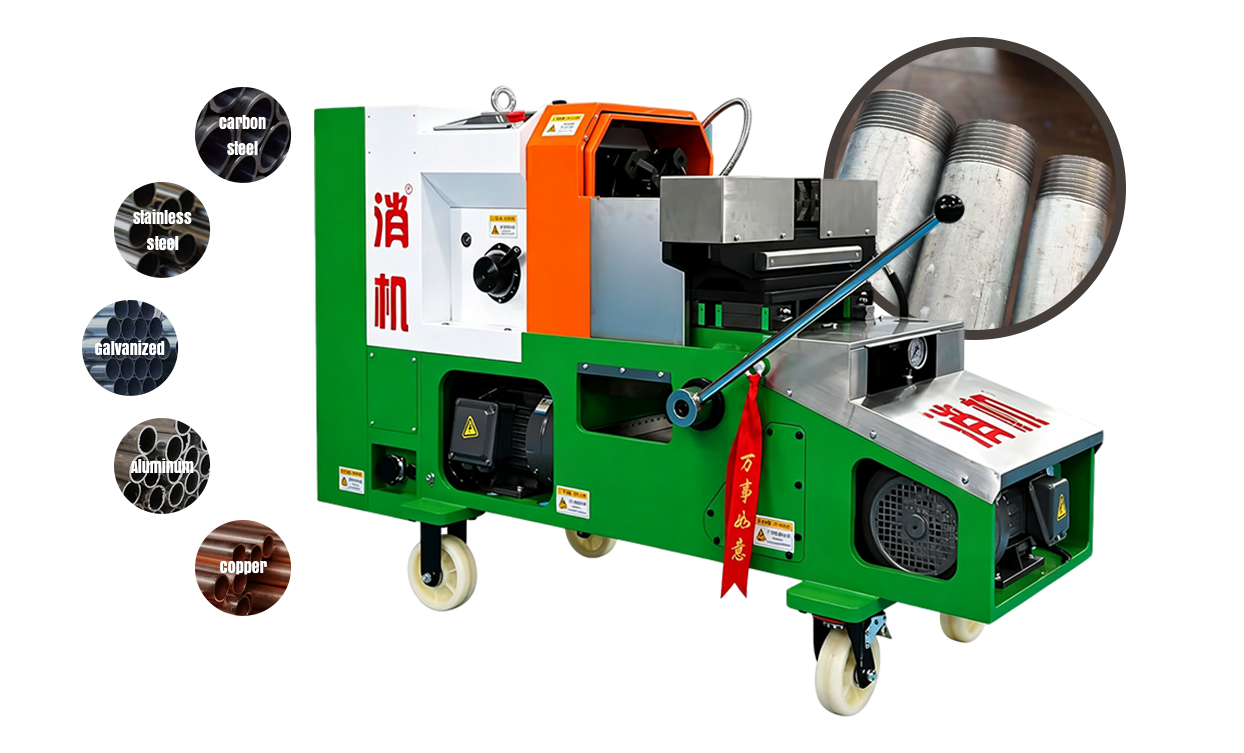
1. Automatically identify the pipe diameter 2. Automatic tool adjustment and setting 3. Pipe Processing Range: DN15–DN100 4. Threading time as fast ...
See Details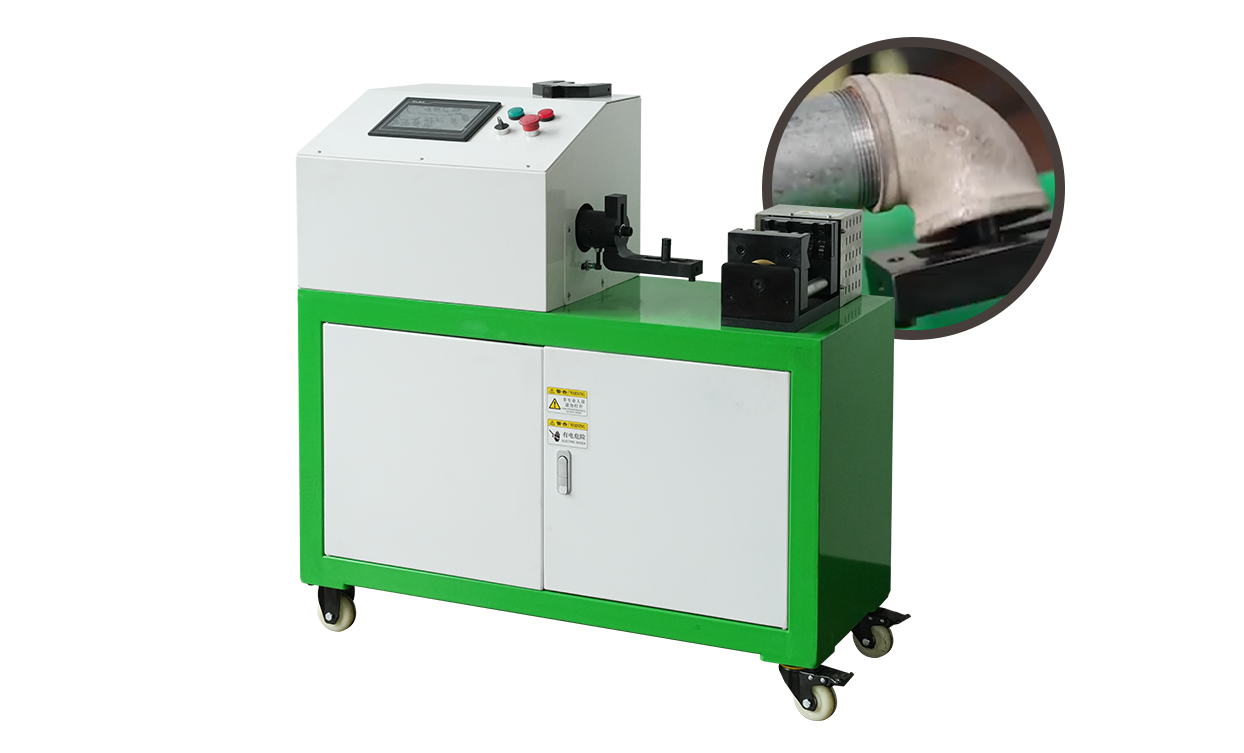
1. Intelligent adjustment, electric screwing 2. Save labor and improve efficiency 3. The layout is reasonable, safe and reliable 4. Torque adjustable,...
See Details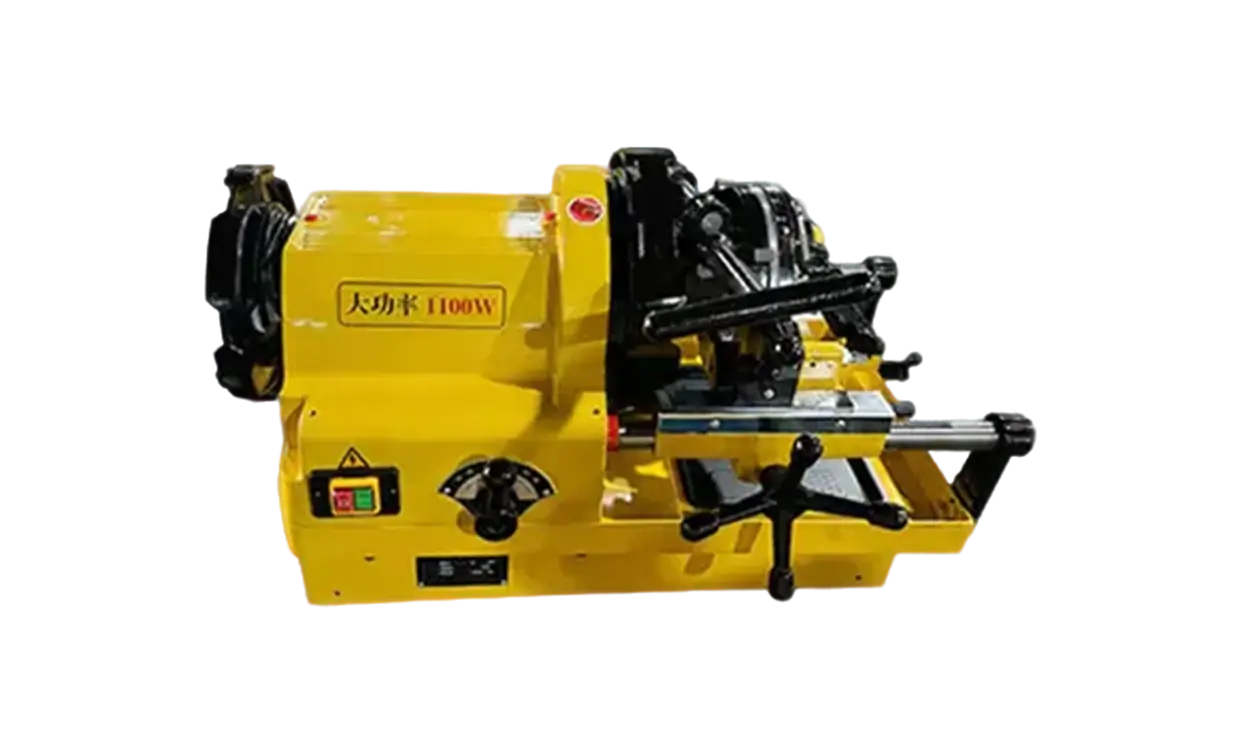
This SQ100 4-inch 15-100mm dual-speed electric pipe threading machine is engineered for precise and efficient pipe threading operations, with a workin...
See Details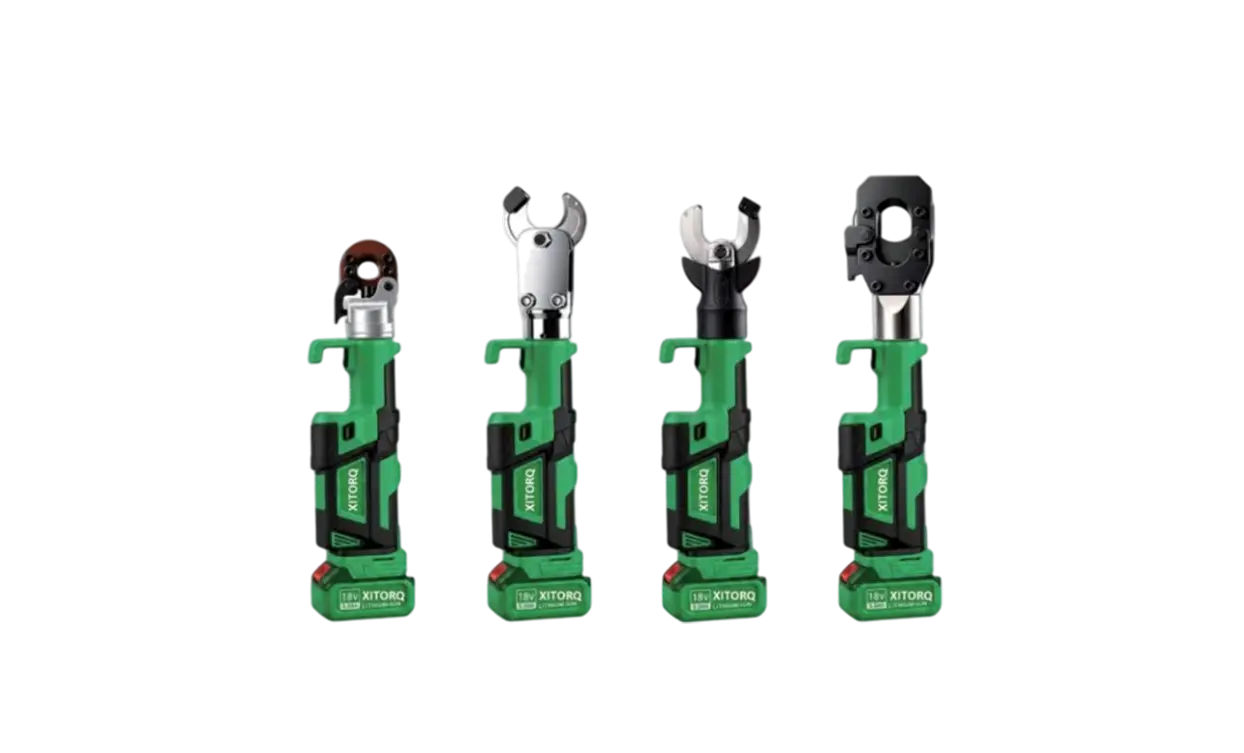
This 18V lithium-ion industrial cable cutter is a professional tool designed for large-diameter cable cutting. It features a brushless lithium-ion pow...
See Details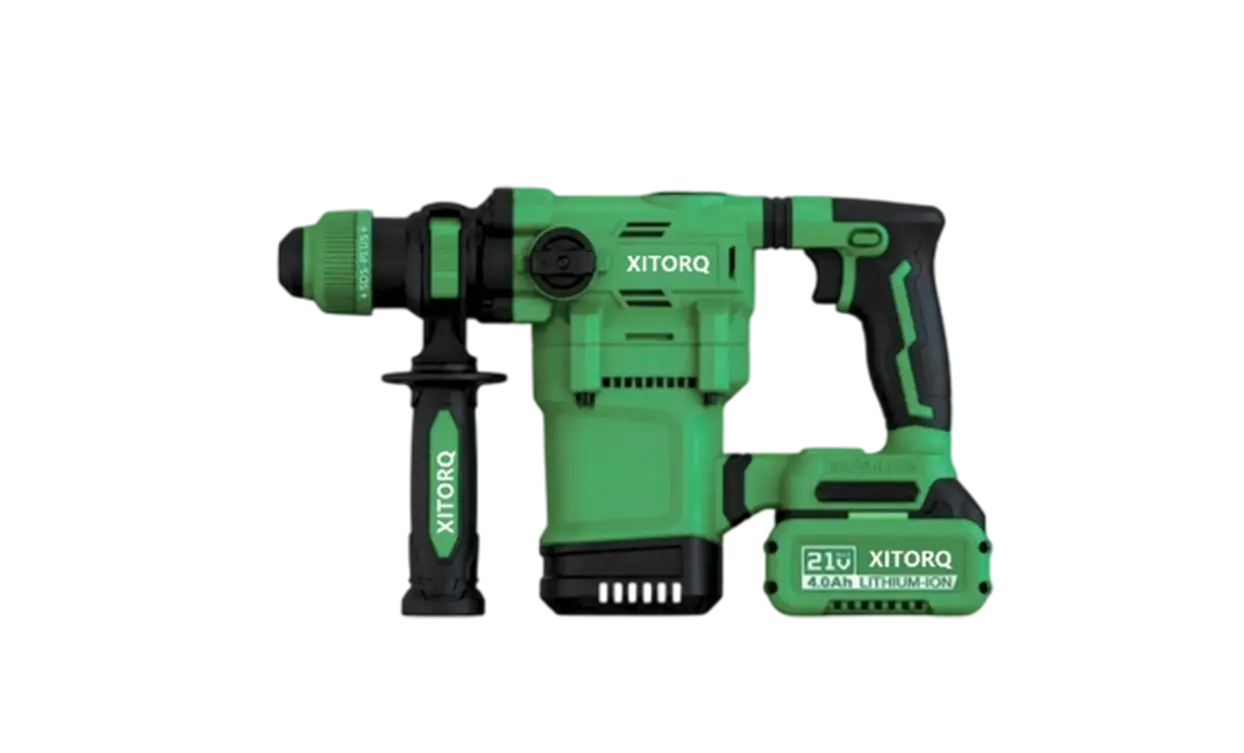
This 21V lithium-ion brushless rotary hammer is an industrial-grade tool designed for drilling and chiseling in concrete, stone, and other hard materi...
See Details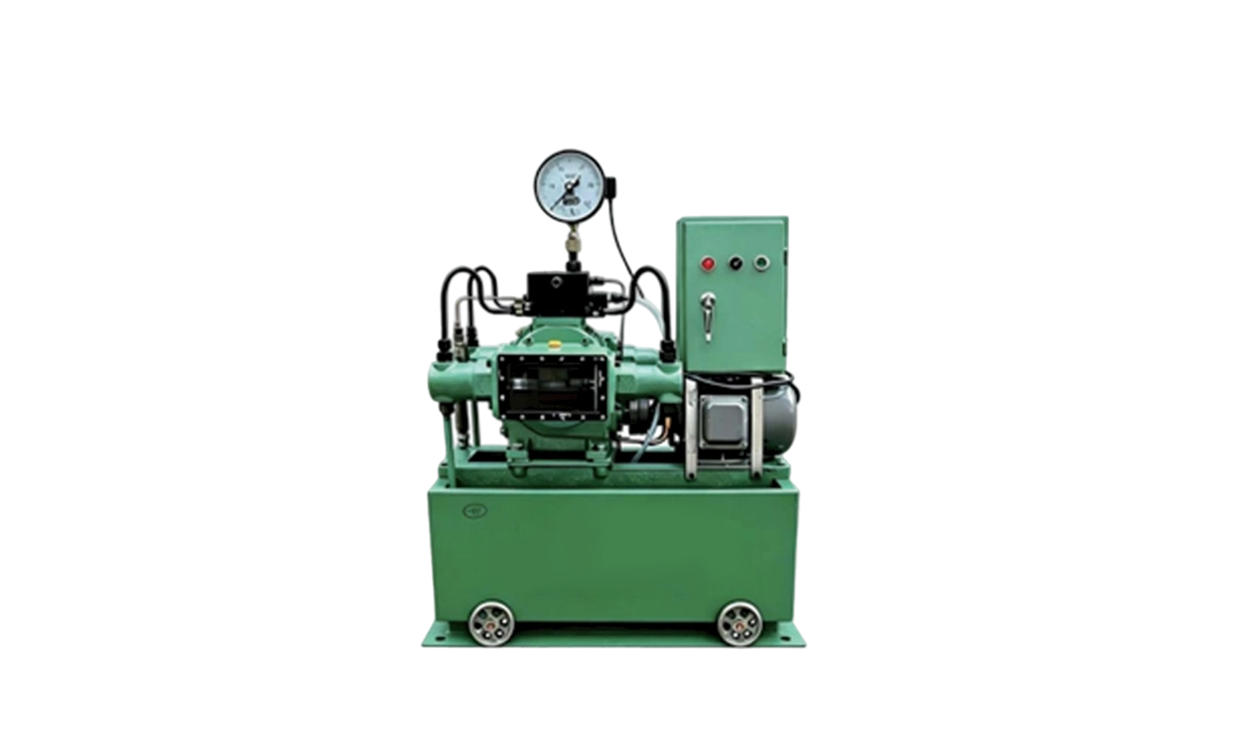
This 380V electric pressure test pump is a professional device designed for hydrostatic pressure testing and leak detection of pipes, valves, pressure...
See Details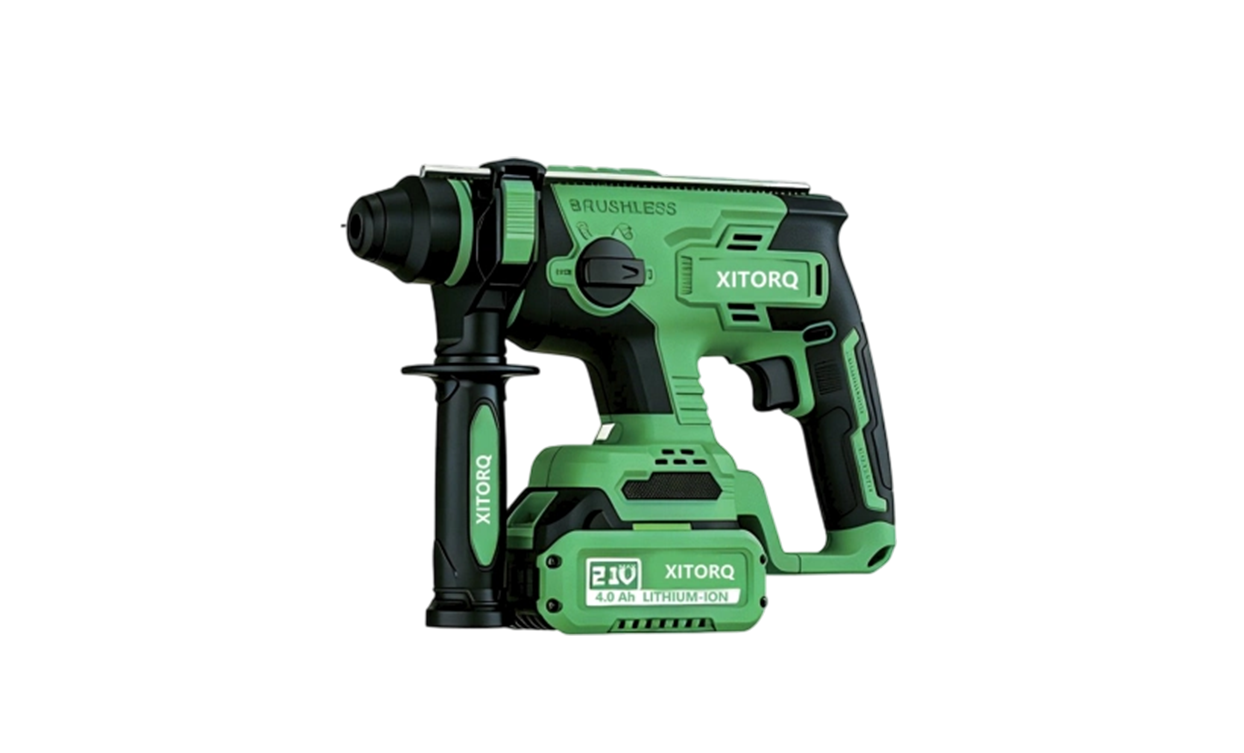
The XJ.709 21V lithium-ion high-magnetic brushless rotary hammer is an industrial-grade hammer from the Xiaojia brand. Equipped with a high-magnetic b...
See Details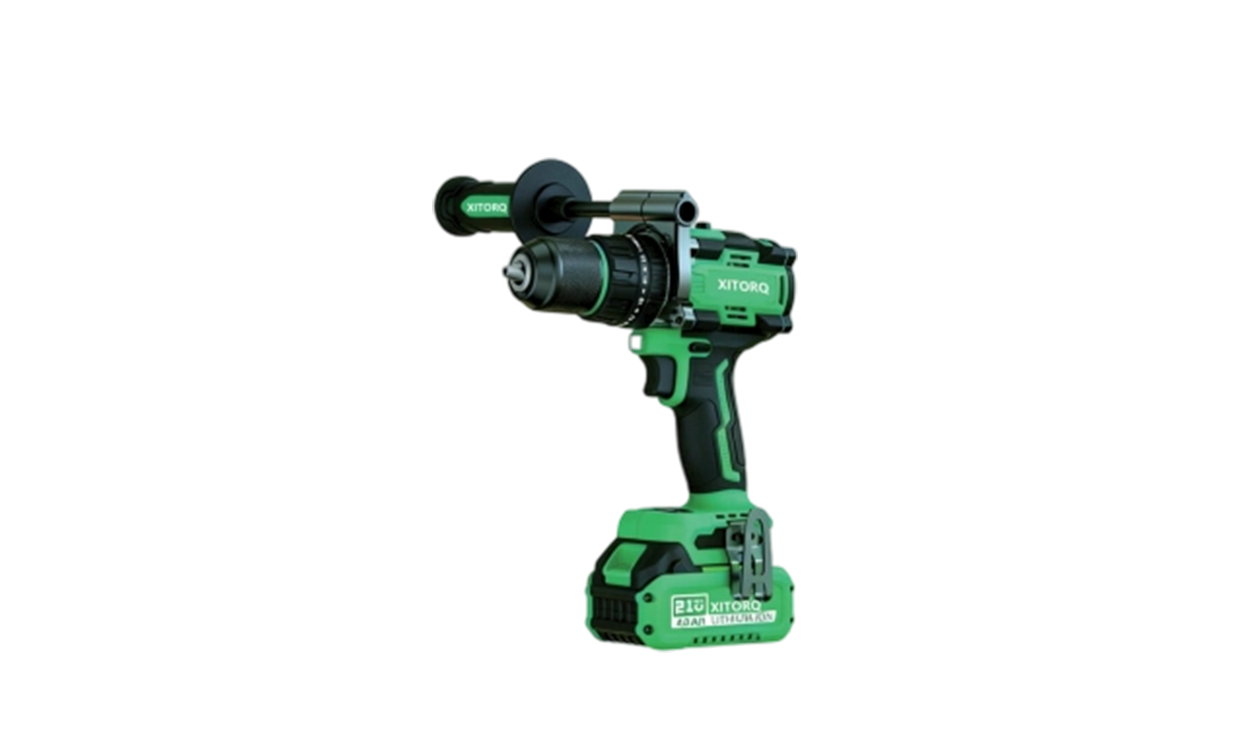
The XJ.617 21V lithium-ion brushless hammer drill/driver is a heavy-duty multi-function drill from the Xiaojia brand. Featuring an upgraded brushless ...
See Details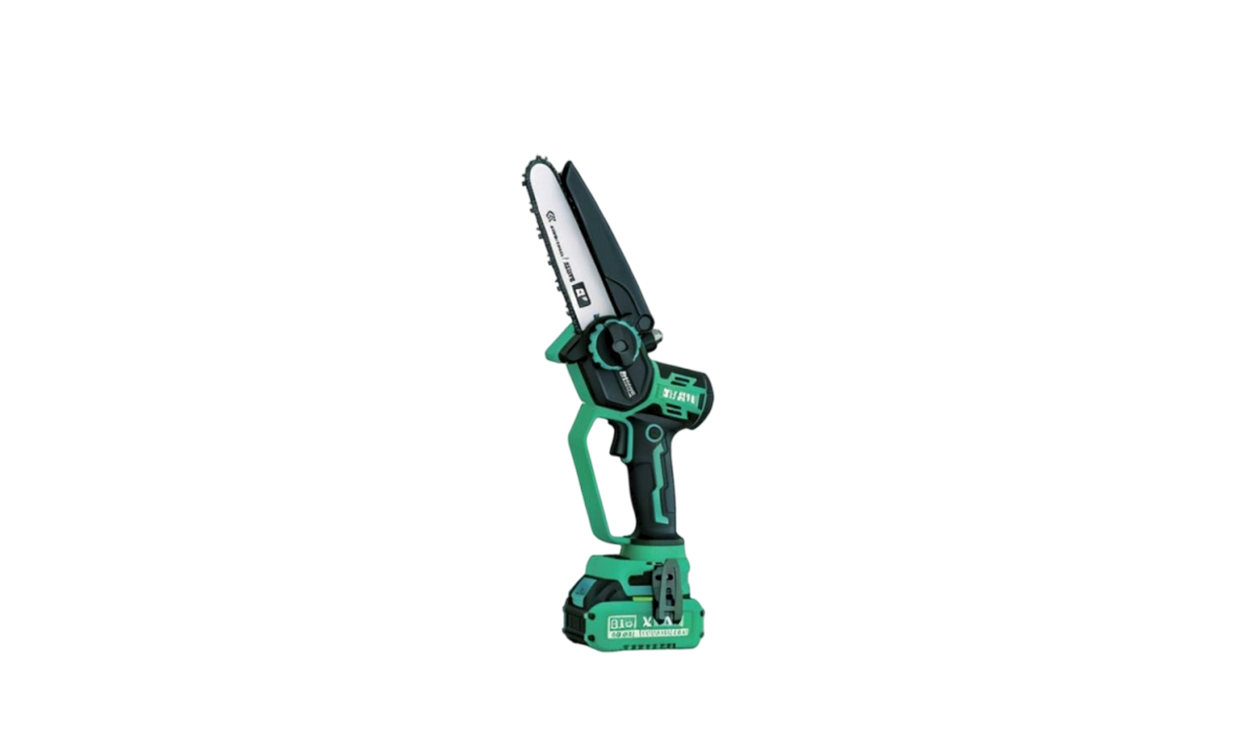
The XJ.204 16V 4" brushless electric chainsaw is a compact lithium-ion chainsaw from the Xiaojia brand. Powered by a 16V brushless motor with a 4" gui...
See Details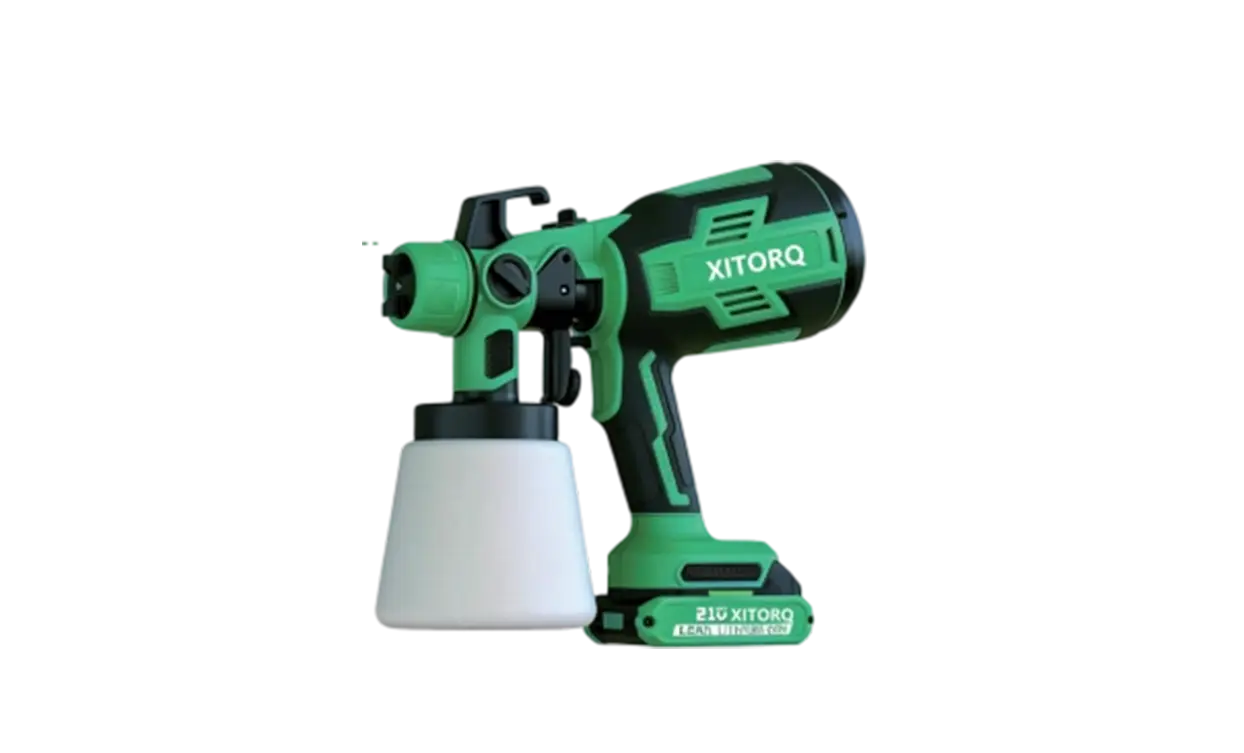
This 21V lithium-ion spray gun (Small Airplane model) is a portable cordless painting tool designed for paint spraying. Powered by a 21V brushless lit...
See Details
Copyright © by Hangzhou Xinabo Intelligent Electromechanical Technology Co., Ltd Rights Reserved. Pipe Threaders Manufacturers