
 English
 Español
 عربى
عربى


Intelligent Pipe Tightening Machine
1. Intelligent adjustment, electric screwing 2. Save labor and improve efficiency 3. The layout is reasonable, safe and reliable 4. Torque adjustable,...
See Details
Content
A four-inch fire main, roughly forty joints, a two-week handover date, and a machine rated only to two inches. That single mismatch is the most expensive mistake in pipe threading, and it shows up as rented equipment, overtime, or threads that fail a gauge check on the day of inspection. The fix is not a bigger machine by default; it is matching three variables correctly: pipe size and wall thickness, the thread standard the inspector will gauge, and the number of joints your crew must cut per shift.
Get those three right and everything else, including price, follows logically. Get them wrong and no amount of horsepower compensates.
Strip away the marketing and a threading machine is a system of five parts: the chuck that holds the pipe, the die head that cuts the thread, the drive that turns it, the lubrication and chip handling, and the support stand or bench it sits on. Weakness in any one of them shows up as oval pipe, torn threads, or a machine that walks across the floor under load.
Five specifications deserve your attention before price:
Start with the largest pipe on the project, then add one size of headroom. If the job includes 4-inch risers and 6-inch headers, a 4-inch machine is already too small; if the work is 1/2 to 2-inch HVAC and sprinkler branch lines, a 4-inch machine is wasted capital and extra weight on site.
For common installation and maintenance work, three classes of machine cover most situations.
| Class | Typical capacity | Threading method | Best suited to | Practical caution |
|---|---|---|---|---|
| Manual ratchet threader | 1/2 to 2 inch | Hand-driven, single die head | Repairs, small tie-ins, confined spaces | Operator fatigue, inconsistent taper on long runs |
| Dual-speed electric | 15 to 100 mm (1/2 to 4 inch) | Motor drive, two speed ranges | Site installation, fire piping, HVAC mains | Requires stable power and correct die wear management |
| Automatic intelligent | Configurable, commonly to 4 inch and above | Powered clamping, feed and lubrication | Fabrication shops, high joint counts, non-standard threads | Higher capital cost, needs trained operators and planned maintenance |
A dual-speed electric machine such as the SQ100 covers 15 to 100 mm, while the SQ65 covers 15 to 65 mm; the difference of one size class decides whether a 3-inch line is routine or impossible.
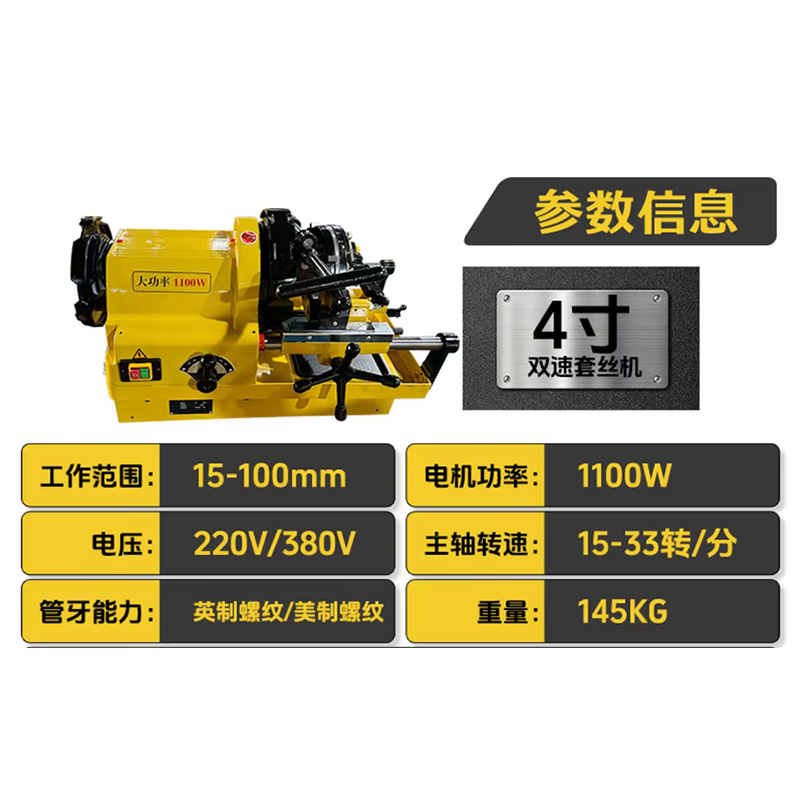 SQ100 4-inch 15-100mm dual-speed electric pipe threading machineThis SQ100 4-inch 15-100mm dual-speed electric pipe threading machine is engineered for precise and efficient pipe threading operations, with a working range of 15-100...View Product →
Also check material compatibility. Carbon steel threads easily; stainless, galvanized and alloy pipe need slower speeds, sharper dies and more generous cutting fluid, and some thin-wall stainless grades should be cut with a different method entirely.
The decision is arithmetic, not preference. On 2-inch carbon steel, a manual threader typically takes 8 to 15 minutes per joint once you include setup and handling. A dual-speed electric machine brings that to roughly 3 to 5 minutes. An automatic machine with powered clamping, feed and lubrication can reach 1.5 to 2.5 minutes, and the operator is free to prep the next pipe while the current thread cuts.
Multiply that difference by your crew cost. At 150 joints, the gap between 12 minutes and 3 minutes per joint is roughly 22 hours of labour on a single task, before counting rework on rejected threads. That is usually the entire justification for moving up a class.
Automatic machines earn their price in three specific situations: high joint counts on repetitive sizes, mixed or non-standard thread specifications that demand repeatable pitch and depth, and shops where thread quality directly affects downstream assembly. For a contractor cutting twenty joints a week across five sizes, a dual-speed electric machine is the better buy, and the savings belong in dies, spares and a spare chuck.
Where automation genuinely changes outcomes is consistency. A machine that controls feed rate and lubrication removes the operator variable that causes threads to vary between shifts, which matters when an inspector gauges one joint in ten. Our threading solutions are built around that idea of repeatable output rather than raw speed alone.
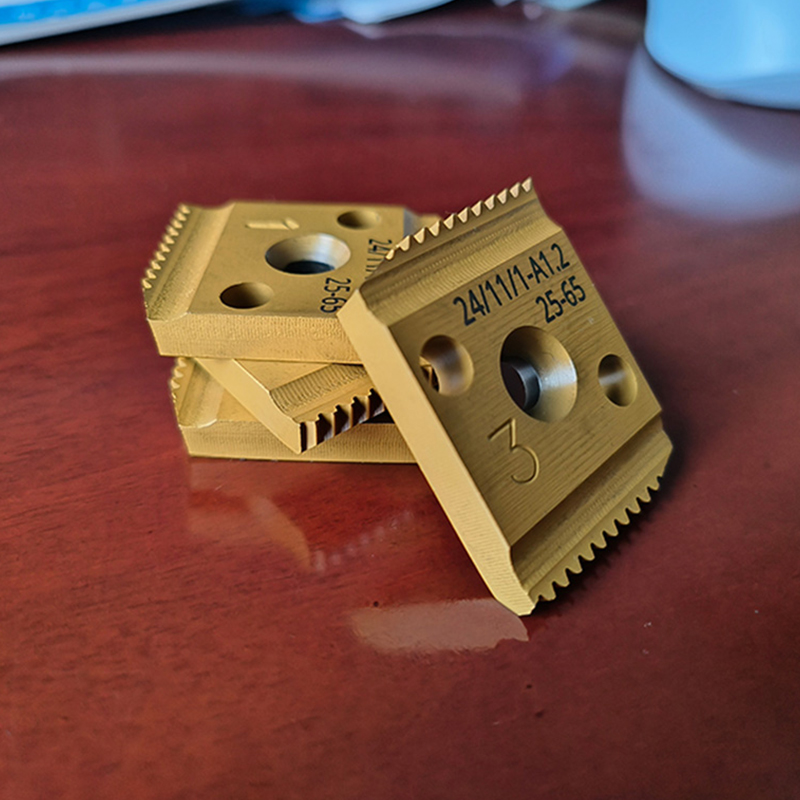 Intelligent Threading Machine1. Automatically identify the pipe diameterView Product →
Thread defects rarely fail immediately. They fail during pressure testing or after a season of thermal cycling. Three checks catch most of them.
NPT threads are tapered at 1:16, and the taper must be cut by the die, not forced by over-tightening. A correctly cut NPT joint should assemble hand-tight with roughly two to three turns remaining, then take two to three turns with a wrench. Fewer turns means an undersized thread; more means the thread was cut too deep or the die is worn.
Use a pitch gauge for a quick field check and a ring or plug gauge for acceptance. A common tolerance position is plus or minus one turn from the basic gauge plane. If your joints drift toward the minus side across a shift, stop and inspect the die; wear is progressive and uniform, so every subsequent thread inherits it.
Torn, chattered or galled threads point to four causes in order of likelihood: dull dies, insufficient or wrong cutting fluid, too high a spindle speed, or a pipe that is not held concentrically. Check the chuck before blaming the die head.
Dies are where threading budgets quietly leak. High speed steel dies hold an edge far longer than carbon steel equivalents, especially on stainless and galvanized pipe, and they tolerate the interrupted cuts that occur when pipe wall thickness varies. Double-edged designs cut on both the leading and trailing edge, which reduces the torque needed per pass and produces a cleaner crest, at the cost of a slightly higher purchase price.
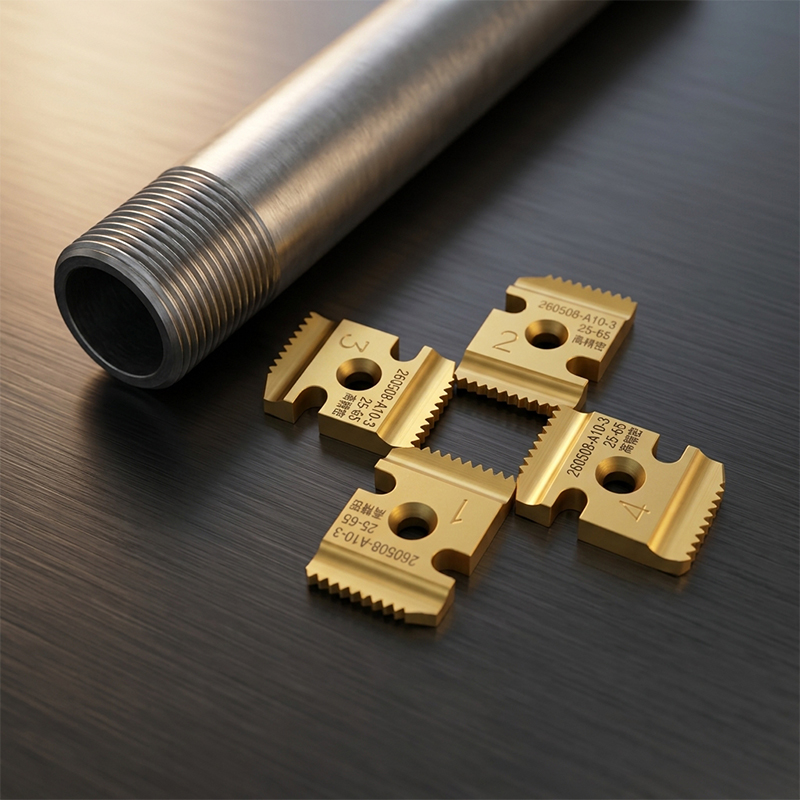 Double-Edged Threading DiesSpecialized Compatibility: Exclusively designed for intelligent threading machines, the dies feature a high precision-machined structure that perfectly matches the ope...View Product →
Cutting fluid is not optional on steel. It cools the die, flushes chips and controls the friction that causes galling. Running a machine dry to save fluid typically doubles die consumption and increases the rejection rate, which is a far larger cost than the fluid itself. Keep a chip tray or separator in the loop so recirculated fluid does not carry abrasive swarf back to the cutting edge.
Order dies by the exact standard your project specifies and keep one spare set on site. A single worn die can idle an entire crew for a day while a replacement ships.
Confirm the supply before the machine arrives. Dual-speed electric threaders are commonly available in single-phase 220V and three-phase 380V configurations, and the two are not interchangeable on site. Long extension leads cause voltage drop that shows up as slow starts and burnt motors; use the shortest heavy-duty cable possible and protect the circuit with a residual current device.
Practical safety points that experienced crews enforce: a foot switch so both hands stay clear of the die head, guarding over the rotating chuck, an emergency stop within reach, and an immediate stop if the machine starts to walk or the pipe shifts. Wet locations and outdoor winter work need particular attention to cable condition, and the machine should be levelled on a stand or bench rather than propped on offcuts.
Cold cutting saws and other preparation tools should be used with the same discipline. A square, burr-free pipe end threads far more accurately than one cut with an abrasive disc, and deburring takes seconds compared with re-cutting a spoiled thread.
For a deeper walkthrough of the selection process, including the trade-offs between classes, see this practical guide on how to choose a pipe threading machine.
Buy for the largest pipe you will thread, the thread standard your inspector will gauge, and the joint count your crew must produce each shift. Those three answers determine whether a dual-speed electric machine or an automatic intelligent unit is the correct purchase, and they also determine how much you should spend on dies and lubrication. Every rejection traced back to a dull die or a slipping chuck was a decision made at the buying stage, not on site.
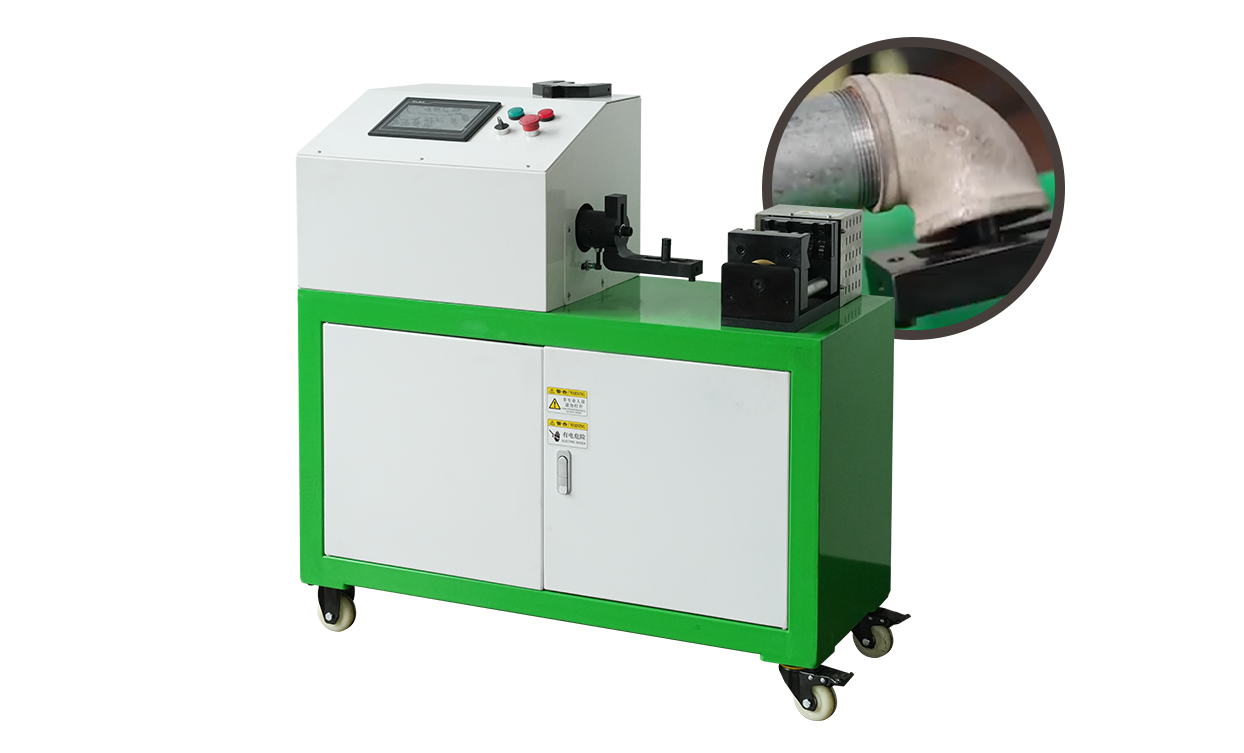
1. Intelligent adjustment, electric screwing 2. Save labor and improve efficiency 3. The layout is reasonable, safe and reliable 4. Torque adjustable,...
See Details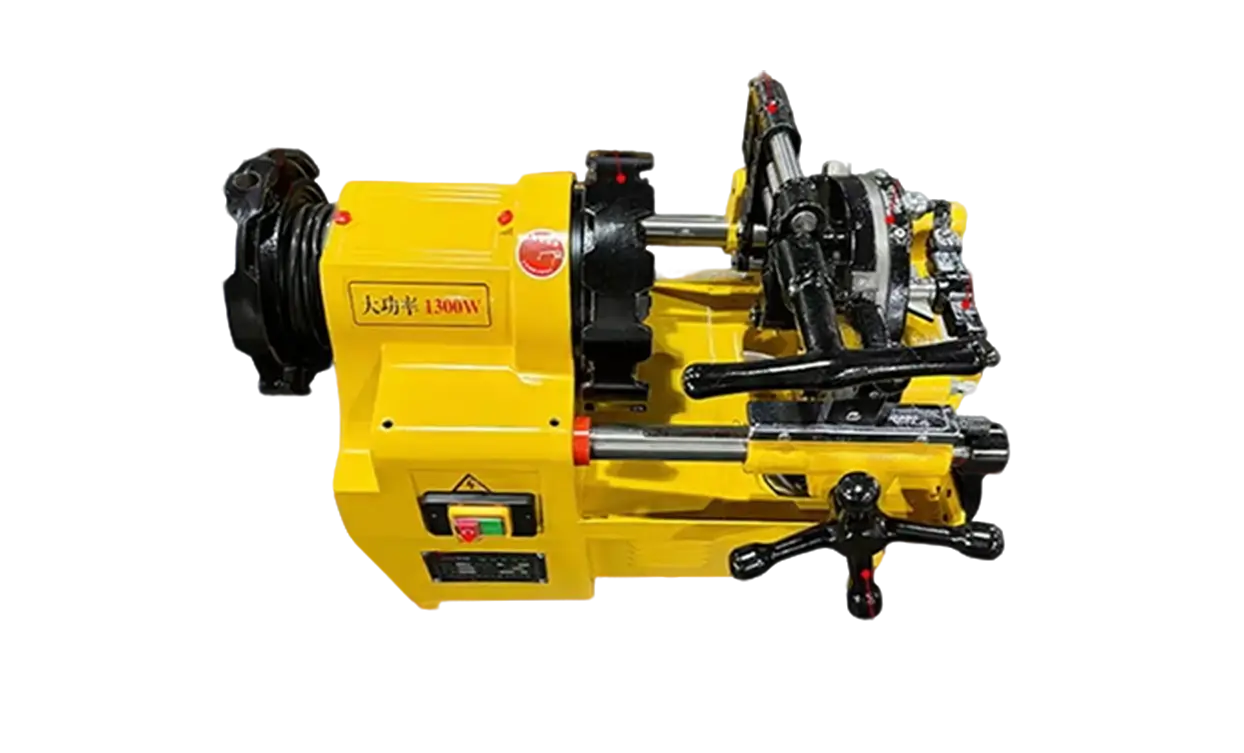
This SQ65 2.5-inch 15-65mm dual-speed electric pipe threading machine is a professional industrial tool engineered for precise pipe threading operatio...
See Details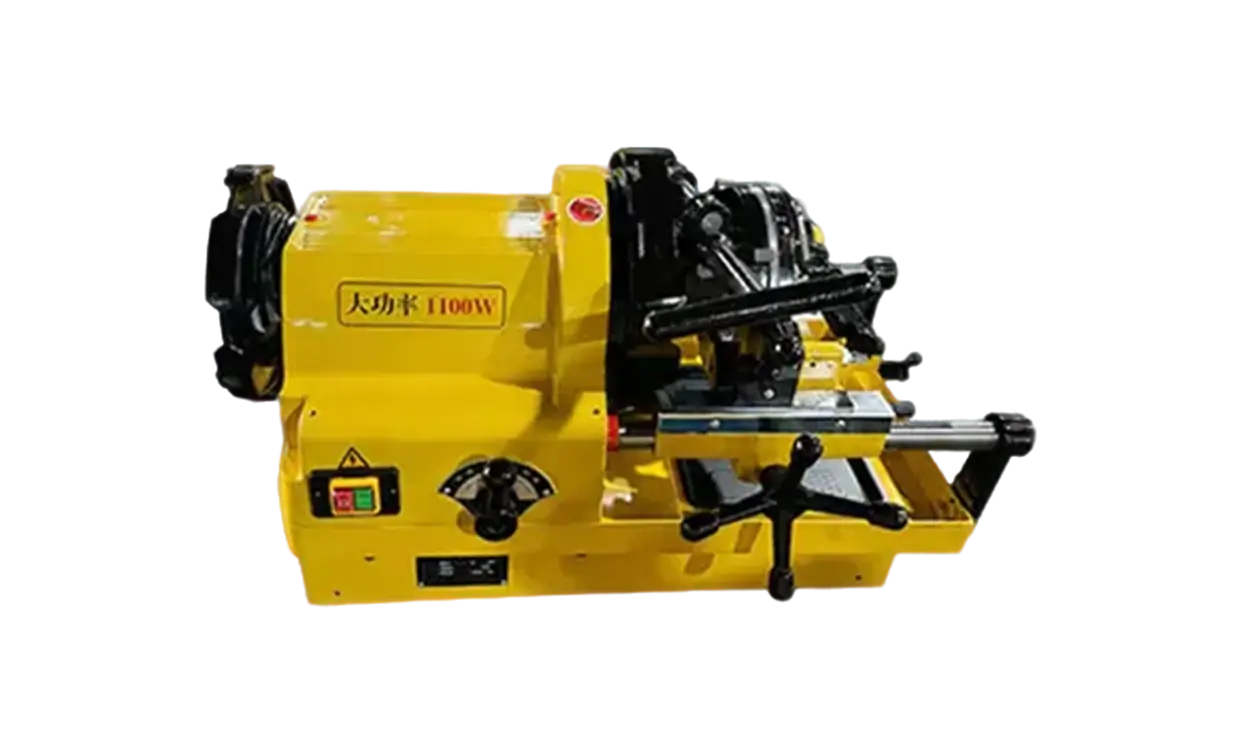
This SQ100 4-inch 15-100mm dual-speed electric pipe threading machine is engineered for precise and efficient pipe threading operations, with a workin...
See Details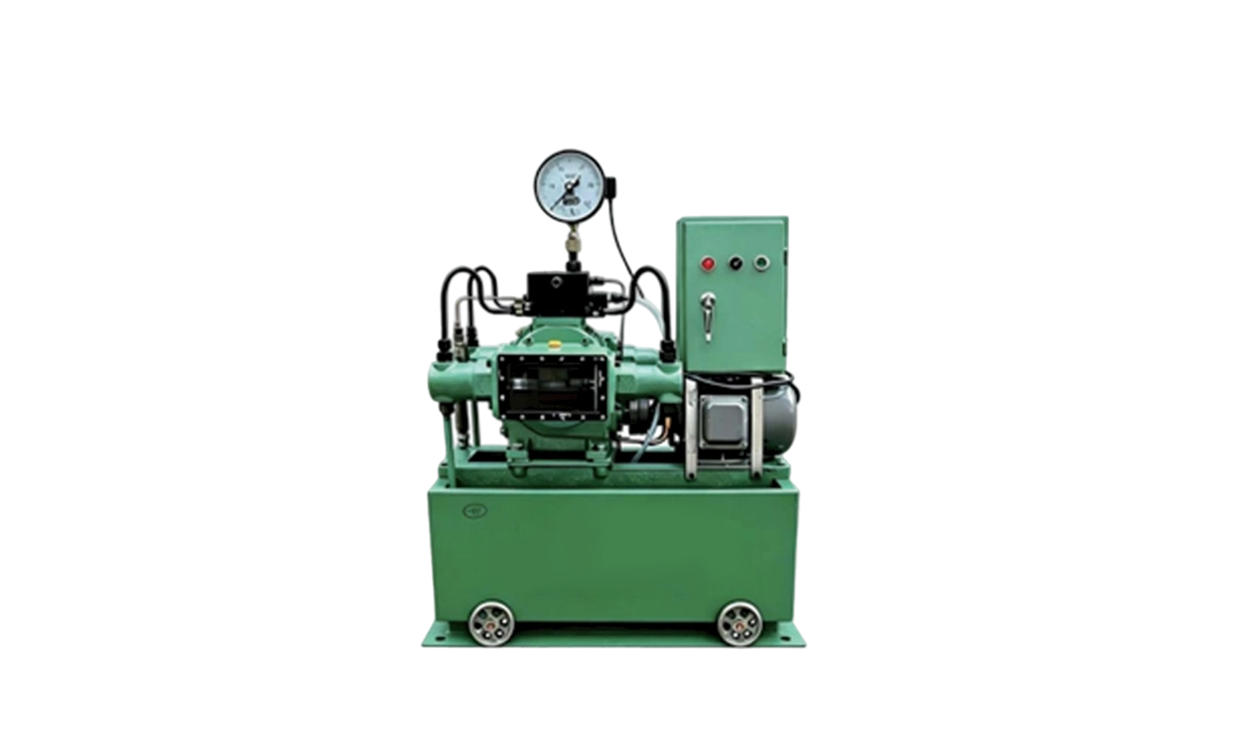
This 380V electric pressure test pump is a professional device designed for hydrostatic pressure testing and leak detection of pipes, valves, pressure...
See Details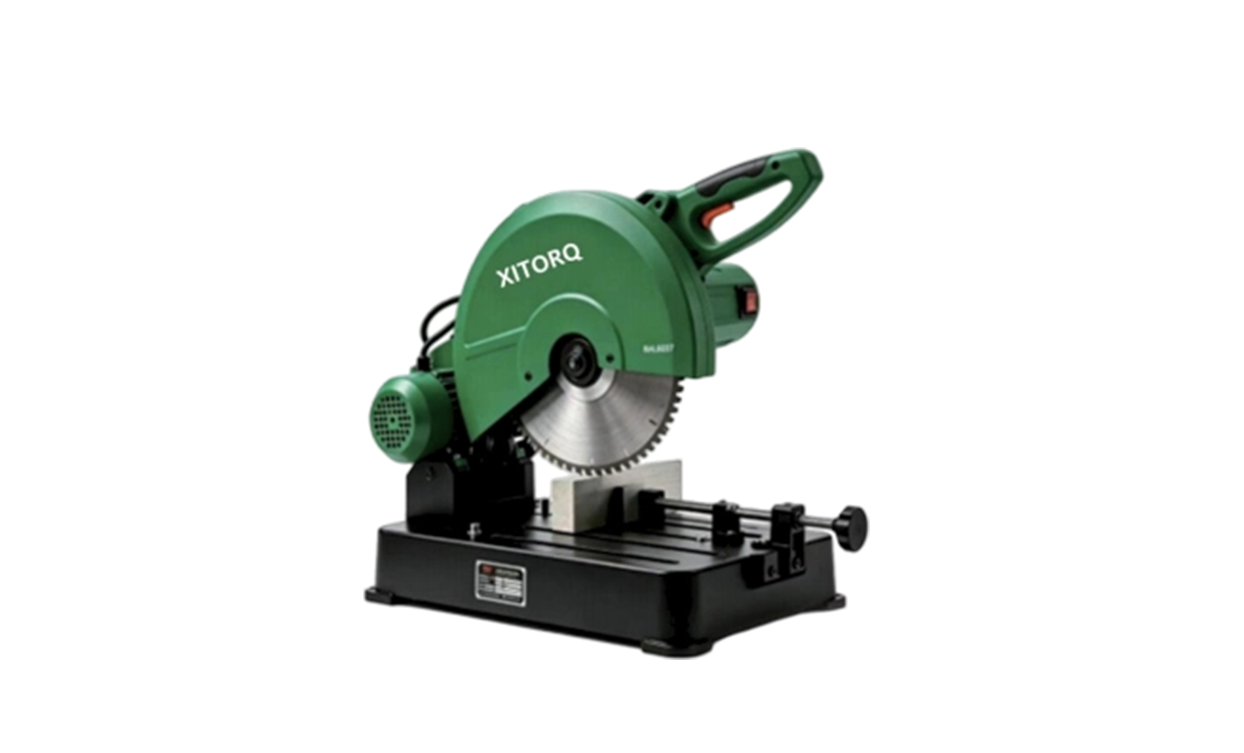
This 220V 14" permanent magnet variable frequency cold saw is an industrial-grade cutting tool designed for metal profile cutting. Featuring a permane...
See Details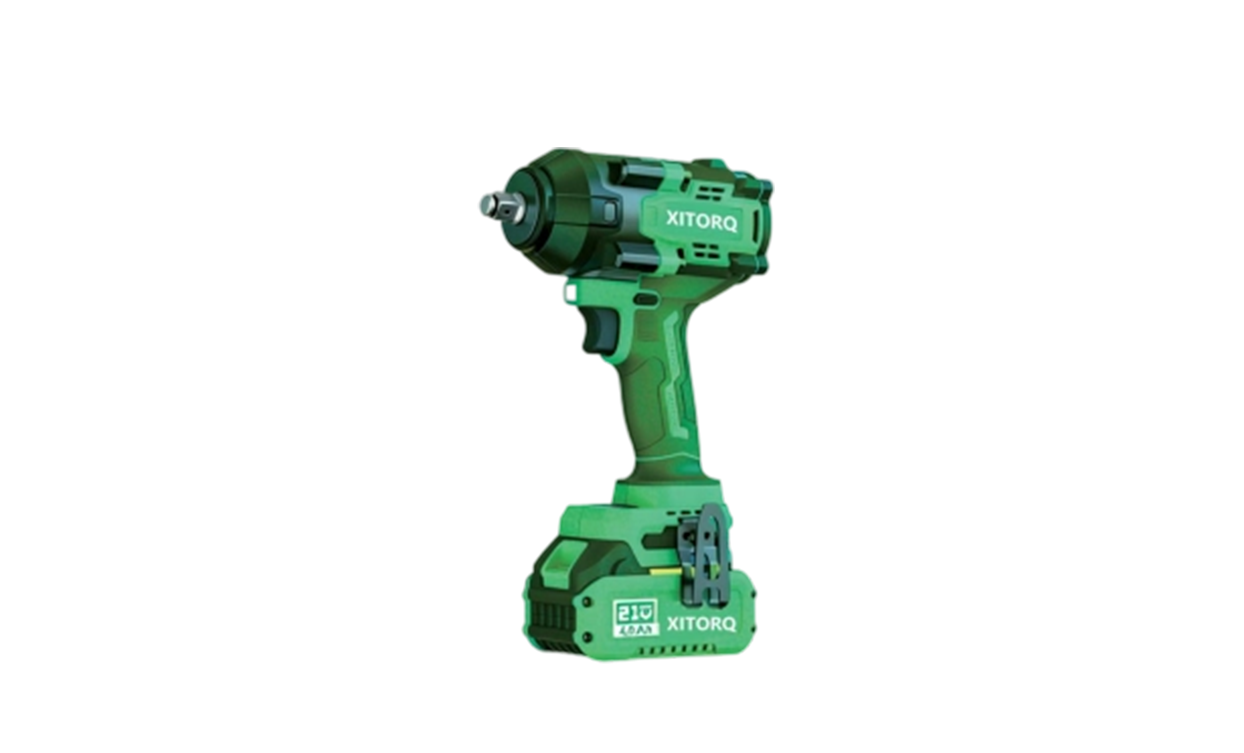
The XJ.570 21V lithium-ion brushless impact wrench is a light industrial-grade tool from the Xiaojia brand. Equipped with a 5220 brushless motor and p...
See Details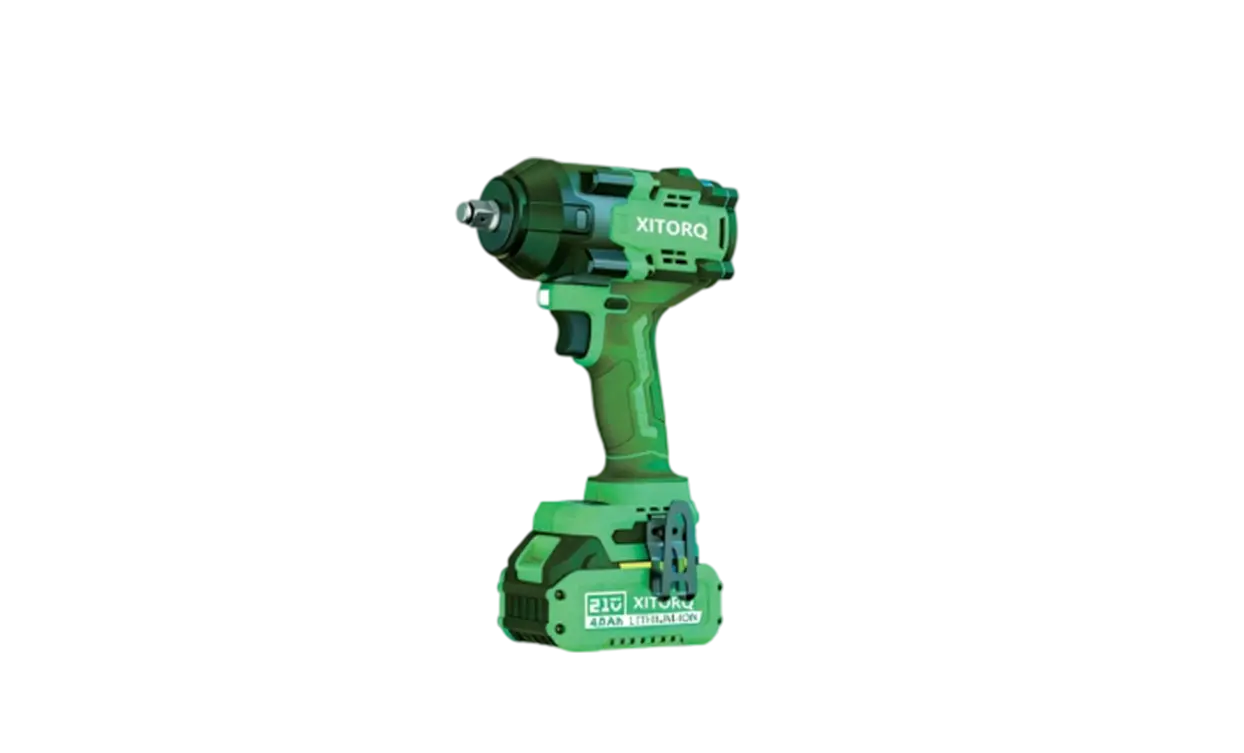
The XJ.580 21V lithium-ion brushless impact wrench is a medium-duty industrial-grade tool from the Xiaojia brand. Featuring an upgraded brushless moto...
See Details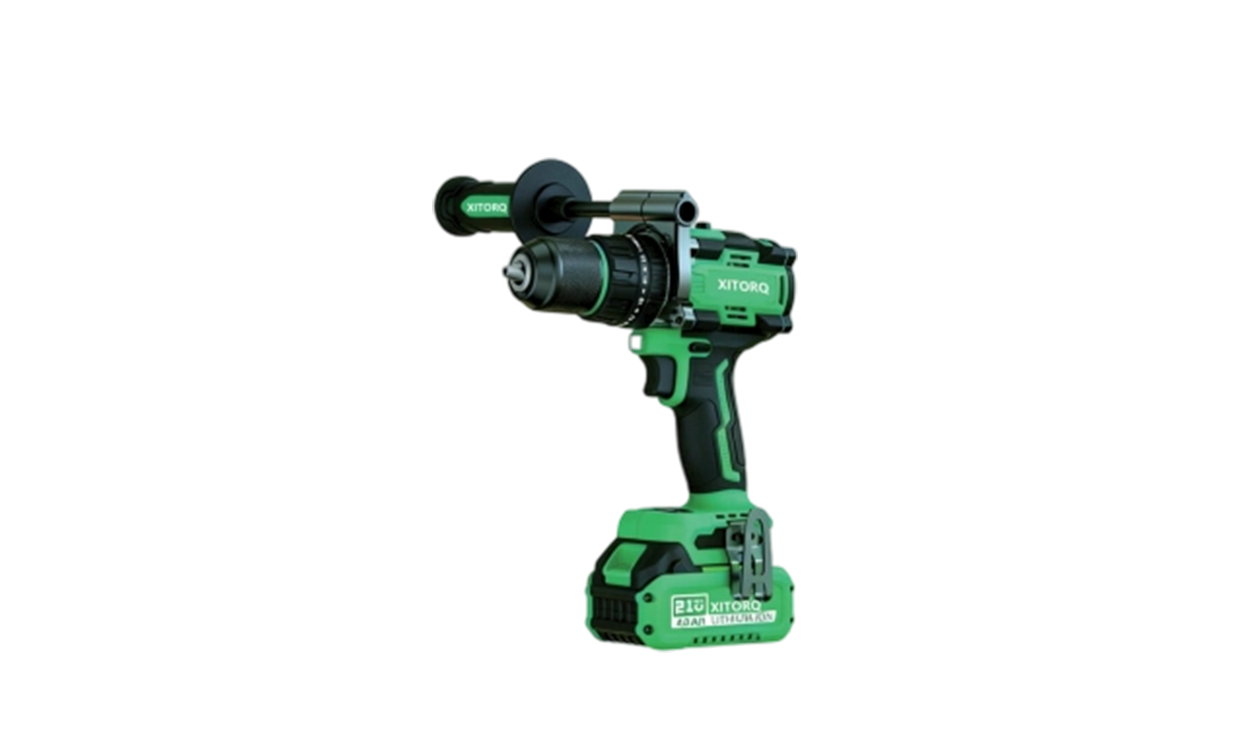
The XJ.617 21V lithium-ion brushless hammer drill/driver is a heavy-duty multi-function drill from the Xiaojia brand. Featuring an upgraded brushless ...
See Details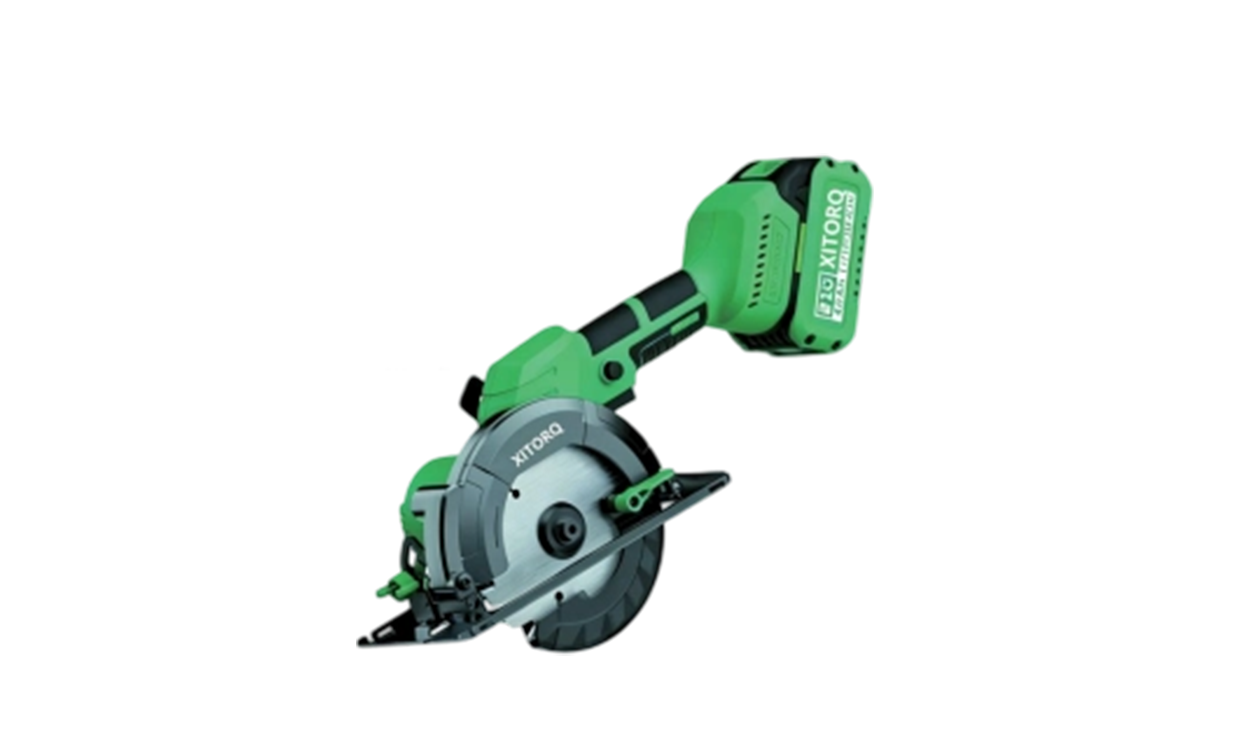
The XJ.853 21V lithium-ion high-magnetic brushless circular saw is an industrial-grade handheld circular saw from the Xiaojia brand. Featuring a high-...
See Details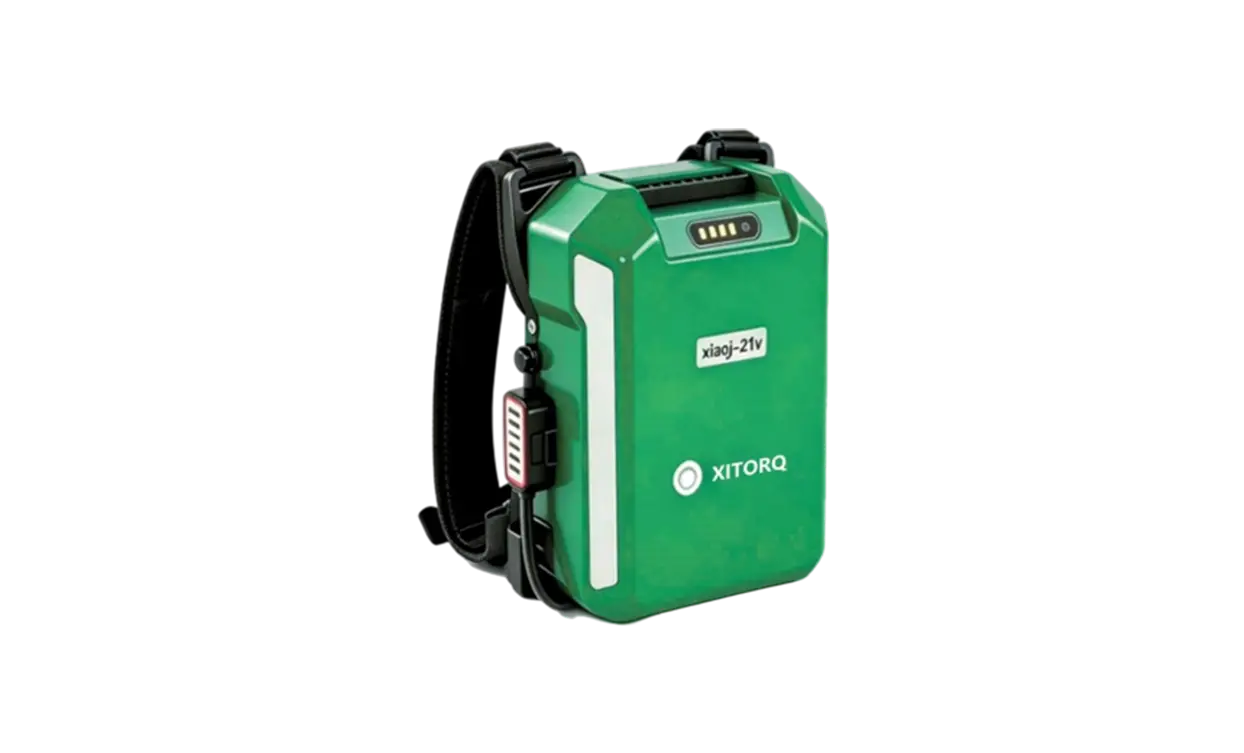
This backpack lithium battery pack is a large-capacity portable power supply designed for extended continuous operation of power tools. Using high-rat...
See Details
Copyright © by Hangzhou Xinabo Intelligent Electromechanical Technology Co., Ltd Rights Reserved. Pipe Threaders Manufacturers