
 English
 Español
 عربى
عربى


Intelligent Threading Machine
1. Automatically identify the pipe diameter 2. Automatic tool adjustment and setting 3. Pipe Processing Range: DN15–DN100 4. Threading time as fast ...
See Details
Content
A 4,000 psi jetter with a 3/8-inch hose will strip grease out of a 4-inch kitchen line in about 40 minutes. The same machine will turn 40-year-old bituminized fiber pipe into wet cardboard in under a minute. Hydro jetting drain cleaning lives on that edge: the hardware is simple, the judgment calls are not. This guide covers the pressures and flows that actually clean a line, the pipes you should refuse to jet, and the repair and verification steps that stop a cleaned drain from becoming a repeat service call.
Working figure: 1,500 psi is the practical floor for real cleaning. Most 3-inch to 4-inch building mains are jetted between 2,500 and 3,500 psi at 8 to 12 GPM.
Hydro jetting drain cleaning is a water-driven mechanical process: a high-pressure pump pushes water through a hose and a purpose-built nozzle, and the jets scour the full inner circumference of the pipe, removing grease, scale, silt, sludge and roots instead of punching a single channel through them.
Definition: hydro jetting uses 1,500 to 4,000 psi of water at 4 to 20 GPM, delivered through a self-propelling nozzle, to bring a drain line back to, or close to, its original internal diameter.
The nozzle does the work, and the wrong nozzle wastes a shift. Rear-angled jets thrust the nozzle down the line and flush loosened debris back to the access point, while forward jets cut into the blockage itself. Four families cover most field work:
Two passes are normal on a badly fouled line: cut first, flush second. A single pass that leaves the wall coated with grease is a cleaning that gets repeated in six weeks.
Match pressure and flow to the pipe in front of you: on commercial work that usually means 2,500 to 3,500 psi at 8 to 12 GPM for a 3-inch to 4-inch building main, and far lower pressure on older cast iron or clay.
Two numbers govern the result. Pressure decides how hard the jets hit the deposit; flow decides how much debris leaves the pipe. A 4,000 psi machine running a 1/4-inch hose at 4 GPM cleans a small branch line well and a 6-inch sewer poorly, because the water volume cannot carry loosened material back to the access point.
| Drain type | Working pressure | Flow rate | Hose and nozzle |
| 1.25-inch to 2-inch branch line | 1,500-2,500 psi | 4-6 GPM | 1/4-inch hose, small flusher |
| 3-inch to 4-inch building main | 2,500-3,500 psi | 8-12 GPM | 3/8-inch hose, turbo or flusher |
| 6-inch to 10-inch site sewer | 3,000-4,000 psi | 12-20 GPM | 1/2-inch hose, root cutter |
| Grease line with heavy FOG buildup | 3,000-4,000 psi, hot water | 8-12 GPM | 3/8-inch hose, rotary turbo |
| Storm drain or culvert | 2,000-3,000 psi | 12-20 GPM | Flusher with vacuum assist |
| Process line with mineral scale | 4,000 psi | 8-10 GPM | Chain cutter, then flusher |
Hydro jetting removes the whole deposit layer from the pipe wall, while a snake or auger cuts a channel through it, which is why a snaked grease line often blocks again within weeks and a properly jetted line usually holds for a full grease cycle.
Field rule of thumb: if a line has been snaked twice in the same year, jet it, camera it, and put it on a maintenance schedule.
Hydro jetting pays off wherever the deposit coats the pipe wall instead of sitting in one spot: grease lines, building mains, site sewers, storm drains and fire protection drains all fit that pattern.
Grease interceptors and kitchen lines under FOG ordinances typically need documented cleaning every 3 to 6 months at 3,000 psi or more.
Years of soap, scale and sludge reduce a 4-inch main to an effective 2 inches; jetting restores the original bore.
Root intrusion at joints is cut back with a chain cutter, then flushed, which buys 6 to 12 months before the next pass.
Sand, mortar and construction debris settle in new systems and are far easier to remove with flow than with hand tools.
Standpipe drains, sprinkler drain valves and pump test lines collect rust and mill scale for years without ever blocking fully.
Mineral scale that resists chemical cleaning usually yields to a 4,000 psi chain cutter pass followed by a flush.
Fire protection work runs close to drain maintenance. Standpipe drains and sprinkler lines are jetted for rust and sediment, and when the same riser needs new branch connections, the job shifts from cleaning to fabrication and drilling.
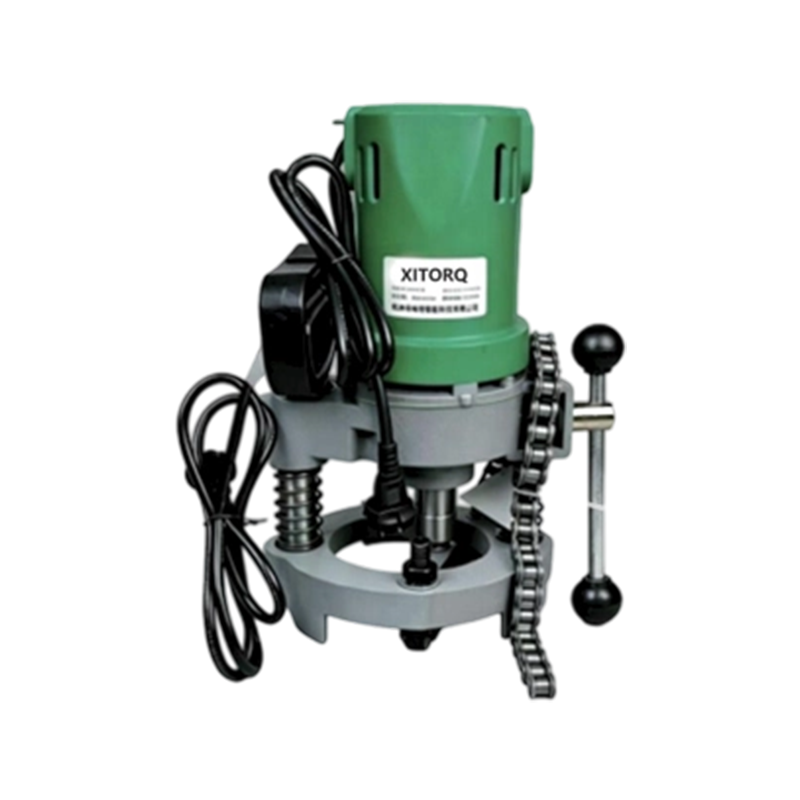 220V Fire Pipe Drilling Machine — φ16-φ114mm Holes, DN15-DN200 Pipe CompatibleThis 220V Fire Pipe Drilling Machine is a professional device designed for hole cutting on fire protection and plumbing pipes.View Product →
Cleaning and reinstatement rarely stay separate for long. Crews that jet a line on Monday are usually cutting and assembling pipe on Tuesday, and most teams standardise on one family of pipe machinery tools for pipeline connections so that hoses, cables and dies stay compatible across jobs.
Do not jet a line you have not inspected, and never run full pressure through bituminized fiber, collapsed clay or badly corroded cast iron; the failure mode is not a slow clog but a burst pipe and an emergency excavation.
Minimum check before jetting: confirm the pipe material at the access point, run the camera 10 to 15 feet, verify the downstream manhole can take the flow, and set the pump at the low end of the range.
Hydro jetting cleans a line; it does not repair it. Roots return to the same joint within 6 to 12 months, a cracked pipe stays cracked, and a bellied section keeps collecting water, so price the repair at the same time as the cleaning.
When a section has to come out, a burr-free cut matters more than raw speed, because a deformed pipe end cannot be threaded or coupled cleanly on site. A cold cutting saw lets a crew cut out a damaged length without heat distortion or sparks, which matters inside occupied buildings.
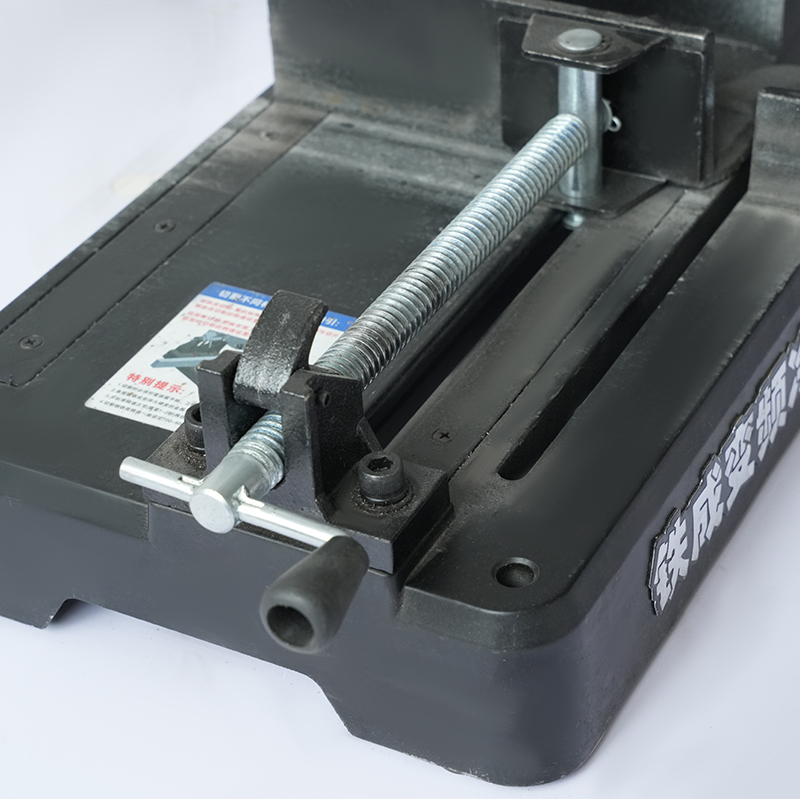 Frequency Conversion Metal Cold Cutting Saw1. Next generation performance, delivering over 3,500 precise cuts with every blade 2. Intelligent Motor Technology 3. Precision Shadow Line Guide 4. Enhanced Safety F...View Product →
Once the section is replaced and the joints are made, prove the work before the line returns to service. A hydrostatic test at a controlled 0.6 MPa holds the new joints under pressure long enough to expose a weep, a bad thread or a missing seal while the crew is still on site.
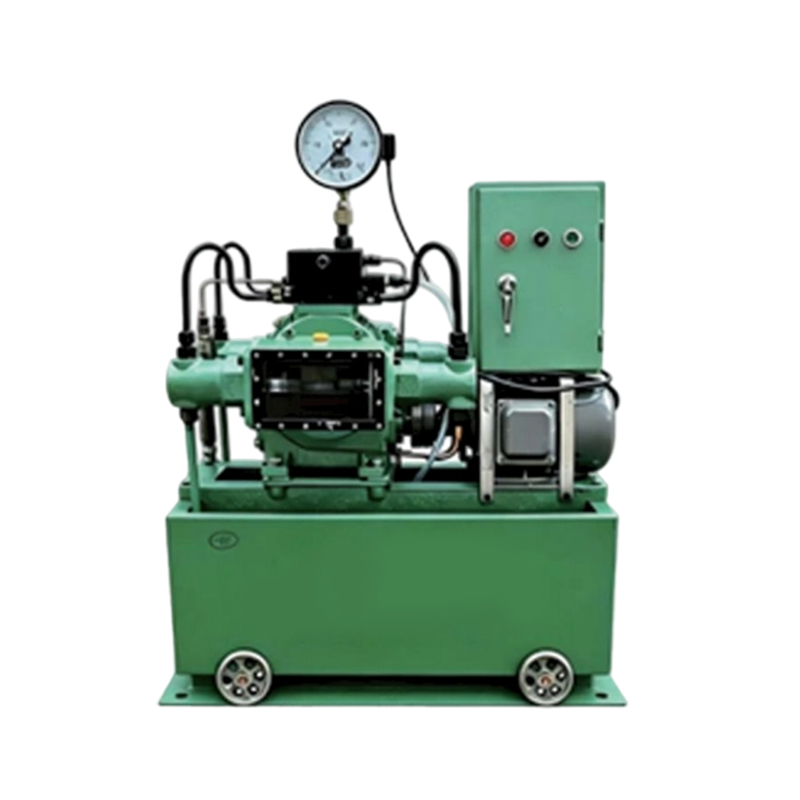 380V Electric Hydrostatic Pressure Test Pump — 0-6MPa Adjustable with Auto Pressure-HoldThis 380V electric pressure test pump is a professional device designed for hydrostatic pressure testing and leak detection of pipes, valves, pressure vessels, and oth...View Product →
Larger reinstatement projects, from full riser replacement to multi-branch fabrication, are usually scoped as complete pipe fabrication and installation solutions rather than as a cleaning contract with extras.
The two failure points on any jetting job are the nozzle and the discharge: a 4,000 psi stream will penetrate skin, and every gallon that leaves the line has to go somewhere legal.
Documentation is cheap insurance: camera footage, pressure and flow settings, nozzle type, water volume, disposal method and the FOG manifest. A single-page record settles most disputes about whether a line was actually cleaned.
Expect roughly $250 to $600 for a residential main or branch line, and $0.30 to $1.50 per linear foot on larger commercial and site work, with 1 to 3 hours of crew time on a typical 2-inch to 4-inch line once access is open.
The variables that move the price are access, containment, disposal, after-hours scheduling, and how much pipe has to be cut and replaced. Compare that with replacement: a 60-foot sewer replacement often runs 10 to 20 times the cost of a jetting visit, which is why scheduled jetting is cheaper than one excavation, as long as the pipe can still take the pressure.
Heavy grease kitchens are usually jetted every 3 to 6 months, restaurants with lighter frying loads every 6 to 12 months, and building mains with mild scale every 12 to 18 months. The right interval is set by camera inspection, not by the calendar.
Not when pressure matches the material. Modern PVC, cast iron in fair condition and steel lines handle 3,000 to 4,000 psi without issue. Obsolete fiber pipe, collapsed clay and heavily corroded cast iron should be cleaned at low pressure or not jetted at all.
For a healthy 4-inch main, 2,500 to 3,500 psi at 8 to 12 GPM through a 3/8-inch hose is the working range. Drop to 1,500 to 2,000 psi when the camera shows corrosion pitting or thin-wall sections.
Usually yes, but it takes sequence rather than brute force: a penetrating nozzle to open a path, a chain cutter for roots or hard scale, then a flusher pass to carry material out. A line that will not accept the hose at all needs mechanical or camera-guided access first.
Specify the job in three lines: what the camera found, what pressure and flow will be used, and how the result will be verified. That level of detail turns a cleaning visit into a maintenance decision, and it makes the difference between a drain that holds for a season and one that calls you back in three weeks.
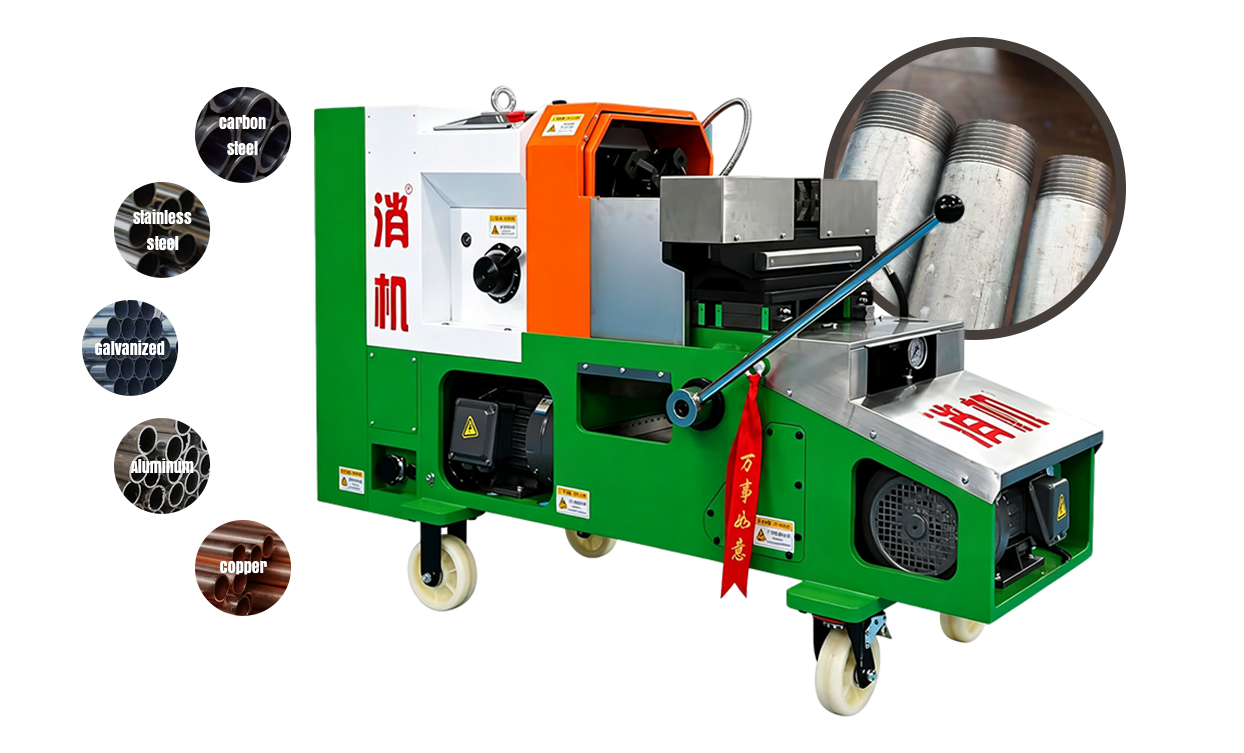
1. Automatically identify the pipe diameter 2. Automatic tool adjustment and setting 3. Pipe Processing Range: DN15–DN100 4. Threading time as fast ...
See Details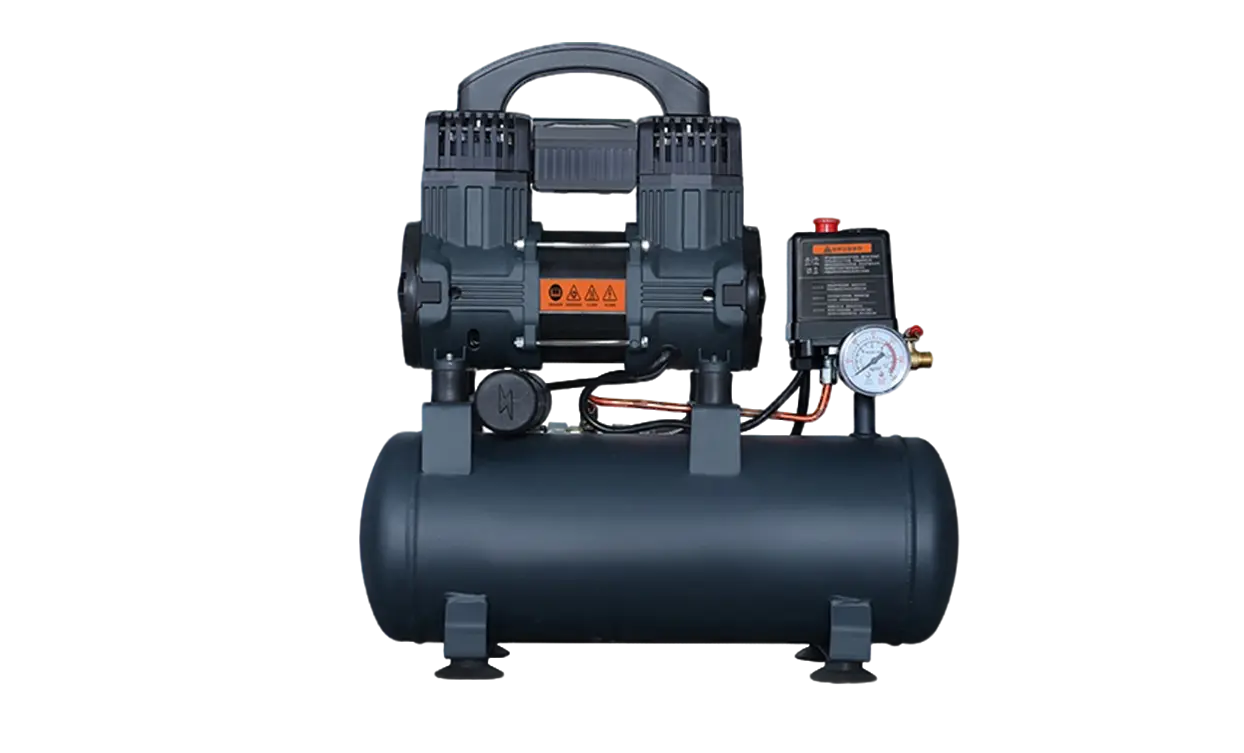
The F1200 Series Air Compressor is engineered for reliable, cost-effective compressed air supply, core to which are its high-efficiency oil-free desig...
See Details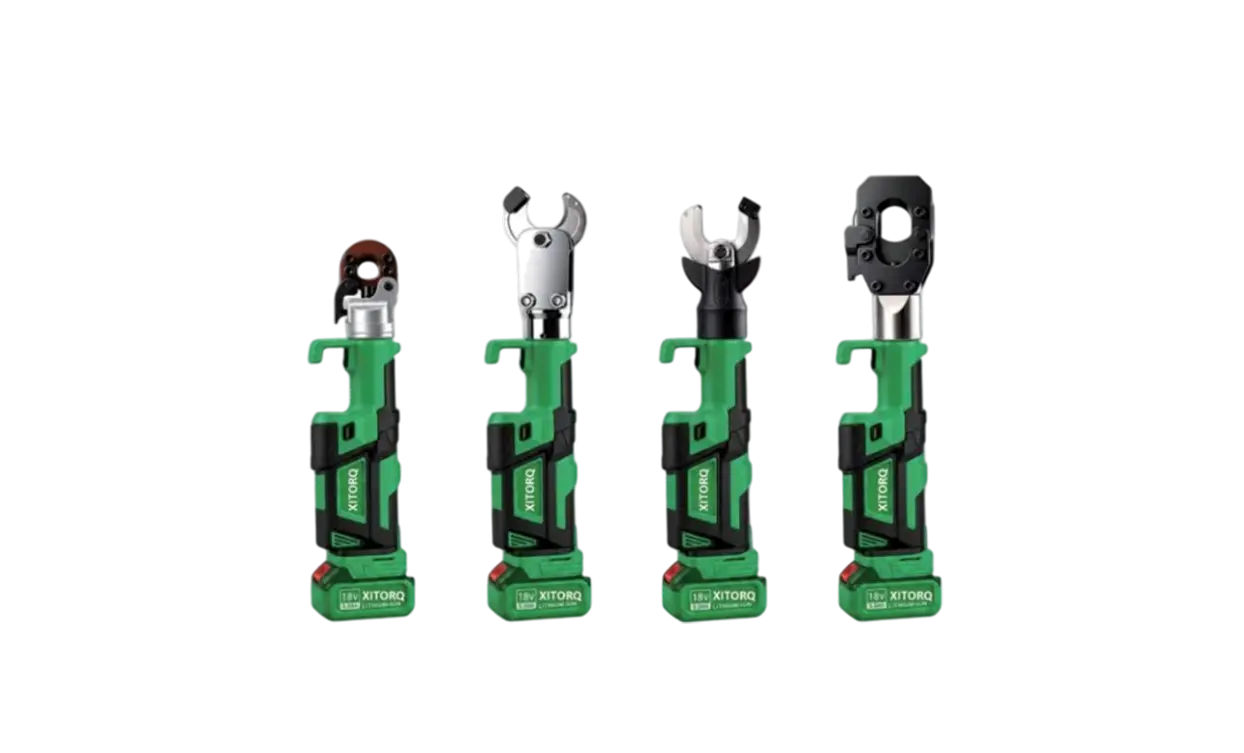
This 18V lithium-ion industrial cable cutter is a professional tool designed for large-diameter cable cutting. It features a brushless lithium-ion pow...
See Details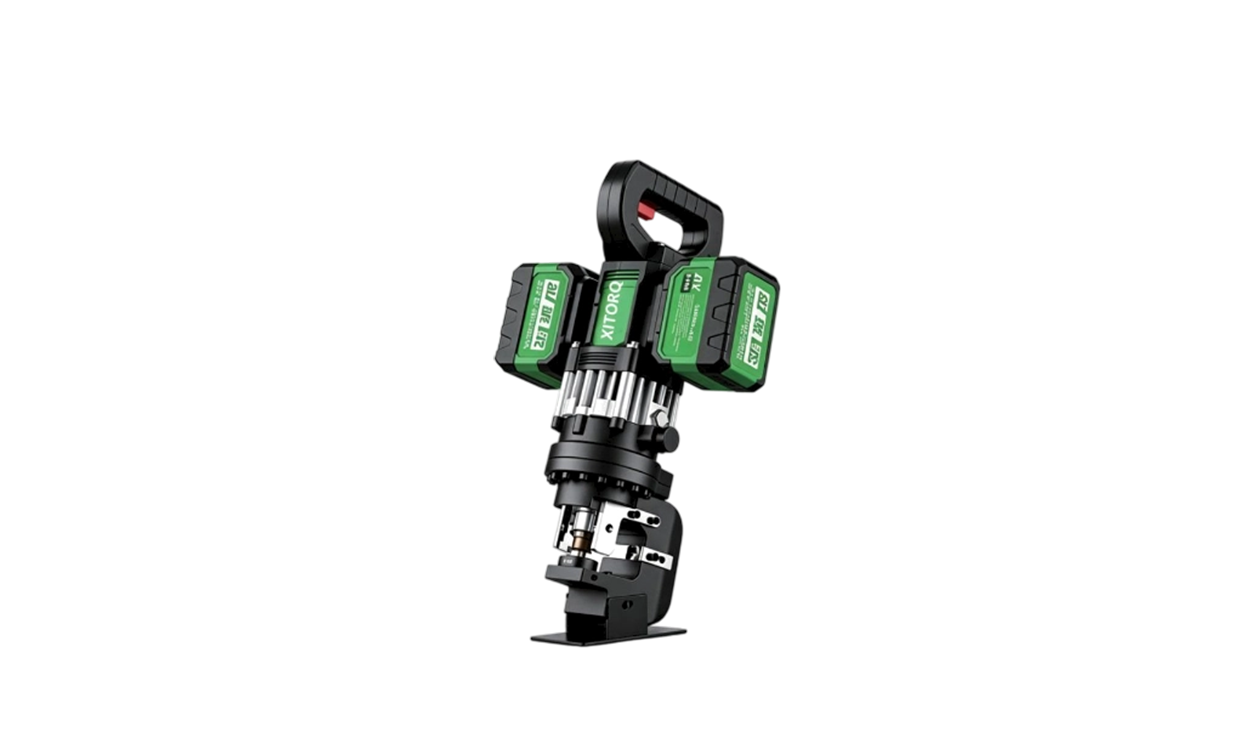
This 21V lithium-ion channel steel hole puncher is a portable hydraulic punching tool designed for punching holes in channel steel, angle steel, steel...
See Details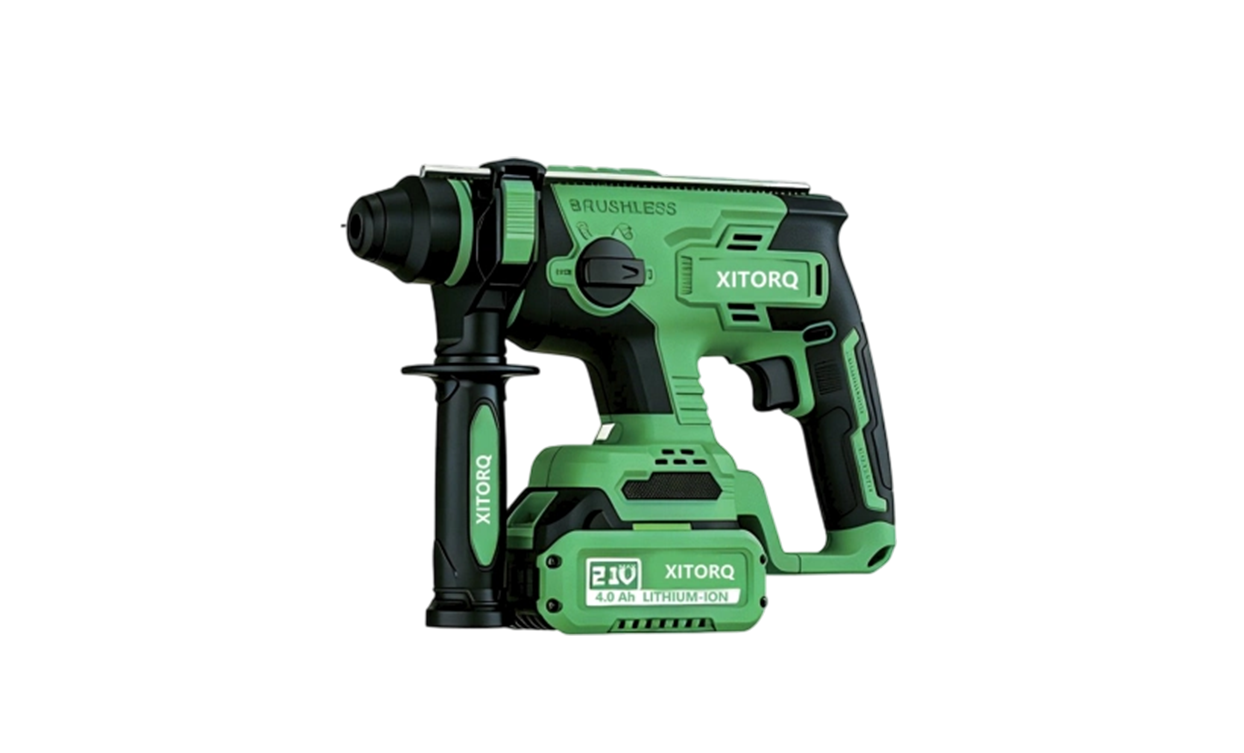
The XJ.709 21V lithium-ion high-magnetic brushless rotary hammer is an industrial-grade hammer from the Xiaojia brand. Equipped with a high-magnetic b...
See Details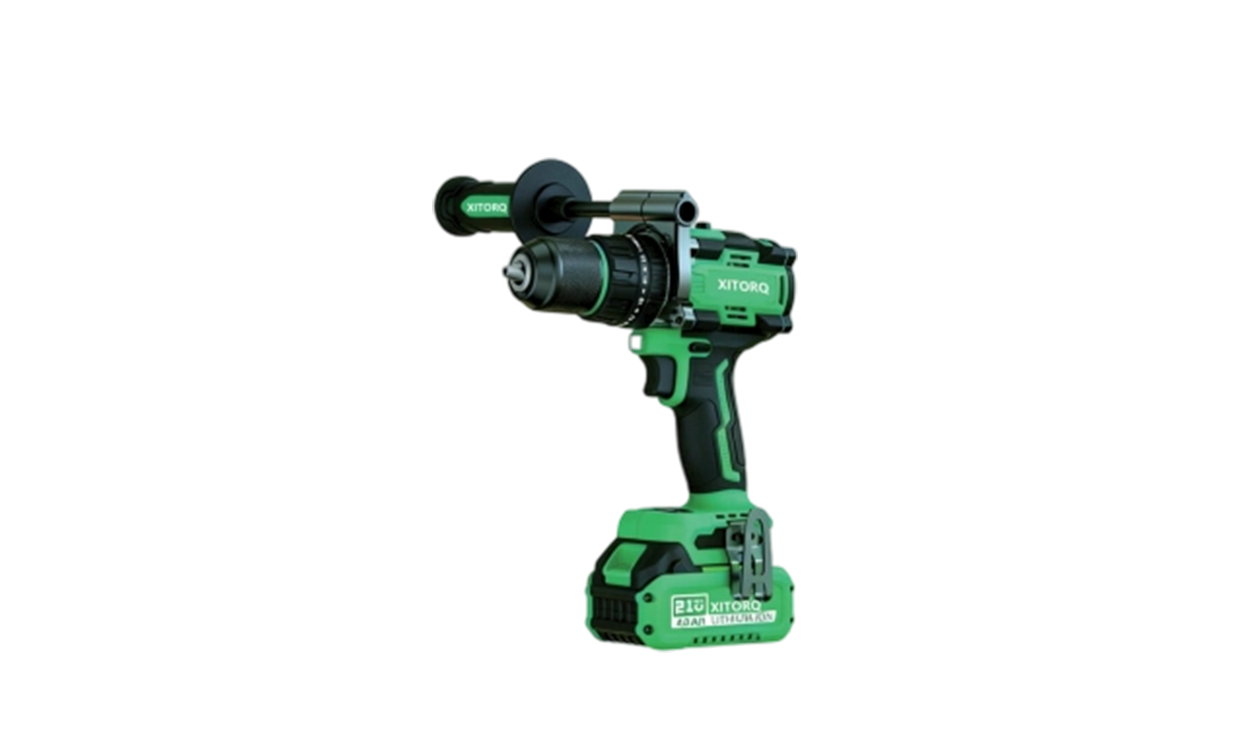
The XJ.617 21V lithium-ion brushless hammer drill/driver is a heavy-duty multi-function drill from the Xiaojia brand. Featuring an upgraded brushless ...
See Details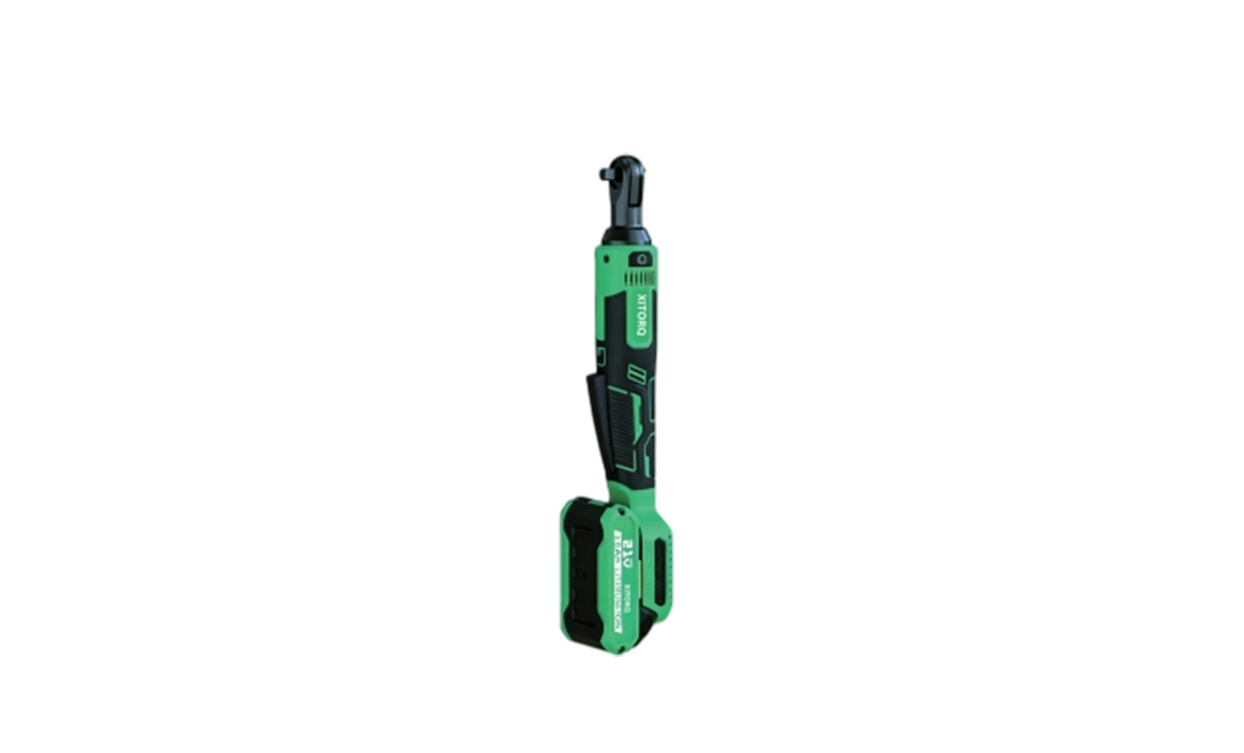
The XJ.592 16V brushless angle ratchet wrench is a compact industrial-grade ratchet from the Xiaojia brand. Equipped with a 16V brushless motor and an...
See Details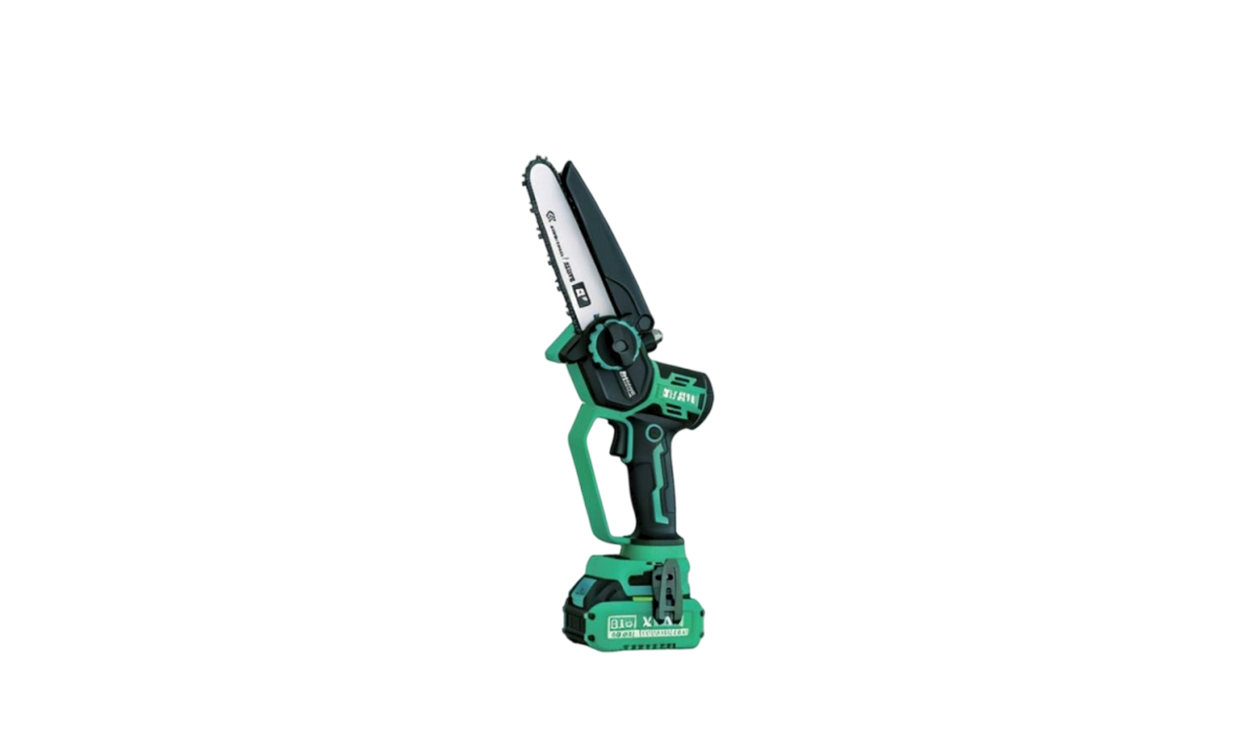
The XJ.204 16V 4" brushless electric chainsaw is a compact lithium-ion chainsaw from the Xiaojia brand. Powered by a 16V brushless motor with a 4" gui...
See Details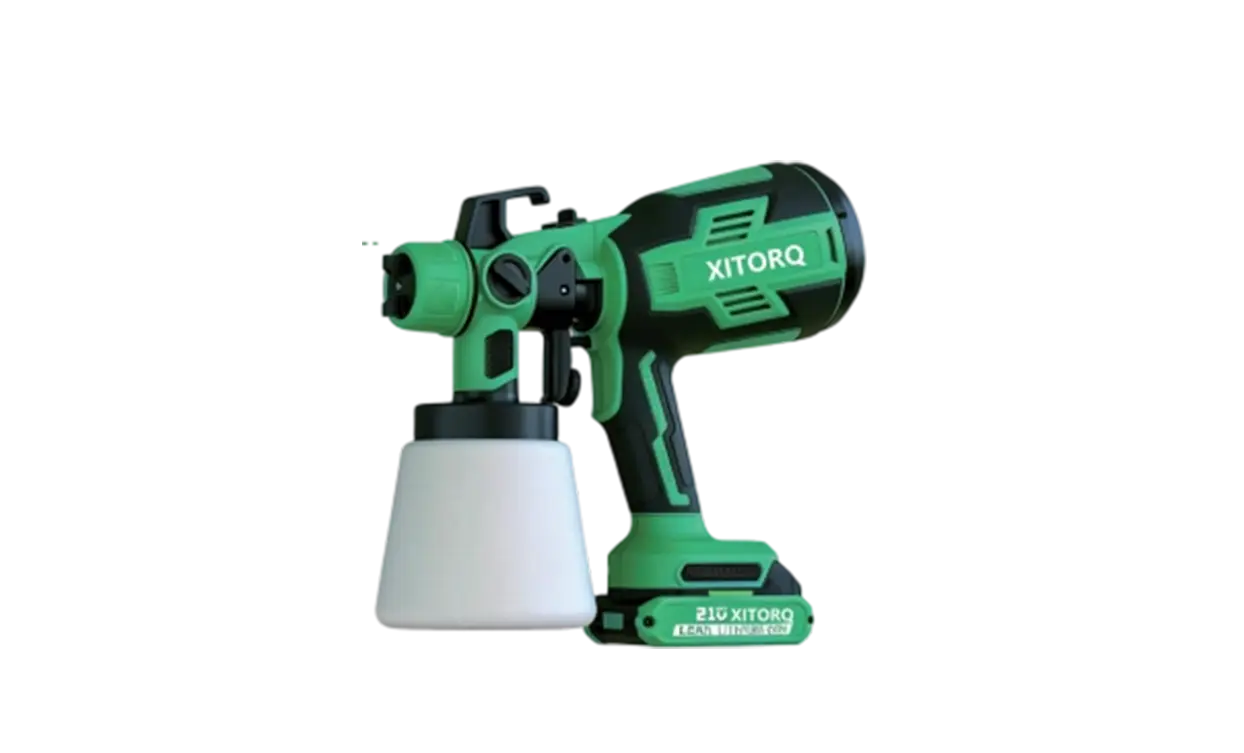
This 21V lithium-ion spray gun (Small Airplane model) is a portable cordless painting tool designed for paint spraying. Powered by a 21V brushless lit...
See Details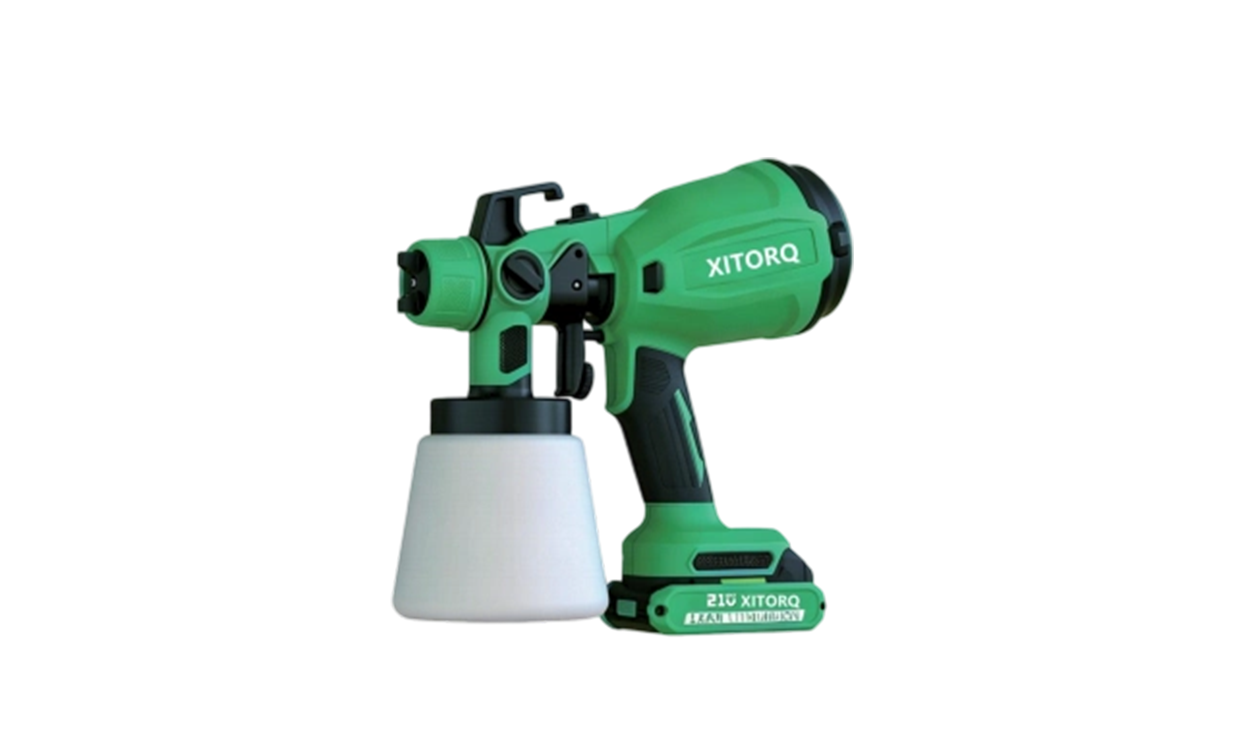
The 21V lithium-ion spray gun MT is an industrial-grade cordless spray gun from the Xiaojia brand. Featuring an upgraded brushless motor with enhanced...
See Details
Copyright © by Hangzhou Xinabo Intelligent Electromechanical Technology Co., Ltd Rights Reserved. Pipe Threaders Manufacturers