
 English
 Español
 عربى
عربى


Frequency Conversion Metal Cold Cutting Saw
1. Next generation performance, delivering over 3,500 precise cuts with every blade 2. Intelligent Motor Technology 3. Precision Shadow Line Guide 4. ...
See Details
Content
A frequency conversion metal cold cutting saw delivers precise, burr-free cuts through variable speed control, extending blade life and reducing energy consumption. This advanced cutting solution replaces traditional abrasive saws, providing clean, heat-free cuts that require no secondary finishing, making it essential for high-efficiency metal fabrication in construction and fire protection projects.
The core innovation behind modern metal cold cutting saws is frequency conversion technology, which allows stepless speed regulation. By adjusting the blade rotation speed to match the material and thickness, operators achieve optimal cutting conditions. For instance, cutting stainless steel pipes requires a lower RPM, typically in the range of 22–26 m/min, to prevent work hardening and burr formation, whereas mild steel can be cut at higher speeds. This control reduces heat generation at the cut interface, minimizing the heat-affected zone and resulting in a cut accuracy of ±0.1 mm. In production environments, frequency conversion can lead to up to a 30% energy savings compared to fixed-speed motors, as the power output adapts in real time to the cutting load.
The constant surface speed maintained by the frequency drive eliminates the need for gear changes, reducing mechanical wear and operator intervention. This translates into smoother startups, less vibration, and a dramatic drop in noise levels, often below 78 dB. The result is a cleaner working environment and a significantly higher daily throughput.
Metal cold cutting saws fundamentally differ from abrasive wheel saws in their cutting mechanism and outcome. The table below highlights the measurable performance gaps that directly impact workshop productivity and component quality.
| Parameter | Frequency Conversion Cold Saw | Abrasive Saw |
|---|---|---|
| Cutting accuracy | ±0.1 mm | ±0.5 mm |
| Burr formation | Minimal to none | Heavy, requires secondary grinding |
| Heat-affected zone | Negligible | Significant, leads to material discoloration |
| Typical blade life | Up to 3000 cuts | 200–300 cuts |
| Energy consumption | 30% lower | Higher, constant full-load operation |
The absence of a heat-affected zone on cold-sawn parts preserves the metallurgical properties of the material, which is critical in load-bearing structures and pressure piping. With abrasive cutting, the need for post-cut grinding adds labour cost and can compromise dimensional consistency.
Blade longevity is directly tied to speed control and cooling efficiency. A frequency conversion metal cold cutting saw enables a smooth ramp-up of blade rotation, which eliminates the high-torque impacts that cause micro-chipping on the tooth edges. When combined with a synchronized coolant delivery system that activates precisely during the cut, thermal stress on high-speed steel or carbide-tipped blades drops sharply. Data gathered from high-volume production lines shows that blade life can be extended by up to 60% compared with fixed-speed cold saws.
The quality of the cut surface is equally measurable. A well-tuned frequency conversion cold saw routinely produces a surface finish of Ra ≤ 6.3 µm, meeting the preparation requirements for critical welding procedures without additional polishing. Intelligent overload protection, built into many advanced controllers, further prevents blade deflection and ensures every cut remains square. For stainless steel and alloy pipes, the elimination of work hardening at the cut face reduces tool wear on downstream threading and grooving operations.
In fire protection engineering, galvanized steel pipes must be cut cleanly to preserve the zinc coating at the thread area. A cold saw for metal produces a burr-free edge that allows threading machines to form tight, leak-proof joints without peeling or scratching the protective layer. This is especially important for sprinkler mains and branch lines where long-term corrosion resistance is mandatory.
For structural and mechanical construction, the ability to cut angles, channels, and square tubes with a perpendicularity deviation of less than 0.2 mm directly reduces fit-up time. A typical large-diameter pipe, such as a 100 mm round tube, can be sectioned in under 15 seconds with a frequency conversion cold saw, leaving the end ready for immediate welding. Field feedback indicates that using cold-sawn components can lower assembly rework by approximately 40%, dramatically accelerating on-site project schedules.
The same technology serves maintenance teams and fabrication shops that handle mixed material batches. The quick speed change capability allows seamless transitions between thin-wall conduit and heavy schedule 40 pipe without sacrificing cut quality or cycle time.
Common blade diameters for industrial applications range from 275 mm to 400 mm. A 315 mm blade typically handles round stock up to 110 mm and square stock up to 100 mm. Matching the saw size to the dominant material diameter ensures optimal tooth engagement and prevents premature dulling.
A motor rating between 3 kW and 5.5 kW, paired with a frequency drive offering a stepless range from 20 to 120 RPM, gives the flexibility to cut both mild steel and stainless steel efficiently. The ability to hold constant torque at low speeds is a marker of a well-engineered drive system.
Secure material clamping is non‑negotiable for accurate cuts. Look for these features when assessing a machine:
An automatic feed stop sensor and overload clutch further protect both the blade and the gearbox during high‑volume production runs. Machines equipped with these intelligent controls consistently deliver longer maintenance intervals and predictable cut quality.
The transition to frequency conversion metal cold cutting saws is driven by hard productivity data and rising quality standards. Shops that adopt variable speed cold saws report a measurable drop in consumable costs, as blade life extends and rework rates plummet. The combination of burr‑free edges, low noise operation, and reduced energy consumption positions the technology as the benchmark for modern metal fabrication. Investing in a cold saw for metal that integrates frequency conversion not only future‑proofs the cutting process but also delivers immediate gains in safety, surface finish, and overall throughput.
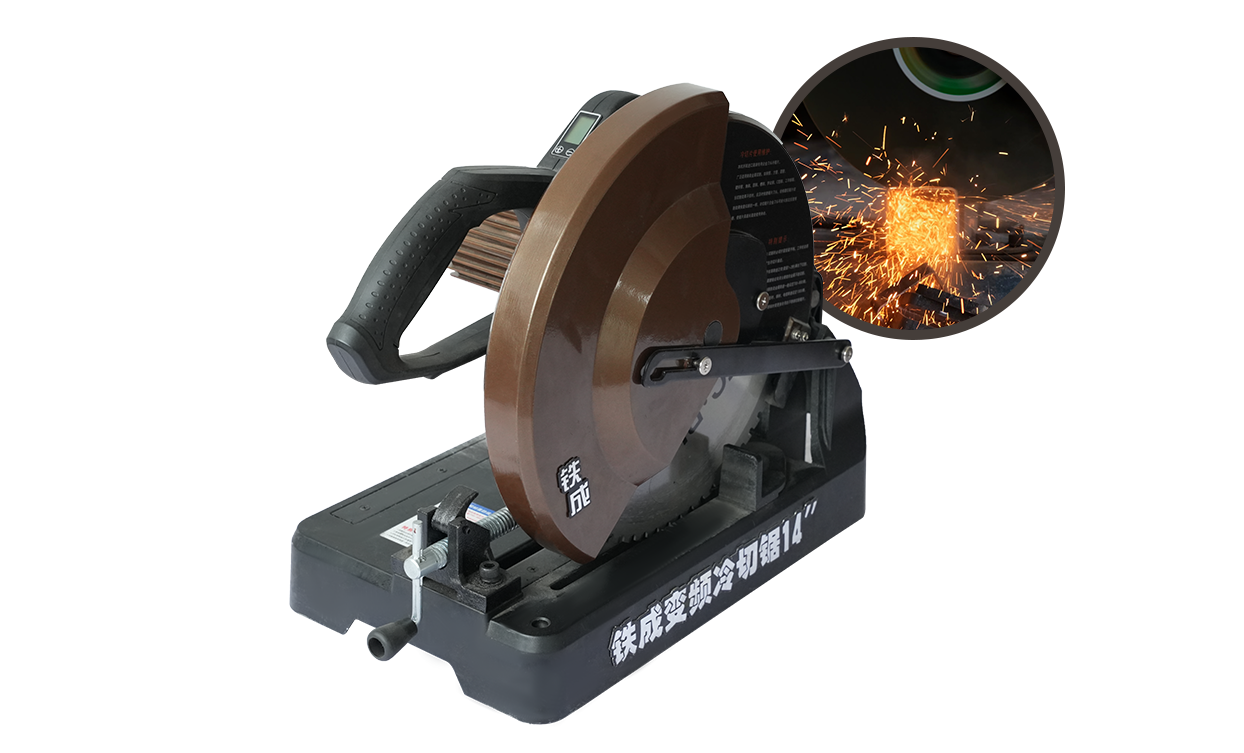
1. Next generation performance, delivering over 3,500 precise cuts with every blade 2. Intelligent Motor Technology 3. Precision Shadow Line Guide 4. ...
See Details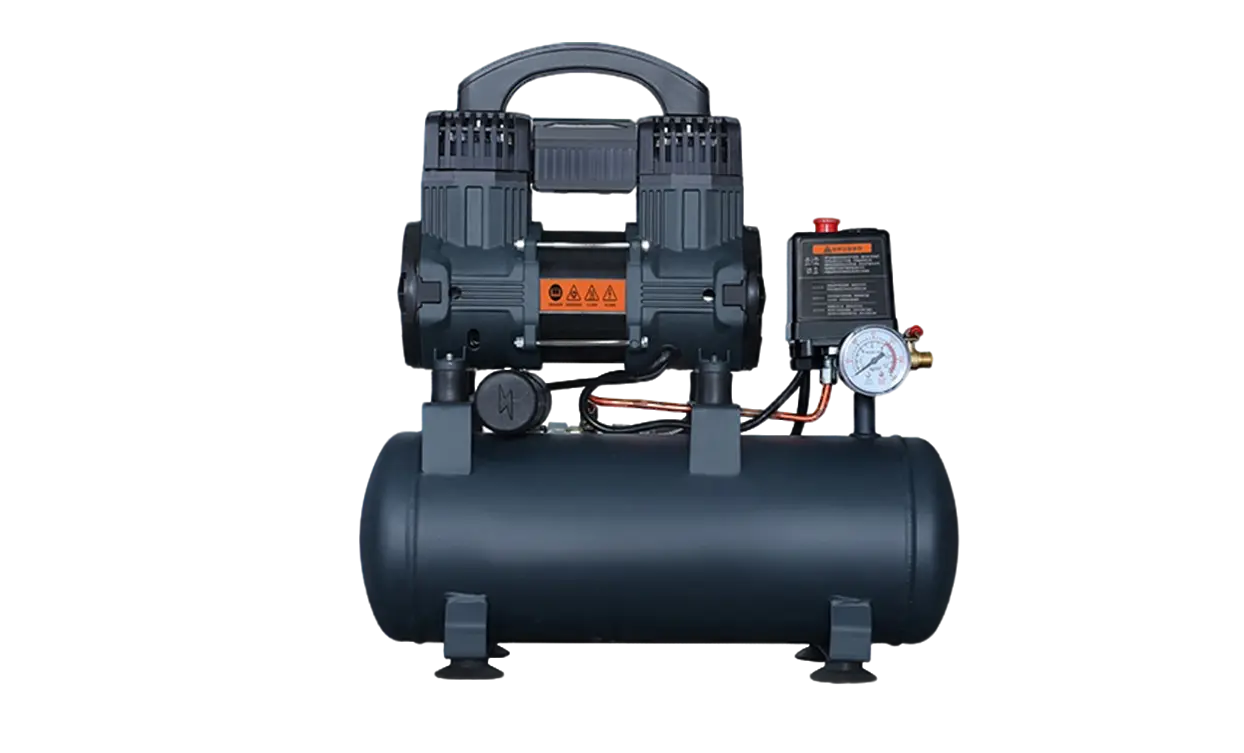
The F1200 Series Air Compressor is engineered for reliable, cost-effective compressed air supply, core to which are its high-efficiency oil-free desig...
See Details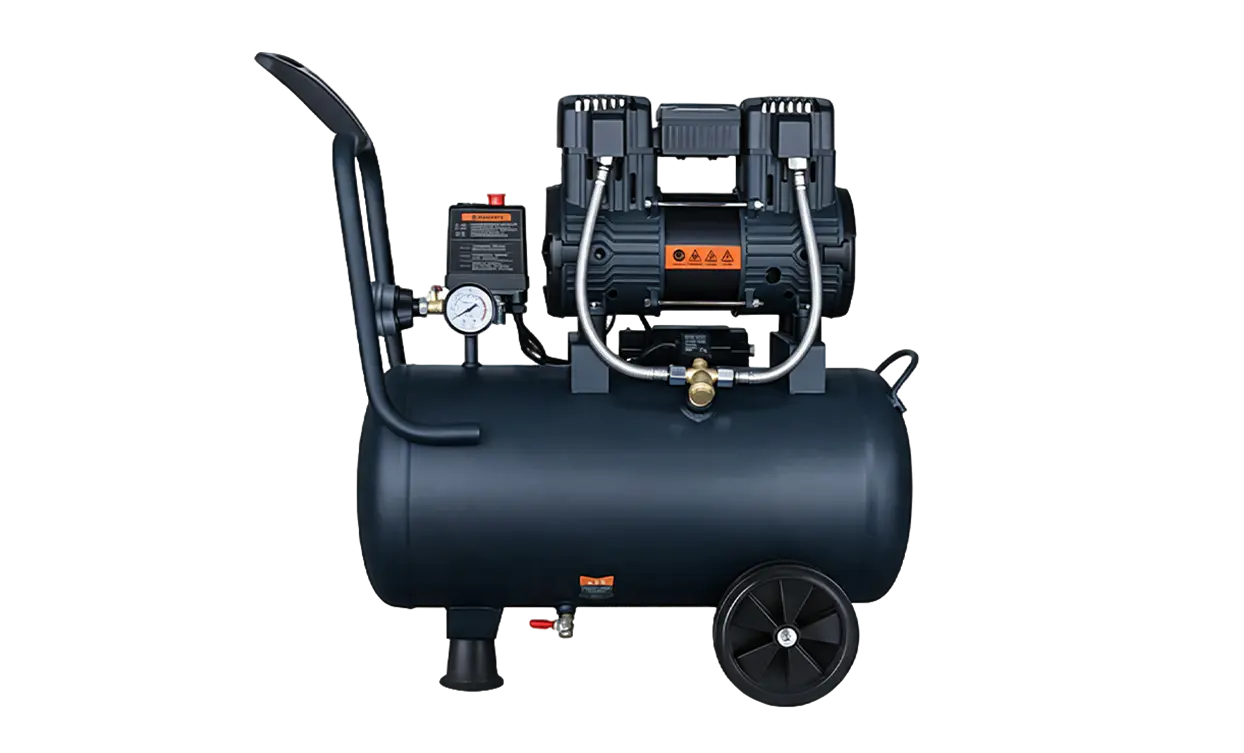
The F1680 Series Air Compressor is engineered for stable and efficient air supply, featuring core technologies of multi-cylinder compression, rapid ai...
See Details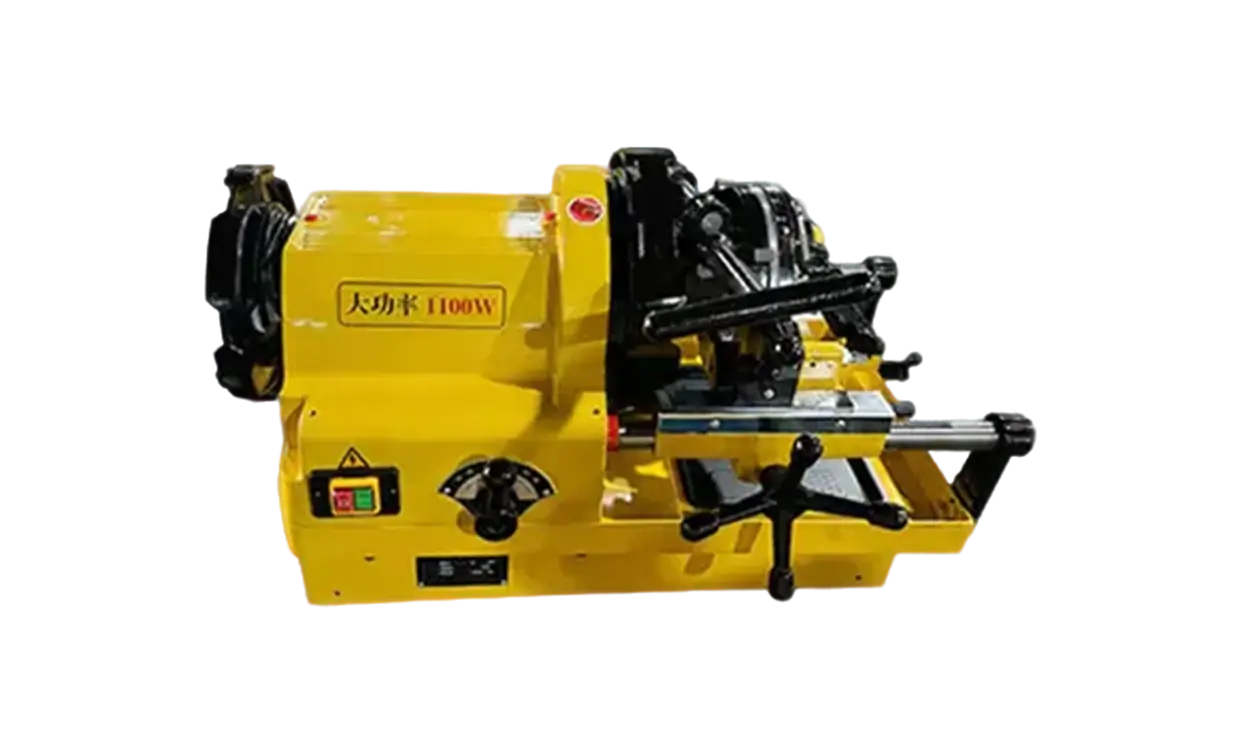
This SQ100 4-inch 15-100mm dual-speed electric pipe threading machine is engineered for precise and efficient pipe threading operations, with a workin...
See Details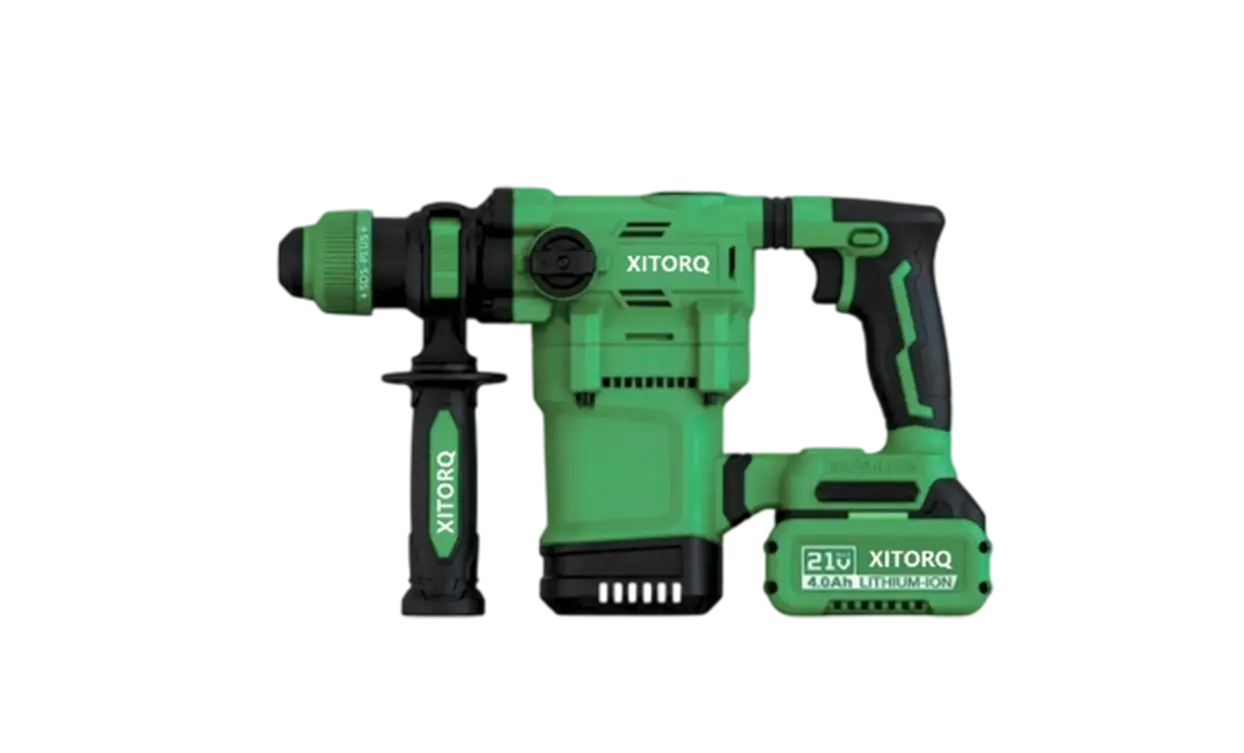
This 21V lithium-ion brushless rotary hammer is an industrial-grade tool designed for drilling and chiseling in concrete, stone, and other hard materi...
See Details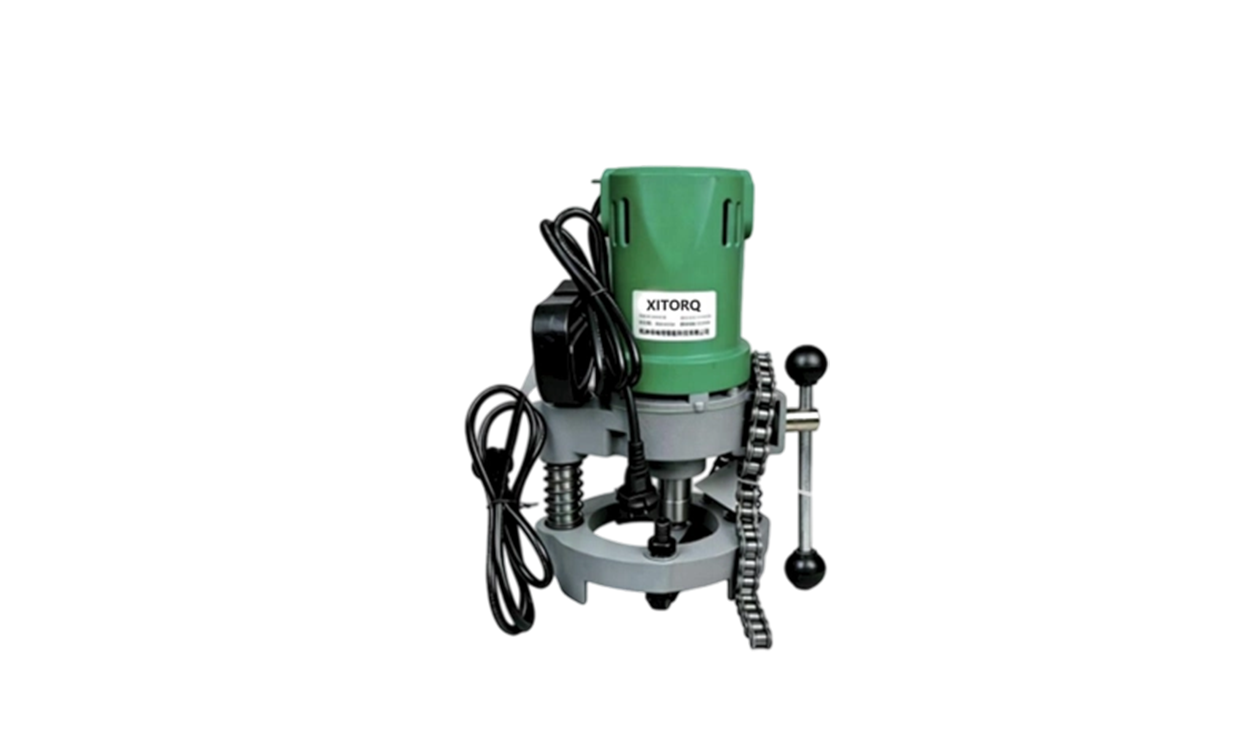
This 220V Fire Pipe Drilling Machine is a professional device designed for hole cutting on fire protection and plumbing pipes. Powered by a 220V indus...
See Details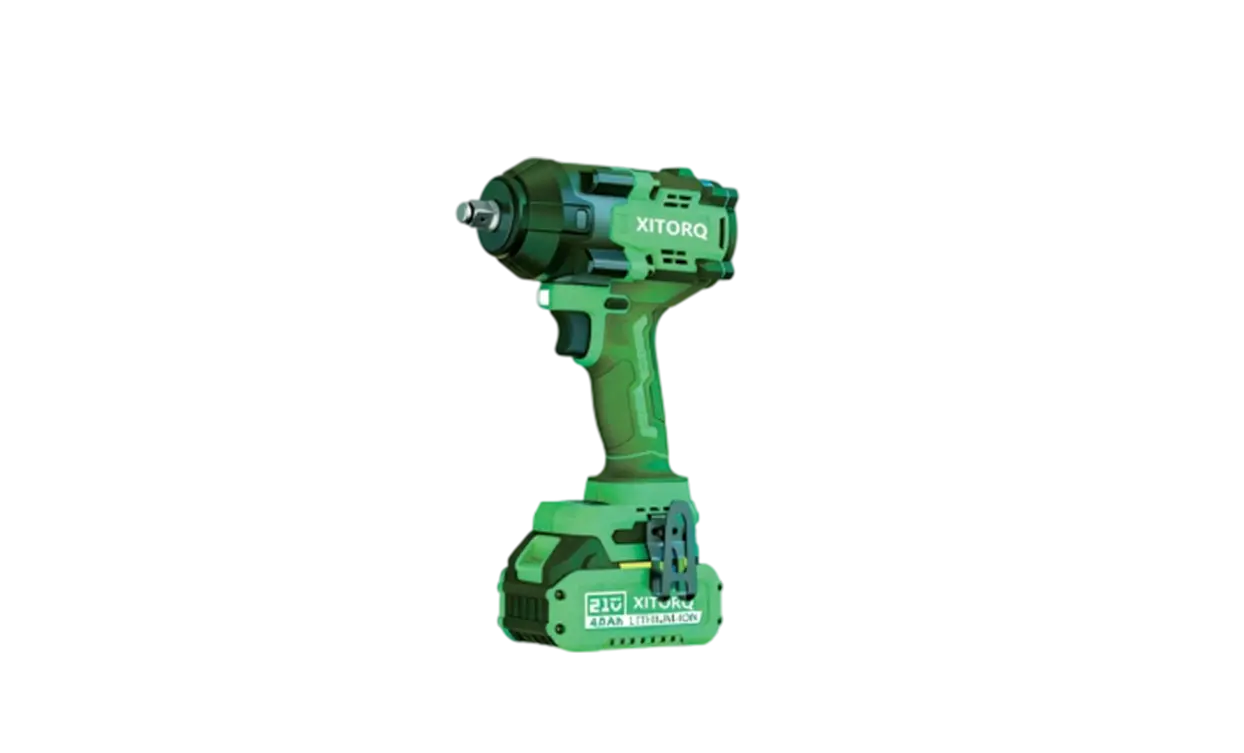
The XJ.580 21V lithium-ion brushless impact wrench is a medium-duty industrial-grade tool from the Xiaojia brand. Featuring an upgraded brushless moto...
See Details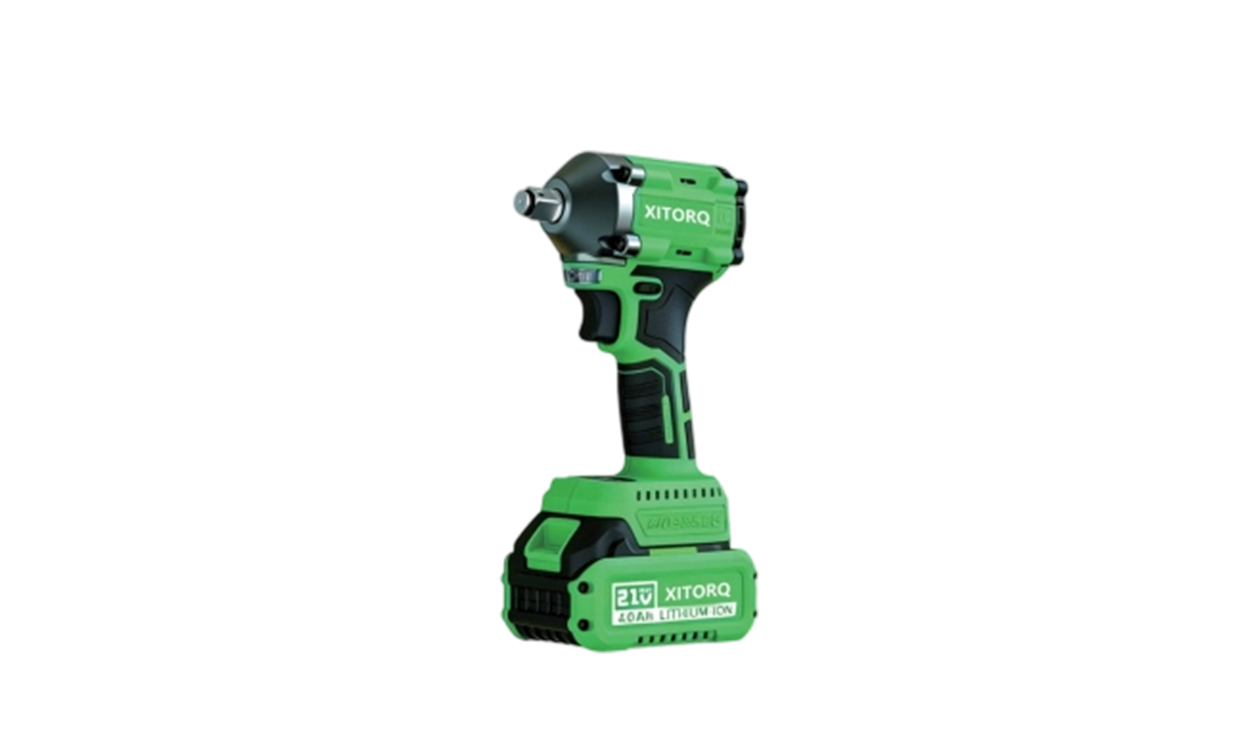
The XJ.533 21V lithium-ion brushless impact wrench is a 21V battery-powered cordless tool from the Xiaojia brand, combining the extended runtime of co...
See Details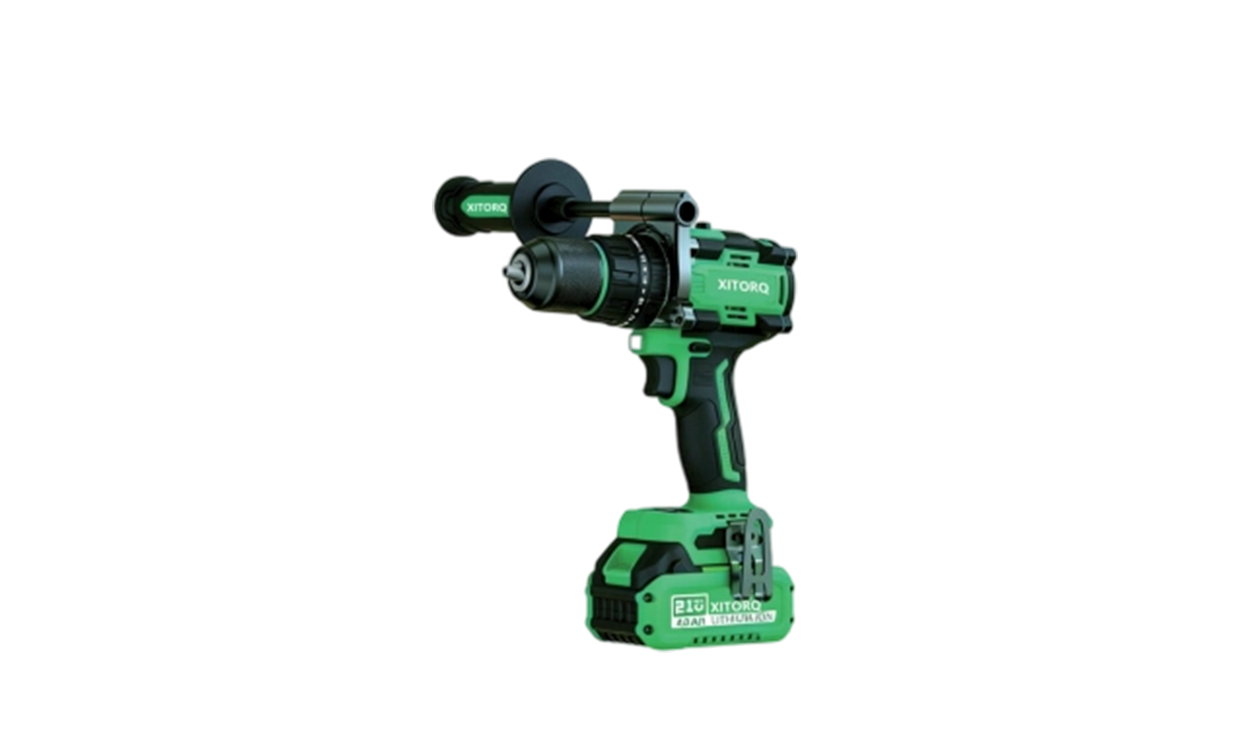
The XJ.617 21V lithium-ion brushless hammer drill/driver is a heavy-duty multi-function drill from the Xiaojia brand. Featuring an upgraded brushless ...
See Details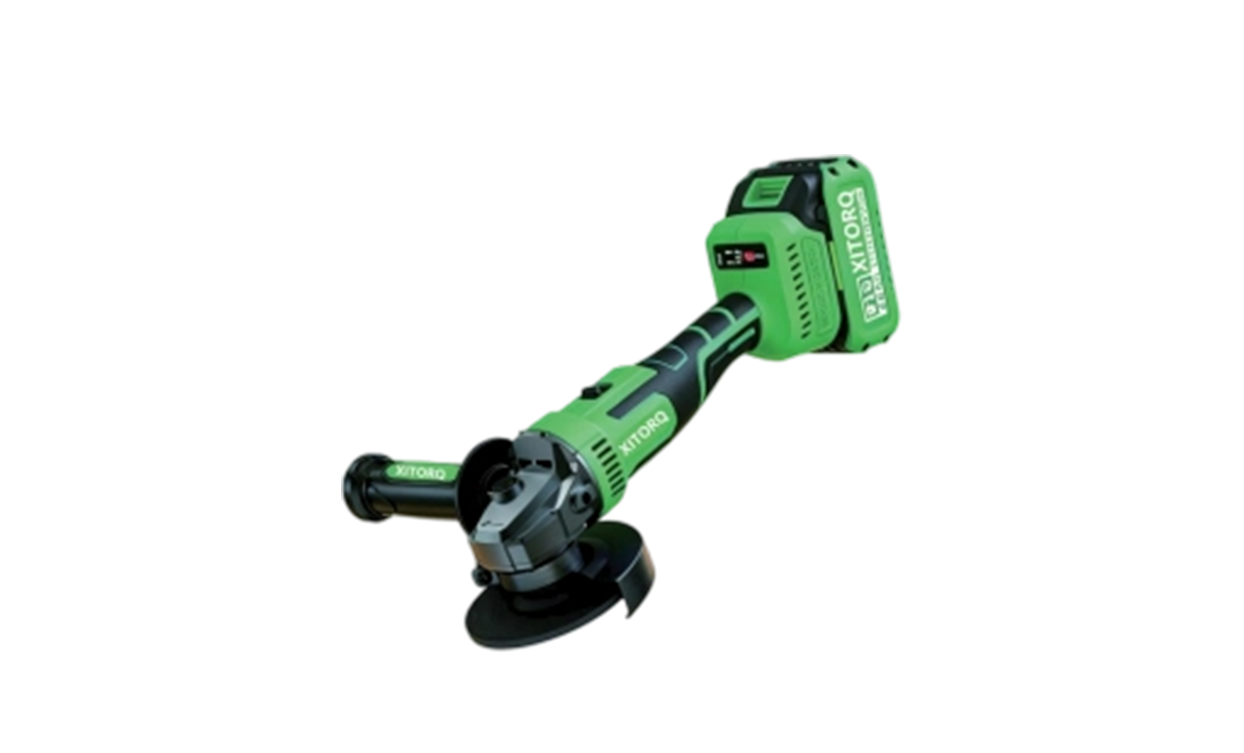
The XJ.908 21V lithium-ion high-magnetic brushless angle grinder is an industrial-grade grinder from the Xiaojia brand. Featuring a high-magnetic brus...
See Details
Copyright © by Hangzhou Xinabo Intelligent Electromechanical Technology Co., Ltd Rights Reserved. Pipe Threaders Manufacturers