
 English
 Español
 عربى
عربى


Intelligent Pipe Tightening Machine
1. Intelligent adjustment, electric screwing 2. Save labor and improve efficiency 3. The layout is reasonable, safe and reliable 4. Torque adjustable,...
See Details
Content
Electric pipe threading machines have become a cornerstone tool across three major industries: construction, HVAC, and manufacturing. By automating the thread-cutting process, these machines deliver consistent, leak-proof connections at a speed and precision level that manual methods simply cannot match. Whether threading galvanized steel on a high-rise jobsite or cutting stainless steel tubing on a factory floor, a reliable electric pipe threading machine directly determines the quality and efficiency of the entire pipeline system.
In building construction, threaded pipe connections are used for water supply lines, fire sprinkler systems, and structural conduit runs. Speed matters on a jobsite — delays in pipe installation cascade into missed deadlines across multiple trades.
Modern electric pipe threading machines handle pipe diameters from 15mm to 100mm and are compatible with carbon steel, galvanized pipe, and aluminum — the three materials most commonly specified in commercial construction. Threading time for standard 15–25mm pipe can be as low as 4 seconds per thread, enabling output of 1,500–2,000 threads per 8-hour shift. That single machine can replace the output of multiple manual workers while maintaining consistent thread quality throughout the day.
Fire protection systems are a particularly critical application. Sprinkler lines must meet strict pressure ratings and leak standards — a poorly formed thread can fail inspection or, worse, fail in service. Machines that comply with international thread standards (British, American, and Metric) ensure every joint passes inspection the first time.
HVAC systems move refrigerants, chilled water, and steam through networks of pipes that operate under sustained pressure and temperature extremes. In this environment, thread quality is not a preference — it is a safety requirement.
Electric pipe threading machines built for HVAC work must handle copper and stainless steel pipe in addition to standard steel. Copper, commonly used in refrigerant lines, is a softer material that demands precise die pressure to produce clean threads without deformation. Stainless steel, used in high-pressure steam and chilled water systems, resists cutting and requires dies engineered for harder materials.
The threading die set selected for each material is as important as the machine itself. High-speed steel dies maintain their cutting edge through extended runs on hard materials, while double-edged dies improve thread finish quality and reduce burring — both factors that affect seal integrity in HVAC joints. Pairing the right die with a machine that offers adjustable torque control prevents over-threading and ensures consistent thread depth across every pipe in the system.
In industrial manufacturing — whether producing fluid control systems, hydraulic assemblies, or pipeline components — pipe threading is a high-volume, repetitive task. Manual threading at this scale introduces variability, operator fatigue, and high labor costs. Intelligent threading machines address all three.
The defining advantage of intelligent threading in manufacturing is automatic pipe diameter recognition. Rather than requiring an operator to manually set tooling for each pipe size, the machine identifies the pipe and adjusts die positioning automatically. This eliminates setup time between batches and removes one of the most common sources of threading errors in production environments.
For facilities running multiple shifts or high-mix production lines, this capability directly reduces labor costs and scrap rates. A threading machine that operates 10 times faster than traditional equipment — while maintaining dimensional accuracy to international standards — changes the economics of threaded pipe production at scale.
Pipe preparation is the other critical factor in manufacturing throughput. Clean, burr-free pipe cuts feed directly into threading quality. A frequency conversion metal cold cutting saw produces smooth, square cuts without heat distortion — the ideal input for a threading machine that demands consistent pipe-end geometry to cut accurate threads.
The three industries above share a common requirement — reliable, repeatable pipe threads — but differ in the specific demands they place on threading equipment. Construction prioritizes portability and speed on-site. HVAC work requires material flexibility and die precision. Manufacturing demands automation, throughput, and integration into a broader production workflow.
| Industry | Key Priority | Recommended Feature |
|---|---|---|
| Construction | Speed & portability | Dual-speed machine, compact design |
| HVAC | Material flexibility | Multi-material dies, torque control |
| Manufacturing | Volume & automation | Auto diameter recognition, high daily output |
Regardless of application, the fundamentals remain the same: thread accuracy, machine reliability, and die quality determine whether every joint holds under load. Selecting equipment built to international standards — and matched to the pipe materials and diameters in your workflow — is the starting point for consistent, professional results.
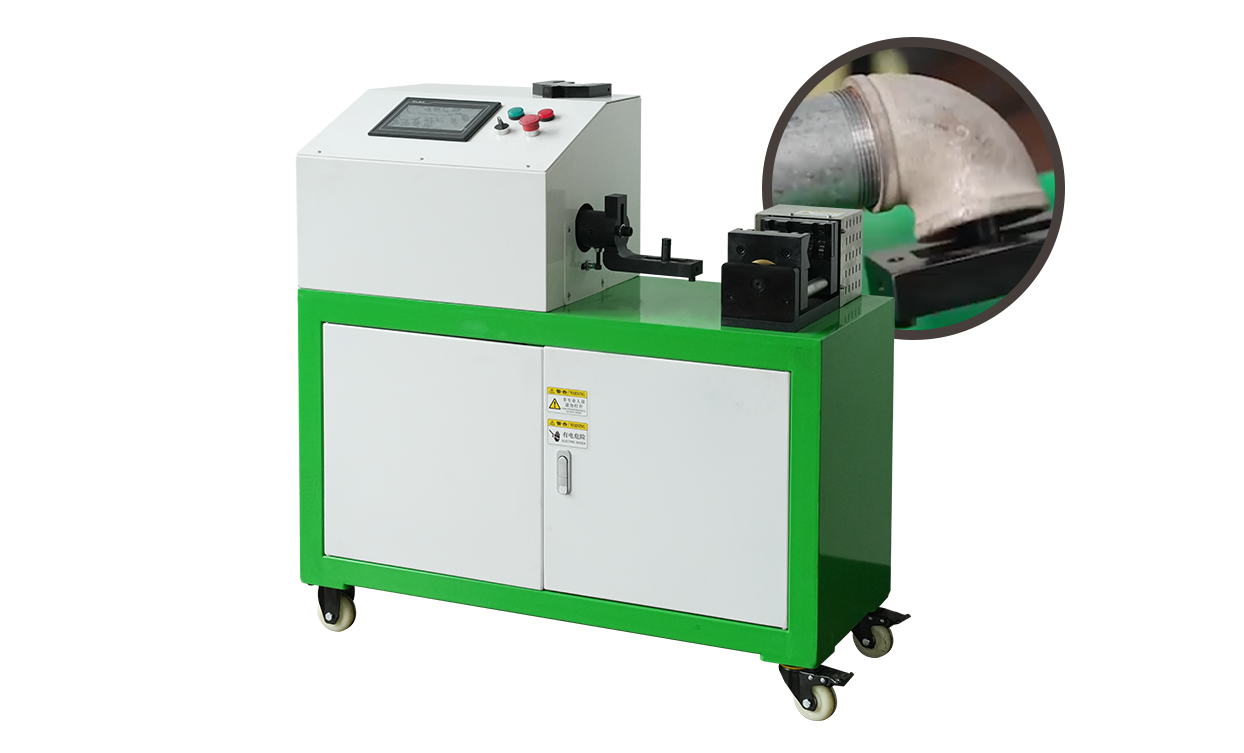
1. Intelligent adjustment, electric screwing 2. Save labor and improve efficiency 3. The layout is reasonable, safe and reliable 4. Torque adjustable,...
See Details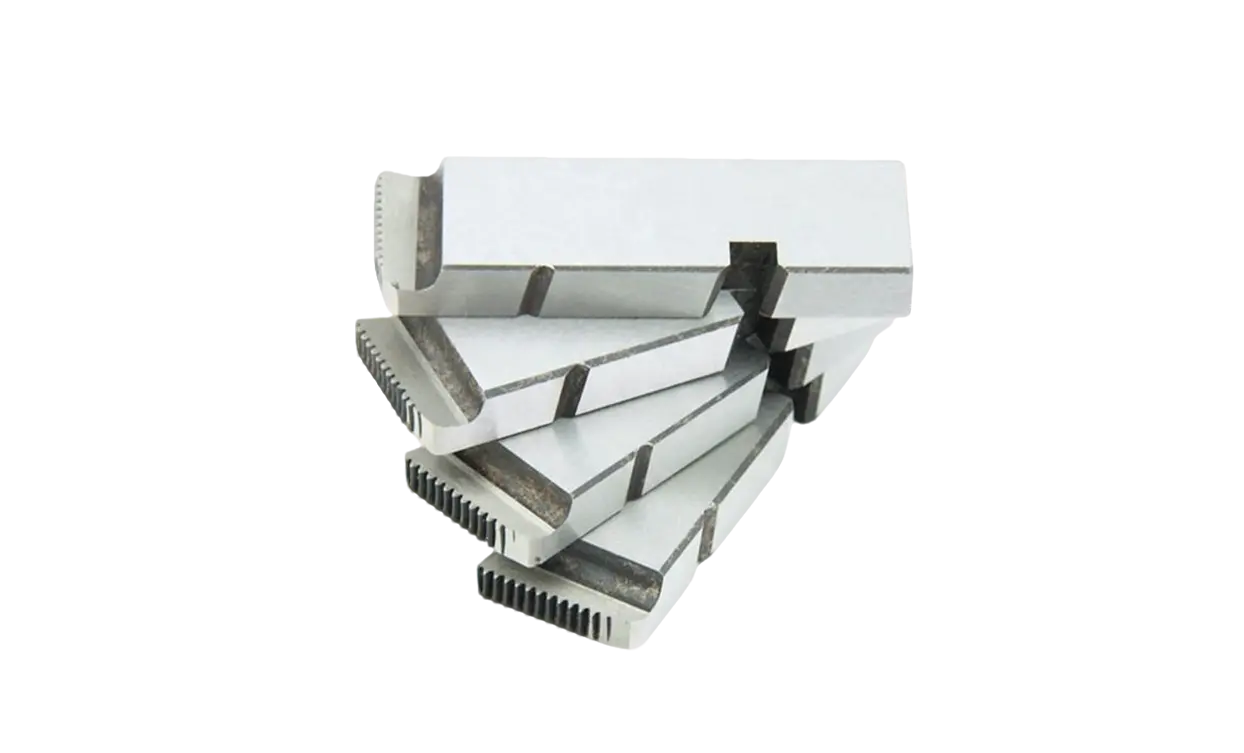
Core Material & Performance: Crafted from high-speed steel (HSS), the threading dies feature excellent hardness, wear resistance and heat resistan...
See Details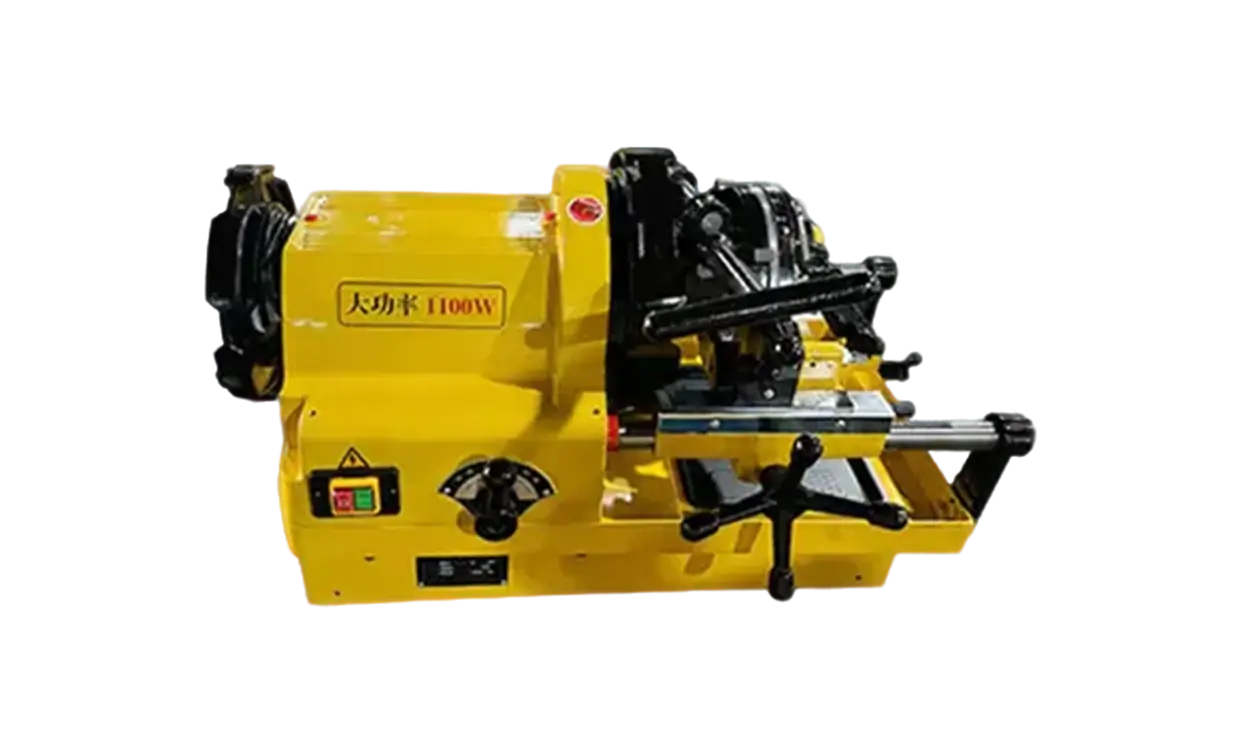
This SQ100 4-inch 15-100mm dual-speed electric pipe threading machine is engineered for precise and efficient pipe threading operations, with a workin...
See Details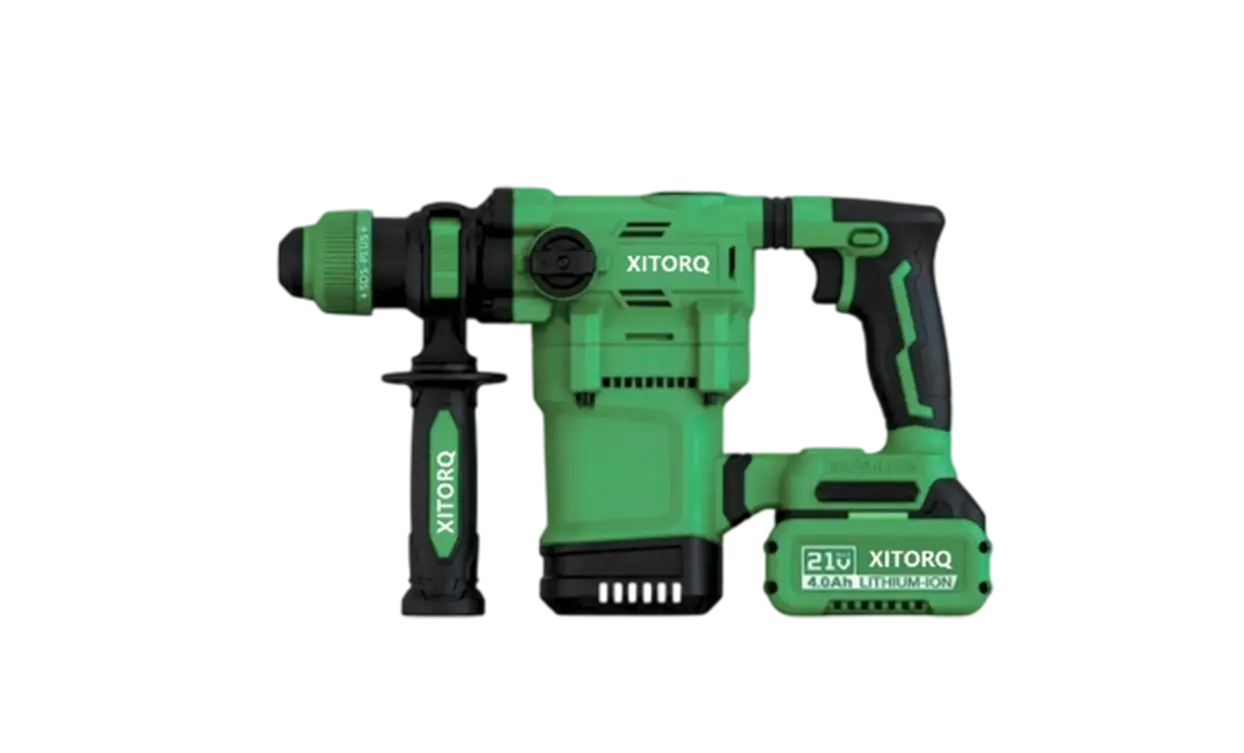
This 21V lithium-ion brushless rotary hammer is an industrial-grade tool designed for drilling and chiseling in concrete, stone, and other hard materi...
See Details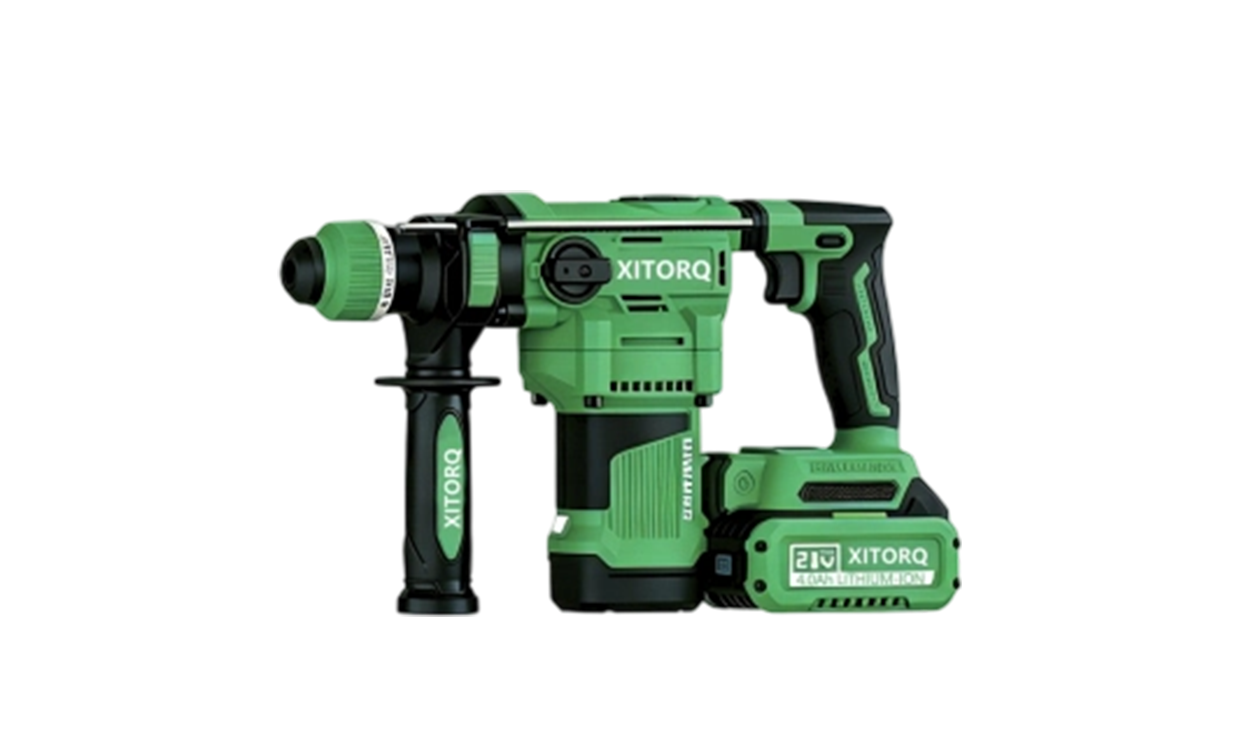
The XJ.728 21V lithium-ion high-magnetic brushless rotary hammer is a heavy-duty industrial-grade hammer from the Xiaojia brand. Featuring an upgraded...
See Details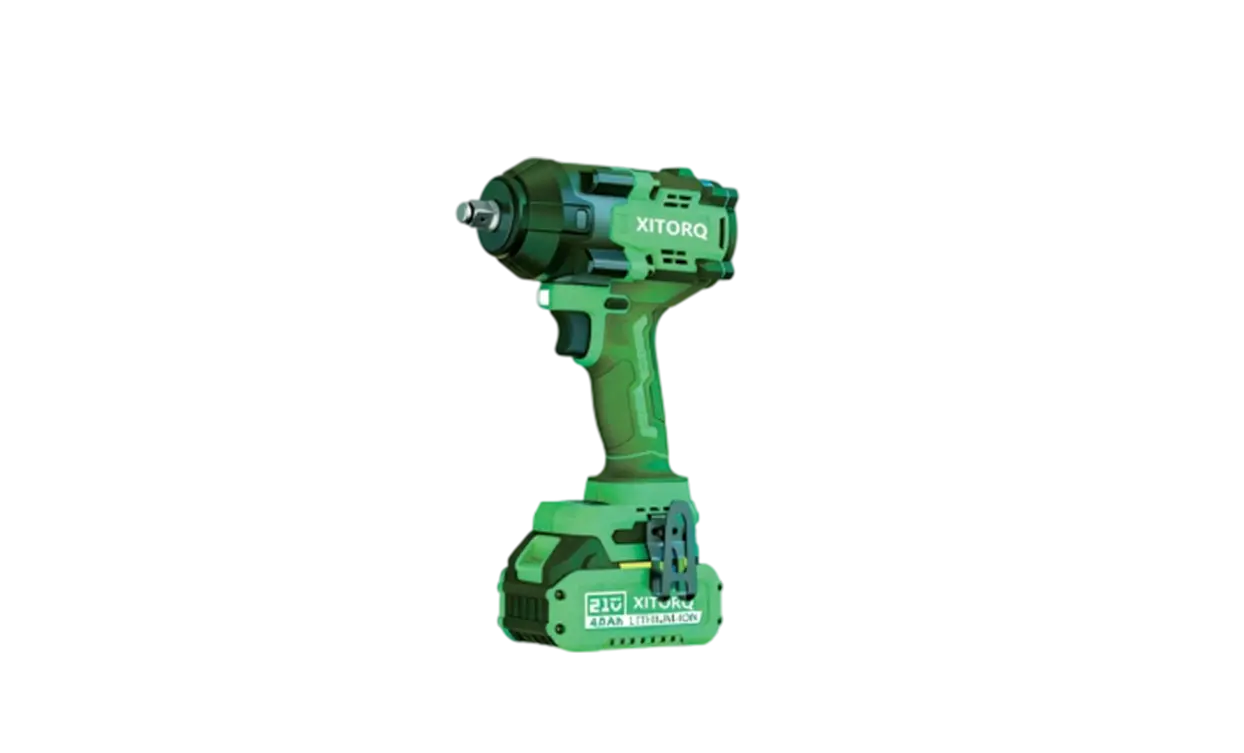
The XJ.580 21V lithium-ion brushless impact wrench is a medium-duty industrial-grade tool from the Xiaojia brand. Featuring an upgraded brushless moto...
See Details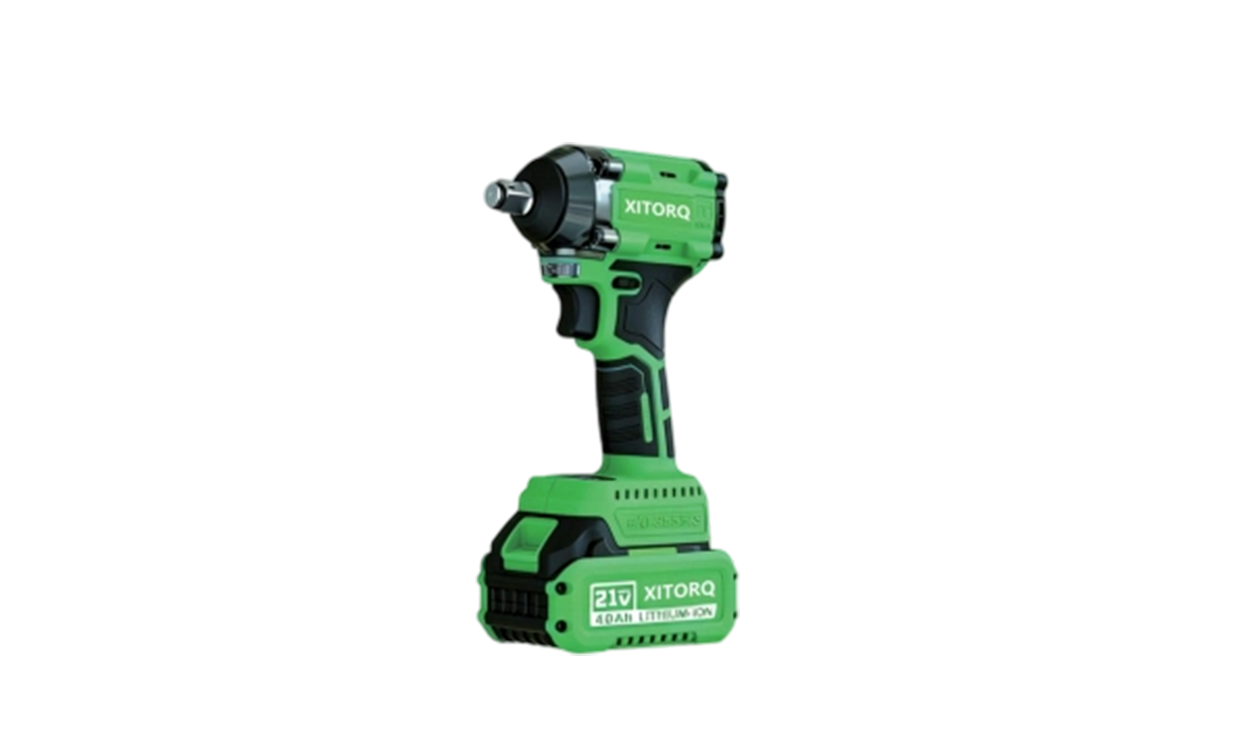
The XJ.523 21V lithium-ion brushless impact wrench is a heavy-duty industrial-grade tool from the Xiaojia brand. Powered by a high-power brushless mot...
See Details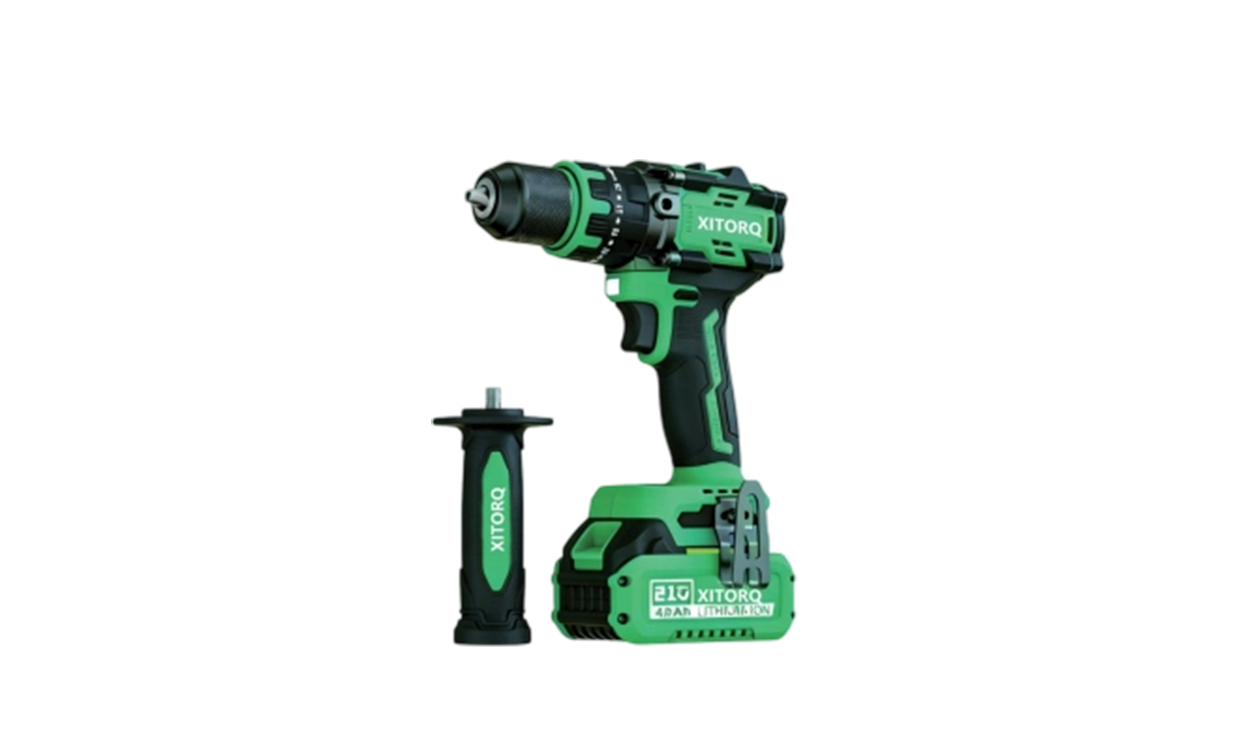
The XJ.608 21V lithium-ion brushless hammer drill/driver is a versatile industrial-grade cordless drill from the Xiaojia brand. Featuring a brushless ...
See Details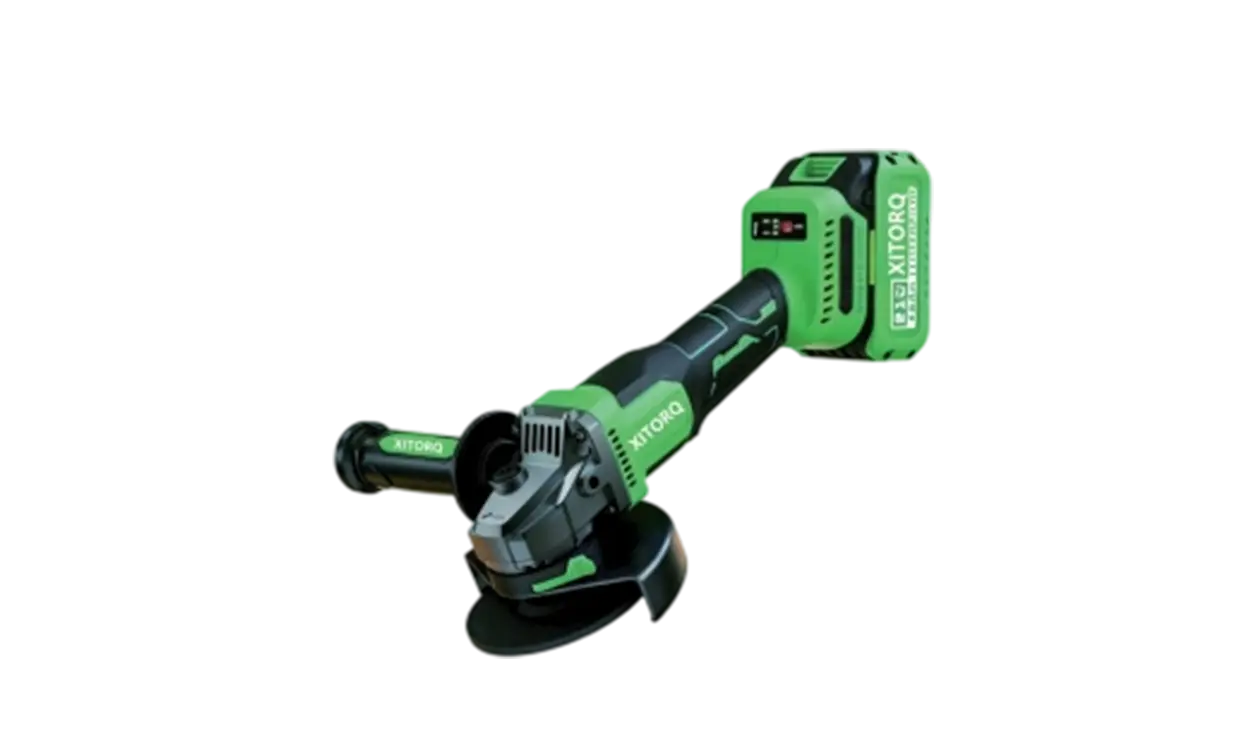
The XJ.918 21V lithium-ion high-magnetic brushless angle grinder is a heavy-duty industrial-grade grinder from the Xiaojia brand. Featuring an upgrade...
See Details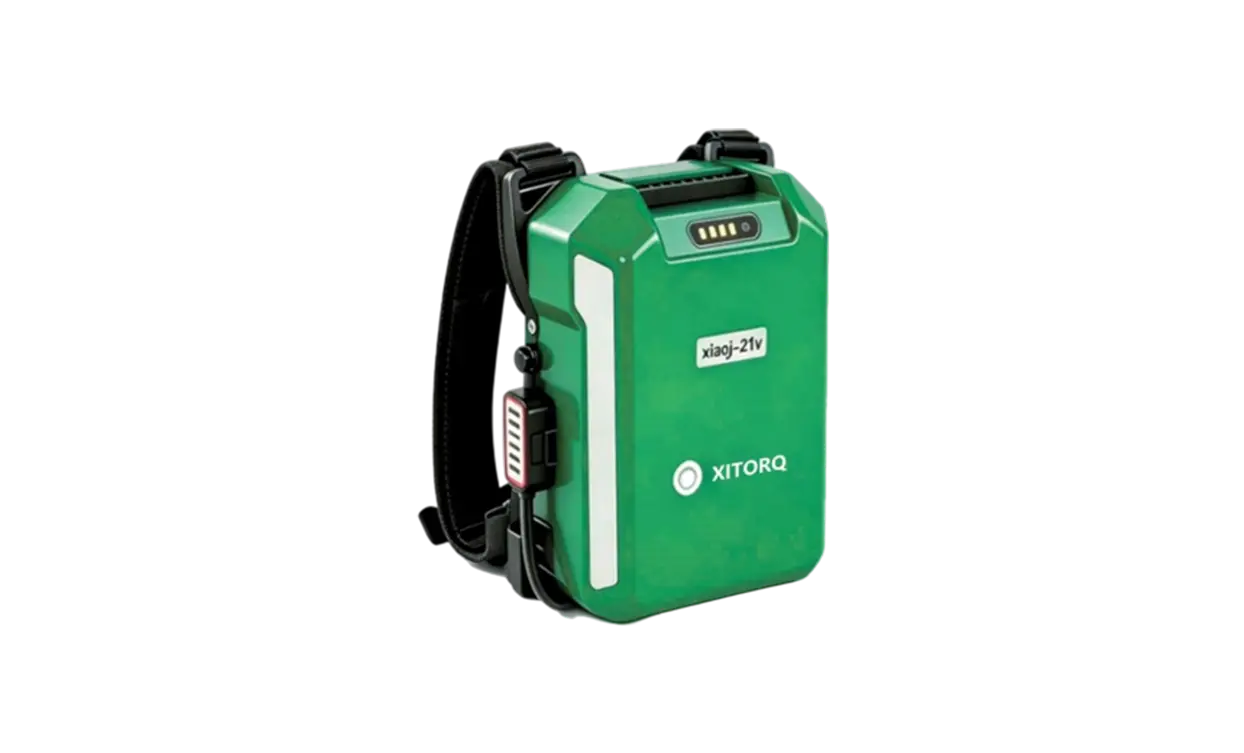
This backpack lithium battery pack is a large-capacity portable power supply designed for extended continuous operation of power tools. Using high-rat...
See Details
Copyright © by Hangzhou Xinabo Intelligent Electromechanical Technology Co., Ltd Rights Reserved. Pipe Threaders Manufacturers
