
 English
 Español
 عربى
عربى


Intelligent Pipe Tightening Machine
1. Intelligent adjustment, electric screwing 2. Save labor and improve efficiency 3. The layout is reasonable, safe and reliable 4. Torque adjustable,...
See Details
Content
Modern manufacturing facilities report that intelligent threading machine has reduced threading cycle times by up to 45% compared to conventional manual or semi-automatic equipment. These systems integrate servo motors, real-time monitoring sensors, and adaptive control algorithms to optimize cutting parameters automatically based on material properties and tool wear conditions.
A 2023 manufacturing efficiency study across 120 industrial plants found that facilities implementing intelligent threading technology experienced an average productivity increase of 38% within the first year of deployment. The automation eliminates the need for constant operator intervention while maintaining consistent thread quality across thousands of production cycles.
Intelligent threading machines utilize laser measurement systems and computer vision to verify thread dimensions in real-time, achieving tolerances as tight as ±0.005 millimeters. This level of precision is critical for industries where thread failure can result in catastrophic equipment damage or safety hazards.
The embedded quality control systems continuously monitor for common threading defects including:
When defects are detected, the machine automatically adjusts cutting parameters or pauses operation for tool replacement, preventing the production of non-conforming parts.
Contemporary intelligent threading systems handle diverse materials ranging from aluminum alloys and stainless steel to titanium and engineering plastics. The machine's control software contains material-specific cutting databases that automatically select optimal spindle speeds, feed rates, and coolant flow parameters.
| Material Type | Threading Speed Increase | Tool Life Extension |
|---|---|---|
| Carbon Steel | 40% | 60% |
| Stainless Steel | 35% | 75% |
| Aluminum Alloys | 55% | 45% |
| Titanium | 25% | 90% |
Intelligent threading machines function as interconnected nodes within Industry 4.0 environments. They transmit operational data to manufacturing execution systems (MES) and enterprise resource planning (ERP) platforms, enabling predictive maintenance scheduling and production optimization.
The continuous data stream from these machines provides manufacturing managers with actionable intelligence regarding:
Facilities leveraging this connectivity report unplanned downtime reductions of 30-50% through predictive maintenance protocols enabled by machine learning algorithms analyzing threading machine performance data.
The deployment of intelligent threading technology shifts workforce requirements from manual machine operation toward system monitoring and programming. Operators now focus on supervising multiple machines simultaneously, interpreting diagnostic data, and performing complex setup procedures rather than manual cutting operations.
Training programs for these systems typically require 40-60 hours of instruction covering programming interfaces, diagnostic interpretation, and maintenance protocols. This represents a significant reduction from the multi-year apprenticeships traditionally required to develop expert manual threading skills.
Automated threading operations eliminate direct operator exposure to rotating cutting tools, flying chips, and cutting fluids. Manufacturing safety data indicates that facilities transitioning to intelligent threading systems experience workplace injury reductions of 65% in threading operations specifically.
While intelligent threading machines require higher initial capital investment than conventional equipment, the total cost of ownership analysis favors automation over typical five-year operational periods. The economic advantages stem from reduced labor costs, lower scrap rates, decreased tooling expenses, and higher throughput capacity.
A comprehensive cost analysis across automotive component manufacturers revealed average payback periods of 18-24 months for intelligent threading system investments. After payback, these systems generate annual operational savings equivalent to 35-45% of their initial purchase price through efficiency gains and quality improvements.
Emerging developments in intelligent threading technology focus on enhanced artificial intelligence capabilities, improved human-machine interfaces, and expanded material processing capabilities. Research initiatives are developing self-optimizing algorithms that learn from historical production data to automatically refine threading parameters for unique material combinations and geometric configurations.
The integration of collaborative robotics with intelligent threading systems is enabling flexible manufacturing cells where automated guided vehicles transport workpieces between threading stations and quality inspection points without human intervention. These developments position intelligent threading as a foundational technology for fully autonomous manufacturing environments expected to become operational by 2030.
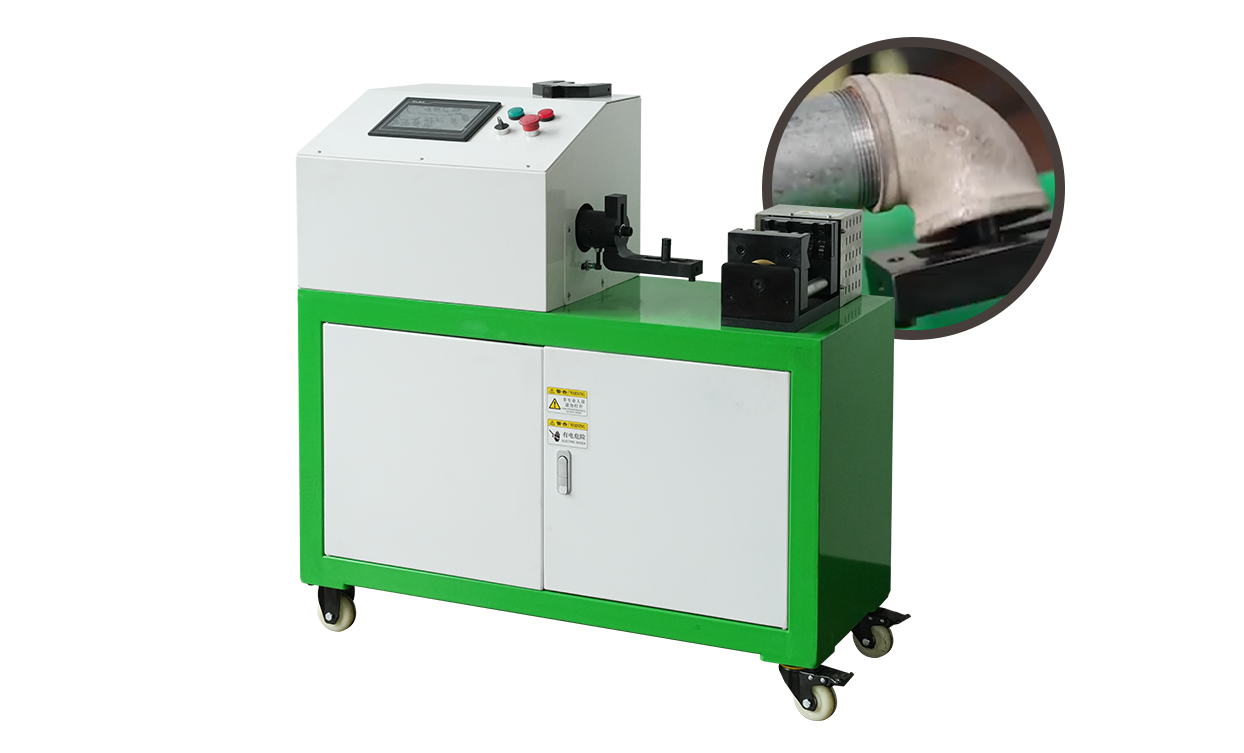
1. Intelligent adjustment, electric screwing 2. Save labor and improve efficiency 3. The layout is reasonable, safe and reliable 4. Torque adjustable,...
See Details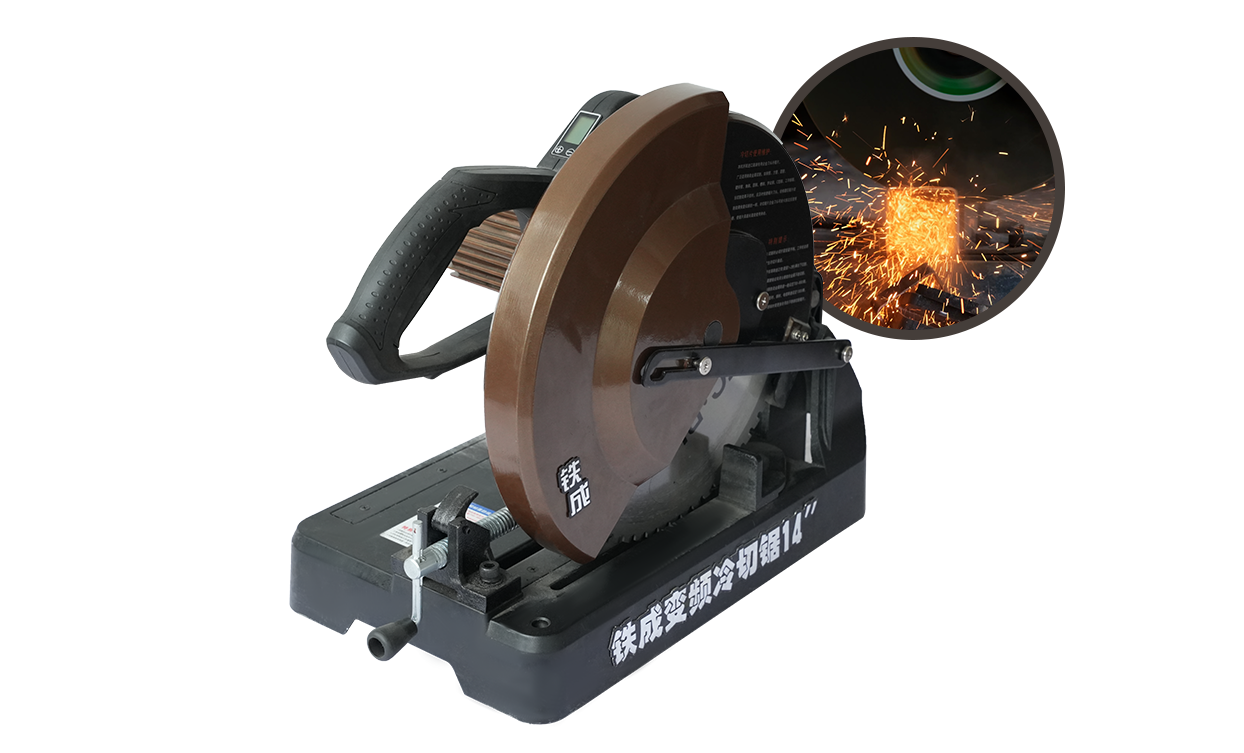
1. Next generation performance, delivering over 3,500 precise cuts with every blade 2. Intelligent Motor Technology 3. Precision Shadow Line Guide 4. ...
See Details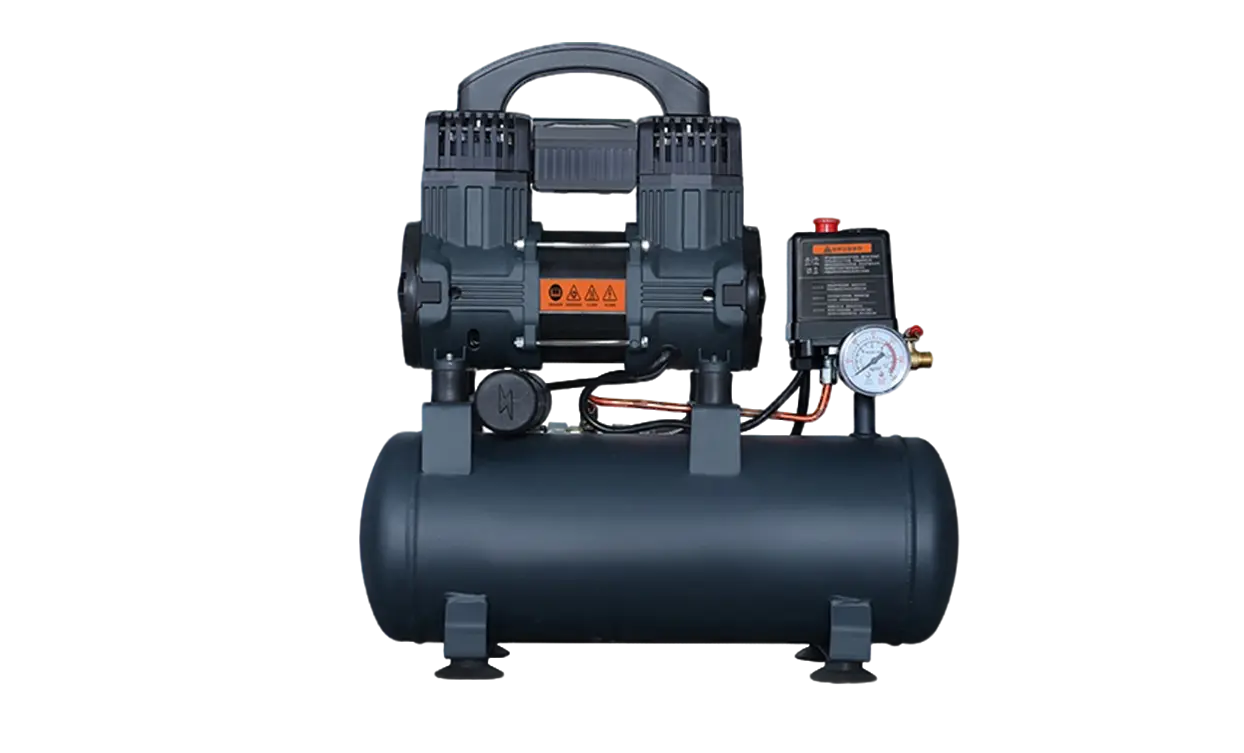
The F1200 Series Air Compressor is engineered for reliable, cost-effective compressed air supply, core to which are its high-efficiency oil-free desig...
See Details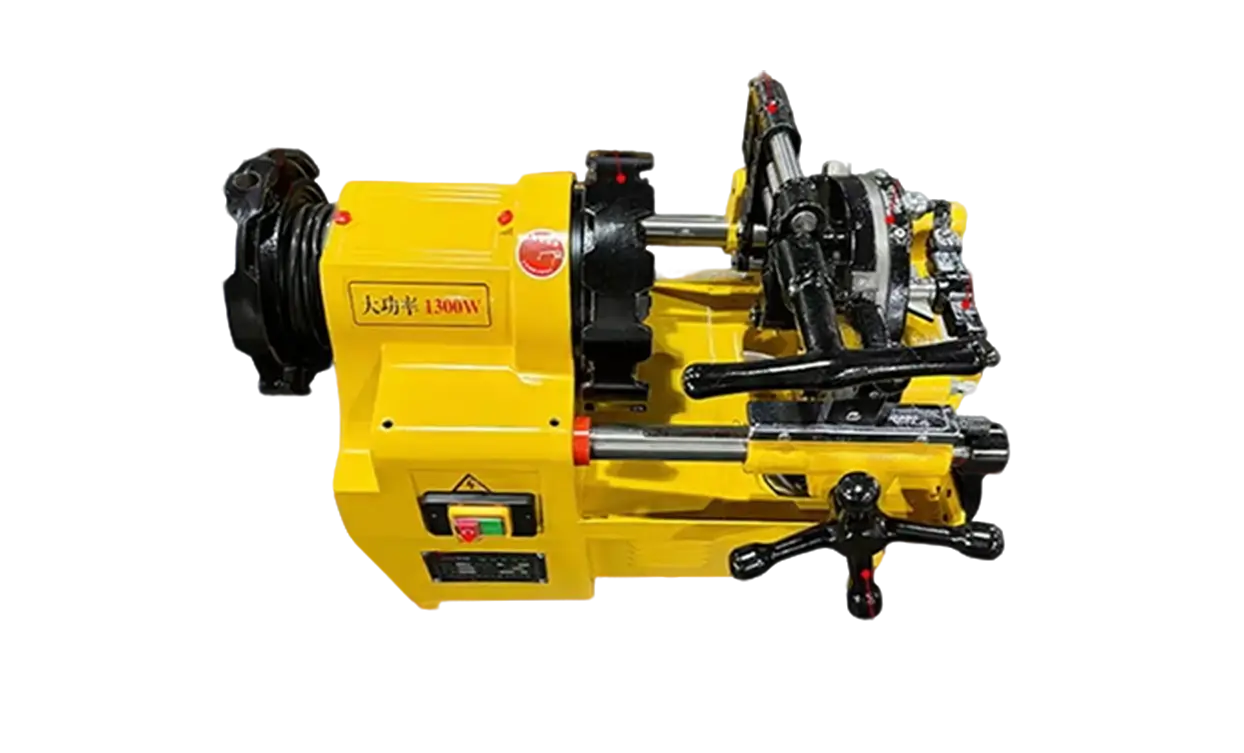
This SQ65 2.5-inch 15-65mm dual-speed electric pipe threading machine is a professional industrial tool engineered for precise pipe threading operatio...
See Details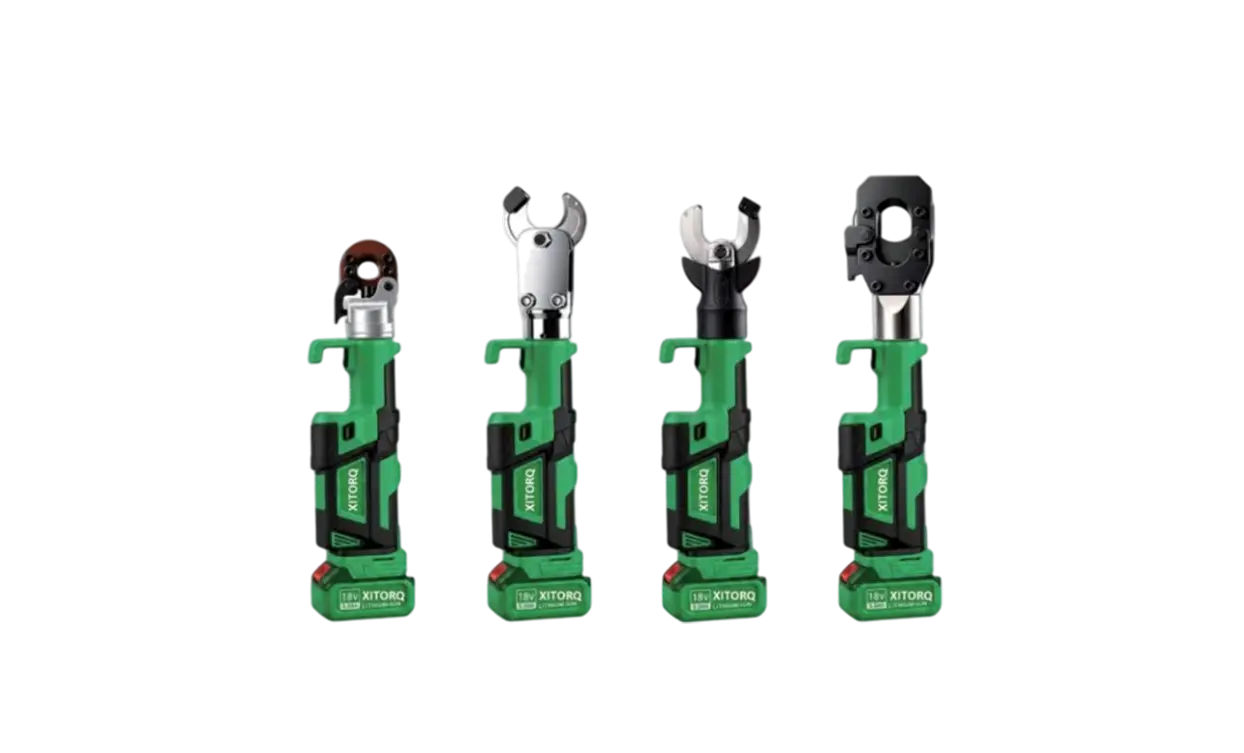
This 18V lithium-ion industrial cable cutter is a professional tool designed for large-diameter cable cutting. It features a brushless lithium-ion pow...
See Details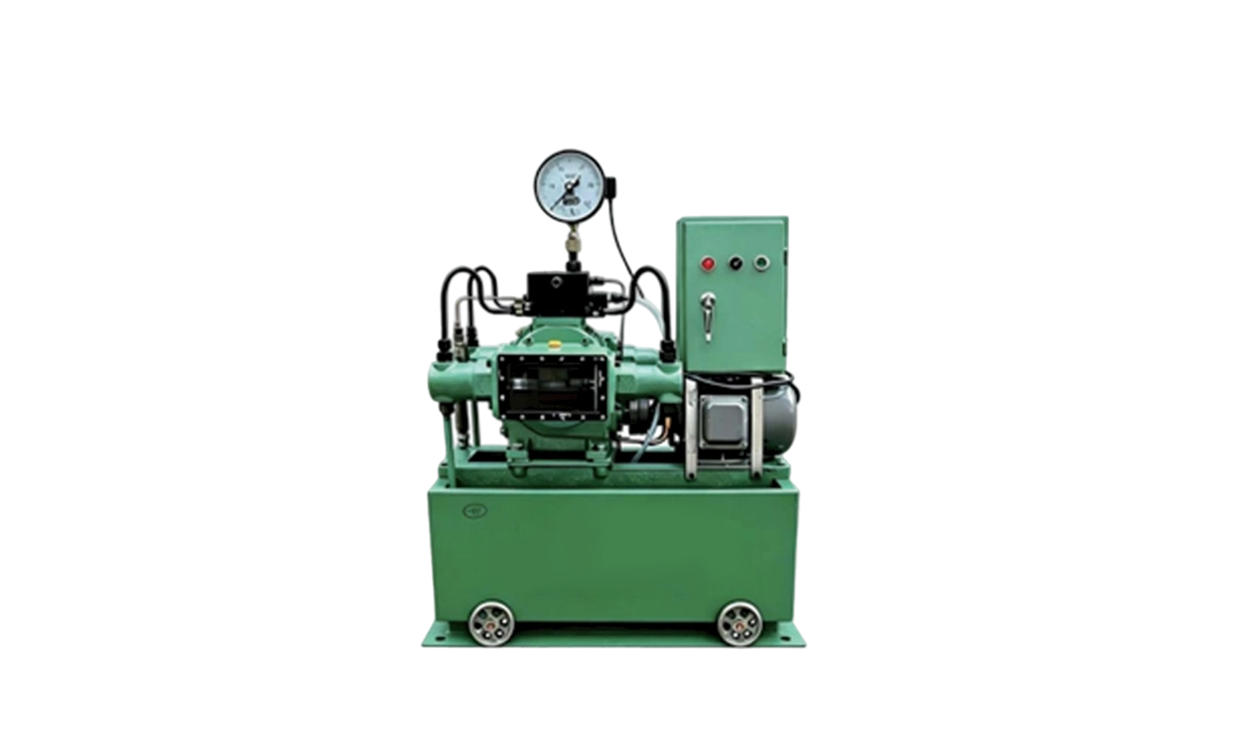
This 380V electric pressure test pump is a professional device designed for hydrostatic pressure testing and leak detection of pipes, valves, pressure...
See Details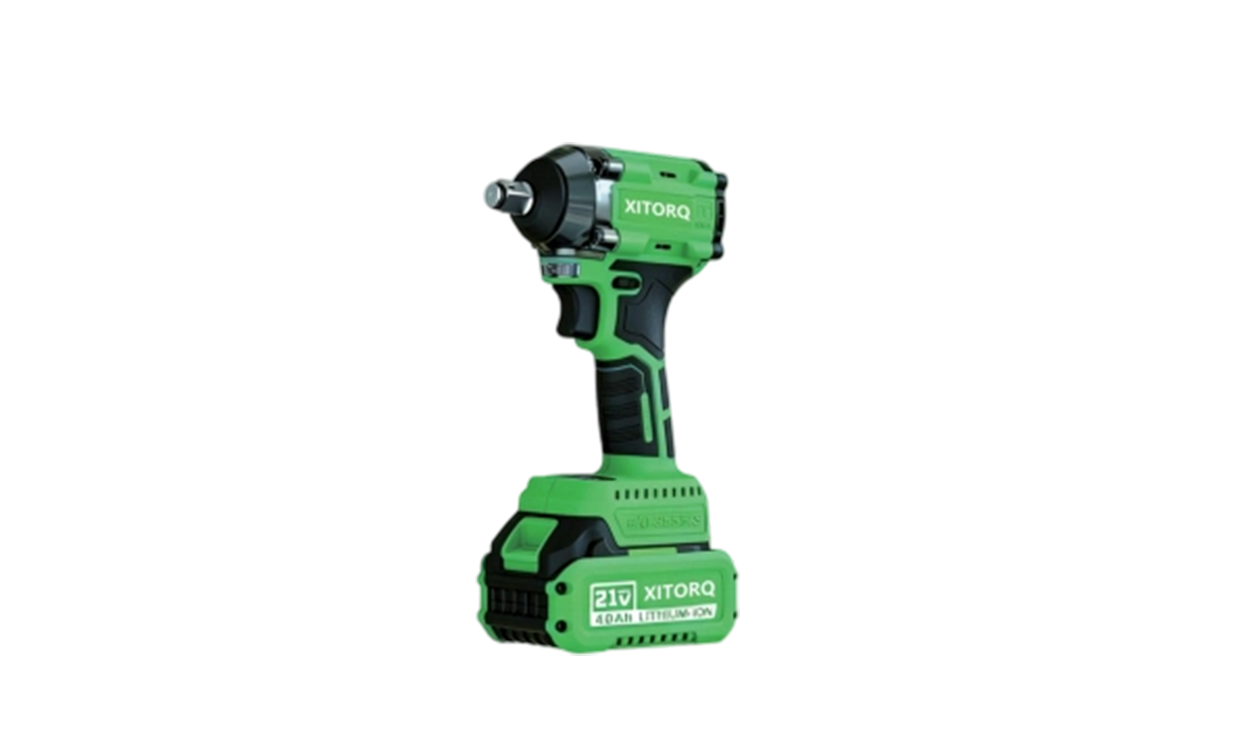
The XJ.523 21V lithium-ion brushless impact wrench is a heavy-duty industrial-grade tool from the Xiaojia brand. Powered by a high-power brushless mot...
See Details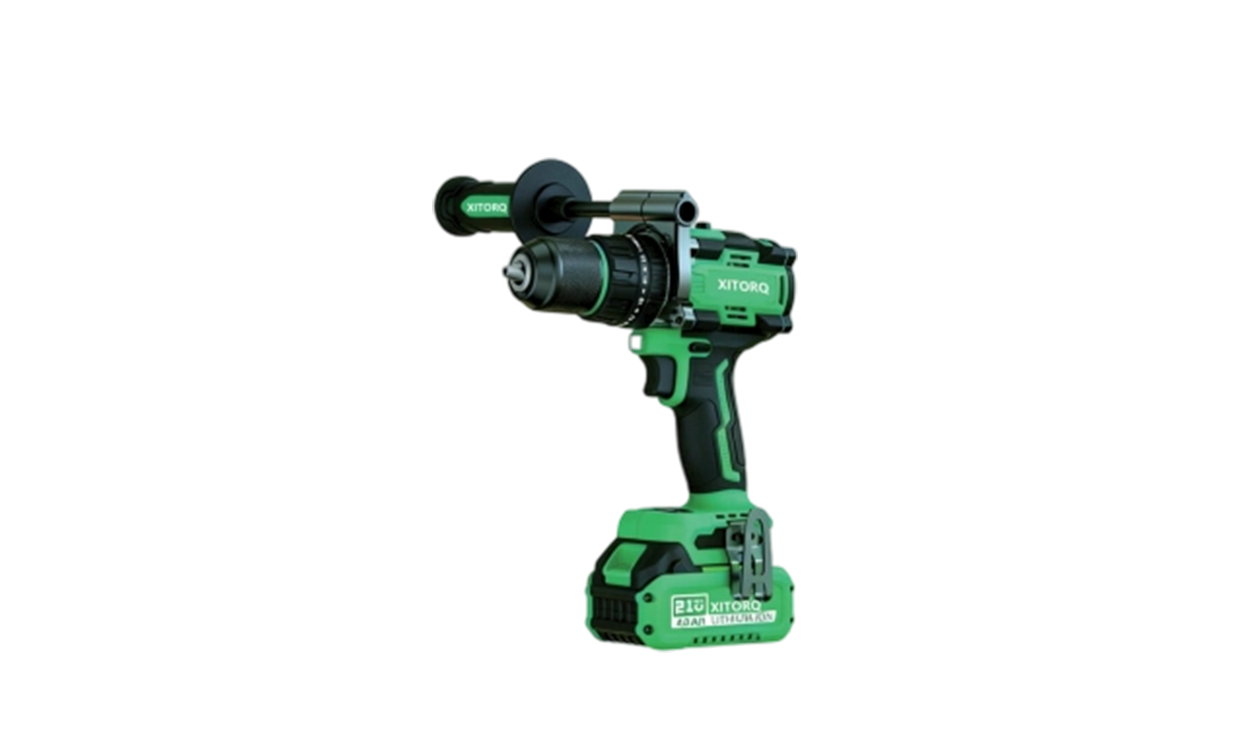
The XJ.617 21V lithium-ion brushless hammer drill/driver is a heavy-duty multi-function drill from the Xiaojia brand. Featuring an upgraded brushless ...
See Details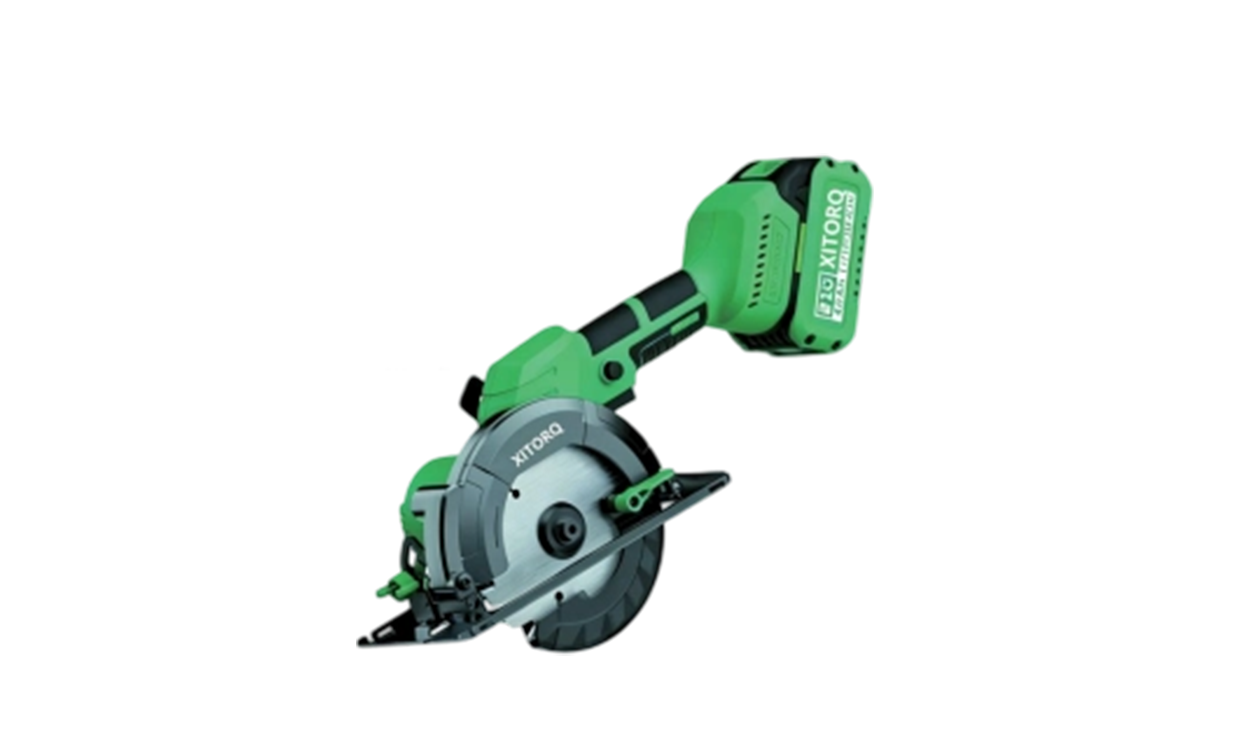
The XJ.853 21V lithium-ion high-magnetic brushless circular saw is an industrial-grade handheld circular saw from the Xiaojia brand. Featuring a high-...
See Details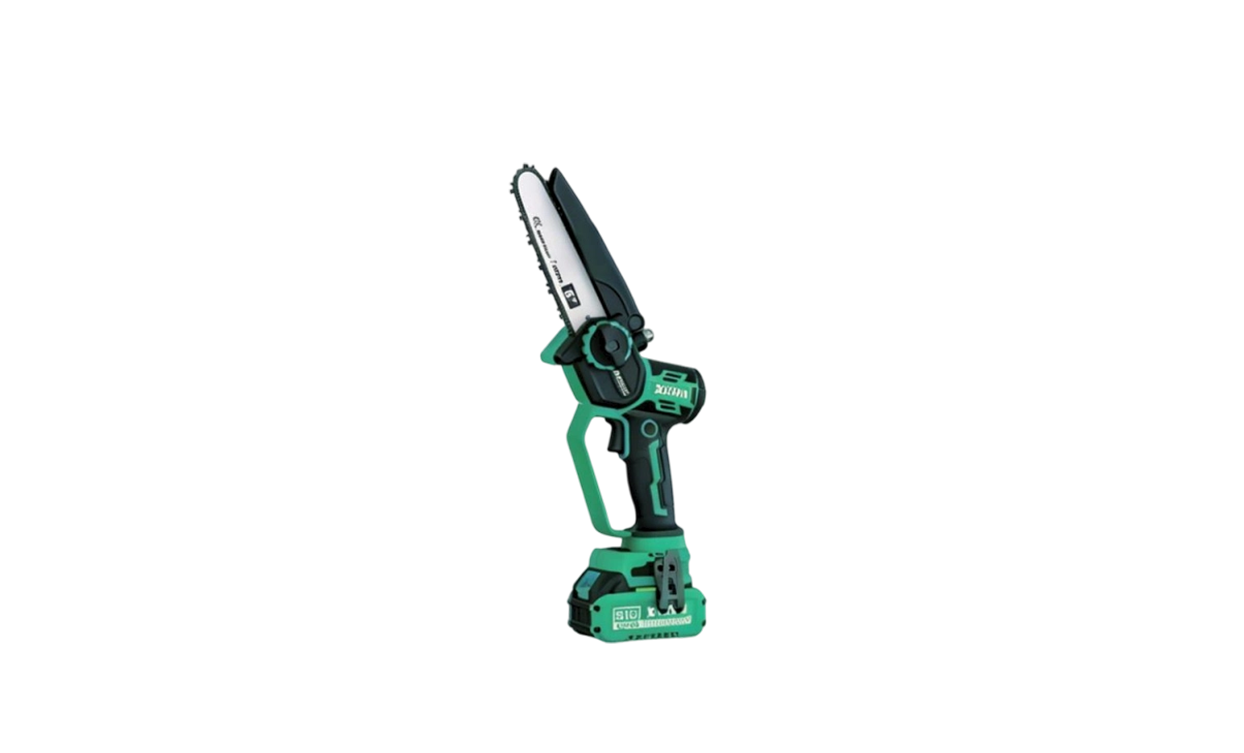
The XJ.206 16V 6" brushless electric chainsaw is a mid-sized lithium-ion chainsaw from the Xiaojia brand. Powered by a 16V brushless motor with a 6" g...
See Details
Copyright © by Hangzhou Xinabo Intelligent Electromechanical Technology Co., Ltd Rights Reserved. Pipe Threaders Manufacturers
