
 English
 Español
 عربى
عربى


Intelligent Threading Machine
1. Automatically identify the pipe diameter 2. Automatic tool adjustment and setting 3. Pipe Processing Range: DN15–DN100 4. Threading time as fast ...
See Details
Content
Modern manufacturing demands have transformed pipe twisting from a labor-intensive manual process into a precision-engineered operation. Intelligent pipe twisting machines equipped with Computer Numerical Control (CNC) technology now deliver tolerances as tight as ±0.05 degrees and cycle times as fast as 2 seconds per bend. These systems combine servo-electric drives, real-time feedback mechanisms, and automated material handling to achieve production rates that manual methods cannot match.
The integration of smart control systems allows manufacturers to process pipes ranging from 6.35mm to 150mm in diameter while maintaining consistent quality across high-volume production runs. This level of precision eliminates the trial-and-error adjustments that plague manual bending, directly translating to measurable improvements in throughput and material utilization.
Intelligent pipe twisting machine utilize servo motors to control multiple axes simultaneously. This multi-axis coordination enables the creation of complex three-dimensional geometries that would be impossible with traditional methods. The servo systems provide exact angular positioning with repeatability rates exceeding 99.9% across thousands of cycles.
Advanced sensors continuously monitor pressure, position, and alignment during the twisting process. When deviations are detected, the control system makes automatic adjustments within milliseconds. This closed-loop feedback prevents defects such as wrinkling, ovalization, or material cracking that commonly occur in manual operations.
Modern machines feature PLC systems that store hundreds of bending programs. Operators can recall specific configurations instantly, reducing setup time between jobs from hours to minutes. This programmability supports just-in-time manufacturing and allows rapid changeovers between different pipe specifications.
The transition to intelligent pipe twisting technology delivers measurable improvements across multiple operational metrics. Manufacturers report significant reductions in production time and operational costs while maintaining superior product quality.
| Performance Metric | Manual Process | Intelligent Machine | Improvement |
|---|---|---|---|
| Cycle Time | 2-5 minutes | 2-10 seconds | Up to 90% faster |
| Angular Tolerance | ±2-5 degrees | ±0.05-0.1 degrees | 95% more precise |
| Material Scrap Rate | 8-15% | 1-3% | 70-80% reduction |
| Energy Consumption | Continuous hydraulic | On-demand servo | Up to 70% savings |
These efficiency gains translate to return on investment periods of 12-18 months for most manufacturing operations. The reduction in material waste alone can save facilities thousands of dollars monthly, while the decreased energy consumption supports sustainability initiatives.
Automotive exhaust systems require precise pipe bending to ensure proper airflow and noise reduction. Intelligent twisting machines produce consistent angle accuracy within tight automotive chassis constraints. The ability to handle thin-walled stainless steel and aluminized steel without deformation is critical for maintaining exhaust system integrity.
Aerospace applications demand exceptional precision for hydraulic and fuel systems. The tight tolerances achieved through CNC-controlled twisting ensure that every component meets strict safety standards. Complex multi-plane bends required for aircraft tubing are executed in single cycles rather than multiple setups.
Modern architectural designs increasingly incorporate twisted steel columns and decorative railings. Closed-die twisting machines create intricate helical forms and spiral stair supports with uniform geometry. These machines handle pipe diameters up to 150mm, supporting structural applications in commercial buildings and infrastructure projects.
Maximizing the benefits of intelligent pipe twisting machines requires adherence to established operational protocols. Proper maintenance and operator training ensure sustained performance and longevity of equipment.
Integrating automated tube feeders and robotic unloading systems creates continuous production flows. These material handling additions allow machines to operate 24/7 with minimal human intervention. Facilities implementing full automation report productivity increases of 300-400% compared to semi-automated configurations.
The next generation of pipe twisting machines incorporates artificial intelligence and machine learning algorithms. These systems analyze historical production data to predict maintenance needs and optimize bending parameters for new materials. Integration with CAD/CAM software allows direct translation of 3D models into machine instructions, eliminating programming time.
Laser measurement systems are being integrated for real-time quality verification during the twisting process. This technology detects dimensional variations immediately, triggering automatic adjustments or rejecting out-of-specification parts before they reach downstream operations. Such innovations continue to push the boundaries of efficiency and precision in pipe manufacturing.
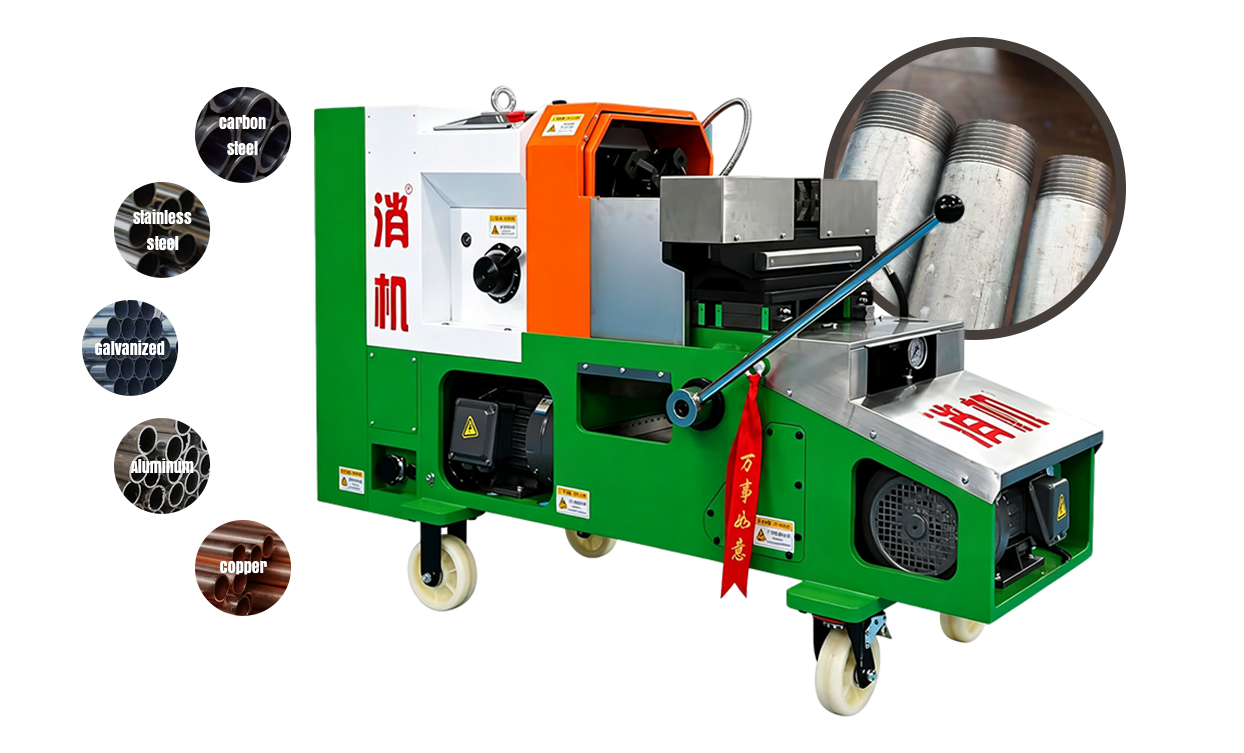
1. Automatically identify the pipe diameter 2. Automatic tool adjustment and setting 3. Pipe Processing Range: DN15–DN100 4. Threading time as fast ...
See Details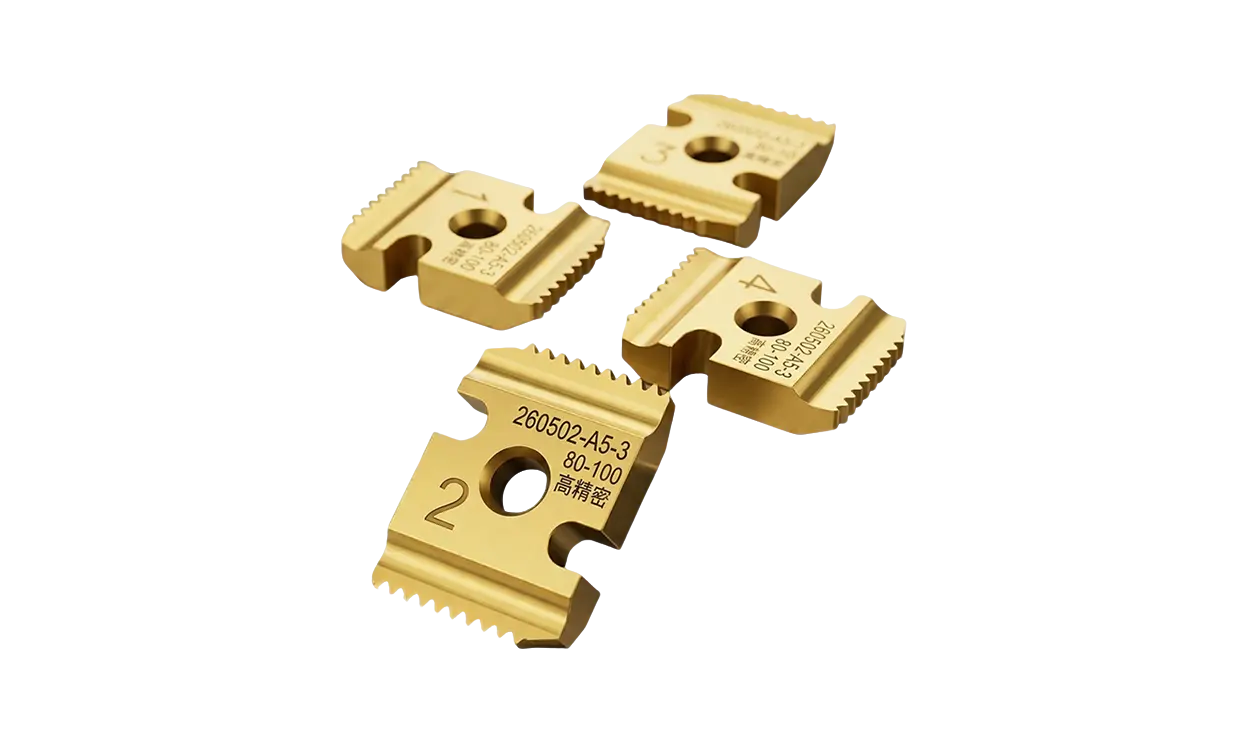
Specialized Compatibility: Exclusively designed for intelligent threading machines, the dies feature a high precision-machined structure that perfectl...
See Details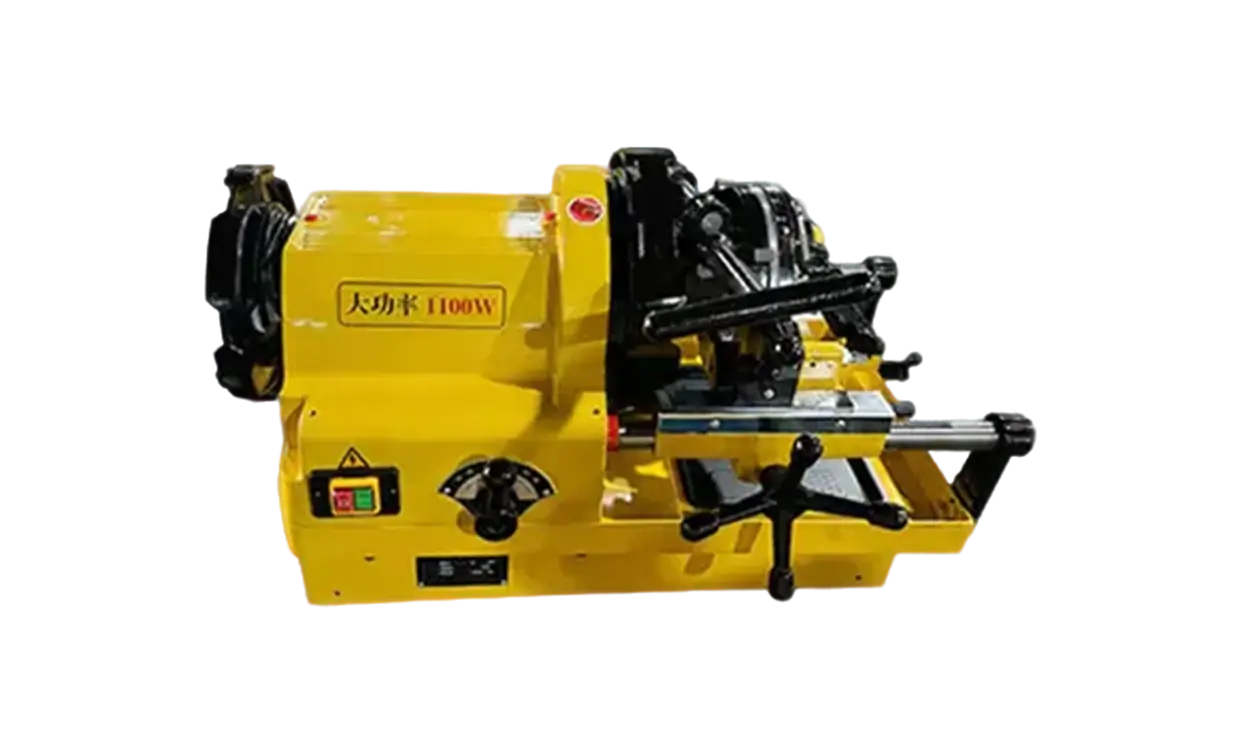
This SQ100 4-inch 15-100mm dual-speed electric pipe threading machine is engineered for precise and efficient pipe threading operations, with a workin...
See Details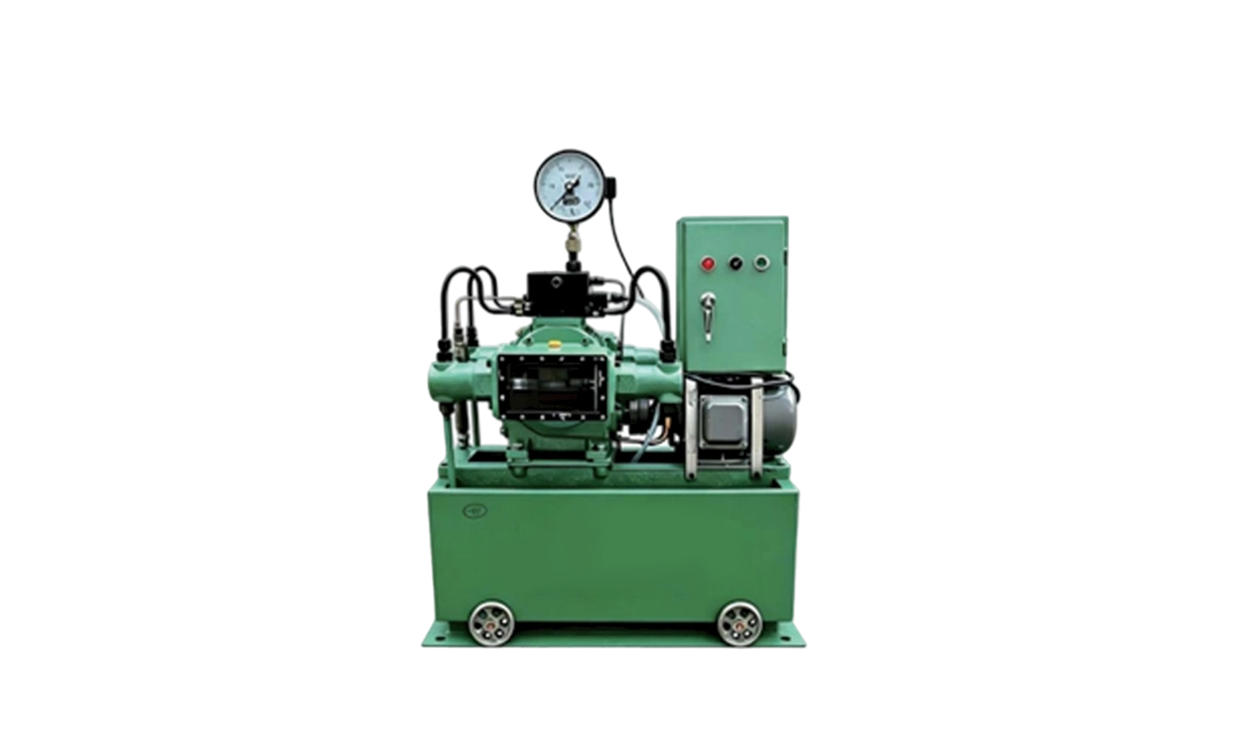
This 380V electric pressure test pump is a professional device designed for hydrostatic pressure testing and leak detection of pipes, valves, pressure...
See Details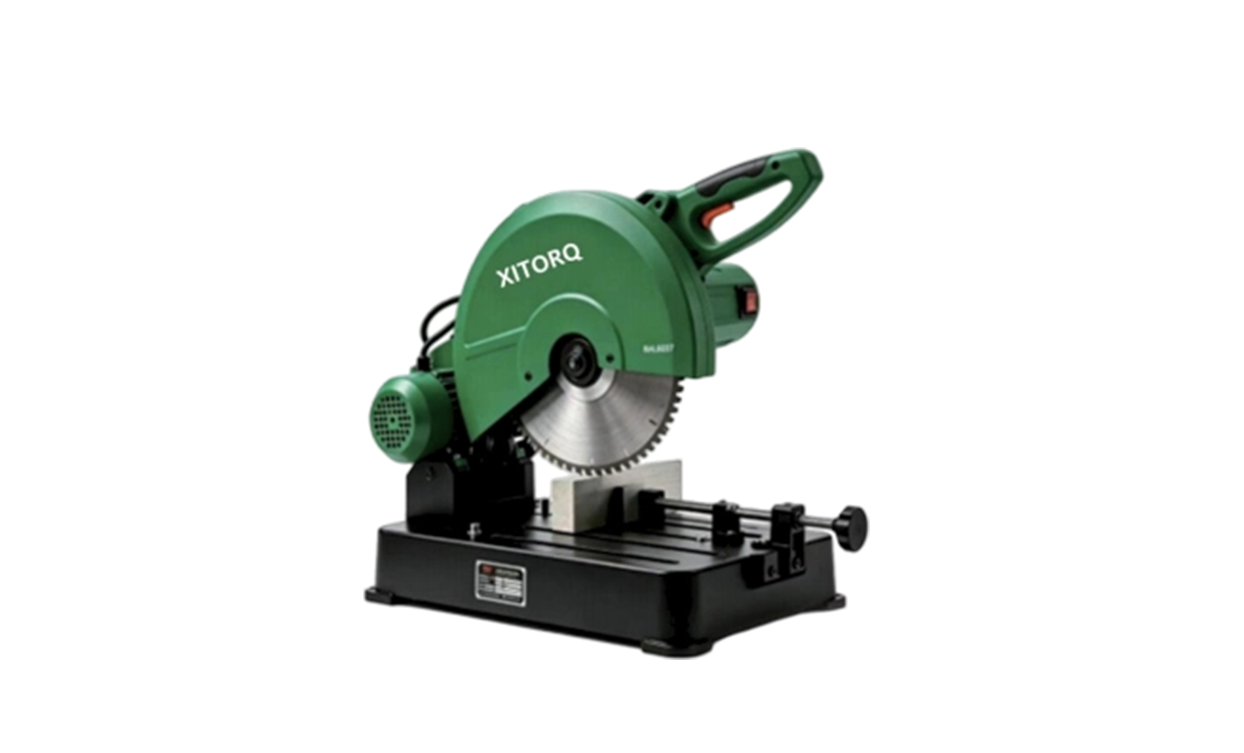
This 220V 14" permanent magnet variable frequency cold saw is an industrial-grade cutting tool designed for metal profile cutting. Featuring a permane...
See Details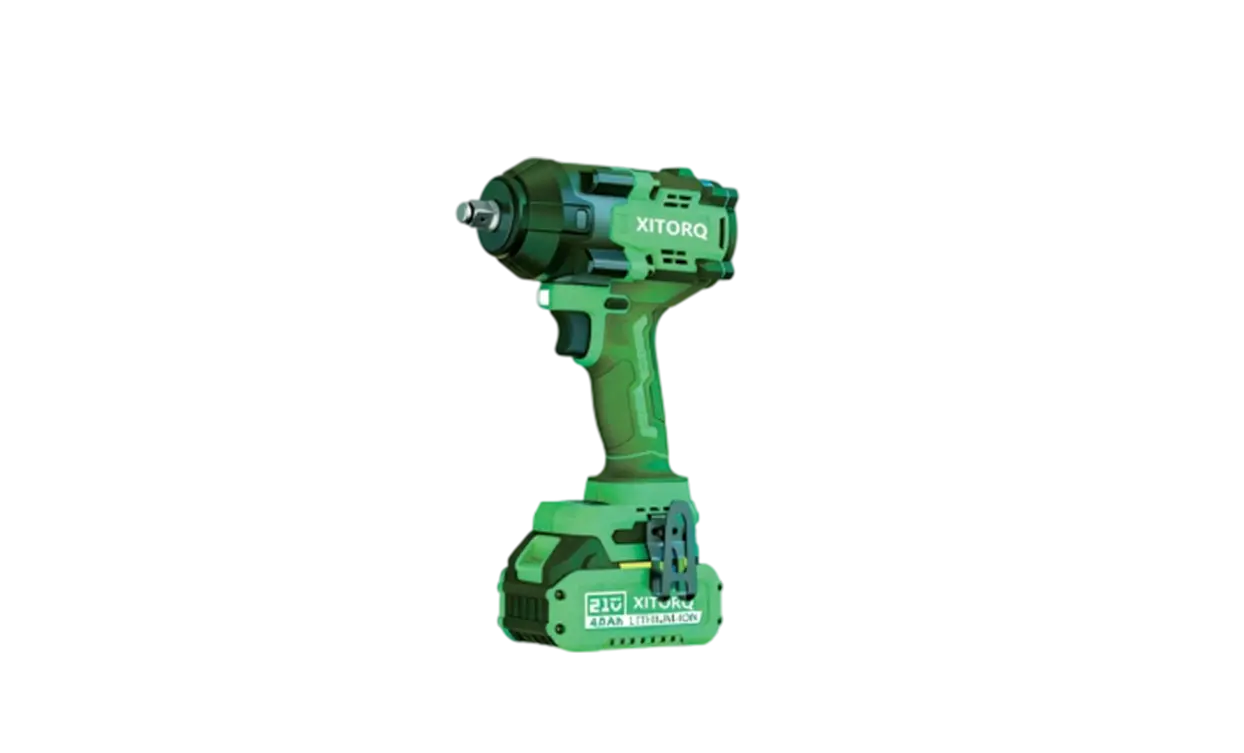
The XJ.580 21V lithium-ion brushless impact wrench is a medium-duty industrial-grade tool from the Xiaojia brand. Featuring an upgraded brushless moto...
See Details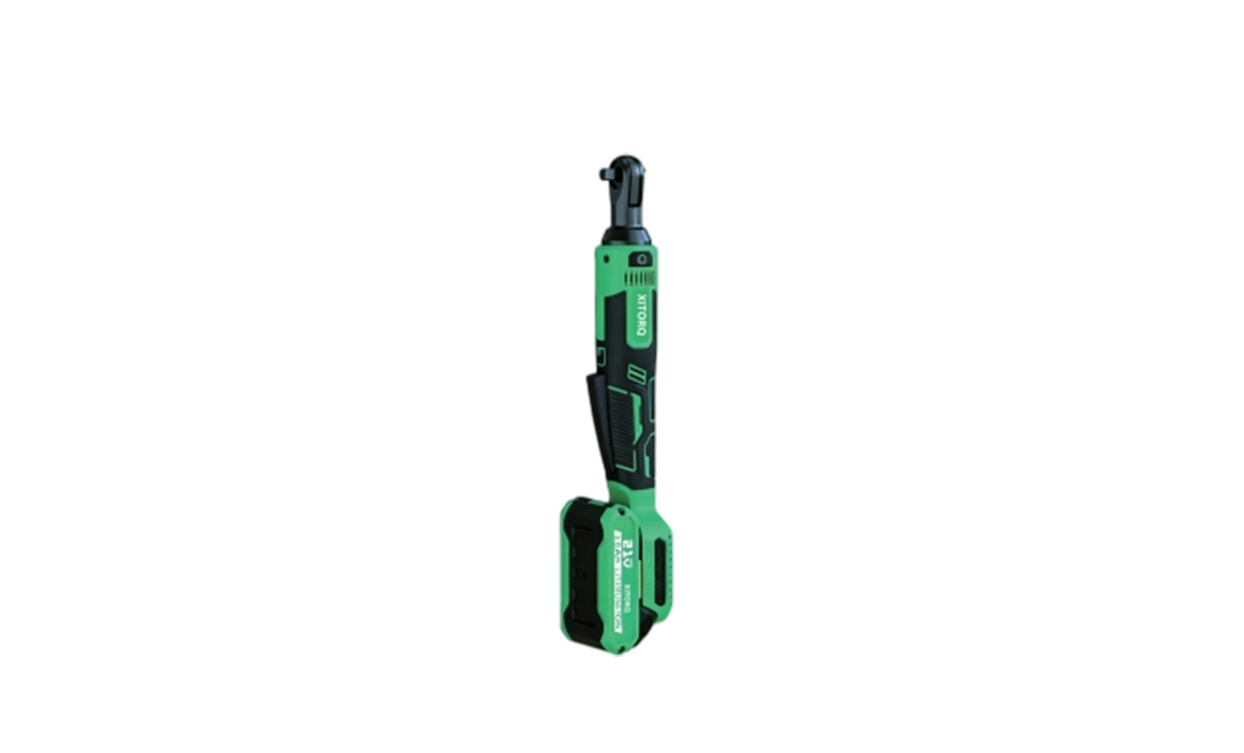
The XJ.592 16V brushless angle ratchet wrench is a compact industrial-grade ratchet from the Xiaojia brand. Equipped with a 16V brushless motor and an...
See Details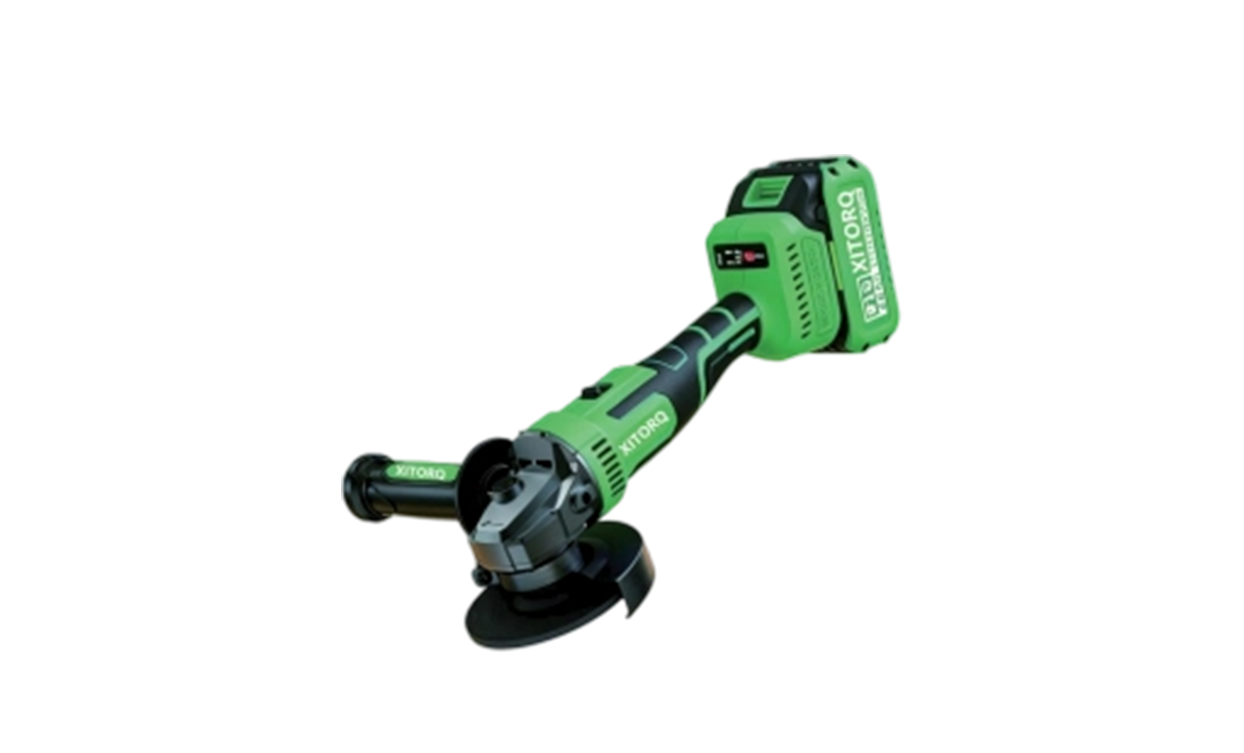
The XJ.908 21V lithium-ion high-magnetic brushless angle grinder is an industrial-grade grinder from the Xiaojia brand. Featuring a high-magnetic brus...
See Details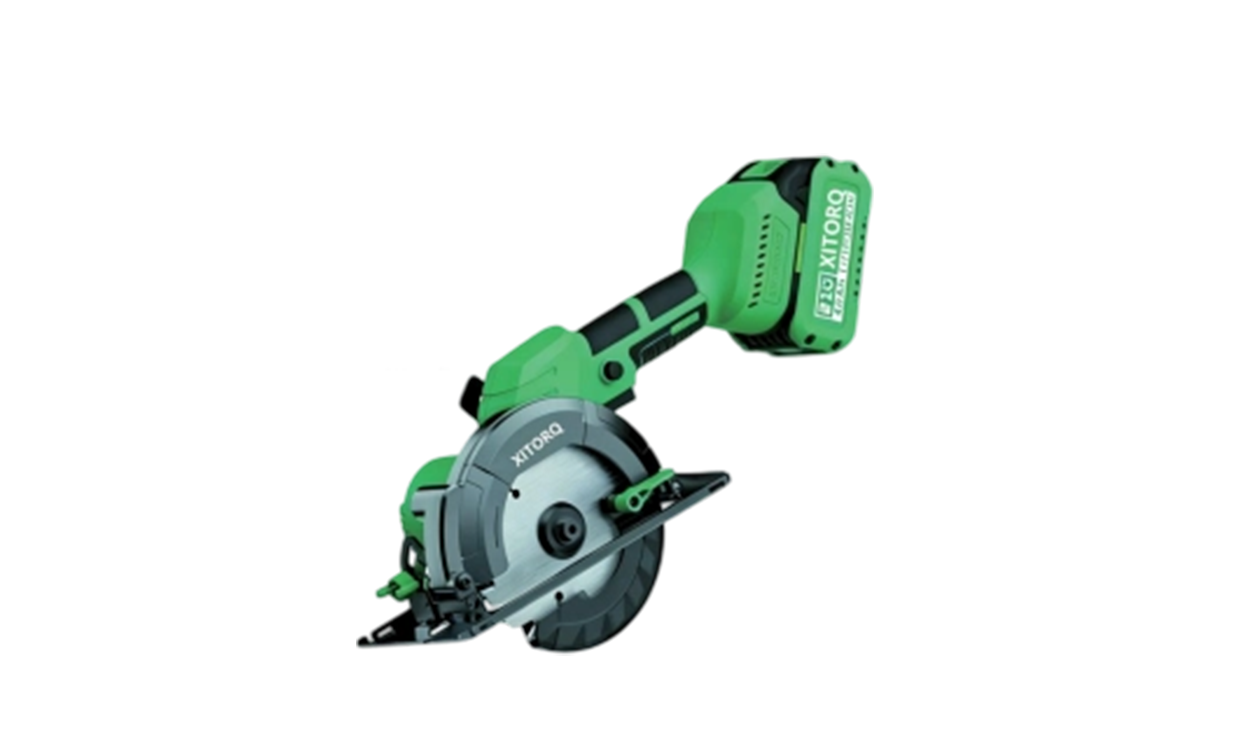
The XJ.853 21V lithium-ion high-magnetic brushless circular saw is an industrial-grade handheld circular saw from the Xiaojia brand. Featuring a high-...
See Details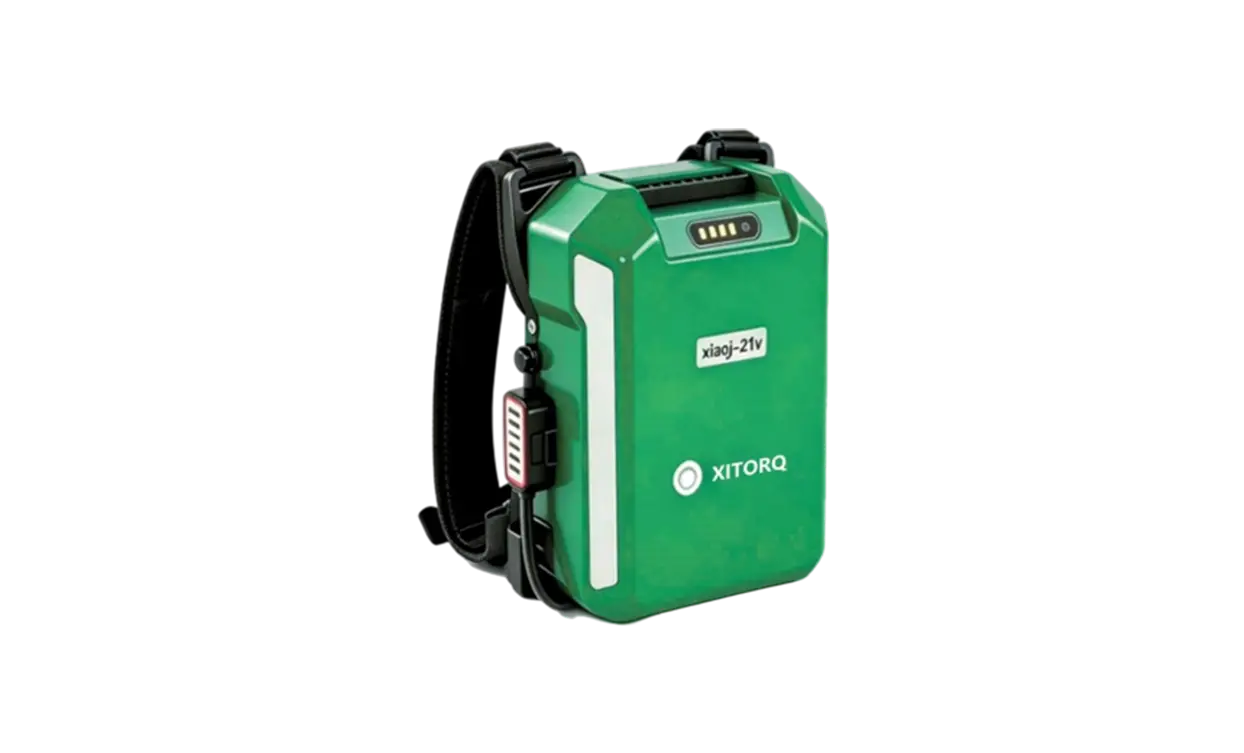
This backpack lithium battery pack is a large-capacity portable power supply designed for extended continuous operation of power tools. Using high-rat...
See Details
Copyright © by Hangzhou Xinabo Intelligent Electromechanical Technology Co., Ltd Rights Reserved. Pipe Threaders Manufacturers
