
 English
 Español
 عربى
عربى


F1680 Series Air Compressor
The F1680 Series Air Compressor is engineered for stable and efficient air supply, featuring core technologies of multi-cylinder compression, rapid ai...
See Details
Content
A standard abrasive chop saw will cut through a steel pipe in seconds — and leave behind a heat-warped edge, oxidized burrs, and a shower of sparks. A frequency conversion metal cold cutting saw will do the same job more quietly, with a chip-free edge that needs no secondary finishing. That difference matters enormously in construction, fire protection, and mechanical fabrication, where rework costs time and money.
A conventional cold saw runs at a fixed motor speed. A frequency conversion (variable frequency drive, or VFD) cold saw lets the controller adjust motor frequency — and therefore blade RPM — in real time, matched to the material being cut.
In practice, this means the machine can start softly, ramp to optimal cutting speed, and decelerate smoothly without abrupt mechanical shock. The blade engages the workpiece at exactly the right speed rather than fighting through at a single preset rate. That soft-start behavior alone dramatically reduces stress on both the blade and the gearbox.
When evaluating a metal cold cutting saw, these parameters determine real-world performance:
| Parameter | Value | What It Affects |
|---|---|---|
| Rated Voltage | 220V | Single-phase compatibility for most workshops |
| Output Power | 3,500W | Torque reserve for dense materials |
| Blade Diameter | 355mm (14") | Maximum cutting depth and material range |
| Speed Range | 700–1,300 r/min | Adjustable to material hardness |
| Max Round Pipe | Ø130mm | Standard structural pipe range |
| Max Square Profile | 125mm × 125mm | Box section and structural steel |
| Max Flat Bar | 110mm × 170mm | Wide plate and flat stock |
The adjustable speed range — 700 to 1,300 r/min — is the core differentiator. Mild steel cuts efficiently at higher RPM; stainless and harder alloys require a slower, more controlled engagement to avoid blade glazing and premature wear.
1. Blade life measured in thousands of cuts, not hundreds. Because the blade never encounters a hard impact start, tooth wear is distributed more evenly. Manufacturers of VFD-equipped cold saws report over 3,500 cuts per blade under normal conditions — a figure that abrasive discs cannot approach.
2. Energy consumption drops noticeably. VFD systems adjust motor output to match actual load, preventing the motor from drawing full current during idle or light-load phases. In high-volume shops, this translates directly to lower electricity bills and reduced heat generation in the motor.
3. Cut quality is ready to use. Cold cutting produces a burr-free, square edge with no heat-affected zone. For fire protection piping and structural connections where thread quality and surface integrity matter, this eliminates a secondary deburring or grinding step entirely.
4. Shadow-line guidance improves operator accuracy. A precision shadow-line guide projects a cut reference onto the workpiece, reducing measurement errors on repetitive cuts without requiring scribing or clamping fixtures.
The cold saw for metal is especially well-suited to three environments:
Three questions narrow the field quickly:
If your operation also involves threading after cutting, pairing the cold saw with an intelligent threading machine that automatically adjusts to pipe diameter removes nearly all manual setup time between operations.
Even the best blade degrades if misused. Use coolant for extended runs, reduce feed pressure when cutting harder alloys, and inspect tooth geometry regularly. HSS blades for cold saws require M2-grade steel as a minimum, with center bore tolerance held to H7 for acceptable runout. Proper resharpening — maintaining correct tooth pitch, form, and depth — restores full cutting life and is far cheaper than premature replacement.
A frequency conversion cold saw is not a marginal upgrade over a fixed-speed model. For any operation where blade cost, cut quality, and energy efficiency are measured, the VFD's ability to match motor output to the actual job makes it the more capable and economical tool over its working life.
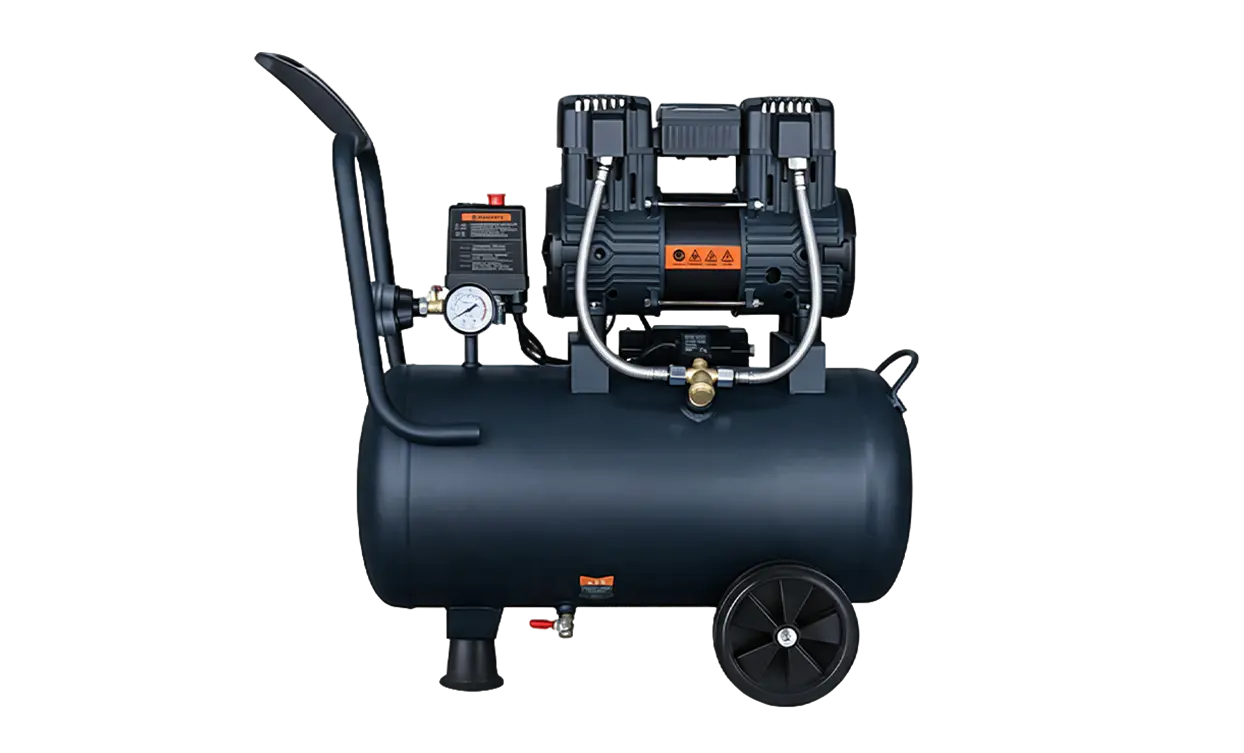
The F1680 Series Air Compressor is engineered for stable and efficient air supply, featuring core technologies of multi-cylinder compression, rapid ai...
See Details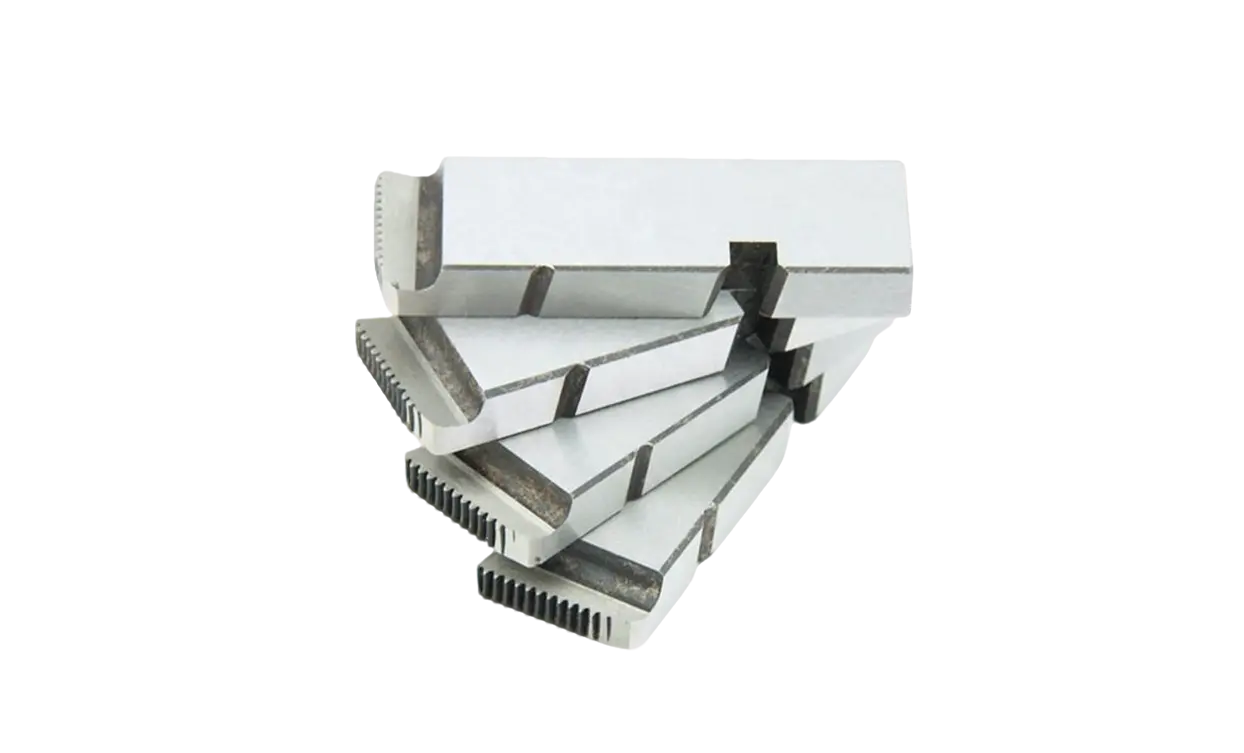
Core Material & Performance: Crafted from high-speed steel (HSS), the threading dies feature excellent hardness, wear resistance and heat resistan...
See Details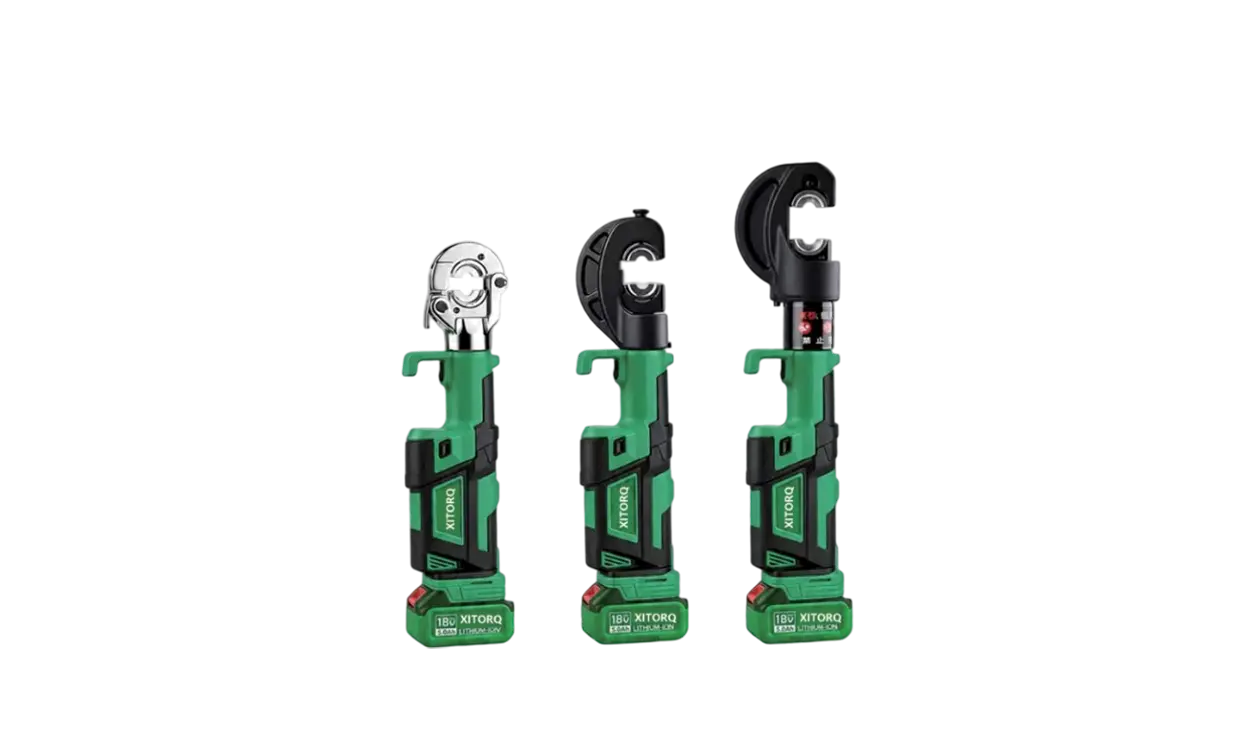
This 18V lithium-ion hydraulic crimping tool is a portable hydraulic tool designed for cable terminal crimping. It features a brushless lithium-ion po...
See Details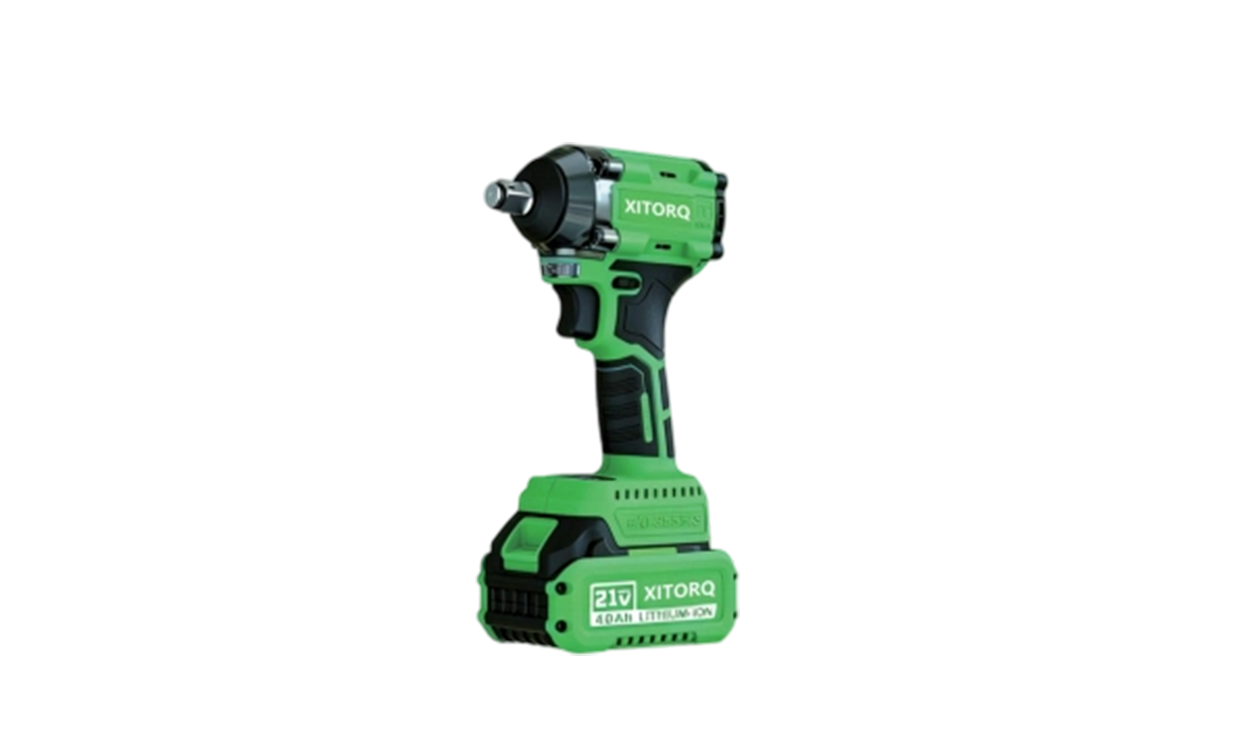
The XJ.523 21V lithium-ion brushless impact wrench is a heavy-duty industrial-grade tool from the Xiaojia brand. Powered by a high-power brushless mot...
See Details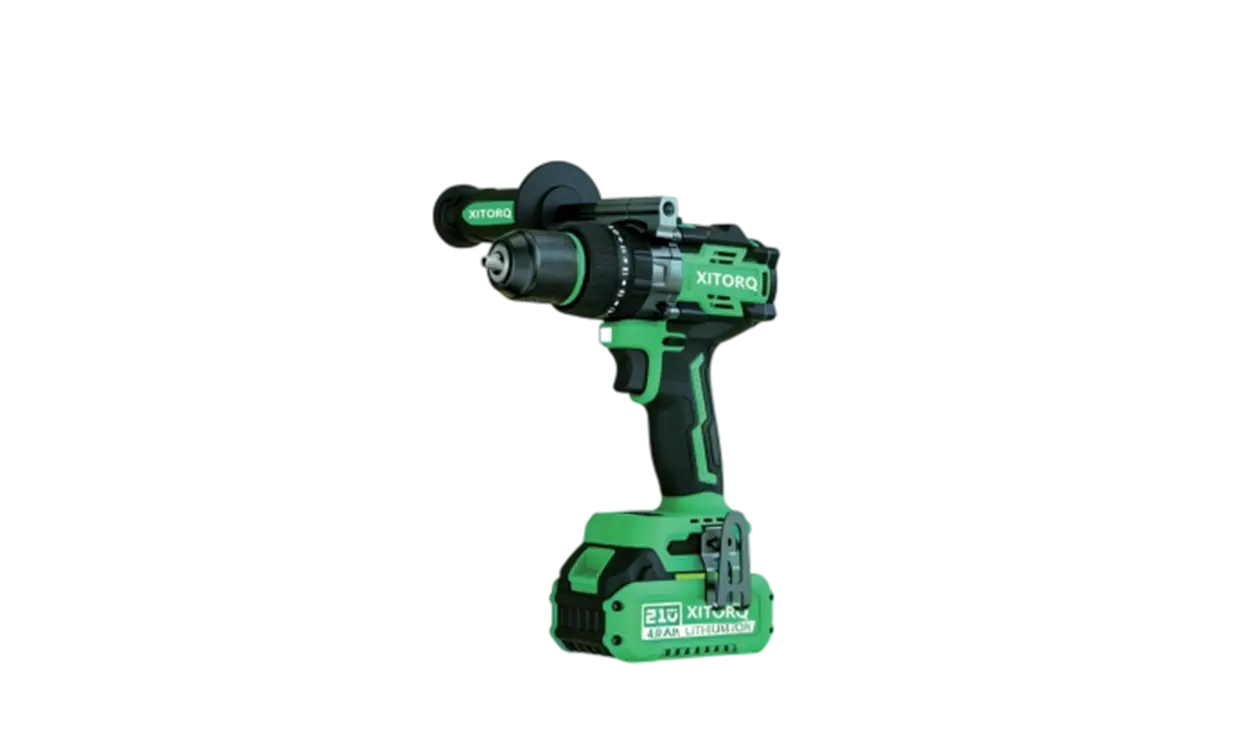
The XJ.615 21V lithium-ion brushless hammer drill/driver is a dual-purpose cordless drill from the Xiaojia brand. Powered by a 21V battery pack for co...
See Details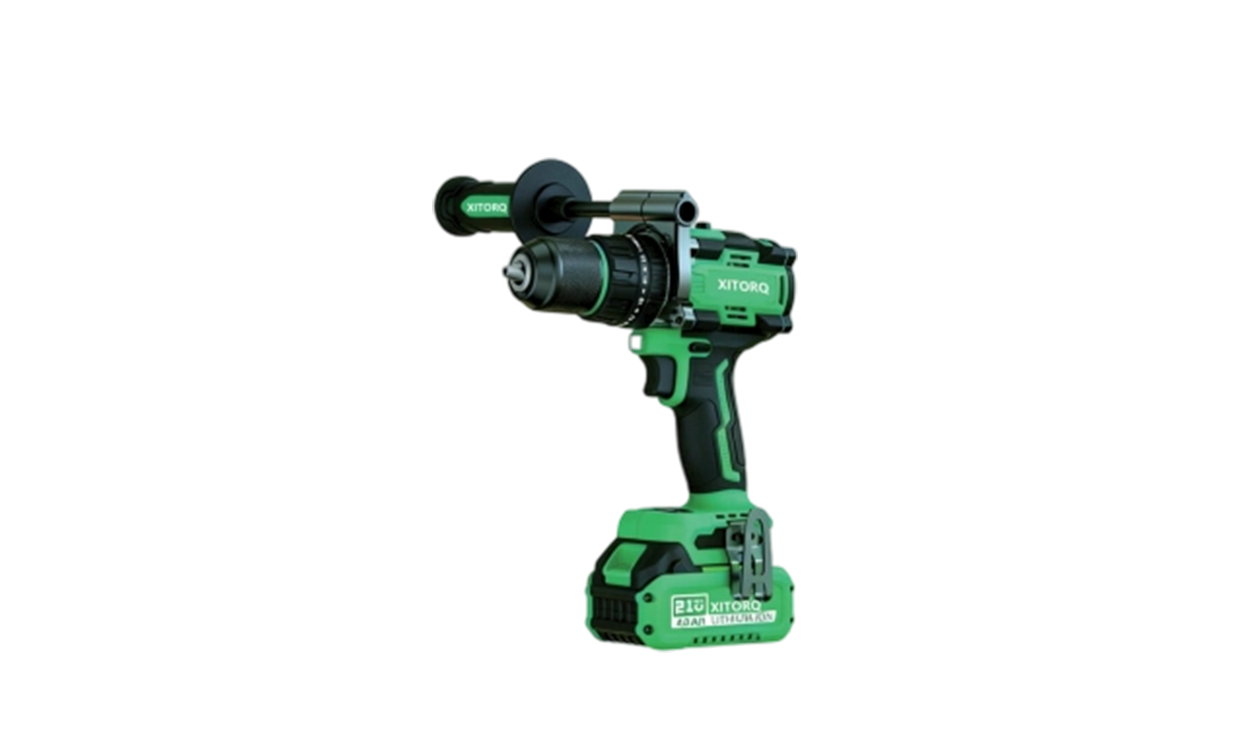
The XJ.617 21V lithium-ion brushless hammer drill/driver is a heavy-duty multi-function drill from the Xiaojia brand. Featuring an upgraded brushless ...
See Details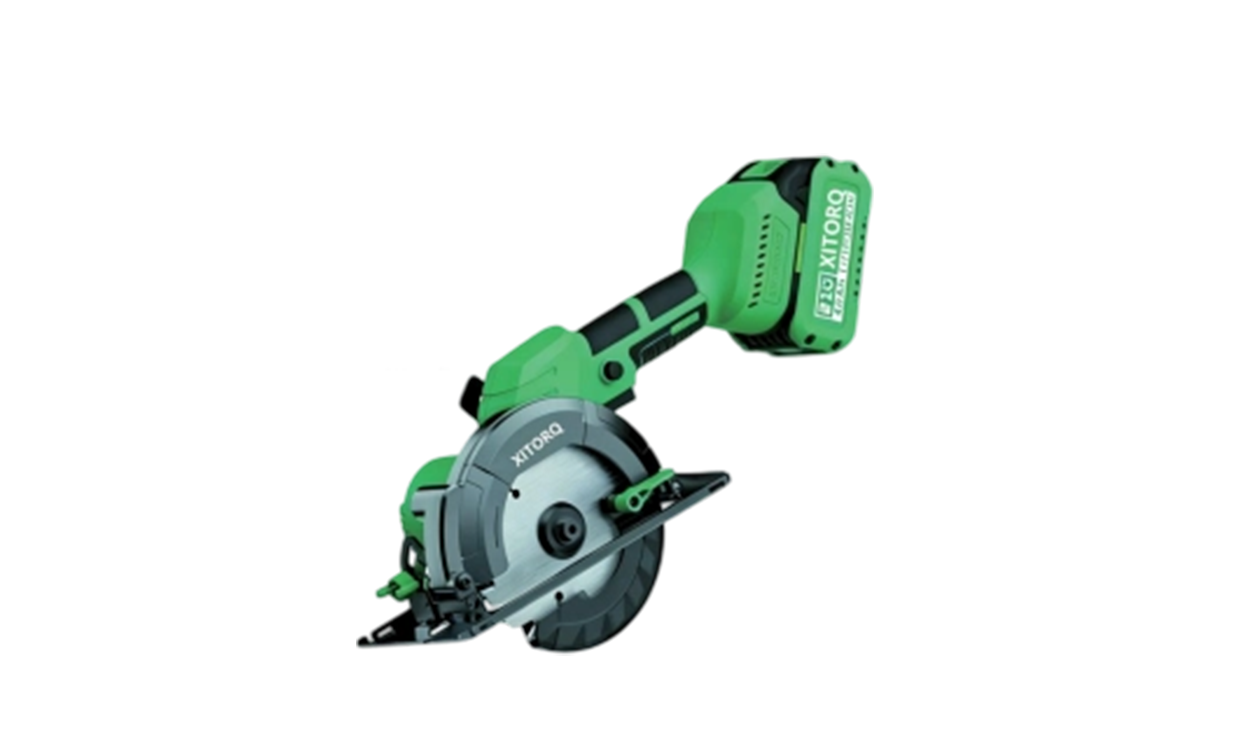
The XJ.853 21V lithium-ion high-magnetic brushless circular saw is an industrial-grade handheld circular saw from the Xiaojia brand. Featuring a high-...
See Details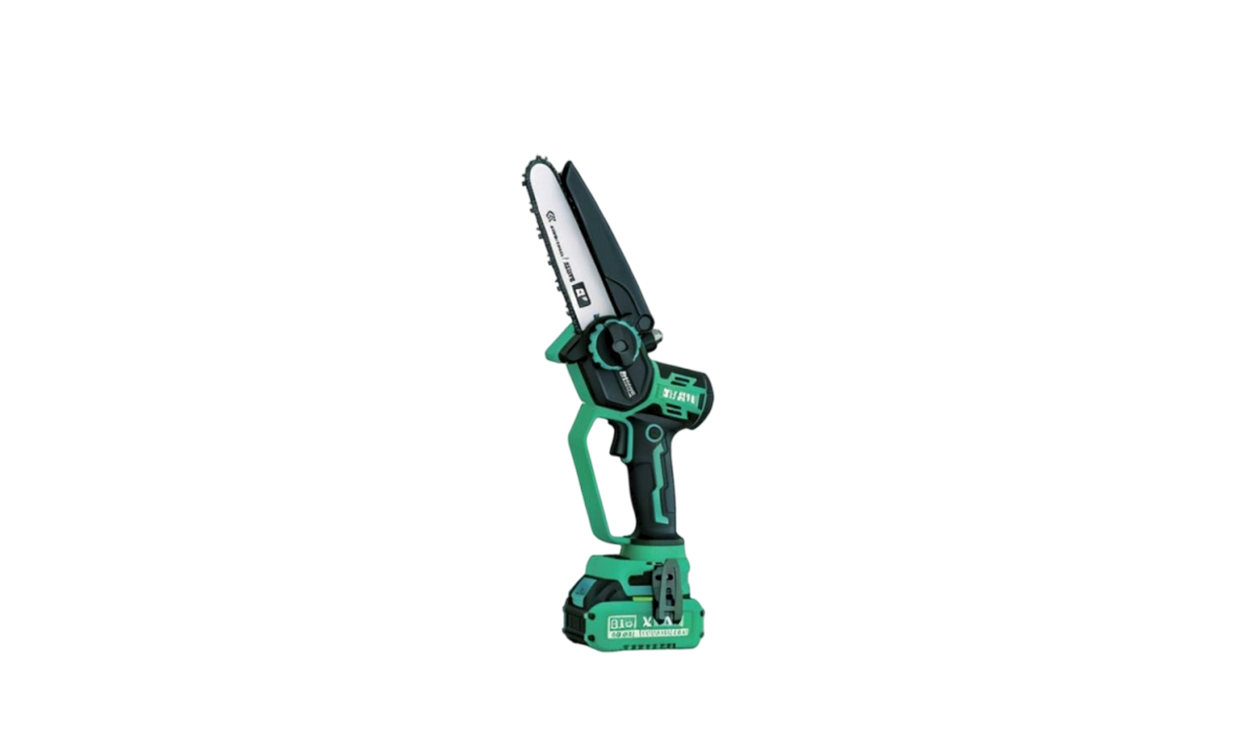
The XJ.204 16V 4" brushless electric chainsaw is a compact lithium-ion chainsaw from the Xiaojia brand. Powered by a 16V brushless motor with a 4" gui...
See Details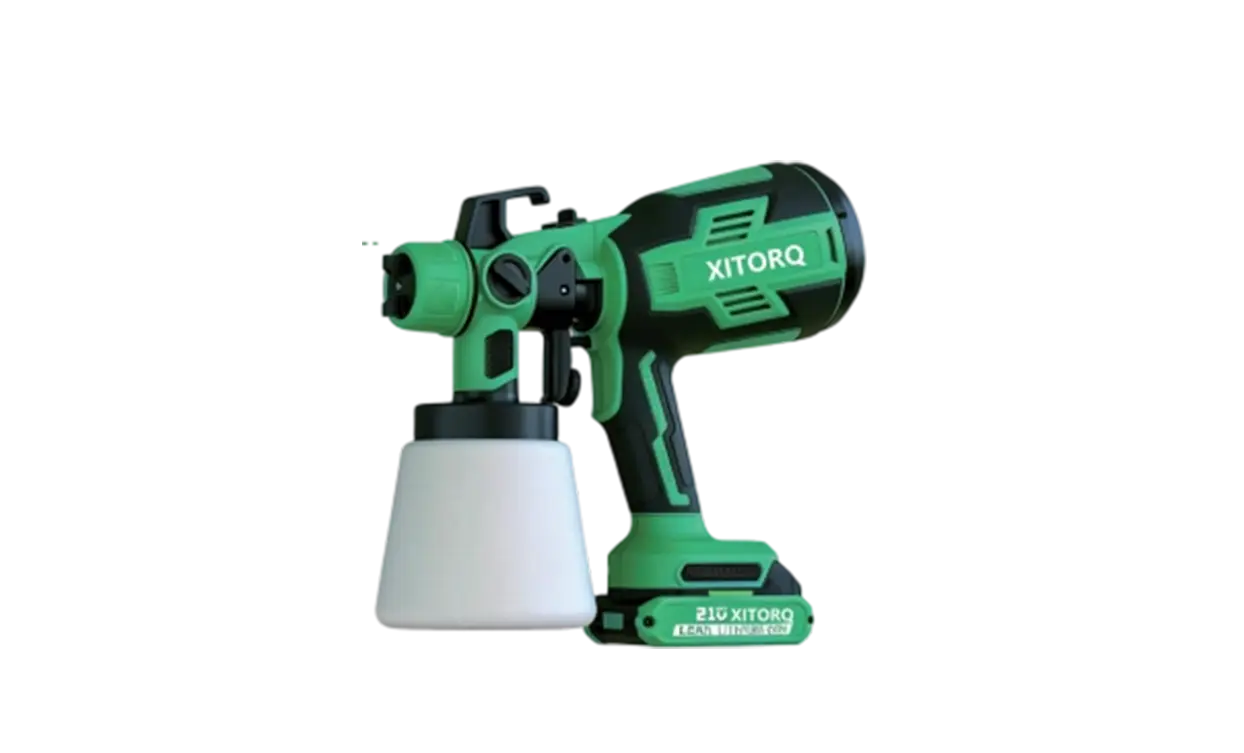
This 21V lithium-ion spray gun (Small Airplane model) is a portable cordless painting tool designed for paint spraying. Powered by a 21V brushless lit...
See Details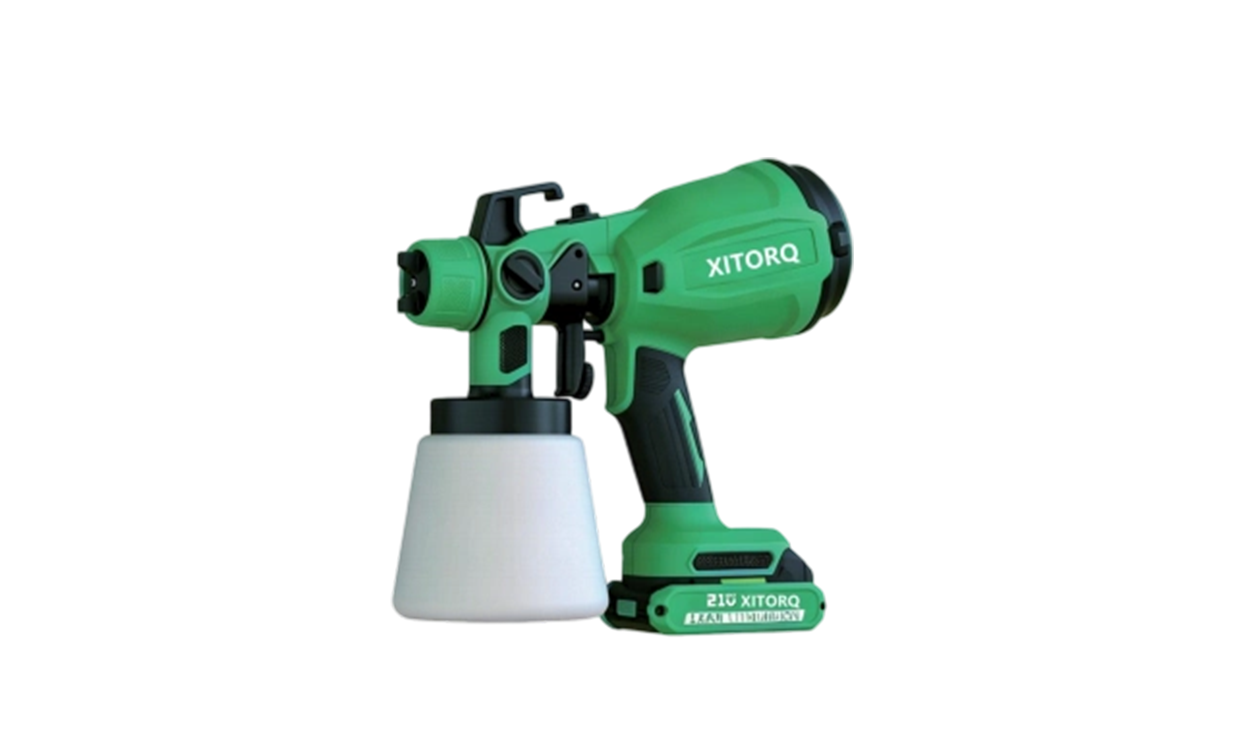
The 21V lithium-ion spray gun MT is an industrial-grade cordless spray gun from the Xiaojia brand. Featuring an upgraded brushless motor with enhanced...
See Details
Copyright © by Hangzhou Xinabo Intelligent Electromechanical Technology Co., Ltd Rights Reserved. Pipe Threaders Manufacturers