
 English
 Español
 عربى
عربى


F1680 Series Air Compressor
The F1680 Series Air Compressor is engineered for stable and efficient air supply, featuring core technologies of multi-cylinder compression, rapid ai...
See Details
Content
A loose pipe joint doesn't just drip — it corrodes fittings, invites leaks under pressure, and costs far more to fix than the original thread job. The root cause is almost always the same: the wrong tool, or a tool used the wrong way. This guide cuts straight to what matters — types, steel compatibility, die selection, and how to match a pipe threader to your actual job.
Manual pipe threaders use a ratcheting die head driven by hand. They're compact, need no power supply, and cost between $40–$100 for a basic kit. That makes them a reasonable choice for occasional repairs — replacing a faucet shutoff, adding a gas line drop, one-off jobs where you'll cut maybe a dozen threads a year.
The moment volume increases, the math changes. An electric pipe threading machine for industrial and construction use runs at a consistent motor-driven speed — typically 25–40 RPM — eliminating operator fatigue and thread variation caused by uneven hand pressure. For HVAC runs, sprinkler systems, or any job involving more than 20–30 threads per day, electric is the productive choice.
A practical benchmark: the SQ65 electric model handles pipe diameters from 15–65mm (½"–2.5") at 1,300W input power. The larger SQ100 extends coverage to 100mm (4"), handling schedule 40 and schedule 80 mains. Knowing your diameter range before you buy prevents the common mistake of purchasing a "½"–2"" machine that struggles with ¾" stainless wall thickness.
Carbon steel, galvanized steel, and stainless all thread differently. Carbon steel is the most forgiving — dies cut cleanly with standard cutting oil and moderate feed pressure. Galvanized pipe generates zinc debris that loads the die flutes faster, so chip clearance and oil flow matter more. Stainless work-hardens under heat; it needs sharp dies, slower RPM, and consistent oil to avoid galling.
The die material is the critical variable. High-speed steel (HSS) threading dies handle carbon and galvanized pipe reliably and are the standard choice for most job sites. For stainless or high-volume production on hardened materials, double-edged threading dies extend service life and reduce re-sharpening cycles. A worn die doesn't just cut slowly — it produces out-of-tolerance threads that leak under pressure, which means the issue doesn't show up until the system is pressurized.
Thread standard is equally important. Threading die sets compatible with both BSPT and NPT standards let one machine serve both North American and European specification jobs. Confirm the standard before cutting — NPT and BSPT taper angles differ, and mixing them produces joints that appear to engage but won't seal.
Three questions narrow the field quickly:
Beyond those three, look at the die head configuration. Machines with integrated die sets for common size groups — for example, ½"–¾", 1"–2", and 2.5" as separate sets — save setup time on mixed-diameter jobs. Dual-speed motors (low speed for large-diameter pipe, high speed for smaller sizes) give better thread quality across the range than a single fixed speed.
Two practices account for most premature die wear: running without cutting oil, and leaving metal chips packed in the die head between cuts. Cutting oil reduces friction, carries heat away from the cutting edge, and flushes chips out of the flutes. Without it, HSS dies lose sharpness 3–5× faster. Apply oil at the start of every cut, not just at the beginning of a session.
After each use, remove the die head and clear chips with a brush — not compressed air blown inward, which packs debris deeper. Inspect the die edges under good light. A chipped or rounded cutting edge produces rough, out-of-spec threads; replace the die set rather than continuing to cut with worn tooling. For electric machines, check the chuck jaws and pipe clamp for wear — loose clamping causes pipe rotation during threading, which ruins thread geometry even with sharp dies.
Motor brushes on electric models typically need inspection every 200–300 operating hours. Machines built for industrial use, like those used in construction and HVAC pipe threading applications, see that cycle in a few months of regular site use.
| Spec | Light-Duty Electric | Industrial Electric (e.g. SQ65) | Heavy-Duty Electric (e.g. SQ100) |
|---|---|---|---|
| Pipe Diameter Range | ½"–1½" | ½"–2.5" (15–65mm) | ½"–4" (15–100mm) |
| Motor Power | 600–900W | 1,300W | 1,500W+ |
| Speed | Single speed | 25 / 40 RPM dual-speed | 25 / 40 RPM dual-speed |
| Thread Standards | NPT only | NPT + BSPT | NPT + BSPT |
| Typical Application | Plumbing repairs | HVAC, fire protection | Sprinkler mains, industrial pipe |
Pipe threading is a precision operation — the tolerance between a thread that seals and one that leaks is measured in thousandths of an inch. Match the machine to the material, keep the dies sharp, and don't skip the cutting oil. Those three habits produce consistent results across carbon steel, galvanized, and stainless without rework.
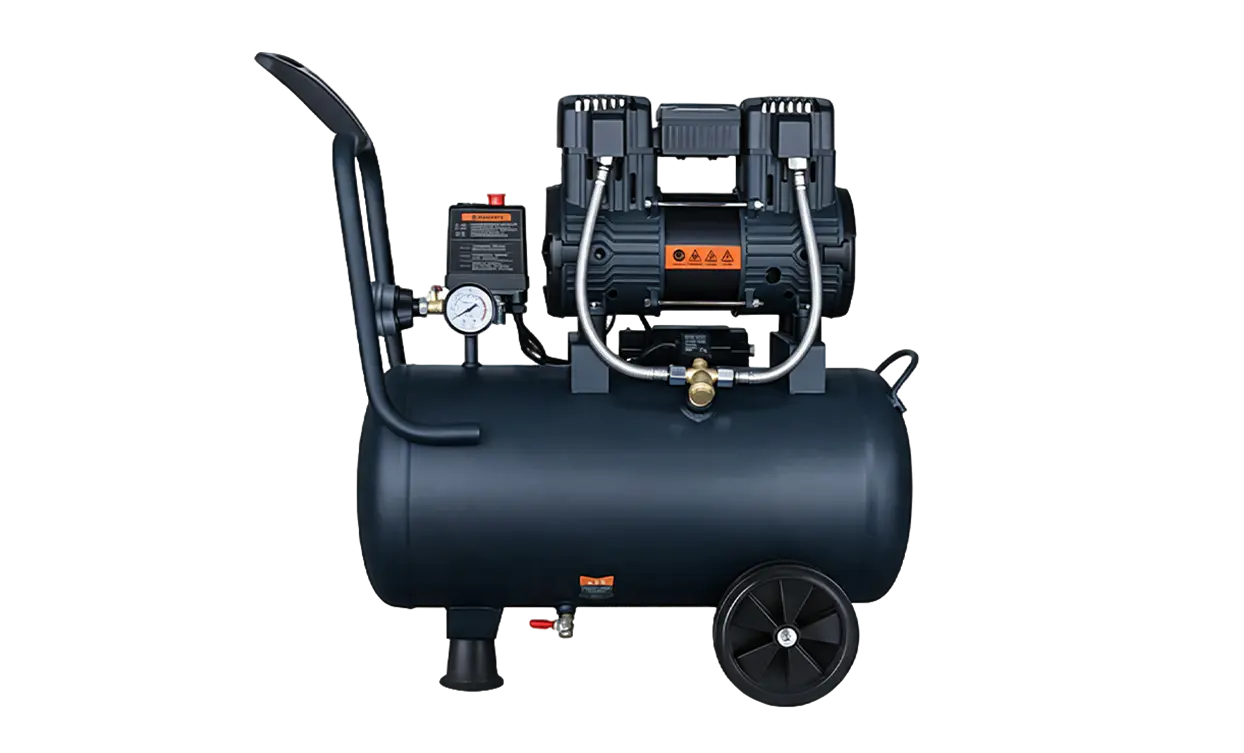
The F1680 Series Air Compressor is engineered for stable and efficient air supply, featuring core technologies of multi-cylinder compression, rapid ai...
See Details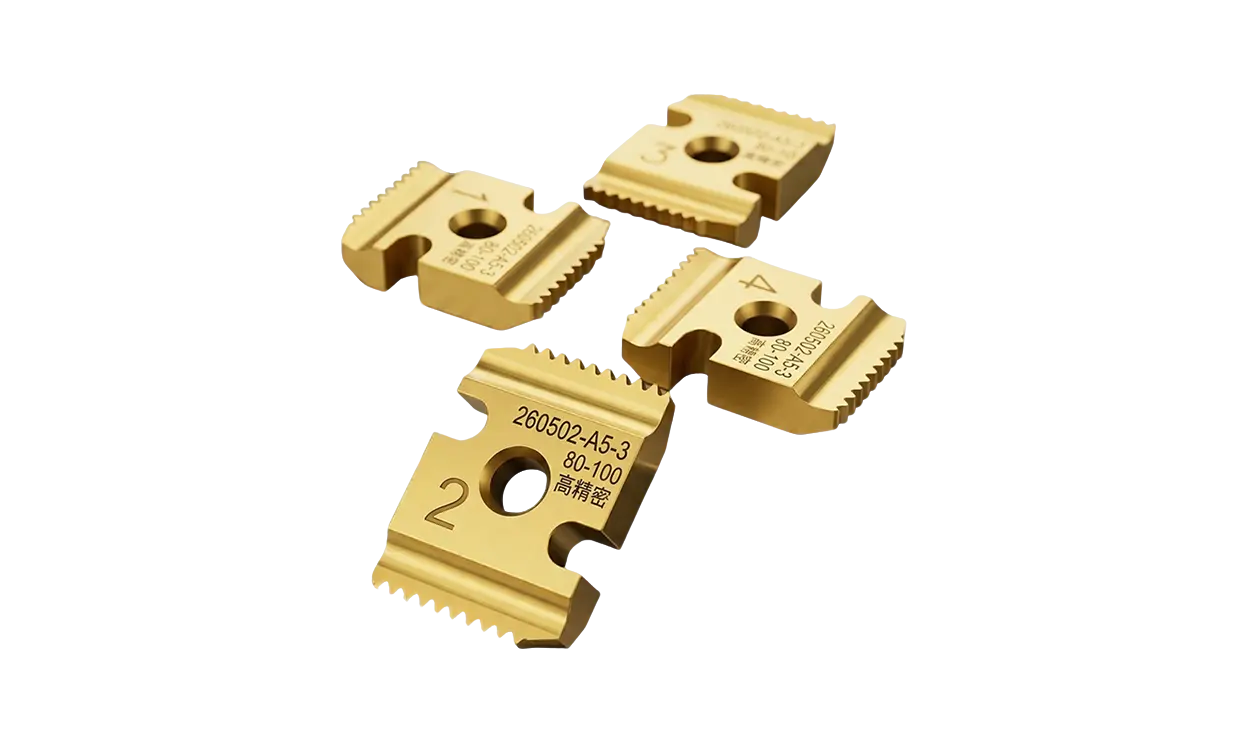
Specialized Compatibility: Exclusively designed for intelligent threading machines, the dies feature a high precision-machined structure that perfectl...
See Details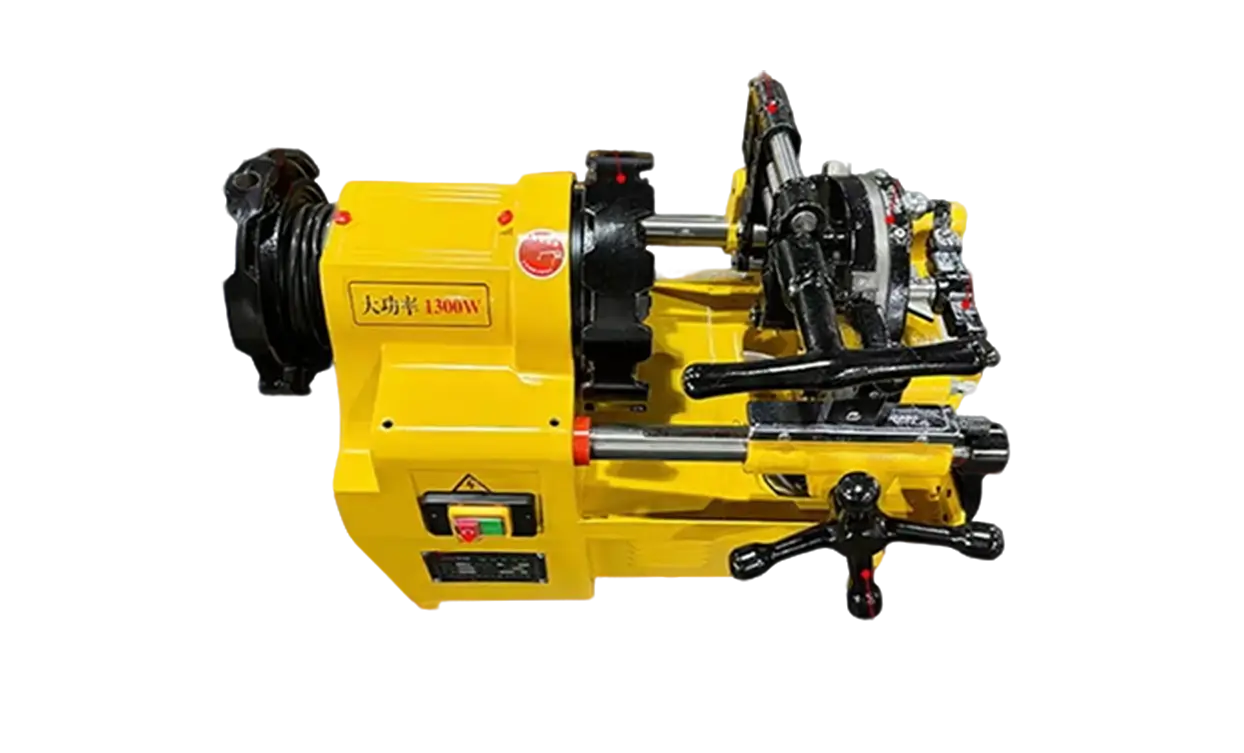
This SQ65 2.5-inch 15-65mm dual-speed electric pipe threading machine is a professional industrial tool engineered for precise pipe threading operatio...
See Details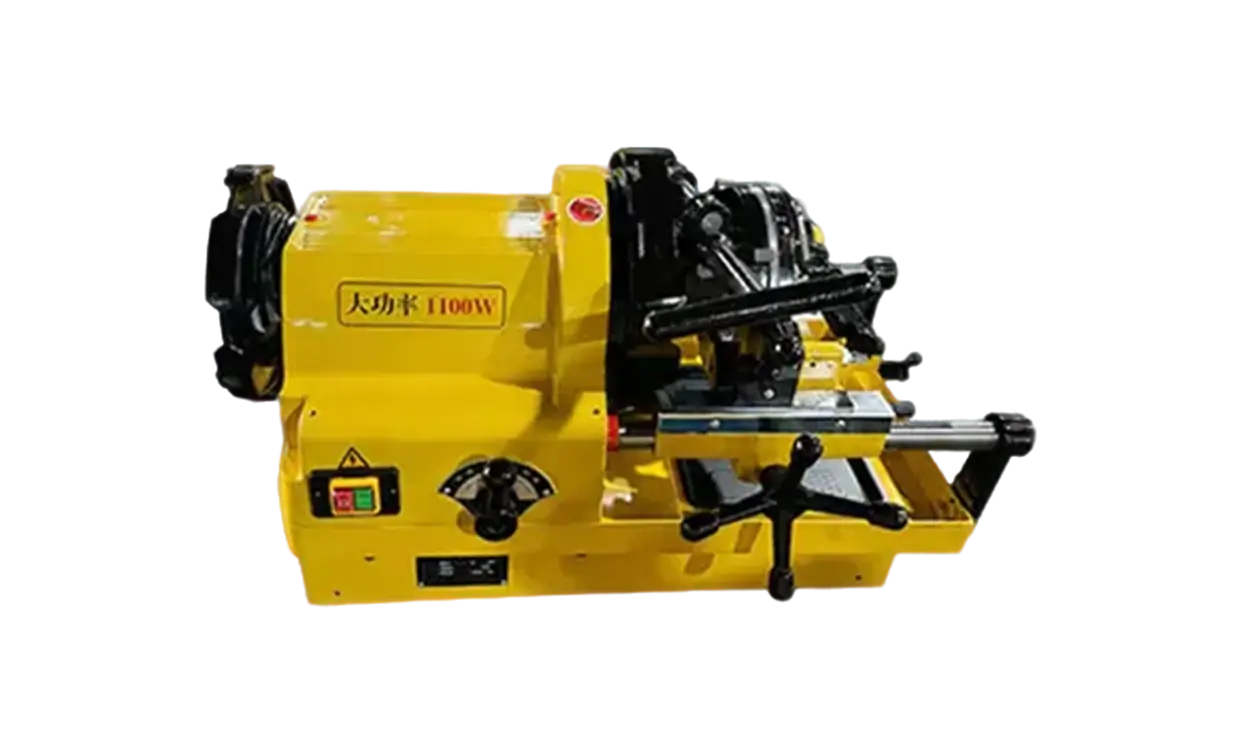
This SQ100 4-inch 15-100mm dual-speed electric pipe threading machine is engineered for precise and efficient pipe threading operations, with a workin...
See Details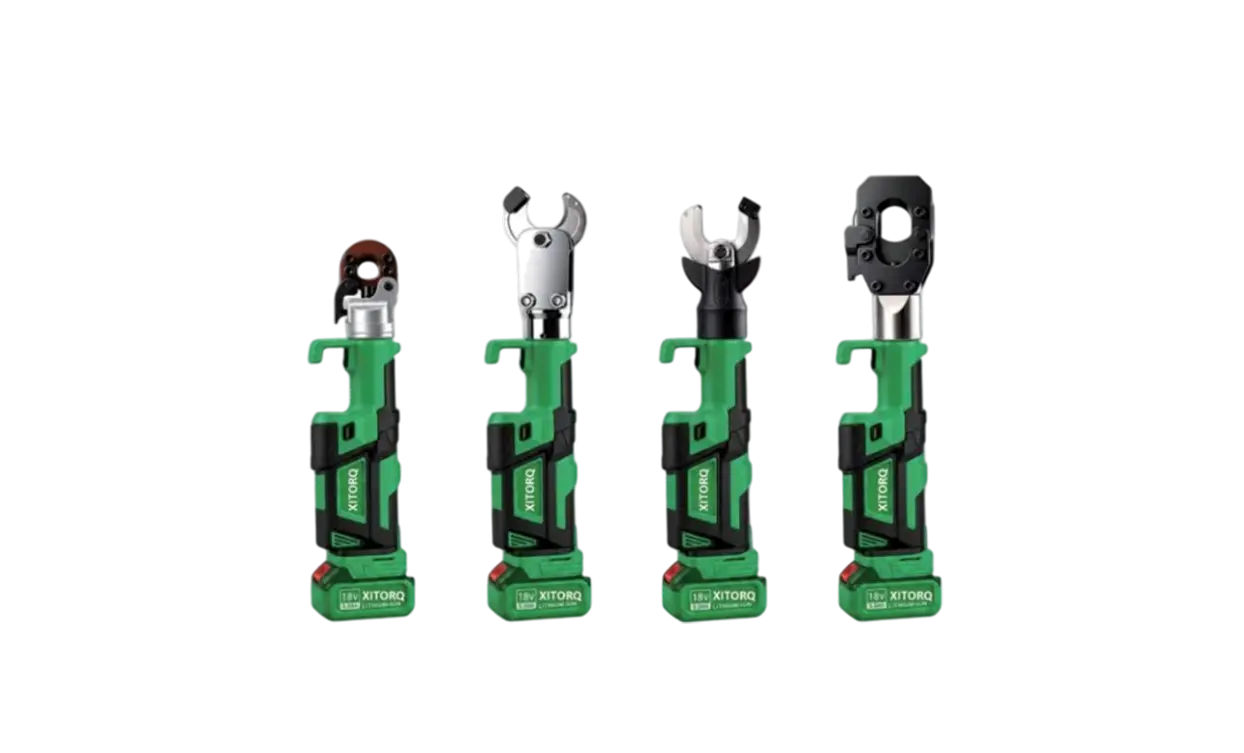
This 18V lithium-ion industrial cable cutter is a professional tool designed for large-diameter cable cutting. It features a brushless lithium-ion pow...
See Details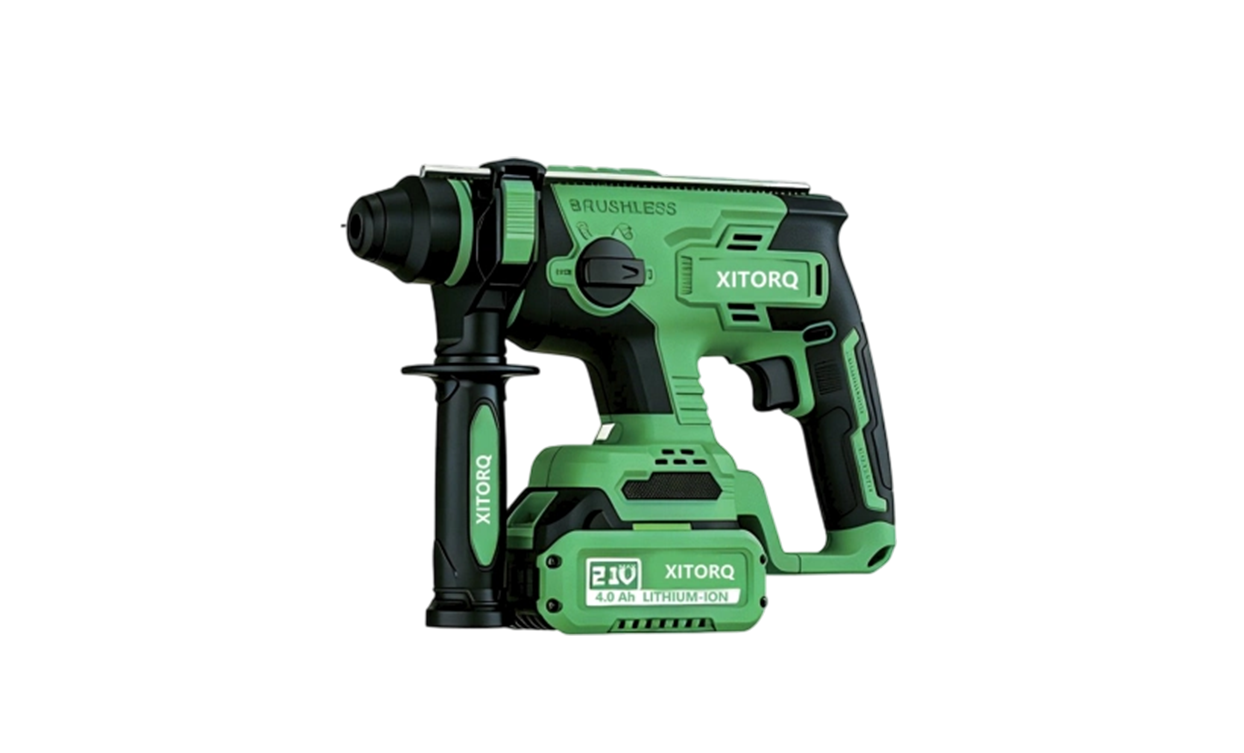
The XJ.709 21V lithium-ion high-magnetic brushless rotary hammer is an industrial-grade hammer from the Xiaojia brand. Equipped with a high-magnetic b...
See Details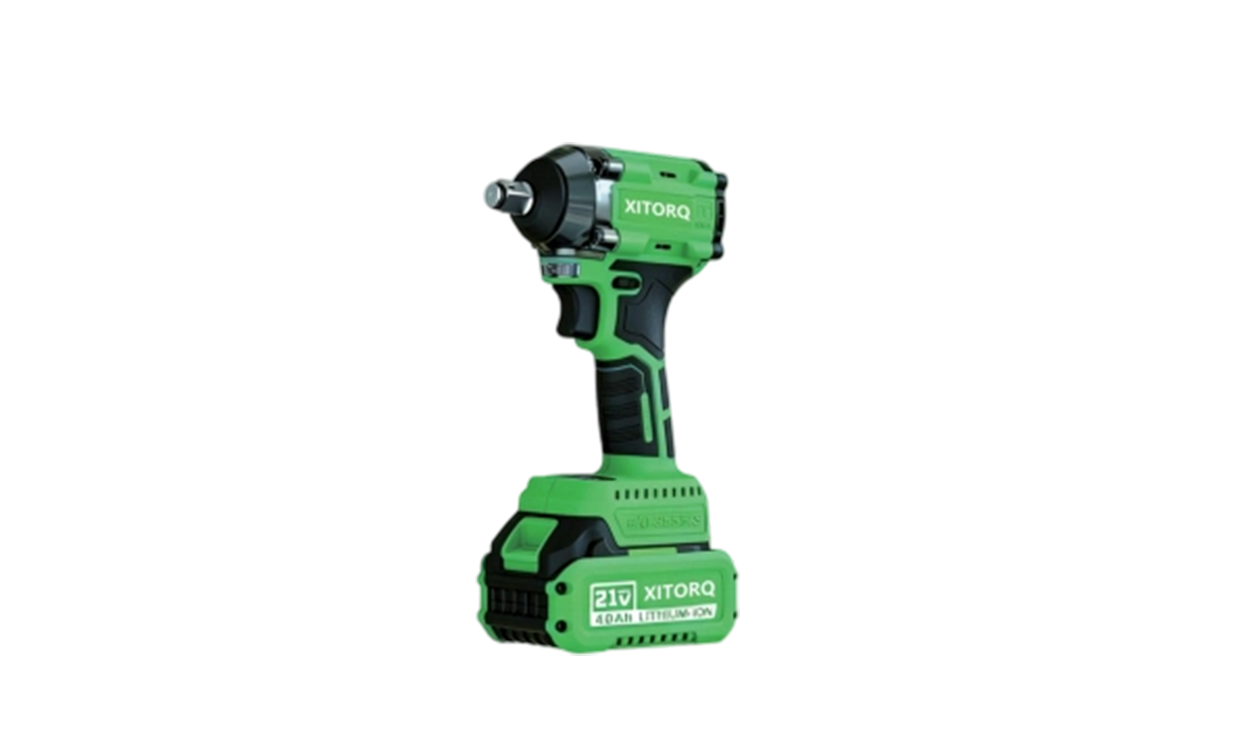
The XJ.523 21V lithium-ion brushless impact wrench is a heavy-duty industrial-grade tool from the Xiaojia brand. Powered by a high-power brushless mot...
See Details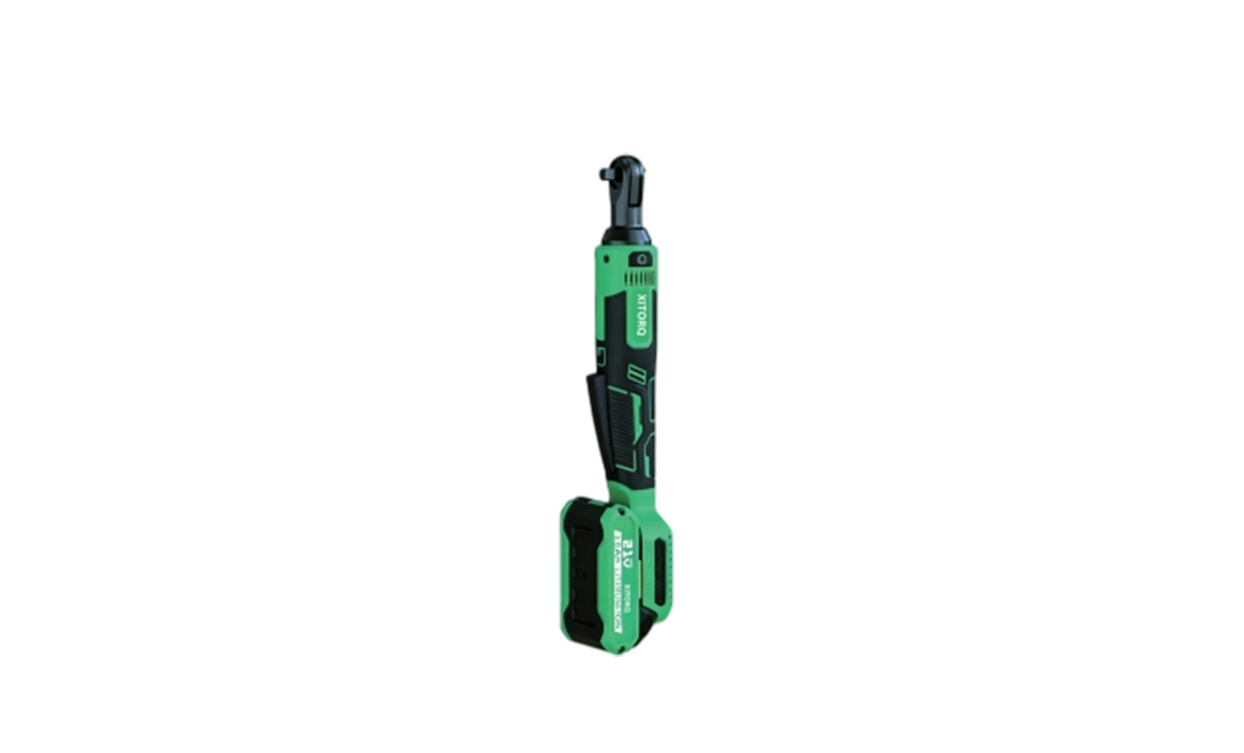
The XJ.592 16V brushless angle ratchet wrench is a compact industrial-grade ratchet from the Xiaojia brand. Equipped with a 16V brushless motor and an...
See Details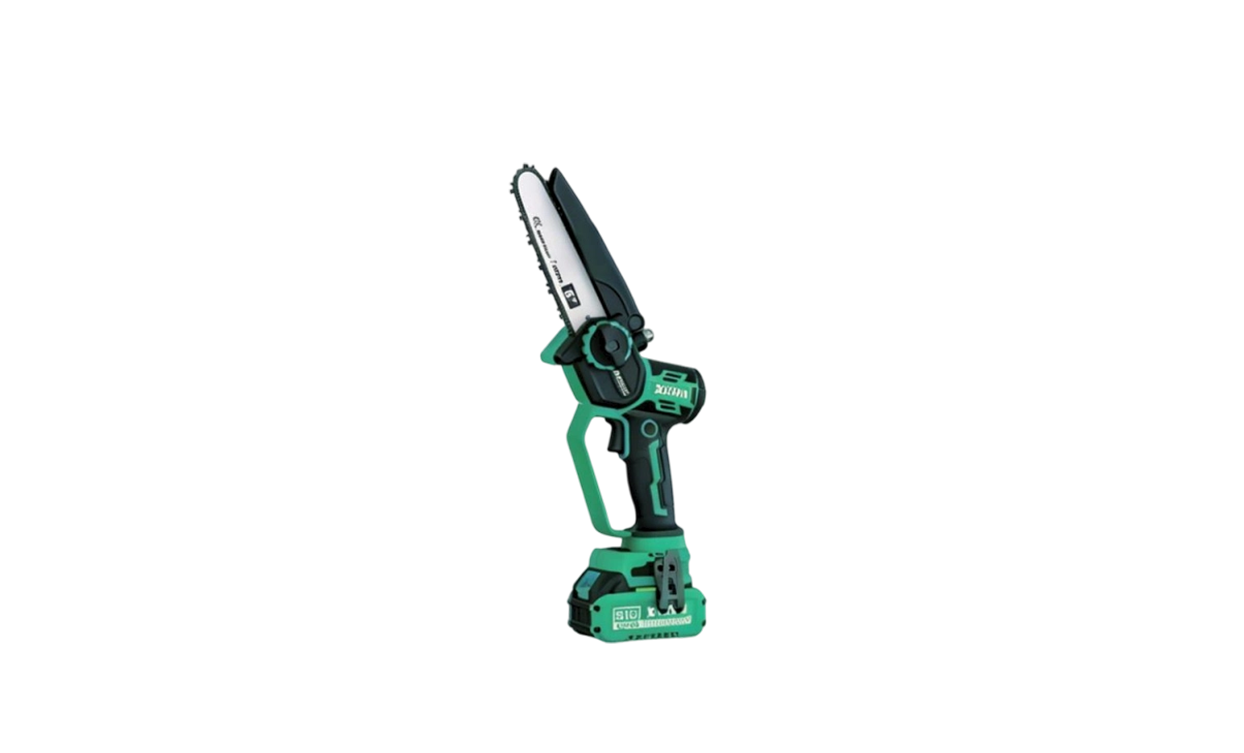
The XJ.206 16V 6" brushless electric chainsaw is a mid-sized lithium-ion chainsaw from the Xiaojia brand. Powered by a 16V brushless motor with a 6" g...
See Details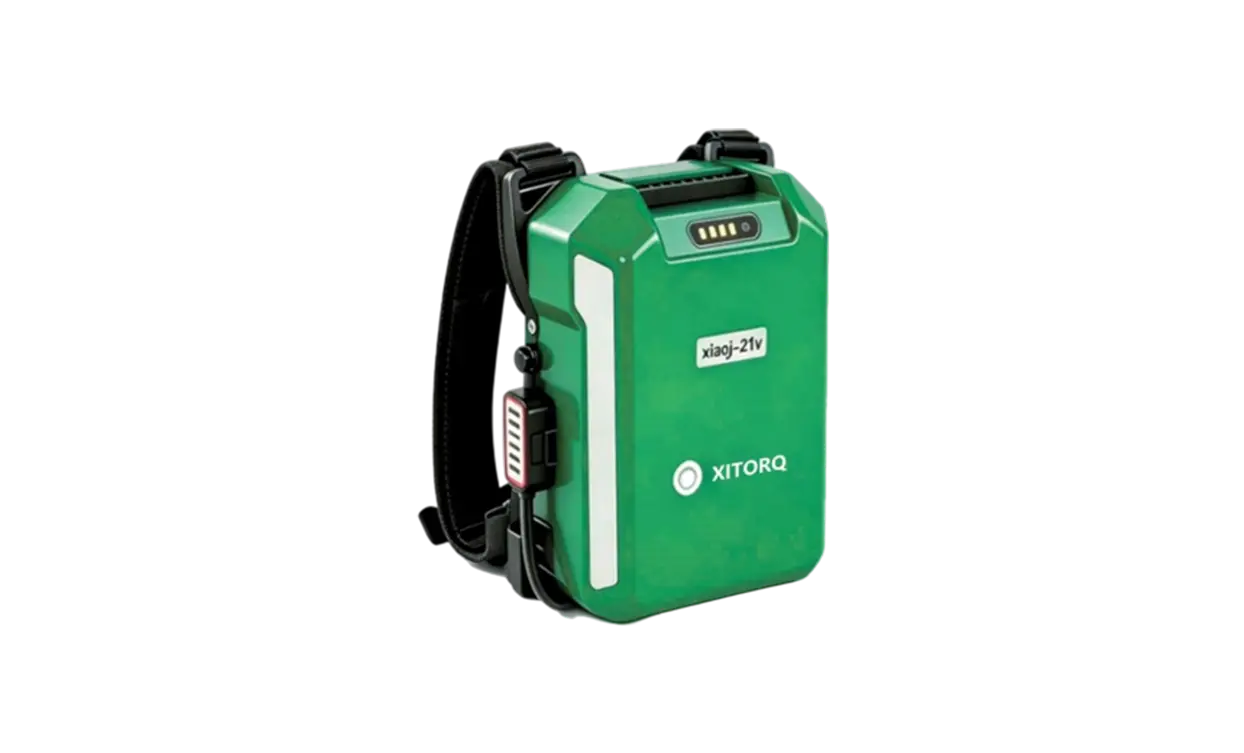
This backpack lithium battery pack is a large-capacity portable power supply designed for extended continuous operation of power tools. Using high-rat...
See Details
Copyright © by Hangzhou Xinabo Intelligent Electromechanical Technology Co., Ltd Rights Reserved. Pipe Threaders Manufacturers