 English
 Español
 عربى
عربى


Frequency Conversion Metal Cold Cutting Saw
1. Next generation performance, delivering over 3,500 precise cuts with every blade 2. Intelligent Motor Technology 3. Precision Shadow Line Guide 4. ...
See Details
Content
In a conventional lubricated compressor, oil migrates past the piston rings into the air stream. Even with downstream filtration, thermal cycling and moisture dilute filter efficiency, allowing microscopic aerosols through. An oil-free piston air compressor eliminates this risk at the source. The cylinder operates without liquid lubricants, relying instead on low-friction, heat-resistant seal materials like PTFE compounds. For food packaging, pharmaceutical tablet coating, or electronics assembly, this translates directly to the elimination of contact contamination. A single product recall caused by oil contamination often exceeds the capital cost of upgrading to an oil-free system.
Mastering the crankshaft and piston assembly without oil demands advanced material science. The critical component here is the self-lubricating piston ring. These are not simple plastic rings; they are engineered composites capable of withstanding friction coefficients that would gall a metal-to-metal contact point in seconds. The cylinder bore typically receives a dry lubricant coating, such as nickel-silicon carbide. Heat dissipation becomes the primary challenge. High-quality units feature elaborate intercooling fins and direct-coupled motor fans to keep the piston crown temperature below the degradation point of the ring material.
The lifespan of a dry-running piston ring correlates directly with operating temperature. Tests show that for every **10°C rise above 180°C** in the compression chamber, the wear rate of standard filled PTFE rings can accelerate by nearly 50%. Premium oil-free designs counteract this by integrating larger cylinder head surface areas and directing ambient air over the valve plate. This technical approach allows a quality-sealed bearing set and ring assembly to run reliably for **4,000 to 8,000 hours** before a top-end rebuild is required, a figure competitive with many splash-lubricated units.
Evaluating the acquisition cost alone misses the operational reality. Filtration arrays for lubricated compressors represent a hidden, recurring chemical cost. The numbers shift the narrative decisively toward oil-free technology when analyzed over a five-year lifecycle.
| Cost Factor | Lubricated (with Coalescing Filters) | Oil-Free Piston |
|---|---|---|
| Initial Equipment Outlay | Lower | Higher (15-25% premium) |
| Oil & Filter Changes | High recurring cost | None |
| Condensate Disposal | Regulated/treatment required | Direct drain-safe |
| 5-Year Total Cost | Often exceeds oil-free unit | Lower net spend |
The absence of condensate treatment alone simplifies environmental compliance. Used oil filters and sludgy condensate require hazardous waste manifests in many jurisdictions. The oil-free piston air compressor bypasses this administrative load entirely.
While clean air is universally desirable, there are sectors where an oil-free piston air compressor shifts from a preference to a production necessity. The risk of hydrocarbon carryover manifests differently across industries.
Gas chromatography analyzers demand zero background hydrocarbons. Even trace oil vapor skews column performance and baseline noise. Similarly, dental compressor systems requiring point-of-use air must avoid blowing atomized petroleum into open gingival tissue. An oil-less design safeguards both the instrument sensitivity and the patient.
In direct-contact processes, such as PET bottle blowing or draft beverage pushing, oxygen reacts with oil aerosols under pressure. This taints flavor profiles and aroma. Breweries often report that switching to carbon ring oil-free piston technology eradicates a subtle “oily” carryover note, preserving hop character definition.
A common misperception equates “oil-free” with “no maintenance.” The reality is different: the lubricant reservoir moves from the crankcase to the solid ring material. The machine wears by sacrificing the low-friction piston ring and the guide bearing. Planning maintenance around this sacrificial wear is strategic.
Adhering to these intervals prevents catastrophic bore scoring, which remains the single largest repair cost for this technology.
Not all oil-free piston compressors are built for continuous runs. The thermal soak-back during a 100% duty cycle destroys standard aluminum rings. When specifying a unit, look beyond the nameplate horsepower. The meaningful number is the motor’s service factor and the manufacturer’s stated “run time percentage.” A dual-pump, duplex configuration often provides a smarter solution than a single large pump. Alternating the lead pump halves the wear rate per head while delivering continuous pressure.
The absence of an oil sump does not inherently lower the mechanical clatter of the piston impacting the cylinder head. In fact, lightweight dry pumps often generate higher frequency noise, ranging from 78 to 85 dBA at one meter. Engineering controls such as intake silencers and sound-dampening cabinets become especially important. Direct comparison data demonstrates that encapsulated oil-free piston units can achieve a noise reduction of **up to 10 dBA**, translating to a halving of perceived loudness for the operator.
Justifying the oil-free piston air compressor requires recalibrating value beyond the physical machine. Air purity preserves downstream equipment. A filtration system valued at thousands of dollars may never saturate without oil slugs. Product bleed rates drop. The overarching advantage lies in risk mitigation. When zero oil contact is the only acceptable standard, these compressors deliver that guarantee natively without relying on the consistent performance of a filter element. The technology succeeds because it solves a chemical problem mechanically, right at the compression chamber.
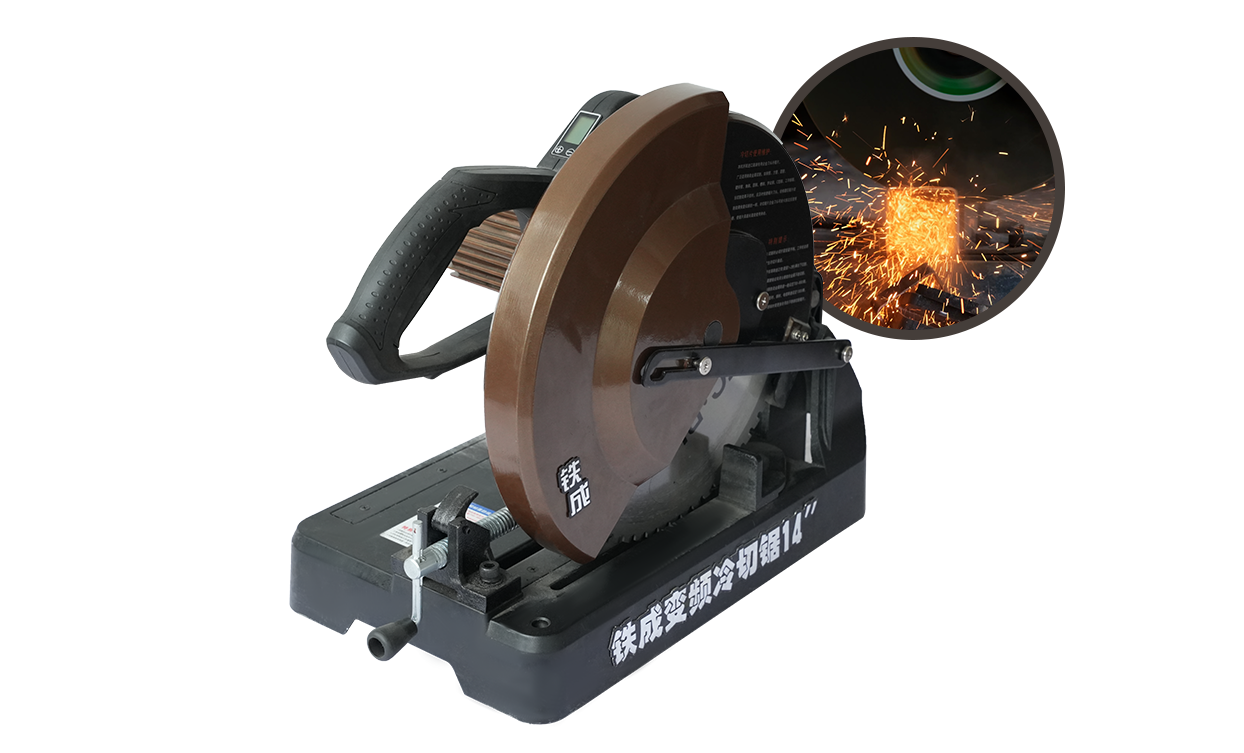
1. Next generation performance, delivering over 3,500 precise cuts with every blade 2. Intelligent Motor Technology 3. Precision Shadow Line Guide 4. ...
See Details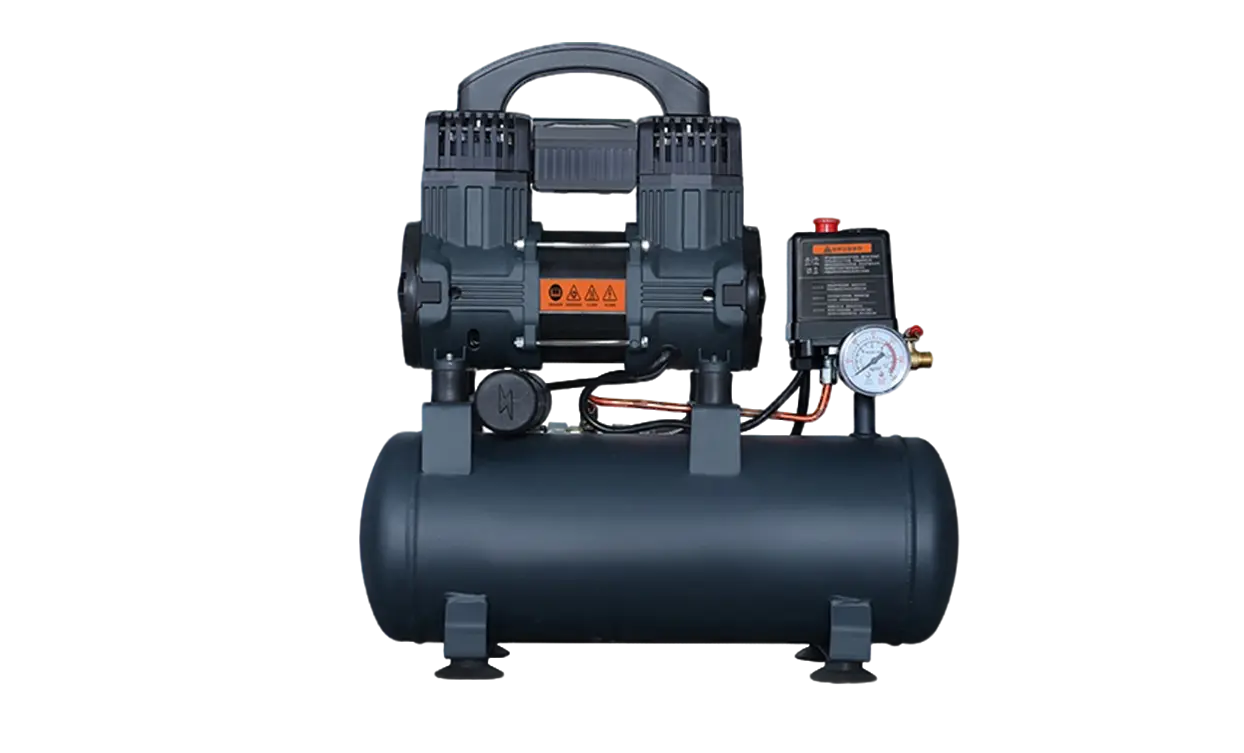
The F1200 Series Air Compressor is engineered for reliable, cost-effective compressed air supply, core to which are its high-efficiency oil-free desig...
See Details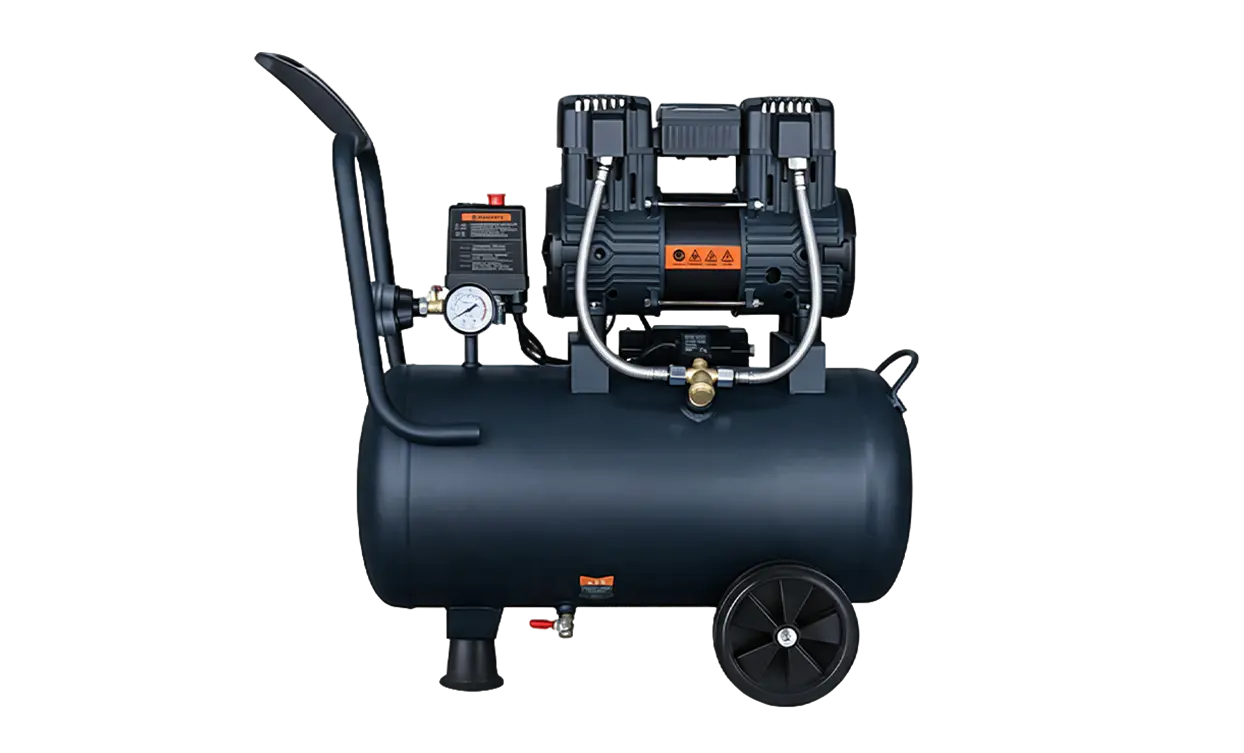
The F1680 Series Air Compressor is engineered for stable and efficient air supply, featuring core technologies of multi-cylinder compression, rapid ai...
See Details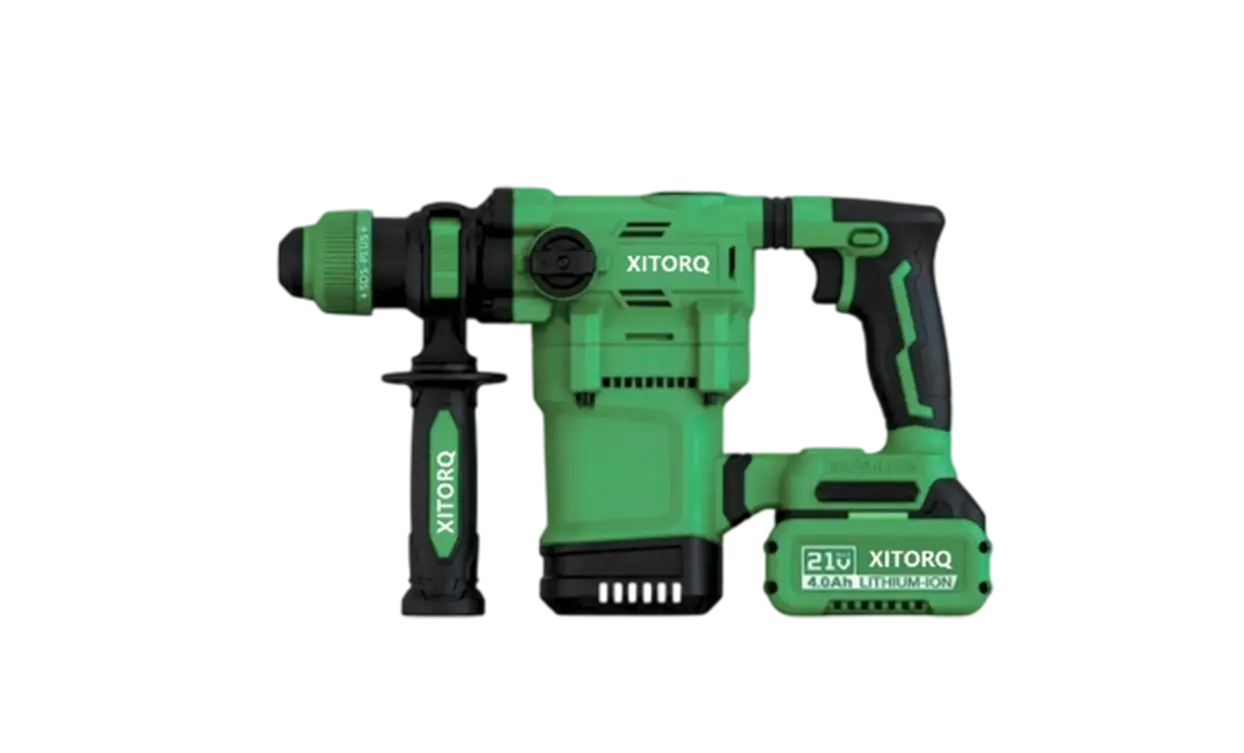
This 21V lithium-ion brushless rotary hammer is an industrial-grade tool designed for drilling and chiseling in concrete, stone, and other hard materi...
See Details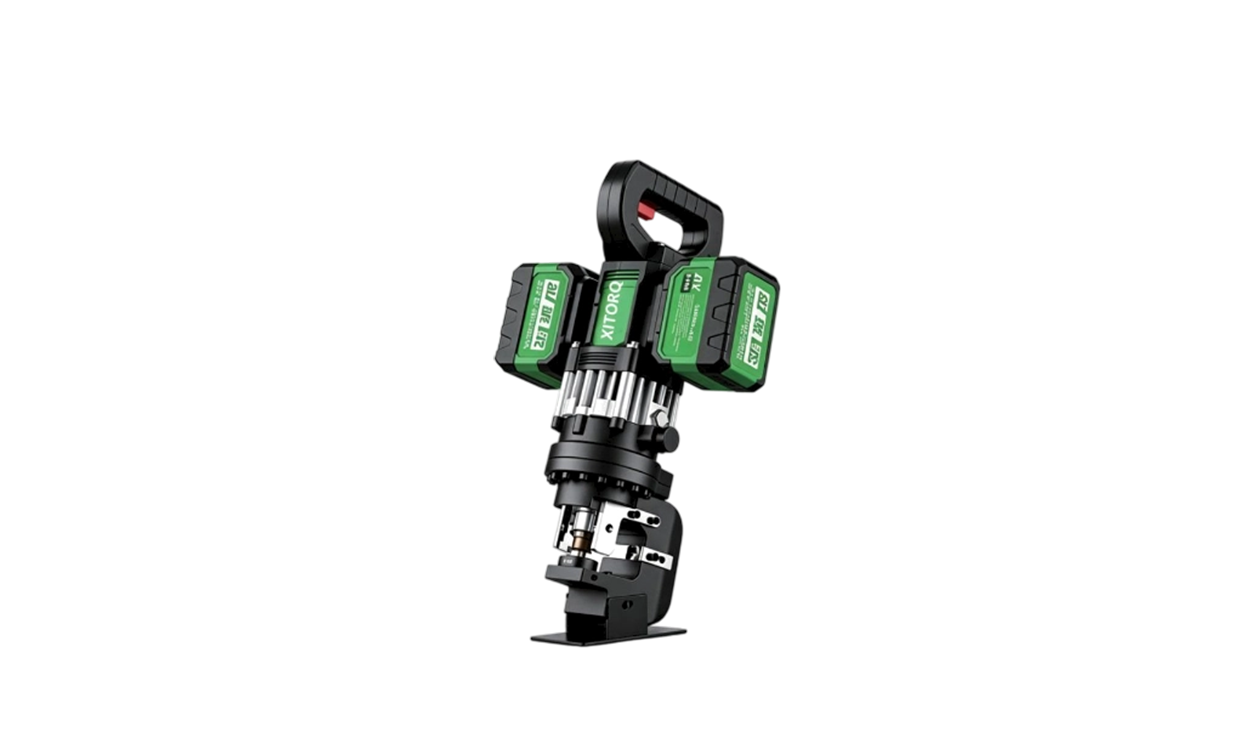
This 21V lithium-ion channel steel hole puncher is a portable hydraulic punching tool designed for punching holes in channel steel, angle steel, steel...
See Details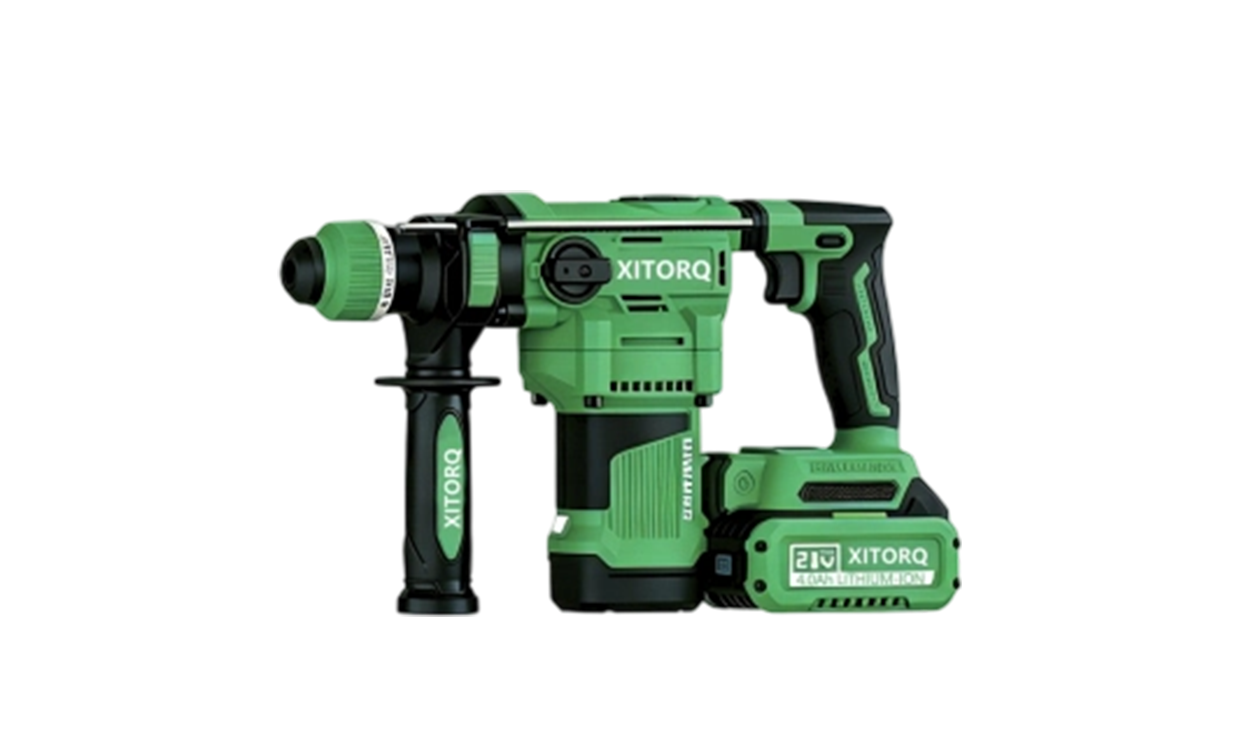
The XJ.728 21V lithium-ion high-magnetic brushless rotary hammer is a heavy-duty industrial-grade hammer from the Xiaojia brand. Featuring an upgraded...
See Details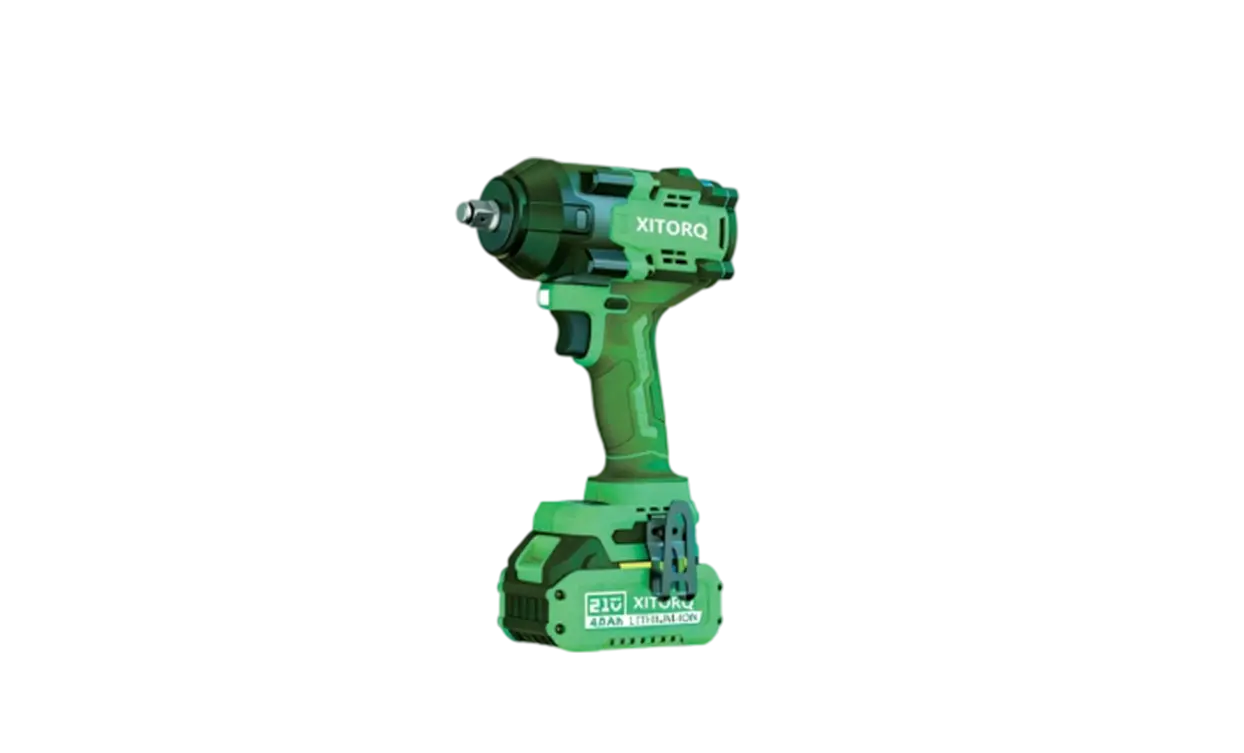
The XJ.580 21V lithium-ion brushless impact wrench is a medium-duty industrial-grade tool from the Xiaojia brand. Featuring an upgraded brushless moto...
See Details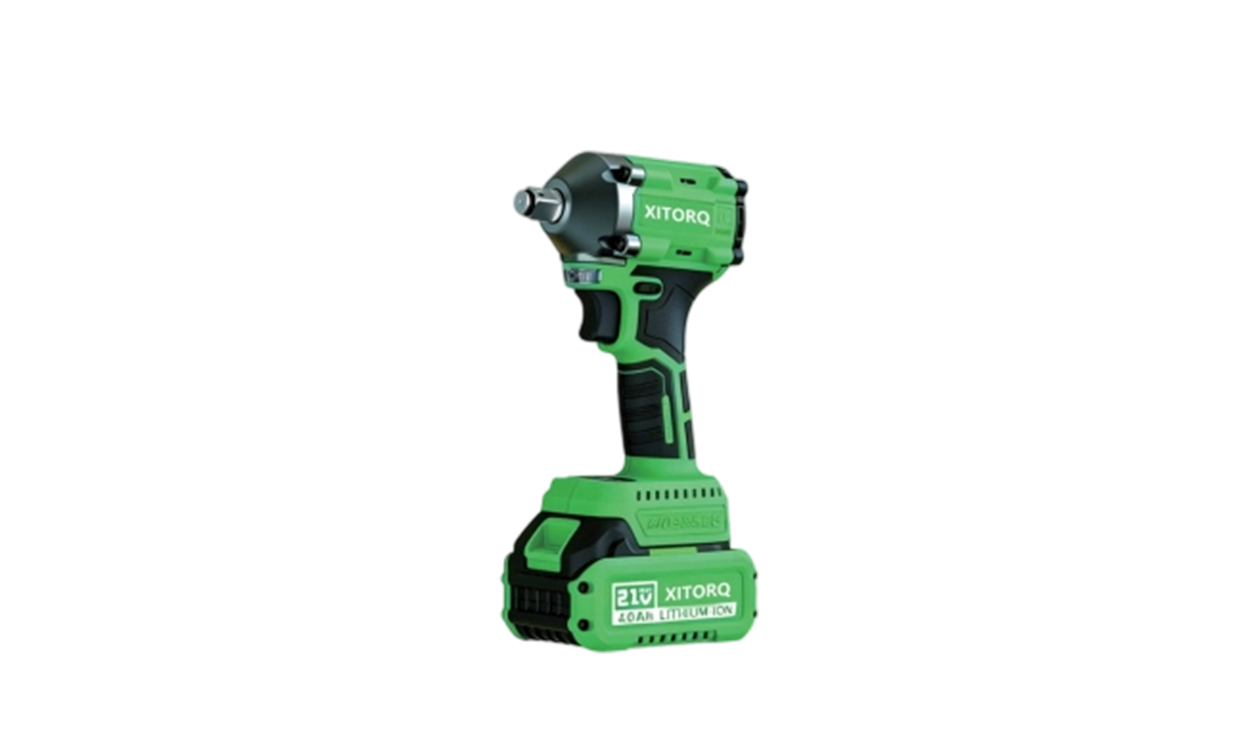
The XJ.533 21V lithium-ion brushless impact wrench is a 21V battery-powered cordless tool from the Xiaojia brand, combining the extended runtime of co...
See Details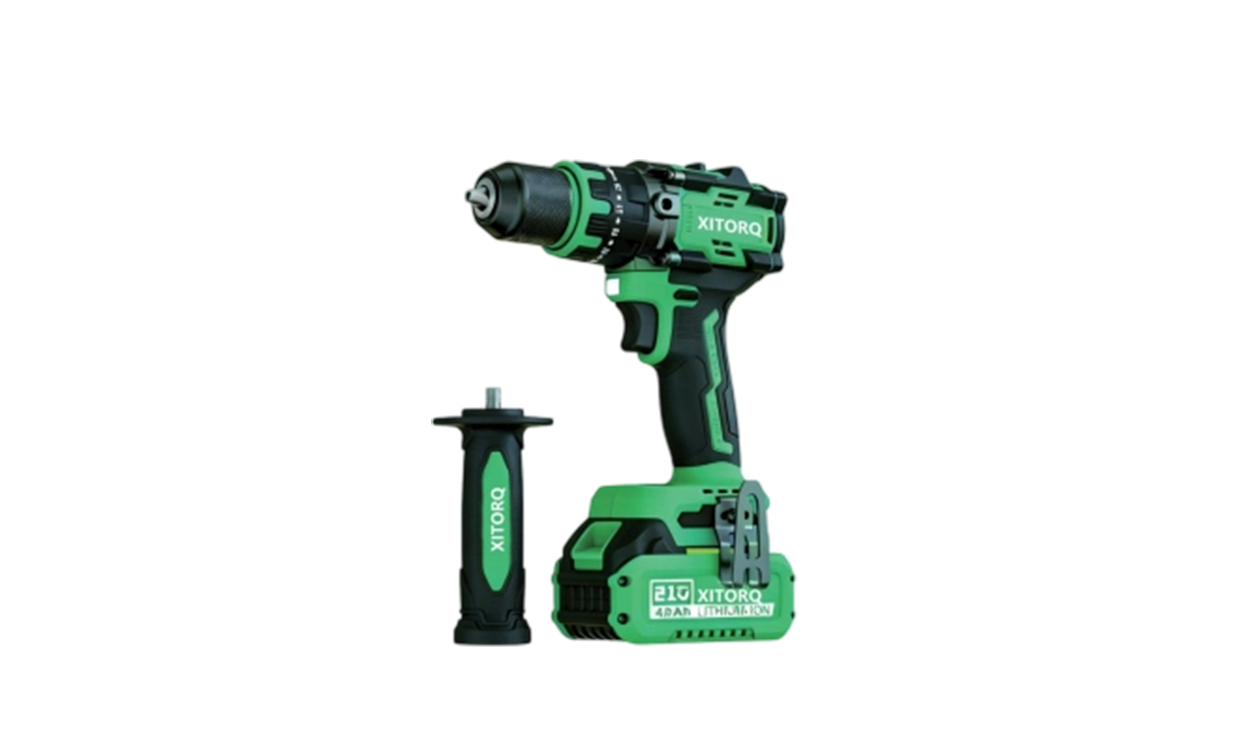
The XJ.608 21V lithium-ion brushless hammer drill/driver is a versatile industrial-grade cordless drill from the Xiaojia brand. Featuring a brushless ...
See Details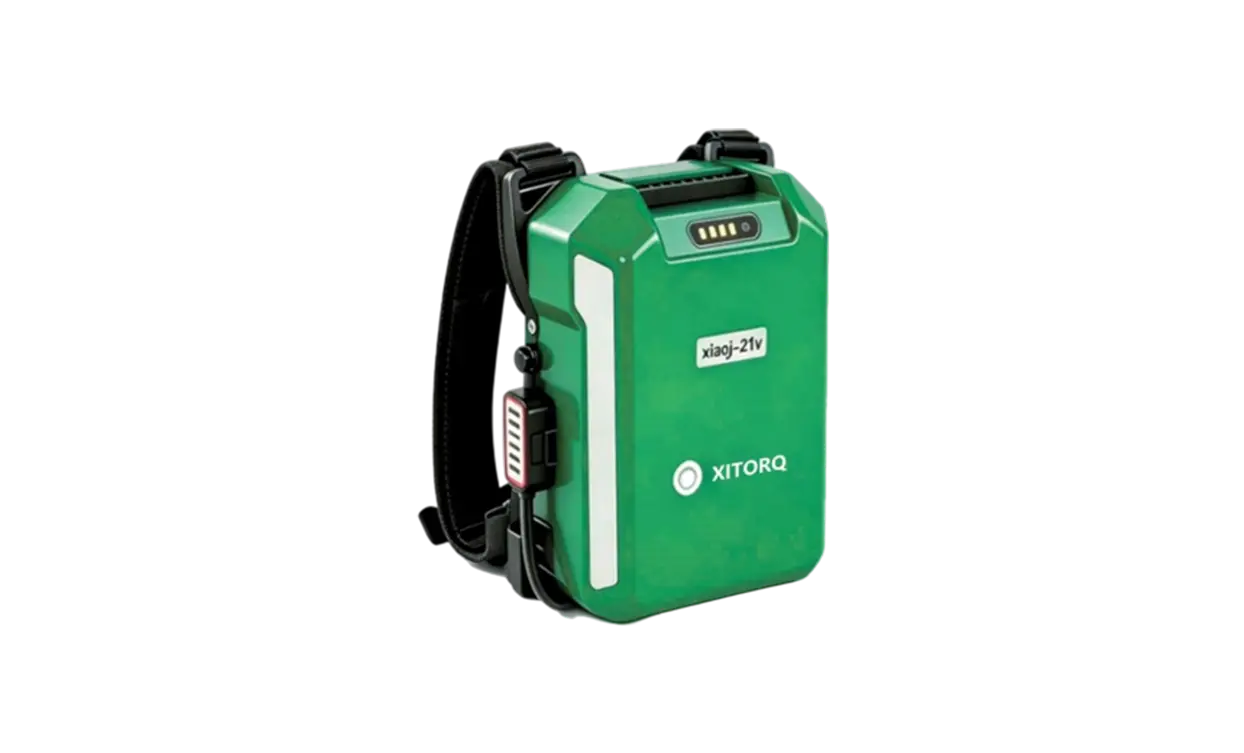
This backpack lithium battery pack is a large-capacity portable power supply designed for extended continuous operation of power tools. Using high-rat...
See Details
Copyright © by Hangzhou Xinabo Intelligent Electromechanical Technology Co., Ltd Rights Reserved. Pipe Threaders Manufacturers