 English
 Español
 عربى
عربى


F1200 Series Air Compressor
The F1200 Series Air Compressor is engineered for reliable, cost-effective compressed air supply, core to which are its high-efficiency oil-free desig...
See Details
Content
An intelligent pipe twisting machine directly reduces production cycle time by up to 40% while maintaining a bending accuracy threshold of ±0.1 degrees. This is not a future projection but a verified outcome from modern fabrication facilities that have integrated closed-loop feedback systems and adaptive path programming. The core benefit is the elimination of manual recalibration between jobs, transitioning from operator-dependent skill to process-controlled consistency.
For manufacturers handling complex multi-bend tubes in sectors such as automotive fuel lines, HVAC components, or structural frames, the measurable outcome is a drop in scrap rates from industry averages of 3-5% to below 0.5%. The following analysis details the technical mechanisms, data-backed performance gains, and structural decisions required to implement this technology effectively.
Traditional hydraulic or manual twisting machines operate on fixed over-bend angles to compensate for material springback, typically over-bending by 2 to 5 degrees depending on the tube's diameter-to-wall ratio. This method fails when material hardness varies by even 5-8%, resulting in rejected parts. An intelligent machine uses real-time angular torque monitoring at 1,000 Hz sampling rates.
The control algorithm detects the elastic recovery gradient during the dwell phase of the bend. For example, on a 12 mm OD 304 stainless steel tube with a 1.0 mm wall, the system measures the difference between the peak bending angle and the relaxed angle. Data from in-line production shows that adaptive systems reduce springback variance from ±0.7 degrees to ±0.12 degrees across 10,000 cycles. This consistency directly enables zero-splice assembly lines.
The intelligence in these machines derives from a three-layer data architecture: sensor acquisition, edge processing, and cloud analytics. Vibration sensors on the twisting head and torque transducers on the clamping die generate a baseline signature for each material batch. When a new batch exhibits a 7% increase in harmonic vibration at 120 Hz, the system flags potential die wear or lubrication loss before a single out-of-tolerance part is produced.
A case study from a heat exchanger manufacturer recorded a 62% reduction in unplanned downtime after deploying such predictive models, shifting maintenance from reactive to scheduled 15-minute interventions during shift changes.
The operational advantage becomes explicit when comparing a three-bend, two-twist cycle on 15 mm copper tube. The conventional machine requires manual measurement after each bend, operator adjustment, and a secondary correction pass. The intelligent machine performs all steps in a single, uninterrupted sequence using synchronized axes.
| Parameter | Conventional Hydraulic Twist | Intelligent Pipe Twisting Machine |
|---|---|---|
| Machine cycle time (seconds) | 48 | 29 |
| Manual inspection & correction (seconds) | 35 | 6 |
| Total per part (seconds) | 83 | 35 |
| First-pass yield | 88.5% | 99.3% |
This translates to a 57.8% reduction in total processing time per part and a tenfold decrease in rework labor. The difference is most pronounced on thin-walled tubes where conventional machines risk collapse due to over-bending.
Not all tubes respond identically to intelligent twisting. The machine's effectiveness depends on a pre-mapped relationship between four critical inputs: material yield strength (MPa), wall thickness (mm), bend radius ratio, and twist angle (degrees). An intelligent system stores these as digital twins for instant recall.
A fabrication shop that transitioned from manual to intelligent twisting on 2,000 aluminum tubes per shift reported a material waste reduction from 84 parts per shift to only 11, directly saving $1,470 per week in raw material costs at current market rates.
Adopting this technology requires more than purchasing a new twisting head. The infrastructure for data collection and operator retraining is critical. Below is a validated sequence from a recent integration at a medium-scale HVAC component plant.
The plant achieved full production ramp-up within 14 days, and the payback period on the intelligent machine investment was calculated at 8.2 months based on labor savings and scrap reduction alone.
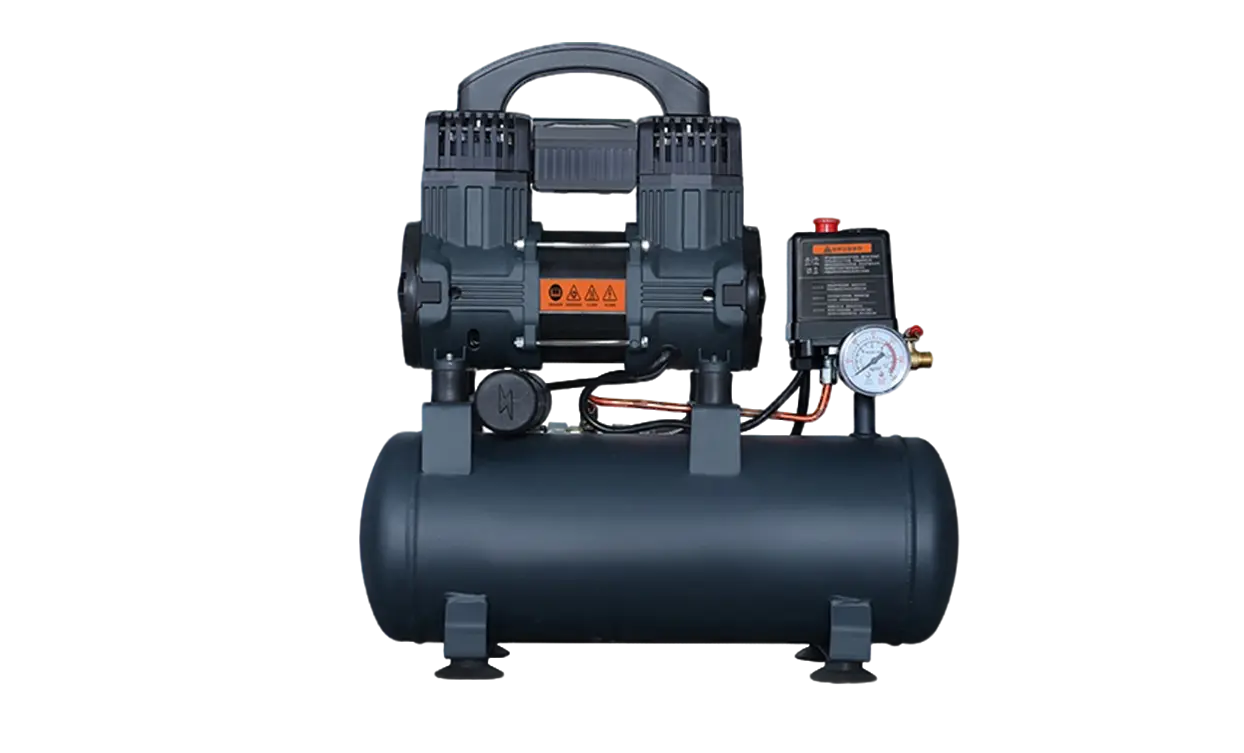
The F1200 Series Air Compressor is engineered for reliable, cost-effective compressed air supply, core to which are its high-efficiency oil-free desig...
See Details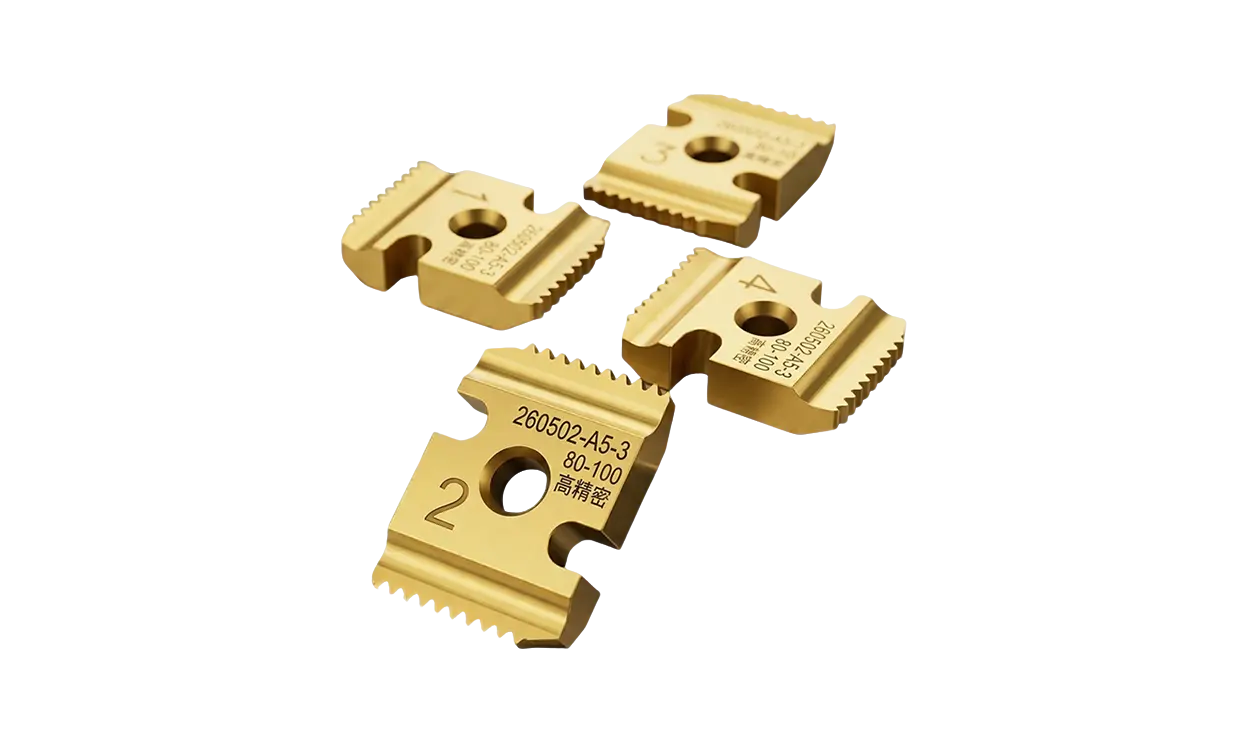
Specialized Compatibility: Exclusively designed for intelligent threading machines, the dies feature a high precision-machined structure that perfectl...
See Details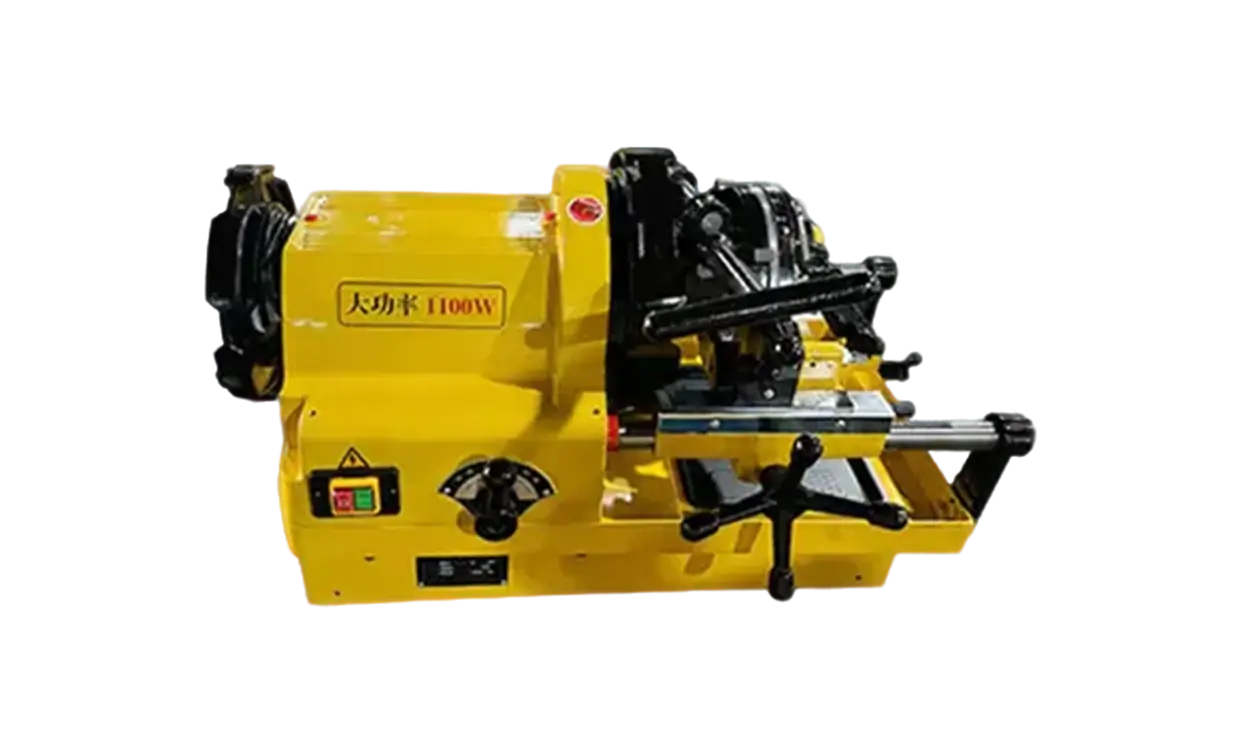
This SQ100 4-inch 15-100mm dual-speed electric pipe threading machine is engineered for precise and efficient pipe threading operations, with a workin...
See Details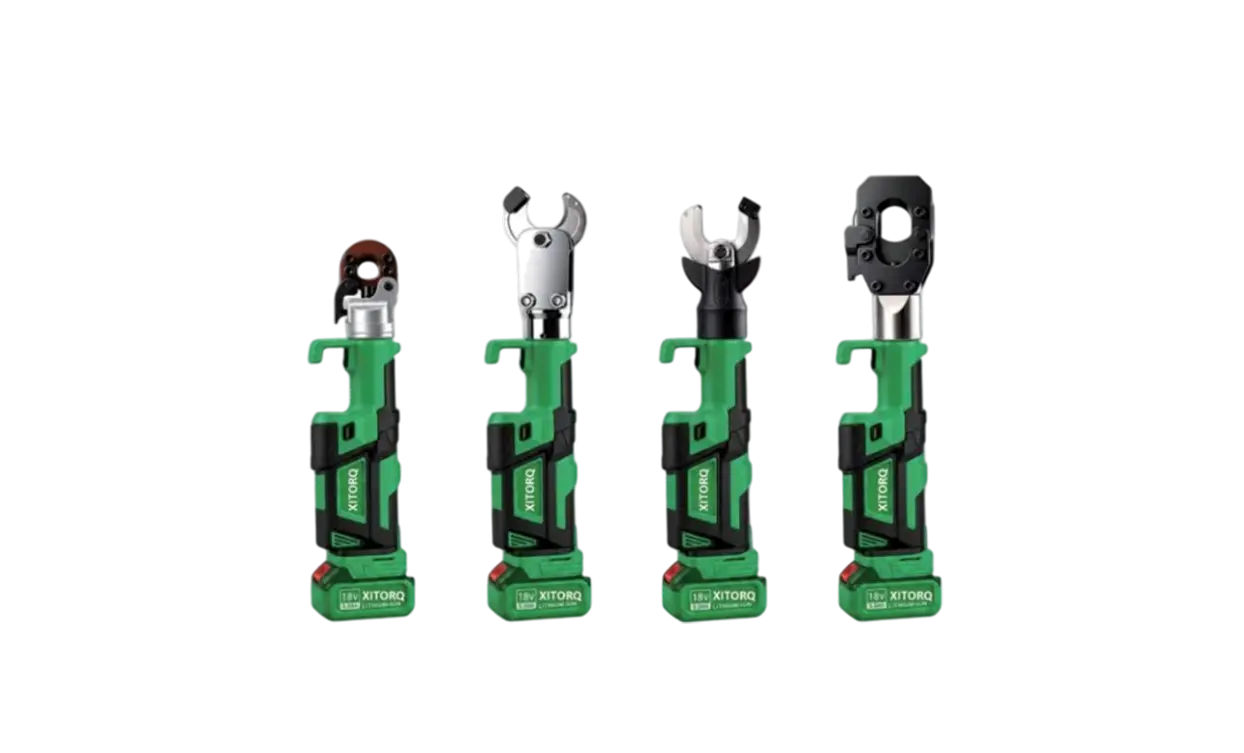
This 18V lithium-ion industrial cable cutter is a professional tool designed for large-diameter cable cutting. It features a brushless lithium-ion pow...
See Details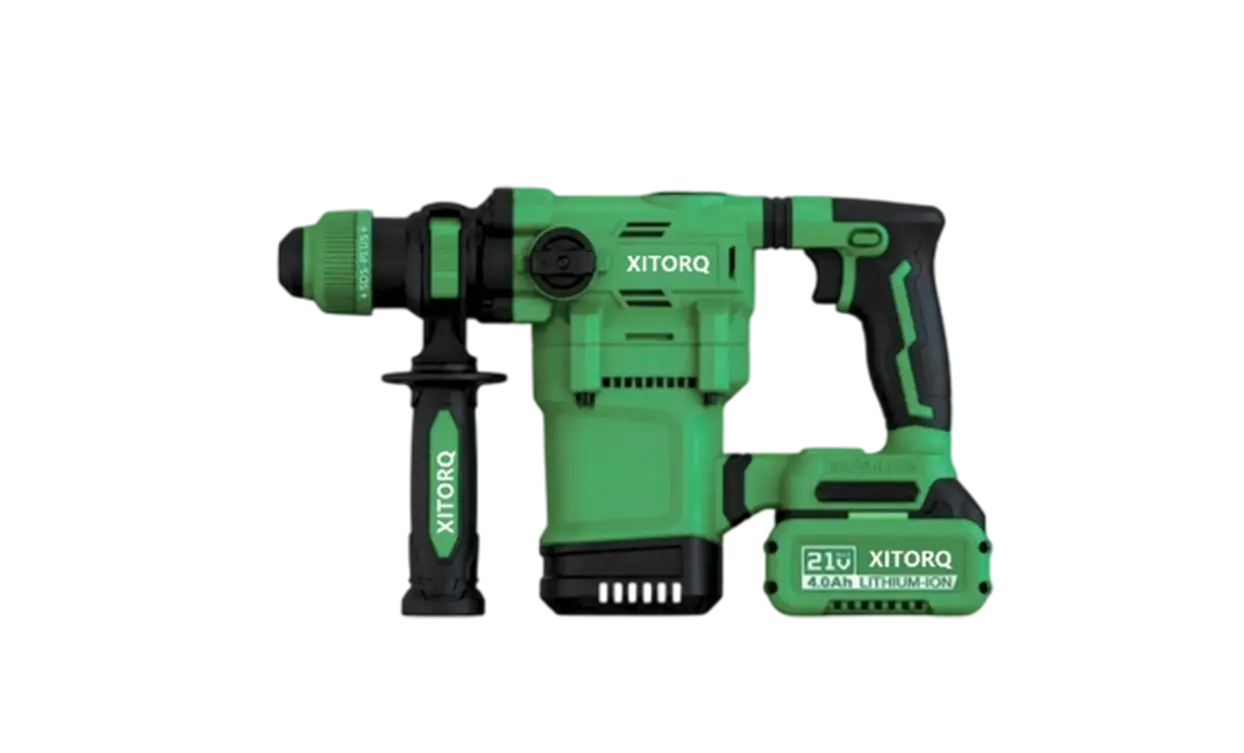
This 21V lithium-ion brushless rotary hammer is an industrial-grade tool designed for drilling and chiseling in concrete, stone, and other hard materi...
See Details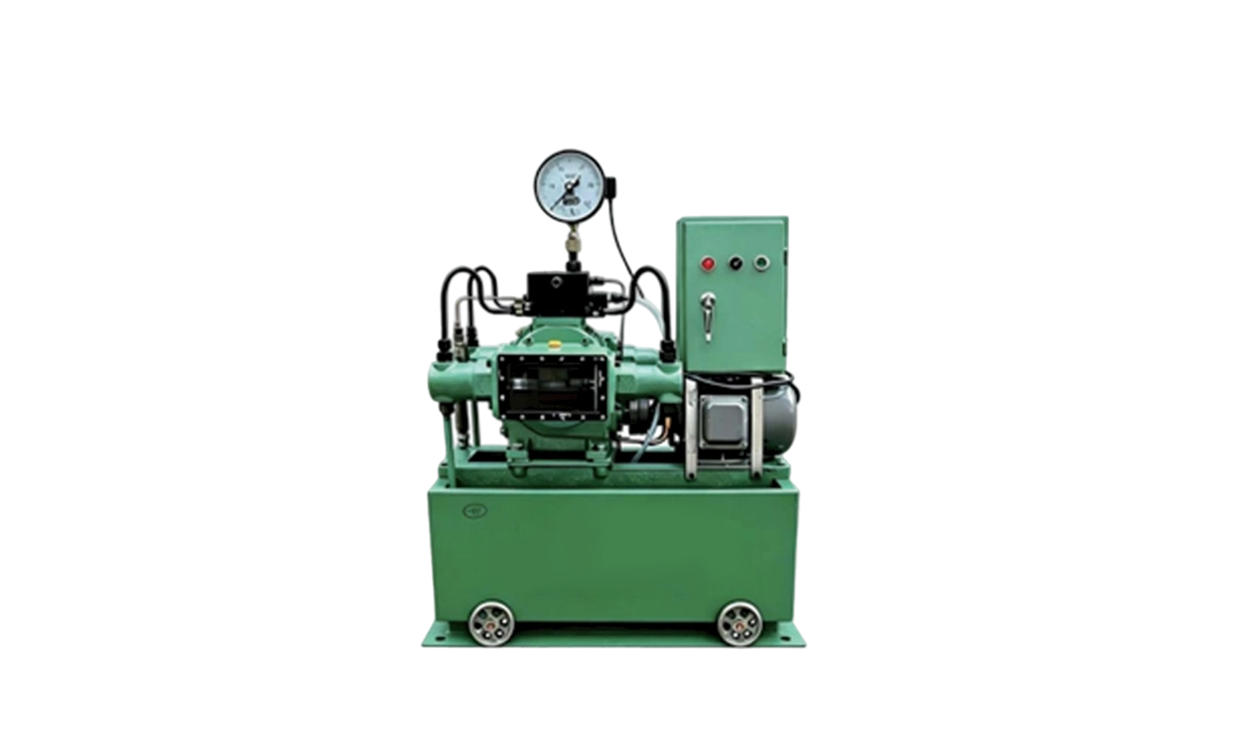
This 380V electric pressure test pump is a professional device designed for hydrostatic pressure testing and leak detection of pipes, valves, pressure...
See Details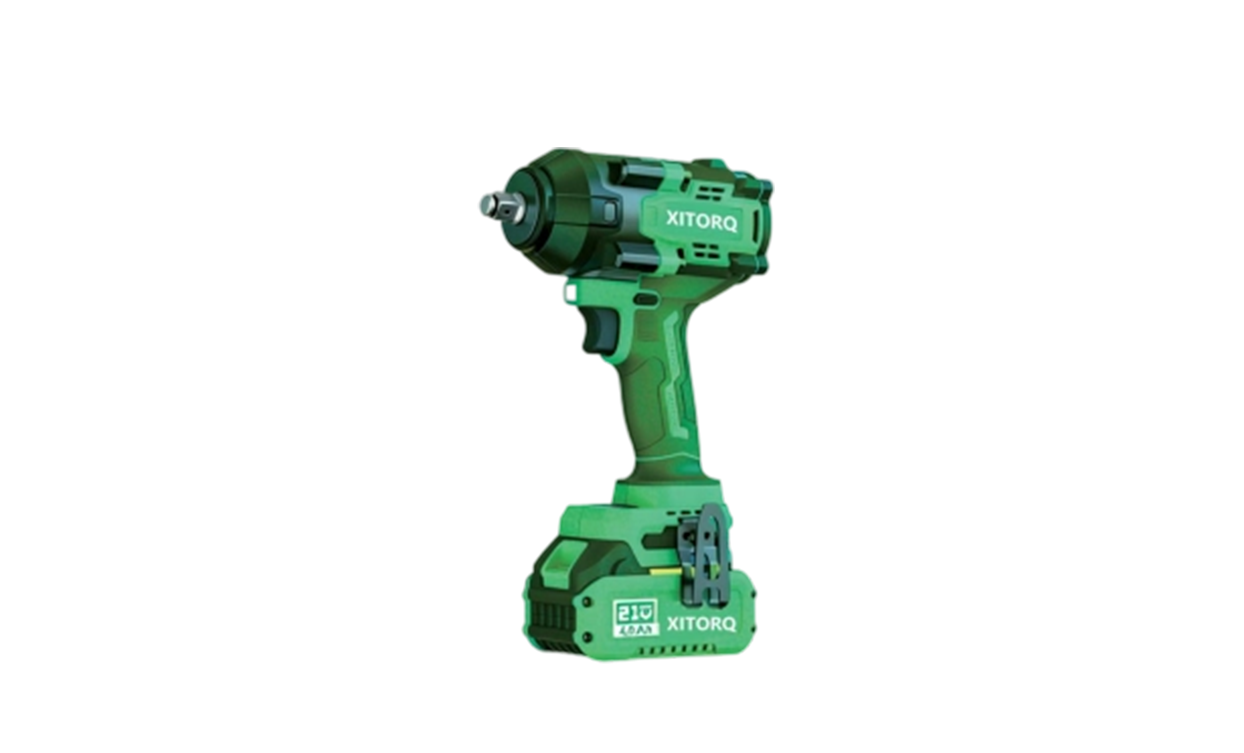
The XJ.570 21V lithium-ion brushless impact wrench is a light industrial-grade tool from the Xiaojia brand. Equipped with a 5220 brushless motor and p...
See Details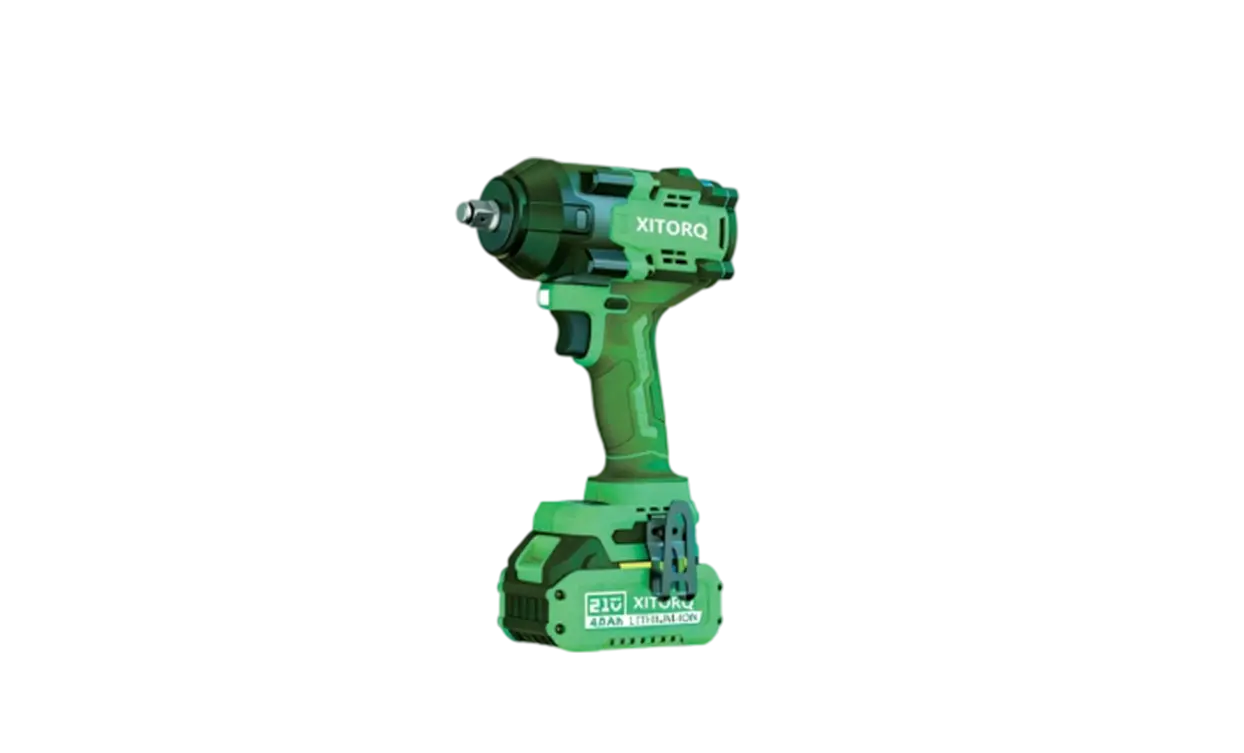
The XJ.580 21V lithium-ion brushless impact wrench is a medium-duty industrial-grade tool from the Xiaojia brand. Featuring an upgraded brushless moto...
See Details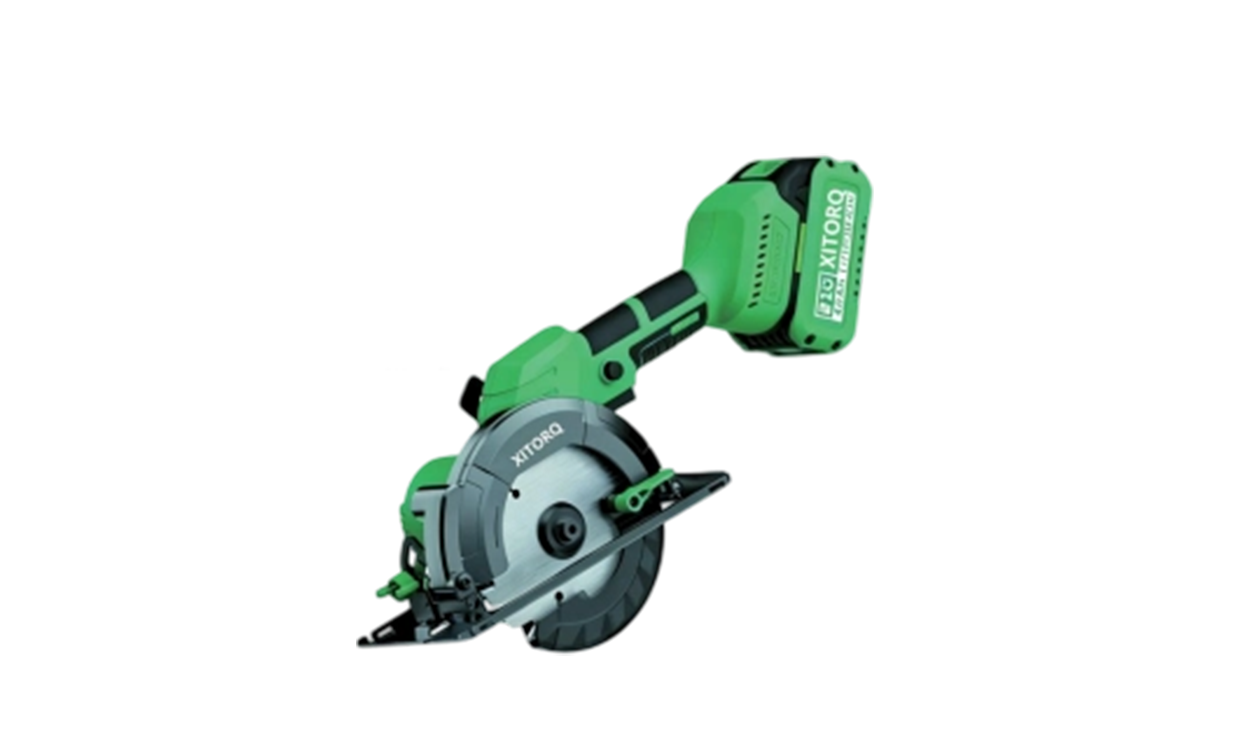
The XJ.853 21V lithium-ion high-magnetic brushless circular saw is an industrial-grade handheld circular saw from the Xiaojia brand. Featuring a high-...
See Details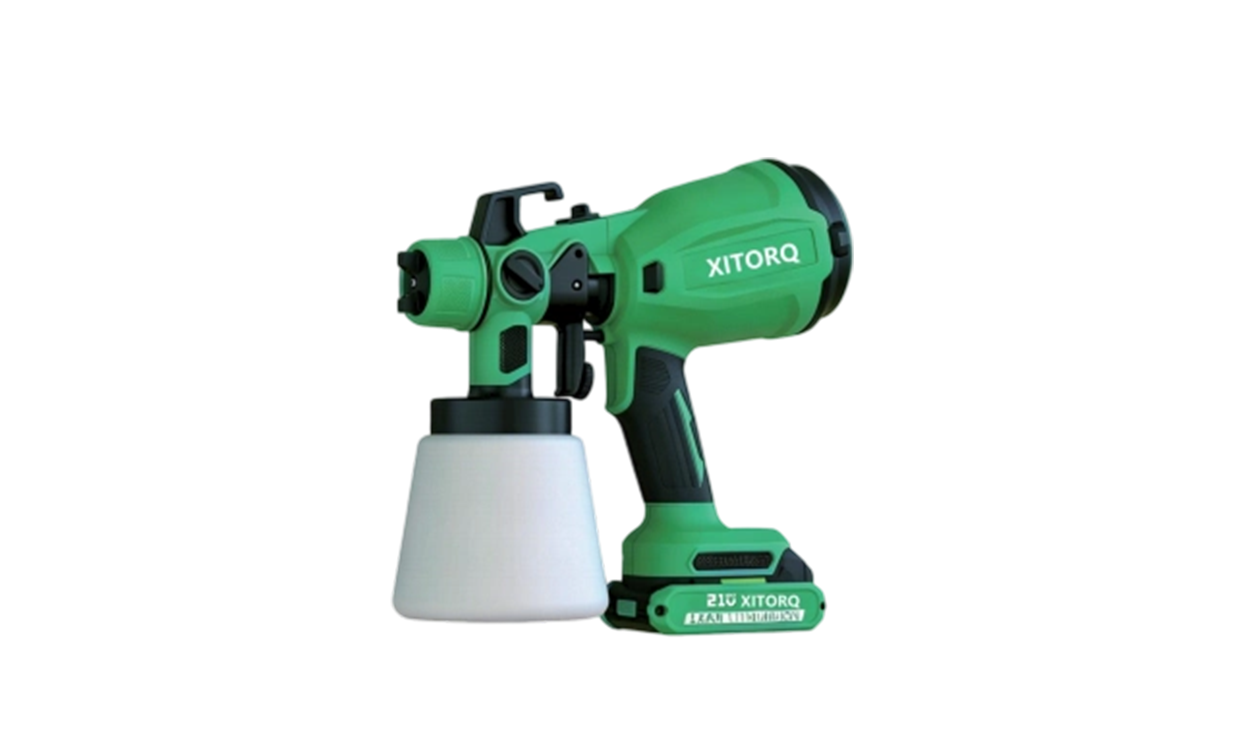
The 21V lithium-ion spray gun MT is an industrial-grade cordless spray gun from the Xiaojia brand. Featuring an upgraded brushless motor with enhanced...
See Details
Copyright © by Hangzhou Xinabo Intelligent Electromechanical Technology Co., Ltd Rights Reserved. Pipe Threaders Manufacturers