
 English
 Español
 عربى
عربى


Frequency Conversion Metal Cold Cutting Saw
1. Next generation performance, delivering over 3,500 precise cuts with every blade 2. Intelligent Motor Technology 3. Precision Shadow Line Guide 4. ...
See Details
Content
An Intelligent Threading Machine is designed to combine automation, precision control, and adaptive technology to produce consistent internal and external threads across a wide range of materials. When combined with modern control systems and sensors, this type of threading machine significantly reduces manual intervention while improving repeatability and production efficiency. This article focuses on practical usage, configuration, and real manufacturing benefits rather than abstract concepts.
The main function of an Intelligent Threading Machine is to cut, form, or roll threads with controlled torque, speed, and depth. Unlike conventional tapping machines, intelligent systems monitor tool load, spindle speed, and material resistance in real time. This allows the machine to automatically adjust parameters to avoid tap breakage and thread defects.
These machines are widely used in CNC threading machine setups, automated production lines, and flexible manufacturing cells. They are suitable for high-mix, low-volume production as well as large-scale industrial threading applications.
Servo-driven spindles are essential for intelligent threading. They provide precise torque feedback, enabling synchronized forward and reverse motion. This ensures accurate thread pitch and smooth entry and exit, even in blind holes or hard-to-machine materials such as stainless steel and titanium alloys.
Adaptive control systems analyze spindle load and cutting resistance in real time. If abnormal resistance is detected, the machine can slow down, retract, or stop automatically. This function protects threading tools and reduces scrap rates, making it ideal for automated threading processes.
Proper setup is critical to fully utilize an Intelligent Threading Machine. Operators should begin by selecting compatible threading tools and confirming material specifications. Tool holders must be aligned accurately to avoid radial runout, which can affect thread quality.
Once configured, the intelligent controller stores parameter sets, allowing quick changeovers between different thread sizes and materials. This is especially valuable in smart manufacturing environments with frequent job changes.
| Feature | Traditional Threading | Intelligent Threading Machine |
| Torque Monitoring | Manual or None | Real-time Automatic |
| Thread Consistency | Operator Dependent | Highly Repeatable |
| Production Speed | Moderate | High |
Intelligent threading machines are commonly used in automotive manufacturing, aerospace components, electronics housings, and heavy machinery production. In automotive assembly lines, they ensure uniform threads for engine blocks, transmission cases, and chassis components.
In aerospace and medical industries, where precision threading equipment is essential, intelligent systems reduce the risk of micro-cracks and dimensional errors. This helps manufacturers meet strict quality standards while maintaining productivity.
Regular maintenance ensures long-term reliability of an Intelligent Threading Machine. Key maintenance tasks include cleaning sensors, checking spindle alignment, and updating control software. Predictive maintenance features in advanced systems can alert operators before failures occur.
By reducing tool breakage, minimizing scrap, and shortening cycle times, an Intelligent Threading Machine delivers measurable cost savings. Automated threading also lowers labor dependency, allowing skilled operators to focus on process optimization rather than repetitive tasks.
For manufacturers aiming to adopt smart manufacturing machinery, integrating intelligent threading solutions is a practical step toward higher efficiency, consistent quality, and scalable production.
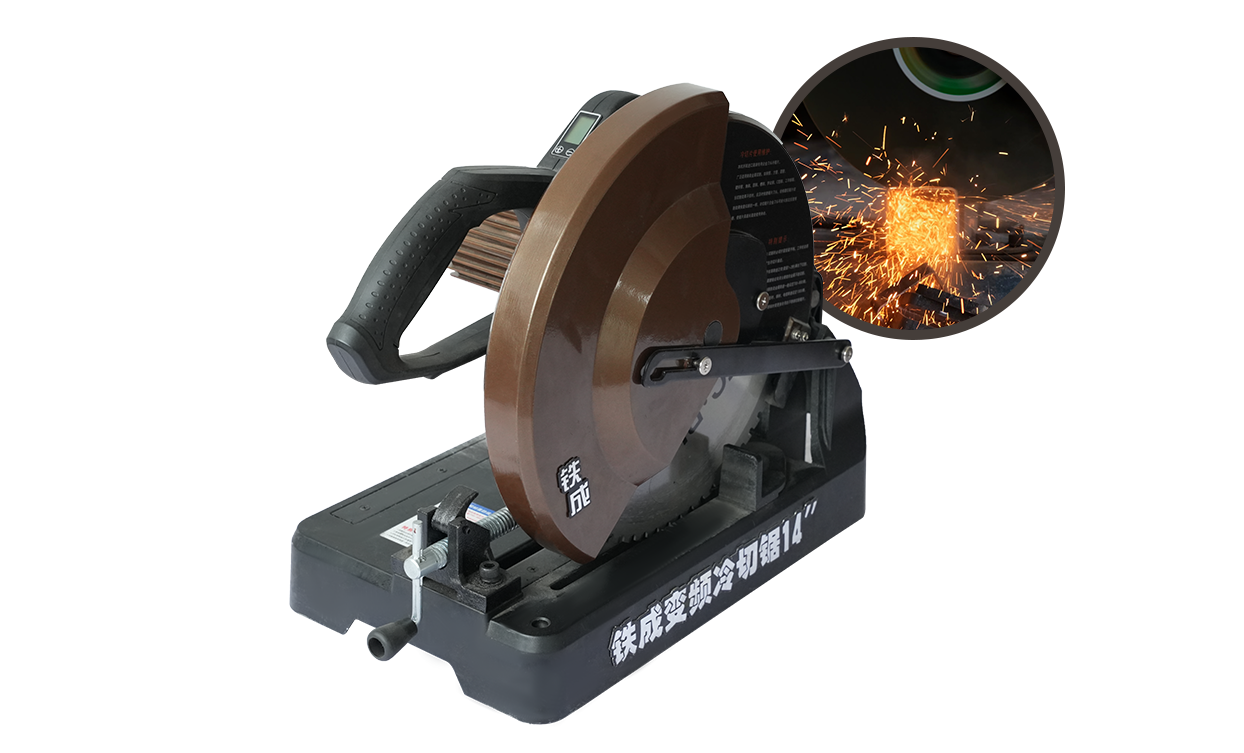
1. Next generation performance, delivering over 3,500 precise cuts with every blade 2. Intelligent Motor Technology 3. Precision Shadow Line Guide 4. ...
See Details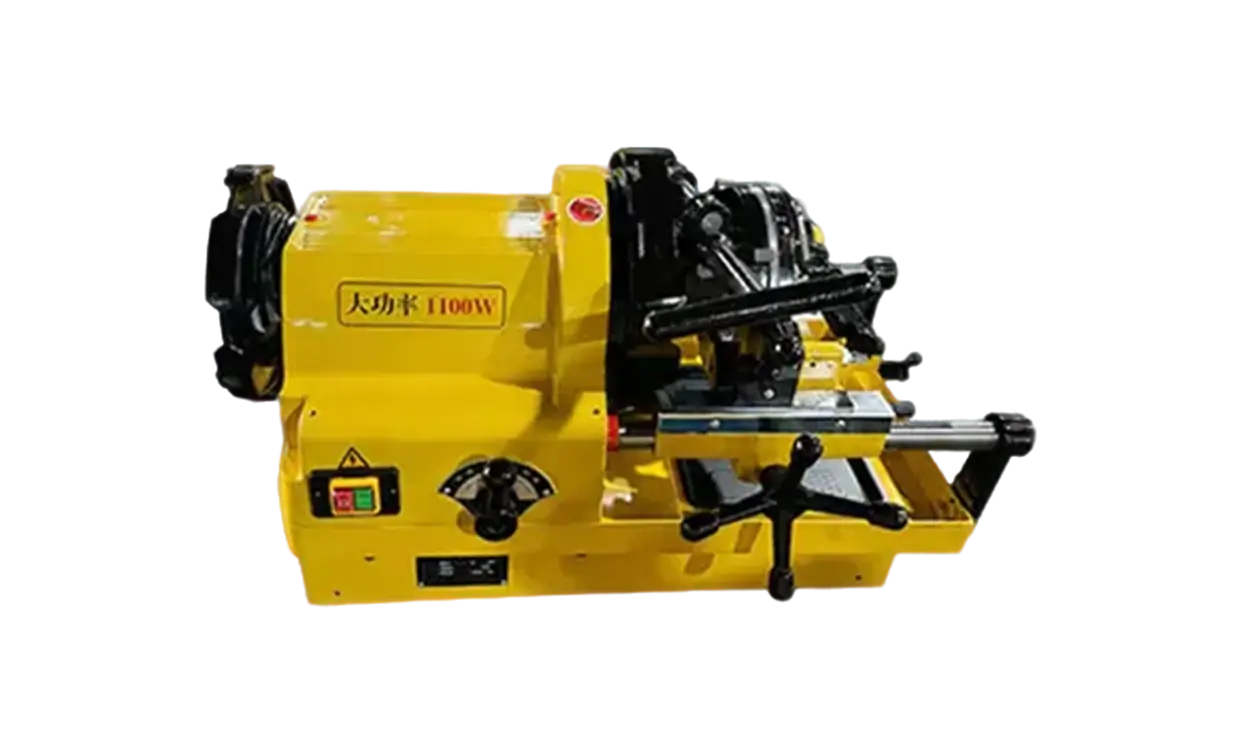
This SQ100 4-inch 15-100mm dual-speed electric pipe threading machine is engineered for precise and efficient pipe threading operations, with a workin...
See Details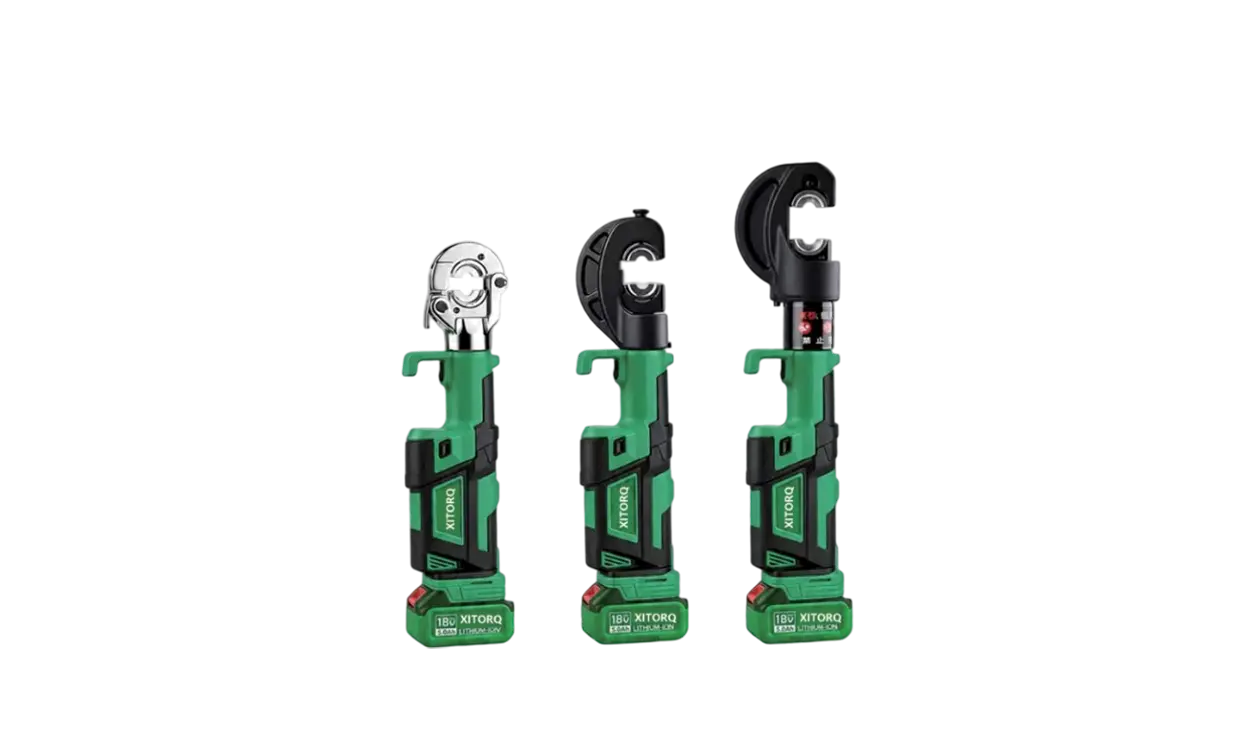
This 18V lithium-ion hydraulic crimping tool is a portable hydraulic tool designed for cable terminal crimping. It features a brushless lithium-ion po...
See Details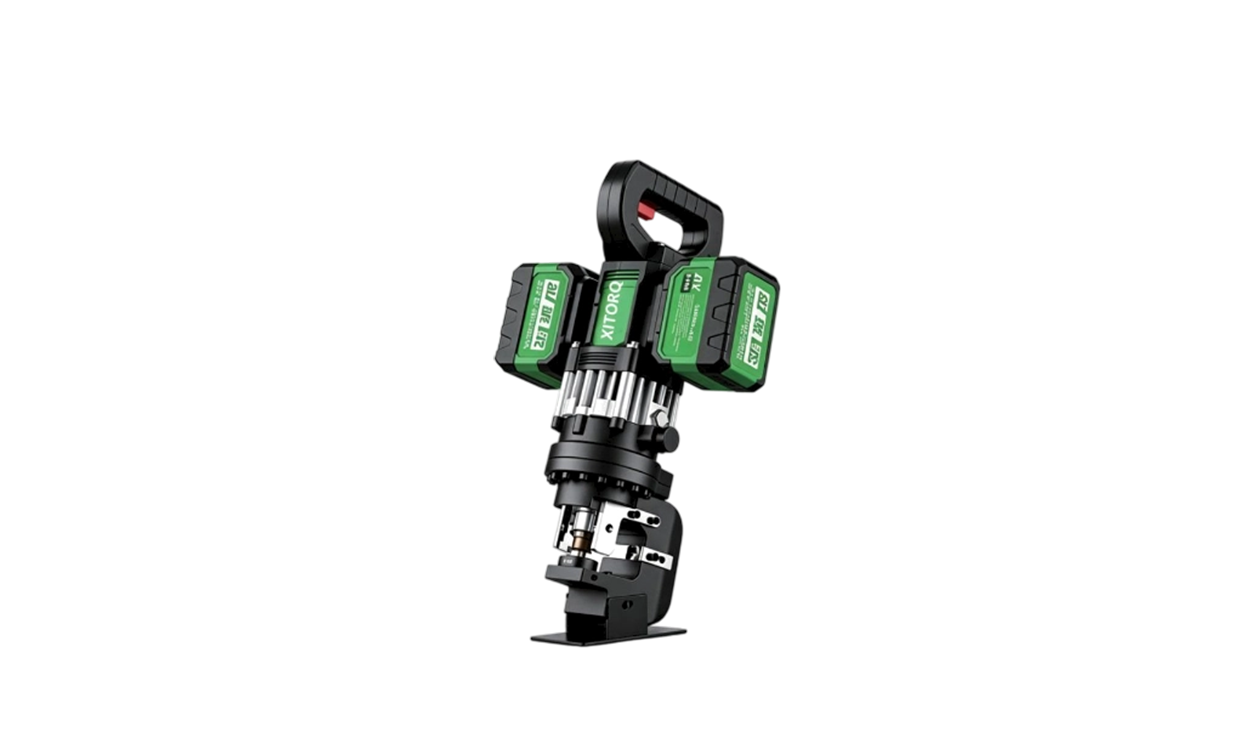
This 21V lithium-ion channel steel hole puncher is a portable hydraulic punching tool designed for punching holes in channel steel, angle steel, steel...
See Details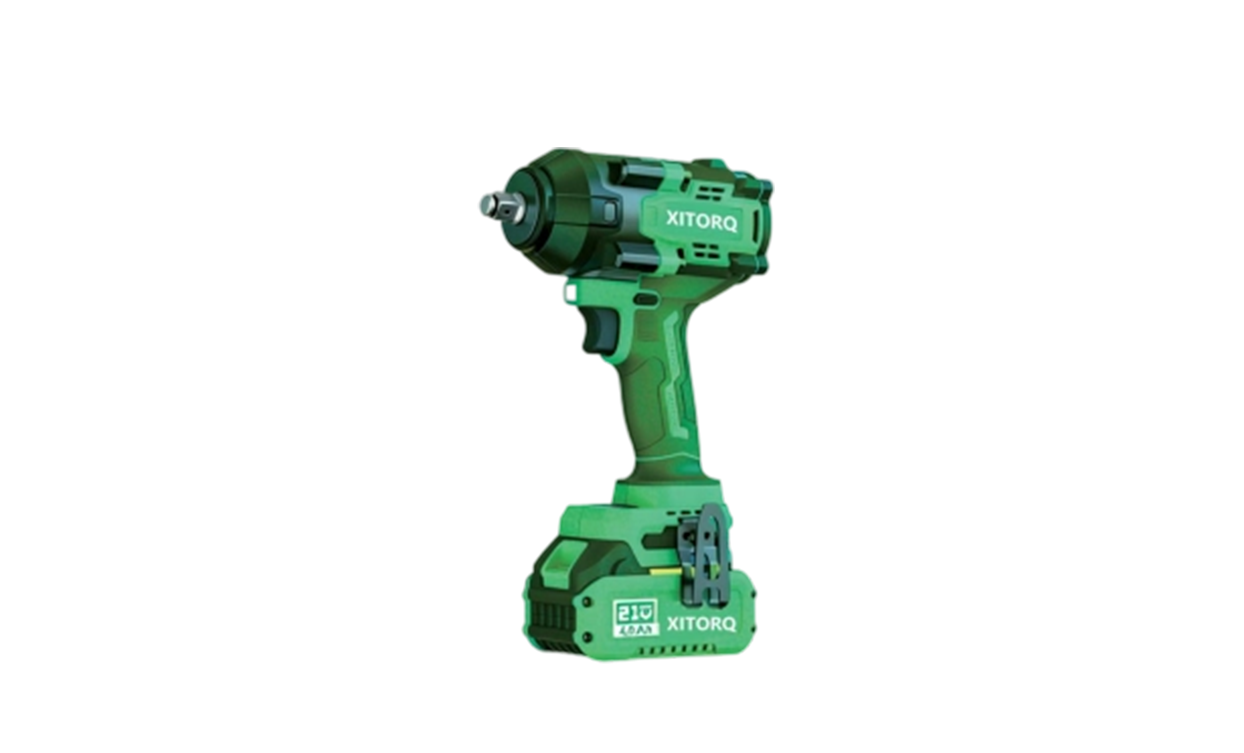
The XJ.570 21V lithium-ion brushless impact wrench is a light industrial-grade tool from the Xiaojia brand. Equipped with a 5220 brushless motor and p...
See Details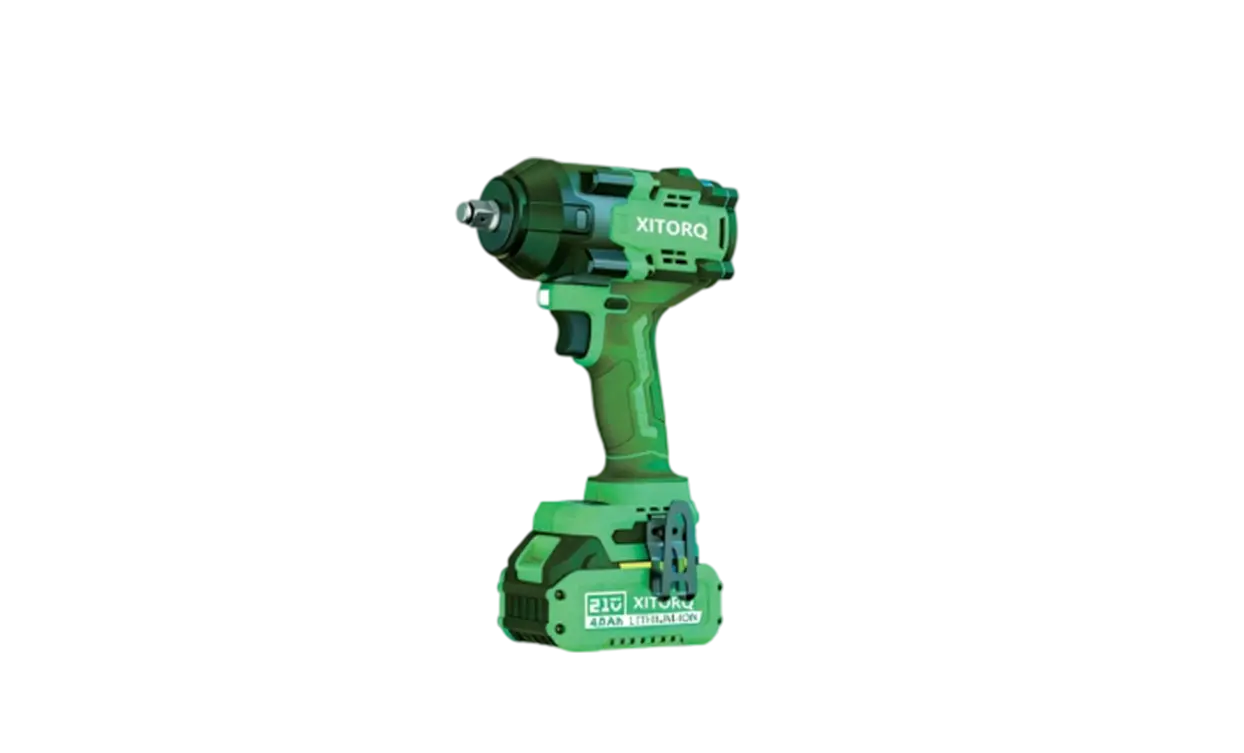
The XJ.580 21V lithium-ion brushless impact wrench is a medium-duty industrial-grade tool from the Xiaojia brand. Featuring an upgraded brushless moto...
See Details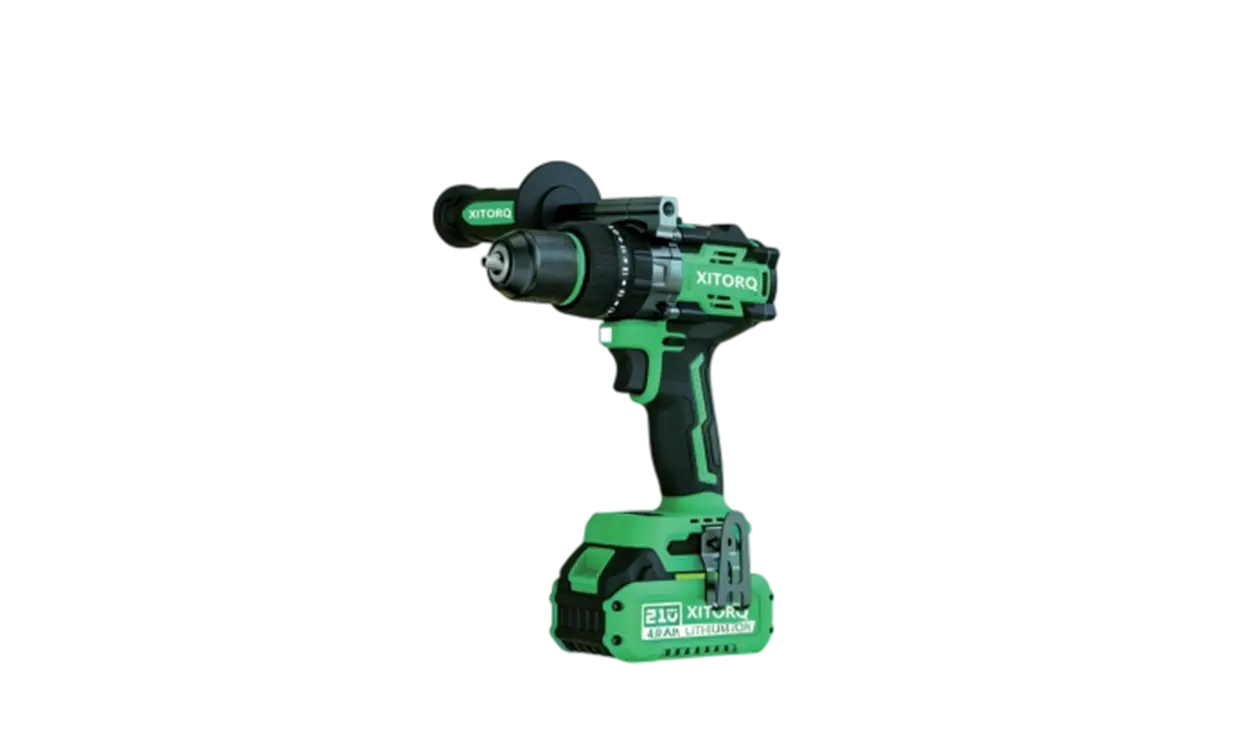
The XJ.615 21V lithium-ion brushless hammer drill/driver is a dual-purpose cordless drill from the Xiaojia brand. Powered by a 21V battery pack for co...
See Details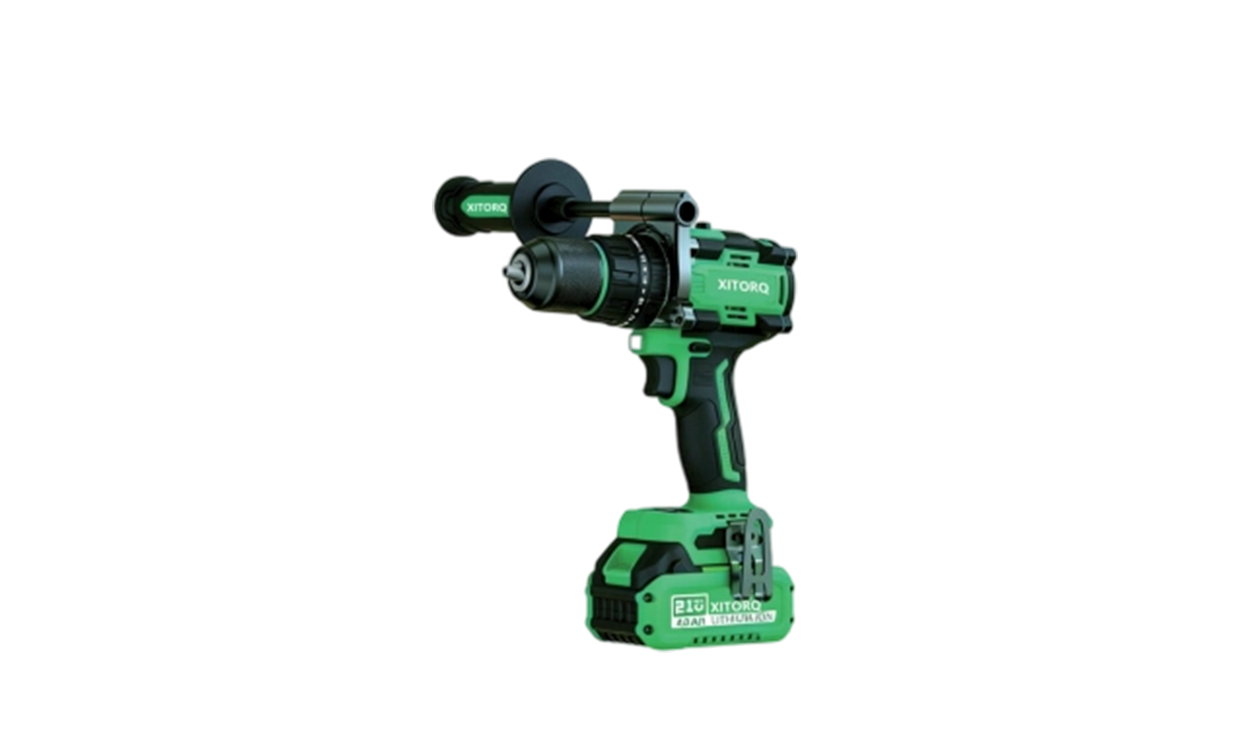
The XJ.617 21V lithium-ion brushless hammer drill/driver is a heavy-duty multi-function drill from the Xiaojia brand. Featuring an upgraded brushless ...
See Details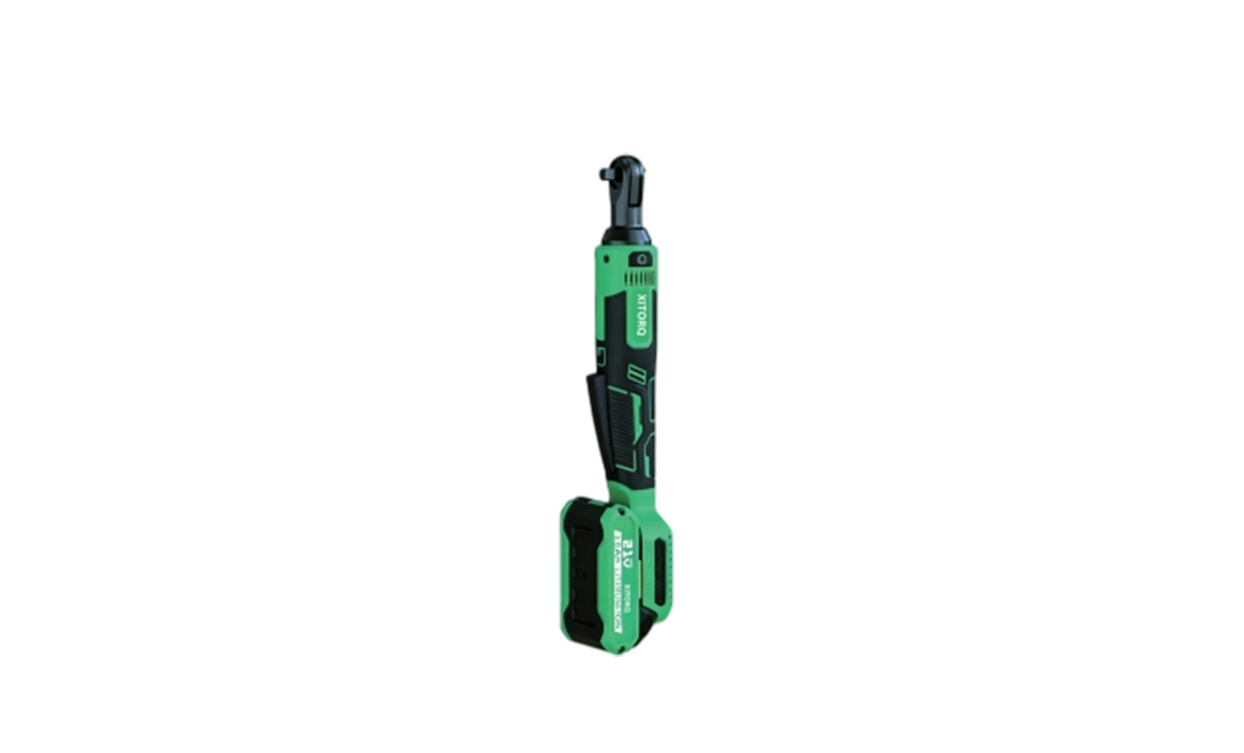
The XJ.592 16V brushless angle ratchet wrench is a compact industrial-grade ratchet from the Xiaojia brand. Equipped with a 16V brushless motor and an...
See Details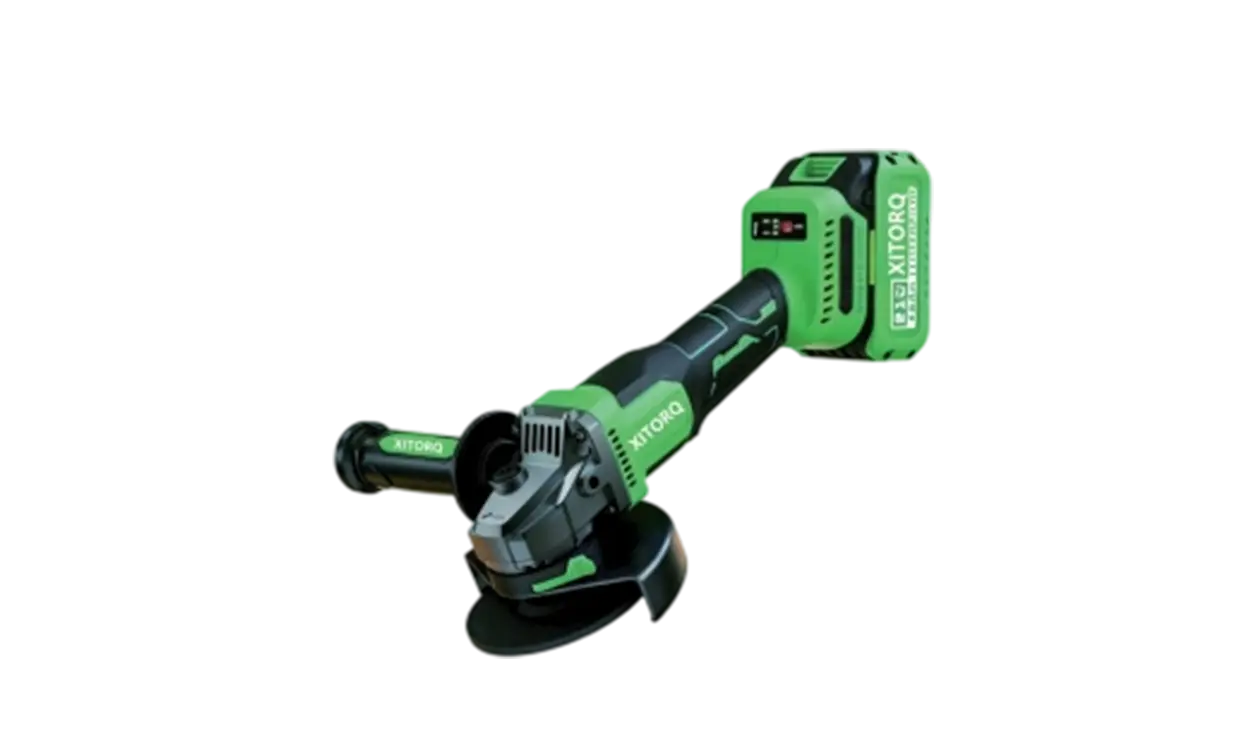
The XJ.918 21V lithium-ion high-magnetic brushless angle grinder is a heavy-duty industrial-grade grinder from the Xiaojia brand. Featuring an upgrade...
See Details
Copyright © by Hangzhou Xinabo Intelligent Electromechanical Technology Co., Ltd Rights Reserved. Pipe Threaders Manufacturers
